 Complete Gardening
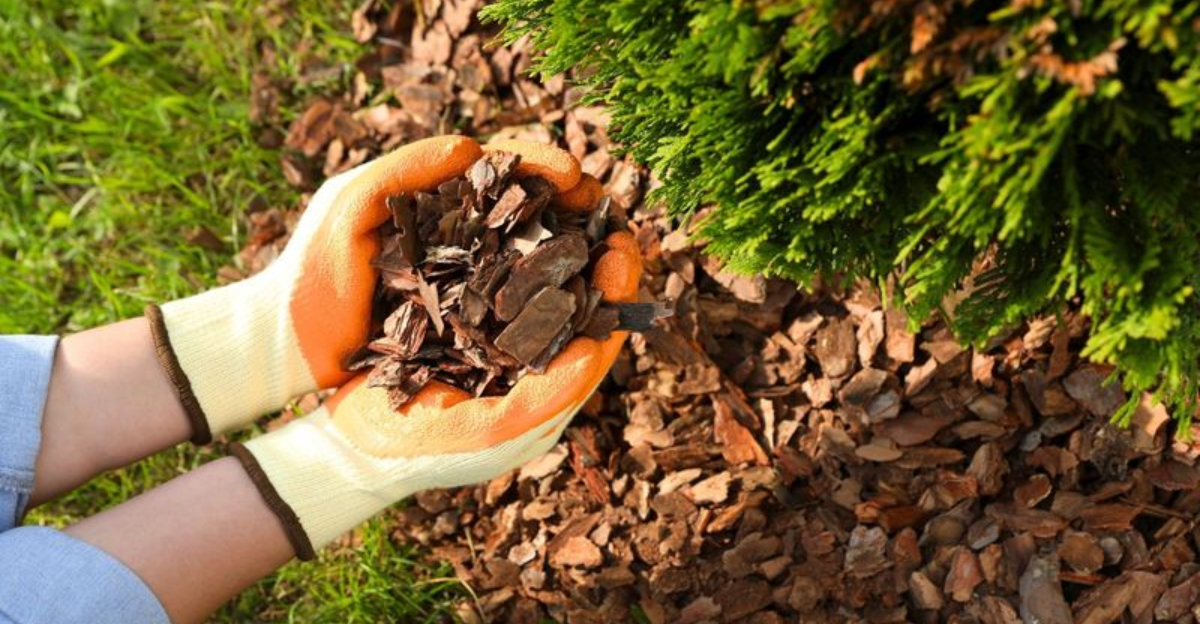
The landscape of mulching has evolved dramatically by 2025, reflecting new environmental insights and innovative techniques. As gardeners and agriculturalists seek sustainable practices, mulching stands out as a crucial method to enhance soil health, conserve water, and suppress weeds. The following sections explore 17 distinct mulching methods that have emerged or evolved, showcasing their unique benefits and applications. From traditional straw to futuristic bioplastic, these methods cater to various needs, whether it be ecological conservation, cost-efficiency, or aesthetic appeal.
1. Straw Mulch Revolution
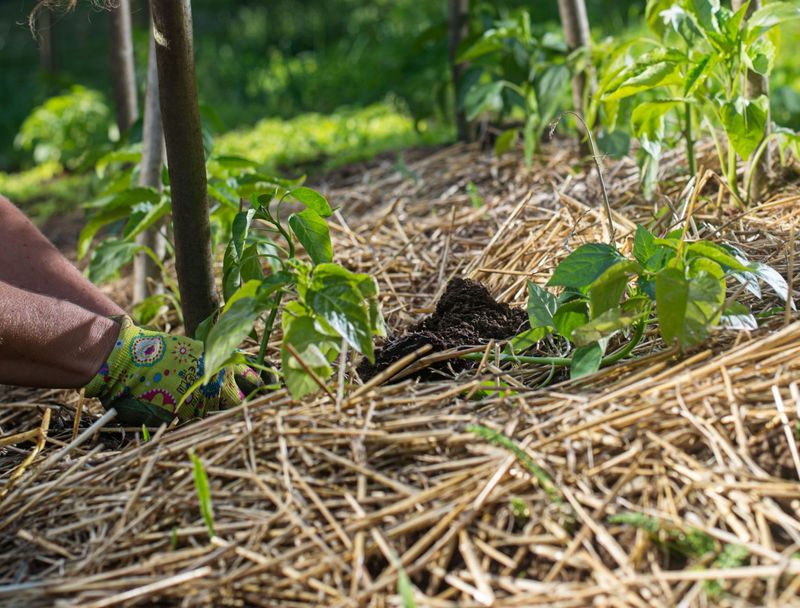
Straw mulch has been a gardener’s friend for centuries. However, recent developments have transformed its usage. In 2025, straw mulch is not just about weed suppression; it’s a key player in moisture retention and soil fertility. The innovation lies in its processing, where it’s treated with beneficial microbes to boost soil health. Did you know? Modern straw mulch is sourced sustainably, ensuring reduced carbon footprints. With its golden hue, it’s aesthetically pleasing too, making it a favorite for eco-conscious gardeners.
2. Wood Chip Wonders
Wood chips have always been popular, but their role has expanded. In 2025, they’re engineered to include nutrient-rich components that feed the soil. This method is particularly favored in permaculture due to its ability to foster biodiversity. Each chip acts as a microhabitat, promoting beneficial fungi and insects. Fun fact: Some wood chips are now infused with essential oils to repel pests naturally. This mulching method not only protects plants but enriches the ecosystem, making it a holistic gardening choice.
3. Living Mulch Magic
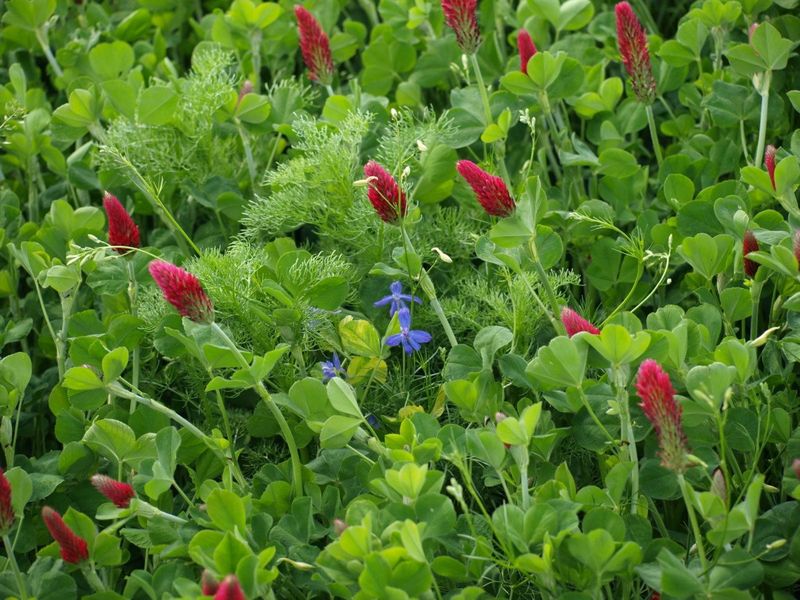
Living mulches, like clover or vetch, are game-changers. By 2025, they serve dual purposes: cover crop and soil enhancer. These plants fix nitrogen, enriching the soil naturally. The real magic lies in their ability to outcompete weeds, eliminating the need for chemical herbicides. Living mulches also attract pollinators and beneficial insects. Remarkably, they’re resilient to climate changes, adapting well to dry spells. Their lush appearance adds to garden aesthetics, providing a green carpet that nurtures plant growth efficiently.
4. Biodegradable Plastics
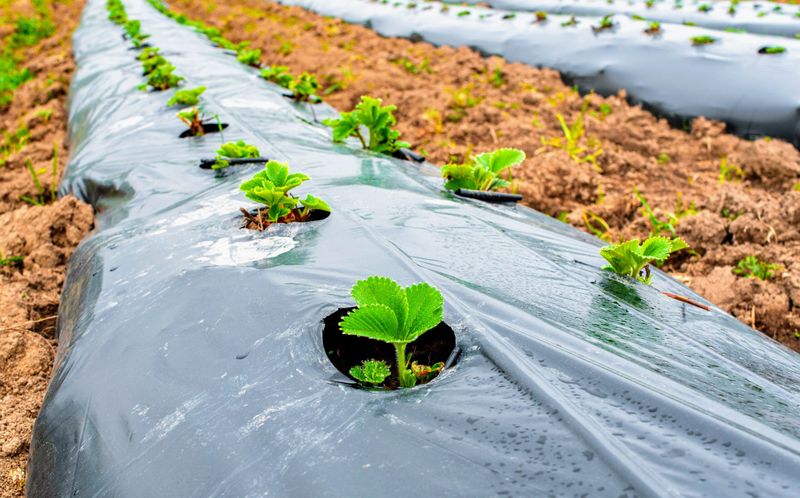
The use of biodegradable plastics in mulching is at the forefront of innovation. By 2025, these plastics break down into harmless components, leaving no trace behind. They offer the benefits of traditional plastic mulch—temperature regulation and weed suppression—without the environmental drawbacks. Designed to decompose within a season, they provide an eco-friendly alternative for gardeners. The sleek appearance of these mulches also appeals to modern gardeners seeking both functionality and aesthetics. This method is a harmonious blend of technology and nature.
5. Seaweed Mulch Marvel
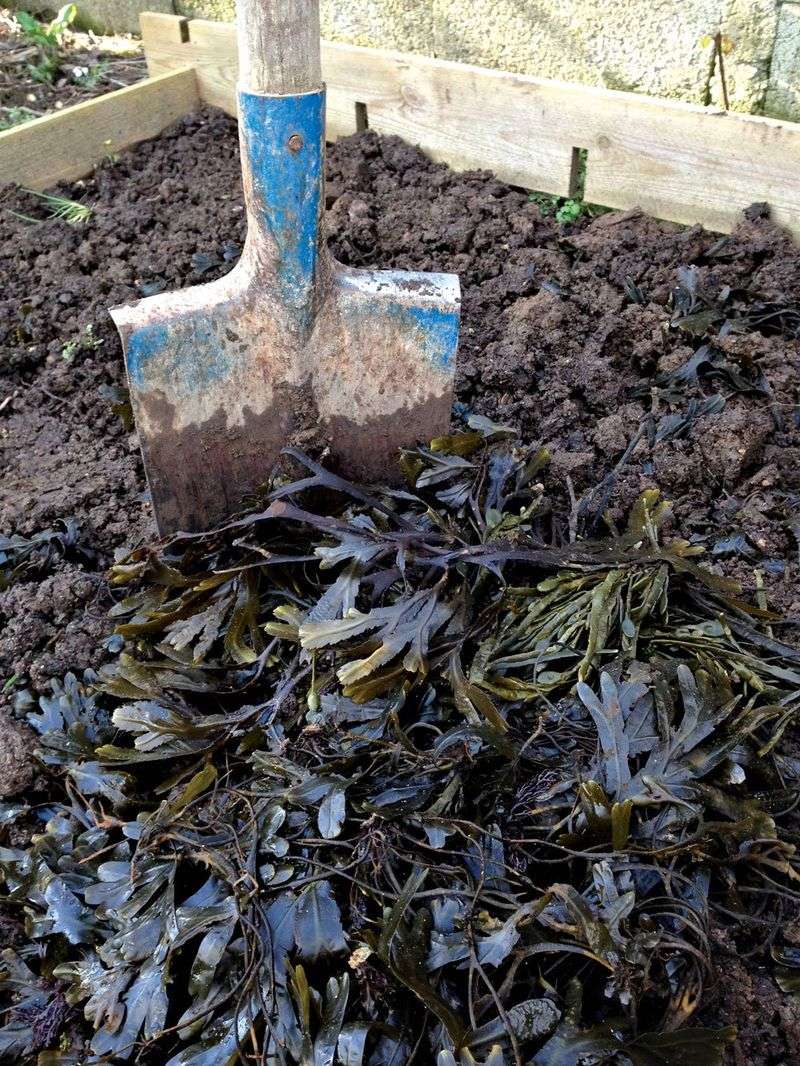
Seaweed mulch is gaining traction for its nutrient-rich profile. In 2025, it’s a sought-after resource for coastal gardeners. The seaweed is collected sustainably, ensuring marine ecosystems are undisturbed. Known for its high mineral content, it replenishes soil nutrients, boosting plant growth. The natural salts in seaweed also deter slugs and snails, acting as an organic pest control. Its earthy aroma and texture add a coastal touch to gardens, connecting them to nature’s rhythm. This mulch is both a gardener’s ally and an environmental steward.
6. Pine Needle Perfection
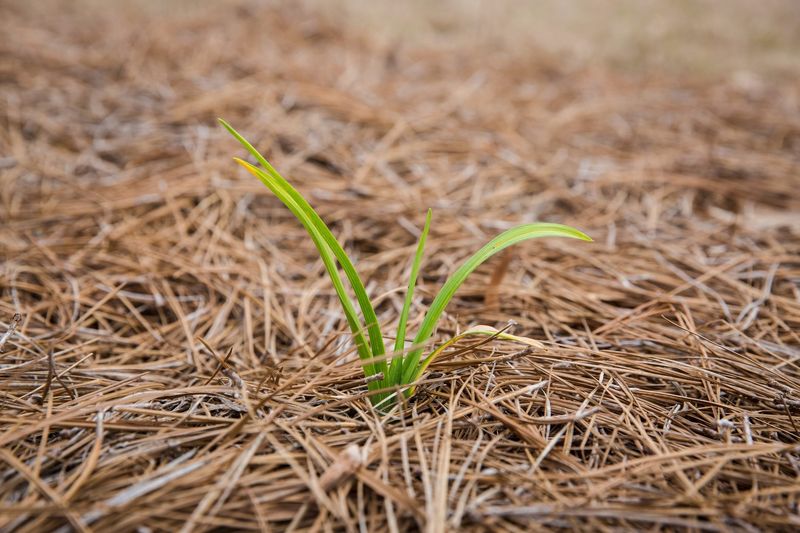
Pine needle mulch, or pine straw, has found its niche in acid-loving plant gardens. By 2025, its role has expanded due to its slow decomposition rate, offering long-lasting coverage. This mulch enhances soil acidity naturally, making it ideal for plants like blueberries and azaleas. Pine needles also allow for excellent water penetration while preventing soil erosion. Their rustic look complements naturalistic garden designs, creating a woodland ambiance. As an added benefit, they release a subtle pine scent, adding to the sensory experience of gardening.
7. Compost Blanket
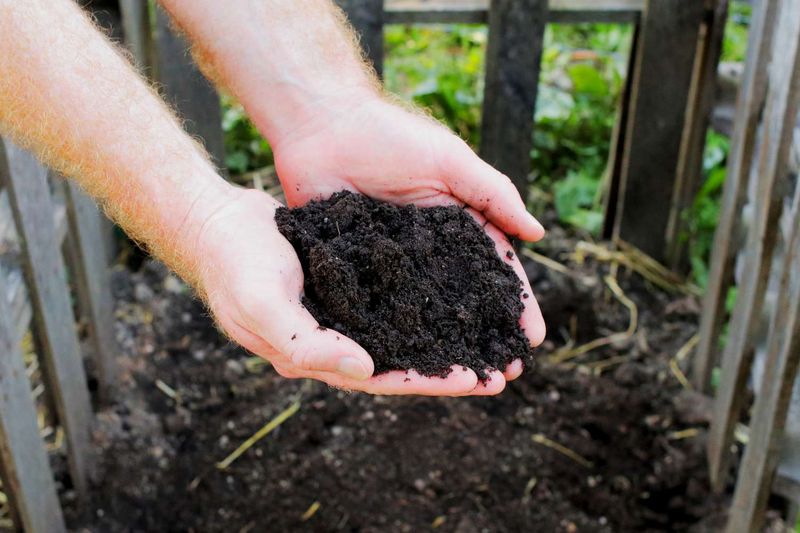
Compost mulch is the unsung hero of sustainable gardening by 2025. It provides a dual function: enriching soil and acting as a protective cover. This mulch is rich in organic matter, enhancing microbial activity and soil structure. It also insulates roots from temperature extremes, promoting healthy growth. The dark, crumbly texture of compost mulch is visually appealing, resembling rich earth. Interestingly, it’s an efficient way to repurpose kitchen waste, closing the loop in home gardening ecosystems. This is a gardener’s gold, combining functionality with environmental responsibility.
8. Grass Clipping Cover
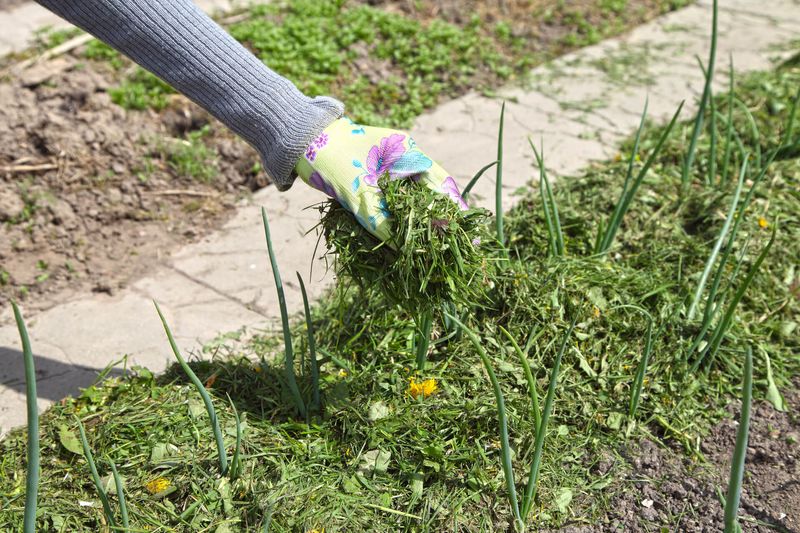
A simple yet effective method, grass clippings are gaining popularity by 2025. They act as mulch that recycles nutrients back into the soil, promoting lush plant growth. Clippings are readily available, making this method cost-effective for many gardeners. As they decompose, they enrich the soil with nitrogen, a vital nutrient for plants. However, it’s crucial to use weed-free grass to prevent unwanted growth. The fresh, green appearance of grass clippings adds vibrancy to gardens, reflecting a sustainable and practical approach to mulching.
9. Rock Mulch Resilience
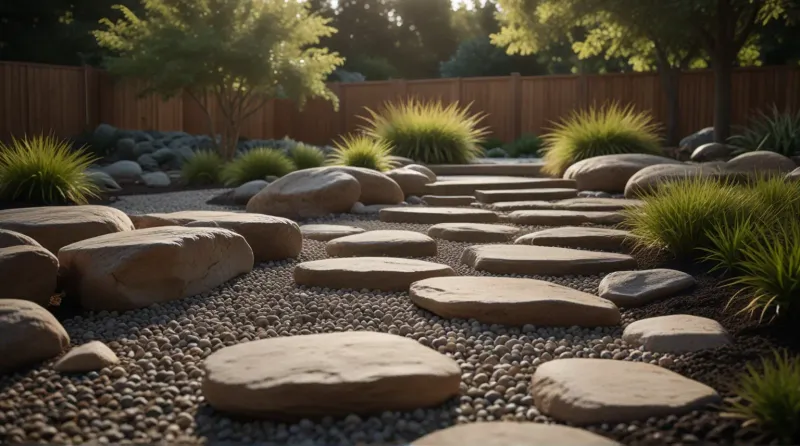
In arid regions, rock mulch is a resilient choice by 2025. Its primary appeal is in water conservation, as it reduces evaporation significantly. Rocks also provide insulation, maintaining stable soil temperatures. The variety in size and color allows for creative landscaping designs. Despite its non-organic nature, rock mulch supports habitats for certain beneficial insects and reptiles. This method is ideal for xeriscaping, promoting a sustainable approach to gardening in water-scarce areas. The rugged beauty of rock mulch adds a timeless appeal to desert landscapes.
10. Cardboard Carpet
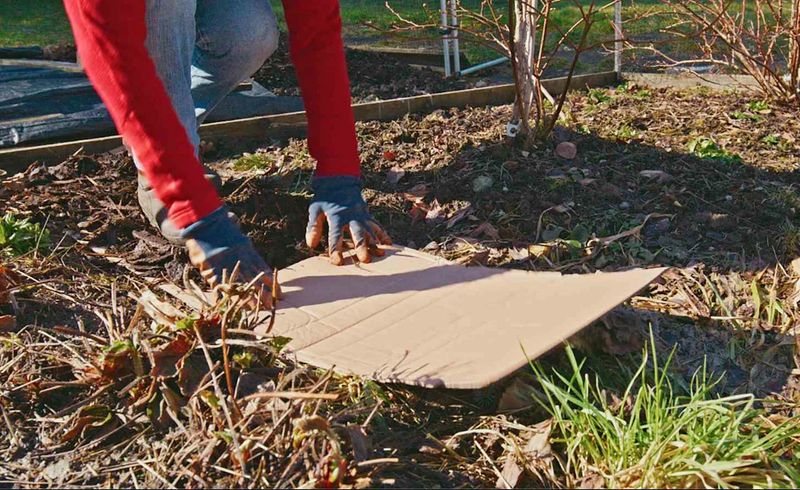
Cardboard mulch is paving the way for urban gardening by 2025. This method utilizes recycled materials, reducing waste and resource consumption. Cardboard acts as an excellent weed barrier while decomposing into the soil. It’s particularly effective in suppressing invasive plant species. As an added benefit, it retains moisture, reducing the need for frequent watering. The neutral tones of cardboard blend seamlessly into garden aesthetics. By transforming waste into a garden asset, this mulch embodies the principles of sustainable living, catering to eco-conscious urban gardeners.
11. Cocoa Hull Harmony
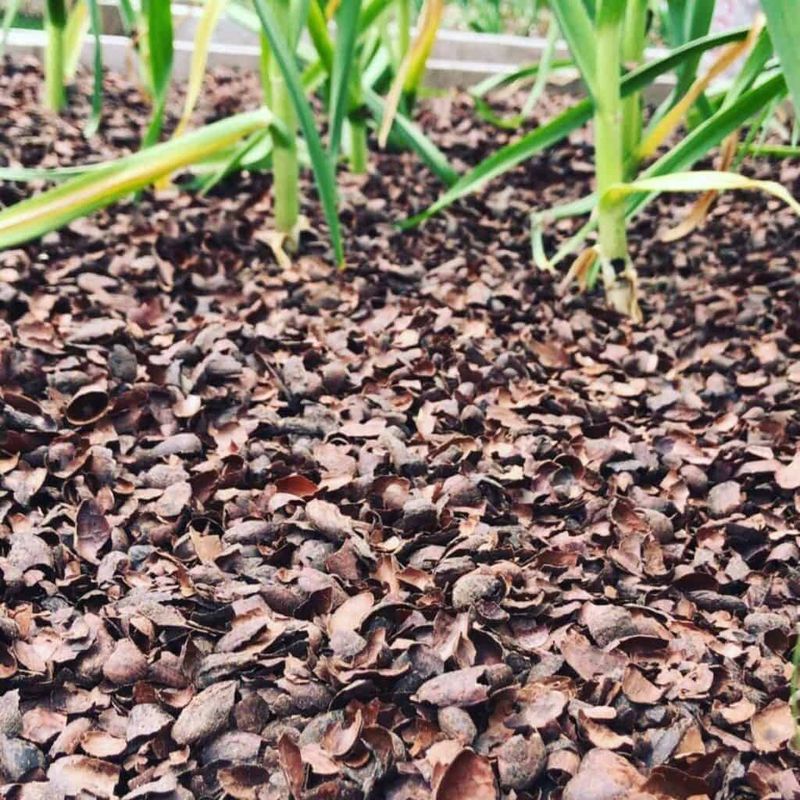
Cocoa hull mulch, derived from cacao shells, offers a unique mulching experience in 2025. Its rich, chocolate-brown color adds an aesthetic appeal to gardens. As it breaks down, it enriches the soil with organic matter and nutrients. The natural aroma of cocoa hulls creates a sensory delight, though pet owners should be cautious as it’s toxic to dogs. This mulch is particularly favored for its lightweight nature, making application easy. It’s a luxurious option for those seeking to add a touch of indulgence to their gardening practice.
12. Rubber Mulch Innovation
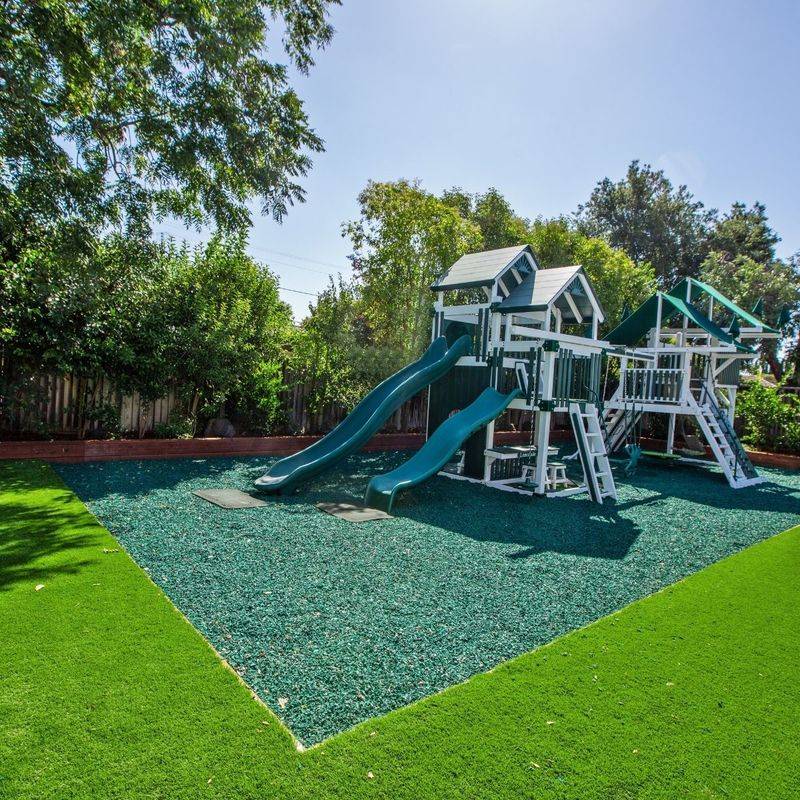
Rubber mulch, made from recycled tires, is transforming playgrounds and landscapes by 2025. It offers cushioning, reducing injury risks, making it ideal for play areas. This mulch doesn’t decompose, providing long-lasting coverage. It’s resistant to pests and mold, ensuring a clean environment. The vibrant colors of rubber mulch add a playful touch to gardens and playgrounds. However, it’s important to balance environmental concerns with its benefits, opting for high-quality, non-toxic options. This method is a testament to innovation, combining safety and sustainability in modern landscaping.
13. Sawdust Simplicity
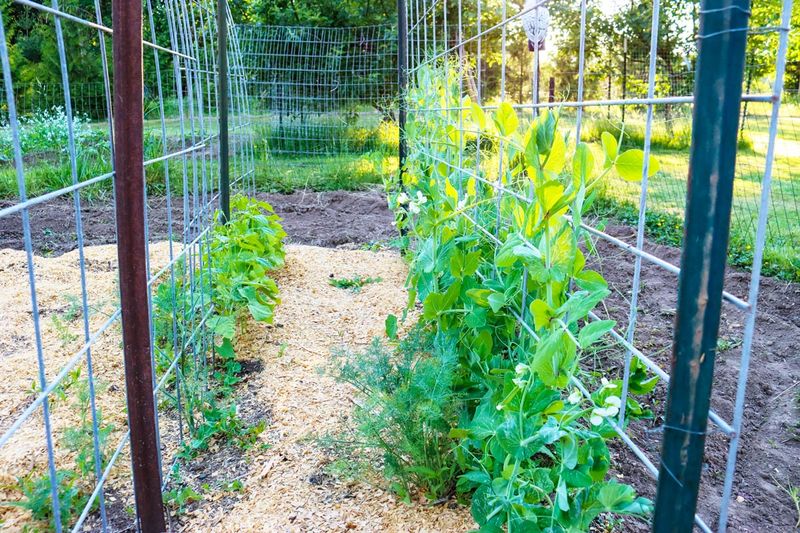
Sawdust mulch is a simple yet effective choice for 2025. It’s particularly beneficial for paths and walkways, offering a soft, natural cover. When aged properly, sawdust enriches the soil as it decomposes, though care must be taken not to rob the soil of nitrogen. Its fine texture allows for easy application, and it pairs well with other organic mulches for diverse benefits. The light color of sawdust creates a striking contrast in gardens, enhancing visual appeal. This mulch is a practical choice for those seeking simplicity and functionality.
14. Leaf Litter Layers
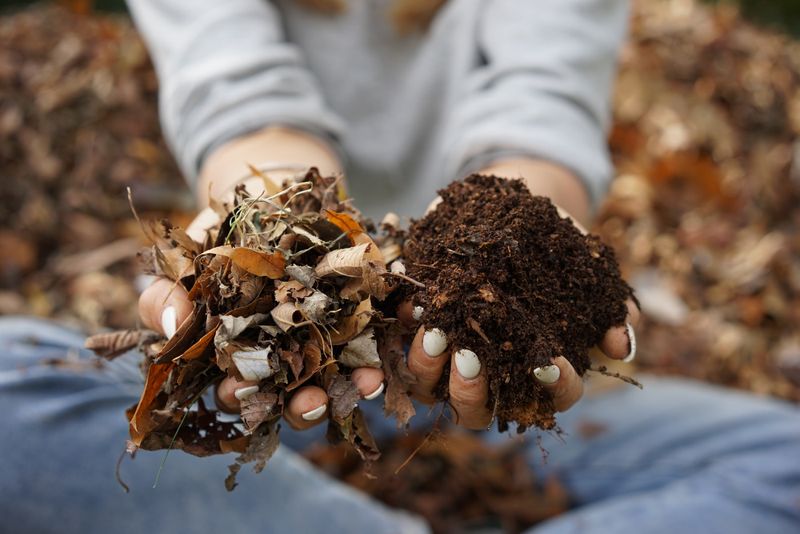
Leaf mulch is nature’s way of recycling nutrients. In 2025, gardeners embrace this method for its simplicity and effectiveness. Fallen leaves provide a natural blanket, insulating soil and conserving moisture. As they break down, they feed the soil with vital nutrients. This mulch encourages earthworm activity, enhancing soil structure. The colorful tapestry of leaves adds seasonal charm to gardens, celebrating nature’s cycles. For the eco-conscious gardener, leaf mulch offers a harmonious blend of practicality and aesthetics, aligning with sustainable practices.
15. Hydrogel Mulch
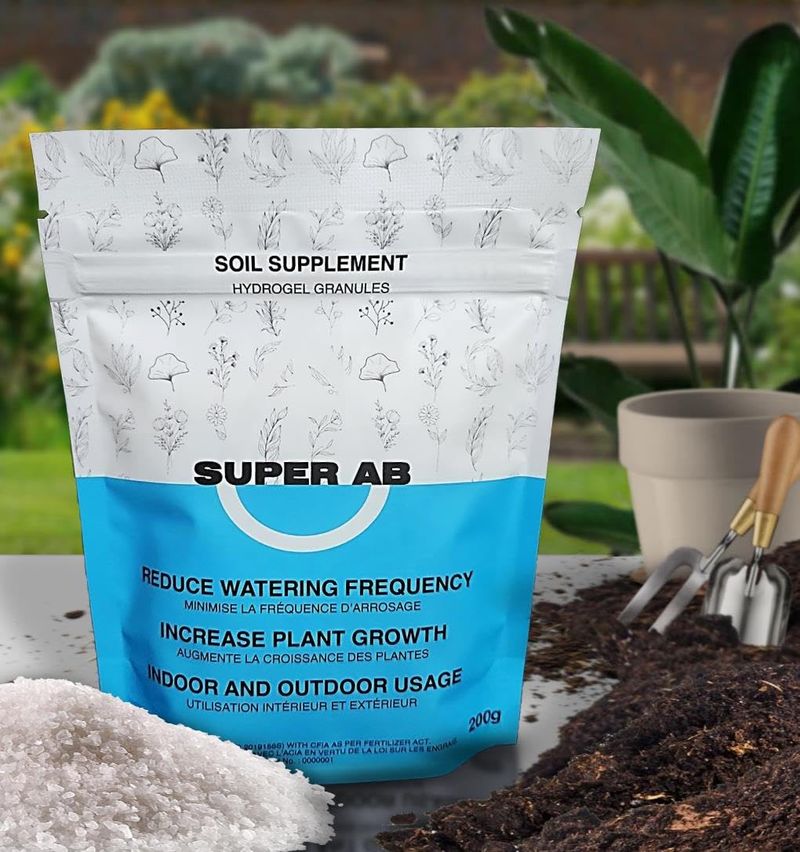
Hydrogel mulch is at the cutting edge of gardening technology by 2025. These water-absorbing beads release moisture slowly, ensuring plants receive a steady supply. This mulch is ideal for water-scarce regions, reducing irrigation needs. The transparent beads blend seamlessly into soil, maintaining garden aesthetics. Hydrogel mulch also supports root health by reducing soil compaction. As an innovative solution, it embodies the fusion of science and gardening, offering a sustainable approach to modern horticulture. This mulch is perfect for tech-savvy gardeners embracing futuristic solutions.
16. Hemp Hurrah

Hemp mulch is gaining popularity for its sustainability and effectiveness in 2025. Derived from the hemp plant, this mulch is biodegradable and rich in nutrients. It provides excellent weed suppression and soil insulation, promoting healthy plant growth. The fibrous texture of hemp mulch allows for good water retention while preventing soil erosion. Its light color reflects sunlight, maintaining optimal soil temperatures. Hemp mulch is not only eco-friendly but also supports sustainable agriculture practices, making it a preferred choice for conscientious gardeners seeking green solutions.
17. Rice Hull Renaissance
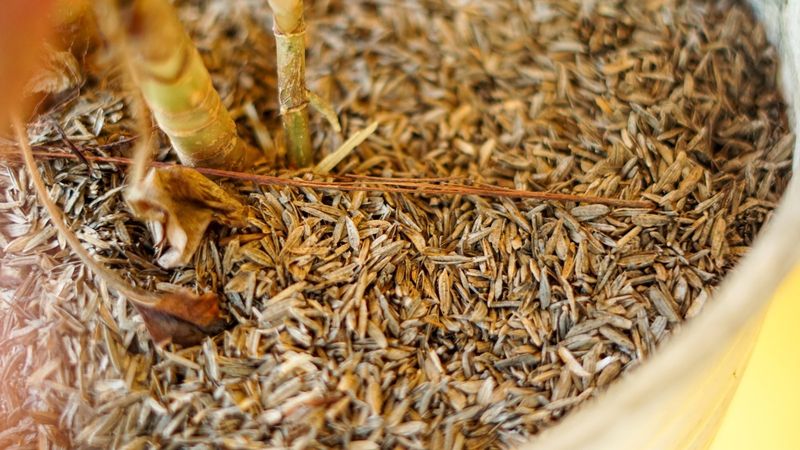
Rice hull mulch, a byproduct of rice milling, is making waves in 2025. Its lightweight nature and high silica content make it an excellent choice for soil aeration. This mulch is particularly favored in regions where rice is a staple, promoting local resource utilization. Rice hulls decompose slowly, providing extended coverage and protection. Their pale color reflects sunlight, helping to regulate soil temperature. This method exemplifies how agricultural byproducts can be repurposed efficiently, contributing to a sustainable future. Rice hull mulch is both innovative and resourceful.