 Complete Gardening
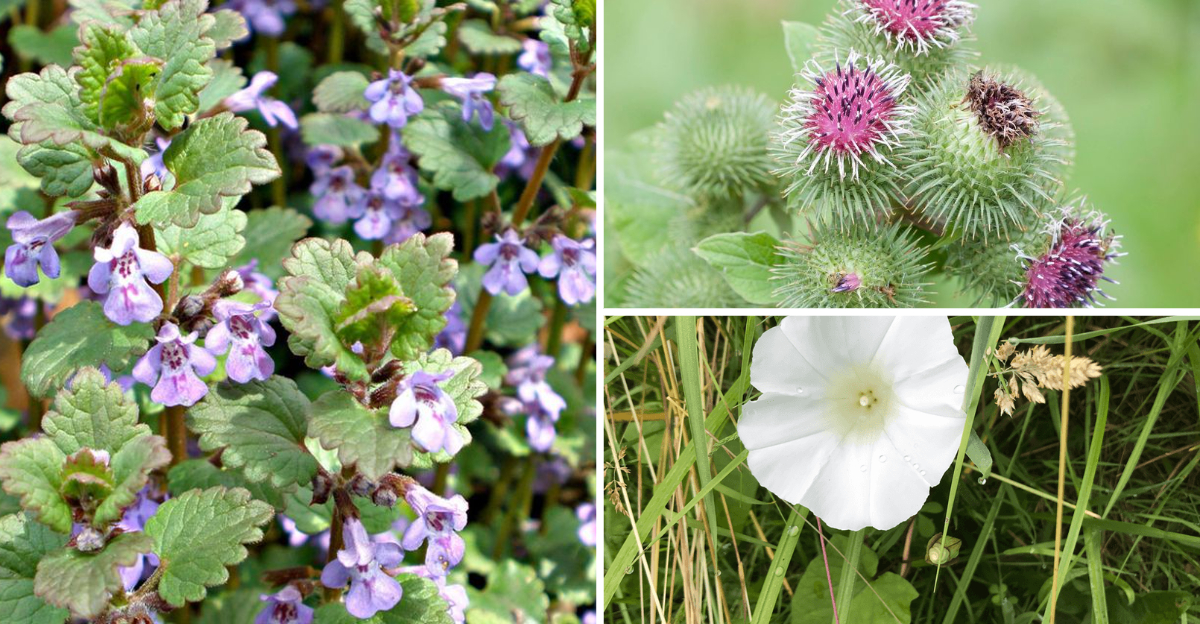
Explore the surprising truths about 23 common garden weeds, revealing their hidden benefits and roles in the ecosystem.
1. Dandelion (Taraxacum officinale)
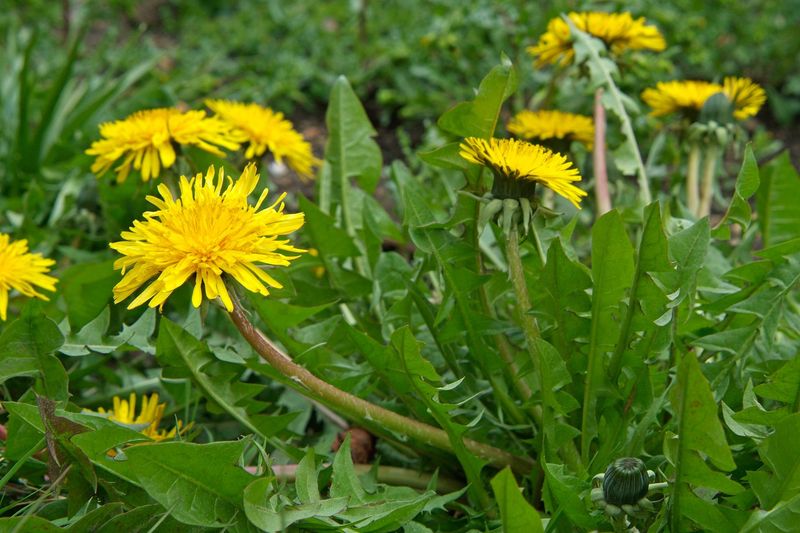
Often dismissed as a mere lawn nuisance, dandelions are much more. These bright yellow flowers are a magnet for pollinators, aiding in the backyard biodiversity. Beyond their visual appeal, dandelions play a crucial role in loosening soil, making it easier for other plants to grow. Every part of the plant is edible, from root to flower, providing a source of vitamins and minerals. Embrace dandelions in your garden for a touch of beauty and a boost to the ecosystem. Did you know? Dandelions are used in traditional medicine for various health benefits.
2. Purslane (Portulaca oleracea)
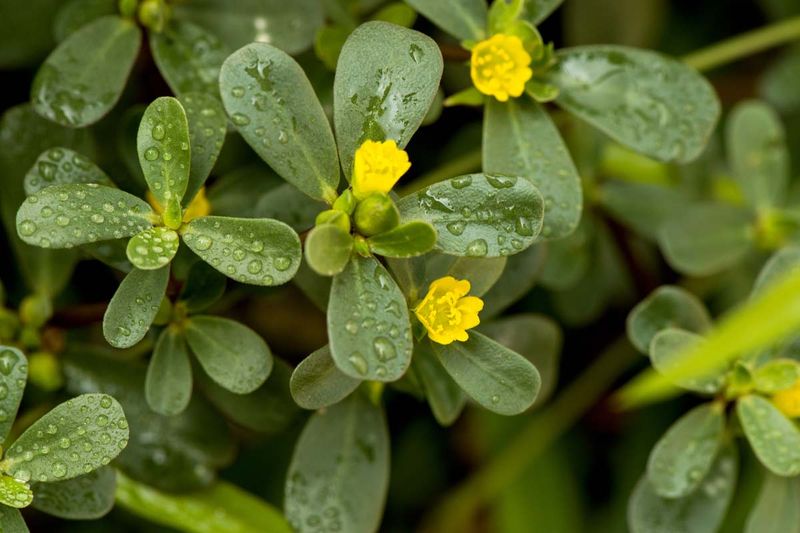
Purslane is often seen as a slimy weed, but it holds secrets of a superfood. Packed with omega-3 fatty acids and antioxidants, purslane is a nutritious addition to salads. Its succulent leaves thrive in various conditions, making it a resilient plant. In many cultures, purslane is cultivated intentionally for culinary use. Its presence in your garden signifies fertile soil rich in nutrients. This weed, once underestimated, can be a valuable ally in promoting health and nutrition. Discover the culinary potential of purslane, transforming your view of this common garden invader.
3. Chickweed (Stellaria media)
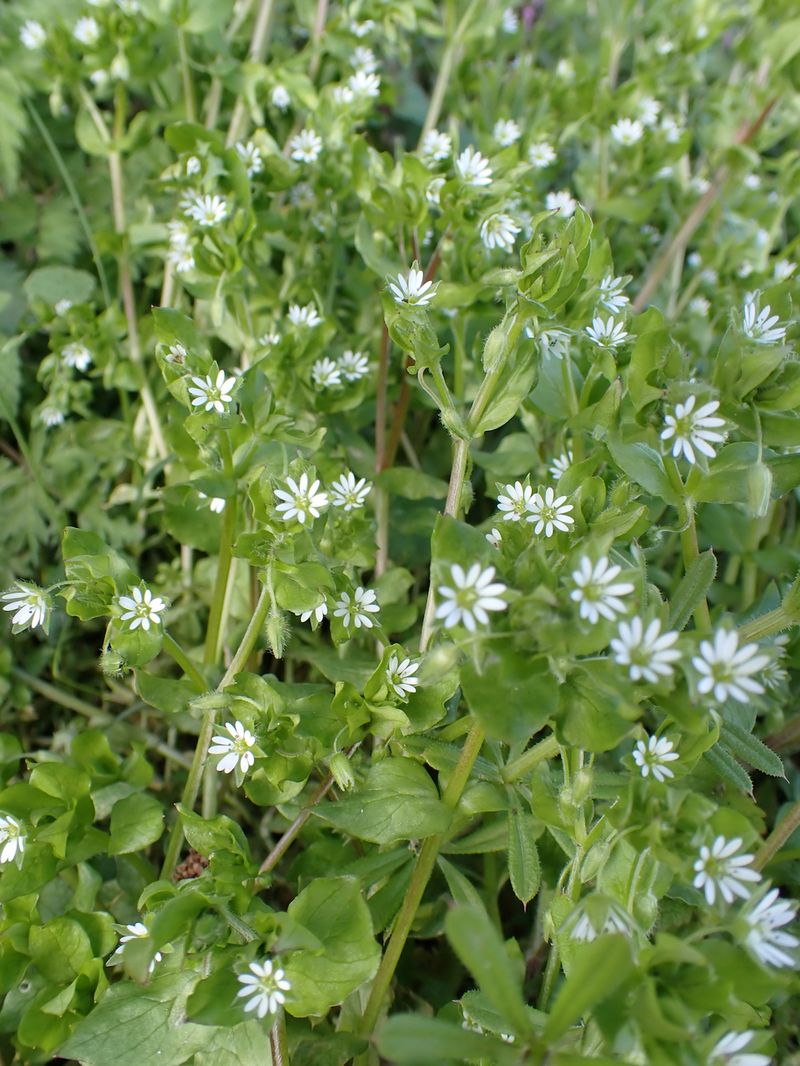
Chickweed, often overlooked as a fragile filler, is a cool-weather hero. This plant acts as a cover crop, suppressing other weeds and enriching the compost with nutrients. Chickweed leaves are edible, offering a spinach-like flavor, and have traditional medicinal uses. Its presence indicates healthy, well-aerated soil, making it a gardener’s ally. While its small white flowers may seem inconspicuous, they play a crucial role in early spring pollination. Embrace chickweed for its dual role in enhancing garden health and providing a fresh, nutritious green for your table.
4. Lamb’s Quarters (Chenopodium album)
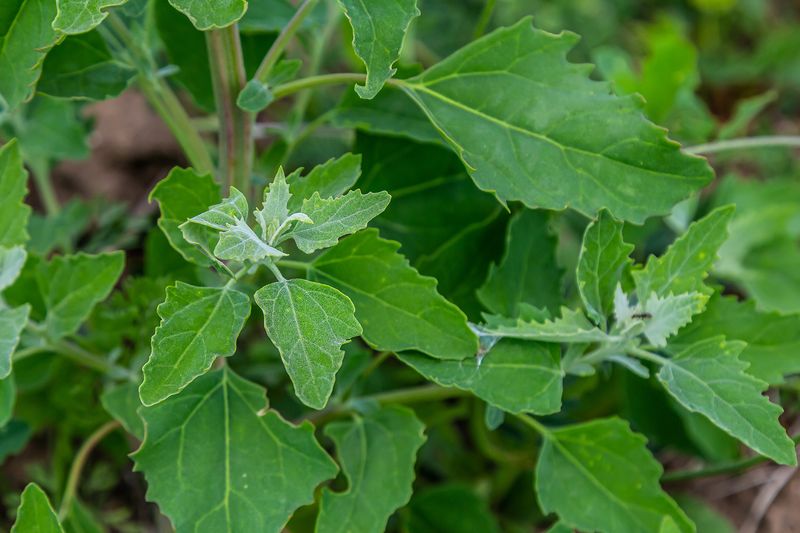
Lamb’s quarters may appear messy, but it’s a nutritional powerhouse. Related to quinoa, this plant is rich in calcium, iron, and protein. Its leaves can be cooked like spinach or eaten raw in salads, adding a healthy boost to meals. Besides its culinary uses, lamb’s quarters contribute to soil health, helping to balance nutrient levels. Its hardy nature makes it a reliable crop in various conditions. Far from being just a wild green, lamb’s quarters offer both dietary and ecological benefits, enhancing both garden and kitchen.
5. Plantain (Plantago major)
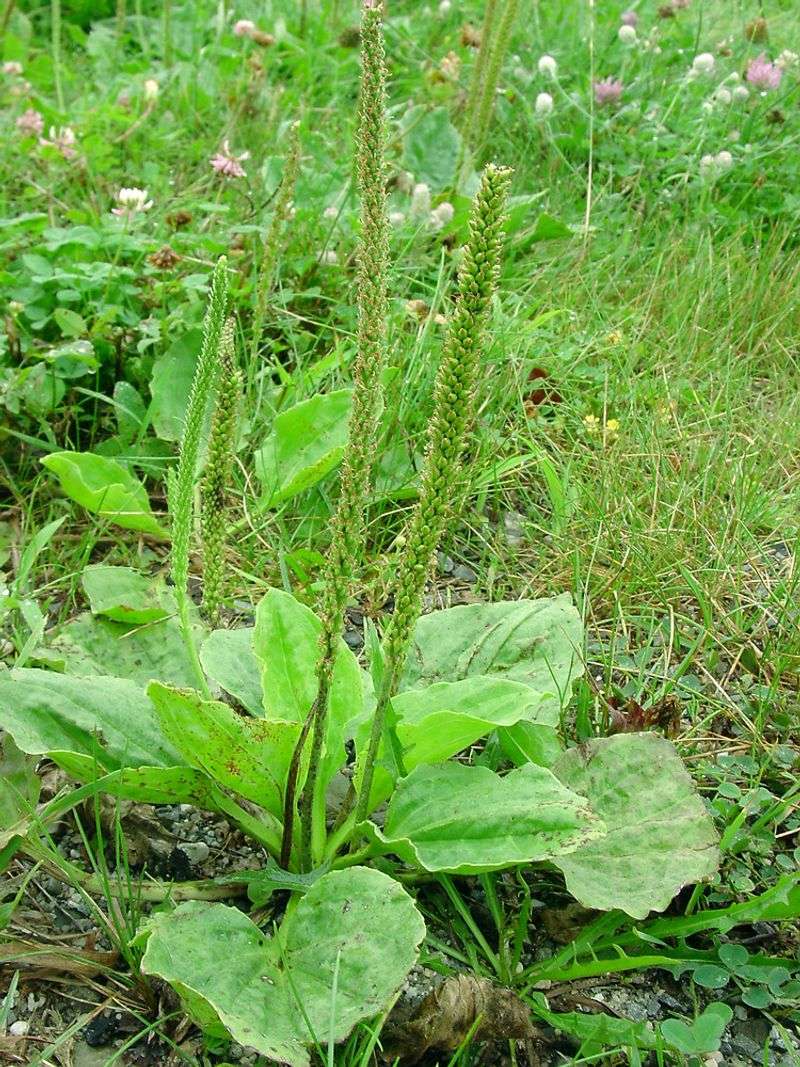
Often mistaken for unwanted ground cover, plantain is a potent medicinal herb. Its leaves are used to treat insect bites and wounds, offering natural healing properties. Thriving in compacted soils, plantain reveals poor soil structure, serving as an indicator for gardeners. Despite its unassuming appearance, this plant plays a crucial role in soil aeration and health. Embrace plantain for its ecological and medicinal benefits, transforming it from a mere weed to a garden ally. Its resilience and healing properties make it a valuable addition to any garden landscape.
6. Creeping Charlie (Glechoma hederacea)
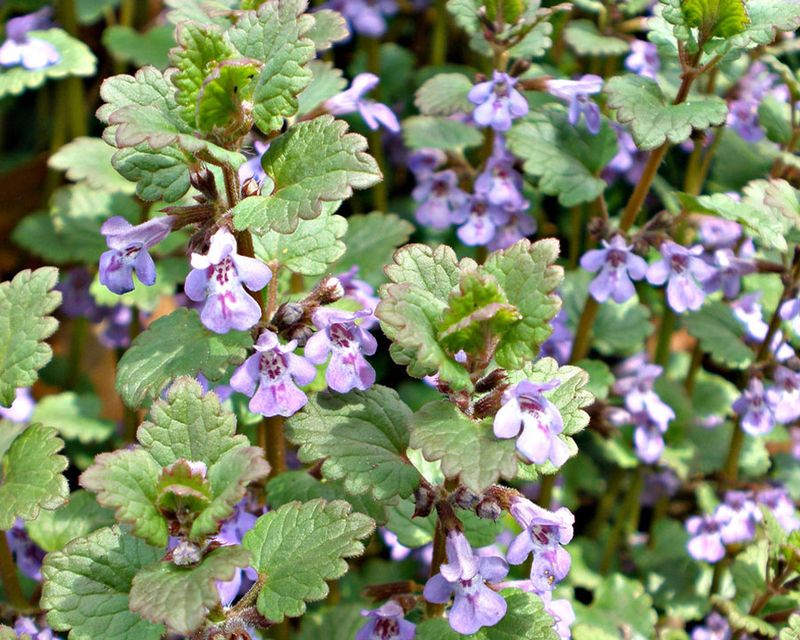
While often seen as an aggressive vine, creeping Charlie offers unexpected benefits. This groundcover protects bare soil from erosion and attracts early spring pollinators with its purple flowers. Though it spreads quickly, its presence can signal areas needing soil improvement. Creeping Charlie’s resilience makes it a valuable asset in maintaining soil health. Instead of fearing its growth, consider its role in ecological balance. It may require management, but its environmental contributions are significant. Embrace creeping Charlie as more than a nuisance; it’s a guardian of garden stability.
7. Groundsel (Senecio vulgaris)
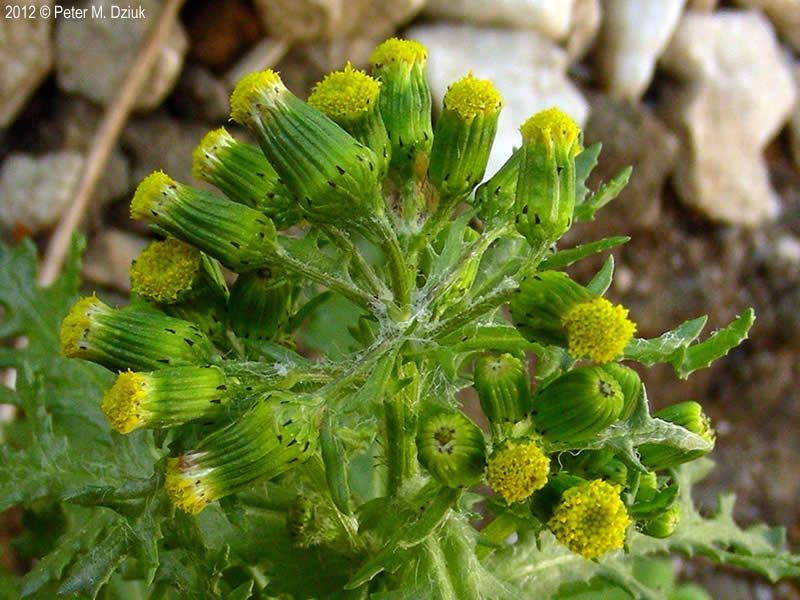
Viewed as toxic, groundsel provides vital ecological services. While harmful to livestock, it offers nectar for early insects, supporting biodiversity. Groundsel’s presence reveals disturbed soils, helping gardeners identify areas needing attention. Despite its toxic reputation, it plays a crucial role in the garden ecosystem. Recognize groundsel for its contribution to soil management and pollinator support. Rather than dismissing it, consider its environmental importance. This plant exemplifies how misunderstood weeds can enhance garden health. Groundsel’s role in the ecosystem highlights the complexity and value of common garden weeds.
8. Nettle (Urtica dioica)
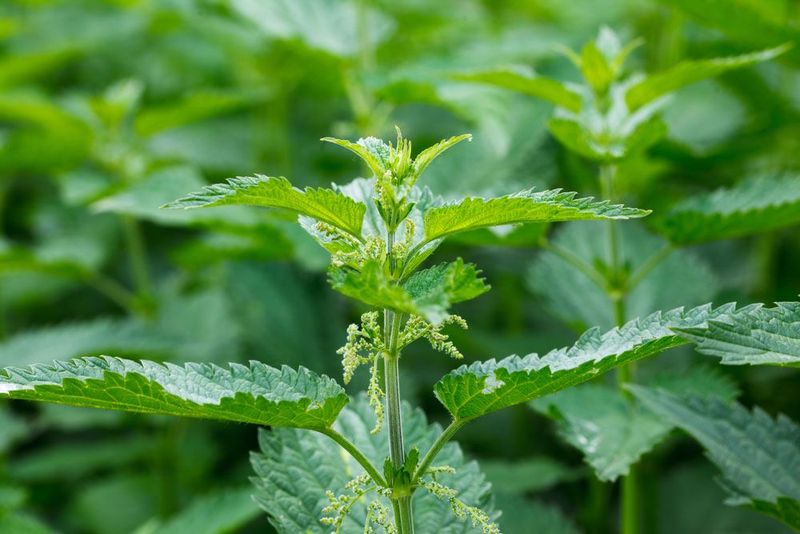
Known for its painful sting, nettle is an herbal powerhouse. Rich in minerals, it’s used for teas, fertilizers, and natural dyes, benefiting both health and garden. Its presence improves soil quality, making it a gardener’s ally. Nettle supports pollinators, providing habitat and food. Beyond its sting, it offers countless uses, from culinary to medicinal. Embrace nettle for its diverse contributions, transforming pain into gain. Despite its fierce reputation, nettle is a friend to those who understand its potential. Discover the surprising benefits of nettle, a misunderstood marvel in any garden.
9. Burdock (Arctium spp.)
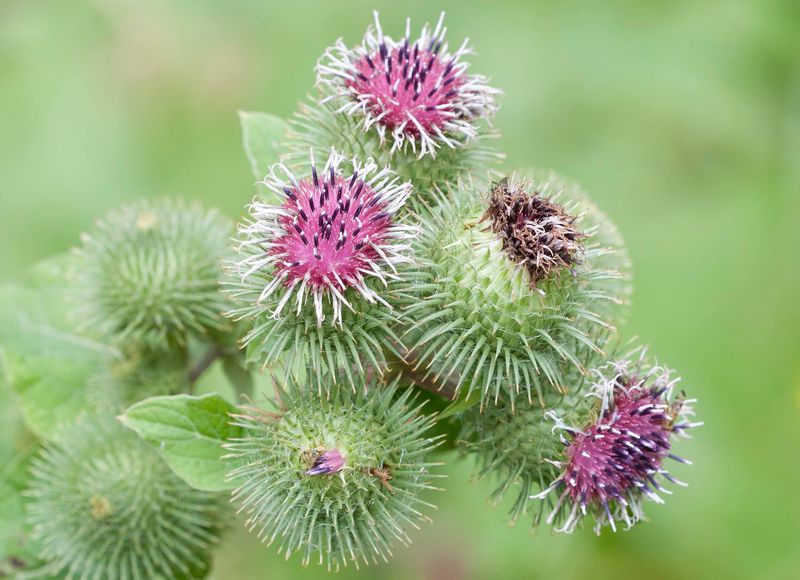
Burdock is often seen as an invasive giant, but it hides edible treasures. Its roots are used in detox teas and immune boosters, providing health benefits. Burdock’s deep roots aerate the soil, supporting other plants. Despite its burrs, which can be a nuisance, this plant plays a significant role in soil management. Recognize burdock for its dual function in health and horticulture. Its presence indicates rich, fertile soil. Embrace burdock, not just for its roots, but for its contribution to a balanced garden ecosystem. A true hidden gem among weeds.
10. Mallow (Malva neglecta)
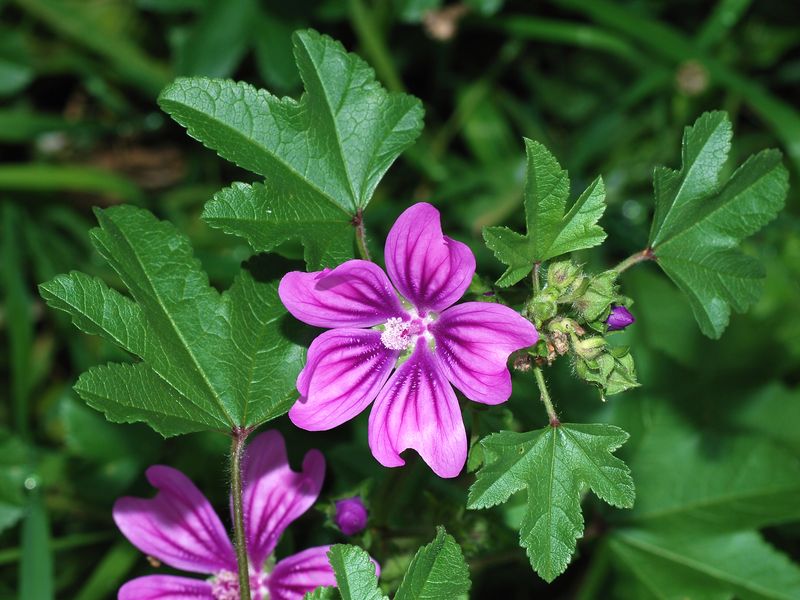
Mallow, often dismissed as a filler weed, is much more than meets the eye. Used in herbal medicine, its leaves and flowers offer soothing remedies. Mallow’s deep roots break up hard soil, improving garden conditions. This humble plant thrives in various environments, showcasing its adaptability. Its presence signifies healthy soil, ready for cultivation. Beyond its medicinal uses, mallow adds beauty with its delicate flowers. Explore the potential of mallow, transforming it from a mere weed to a garden ally. Embrace mallow for its versatility and ecological benefits.
11. Wild Violets (Viola sororia)
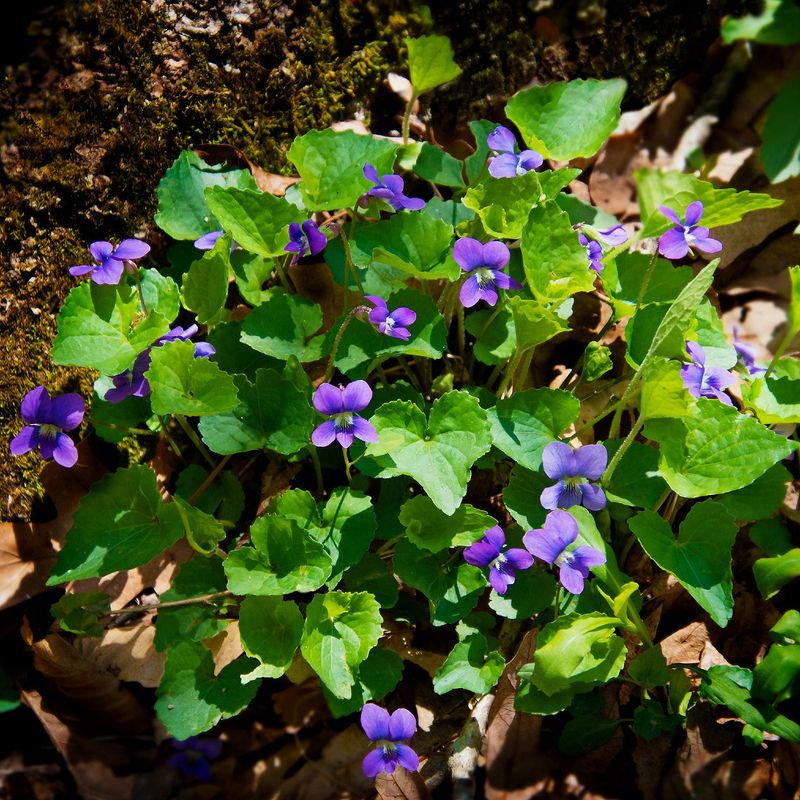
Wild violets, often seen as intruders, bring unexpected benefits. Their edible flowers and leaves add color and nutrition to salads. These violets are an early nectar source, supporting spring pollinators and enhancing garden biodiversity. As groundcover, they protect soil from erosion, maintaining garden health. Wild violets thrive in shady spots, showcasing their adaptability. Recognize them for their contributions to both ecology and cuisine. Beyond their beauty, wild violets play a vital role in a balanced garden ecosystem. Embrace these blooms, transforming them from weeds to garden treasures.
12. Shepherd’s Purse (Capsella bursa-pastoris)
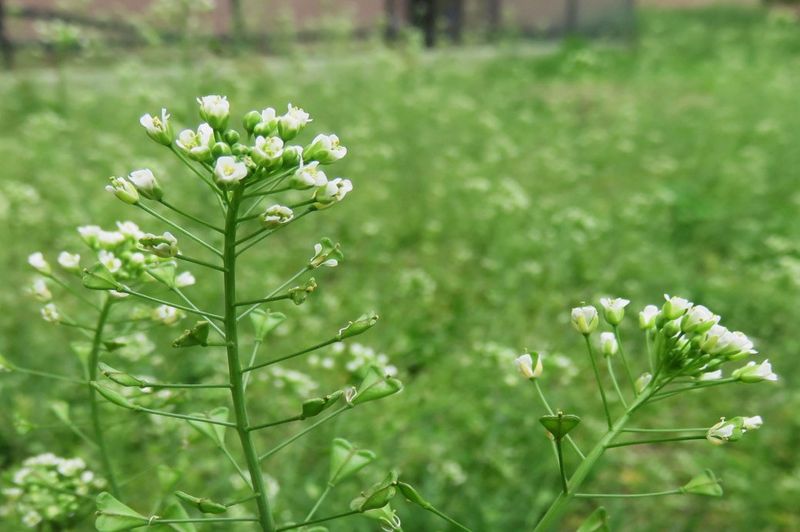
Shepherd’s purse may seem like an odd invader, but it holds medicinal secrets. This plant has been used for centuries in traditional medicine, offering healing properties. As an early spring nutrient scavenger, it enhances soil fertility. Its presence indicates healthy, nutrient-rich garden conditions. Beyond its medicinal uses, shepherd’s purse supports biodiversity with its flowers. Recognize this plant for its dual role in health and ecology. Embrace shepherd’s purse as more than a weed, appreciating its contributions to garden sustainability. Discover its potential for both soil and self-care.
13. Dock (Rumex spp.)
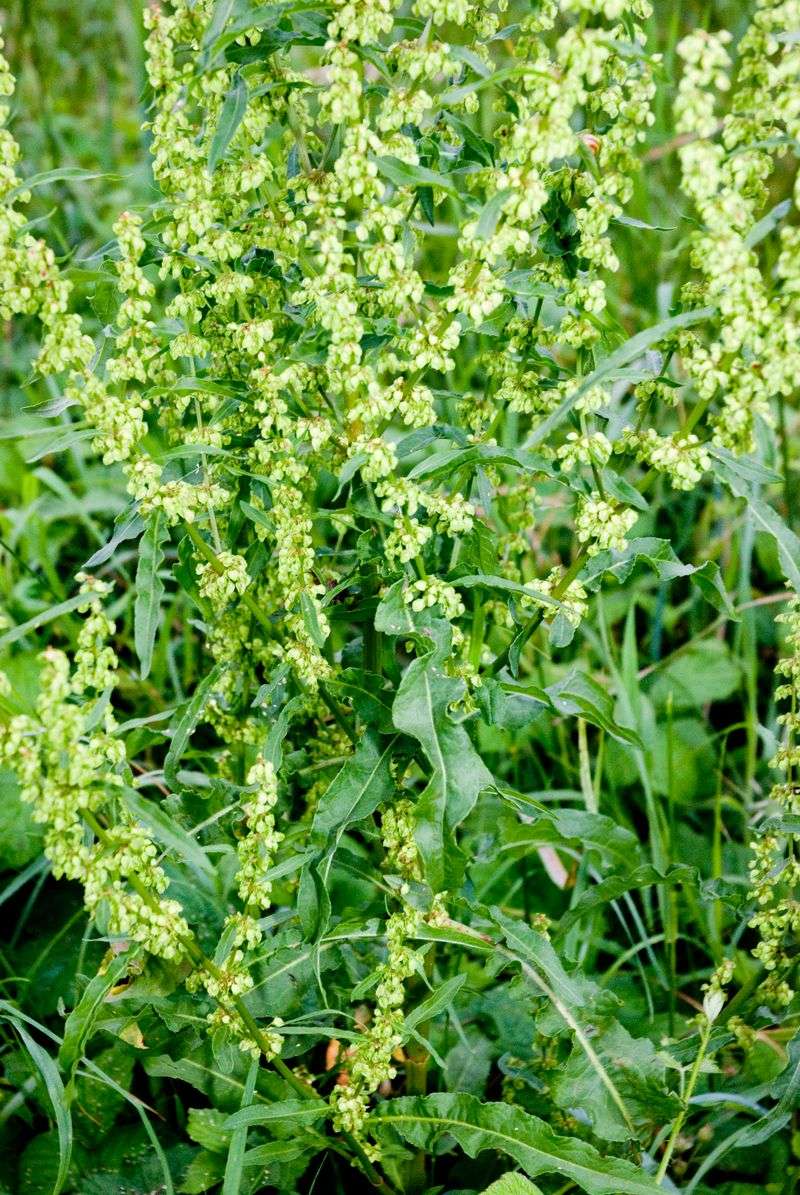
Dock, often seen as an invasive root beast, offers more than meets the eye. Its leaves and roots are valued in herbal medicine, providing remedies for various ailments. Dock balances acidic soils, promoting healthy garden conditions. Despite its robust growth, it contributes to soil health, supporting other plants. Recognize dock for its ecological and medicinal benefits, transforming it from a mere weed to a garden ally. Embrace dock for its role in maintaining soil balance and offering healing properties. Discover its potential, beyond its imposing presence.
14. Spotted Spurge (Euphorbia maculata)
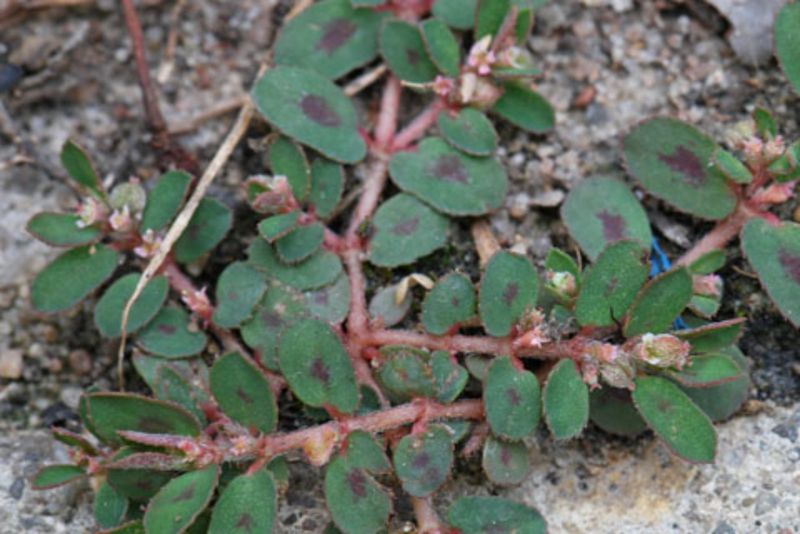
Spotted spurge, often deemed plain, reveals hidden resilience. This drought-tolerant plant thrives where few others can, indicating soil stress. Its presence signals areas needing soil improvement, guiding gardeners in management. Despite its unassuming appearance, spotted spurge plays a crucial role in ecological balance. Recognize it for its ability to thrive in challenging conditions, offering clues to soil health. Embrace spotted spurge as more than an eyesore, appreciating its contribution to understanding garden environments. Its resilience and adaptability make it a valuable garden indicator.
15. Henbit (Lamium amplexicaule)
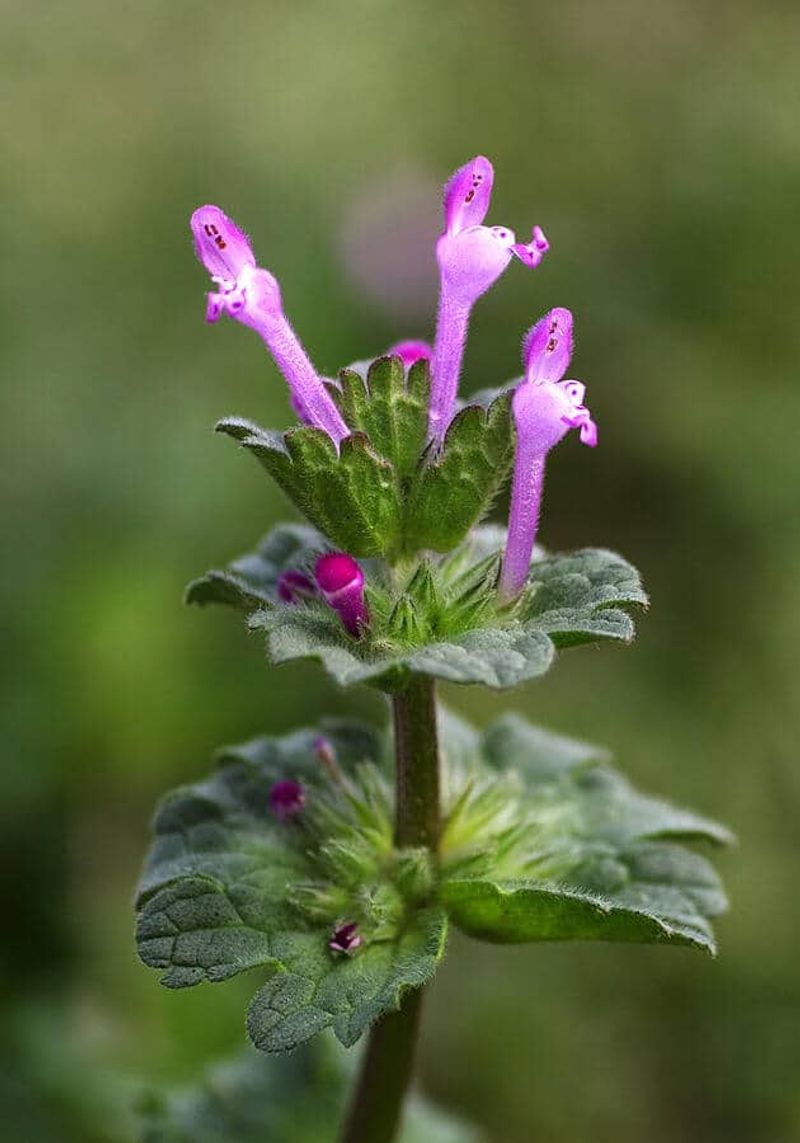
Henbit may seem a springtime nuisance, but it’s a boon for bees. As a major early food source, it supports pollinators when few other plants bloom. Henbit often vanishes by summer, leaving no lasting impact on gardens. Its presence indicates early spring conditions, offering a burst of color and life. Recognize henbit for its ecological importance, transforming it from a weed to a springtime ally. Embrace its role in supporting biodiversity and pollination. Despite its fleeting presence, henbit plays a vital role in garden health and pollinator support.
16. Wild Mustard (Sinapis arvensis)
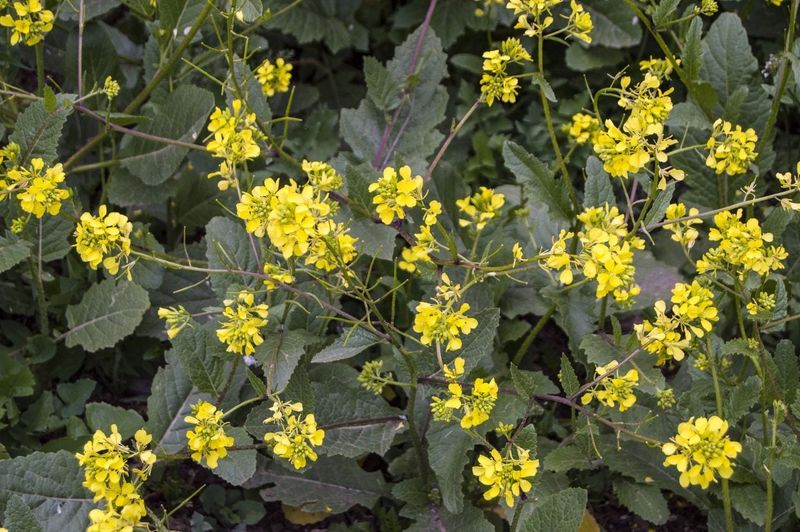
Wild mustard, often seen as a crop-killer, is an edible marvel. Its leaves, seeds, and flowers offer culinary delights, enhancing meals with a spicy kick. Wild mustard also serves as green manure, improving soil fertility. This plant thrives in sunny fields, showcasing its adaptability. Recognize wild mustard for its dual role in cuisine and agriculture, transforming it from a nuisance to a valuable resource. Embrace its potential for both garden and table, discovering unexpected benefits. Beyond its reputation, wild mustard contributes significantly to ecological balance and nutrition.
17. Pigweed (Amaranthus retroflexus)
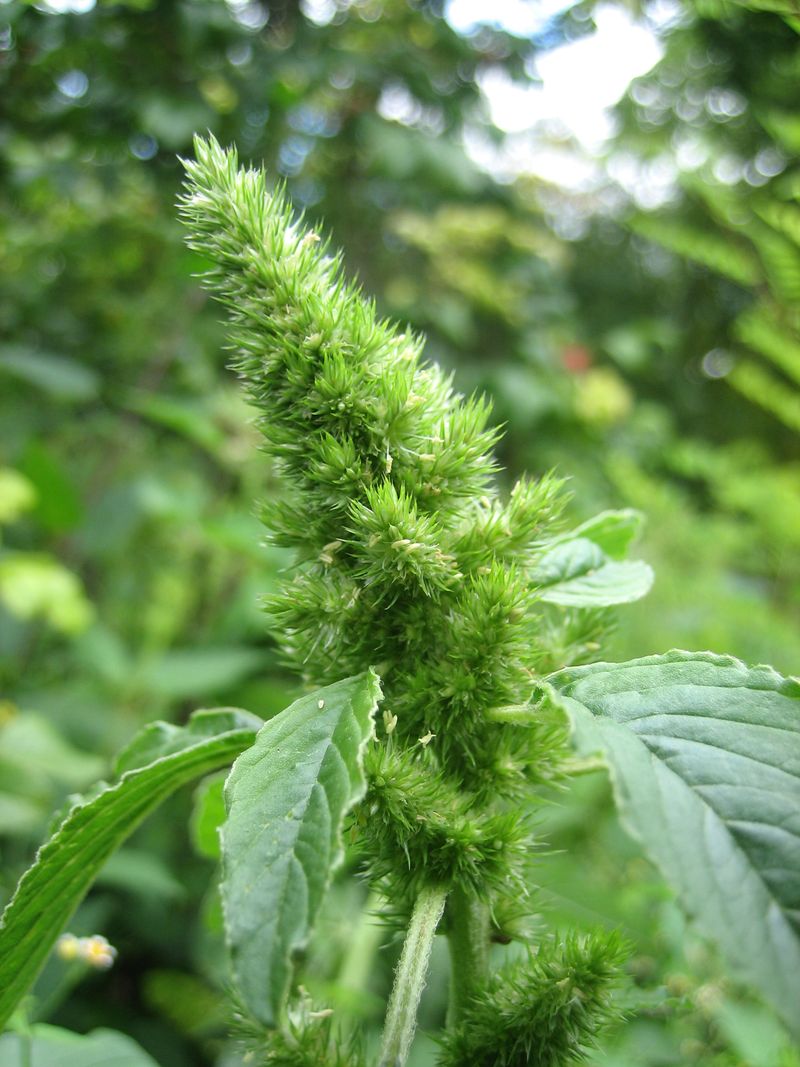
Pigweed, notorious for being hard to control, is a hidden superfood. Its seeds and greens are edible, packed with nutrients like protein and vitamins. Pigweed thrives in various conditions, showcasing its resilience. This plant contributes to soil health, supporting other crops. Recognize pigweed for its nutritional and ecological benefits, transforming it from a weed to a valuable resource. Embrace its potential for enhancing both diet and garden. Despite its reputation, pigweed offers surprising benefits, from the table to the soil. Discover the power of this versatile garden guest.
18. Yarrow (Achillea millefolium)
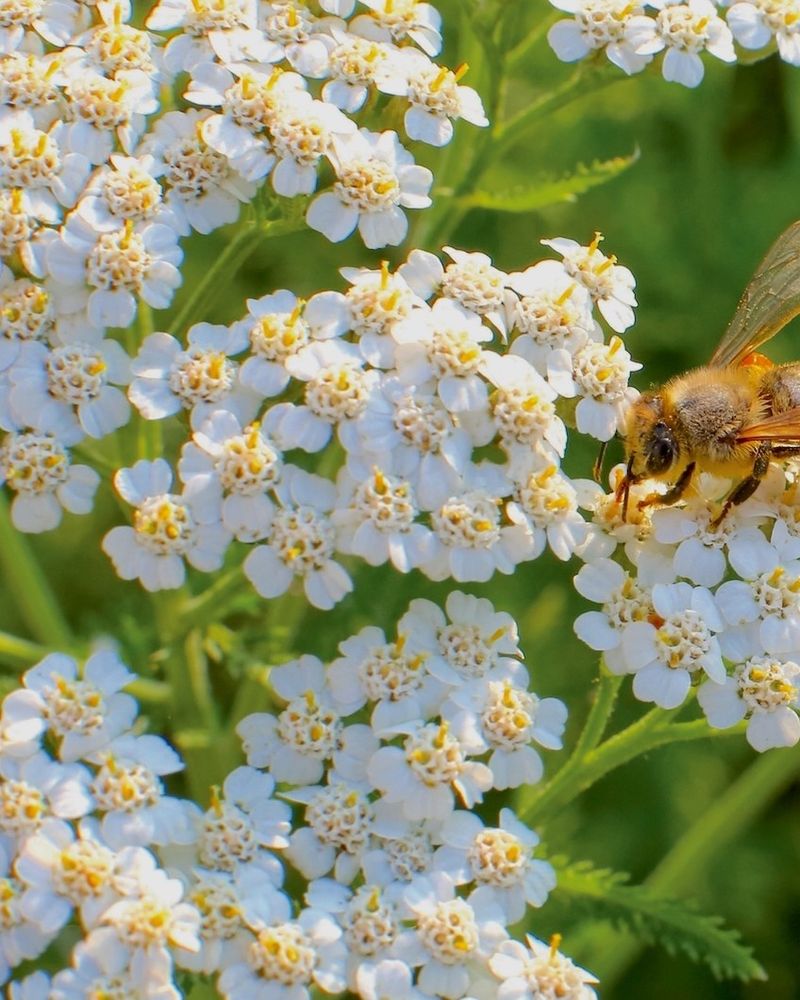
Yarrow, often seen by roadsides, is a perennial powerhouse. Its flowers attract pollinators, supporting biodiversity. Yarrow’s presence enhances soil healing, making it a valuable ally in permaculture. This plant offers medicinal uses, from teas to tinctures, showcasing its versatility. Recognize yarrow for its ecological and health benefits, transforming it from a weed to a garden treasure. Embrace its role in supporting pollinators and soil health. Despite its humble appearance, yarrow plays a vital role in ecological balance. Discover its potential for both garden and health applications.
19. Bindweed (Convolvulus arvensis)
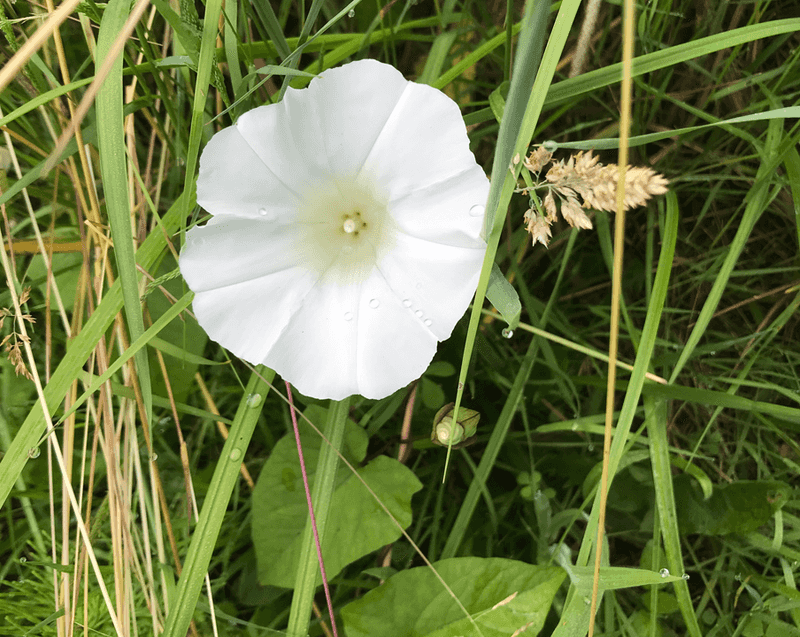
Bindweed, known for its aggressive nature, offers hidden benefits. Its deep roots aerate compacted soil, improving garden conditions. While it requires management, bindweed supports soil health and structure. Recognize it for its ecological contributions, transforming it from a nuisance to a soil ally. Embrace its potential for promoting garden stability, despite its challenging growth. This plant exemplifies the dual nature of weeds, offering both challenges and benefits. Discover bindweed’s role in enhancing soil quality, beyond its invasive reputation. Appreciate its contribution to garden health and soil improvement.
20. Horseweed (Conyza canadensis)
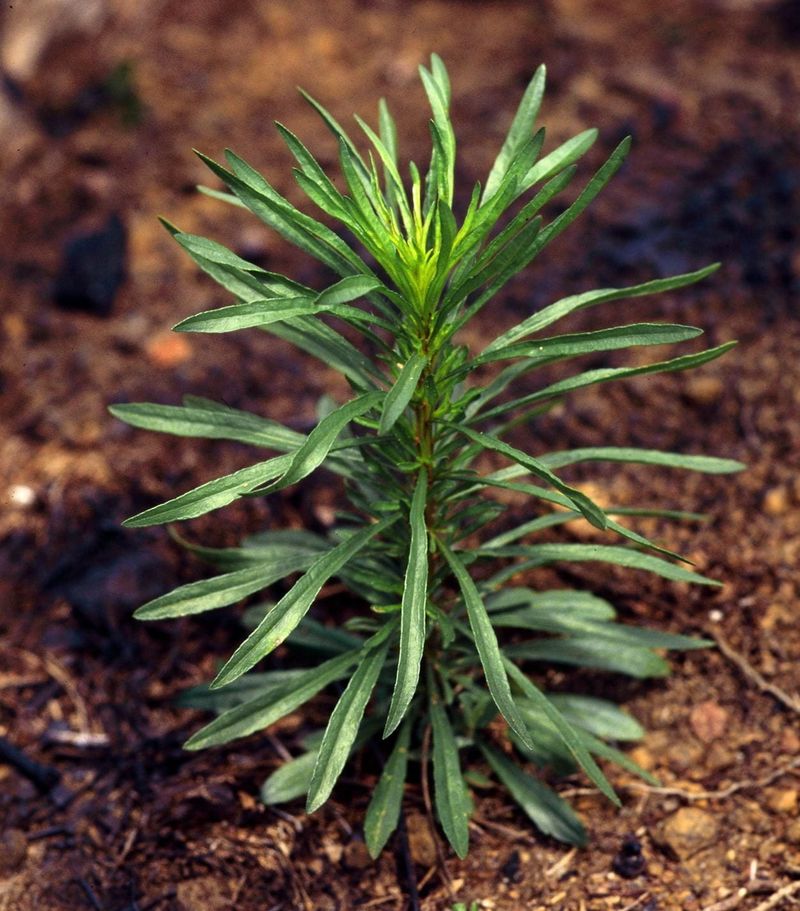
Horseweed, often seen as a takeover artist, plays a crucial role in garden ecology. It’s the first to colonize disturbed ground, indicating soil imbalance or over-tilling. Horseweed’s presence signals areas needing attention, guiding gardeners in soil management. Recognize its ecological importance, transforming it from a weed to a garden ally. Embrace its role in soil remediation and biodiversity support. Despite its reputation, horseweed offers valuable insights into garden health. Discover the potential of horseweed, beyond its invasive nature, appreciating its contribution to ecological balance and soil care.
21. Velvetleaf (Abutilon theophrasti)
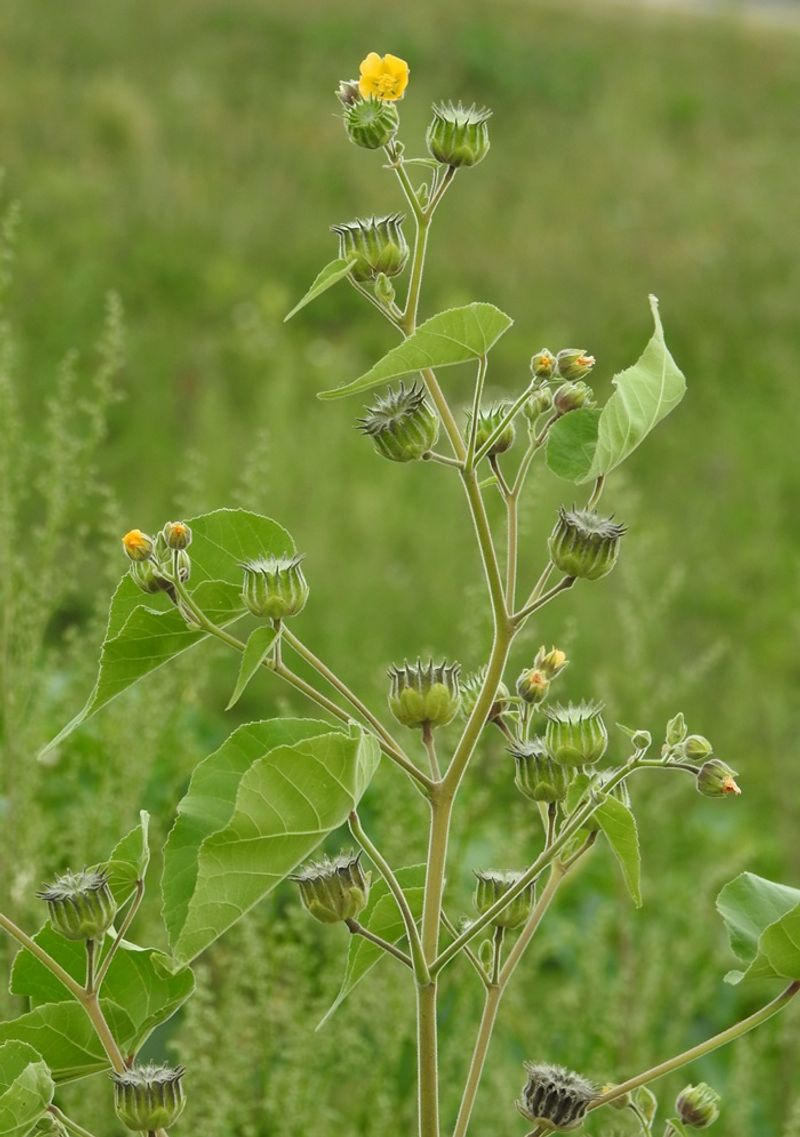
Velvetleaf, perceived as ugly and unmanageable, has a hidden history. Its fibers were once used in textiles, showcasing its utility. Velvetleaf shows promise in bioremediation, helping to clean up contaminated soils. This plant thrives in sunny areas, indicating fertile soil conditions. Recognize velvetleaf for its ecological and historical significance, transforming it from an eyesore to a garden asset. Embrace its potential for promoting soil health and supporting biodiversity. Despite its appearance, velvetleaf plays a valuable role in garden and environmental sustainability. Discover its contributions beyond its invasive reputation.
22. Speedwell (Veronica spp.)
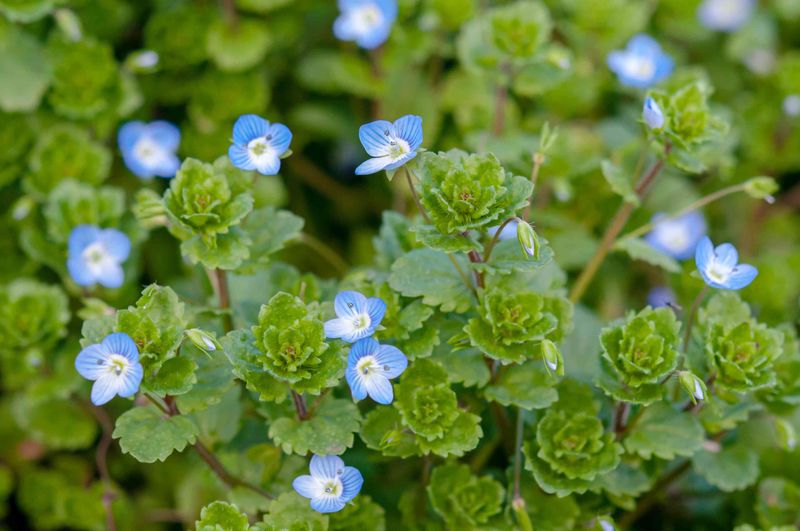
Speedwell, with its tiny flowers, often annoys gardeners, yet it offers hidden benefits. This low-growing groundcover protects bare soil, preventing erosion. Speedwell’s flowers provide nectar to early-season bees, supporting pollination. Recognize its role in maintaining soil health and promoting biodiversity, transforming it from a nuisance to a garden ally. Embrace its ability to enhance ecological balance, despite its small size. Speedwell’s presence indicates healthy, well-maintained garden conditions. Discover its potential for supporting both garden structure and pollinator populations, beyond its modest appearance.
23. Hairy Bittercress (Cardamine hirsuta)
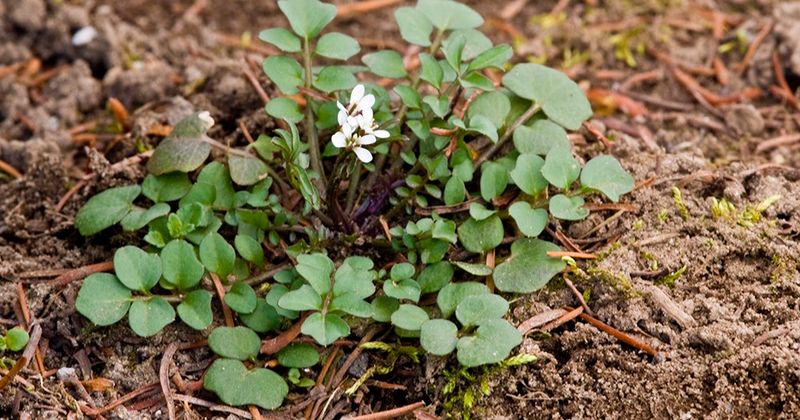
Hairy bittercress, often seen as an aggressive invader, surprises with early spring benefits. Its peppery greens are edible, favored by foragers for their flavor. Hairy bittercress emerges early, providing one of the first fresh greens of the season. Recognize its culinary and ecological contributions, transforming it from a weed to a springtime ally. Embrace its role in supporting foraging and nutrition, despite its invasive nature. Discover the potential of hairy bittercress for enhancing both diet and garden diversity. Its presence highlights the complexity of garden ecosystems and seasonal shifts.