 Complete Gardening
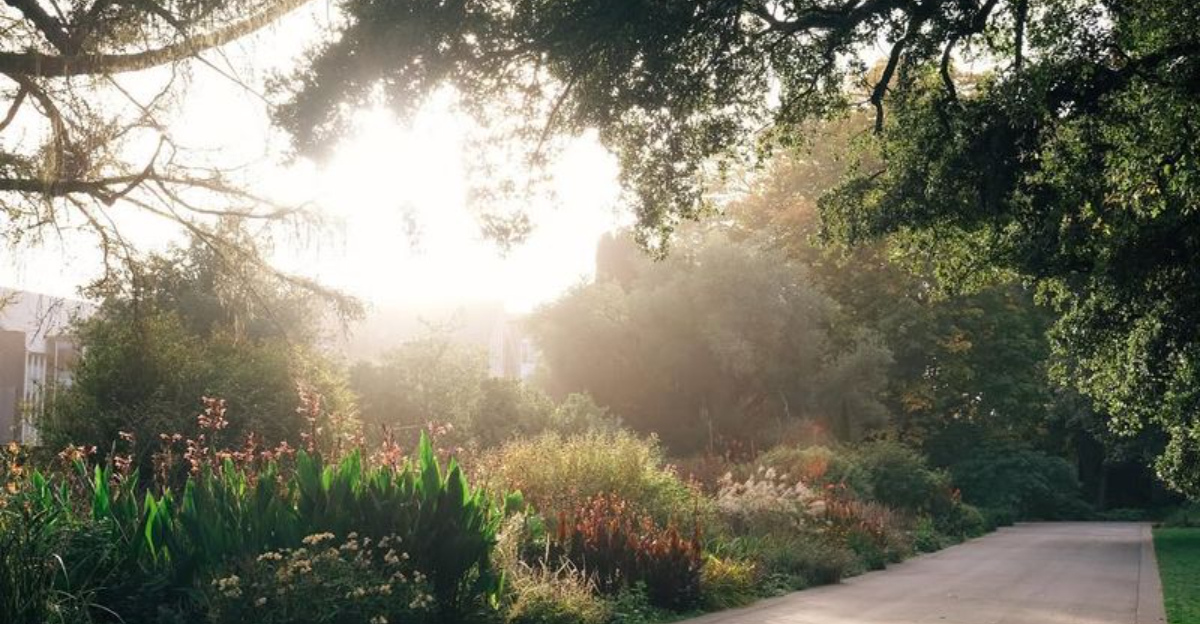
Capturing the beauty of a garden through photography is both an art and a science. The vibrant colors, intricate details, and the play of light and shadow offer endless opportunities for stunning shots.
Whether you’re a seasoned photographer or just starting out, these expert tips will guide you in capturing the essence of gardens with style and finesse.
1. Macro Lens Magic
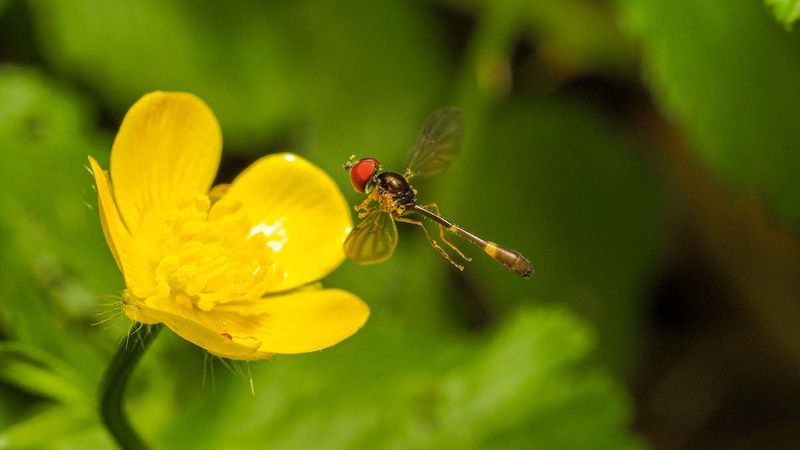
Using a macro lens opens up a world of tiny wonders within the garden. This lens captures intricate details that are often missed by the naked eye, like the delicate veins of a leaf or the texture of a petal.
Getting close allows for a focus on minute details, offering a new perspective on familiar subjects. Despite the challenges of focusing and composition, the reward is a sharp, detailed image that reveals the garden’s hidden beauty. Patience and practice with a macro lens bring breathtaking results.
2. Rule of Thirds
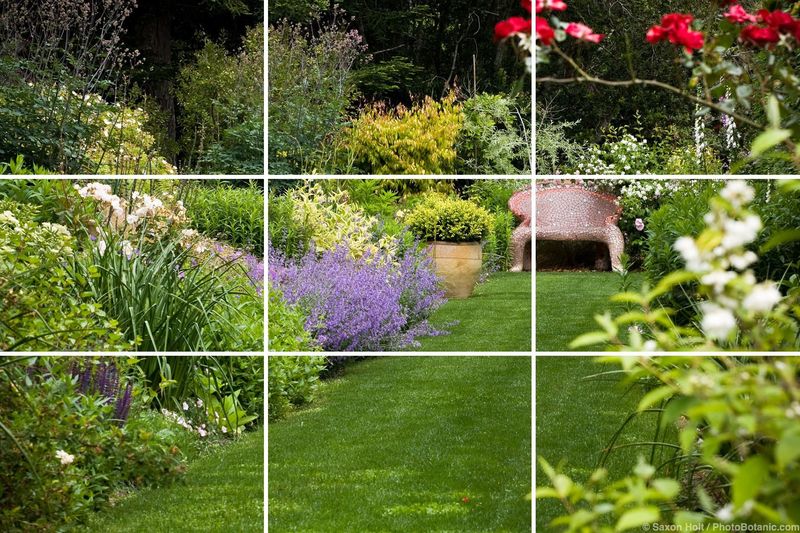
The rule of thirds is a fundamental principle that enhances garden photography. By dividing your frame into thirds, both horizontally and vertically, you place your subject at one of the intersecting points.
This technique guides the viewer’s eye naturally through the image, creating a dynamic and balanced composition. Whether framing a blooming flower or a winding path, this rule helps to create engaging and aesthetically pleasing photographs. Mastering this layout can elevate a simple garden shot to a professional quality image.
3. Using Natural Frames
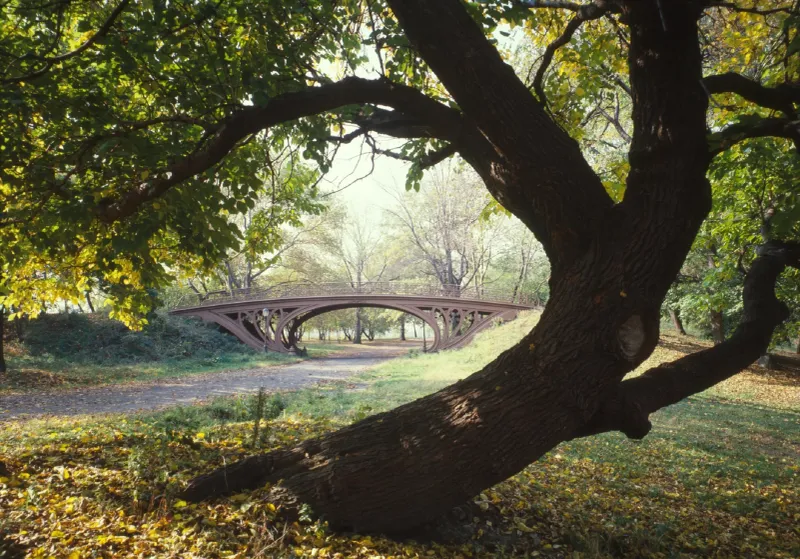
Natural frames within the garden can enhance your photos by directing focus to the subject. Elements like overhanging branches or arching vines provide ready-made frames. These frames help to isolate the main subject, drawing the viewer’s eye directly to it.
Experiment with different elements and perspectives to find the perfect frame. This technique adds layers to your composition, making images more intriguing and visually appealing. Successfully framing your subject can transform a simple scene into a compelling story.
4. Golden Hour Shooting
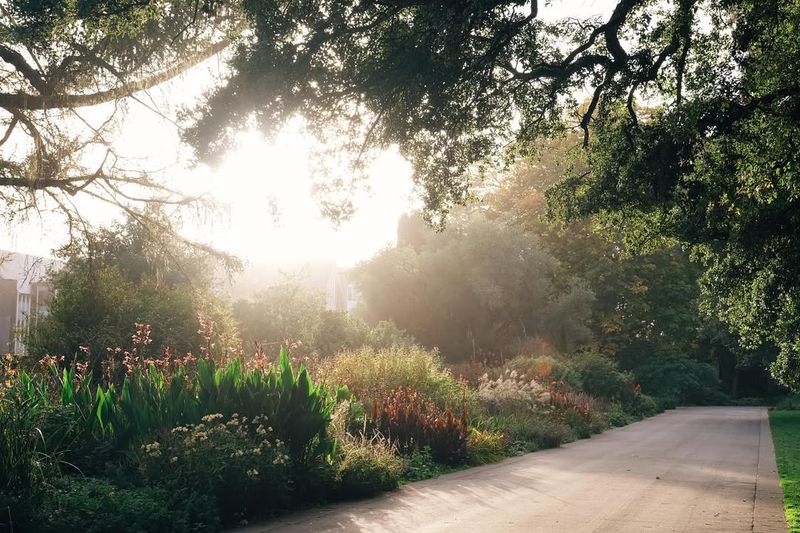
Golden hour—just after sunrise or before sunset—is prime time for garden photography. The soft, warm light bathes flowers in a gentle glow, enhancing their natural colors. Shadows at this time are elongated, adding drama and depth to your shots.
Experimenting with angles can reveal surprising contrasts and highlights. Capture this fleeting moment for a dreamy effect that transforms ordinary flowers into extraordinary subjects. With a bit of patience, magical scenes await, filled with rich hues and captivating details.
5. Color Contrasts
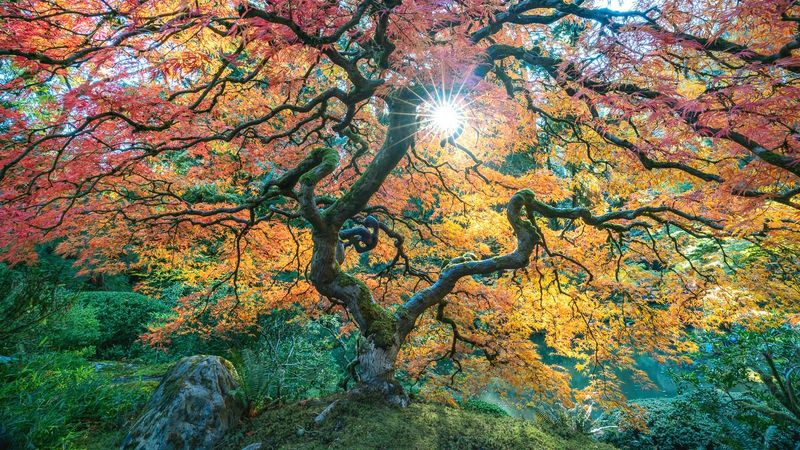
Emphasizing color contrasts in garden photography creates visually striking images. Pairing complementary colors—such as a bright red flower against green leaves—adds vibrancy and interest. The contrast draws attention to the subject, making it pop against its surroundings.
Consider the color wheel as a guide for choosing harmonious or contrasting colors. This thoughtful approach to color can transform ordinary garden shots into captivating images that catch the eye and hold attention. Let bold contrasts highlight the garden’s natural beauty.
6. Focusing on Textures
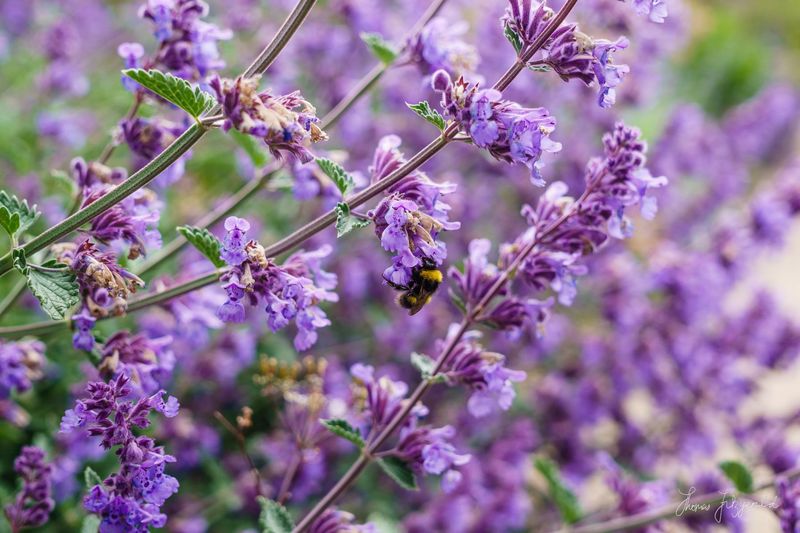
Textures add depth and interest to garden photographs. Capture the roughness of bark, the softness of petals, or the smoothness of stones to create tactile images. By focusing on diverse textures, you enhance the viewer’s sensory experience, allowing them to almost ‘feel’ the scene.
Experimenting with lighting and angles can further enhance texture, making it a central feature of your composition. This technique invites viewers into the garden, offering a multi-dimensional experience that goes beyond visual appeal. Let textures tell a story of the garden’s intricate details.
7. Incorporating Water Elements
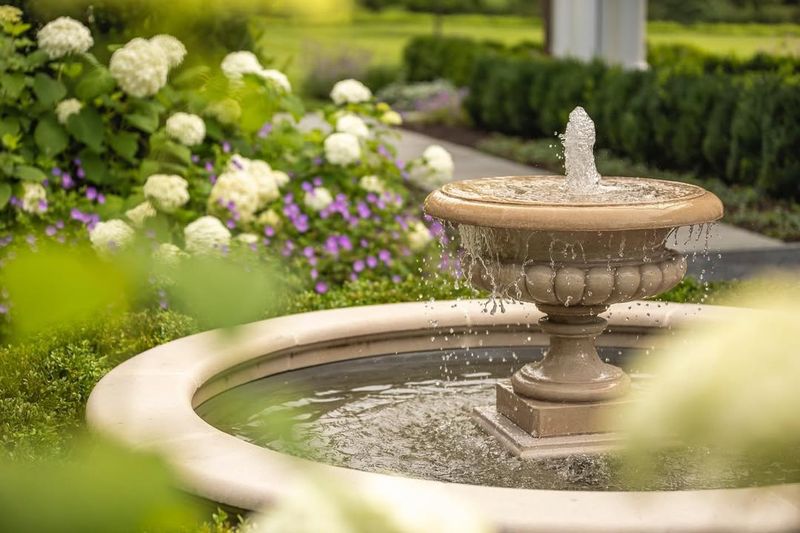
Water elements in gardens, like ponds or fountains, can add drama and tranquility to photos. Reflection of flowers or trees on the water’s surface adds a captivating layer to your composition. Capture the play of light on water, creating dynamic images filled with life and movement.
Adjust shutter speed to capture the smooth blur of flowing water or the crisp detail of droplets. Including water in your shots enriches the story, offering both serenity and an element of surprise. It’s a powerful way to enhance garden photography.
8. Utilizing Shadows

Shadows bring mood and contrast to garden photography. The interplay of light and dark can create striking patterns across flowers and paths. Experiment with the angle and intensity of light to craft diverse shadow effects that add depth.
This play with shadows can introduce a mysterious or dramatic feel to your images, transforming the garden into a canvas of shapes and silhouettes. Harnessing shadows effectively adds a layer of complexity and intrigue, drawing viewers into the scene, where light and shadow dance together.
9. Candid Wildlife Moments
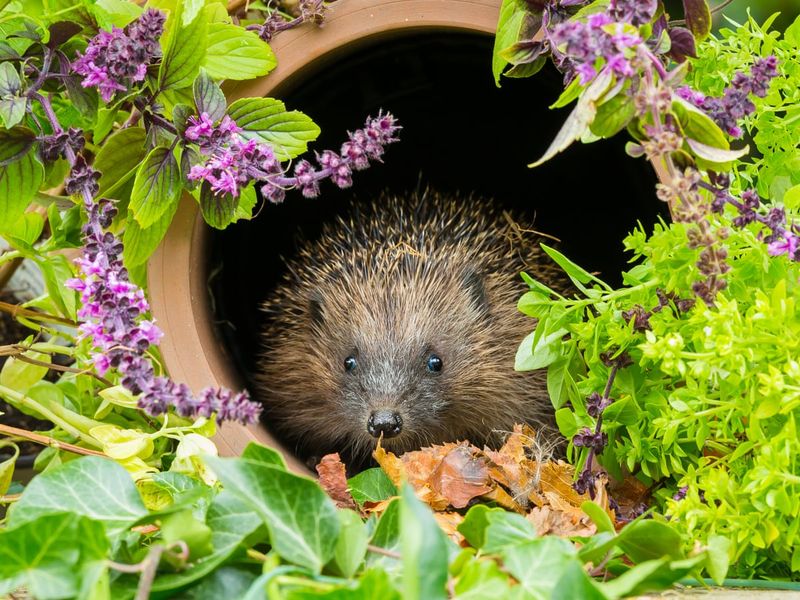
Capturing wildlife in the garden adds a lively element to your photography. Birds, insects, and other creatures bring dynamic energy and natural charm to images. Patience is key—wait quietly for these moments to occur. Use a zoom lens to stay distant, ensuring animals remain undisturbed.
Candid wildlife shots tell engaging stories, connecting viewers with the vibrant ecosystem of the garden. These moments of interaction highlight the garden’s role as a habitat, adding life and narrative to your photographic work. It’s a rewarding challenge that brings realism to your shots.
10. Playing with Aperture
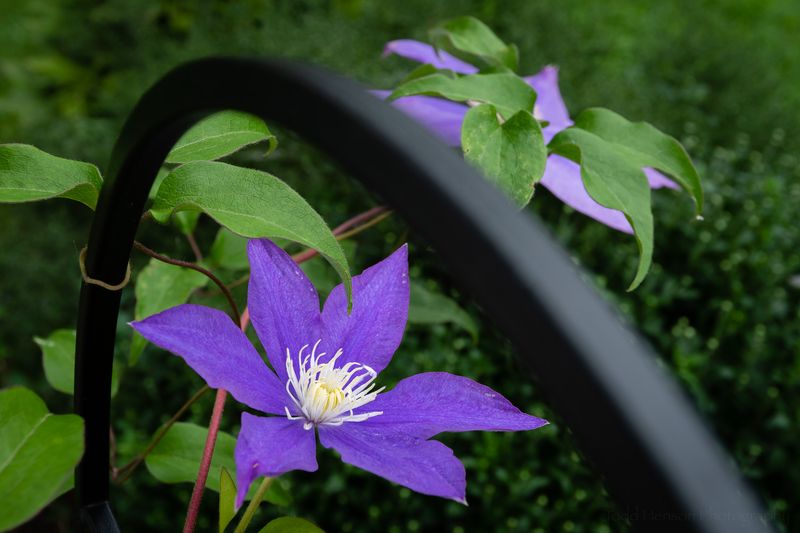
Aperture settings significantly impact garden photography. A wide aperture (small f-number) blurs the background, isolating the subject like a blooming flower. This technique draws attention precisely where you want it, while the soft background enhances focus on the subject.
Conversely, a narrow aperture sharpens the entire scene, ideal for capturing detailed landscapes. Mastering aperture gives you control over depth of field, allowing creativity in composition. Understanding this aspect of photography helps craft striking garden images that highlight your chosen focal points.
11. Black and White Garden Shots
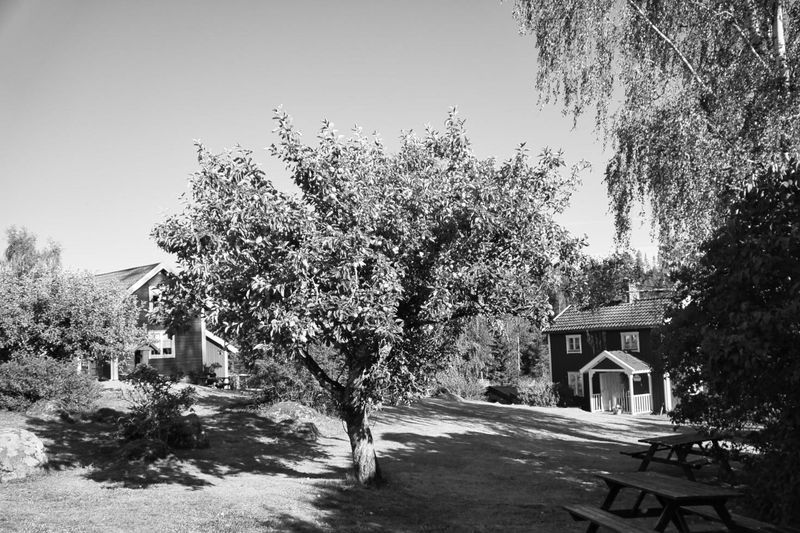
Black and white photography strips away color, emphasizing shape, texture, and light. In gardens, this can bring a timeless, artistic quality to photos. Without color, viewers focus on composition, pattern, and contrast. Experiment with different lighting conditions to see how shadows and highlights play together in monochrome.
This approach can reveal the garden’s structure and form, offering a fresh perspective. By focusing on these elements, you create evocative images that convey mood and emotion, turning the garden into a classic subject.
12. Capturing Seasonal Changes
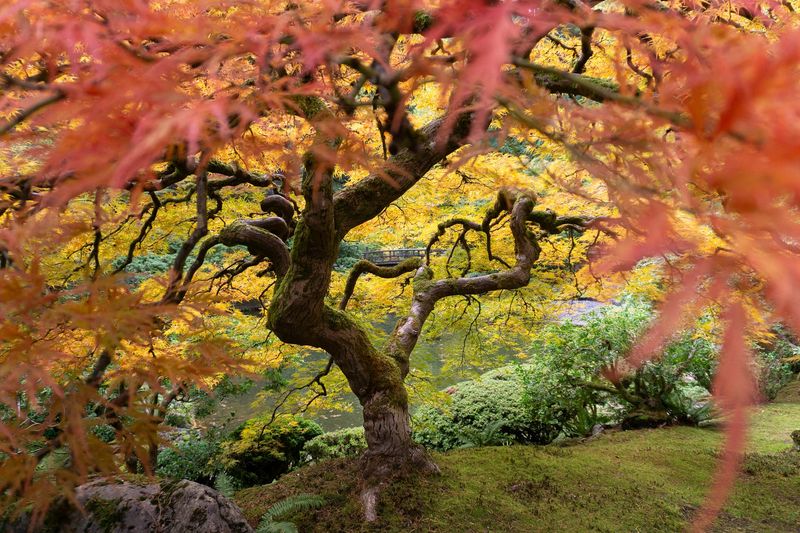
Gardens transform dramatically with the seasons, providing unique photographic opportunities year-round. Capture the vivid colors of spring blooms, the lush greens of summer, autumn’s fiery hues, or the stark beauty of winter. Each season offers a distinct palette and mood, inviting you to see the garden anew.
Document these changes to showcase the complex life cycle of plants and the passage of time. Seasonal photography allows you to tell the garden’s story through the year, revealing its evolving beauty and diversity in a series of compelling images.