 Complete Gardening
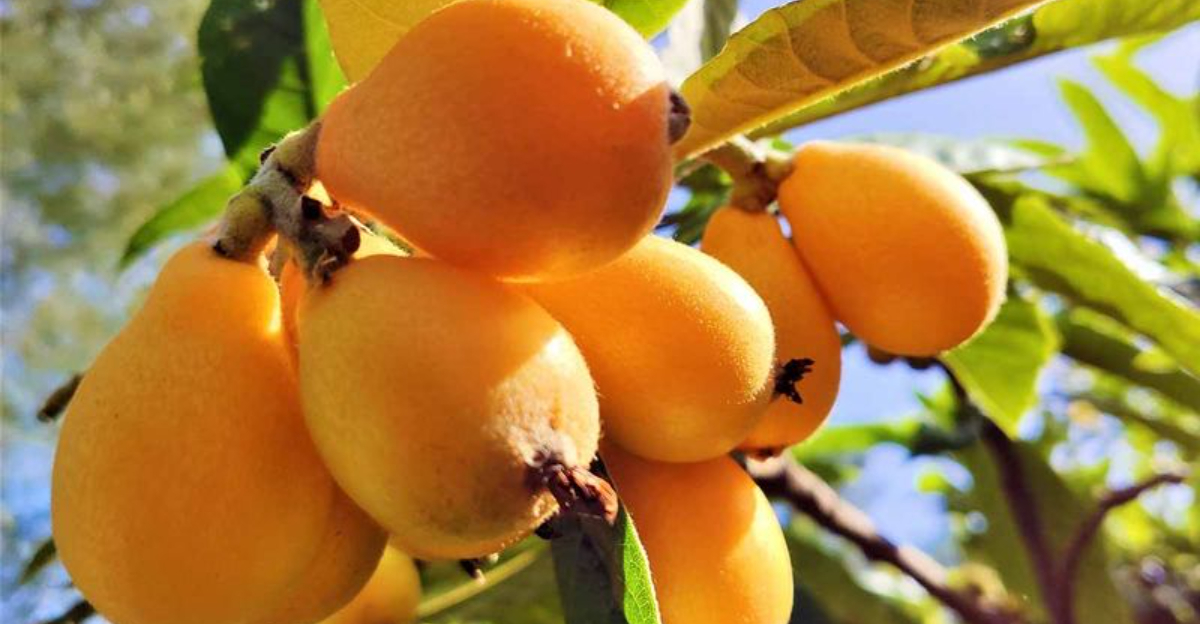
When it comes to gardening in small spaces, apple trees often steal the spotlight. However, a world of rare and intriguing fruits awaits those willing to explore beyond the ordinary. These 22 exceptional fruit choices not only fit snugly into compact backyards but also bring a delightful mix of flavors, colors, and textures. From citrus wonders to exotic berries, each selection offers a unique experience for the adventurous gardener.
1. Dwarf Meyer Lemon
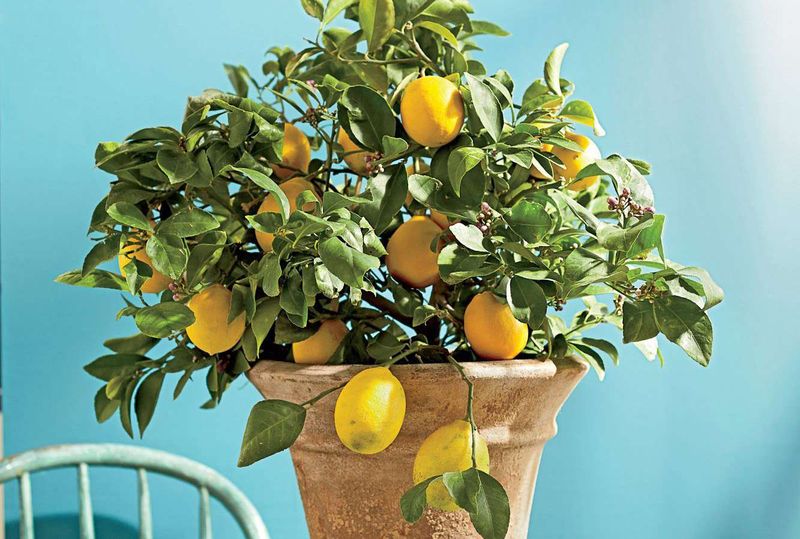
The Dwarf Meyer Lemon is a citrus delight for small spaces. Known for its sweet, thin-skinned lemons, this compact tree thrives in pots, making it perfect for patios and balconies. Its fragrant blossoms fill the air with an inviting aroma, setting the scene for a cozy outdoor experience.
What sets this lemon variety apart is its ability to produce fruit year-round, ensuring a constant supply of fresh lemons. The Dwarf Meyer Lemon’s versatility extends beyond its size; it’s a culinary favorite for dishes and drinks.
A touch of sunshine in any backyard, it’s both practical and charming.
2. Pink Lemonade Blueberry
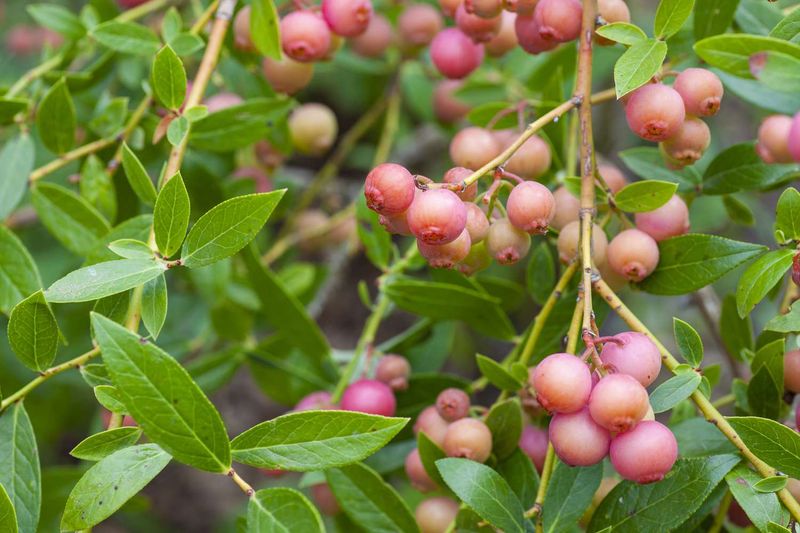
Pink Lemonade Blueberries are a surprising twist on the classic blue variety. These berries, with their candy-like flavor, are a visual treat with their unique pink hue. Perfect for small gardens, they grow well in containers and add a pop of color to any space.
Their sweetness makes them ideal for eating fresh, baking into treats, or even crafting into homemade preserves. Despite their delicate appearance, they are hardy plants, able to withstand colder climates.
A conversation starter in any garden, Pink Lemonade Blueberries offer both aesthetic appeal and a delightful taste.
3. Dwarf Cavendish Banana
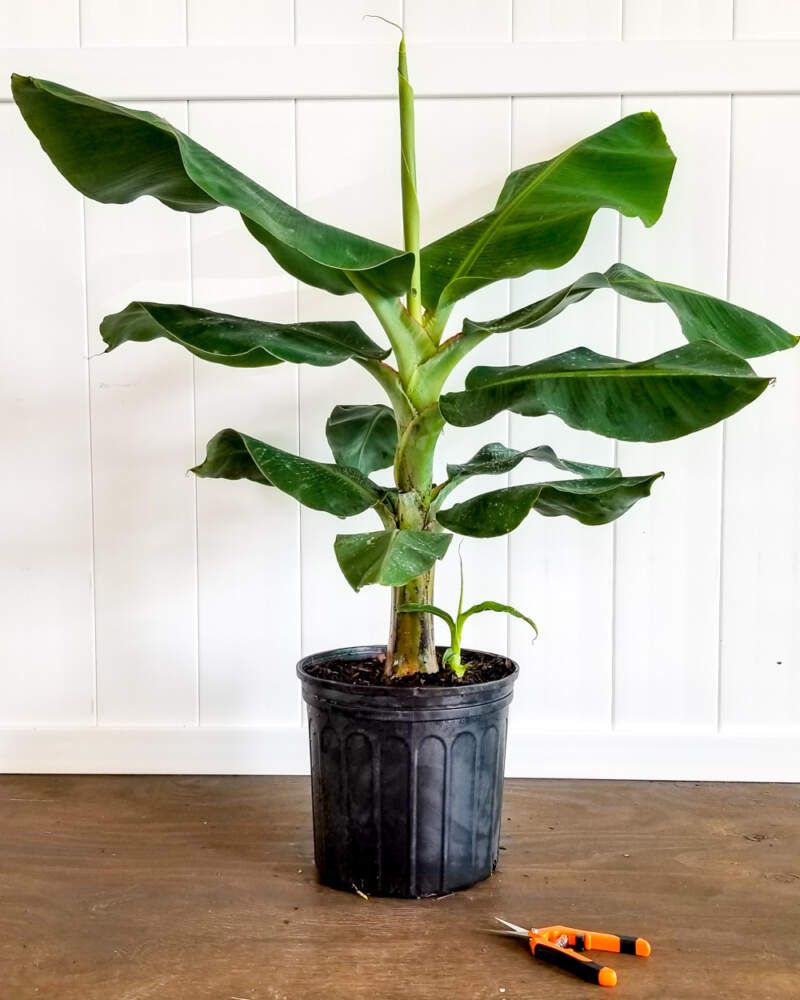
Imagine growing bananas in your own backyard! The Dwarf Cavendish Banana makes this dream possible, even in limited spaces. Known for its compact size, this banana plant features large, lush leaves that add a tropical vibe to any area.
Besides its ornamental value, it produces edible bananas that are smaller but just as sweet as the regular variety. Perfect for containers, it thrives in warm, sunny locations.
Whether you’re in a city or suburb, the Dwarf Cavendish Banana offers a slice of the tropics without needing a plantation.
4. Dwarf Pomegranate
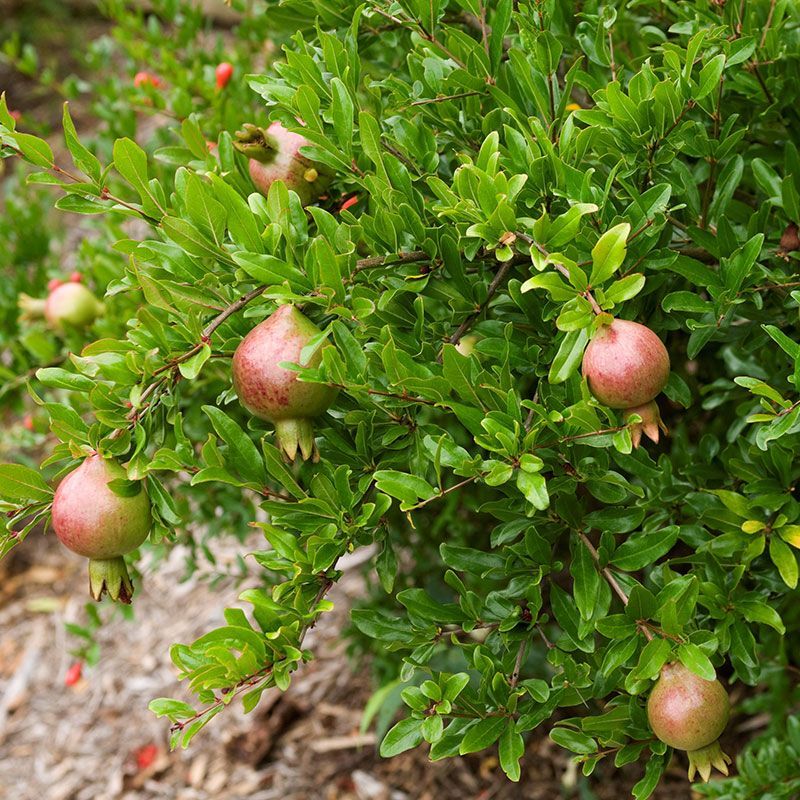
The Dwarf Pomegranate adds a splash of color and elegance to compact spaces. This compact bush is adorned with jewel-like arils inside its vibrant fruit, offering a unique visual and culinary delight.
Growing well in containers, the Dwarf Pomegranate thrives in sunny spots, bringing a Mediterranean flair to your garden. Its blooms attract pollinators, enhancing biodiversity even in urban settings.
With its ornamental beauty and edible offerings, the Dwarf Pomegranate is a delightful choice for those craving exotic flavors and aesthetics in a small backyard.
5. Honeyberry (Haskap)
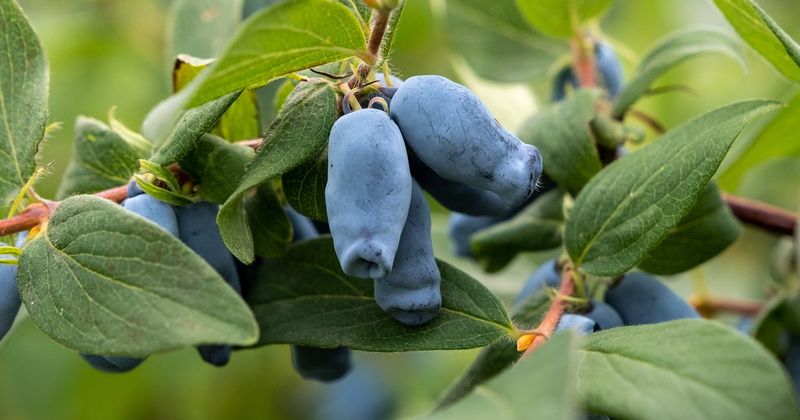
Honeyberry, also known as Haskap, is a resilient fruit that thrives in cooler climates. Resembling blueberries in appearance, these berries ripen early, offering a tart and sweet flavor that brightens any dish.
Perfect for small gardens, they can withstand freezing temperatures, making them a reliable choice for those in colder regions. Their early harvest is a boon for gardeners eager to enjoy fresh produce as soon as possible.
Beyond its taste, Honeyberry is easy to grow, requiring minimal effort, and delivers high yields, ensuring a bountiful harvest in limited spaces.
6. Goji Berry
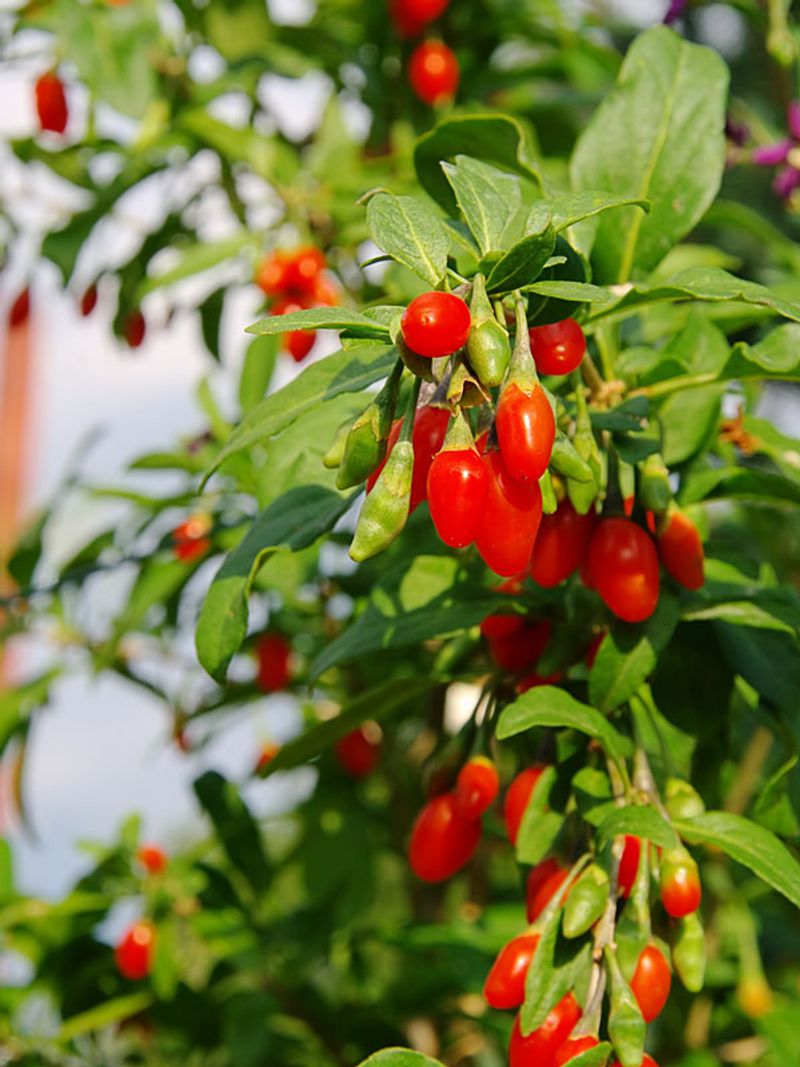
Goji Berries are a superfood treasure, offering nutritional benefits packed into tiny red powerhouses. These drought-tolerant vines are perfect for small gardens, as they require minimal water and care.
Known for their antioxidant properties, Goji Berries are a health enthusiast’s favorite, often used in teas, smoothies, and snacks. Their ability to thrive in various climates makes them a versatile addition to any backyard.
Besides their health perks, Goji Berries add visual interest with their vibrant red fruits and lush green leaves, creating an attractive garden feature.
7. Alpine Strawberries
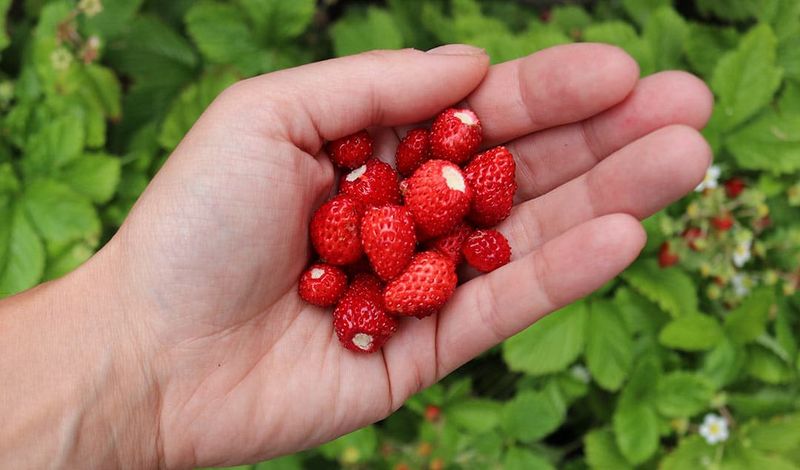
Alpine Strawberries offer a burst of flavor in every tiny berry. These strawberries are intensely flavored, making them a gourmet’s delight despite their small size. Spreading like ground cover, they are ideal for filling in garden gaps or lining pathways.
Thriving in both sun and partial shade, Alpine Strawberries are adaptable and easy to grow. Their dainty appearance belies a robust nature, making them a reliable choice for various climates.
A charming addition to any garden, they provide not only taste but also a whimsical, fairy-tale look to garden spaces.
8. Jostaberry
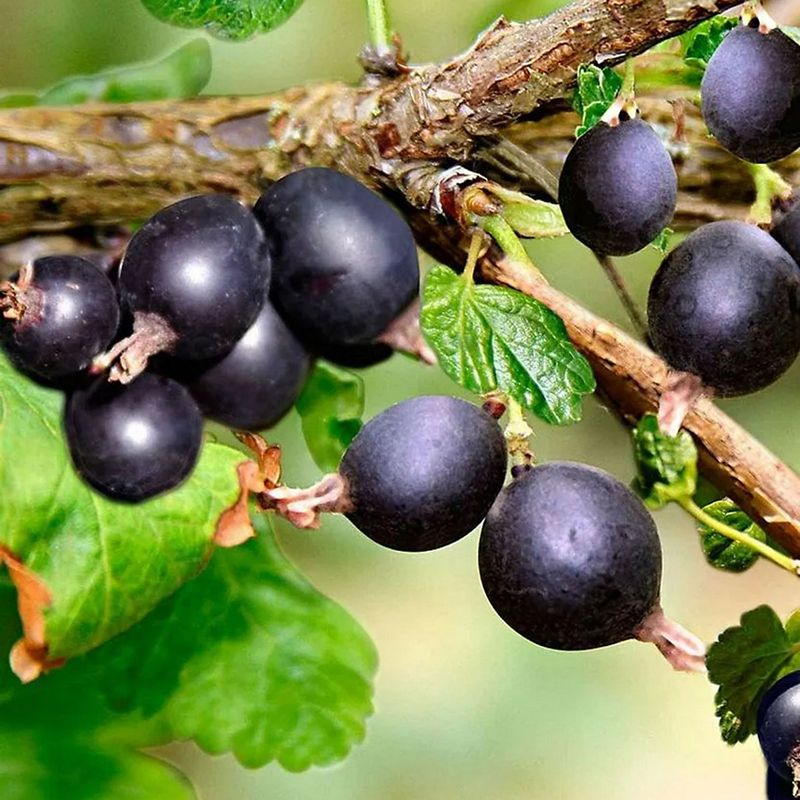
Jostaberry combines the best of blackberries and gooseberries into one delightful fruit. This hybrid is perfect for jam enthusiasts, offering a unique flavor profile that blends tartness with sweetness.
Growing as a bush, Jostaberries are well-suited for small spaces and can even function as a living fence. They are resilient and hardy, thriving in a variety of soil types and conditions.
With their rich taste and easy-growing nature, Jostaberries are a must-have for garden enthusiasts looking to expand their culinary horizons with homemade preserves.
9. Chilean Guava (Ugni molinae)
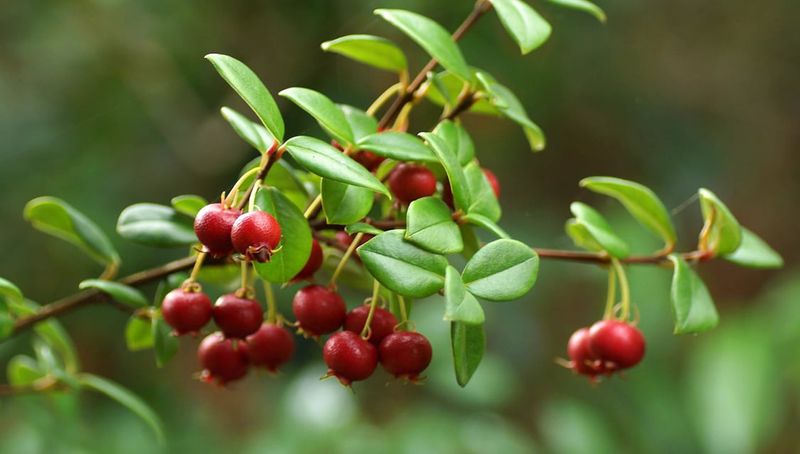
Chilean Guava, or Ugni molinae, offers a taste sensation with its mini “strawberry-pineapple” flavored berries. This shrub is perfect for shaded gardens, providing a lush, evergreen presence throughout the year.
Beyond its delightful taste, the berries have a rich history, enjoyed by both indigenous peoples and European settlers. They make excellent additions to desserts and beverages, adding a unique flavor twist.
Compact yet bountiful, Chilean Guava is a charming choice for those seeking exotic flavors and historical intrigue in their garden.
10. Pawpaw
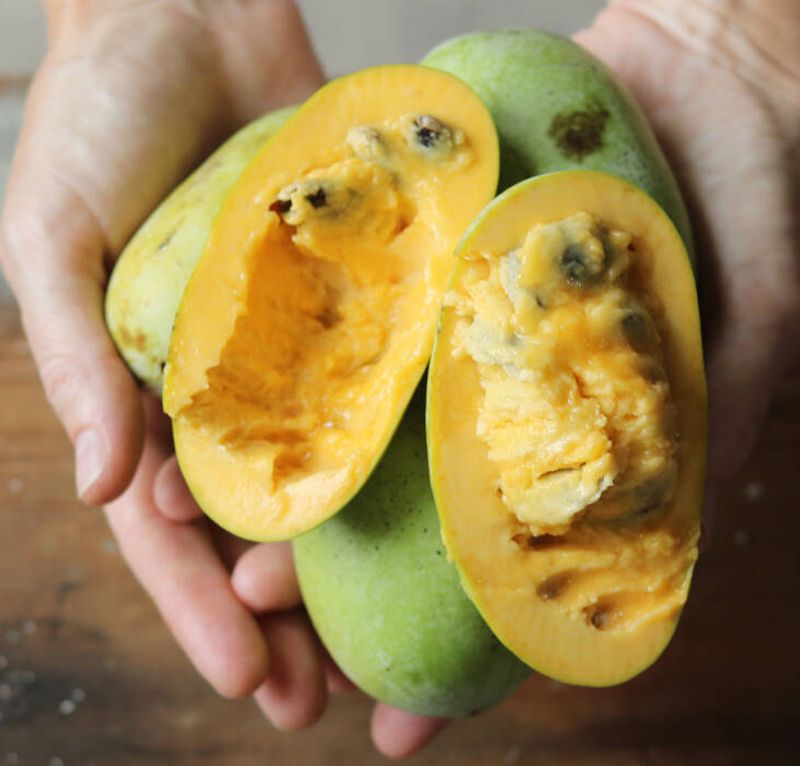
Pawpaw is North America’s largest native fruit, offering a unique banana-mango flavor. This tree thrives in shaded areas, making it a versatile choice for different garden settings.
The fruit’s custard-like texture and tropical taste have earned it a niche following among fruit enthusiasts. Despite its exotic flavor, Pawpaw is relatively low-maintenance, requiring minimal intervention once established.
Incorporating Pawpaw into a garden not only provides a delicious fruit option but also supports native plant diversity, making it an eco-friendly choice for backyard orchards.
11. Loquat
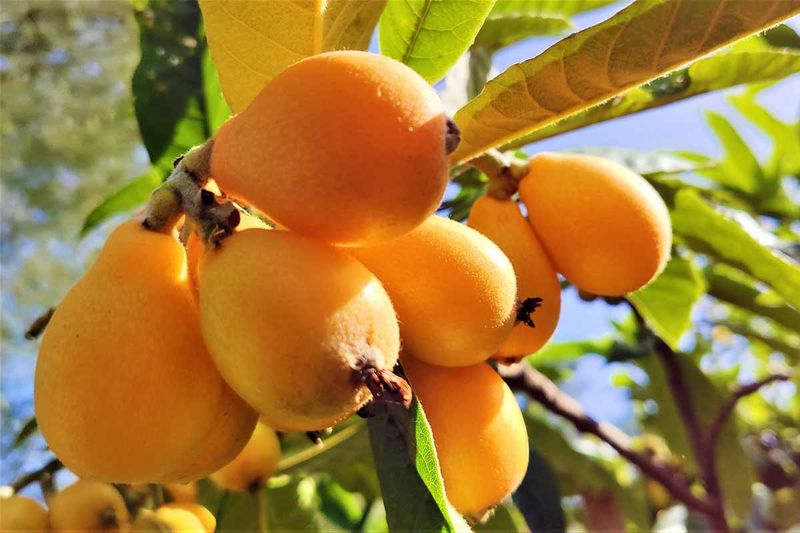
Loquat, with its sweet-tart, apricot-like fruit, is a delightful choice for warm climates. This tree adds a touch of the Mediterranean to any garden, with its evergreen leaves and golden-hued fruits.
The fruit is versatile, perfect for fresh eating or making into jellies and jams. Loquats are relatively easy to grow, requiring little attention once established, making them ideal for busy gardeners.
Their ornamental beauty, combined with tasty yields, makes Loquats a popular choice for those seeking both function and flair in their outdoor spaces.
12. Feijoa (Pineapple Guava)
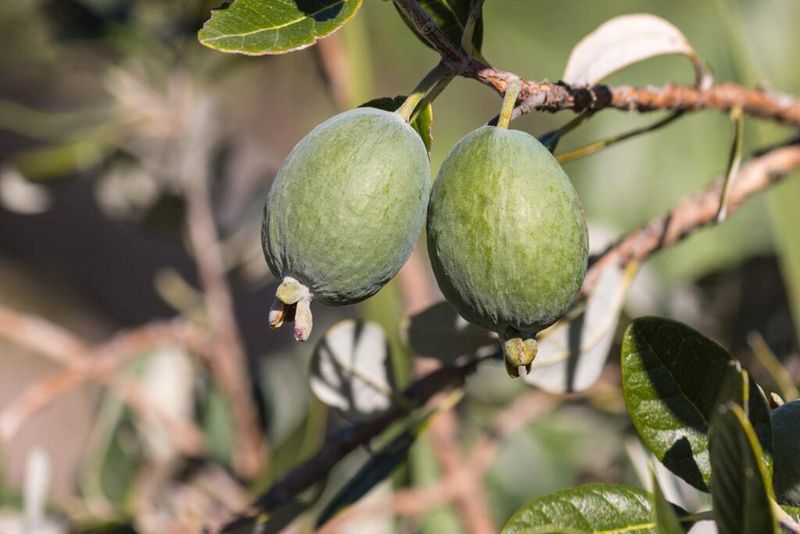
Feijoa, also known as Pineapple Guava, is an evergreen shrub that combines ornamental beauty with edible delights. Its tropical-tasting fruit and edible flowers make it a dual-purpose plant for any garden.
This shrub thrives in coastal areas, where its salt tolerance makes it a popular choice. The fruit has a unique flavor, blending pineapple, guava, and mint, and is perfect for fresh eating or culinary creations.
Feijoas are an exciting addition to gardens, offering both aesthetic appeal and a unique taste experience, perfect for adventurous gardeners.
13. Mulberry
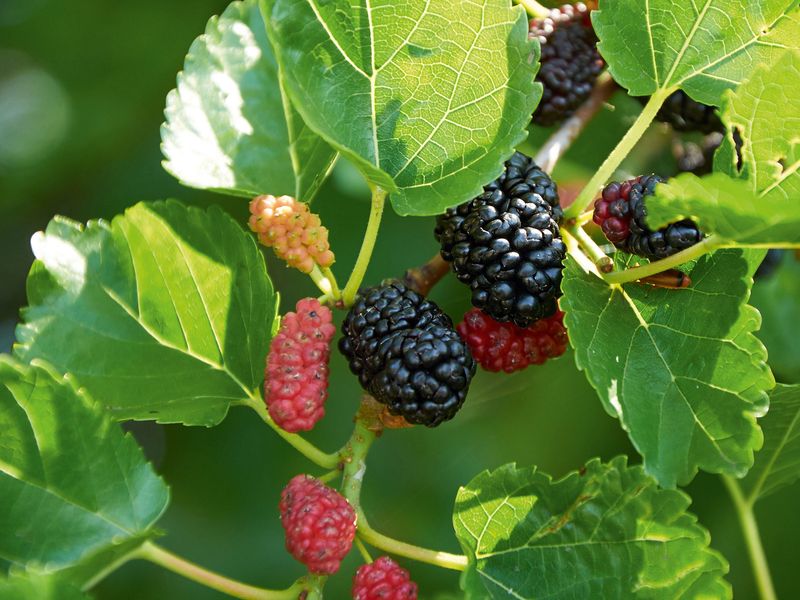
Mulberries are a fast-growing delight, offering berries that taste like blackberry candy. These trees can quickly fill a garden with lush foliage and bountiful fruit, making them ideal for those looking to create a food forest.
Their berries are perfect for snacking, baking, or making into preserves. Mulberries are hardy and adaptable, thriving in a variety of soils and conditions, requiring little maintenance once established.
A symbol of abundance and growth, Mulberries bring both a bountiful harvest and natural beauty to any garden setting, rural or urban.
14. Medlar
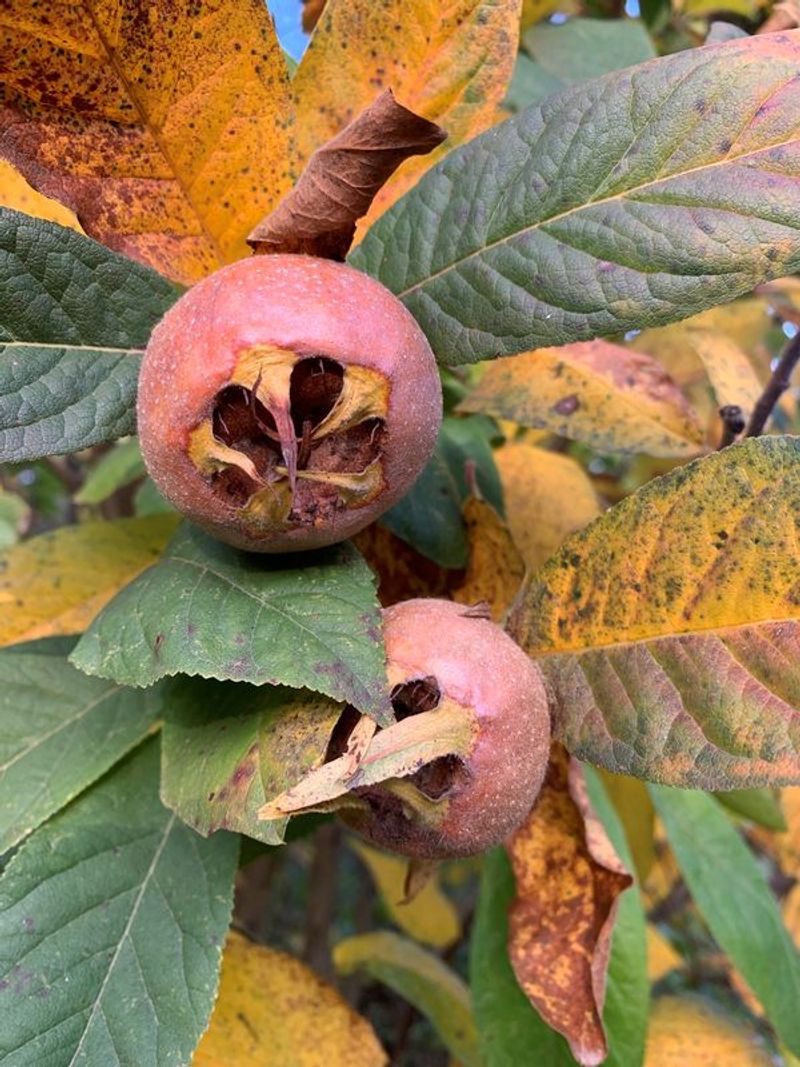
Medlar is an ancient fruit, often overlooked but beloved for its unique flavor, reminiscent of spiced apple butter. This tree adds a rustic charm to gardens, with its twisted branches and autumnal hues.
The fruit must be bletted, or softened, before eating, creating a rich, sweet flavor perfect for desserts and preserves. Medlars are hardy and can thrive in various climates, making them a versatile addition.
For those seeking a historical touch in their garden, Medlars offer both a taste of history and a unique culinary experience.
15. Yuzu Citrus
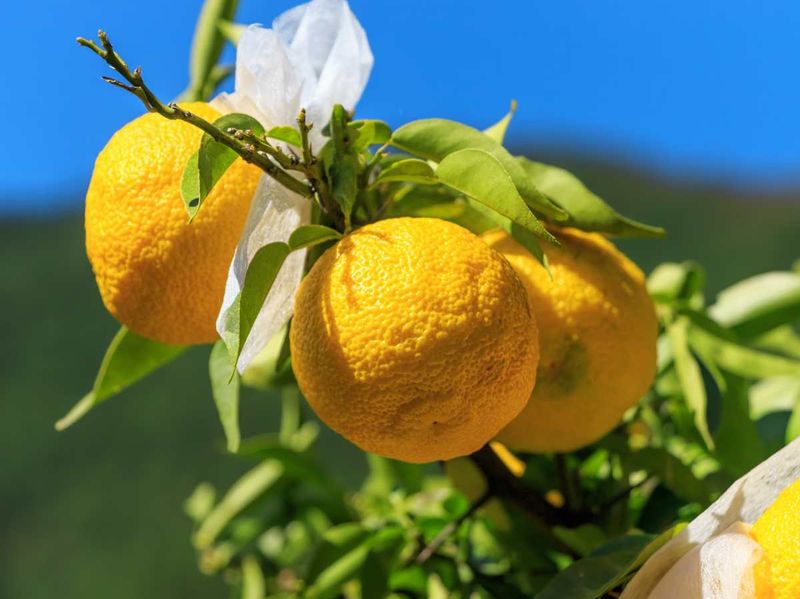
Yuzu Citrus is a fragrant Japanese fruit perfect for cool climates. Its unique, tart flavor enhances sauces and cocktails, making it a sought-after ingredient in culinary circles.
The tree is hardy and can thrive in cooler areas where other citrus may fail. Its attractive flowers add beauty and fragrance to gardens, creating a serene, aromatic space.
With its culinary versatility and fragrant presence, Yuzu Citrus is a cherished addition to gardens, especially for those who enjoy experimenting with flavors in their cooking.
16. Calamondin Orange
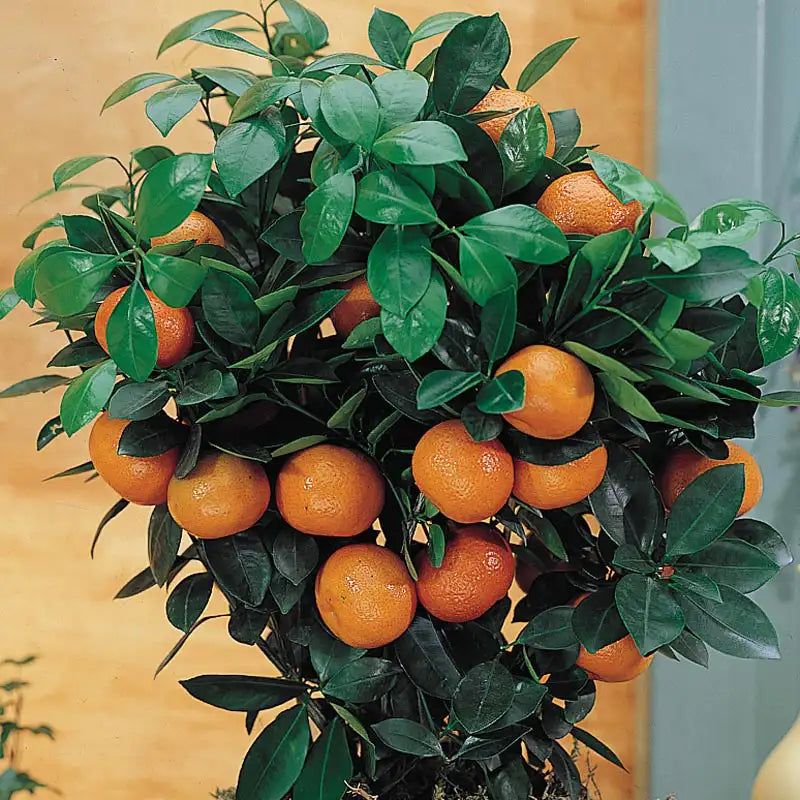
Calamondin Orange offers a burst of tangy flavor in tiny, vibrant fruits. This tree is perfect for container gardening, thriving on sunny windowsills or balconies. Its small size belies a bountiful fruit production.
The tart oranges are great for making marmalade or adding zest to dishes. Calamondin’s ornamental appeal, with its glossy leaves and bright fruit, brings a touch of the tropics indoors or to compact outdoor spaces.
A cheerful addition to any gardener’s collection, Calamondin Oranges are both decorative and deliciously rewarding.
17. Finger Lime
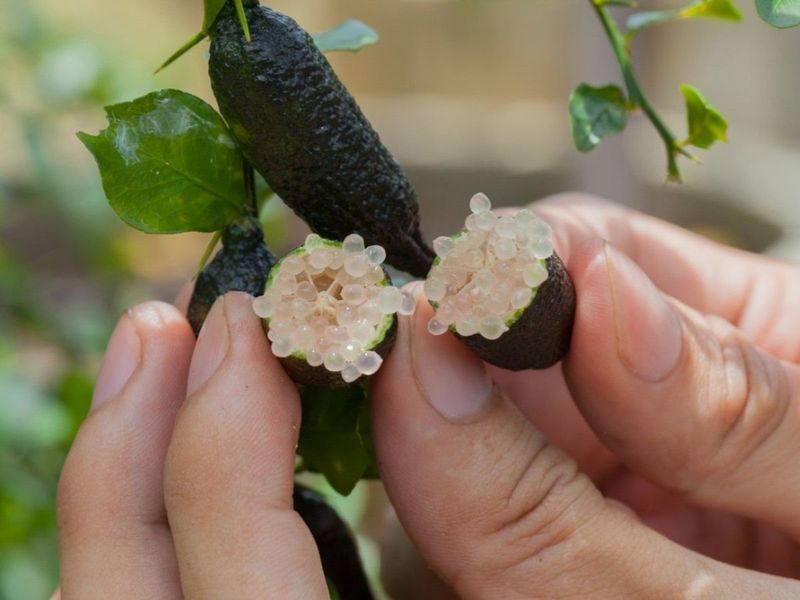
Finger Lime, often referred to as “citrus caviar,” offers a unique culinary experience with its tangy, burstable pearls. This shrub is well-suited for those with limited space, thriving in gardens with poor, rocky soil.
The fruit’s interior consists of juicy vesicles that resemble caviar, making it a gourmet favorite for chefs and food enthusiasts. Beyond its culinary uses, Finger Lime’s aromatic blossoms attract pollinators, enhancing garden biodiversity.
For gardeners seeking an exotic flair, Finger Lime presents a perfect blend of beauty and taste, transforming ordinary dishes into gourmet treats.
18. Kiwi Berry (Hardy Kiwi)
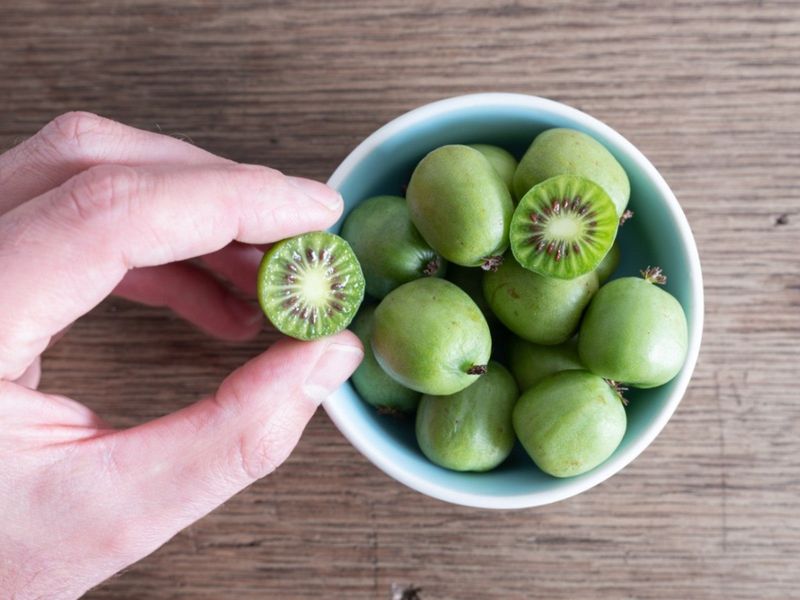
Kiwi Berry, or Hardy Kiwi, is a delightful alternative to its larger cousin. These grape-sized, fuzz-free kiwis are perfect for snacking, offering a sweet-tart flavor that is both refreshing and satisfying.
Ideal for trellises, Kiwi Berry vines maximize vertical space, making them a smart choice for small gardens. They are hardy and can withstand colder climates, ensuring a reliable harvest year after year.
Gardeners looking to add a touch of tropical taste to their backyard will find Kiwi Berries both practical and rewarding, with their bountiful yield and delightful flavor.
19. Sea Buckthorn
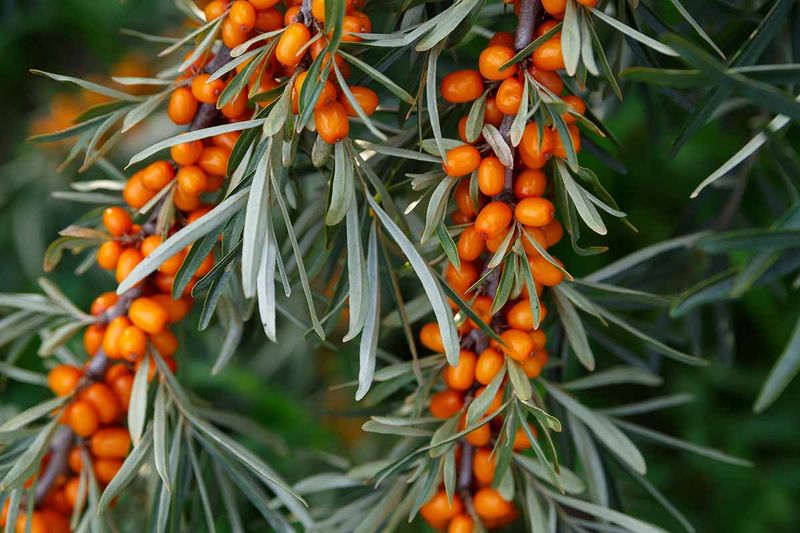
Sea Buckthorn is a powerhouse of nutrition, offering tart, orange berries packed with vitamin C. This shrub’s resilient nature makes it ideal for challenging environments, from sandy soils to windy coastal areas.
The berries are perfect for making juices and jams, adding a healthful boost to any diet. Sea Buckthorns’ silvery foliage adds visual interest, creating a striking contrast in any garden setting.
For those seeking both beauty and health benefits, Sea Buckthorn is a versatile addition, thriving where many other plants cannot, and providing bountiful, nutritious yields.
20. Juneberry (Saskatoon)
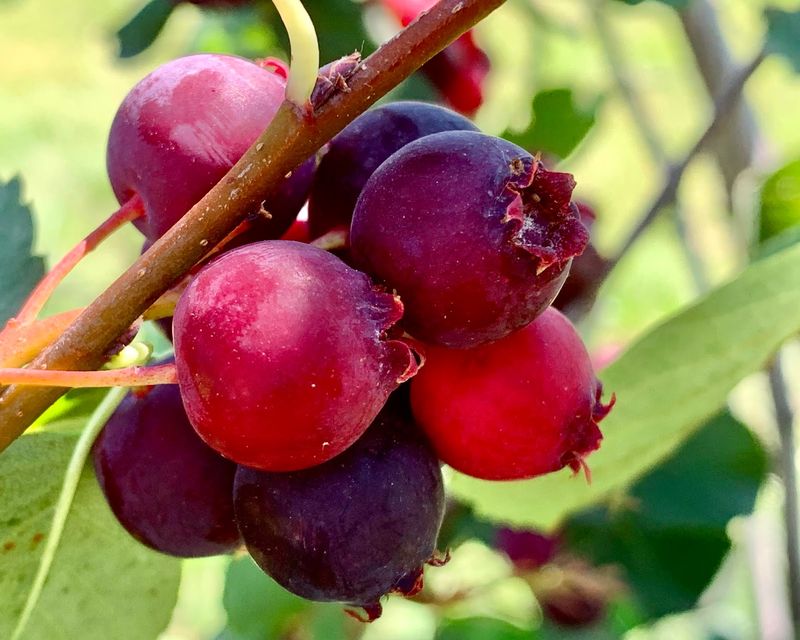
Juneberry, also known as Saskatoon, is a sweet delight, offering blueberry-like fruits perfect for pies and jams. This tree is well-suited for sunny spots, bringing beauty and bounty to garden edges.
The white blossoms in spring add ornamental value, while the summer fruits provide a delicious harvest. Juneberries are adaptable, thriving in a range of soil types and conditions.
For gardeners who enjoy baking or preserving, Juneberries are a versatile and rewarding choice, offering both aesthetic appeal and culinary potential in small spaces.
21. Cornelian Cherry
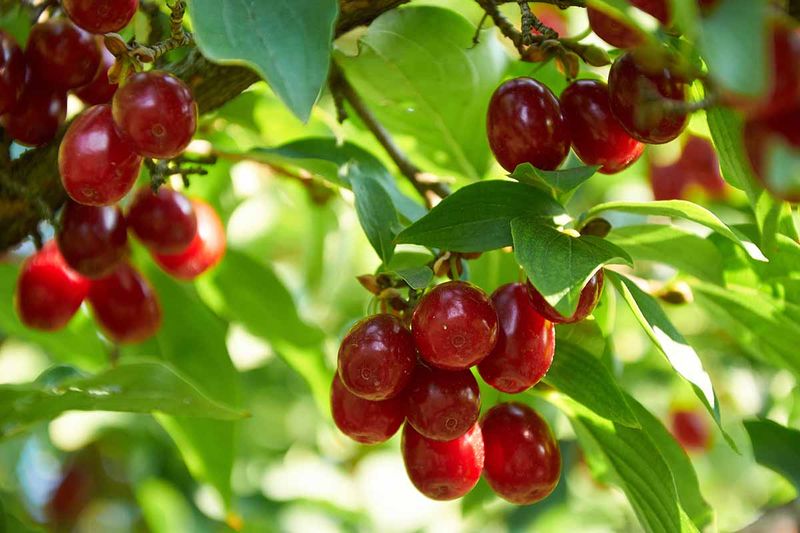
Cornelian Cherry is a hidden gem, offering tart, cranberry-like drupes perfect for syrups and preserves. This tree’s early spring blooms add a splash of sunshine to gardens, making it a delightful ornamental choice.
The fruit, while tart, becomes a versatile ingredient in culinary creations, adding depth to jams and sauces. Cornelian Cherry is hardy and adaptable, thriving in a range of climates and soils.
For those seeking an unusual fruit with ornamental charm, Cornelian Cherry is a valuable addition, providing both beauty and bounty in small garden spaces.
22. Miracle Fruit
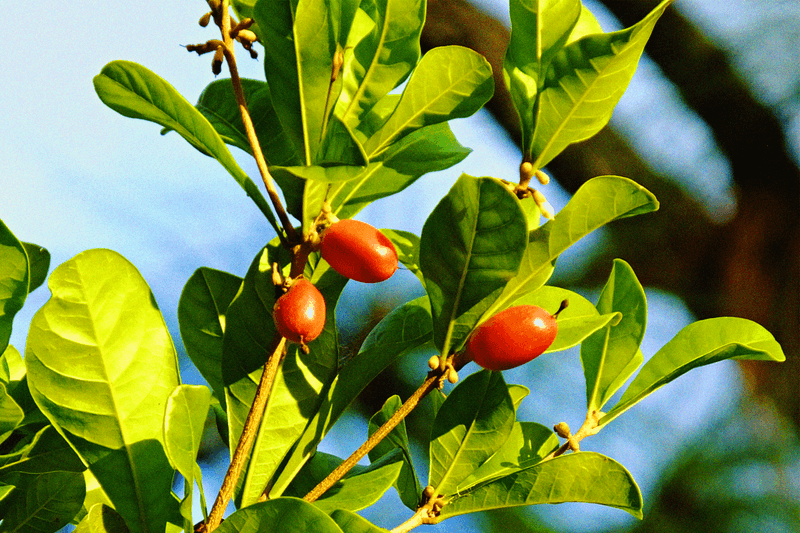
Miracle Fruit is nature’s novelty, known for its unique ability to make sour foods taste sweet. This bush is an intriguing addition to gardens, offering both visual interest and a fun culinary trick.
The small, red berries contain a protein that temporarily alters taste perception, transforming lemons into sweet treats. Miracle Fruit grows well in containers, making it suitable for patios and indoor gardens.
For those who love exploring nature’s wonders, Miracle Fruit offers a playful twist on gardening, combining scientific curiosity with sweet surprises.