 Complete Gardening
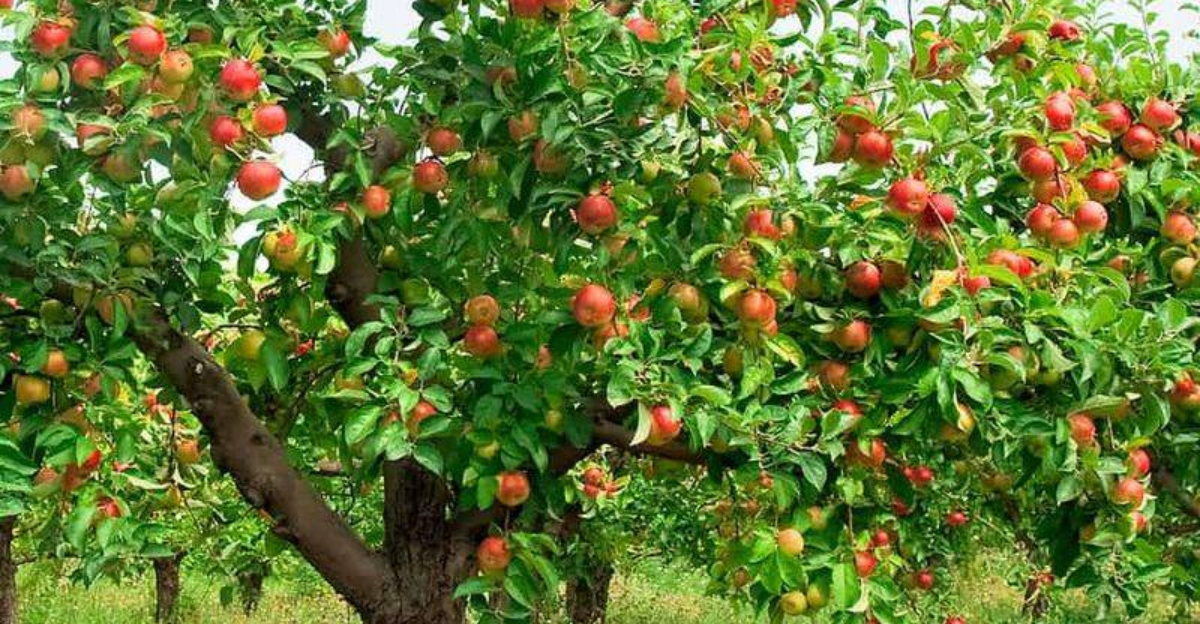
Forget about store-bought supplements and start cultivating a garden full of nature’s multivitamins. These 16 fruits, rich in essential nutrients, offer a natural and delicious way to boost your health. Not only are they packed with vitamins, minerals, and antioxidants, but they also add vibrant colors and flavors to your meals. From berries that support brain function to citrus fruits that enhance immunity, each of these fruits has its unique health benefits. Explore the joy of growing your own produce and reap the rewards of a healthier lifestyle.
1. Blueberries
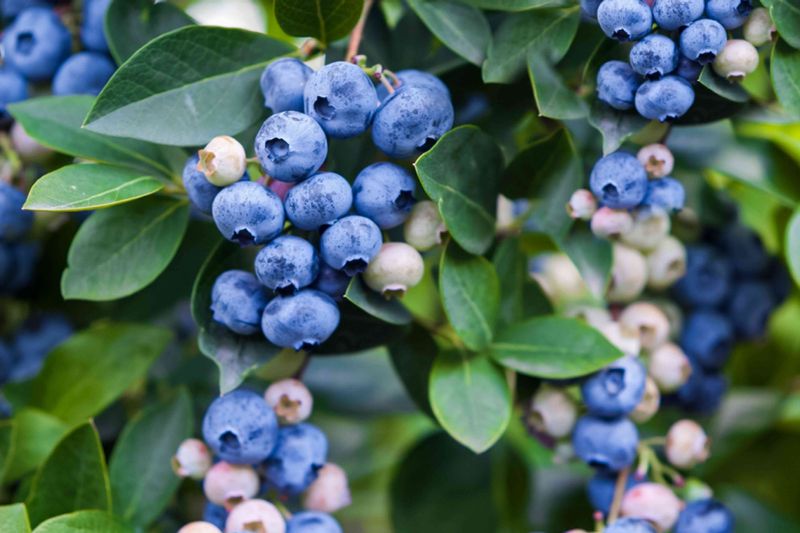
Blueberries, small yet mighty, are renowned for their antioxidant properties. Eating them regularly can help improve memory and brain function. These tiny fruits are also known for their anti-inflammatory benefits.
Growing blueberries in your garden ensures a fresh supply of this superfood. They thrive in acidic soil and love sunny spots. Blueberries aren’t just tasty; they are versatile. You can add them to your morning oatmeal, blend them into smoothies, or enjoy them fresh.
Did you know? Blueberries were called “star berries” by Native Americans because of the star shape on the blossom end.
2. Strawberries
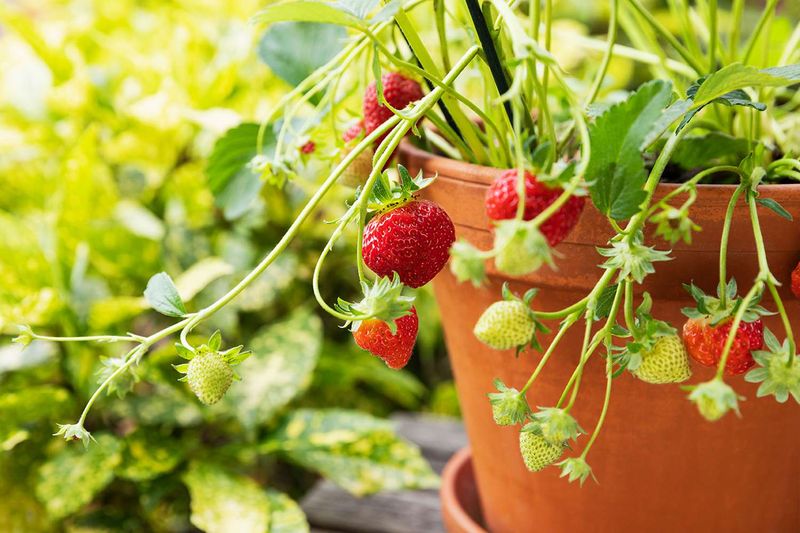
Nothing beats the sweet, juicy taste of a freshly picked strawberry. Rich in vitamin C and antioxidants, strawberries support heart health and boost immunity. They’re also a great source of fiber.
These vibrant red fruits are easy to grow and can be planted in garden beds or containers. Strawberries love the sun and need well-drained soil to thrive. Whether eaten fresh, added to a salad, or blended into a drink, their flavor is truly irresistible.
Fun fact: Strawberries are the only fruit that wear their seeds on the outside.
3. Apples
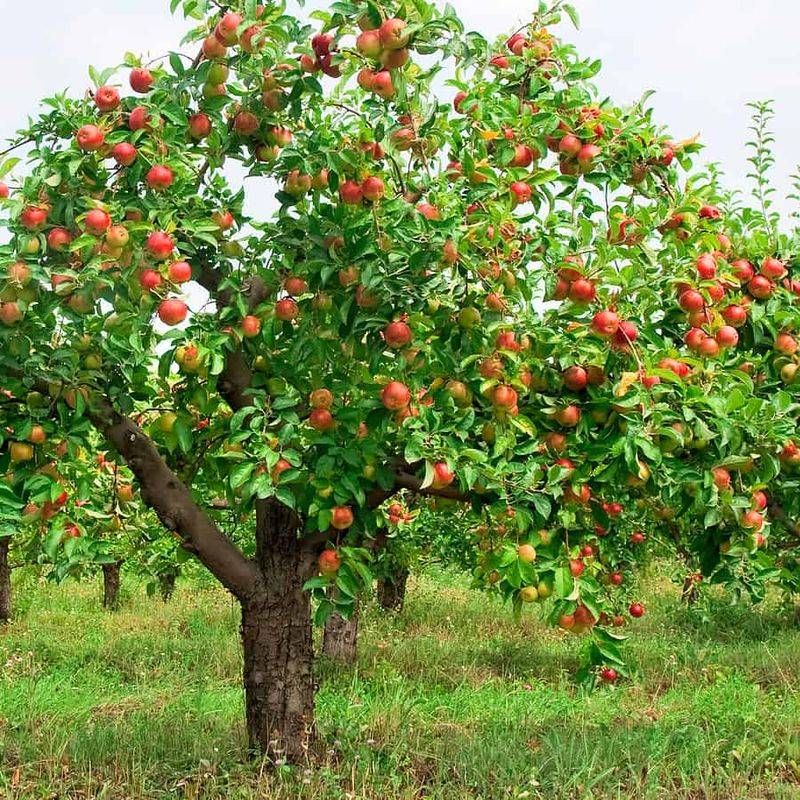
An apple a day keeps the doctor away, so the saying goes. Apples are rich in fiber, vitamin C, and various antioxidants. They can help improve heart health and aid in weight loss.
Growing apple trees in your garden provides a rewarding experience and a bountiful harvest. They require well-drained soil and plenty of sunlight. Apples come in many varieties, each with its unique flavor profile.
Did you know? Apples float on water because 25% of their volume is air, making bobbing for apples possible!
4. Pomegranates
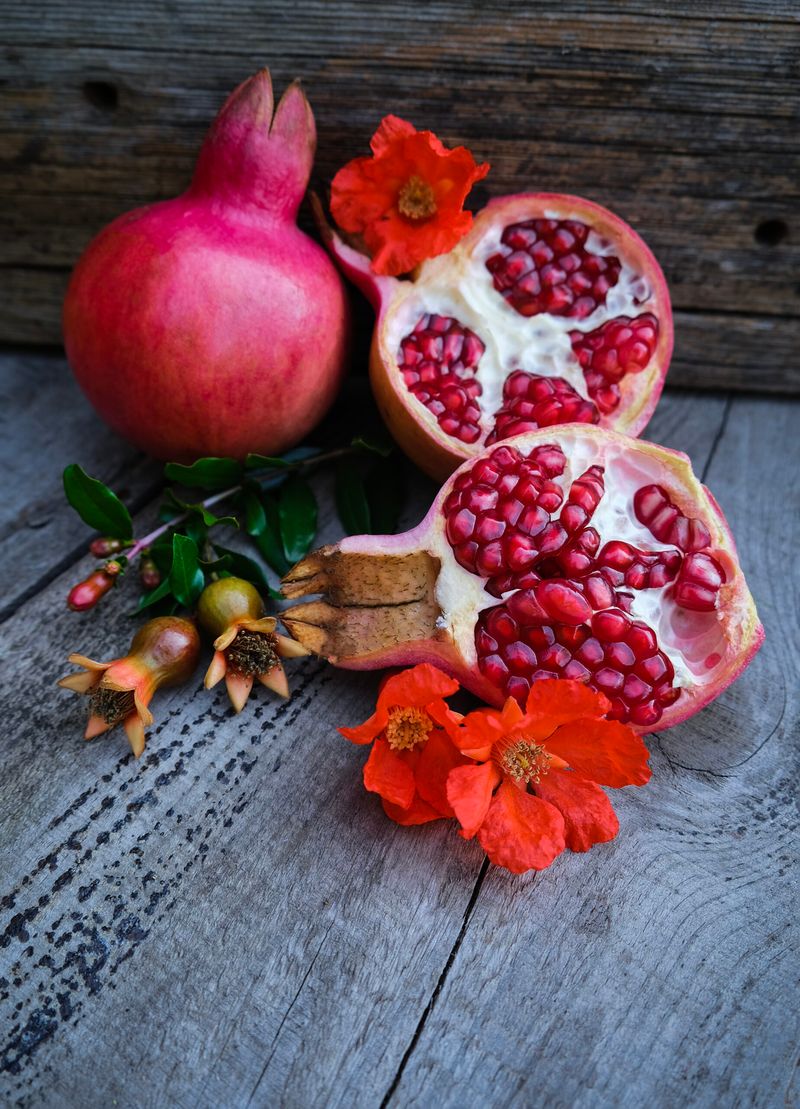
With their jewel-like seeds, pomegranates are a feast for the eyes and the body. They’re known for their high antioxidant content, which helps reduce inflammation and protect against chronic diseases.
Growing pomegranates requires a sunny location and well-drained soil. These shrubs are drought-tolerant once established. The fruits can be enjoyed fresh or juiced for a refreshing beverage.
Interesting tidbit: In ancient cultures, pomegranates symbolized fertility and abundance.
5. Cherries
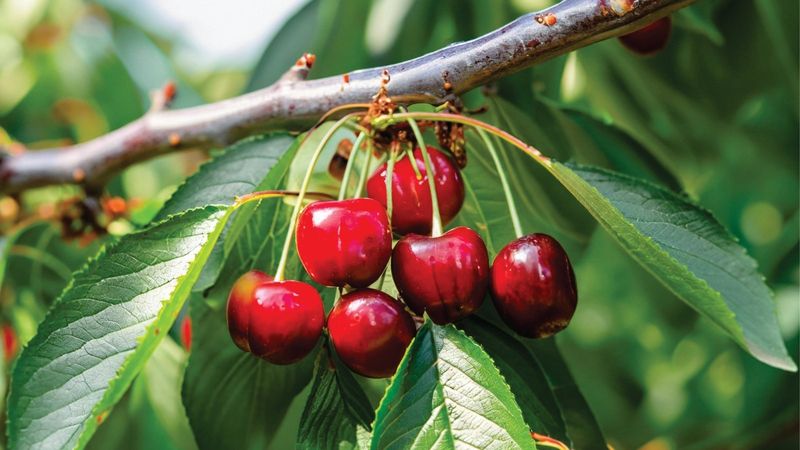
Cherries are more than just a summer treat; they’re a powerhouse of nutrients. Rich in antioxidants and anti-inflammatory compounds, they can help improve sleep quality and reduce muscle soreness.
Planting cherry trees in your garden offers both beauty and nutrition. They flourish in areas with cold winters and sunny summers. Cherries taste delightful when eaten fresh, baked into pies, or made into jams.
Fun fact: Cherries belong to the same family as roses, prunes, and peaches.
6. Grapes
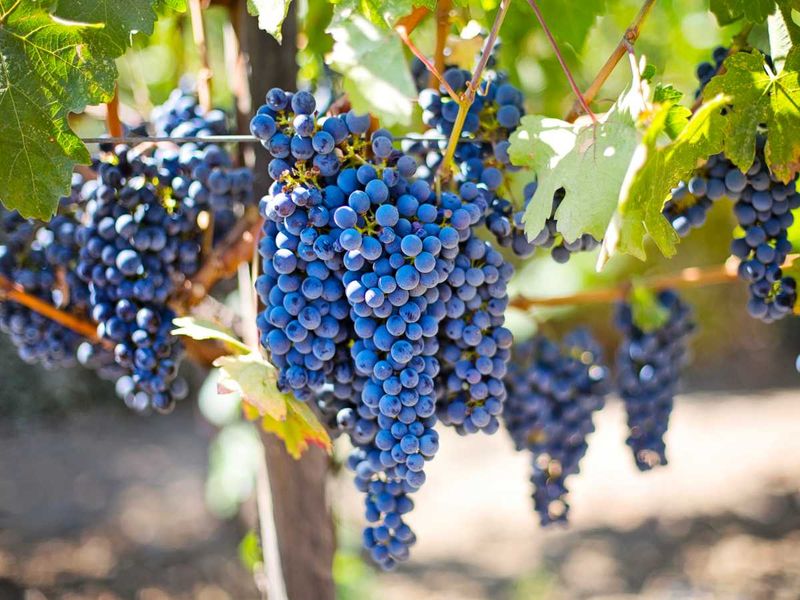
Grapes, whether red, green, or purple, are bursting with nutrients. They contain vitamins C and K, along with essential antioxidants that support heart health.
Growing grapevines provides a sense of accomplishment and a taste of the vineyard life. They require well-drained soil and plenty of sunlight, with regular pruning for optimal growth. Grapes are delicious fresh, dried as raisins, or fermented into wine.
Did you know? Grapes are considered berries, botanically speaking!
7. Oranges
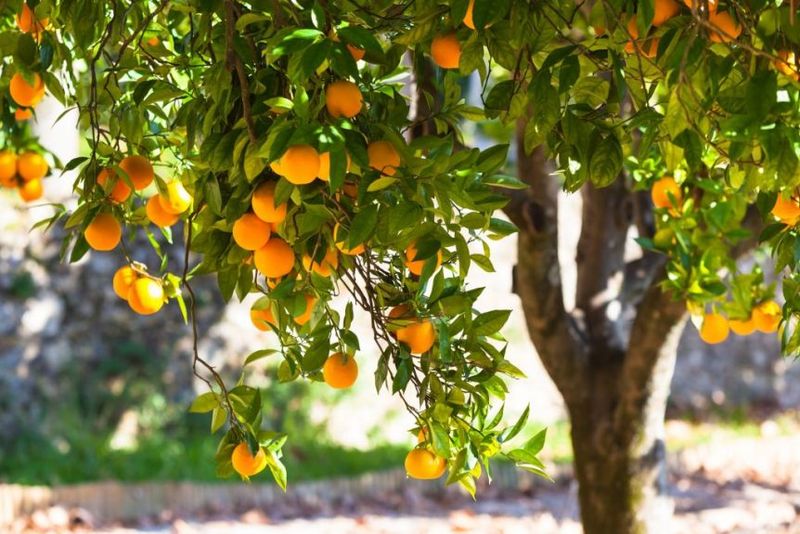
Oranges are a citrus delight, offering a burst of vitamin C and flavor. They’re fantastic for boosting immunity and promoting skin health.
Cultivating orange trees can be a rewarding endeavor. They thrive in warm climates and need well-drained soil. Oranges are perfect for juicing, adding to salads, or eating fresh.
Fun trivia: Oranges are a hybrid of two ancient citrus species, pomelo and mandarin.
8. Mangoes
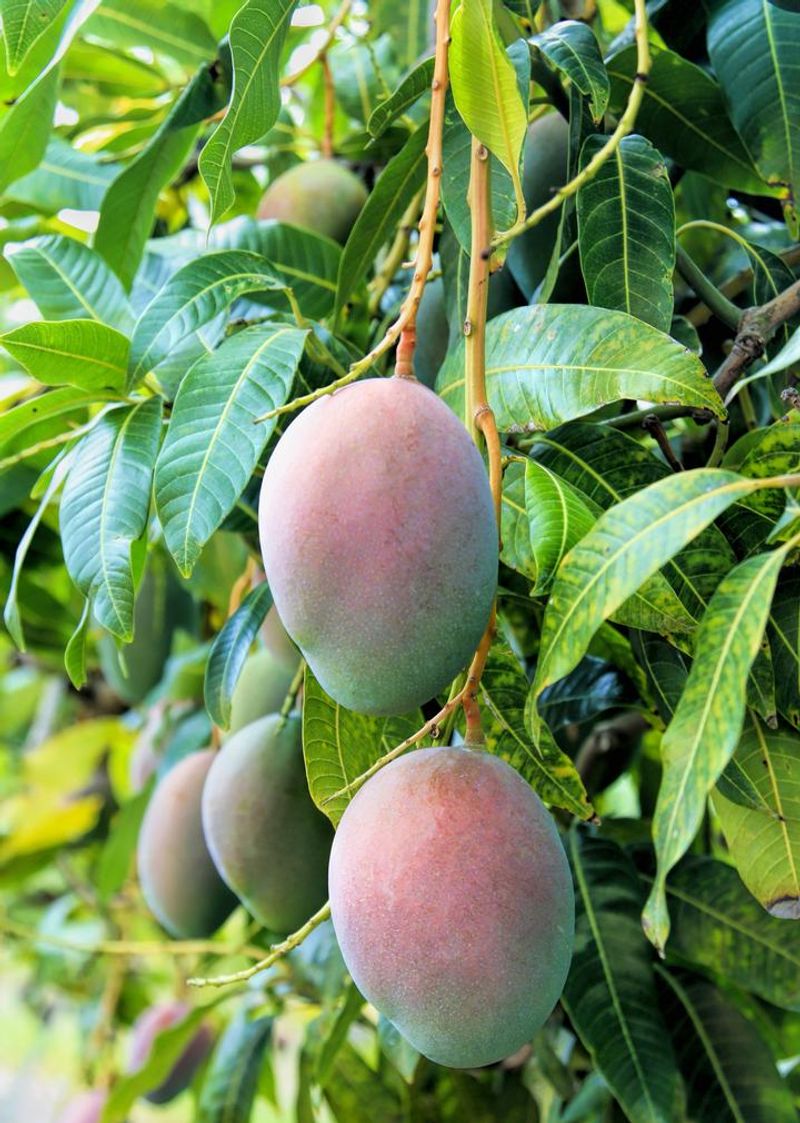
Mangoes, often called the “king of fruits,” are cherished for their sweet, exotic flavor. They’re high in vitamins A and C, which support eye health and the immune system.
Growing mango trees requires a warm, frost-free climate and well-drained soil. These tropical trees add a lush, green touch to any garden. Mangoes can be enjoyed fresh, in smoothies, or as part of desserts.
Did you know? Mangoes are related to cashews and pistachios, being part of the same family.
9. Pineapples
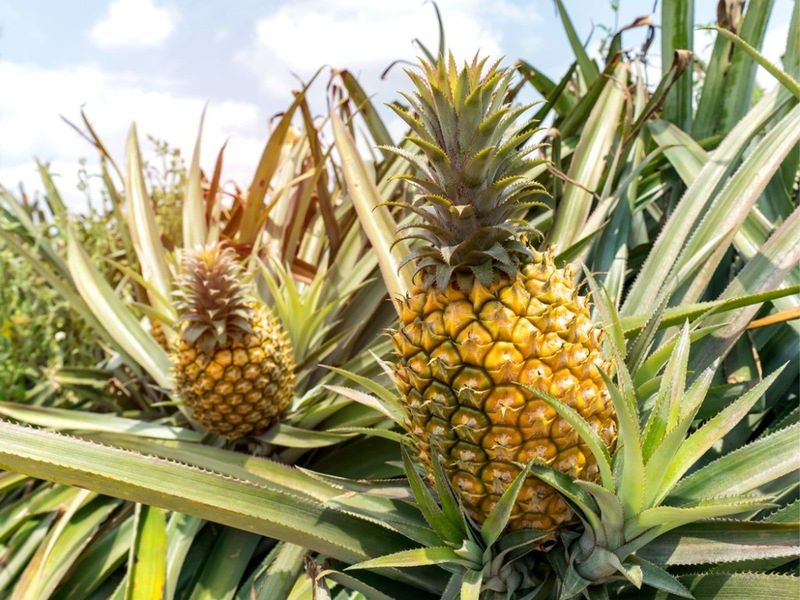
Pineapples are more than just a tropical treat; they’re a source of vitamin C and manganese. These nutrients help with digestion and support the immune system.
Growing pineapples might seem challenging, but they’re surprisingly easy with the right conditions. They require a sunny spot and minimal water. Pineapples are delicious fresh, in smoothies, or as a grilled dessert.
Interesting note: Pineapples are named for their resemblance to pine cones.
10. Bananas
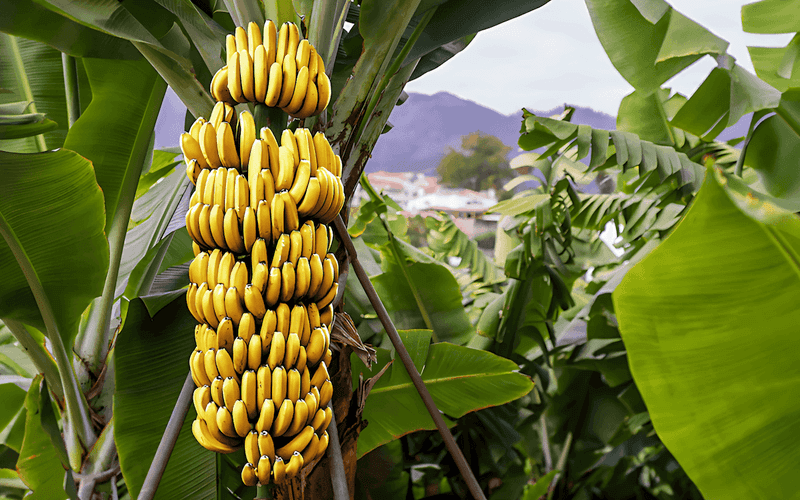
Bananas are a staple in many diets, thanks to their potassium content and natural sweetness. They aid in muscle function and provide quick energy.
Cultivating banana trees is rewarding and provides a tropical feel to your garden. They need rich, well-drained soil and a sunny location. Bananas are perfect for snacks, smoothies, or baking.
Fun fact: Bananas are technically berries, and banana plants are classified as giant herbs.
11. Avocados
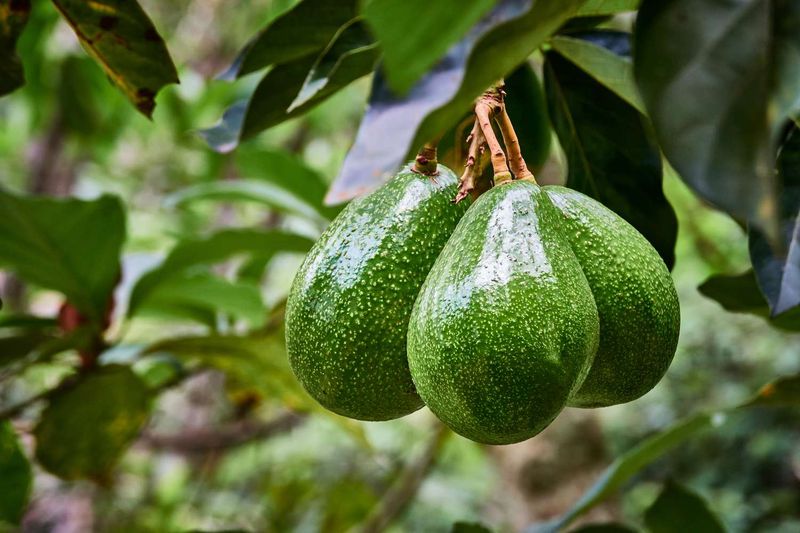
Avocados are celebrated for their creamy texture and healthy fats. They’re excellent for heart health and provide vitamins E and B6.
Growing avocados requires patience, as trees can take several years to bear fruit. They thrive in warm climates with well-drained soil. Avocados are versatile, perfect for salads, spreads, or smoothies.
Did you know? Avocados were once called “alligator pears” due to their bumpy skin and pear shape.
12. Figs
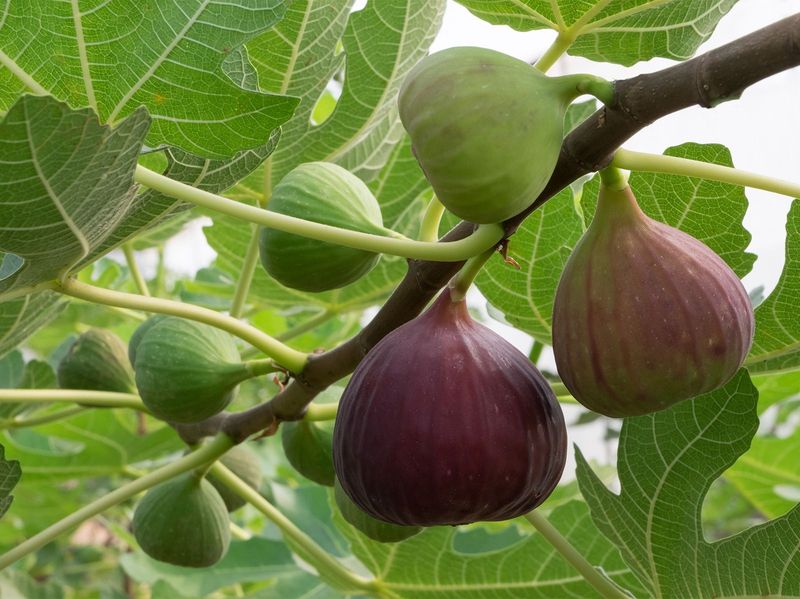
Figs, with their sweet and chewy texture, are a natural source of fiber and essential minerals like magnesium and potassium. They aid digestion and support bone health.
Figs are easy to grow, thriving in sunny locations with well-drained soil. Enjoy them fresh, dried, or in various dishes for a delightful taste.
Did you know? Figs were considered a sacred fruit by the Romans and were a favorite of Cleopatra.
13. Raspberries
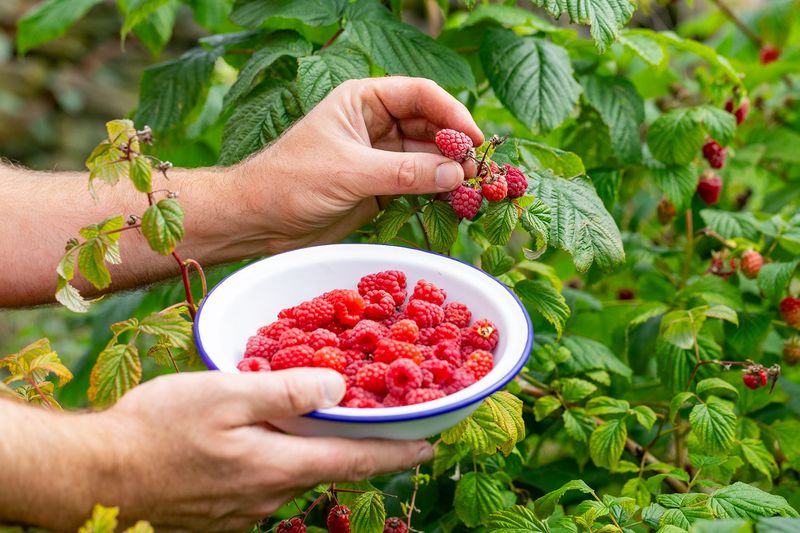
Raspberries, known for their vibrant color and juicy taste, are packed with vitamins C and K, fiber, and antioxidants. They support heart health and may improve brain function.
Growing raspberries is a rewarding experience, as they thrive in well-drained soil and love full sun. Enjoy them fresh, in jams, or desserts for a tasty treat.
Interesting tidbit: Raspberries have been cultivated for their health benefits since the fourth century.
14. Lemons
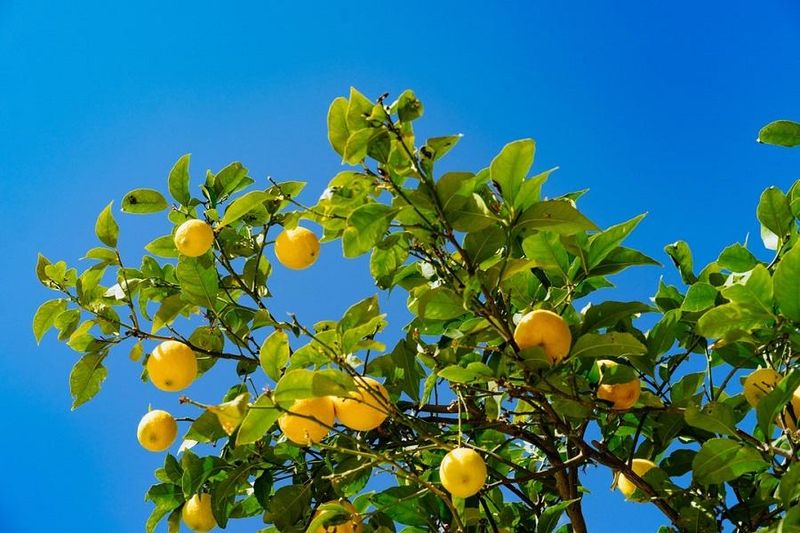
Lemons offer a zesty flavor and a boost of vitamin C. They’re beneficial for detoxifying the body and enhancing skin health.
Cultivating lemon trees requires a warm climate and well-drained soil. These bright fruits can be used in cooking, drinks, or for a refreshing scent.
Fun fact: Lemons were once so rare in America that they were given as gifts among the elite.
15. Peaches
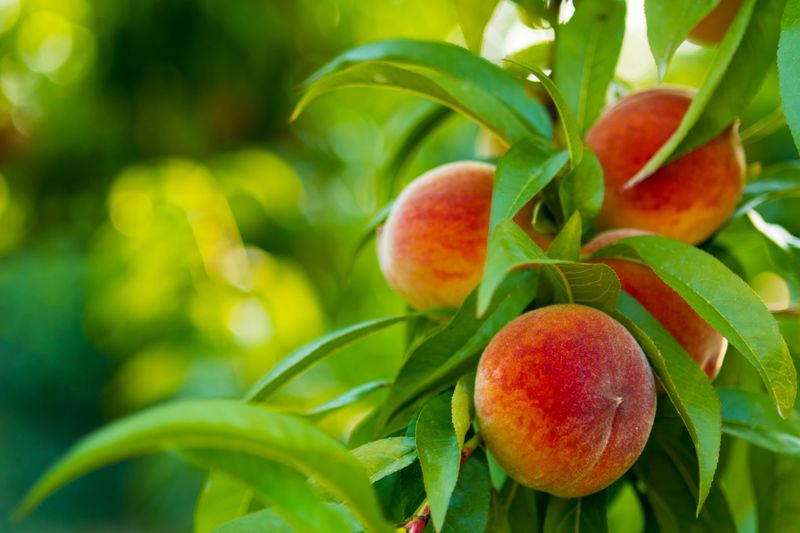
Peaches are synonymous with summer and are beloved for their juicy sweetness. They’re a good source of vitamins A and C, supporting eye health and immunity.
Growing peach trees adds beauty and bounty to your garden. They thrive in sunny locations with well-drained soil. Peaches can be enjoyed fresh, in pies, or preserves.
Did you know? Peaches originated from China, where they were considered a symbol of immortality.
16. Papayas
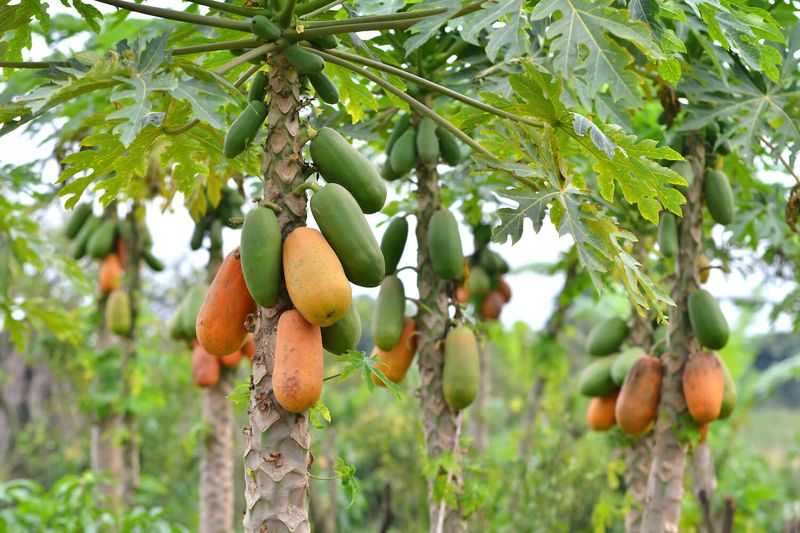
Papayas, with their tropical flair, are rich in vitamin C, folate, and digestive enzymes. They support digestion and boost the immune system.
Growing papaya trees is ideal in warm climates with fertile soil. These trees not only offer nutritious fruit but also a lush, exotic appearance. Enjoy papayas fresh or in savory dishes.
Did you know? Papayas were called the “fruit of the angels” by explorer Christopher Columbus.