 Complete Gardening
In the world of gardening, not all vegetables are created equal. While some can be grown with little effort, others present a true challenge for even the most seasoned gardeners. This article explores the dichotomy between simple and challenging crops, providing insights into 11 vegetables that are almost foolproof, and 9 that demand expertise and patience. Whether you’re looking to start a garden or take your skills to the next level, this guide will help you choose the right crops to cultivate. From radishes to wasabi, discover what makes each vegetable unique and the specific challenges involved in their growth.
1. Radishes
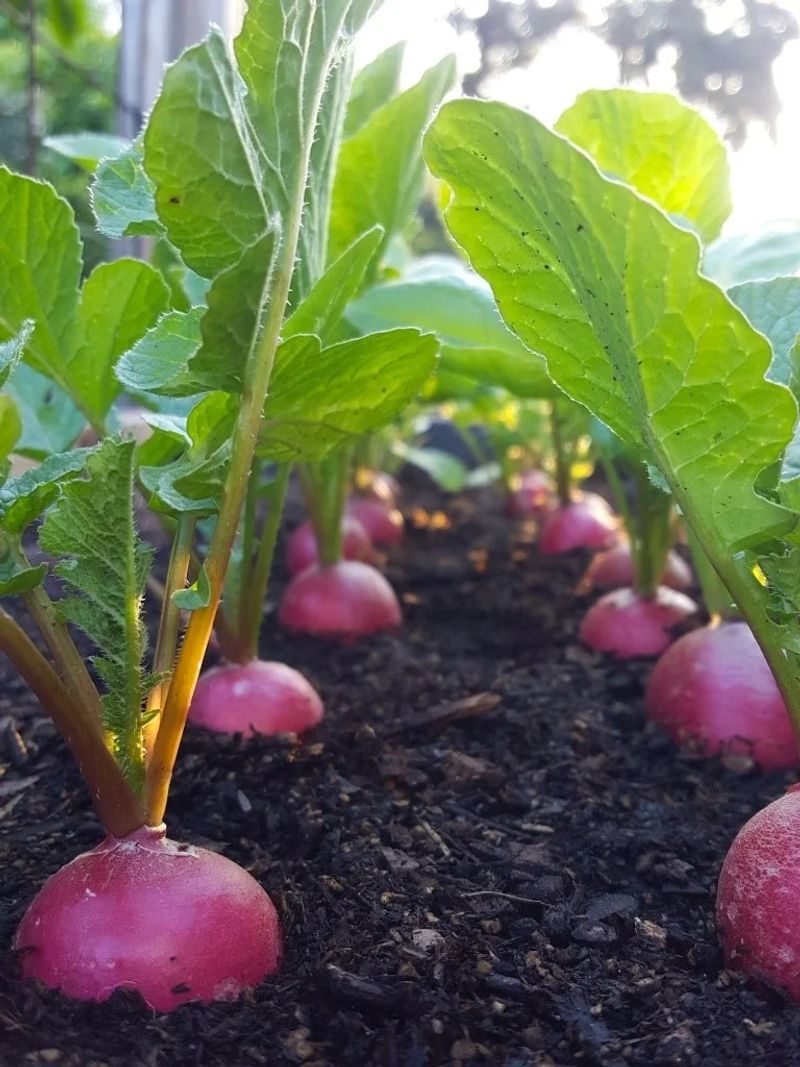
Radishes are often the first choice for new gardeners due to their rapid growth. These root vegetables can sprout in as little as three days, requiring minimal care. Just scatter the seeds and water them regularly, and you’ll have a harvest in no time. Their spicy crunch is a delightful addition to salads and sandwiches. Despite their simplicity, radishes offer a satisfying gardening experience without the hassle. Perfect for those with limited space, they thrive in containers and small plots. Their ability to grow in various climates makes radishes a universal favorite among novice gardeners.
2. Green Beans
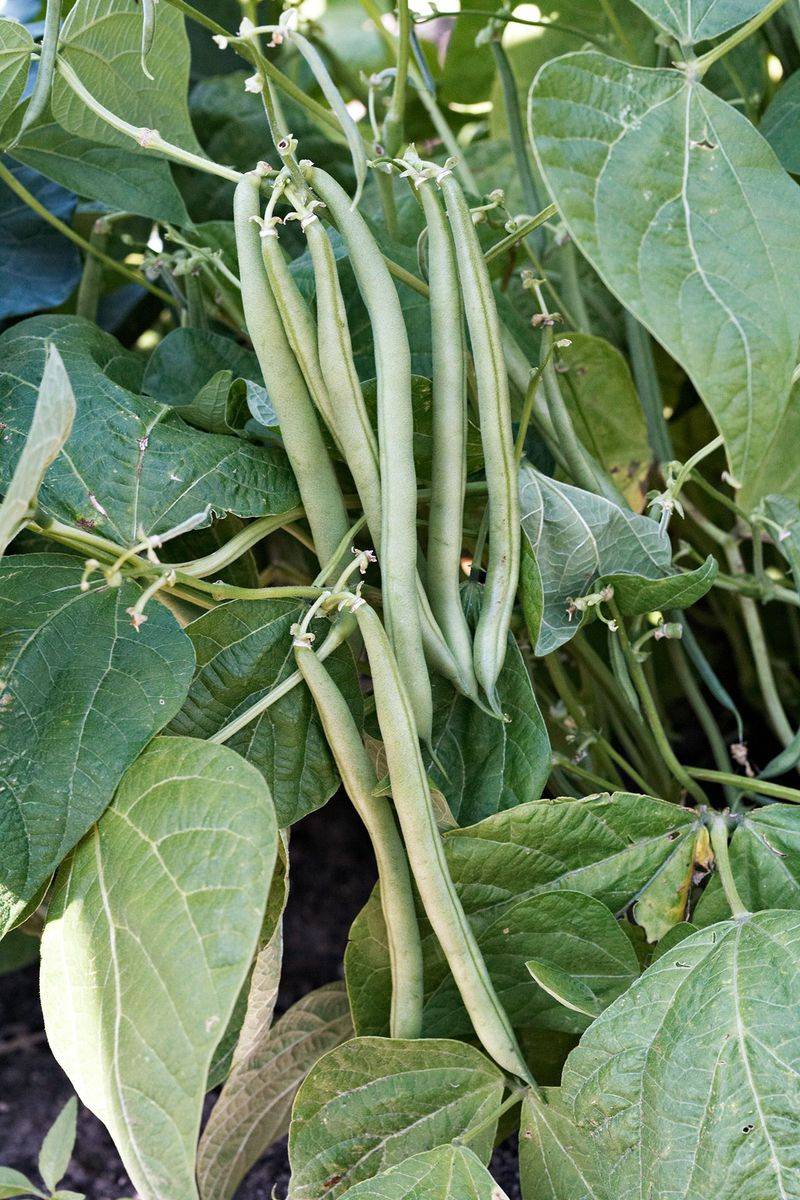
For those seeking a bountiful harvest without much effort, green beans are the go-to. They practically grow themselves, climbing trellises with enthusiasm. These beans require little more than regular watering and a sunny spot to thrive. Their resilience to pests and diseases makes them a garden staple for many. With a continuous crop through the season, they are perfect for fresh eating or preserving. A symbol of abundance, green beans’ prolific nature ensures you never run out. Whether in stir-fries or steamed, their fresh, crisp taste is a rewarding payoff for minimal effort.
3. Lettuce
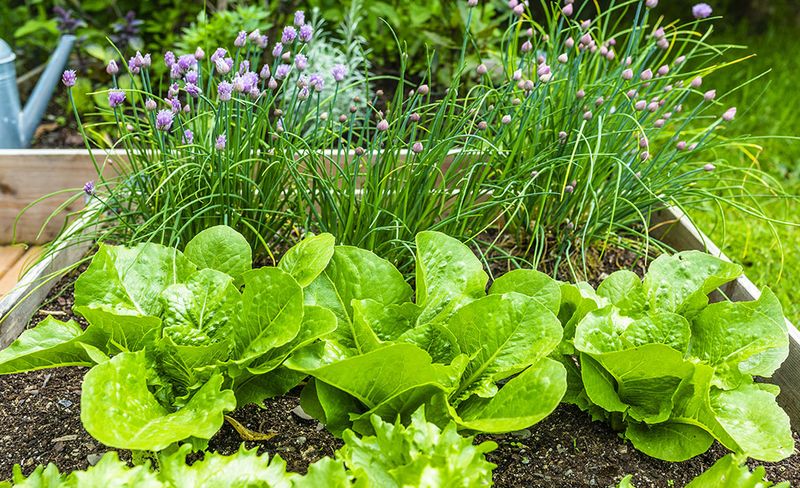
Lettuce, the quintessential salad green, is famed for its fast and forgiving nature. Even if you make a misstep, it bounces back quickly, making it ideal for beginners. Sow the seeds and watch them flourish, rewarding you with continuous leaves to harvest. This cool-weather crop grows best in spring and fall, providing fresh greens when other vegetables are scarce. Its versatility allows it to be grown in beds, pots, or even window boxes. From crisp romaine to tender butterhead, lettuce adds variety to your diet with ease. A must-have for any salad enthusiast.
4. Zucchini
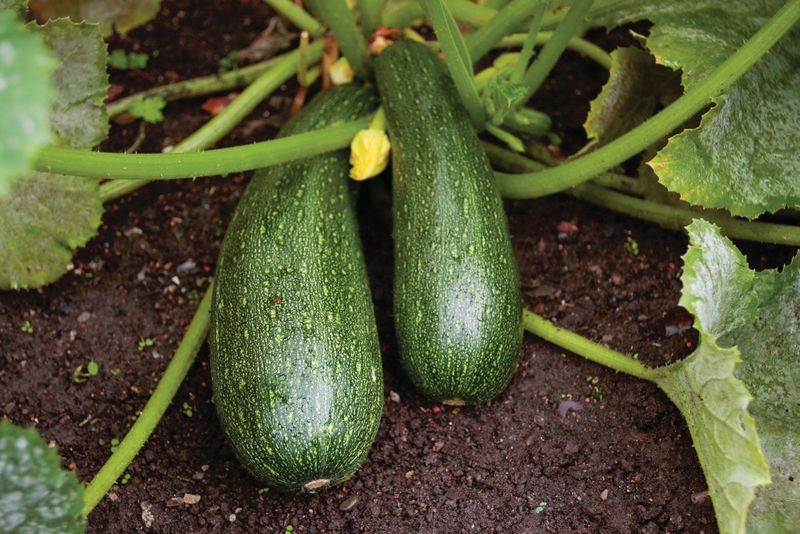
Zucchini is notorious for its prolific production, often overwhelming gardeners with its bounty. A single plant can yield more zucchinis than a family can consume. It’s an enthusiastic grower, sending out sprawling vines that thrive in warm weather. The plant requires regular watering and space to spread out, but little else. Harvest them young for tender, flavorful fruits, or let them grow into impressive sizes. Zucchinis are versatile in the kitchen, perfect for grilling, baking, or frying. Their sheer abundance and ease of growth make them a staple in summer gardens.
5. Cherry Tomatoes
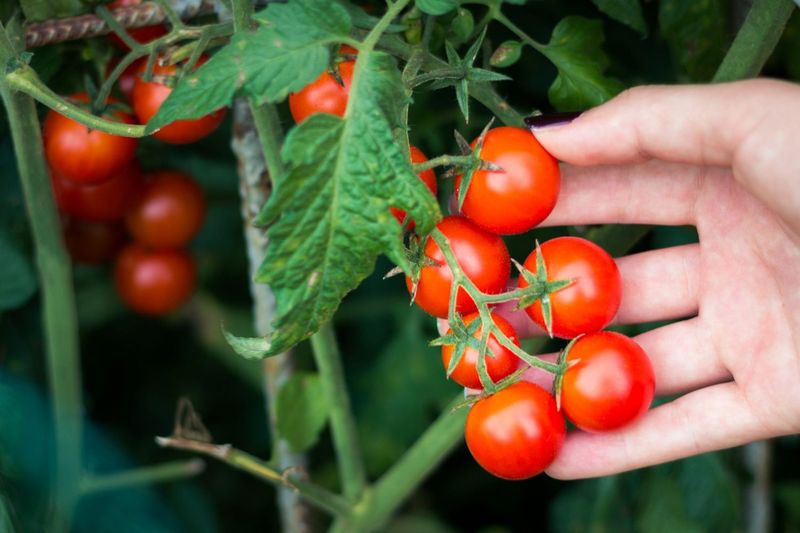
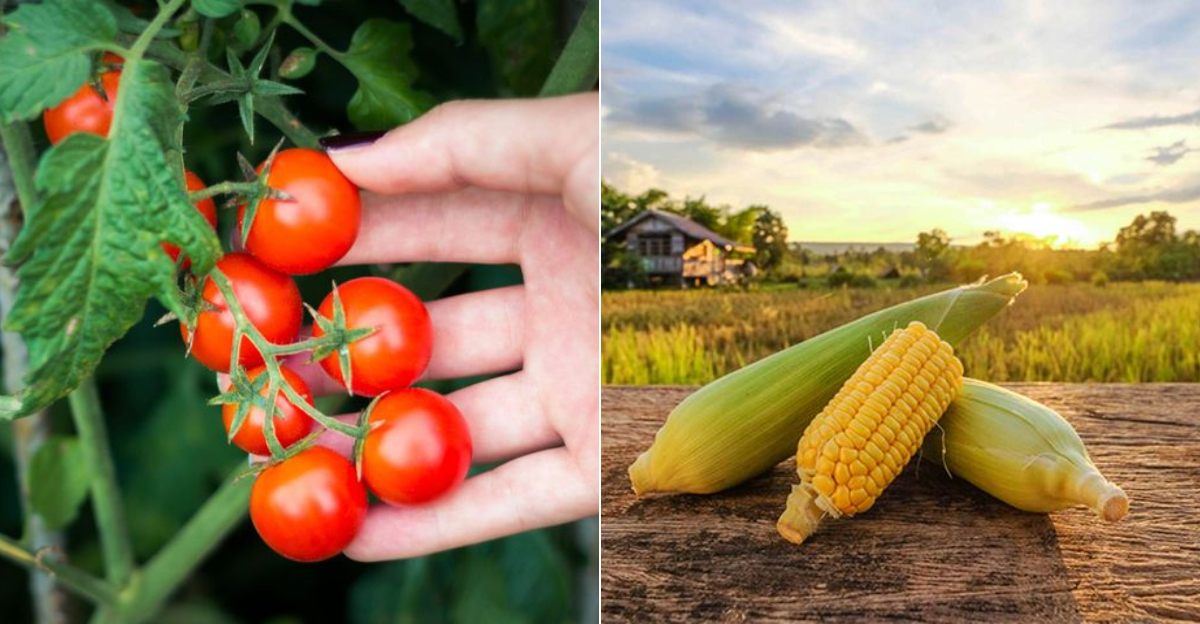
Cherry tomatoes are known for their prolific nature and hardy constitution. These small, juicy fruits burst with flavor and are a delight to grow. Once they start fruiting, it’s a continuous harvest all season long. They’re relatively pest-resistant and tolerate a range of conditions, making them a favorite among gardeners. With regular watering and sunlight, cherry tomatoes thrive, offering a constant supply for salads or snacking. Their vibrant colors and sweet taste make them a hit with children and adults alike. Easy to grow in containers, they’re perfect for small spaces.
6. Cucumbers
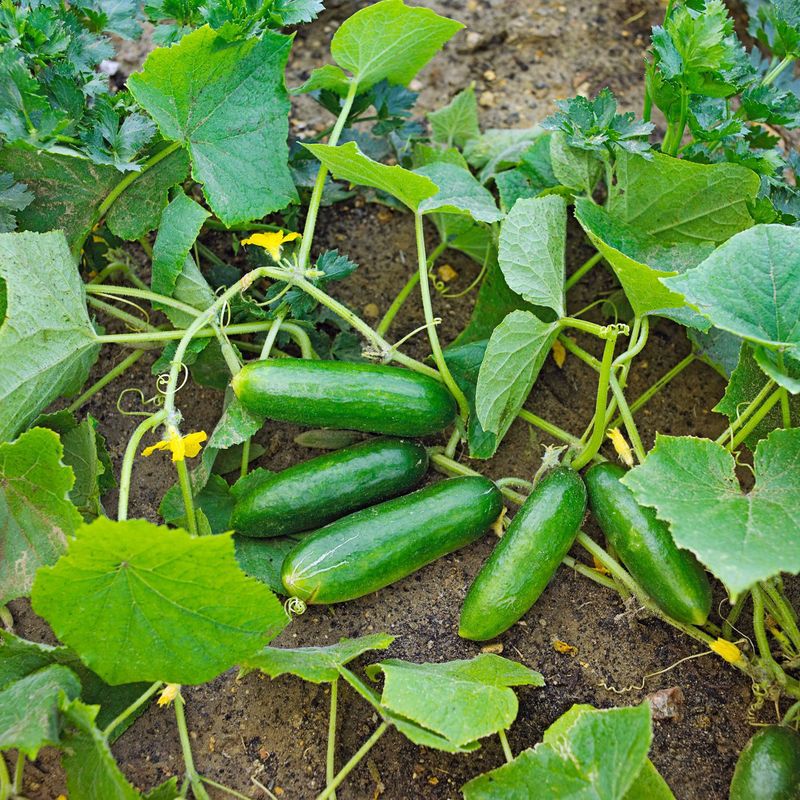
Cucumbers are vigorous growers, with vines that seem to double in size overnight. They require minimal maintenance, thriving in sunny spots with regular watering. These refreshing vegetables are a staple in summer gardens, perfect for pickling or fresh salads. Their rapid growth and high yield make them rewarding for any gardener. Despite their robust nature, cucumbers can be sensitive to powdery mildew, so adequate spacing and airflow are key. With the right conditions, cucumbers will reward you with crisp, cool fruits that are a summer delight, bringing a taste of refreshment to any meal.
7. Kale
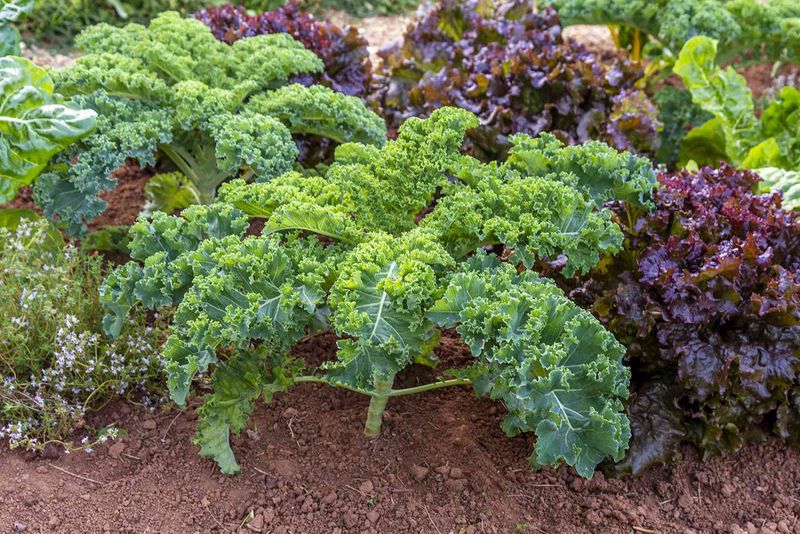
Kale’s reputation as a superfood is well-deserved, and its ease of growth only adds to its appeal. This leafy green seems to thrive on neglect, making it ideal for those with busy schedules. It grows in various climates, from cool to mild, and continues to produce leaves even in the fall. Kale’s ability to withstand pests and diseases is remarkable, providing a steady supply of nutrient-rich greens. Whether you’re making smoothies or salads, kale’s bold flavor and health benefits make it a favorite among health-conscious gardeners. A symbol of resilience, it’s a garden staple.
8. Potatoes
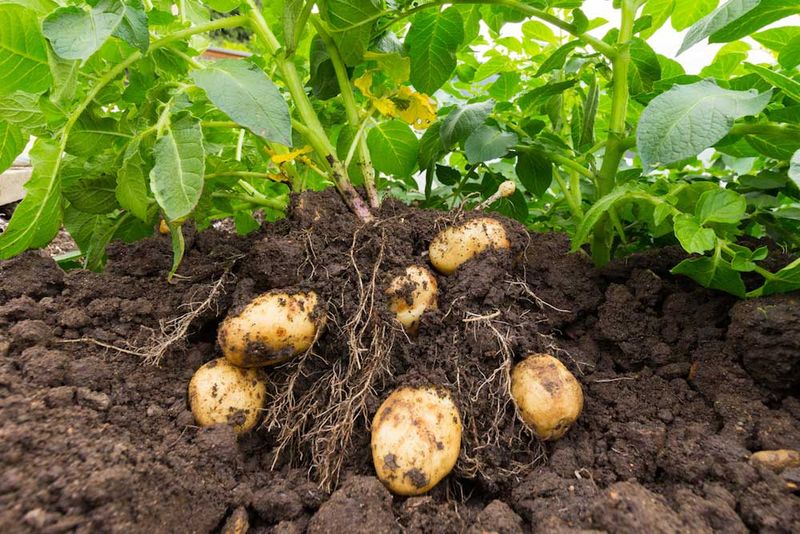
Potatoes are the ultimate ‘plant and forget’ crop. Simply bury a piece of potato with eyes, cover it with soil, and let nature do the rest. After a few months, dig them up to reveal a bounty of spuds. Their ability to grow in various soil types makes them versatile, although they thrive best in loose, well-drained soil. Potatoes are susceptible to blight, so rotation and healthy soil practices are crucial. They offer a hearty reward for little effort, providing a staple food that can be stored for months. Versatile in the kitchen, they’re a gardener’s delight.
9. Peas
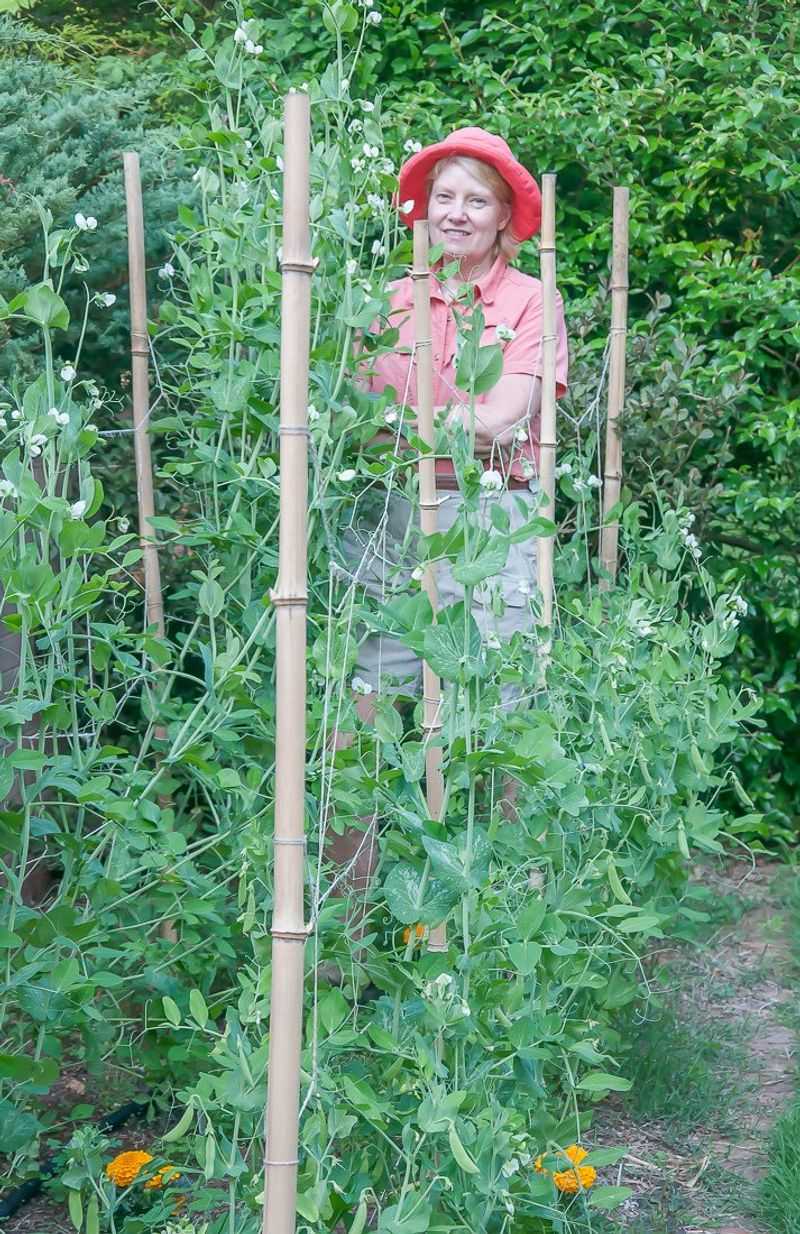
Peas are the champions of cool weather, thriving in the early spring or fall. These plants are easy to grow, requiring only a support to climb and regular watering. Once established, they produce a generous crop of sweet, tender pods that are a treat to eat straight from the plant. Peas enrich the soil with nitrogen, making them a beneficial rotation crop in gardens. Their charming flowers and delicate tendrils add beauty to any garden. Whether you prefer them shelled or in the pod, peas offer a fresh taste of spring that’s hard to beat.
10. Spinach
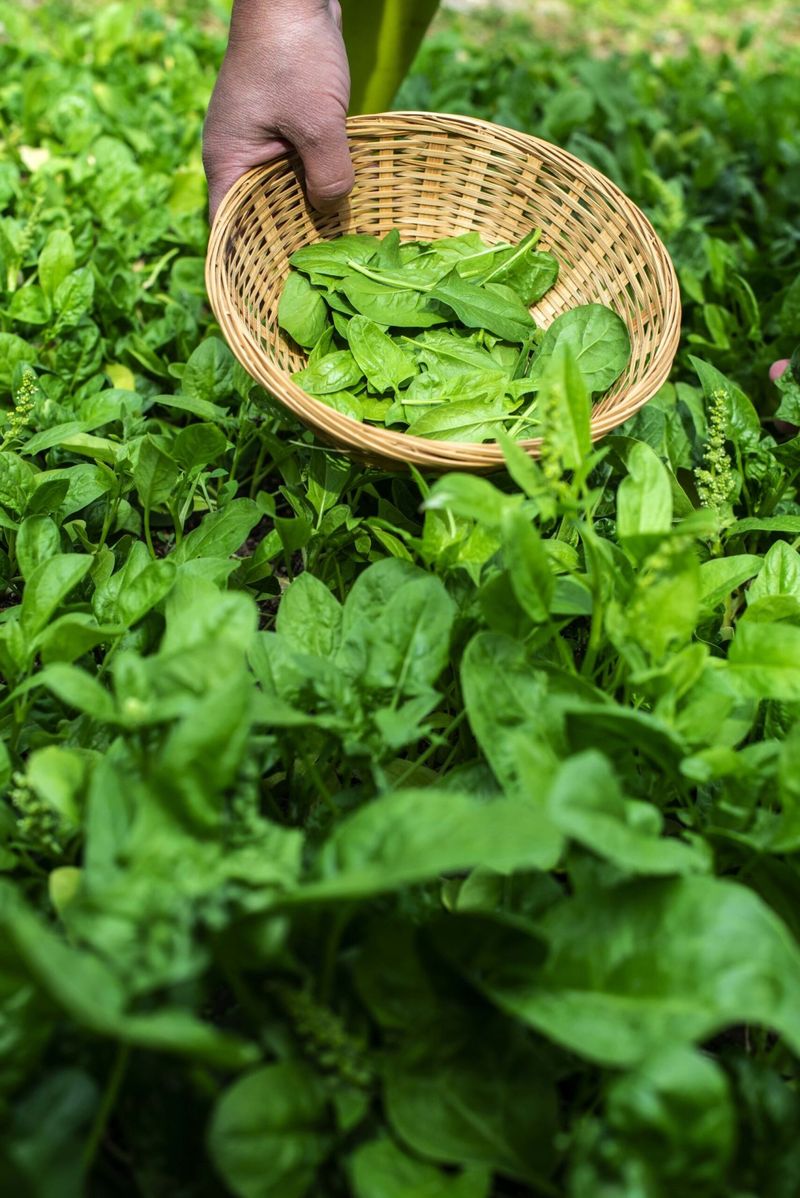
Spinach is the epitome of a quick and reliable crop. This leafy green thrives in cool weather, sprouting quickly and ready for harvest within weeks. It’s a perfect choice for successive planting, ensuring a continuous supply throughout the growing season. Spinach prefers well-drained soil and regular watering, but it’s forgiving of minor mishaps. This nutrient-rich vegetable is versatile in the kitchen, perfect for salads, soups, or sautéed dishes. Its ability to grow in partial shade makes it adaptable to various garden conditions. Spinach’s rapid growth and nutritional benefits make it a gardener’s favorite.
11. Basil
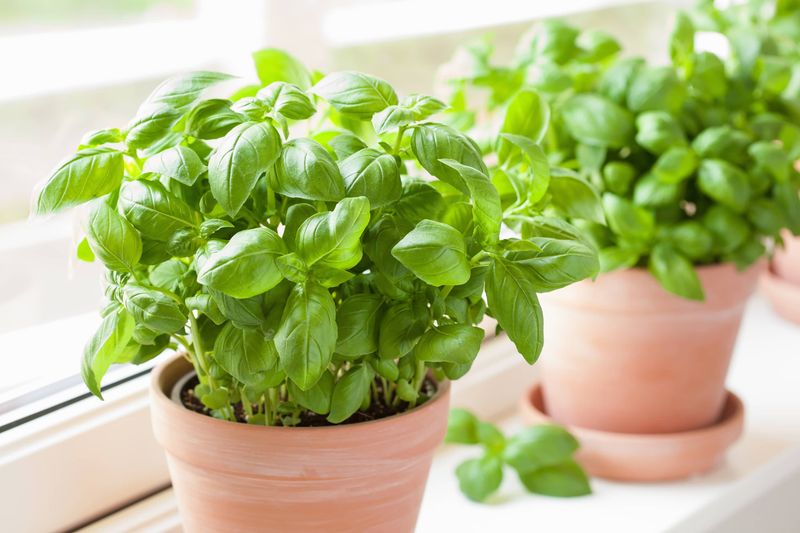
Basil is the quintessential herb that adorns many a kitchen garden. Its ability to thrive with minimal care makes it a staple for both novice and experienced gardeners. Just plant it in a sunny spot and water regularly, and basil will provide an abundance of aromatic leaves. This herb is susceptible to cold, so it’s best grown in warm conditions. Whether you’re making pesto or garnishing a dish, basil’s fresh aroma and flavor are indispensable. It can be grown in pots or directly in the ground, making it versatile for any space. A true culinary delight.
12. Artichokes (Cynara scolymus)
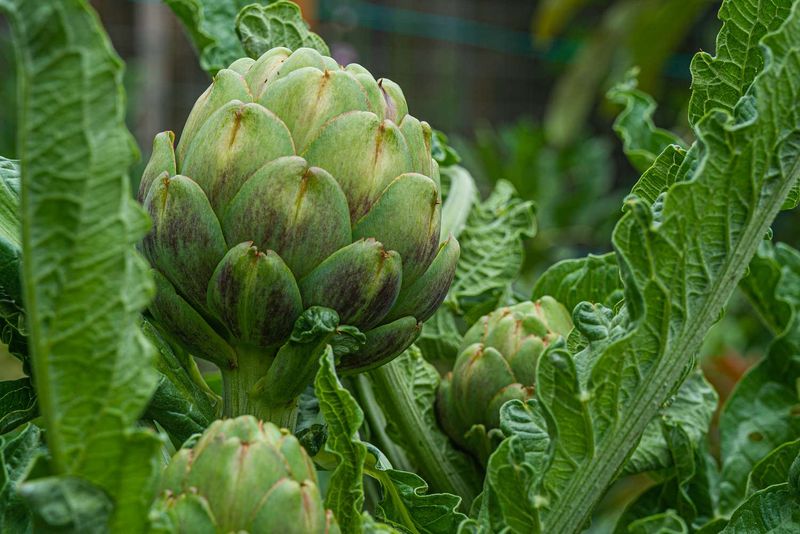
Artichokes, with their striking appearance, are not for the faint of heart. These plants demand a perfect climate, preferably cool coastal areas, and take up to two years to produce. Their need for rich soil and regular care can intimidate even seasoned gardeners. However, the reward is a stunning perennial plant with delicious gourmet buds. Artichokes serve as both an ornamental and edible plant, adding beauty to any garden. Their unique flavor and texture make them a sought-after delicacy. Growing artichokes is truly a labor of love, but the results are worth every effort.
13. Cauliflower (Brassica oleracea)
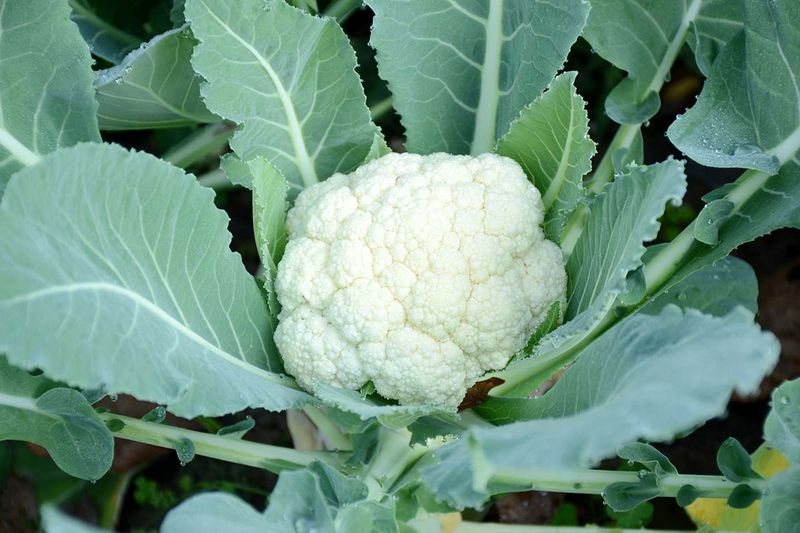
Cauliflower’s pristine white heads are a gardener’s triumph. However, this vegetable requires precise conditions to thrive. Temperature-sensitive, cauliflower struggles in both heat and cold, and demands perfect blanching techniques. Despite the challenges, successful growth results in crisp, sweet heads that are a culinary delight. This vegetable is susceptible to pests and diseases, requiring vigilant care. Yet, the satisfaction of growing cauliflower from seed to table is unmatched. Whether roasted, steamed, or blended, its versatility in the kitchen makes it a favorite among chefs. A true test of a gardener’s skill and patience.
14. Celery (Apium graveolens)
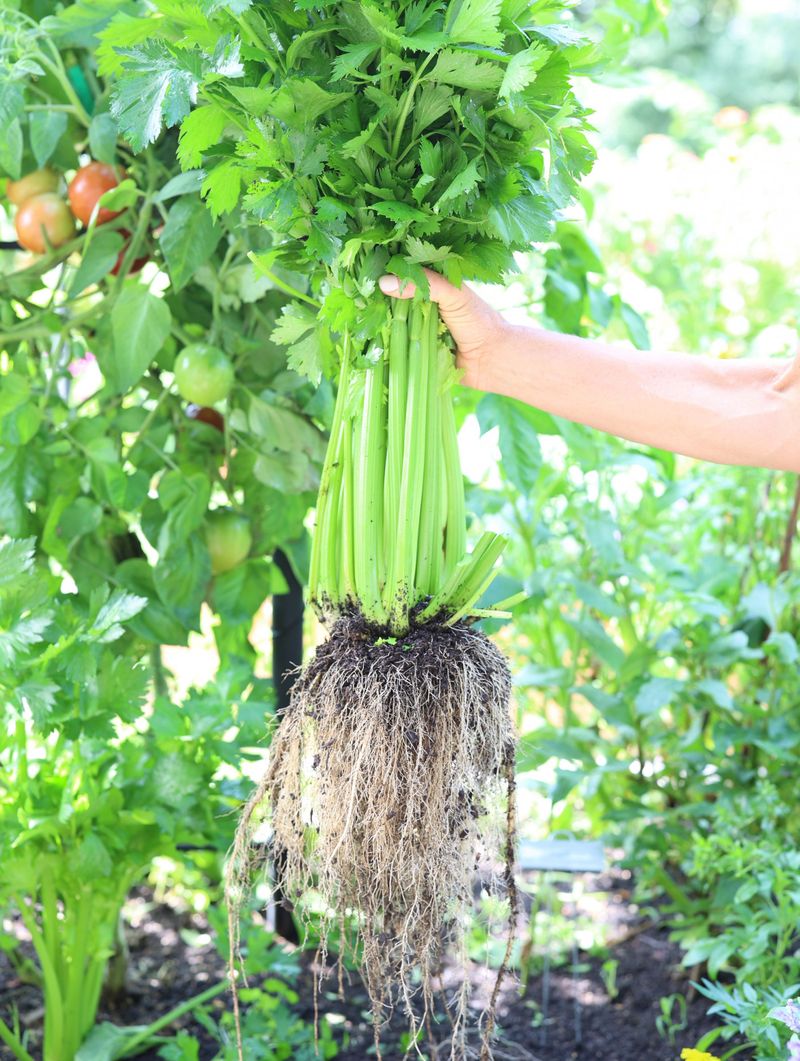
Celery is notorious for its demanding growing conditions. It requires constant moisture and rich soil to develop its characteristic skinny stalks. This vegetable demands months of care, testing a gardener’s dedication. Despite its reputation, homegrown celery offers a crisp, fresh taste that store-bought varieties can’t match. The satisfaction of growing celery lies in its unique flavor and texture, making it a prized addition to any garden. With patience and careful attention, celery rewards with a bountiful harvest. Whether in soups, salads, or as a snack, its refreshing crunch is worth the effort.
15. Asparagus (Asparagus officinalis)
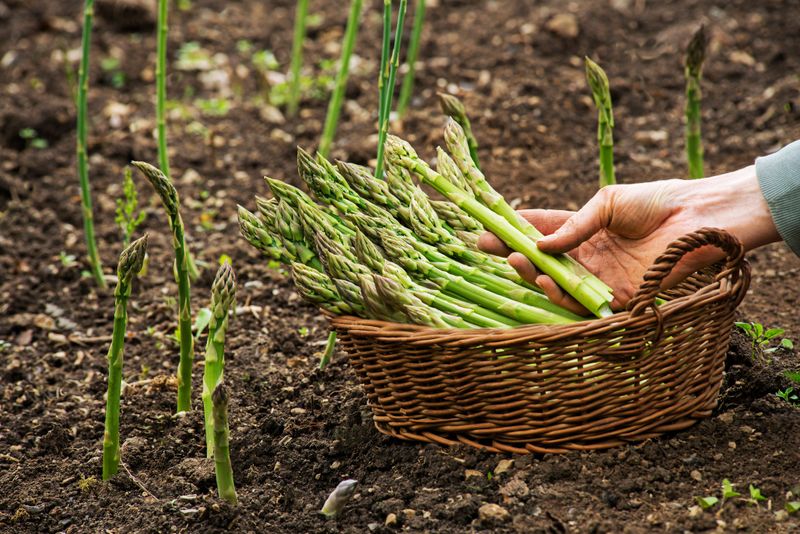
Asparagus is a commitment, taking over three years to establish. This perennial requires deep soil preparation and an abundance of patience. However, once mature, it offers up to 20 years of tender spears each spring. Asparagus thrives in well-drained soil with plenty of sunlight. Despite its long wait, the reward is a continuous harvest of fresh, delicious spears. Homegrown asparagus offers a flavor unparalleled by store-bought varieties. It’s a testament to a gardener’s dedication and foresight, providing a perennial source of nourishment and delight. Growing asparagus is a journey of patience and fulfillment.
16. Eggplant (Solanum melongena)
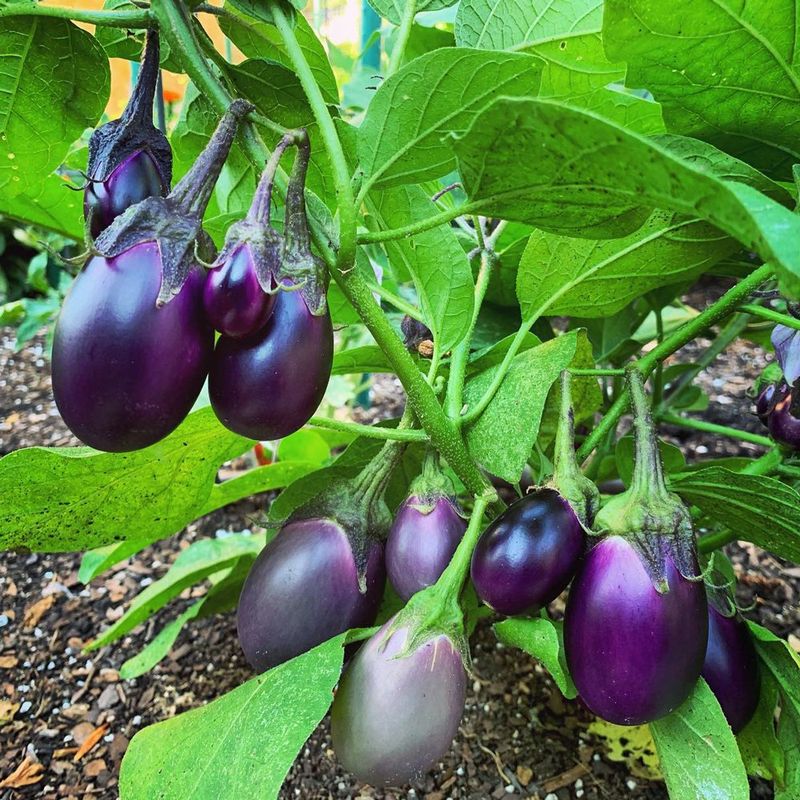
Eggplants are heat-loving plants that present a challenge to gardeners. They are prone to insect pests like fleas and aphids, and require consistent warmth to thrive. Despite these challenges, successful cultivation rewards with silky, flavorful fruits. Eggplants demand rich soil and regular watering to reach their full potential. Their unique taste and texture make them a versatile ingredient in many cuisines. From grilling to roasting, eggplants add depth and flavor to dishes. Growing them requires vigilance and care, but the taste of homegrown eggplants is worth the effort. A rewarding challenge for adventurous gardeners.
17. Sweet Corn (Zea mays)

Sweet corn is a garden favorite for its unmatched sweetness when fresh-picked. However, growing it requires heavy feeding, perfect pollination, and diligent pest control. Planting corn in blocks ensures successful pollination, while regular feeding supports its rapid growth. Pests like raccoons and corn borers pose threats, demanding vigilant care. Despite the challenges, the reward is a deliciously sweet harvest that surpasses any store-bought corn. Its taste is a testament to a gardener’s hard work and dedication. Whether boiled or grilled, sweet corn is a summer staple that brings joy to any table.
18. Melons (Watermelon, Cantaloupe) (Cucumis melo, Citrullus lanatus)
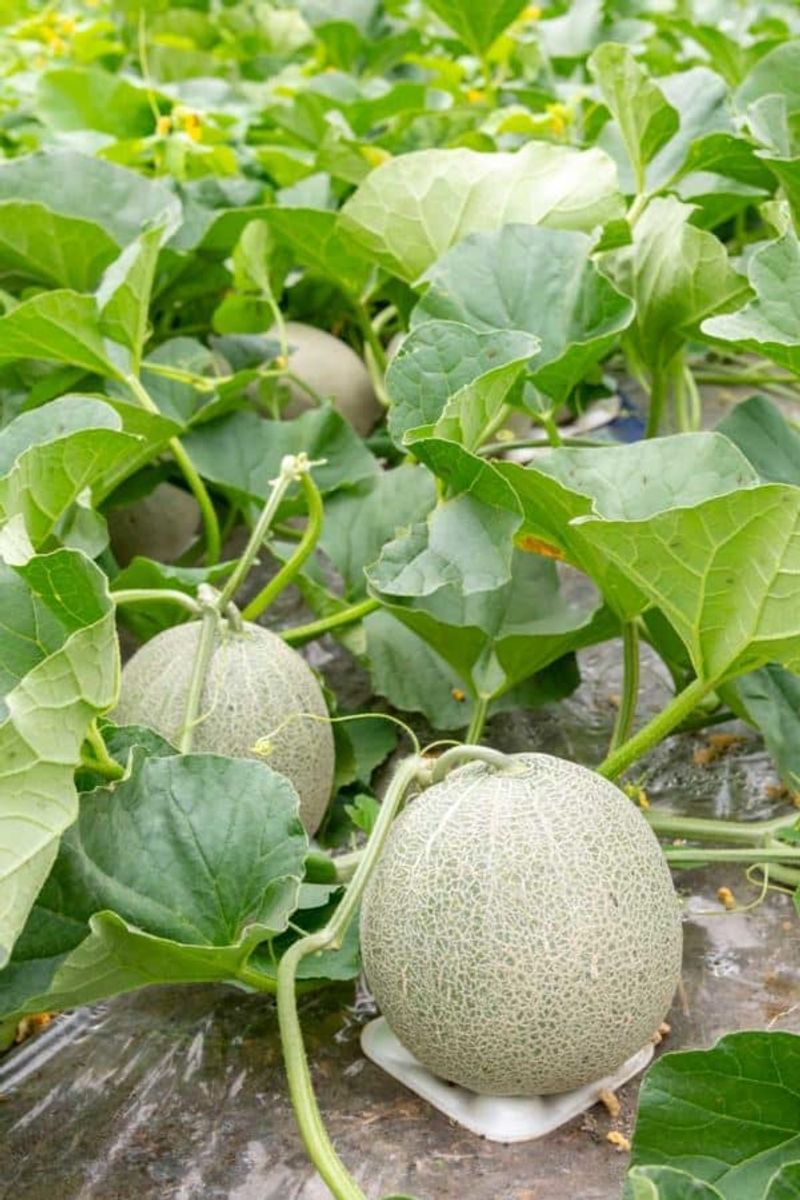
Melons, whether watermelon or cantaloupe, are a gardener’s summer delight, but growing them presents challenges. These fruits need a long growing season and hot temperatures to mature. Susceptible to rot before ripening, melons require careful watering and pest management. Despite the hurdles, the reward is juicy, sun-warmed fruits that surpass grocery store varieties. Melons demand space to sprawl and rich soil to thrive. Their sweet, refreshing taste is the perfect antidote to summer heat. Growing melons is a labor of love, but the satisfaction of biting into a homegrown melon is unmatched.
19. Brussels Sprouts (Brassica oleracea var. gemmifera)

Brussels sprouts are slow-growing crucifers that require cool weather to develop their sweet, nutty flavor. They are a magnet for pests like cabbage worms, necessitating vigilant pest control. Despite their slow growth, the reward is a bountiful harvest of sprouts. These vegetables benefit from a frost, which enhances their taste. Growing Brussels sprouts requires patience and dedication, but their unique flavor makes them worth the effort. Whether roasted or sautéed, they add a delicious twist to meals. A challenging yet rewarding crop, Brussels sprouts are a testament to a gardener’s perseverance.
20. Wasabi (Eutrema japonicum)
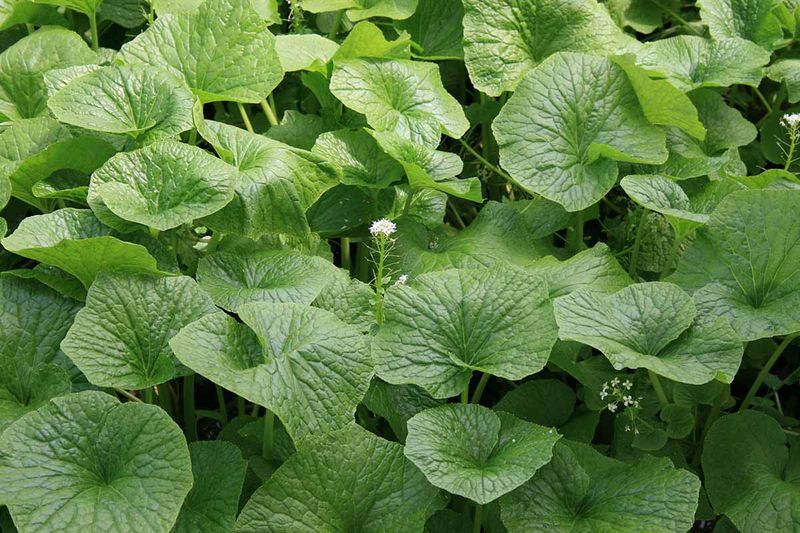
Wasabi is known for its rarity and exclusivity, making it one of the most challenging vegetables to grow. It requires shade, cold running water, and more than two years to mature. These conditions mimic its natural habitat, demanding dedication and precision. Wasabi’s fiery heat and unique flavor are unparalleled, making it a prized addition to any culinary endeavor. Growing wasabi is a testament to a gardener’s skill and patience, but the reward is the hottest, freshest wasabi you’ll ever taste. Its cultivation is a journey of perseverance, offering a spice that enhances any dish.