 Complete Gardening
In the world of gardening, pairing plants can sometimes feel like a guessing game. Nasturtiums, loved for their vibrant blooms and pest-repelling properties, often find themselves paired with the wrong companions. By selecting the right plant partners, you can enhance growth, improve soil health, and even boost the garden’s overall beauty. Let’s explore ten outstanding companions that will make your nasturtiums thrive like never before.
1. Borage
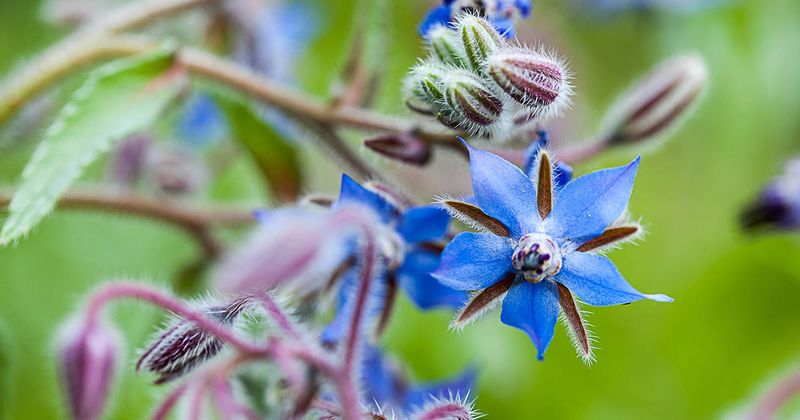
Borage, with its star-shaped blue flowers, attracts pollinators like bees, enhancing the garden’s vitality. Known for its cucumber-like taste, the leaves also serve as a delightful addition to salads.
Borage improves the soil by accumulating minerals, benefiting nearby plants. Its vibrant nature adds a splash of color, contrasting beautifully with nasturtiums.
Did you know? Borage has been used in traditional medicine for centuries and is believed to bring courage. Its multifaceted benefits make it a companion worth considering alongside your nasturtiums.
2. Chives
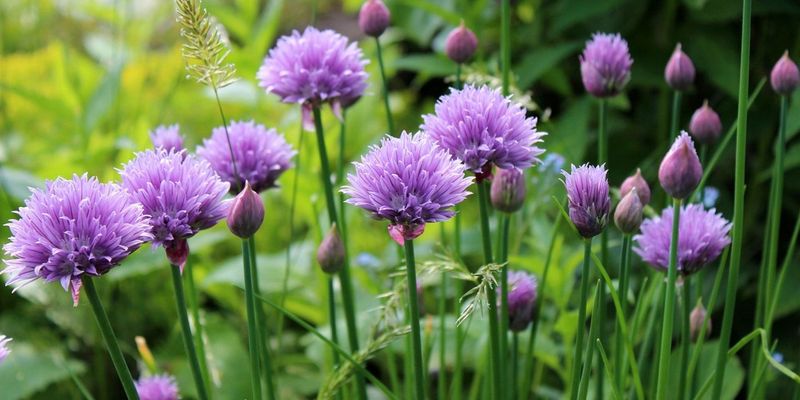
Chives, with slender green leaves and charming purple blooms, are more than just a culinary delight. Their pungent scent repels aphids, a common pest for nasturtiums.
Besides pest control, chives enrich the soil with essential nutrients. Their modest height doesn’t overshadow, allowing nasturtiums to bask in sunlight.
A touch of chives in your garden is not just practical but aesthetically pleasing. The subtle elegance of chives can elevate the overall look of your garden, making them an excellent companion choice.
3. Radishes
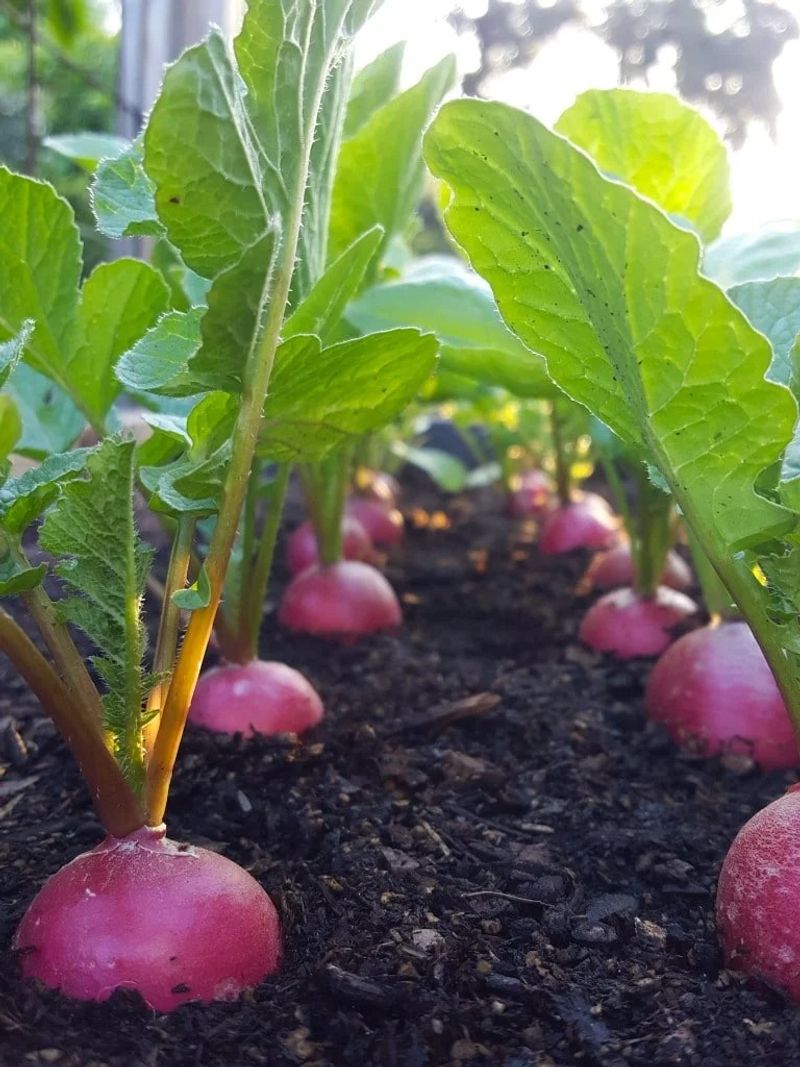
Radishes are not only quick-growing but also excellent for loosening the soil, promoting better root growth for accompanying plants like nasturtiums.
These root vegetables deter cucumber beetles, protecting your garden from potential harm. Their spicy roots provide a zesty addition to salads.
Fun fact: Radishes are one of the fastest-maturing garden crops, often ready in just 30 days. This makes them a dynamic component in a companion planting strategy, supporting the health and growth of nasturtiums.
4. Marigolds
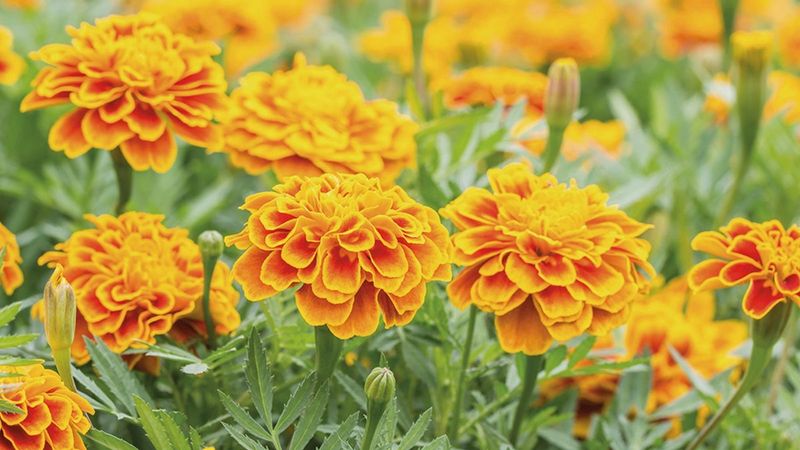
Marigolds, known for their vivid colors, have a reputation for deterring nematodes and other garden pests, benefiting neighboring nasturtiums.
Their cheerful blooms not only add beauty but also attract beneficial insects like ladybugs. Marigolds work hard to keep your garden thriving and balanced.
Their presence in the garden is like a protective golden shield. By planting marigolds, you ensure a healthier environment for nasturtiums, promoting a robust and lively garden ecosystem.
5. Basil
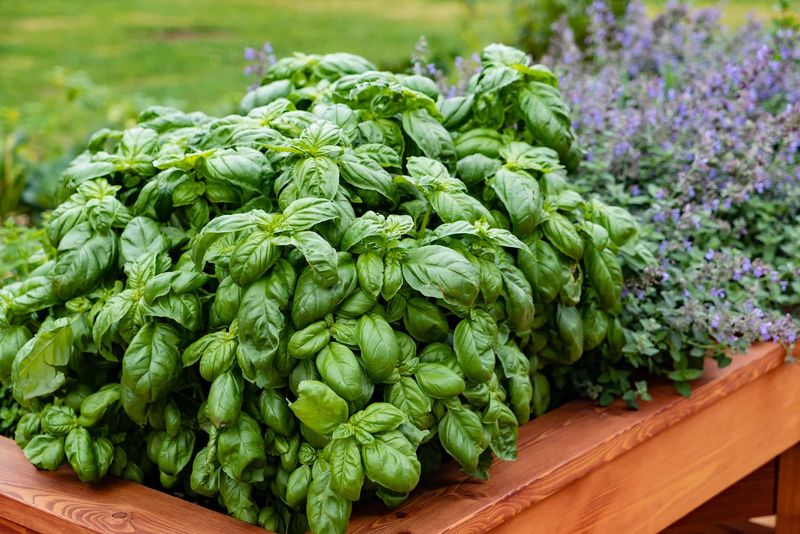
Basil, an aromatic herb, offers more than just flavor. Its strong scent repels aphids and mosquitoes, providing a natural shield for nasturtiums.
In addition to pest control, basil enhances the growth and flavor of tomatoes, making it a versatile garden companion. Its lush green leaves contrast nicely with nasturtium blooms.
Interesting nugget: Basil is considered sacred in some cultures, revered for its healing properties. Its presence in your garden not only protects but also adds a touch of history and charm.
6. Dill
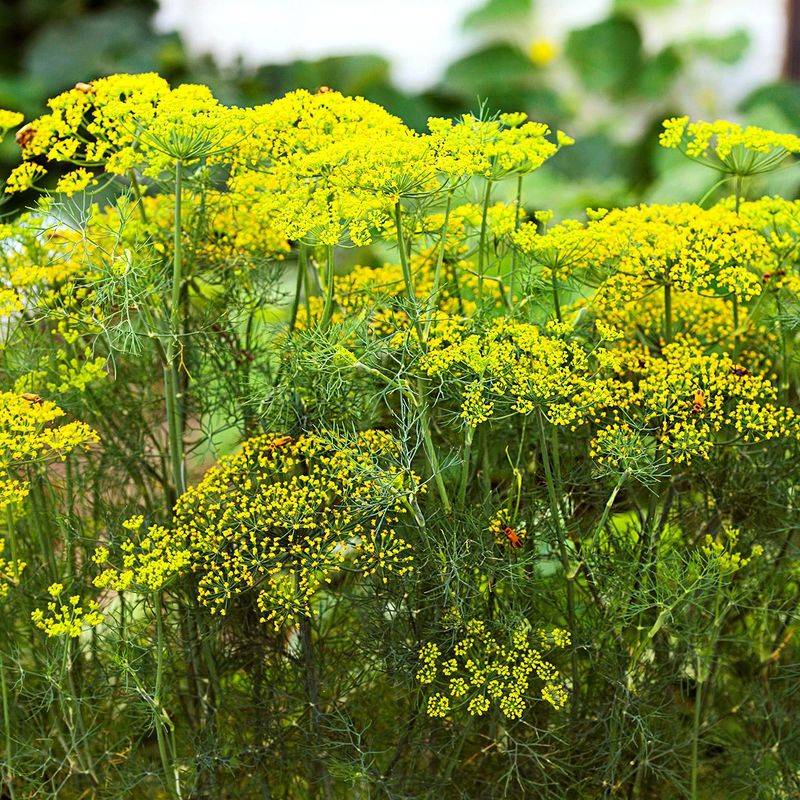
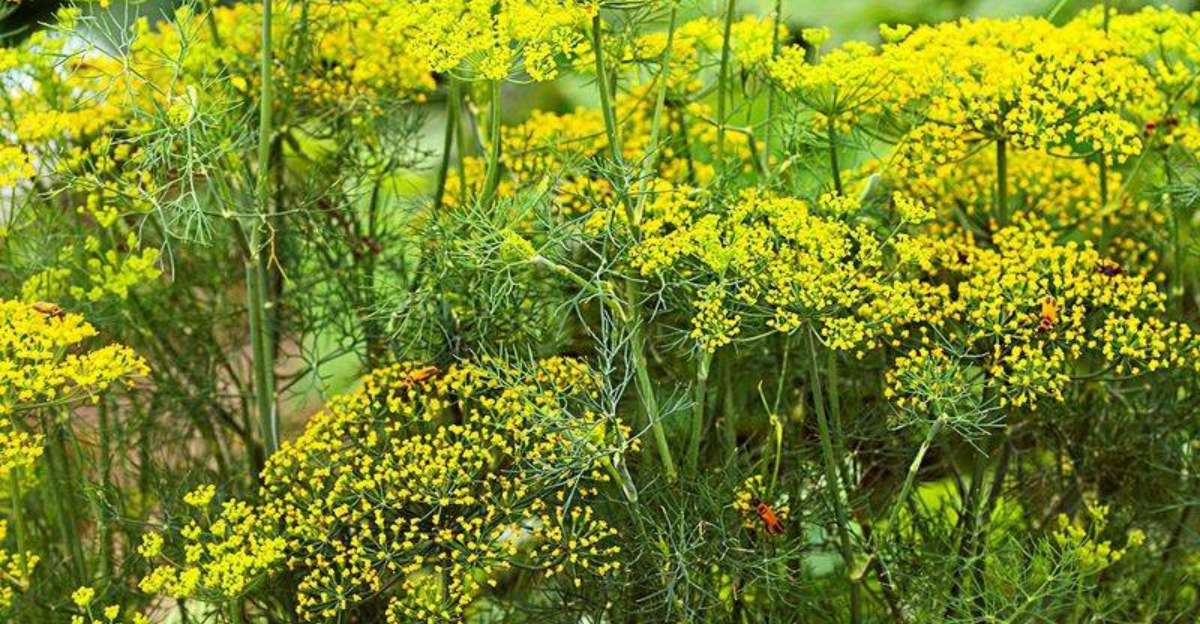
Dill’s feathery foliage and yellow blooms make it a striking companion for nasturtiums. It attracts beneficial insects like wasps and hoverflies, enhancing pest control naturally.
Dill improves the health of other plants by attracting predatory insects, keeping harmful pests at bay. Its height provides a gentle canopy, offering partial shade to companion plants.
Did you know? Dill has been used since ancient times for culinary and medicinal purposes, symbolizing vitality and resilience. Its dual role in beauty and protection makes it a worthy addition.
7. Lettuce
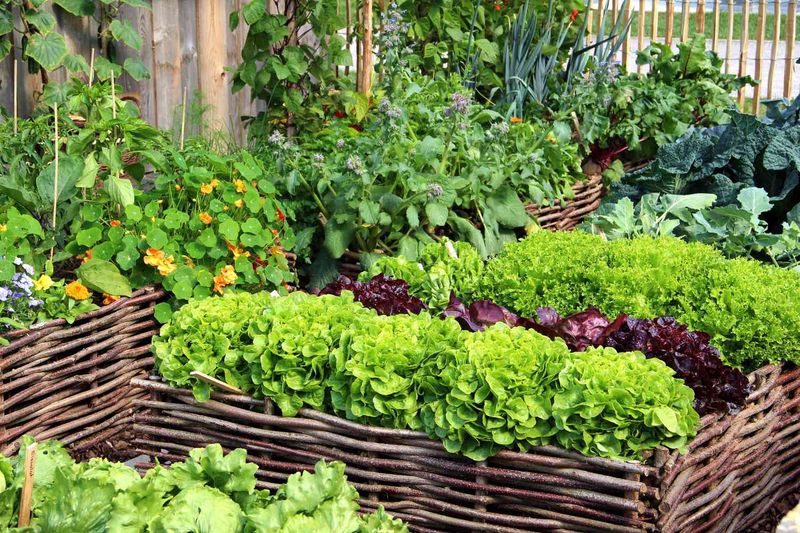
Lettuce, with its soft leaves, provides a lush ground cover that conserves moisture, creating a favorable microenvironment for nasturtiums.
Its rapid growth cycle allows for quick harvests, keeping the garden active and productive. Lettuce and nasturtiums together create a visually appealing, edible landscape.
A garden bed with lettuce is not just beautiful, but also practical. By pairing these two, you ensure a harmonious balance of aesthetics and utility, enriching your garden’s diversity.
8. Cosmos
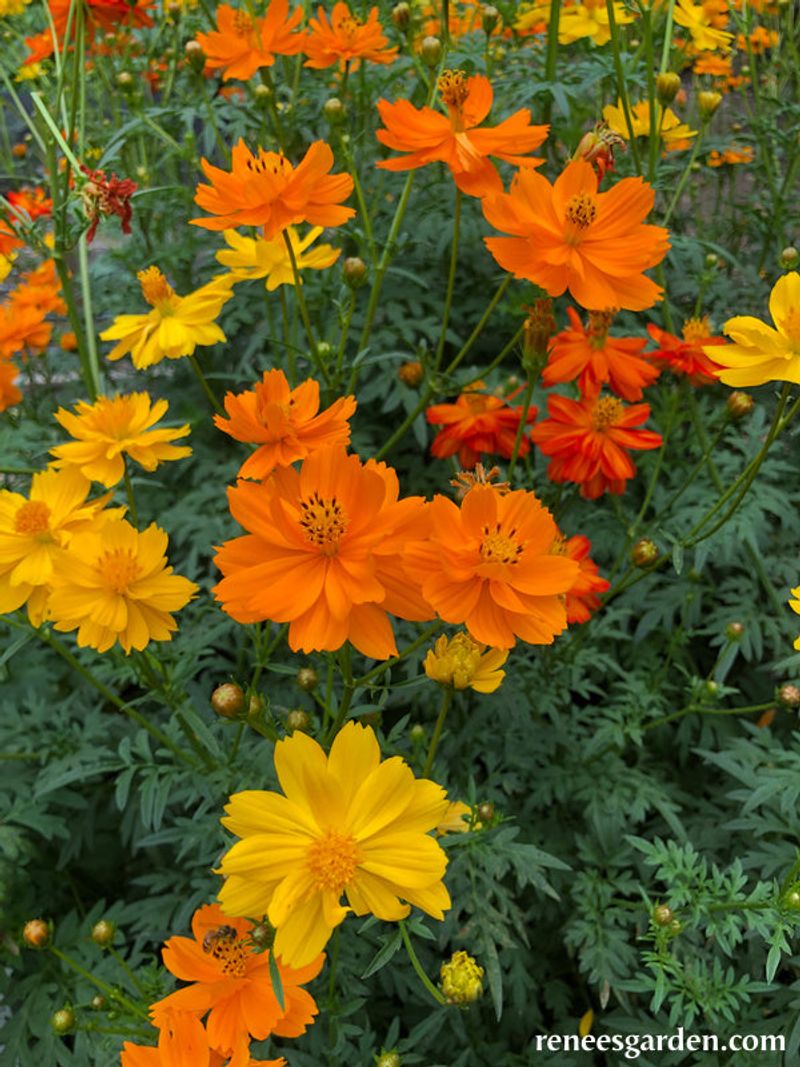
Cosmos, with their delicate flowers, attract pollinators such as butterflies, essential for a thriving garden ecosystem. Their tall, airy stems create a dynamic backdrop to the lower-growing nasturtiums.
Cosmos are low-maintenance and drought-tolerant, making them an efficient choice for gardeners seeking beauty with minimal effort. Their ethereal blooms border on the whimsical.
A cosmos-filled garden is a canvas of color and movement. By incorporating cosmos, you invite a lively dance of pollinators and blooms, enhancing the charm of your nasturtiums.
9. Cucumbers
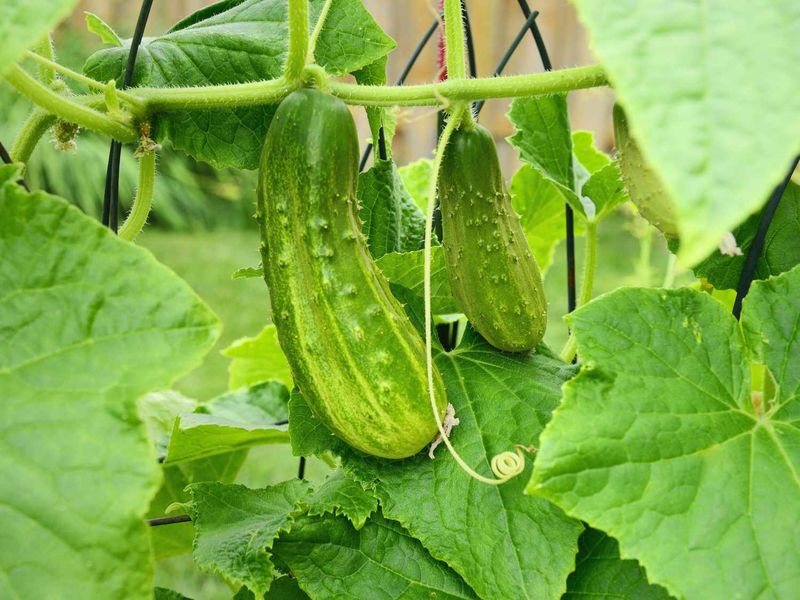
Cucumbers, with their sprawling vines, create a natural trellis for nasturtiums, allowing both to flourish. Their large leaves provide shade, keeping the soil cool and moist.
Cucumbers and nasturtiums together contribute to a biodiverse garden. The cucumber’s crunch complements the peppery nasturtium leaves in culinary uses.
Fun fact: Cucumbers are 95% water, making them a hydrating addition to any diet. Their symbiotic relationship with nasturtiums exemplifies nature’s balance, enhancing both beauty and utility in the garden.
10. Calendula
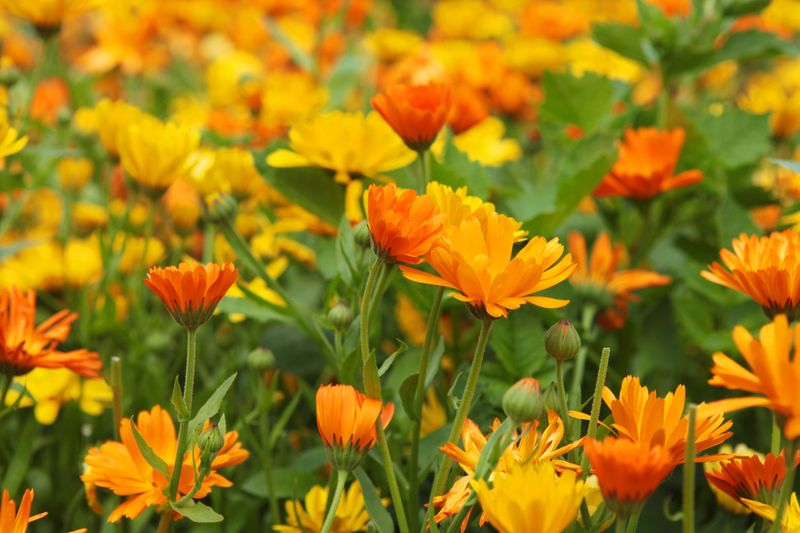
Calendula, often called “pot marigold,” is celebrated for its medicinal properties and vibrant blossoms. Its presence deters pests, aiding in nasturtium protection.
The cheerful orange and yellow blooms of calendula attract pollinators, boosting the garden’s overall health. Their low-growing habit complements nasturtiums without overshadowing them.
Did you know? Calendula petals are edible and used in salads for flavor and color. This multi-functional plant offers both beauty and practical benefits, making it an ideal companion choice.
11. Sweet Alyssum
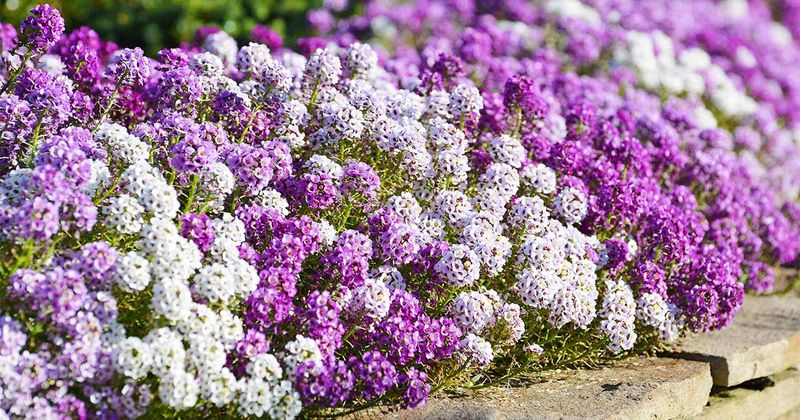
Sweet Alyssum’s tiny, fragrant flowers are a garden delight. This charming plant attracts beneficial insects like hoverflies and bees. Its low-growing nature makes it perfect for filling in gaps between taller plants.
Unlike overbearing companions, Sweet Alyssum gently supports its neighbors. With its sweet scent, it doubles as a sensory treat.
Did you know that this plant was historically used in medieval medicine for its calming properties? Such a versatile addition to any garden!
12. Garlic
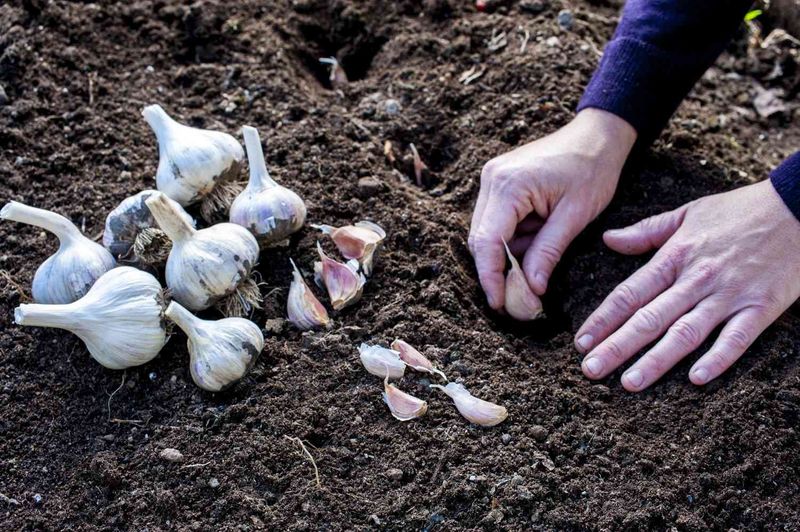
Garlic offers more than just culinary delight; it’s a pest control powerhouse. Plant garlic near nasturtiums to deter aphids and whiteflies. Its strong aroma masks the scent of more delicate plants.
Historically revered, garlic has roots in ancient healing practices.
This humble bulb is not only practical but also adds a touch of history to your garden. With garlic, you’re planting both a protector and a legend.
13. Zinnias
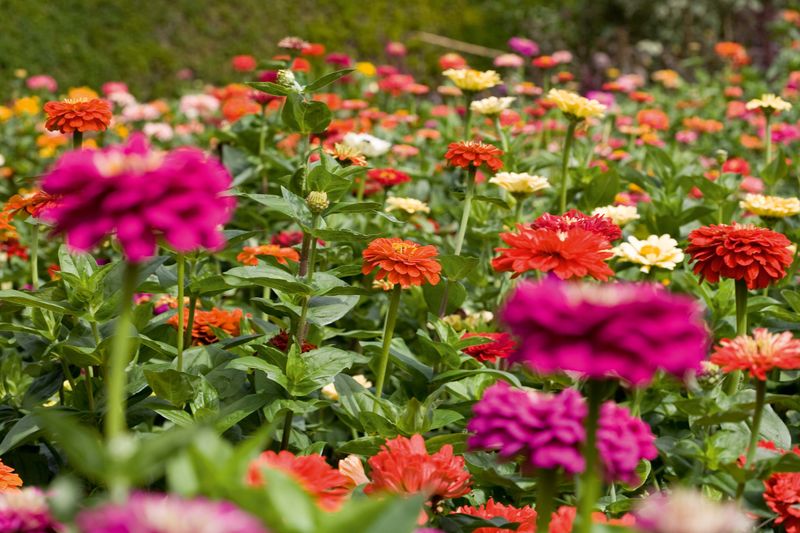
Zinnias bring a splash of color and a myriad of benefits. These vibrant blooms attract pollinators like bees and butterflies. Their height complements the sprawling nature of nasturtiums, creating a harmonious visual.
Zinnias’ resilience in heat and drought makes them a tough companion.
Their cheerful demeanor is infectious, turning any garden into a lively paradise. A garden isn’t just a place; it’s an escape, and zinnias know how to lead the way.
14. Nasturtium

Nasturtium itself can be its best companion, thanks to its versatile nature! Planting different varieties together can enhance aesthetics and increase pest deterrence.
These selfless plants willingly share nutrients and protect each other. Their peppery leaves are both edible and decorative.
A fun fact: Nasturtiums were favored by the Incas, who believed they had magical properties. Embrace their legacy in your garden.
15. Oregano
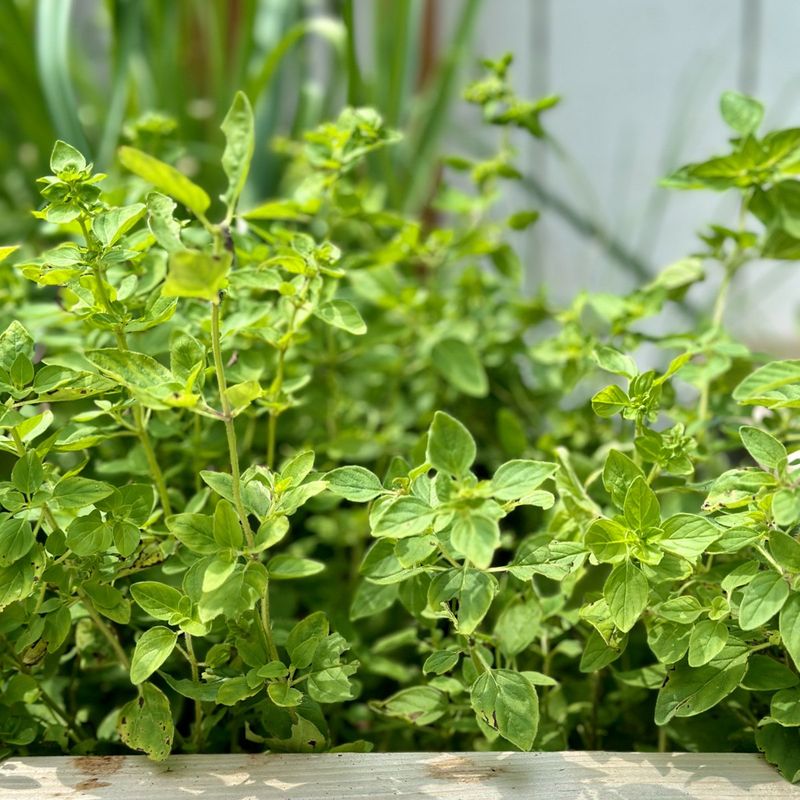
Oregano is more than a pizza topping; it’s a garden ally. This aromatic herb repels harmful pests while inviting beneficial ones. Its sprawling form matches the nasturtium’s growth pattern.
Oregano’s resilience in poor soil adds to its appeal.
Did you know? Ancient Greeks believed oregano brought joy and happiness. With oregano, you plant history and harmony. Let it grace your garden pots and plots.