 Complete Gardening
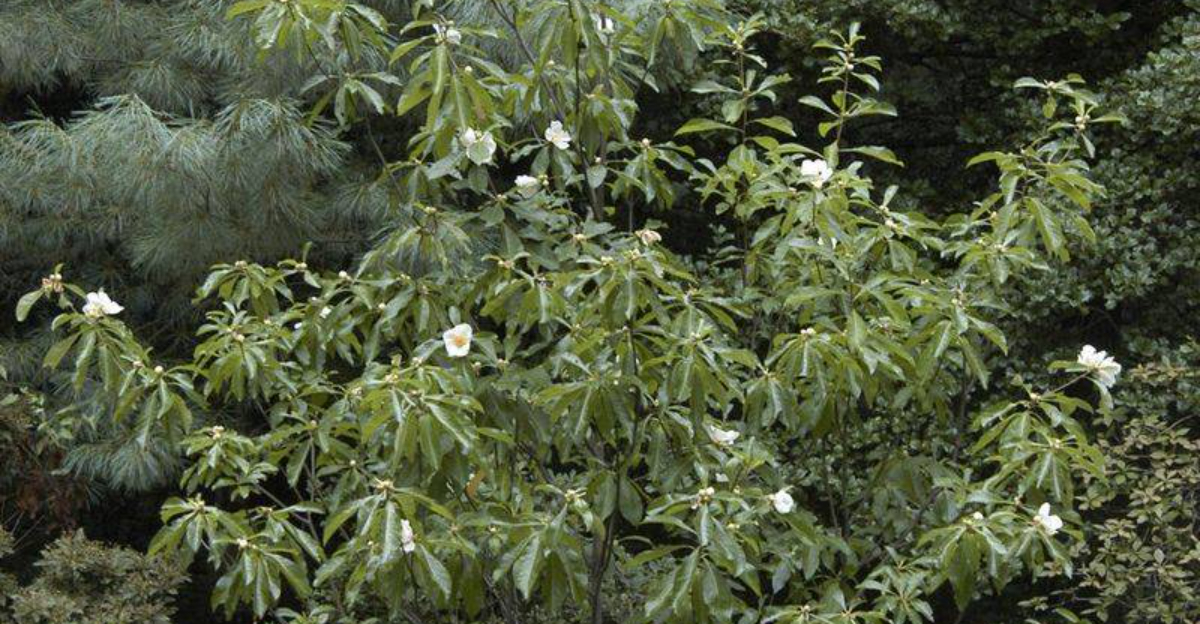
The Franklin Tree, with its striking beauty and mysterious disappearance from its natural habitat, continues to fascinate botanists and garden enthusiasts alike. Discovered in the 18th century, this tree is now extinct in the wild, surviving solely through cultivation.
Its unique characteristics and vibrant flowers make it a beloved subject in horticulture. This blog post explores ten captivating facts about the Franklin Tree, from its historical discovery to its role in conservation efforts today.
Let’s journey through the fascinating world of this enigmatic American tree, uncovering its secrets and significance.
1. Discovery and Naming – A Botanical Legacy
In the late 18th century, botanists John and William Bartram stumbled upon a striking tree in the southeastern United States. Named Franklinia alatamaha in honor of Benjamin Franklin, this plant left a lasting legacy.
The Bartrams, who were renowned naturalists, recognized the tree’s unique beauty and potential significance in botanical studies. Despite their efforts to document and propagate it, the tree mysteriously vanished from the wild by the early 19th century.
Today, the Franklin Tree stands as a symbol of botanical discovery and the ephemeral nature of our natural world, captivating botanists and historians.
2. The Mysterious Extinction in the Wild
The Franklin Tree’s disappearance from its natural habitat remains an enigma. Despite its discovery along the banks of the Altamaha River, it vanished from the wild by the 1800s.
Speculations about its extinction include changes in climate, disease, or habitat destruction. Botanists continue to study historical records to uncover clues about its decline.
Its extinction in the wild serves as a poignant reminder of the delicate balance in ecosystems and the impact of environmental changes. Today’s cultivated Franklin Trees are the only remnants of this lost natural treasure, preserved by dedicated horticulturists.
3. A Tree Saved by Cultivation
Thanks to the efforts of early botanists, the Franklin Tree survives today solely through cultivation. The Bartrams, recognizing its beauty, collected seeds and propagated it in their garden.
This foresight preserved the species, allowing it to thrive in gardens worldwide. Modern horticulturists continue this legacy, cultivating Franklin Trees in botanical gardens and private estates.
This practice not only saves the tree from complete extinction but also offers opportunities for research and public appreciation. The Franklin Tree’s survival story highlights the critical role of cultivation in conservation efforts and preserving biodiversity.
4. Unique Features and Characteristics
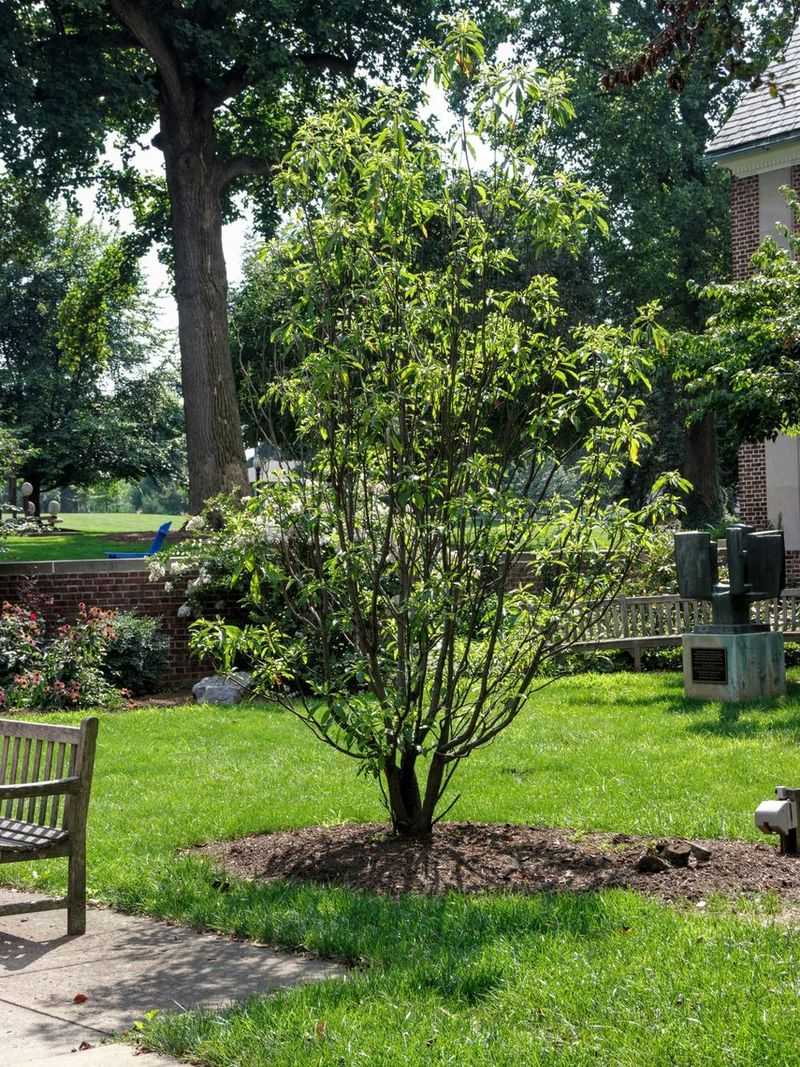
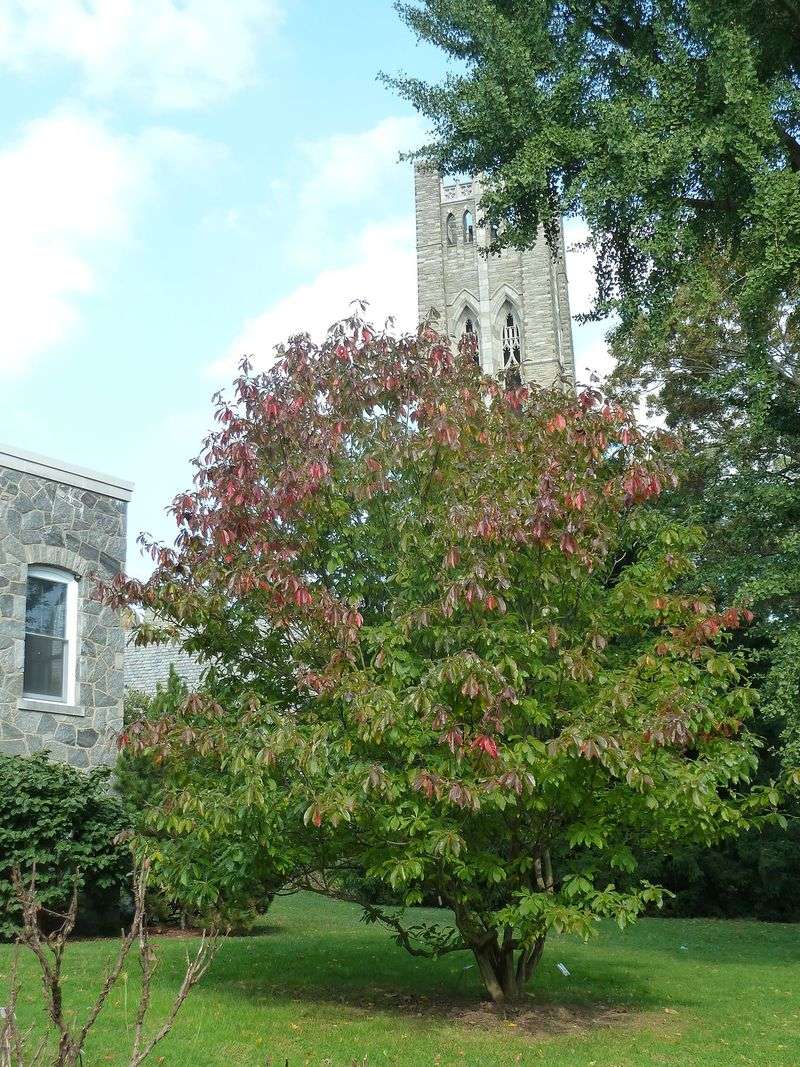
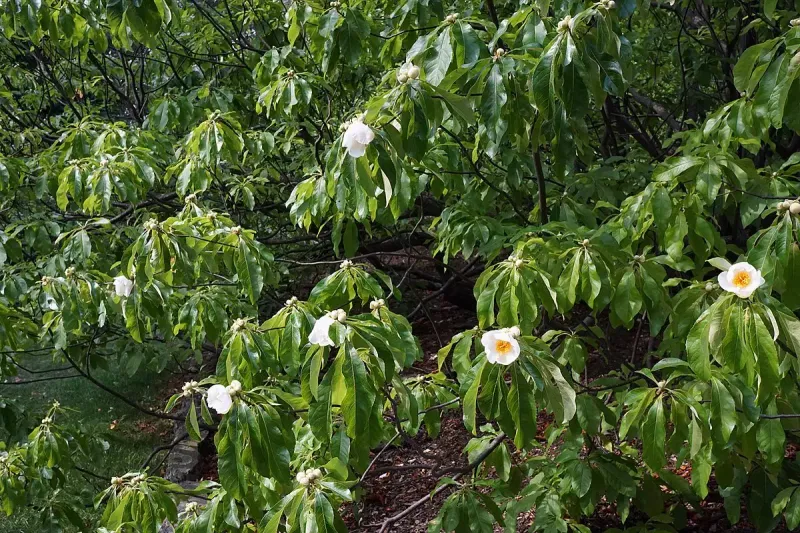
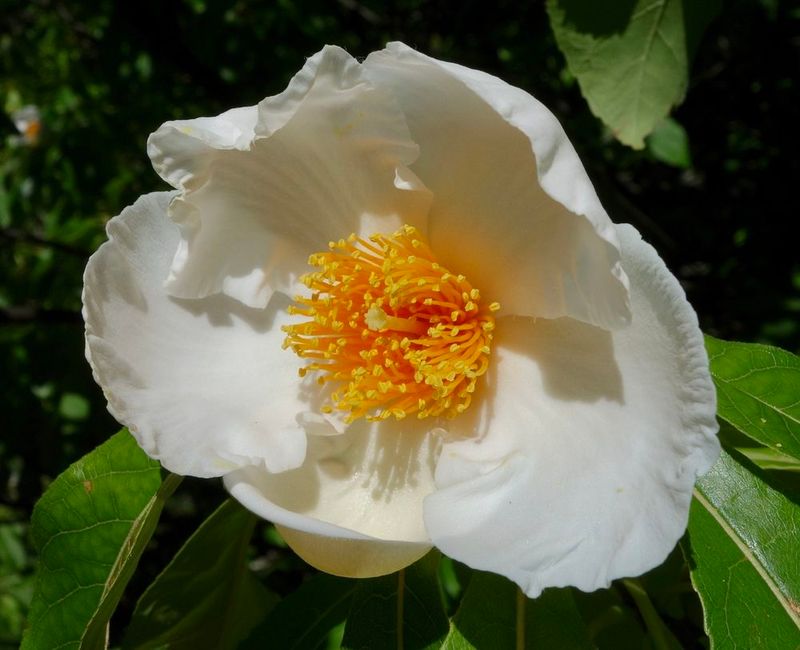
The Franklin Tree is renowned for its exquisite white flowers that resemble camellias, blooming in late summer. Its glossy green leaves turn vibrant shades of red and orange in the fall, creating a spectacular display.
This deciduous tree typically grows 10 to 20 feet tall, with a slender trunk and smooth bark. Its unique features make it a favorite among gardeners and landscape designers.
The Franklin Tree’s beauty is not just in its appearance but also in its rarity, as it represents a bygone era of botanical exploration and discovery. It remains a cherished specimen for plant enthusiasts.
5. Blooming Season and Stunning Fall Foliage
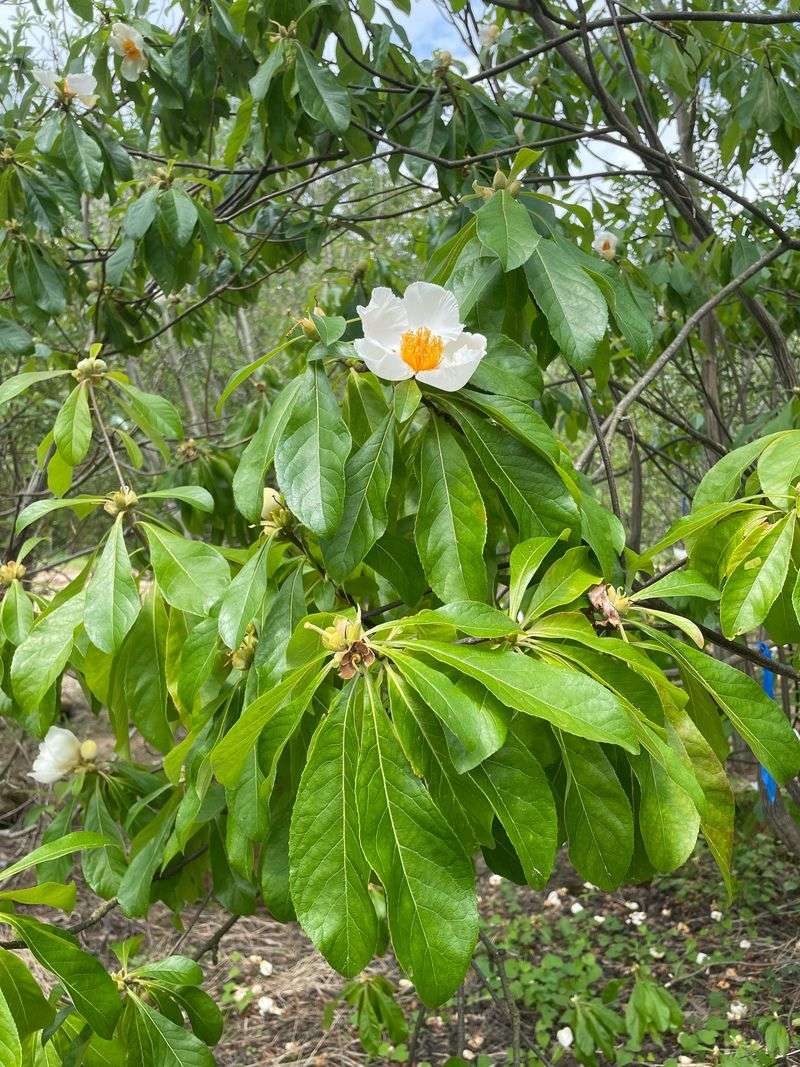
The Franklin Tree’s blooming season is a sight to behold, with its white, fragrant flowers appearing from late summer to early fall. These blossoms, contrasted against its dark green foliage, captivate anyone who encounters them.
As autumn approaches, the tree undergoes a dramatic transformation, with leaves turning brilliant shades of red, orange, and purple. This stunning fall display adds to the tree’s allure, making it a prized addition to gardens.
Its seasonal beauty and changing colors serve as a reminder of nature’s ever-evolving artistry, enchanting gardeners and visitors alike with its vibrant charm.
6. Challenges of Growing the Franklin Tree
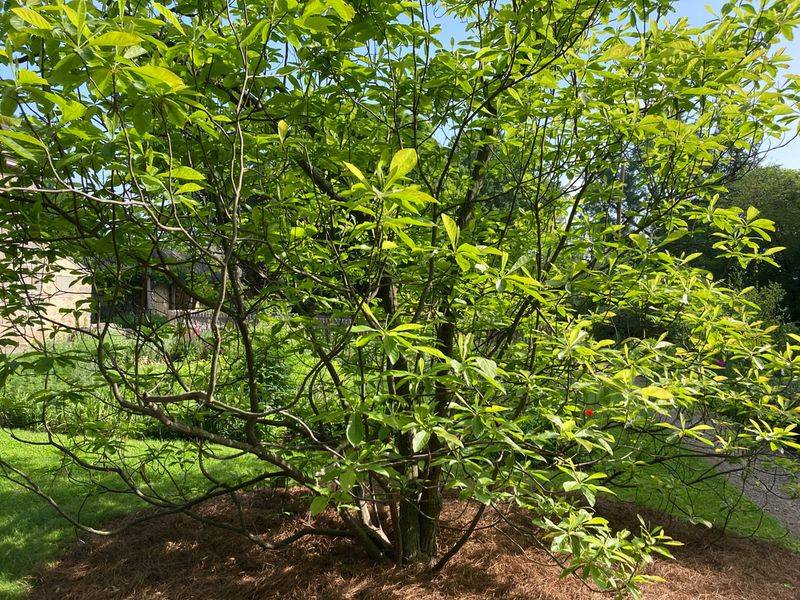
Growing a Franklin Tree can present several challenges for gardeners. It requires well-drained, acidic soil and thrives best in conditions that mimic its original habitat. Pests, diseases, and unsuitable climates can pose threats to its growth.
Gardeners must be vigilant in monitoring soil pH levels and ensuring adequate water drainage. Despite these challenges, many enthusiasts find the effort rewarding due to the tree’s unparalleled beauty and historical significance.
The Franklin Tree’s cultivation demands patience and care, but its stunning blooms and unique presence make it a worthwhile endeavor for dedicated horticulturists.
7. Ideal Soil and Climate Conditions
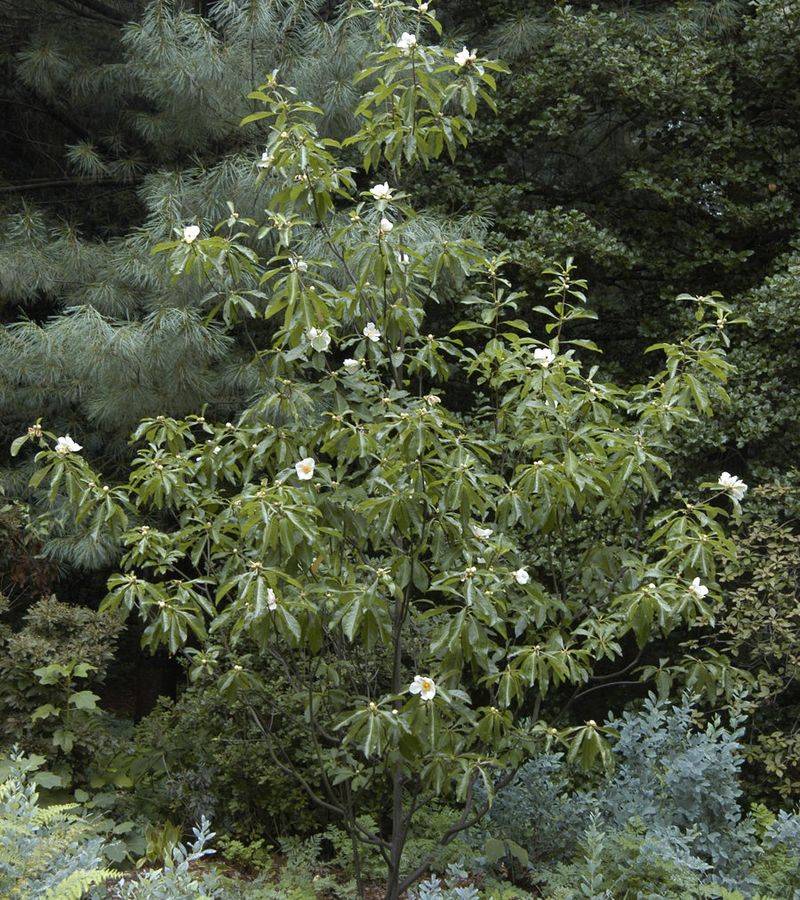
For the Franklin Tree to thrive, specific soil and climate conditions are essential. It prefers well-drained, acidic soils that replicate its native riverbank habitat. Partial sunlight and protection from harsh winds are ideal for its growth.
The tree thrives in temperate climate zones, particularly in regions with mild winters and warm, humid summers. Gardeners interested in cultivating a Franklin Tree should carefully select a planting site that meets these criteria.
Understanding and replicating its natural environment ensures successful growth and contributes to the preservation of this rare botanical gem. Its care reflects a commitment to conservation.
8. Propagation – Can You Grow It from Seed?
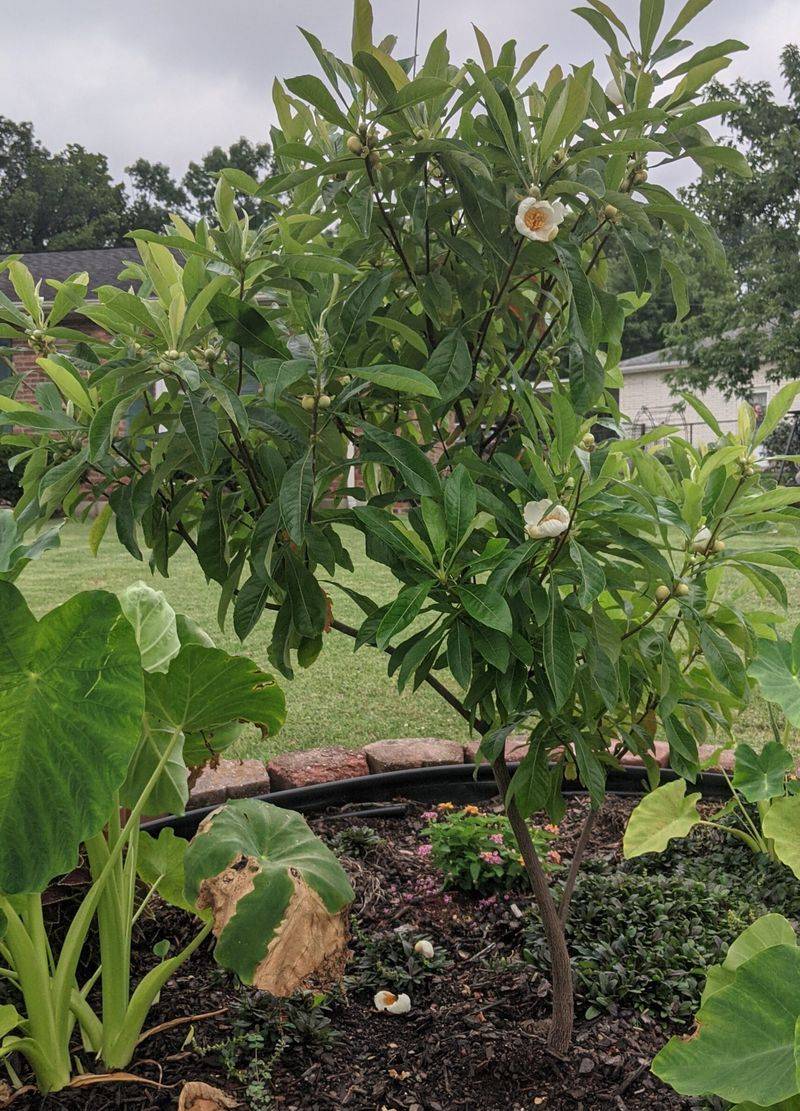
Propagating the Franklin Tree from seed can be a rewarding challenge for dedicated gardeners. The seeds require a period of cold stratification to germinate successfully. Patience is key, as germination may take several months.
Once seedlings emerge, they need careful attention and the right growing conditions to thrive. While propagation from seed is possible, many prefer purchasing young plants from nurseries for quicker results.
The process of growing a Franklin Tree from seed underscores the delicate nature of conserving rare species and the dedication required to cultivate them. Successful propagation contributes to its legacy.
9. Significance in Conservation and Horticulture
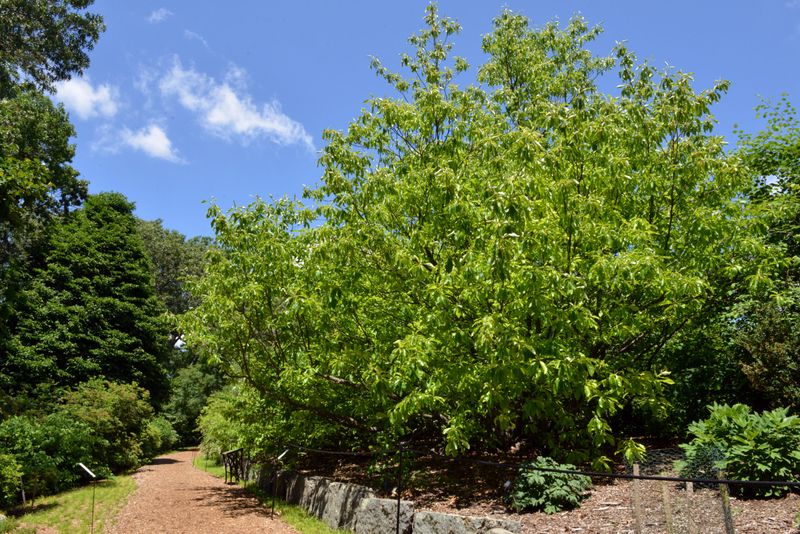
The Franklin Tree holds significant value in both conservation and horticulture. Its extinction in the wild highlights the importance of preserving biodiversity and protecting endangered species.
Botanical gardens play a critical role in conserving the tree, allowing researchers to study its characteristics and ensure its survival. Gardeners and horticulturists celebrate the tree’s beauty, incorporating it into landscapes and public displays.
The Franklin Tree serves as a living reminder of the need for environmental stewardship, inspiring efforts to protect other threatened species. Its cultivation is a testament to human dedication to preserving nature’s wonders for future generations.
10. Where to Find and Buy Franklin Tree Today
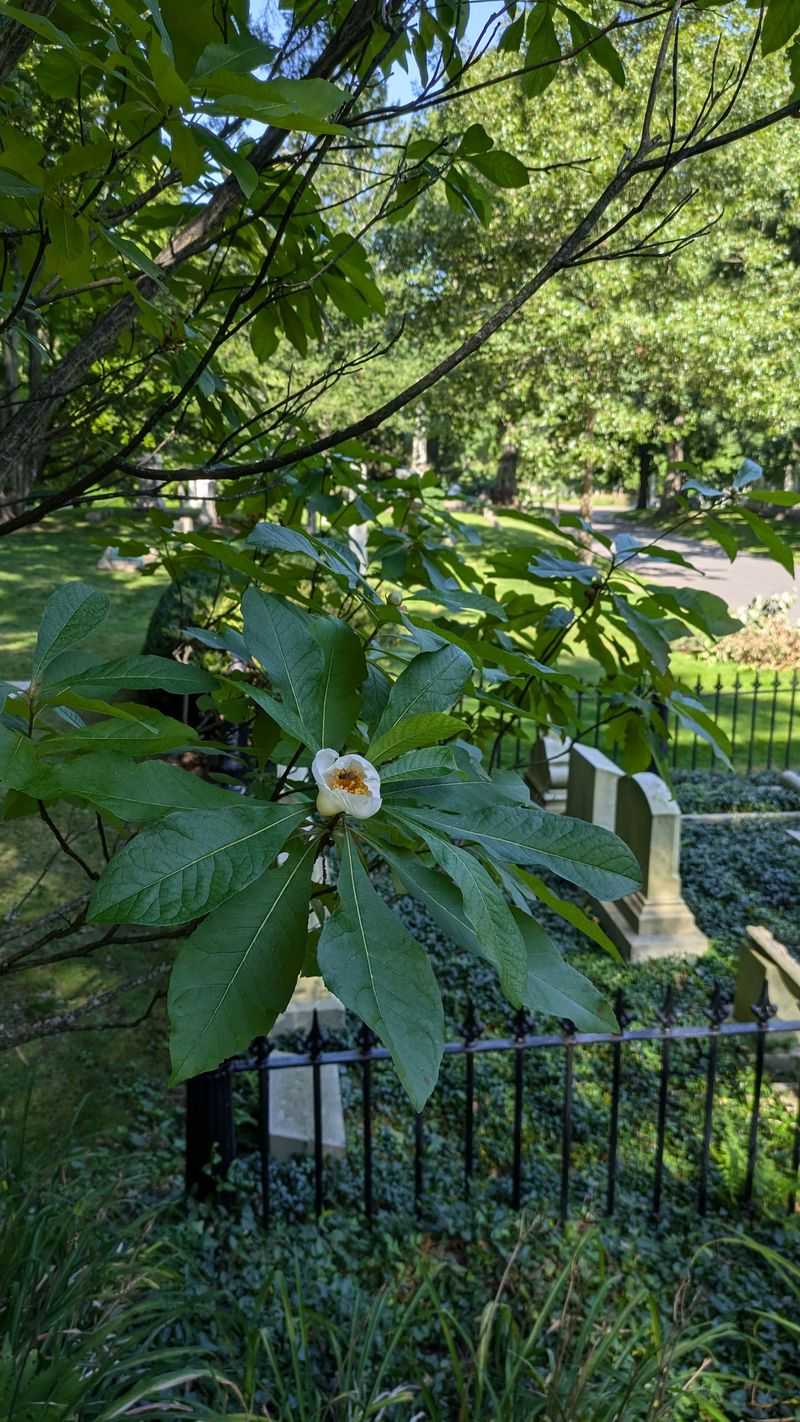
Those interested in acquiring a Franklin Tree can find them in specialty nurseries and botanical gardens. These establishments often provide saplings and young plants, allowing enthusiasts to introduce this unique tree to their gardens.
When purchasing, it’s important to seek out reputable sources that offer healthy specimens. The Franklin Tree’s rarity and historical significance make it a prized addition to any landscape.
Finding and growing one provides a connection to a piece of botanical history, offering both aesthetic enjoyment and a role in conservation. Encouraging its planting helps preserve the legacy of this remarkable tree.