 Complete Gardening
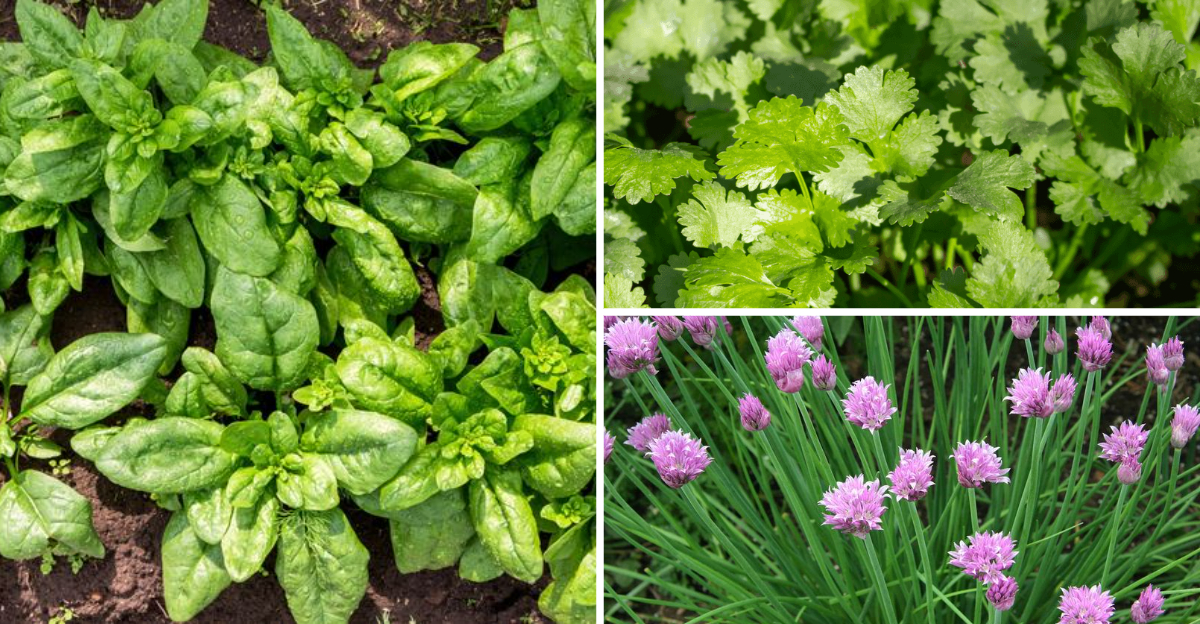
Embarking on a journey through the world of shade-tolerant vegetables has been both enlightening and rewarding. These hidden gems thrive in the shadows, offering a bounty of flavors and nutrients that are often overlooked. Join me as I explore 17 remarkable shade vegetables that transformed my garden from a barren landscape to a lush, green harvest.
1. Arugula
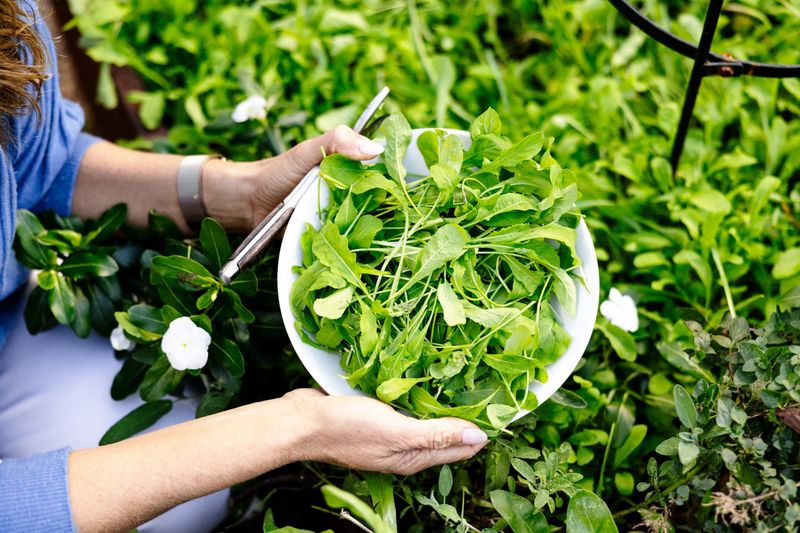
Arugula’s peppery leaves add a spicy kick to any salad. Growing in partial shade, it thrives where others might wilt. This resilient green is perfect for those shadowy corners of your garden.
Its delicate leaves contrast beautifully with its robust flavor, making it a unique addition to your plate. Arugula matures quickly, providing a fast and satisfying harvest.
Did you know? Arugula was revered by ancient Romans as an aphrodisiac. It’s not just a salad green; it’s a piece of history.
2. Spinach
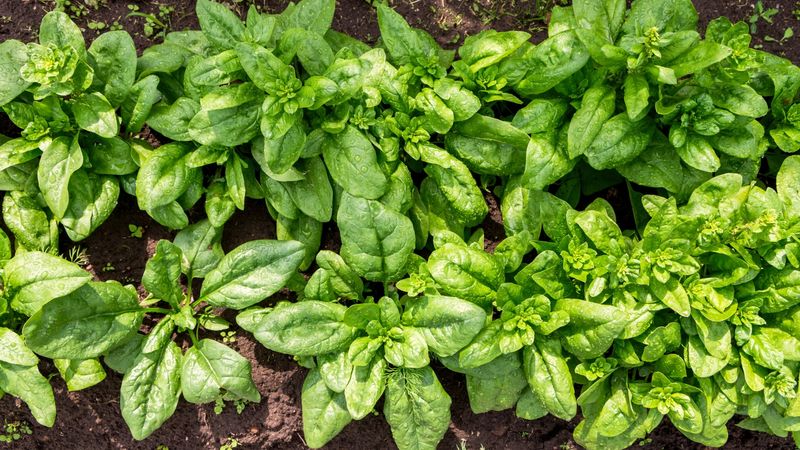
Spinach is a powerhouse of nutrients, thriving in the cool, shady spots of my garden. Its broad leaves soak up just enough light to flourish without wilting.
This versatile green can be eaten raw, sautéed, or blended into a smoothie. Spinach was Popeye’s secret to strength, and it can be yours too.
Spinach has a rich history, originating in ancient Persia before making its way to the rest of the world.
3. Lettuce
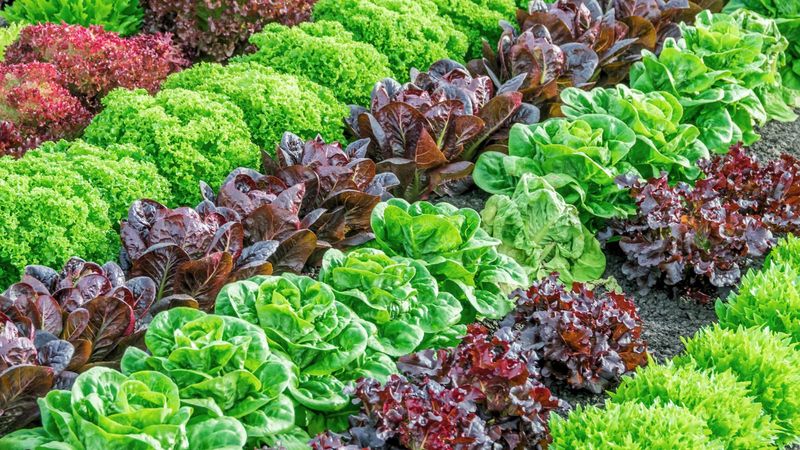
Lettuce is a staple in my shade garden. Its crisp leaves come in a variety of colors and textures, each offering a unique taste experience.
Growing lettuce in shade helps prevent bolting, ensuring a longer harvest season. From sandwiches to salads, lettuce is a versatile ingredient.
Fun fact: Lettuce was served to the kings of Persia as early as 500 BC, proving its timeless appeal.
4. Kale
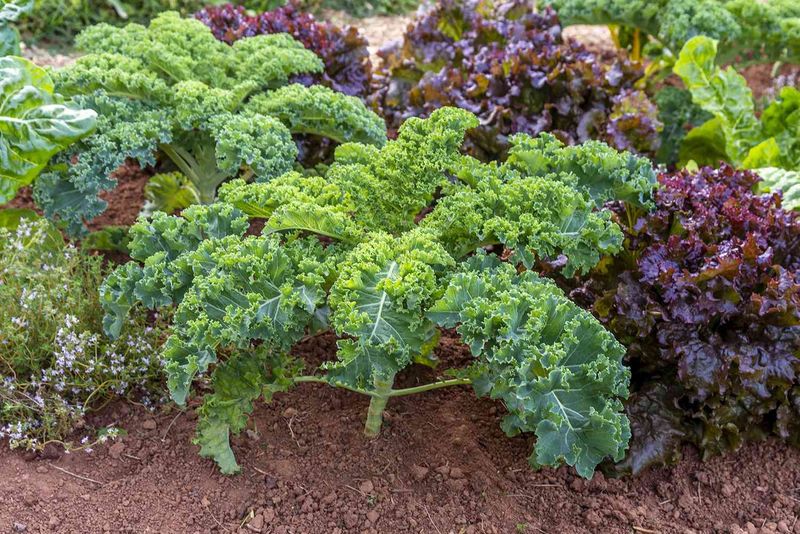
Kale, the superfood of the modern age, finds comfort in the cooler, shaded areas of my garden. Its curly leaves are packed with vitamins and minerals.
Whether baked into chips or blended into a smoothie, kale is a nutritional powerhouse. Its hardy nature makes it a gardener’s favorite.
Historically, kale was a staple in the diets of European peasants, valued for its hardiness and adaptability.
5. Swiss Chard
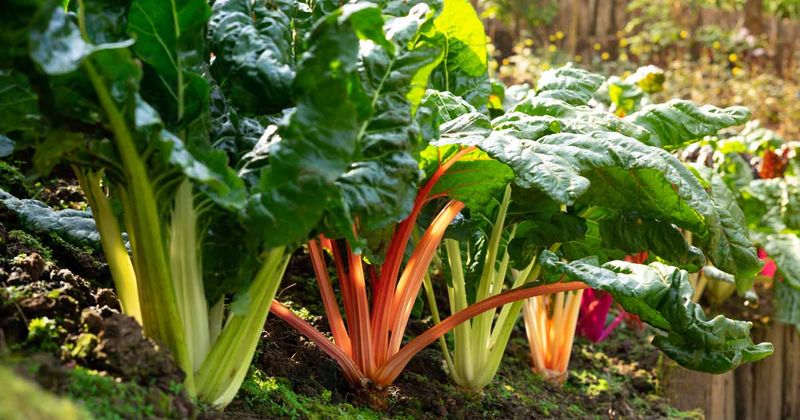
Swiss Chard adds a splash of color to any garden with its rainbow stems. It thrives in partial shade, providing a continuous harvest of nutritious leaves.
These leafy greens are not only beautiful but also incredibly versatile. They can be used in stews, salads, or as a spinach substitute.
Swiss Chard’s origins trace back to Sicily, where it was prized for its beauty and flavor.
6. Cilantro
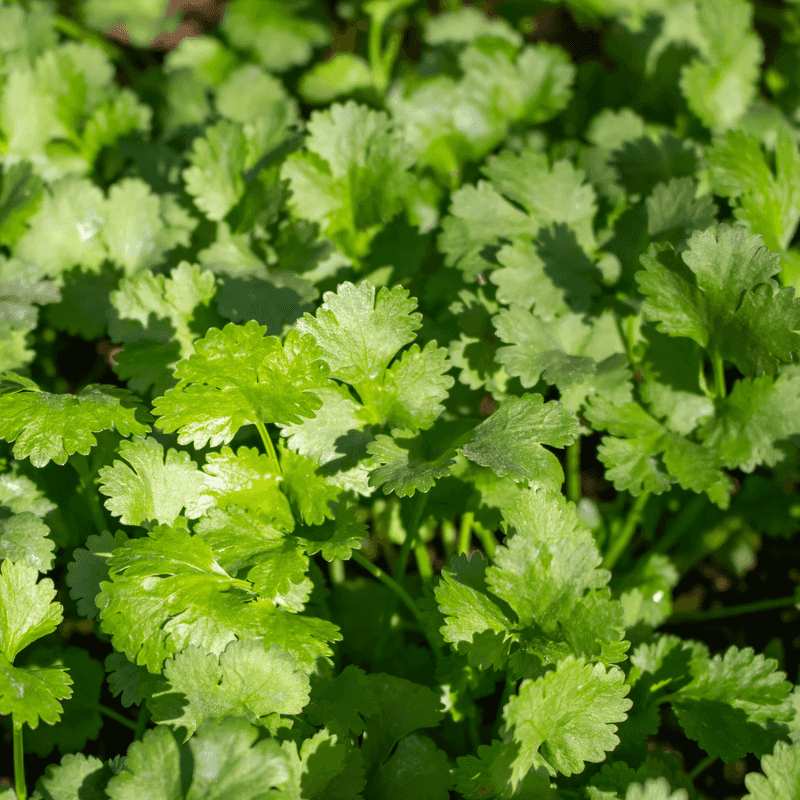
Cilantro, with its fresh and bold flavor, is a staple in cuisines around the world. It prefers the cooler, shaded parts of my garden, where its leaves remain tender and vibrant.
This herb is perfect for garnishing dishes or blending into salsas. Its unique taste can elevate any meal.
Cilantro has been used since ancient times, with references found in Sanskrit texts and Egyptian tombs.
7. Parsley
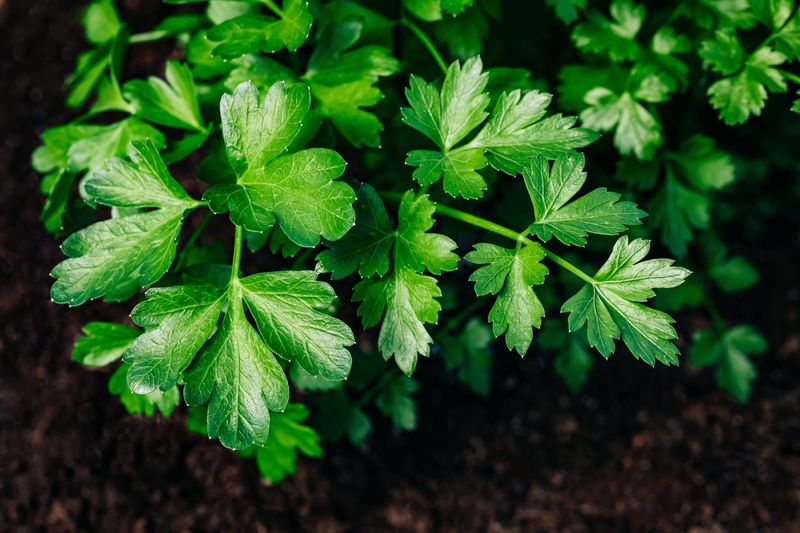
Parsley is more than just a garnish. This hardy herb flourishes in the shade, offering a fresh burst of flavor to a variety of dishes.
Whether added to soups or sauces, parsley’s rich color and taste make it indispensable. Its resilience makes it a perfect choice for beginner gardeners.
Did you know? Parsley was believed to ward off evil spirits in ancient Greek culture.
8. Mint
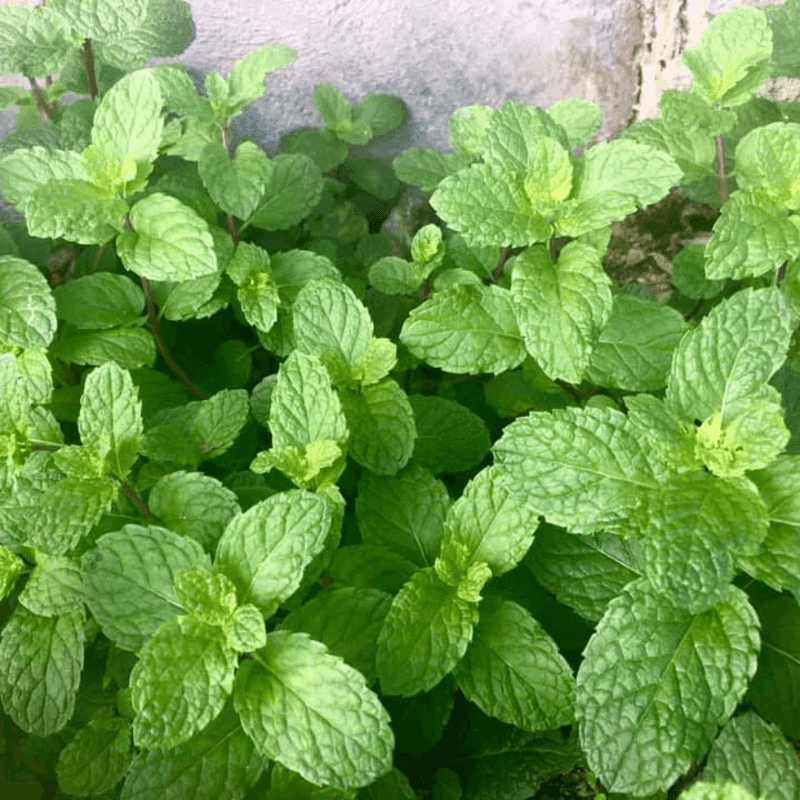
Mint is the quintessential shade-loving herb, known for its invigorating scent and flavor. It grows vigorously, even in less sunny spots.
From teas to desserts, mint is a versatile addition to any culinary creation. Its refreshing taste can even repel certain garden pests.
Mint has been cherished since Roman times, often used to crown the heads of victors and scent their banquet halls.
9. Beet Greens
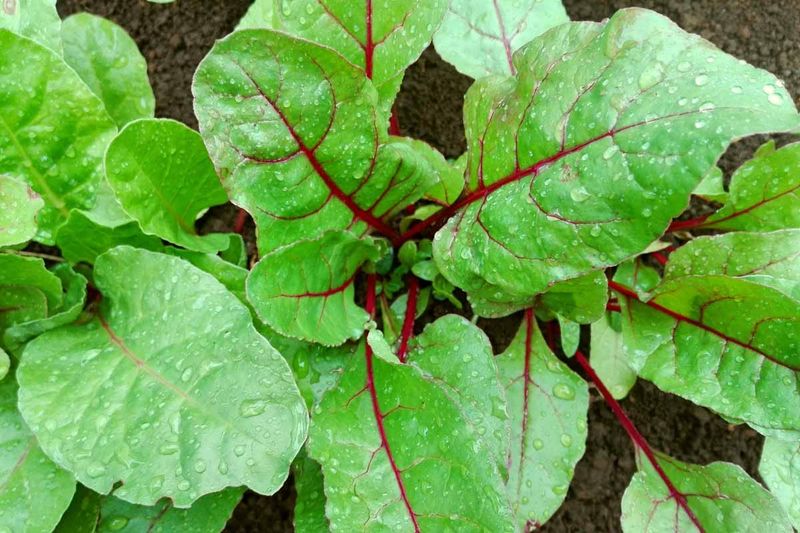
Beet greens are often overshadowed by their root counterpart, yet they offer a delightful taste all their own. These vibrant greens thrive in shade, offering a continuous harvest.
They can be sautéed like spinach or added to salads for a burst of color and nutrients. Beet greens are not just edible; they’re a delicacy.
Historically, beet greens were consumed by ancient civilizations long before the root became popular.
10. Bok Choy
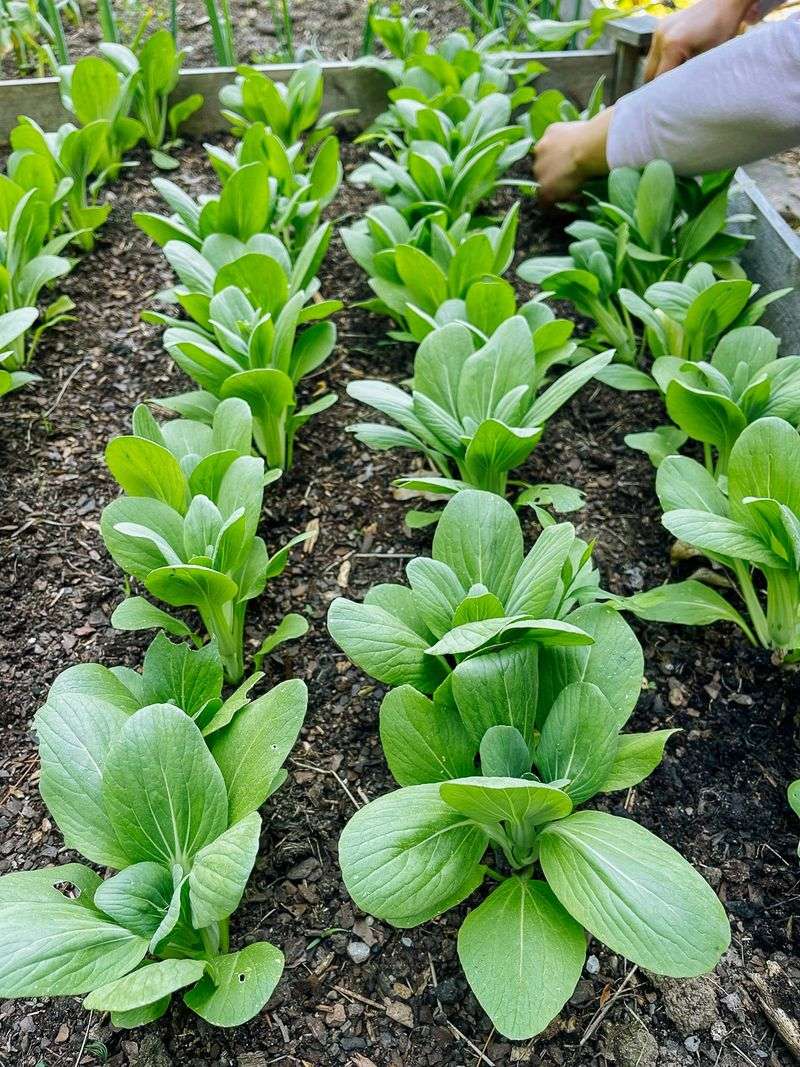
Bok Choy, a staple in Asian cuisine, enjoys the cooler, shaded parts of my garden. Its crisp stalks and tender leaves are a delight.
Whether stir-fried or steamed, Bok Choy adds a satisfying crunch to any dish. Its fast growth means a quick return on your gardening efforts.
Bok Choy has been cultivated in China for over 5,000 years, a testament to its enduring popularity.
11. Mustard Greens
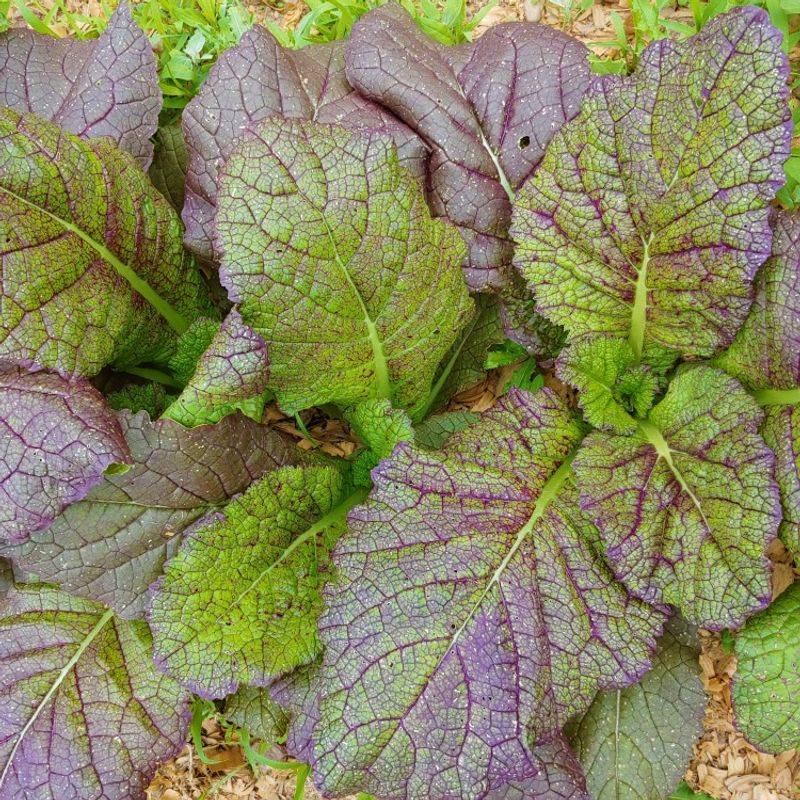
Mustard greens bring a spicy zest to my shade garden. Their wavy leaves are not only beautiful but packed with flavor.
Perfect for salads or cooked dishes, mustard greens add a peppery punch to any meal. They’re a favorite among adventurous eaters.
These greens have been a staple in Southern cooking, celebrated for their heat and versatility.
12. Endive
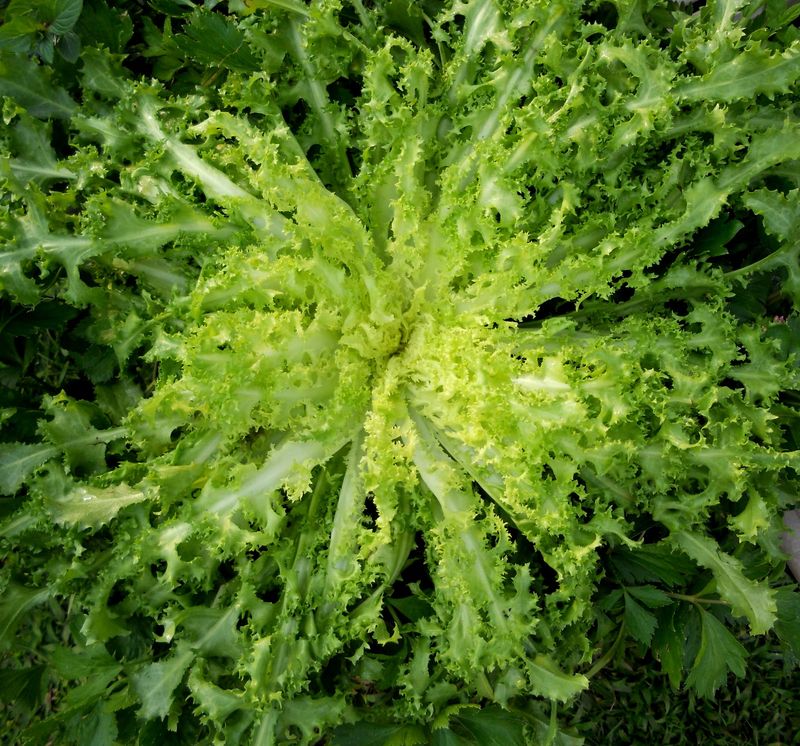
Endive is the gourmet of shade vegetables, offering a slightly bitter taste that’s highly sought after. Its tightly packed leaves grow well in cool, shaded areas.
Perfect for salads or as a base for appetizers, endive is both elegant and nutritious. It’s a favorite among chefs.
Endive was first cultivated by the ancient Egyptians, valued for its unique taste and texture.
13. Radicchio
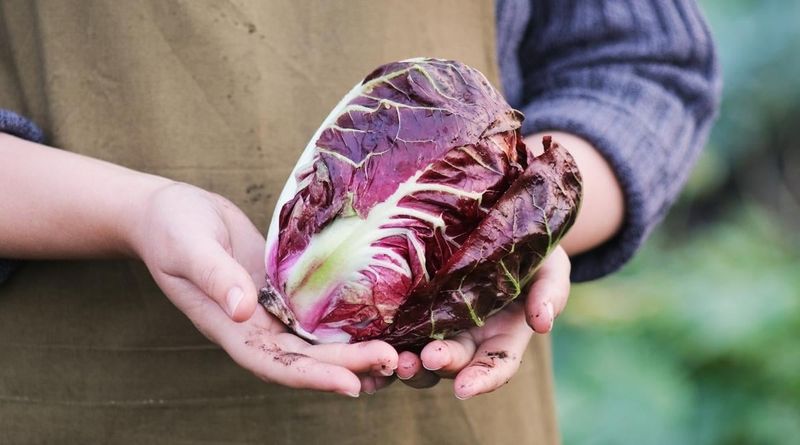
Radicchio adds a splash of color and bitterness to my shade garden. Its vibrant red leaves grow well in cooler, shaded areas, offering both beauty and flavor.
This Italian favorite is perfect for salads or grilled dishes, adding a distinctive touch to your meals. Radicchio is as versatile as it is eye-catching.
Historically, radicchio was cultivated by the Romans, who appreciated its medicinal properties and striking appearance.
14. Collard Greens
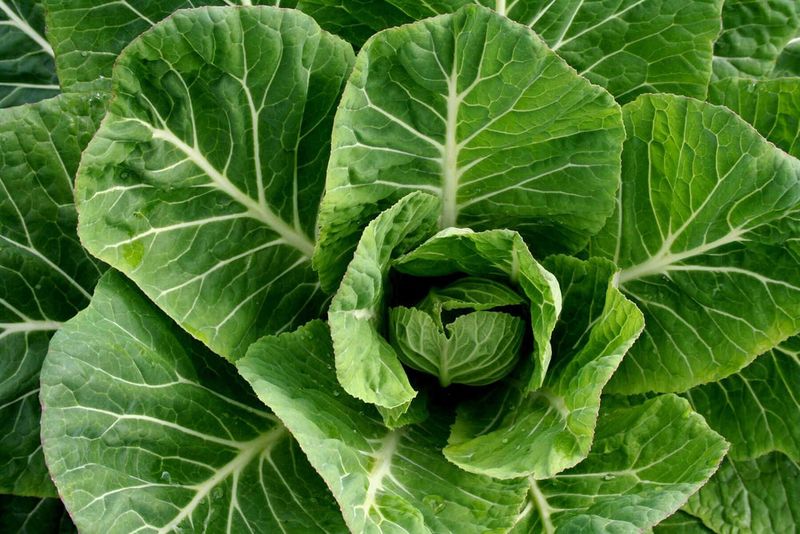
Collard greens are a staple in Southern cuisine, flourishing in the shade with their broad, nutritious leaves. These greens are resilient and versatile.
Whether boiled or sautéed, collard greens offer a hearty addition to any meal. They’re often associated with comfort food.
Collards have a rich history, stemming from African and European roots, celebrated for their cultural significance and flavor.
15. Watercress
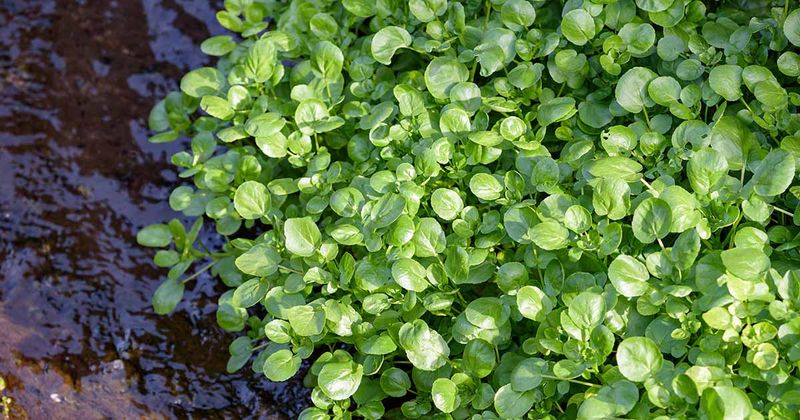
Watercress is a peppery green that thrives in the cool, moist, shaded areas near water. Its small, delicate leaves pack a flavorful punch.
Perfect for garnishing dishes or adding to sandwiches, watercress offers a unique taste experience. It’s a favorite among gourmet chefs.
Known as one of the oldest leafy vegetables consumed by humans, watercress has a storied past dating back to ancient times.
16. Chives
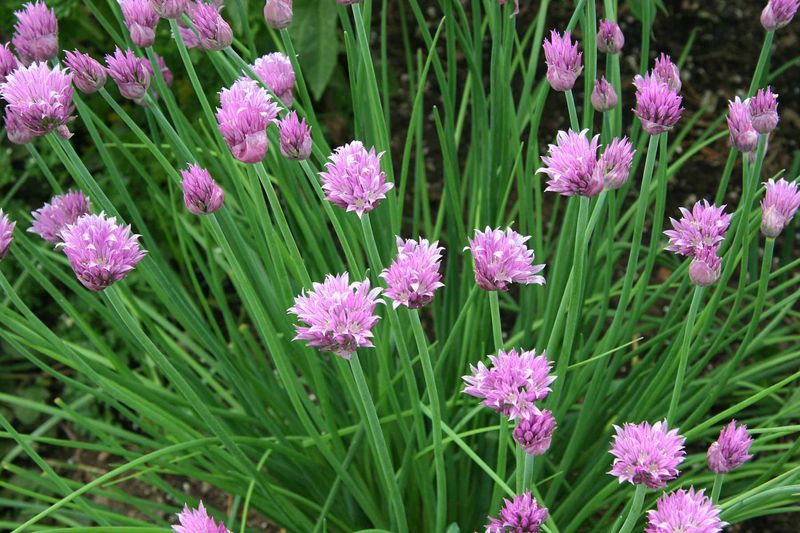
Chives add a mild onion flavor to dishes, thriving in the partially shaded parts of my garden. Their slender green stalks are easy to grow and maintain.
Perfect for soups, salads, or as a garnish, chives bring a subtle yet essential flavor to the table. They’re a must-have for any home cook.
Chives have been cultivated for centuries, prized for their culinary and medicinal uses.