 Complete Gardening
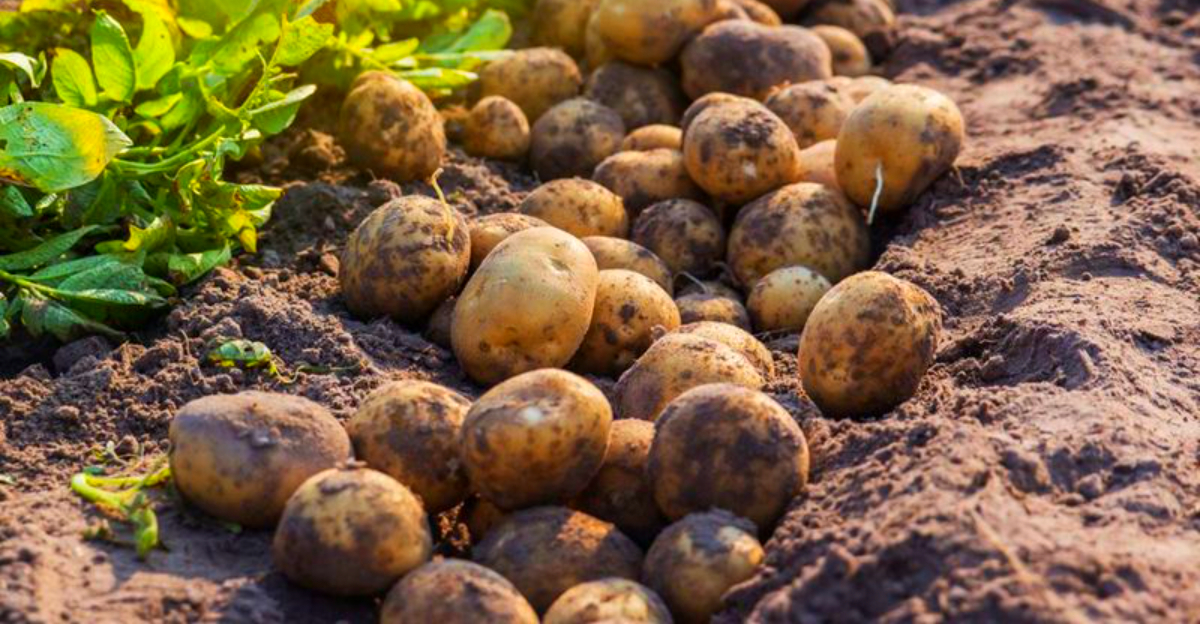
Wisconsin farmers are discovering that their dairy-famous state holds incredible potential for growing outstanding root crops. The same rich soils and favorable climate that produce world-class cheese also create perfect conditions for potatoes, carrots, and other underground treasures. Root crop cultivation is transforming Wisconsin agriculture, offering farmers new income opportunities while feeding families across America.
1. Understanding Wisconsin’s Perfect Potato Climate
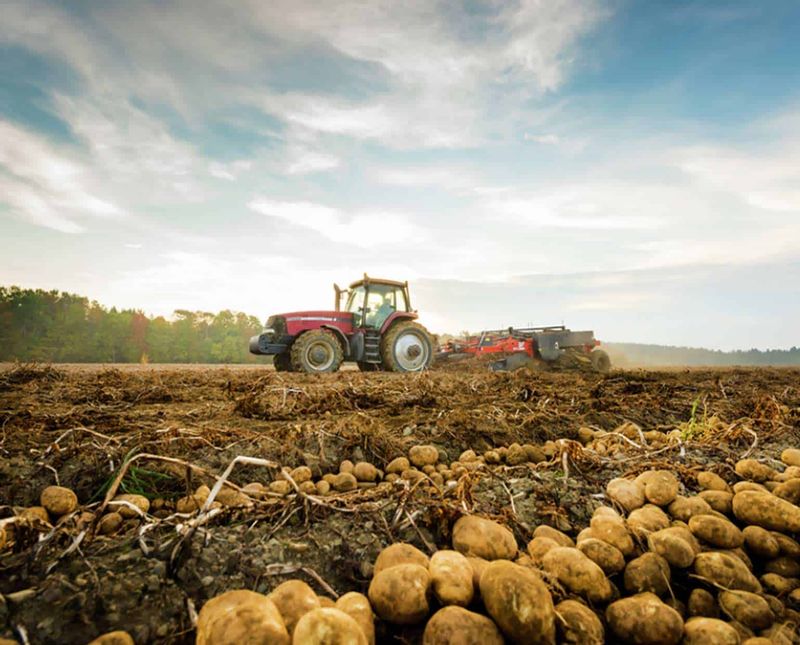
Cool nights above 45°F paired with mild days over 55°F create Wisconsin’s secret weapon for potato success. These temperature ranges encourage proper tuber development while preventing stress that damages crop quality.
Spring planting works best when soil temperatures reach consistent warmth. Fall harvests benefit from Wisconsin’s natural cooling pattern, which helps potatoes develop their signature flavor and storage quality that makes them market favorites.
2. Mastering Soil pH for Maximum Root Development
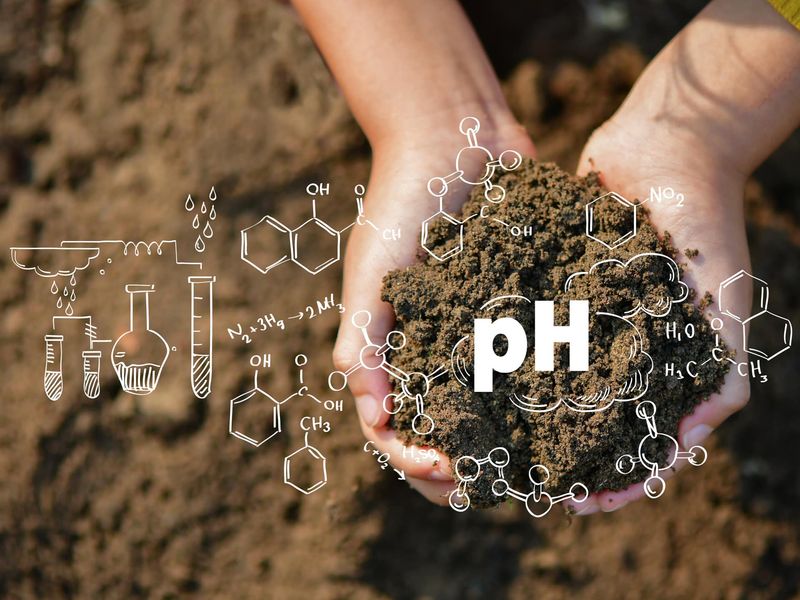
Slightly acidic soil between 5.8 and 6.5 pH creates the ideal environment where root crops absorb nutrients most effectively. Testing your soil annually prevents costly mistakes and ensures consistent harvests year after year.
Adding organic matter like compost naturally adjusts pH while improving drainage. Wood ash raises pH levels when soil tests too acidic, while sulfur lowers overly alkaline conditions for optimal growing success.
3. Drainage Solutions That Prevent Root Rot
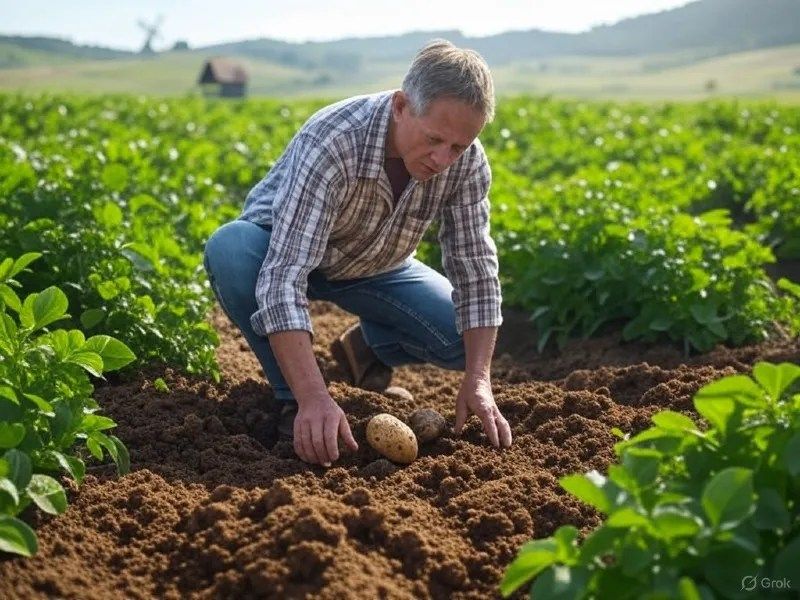
Waterlogged soil kills more root crops than any pest or disease combined. Installing raised beds or drainage tiles transforms problem areas into productive growing zones that support healthy plant development.
French drains work wonders in naturally wet Wisconsin locations. Proper spacing between rows allows air circulation while preventing water accumulation that leads to devastating crop losses and reduced harvest quality.
4. Defeating Colorado Potato Beetles Naturally

These orange-striped destroyers can devastate entire potato fields within weeks if left unchecked. Hand-picking adult beetles and crushing bright yellow egg clusters provides immediate control without harmful chemicals.
Beneficial insects like ladybugs and lacewings naturally reduce beetle populations when encouraged through diverse plantings. Crop rotation breaks beetle life cycles, forcing them to search elsewhere for food sources each growing season.
5. Cover Crops That Build Superior Soil Health
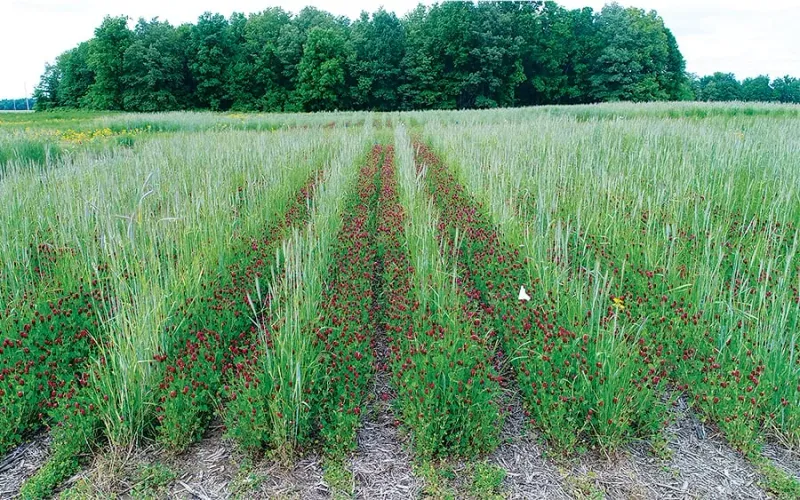
Radishes and clover planted between growing seasons pump organic matter deep into Wisconsin soil while preventing erosion. These hardworking plants fix nitrogen naturally, reducing fertilizer costs significantly.
Winter rye protects bare soil from harsh weather while adding biomass when tilled under in spring. Cover crop roots create channels that improve water infiltration and provide pathways for developing root vegetables.
6. No-Till Methods That Preserve Soil Structure
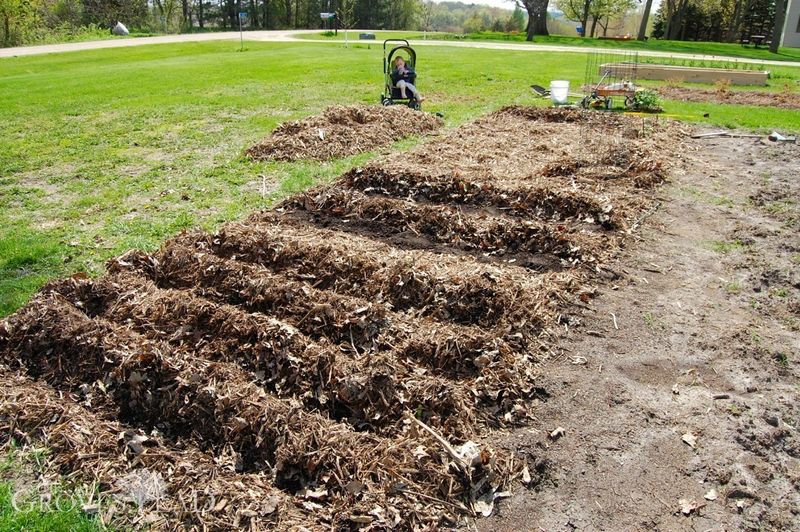
Eliminating traditional plowing preserves beneficial soil organisms while maintaining natural water-holding capacity. Wisconsin farmers using no-till methods report healthier plants and reduced labor costs over time.
Specialized planters cut through crop residue without disturbing soil layers. This technique prevents compaction while maintaining organic matter levels that feed root crops throughout their entire growing cycle for maximum production.
7. Proper Curing Techniques for Long-Term Storage
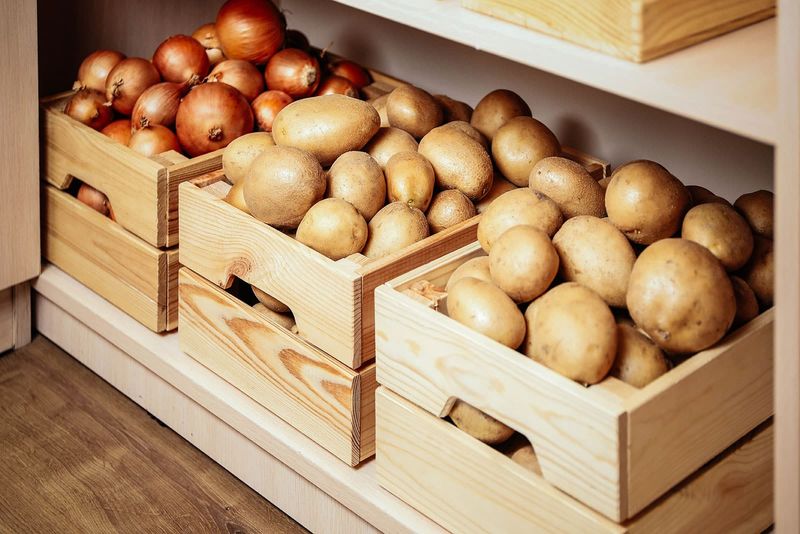
Freshly harvested potatoes need one week of curing in dark, dry conditions between 50-70°F before long-term storage. This process toughens skins and heals minor harvest damage naturally.
Proper air circulation prevents moisture buildup during curing while maintaining ideal humidity levels. Cured potatoes store successfully for months when kept at 35-40°F, providing fresh food throughout Wisconsin’s long winter season.
8. Harvest Timing for Peak Flavor and Quality
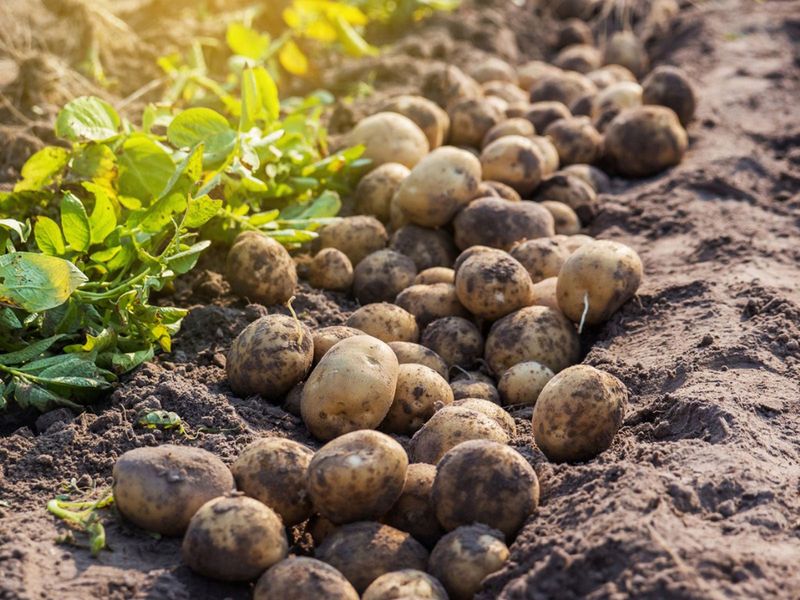
Waiting until potato vines naturally die back ensures maximum tuber development and optimal storage characteristics. Early harvesting reduces yields while compromising long-term keeping quality significantly.
Late summer through early fall provides ideal harvest windows in Wisconsin’s climate. Digging during dry weather prevents soil from sticking to potatoes while reducing disease risks that can ruin entire storage batches.