 Complete Gardening
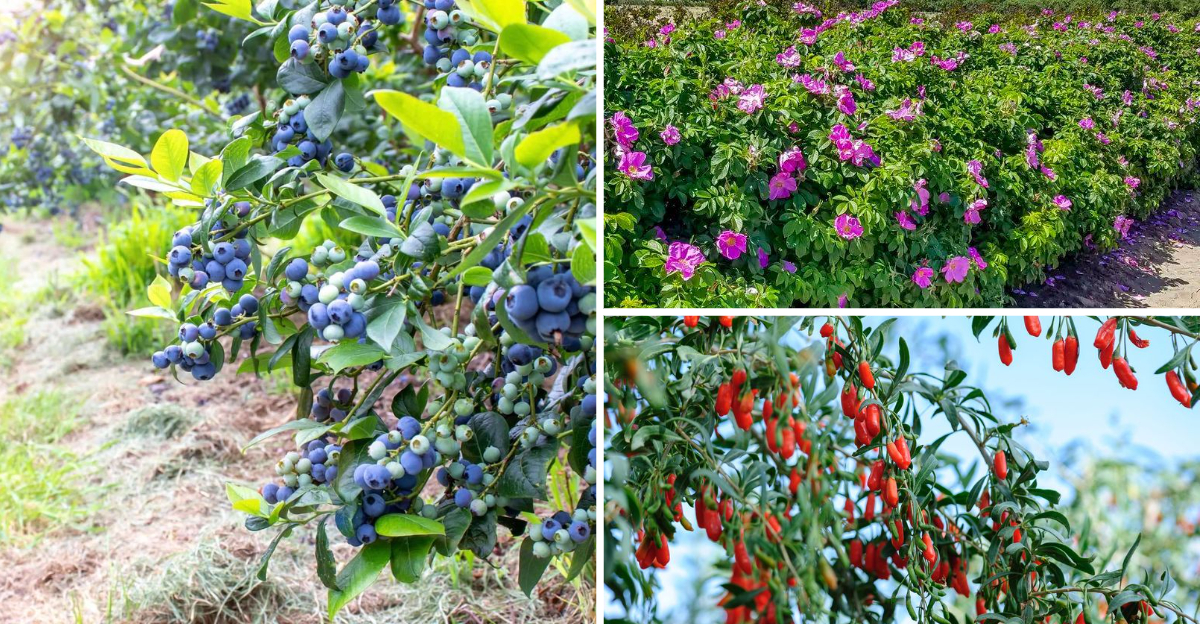
Fruit-bearing shrubs serve dual purposes: beautifying landscapes and providing delicious harvests. They’re ideal for fences and hedges, offering privacy and bounty. Their vibrant fruits and lush foliage enhance any garden, while attracting birds and beneficial insects. These shrubs are perfect for those seeking a sustainable and edible landscape. With a variety of fruit types available, there’s something for every taste and garden style. Explore the diversity and utility of these remarkable plants, and consider adding them to your garden for a fruitful and attractive border.
Aronia Berry (Chokeberry)
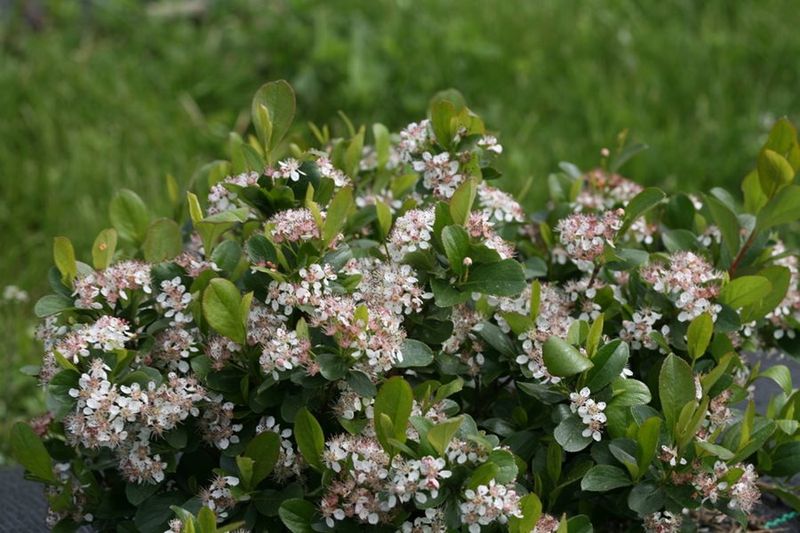
With its striking clusters of black berries, the Aronia Berry shrub stands out in any garden. Its dense foliage provides excellent privacy, making it perfect for hedges. In spring, it bursts with white blossoms, adding a touch of elegance. By autumn, the leaves turn a fiery red, adding seasonal interest.
This hardy shrub is known for its resilience, thriving in various soil types. Its berries, rich in antioxidants, are a healthy addition to your diet. A favorite among gardeners, Aronia offers both beauty and bounty without demanding care.
Did you know? Native Americans used these berries for medicinal purposes.
Goji Berry
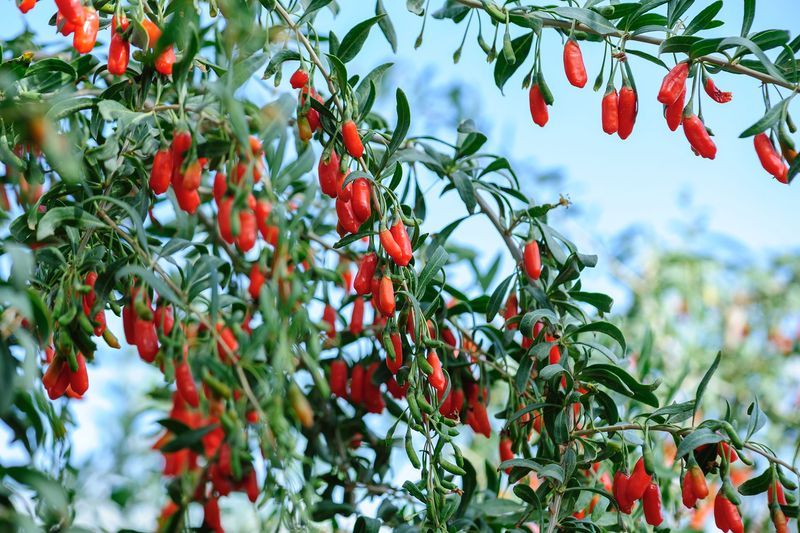
Often hailed as a superfood, the Goji Berry shrub is not just nutritious but also visually appealing. Its slender, arching branches are adorned with vibrant orange-red berries that catch the eye. The small, purple flowers are a charming bonus during blooming season.
This drought-tolerant plant thrives in sunny spots and well-drained soil, making it a low-maintenance addition. Its berries can be enjoyed fresh or dried, offering versatility in culinary uses. Goji Berries have a rich history in traditional medicine, celebrated for their health benefits.
Curious fact: Goji Berries are also known as “wolfberries.”
Rugosa Rose
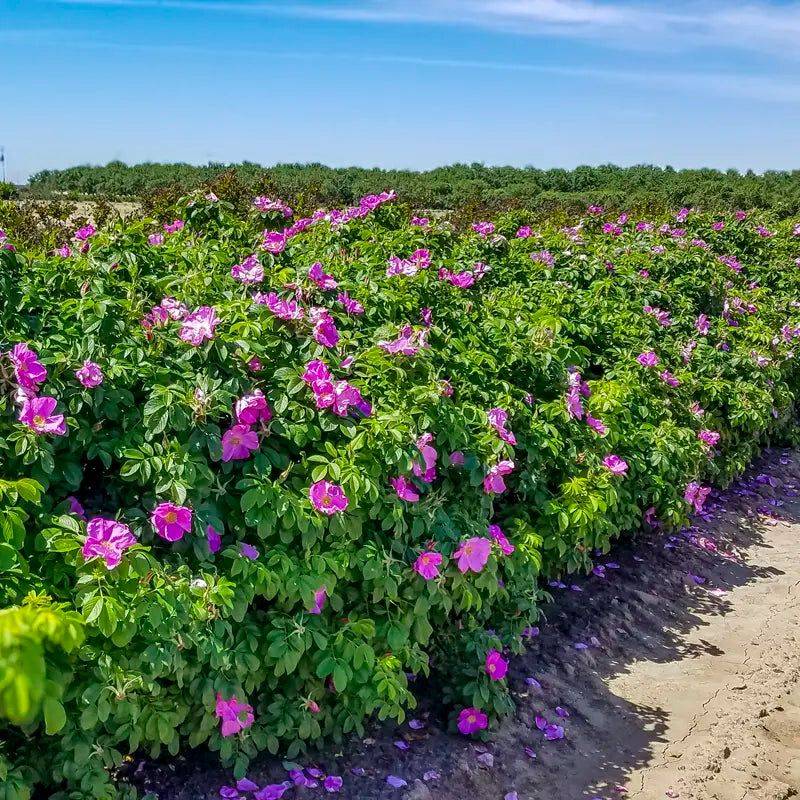
The Rugosa Rose is admired for its intoxicating fragrance and showy blooms. Its thick, thorny stems make it an ideal natural barrier. In summer, it dazzles with pink or white flowers, attracting pollinators.
Come autumn, the vibrant red rose hips add a festive touch. These hips are rich in vitamin C and can be used in teas and jams. Rugosa Rose is hardy, forgiving poor soil, salt, and wind, making it perfect for coastal gardens.
Fun fact: This rose’s hips have been used in folk remedies for centuries.
Elderberry
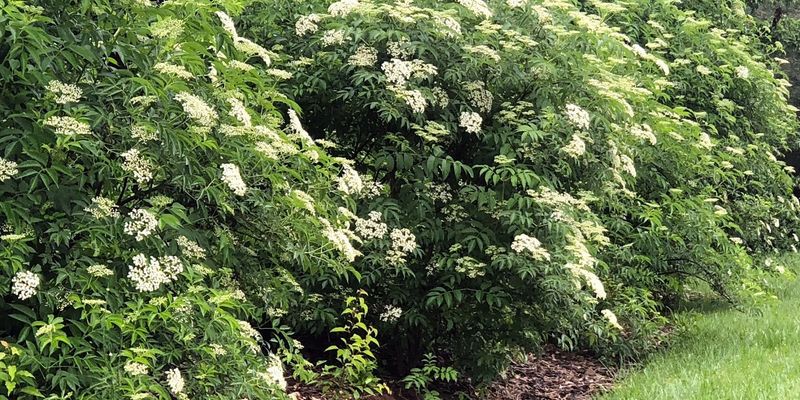
Elderberry shrubs offer both beauty and utility, with their clusters of cream-colored flowers and dark purple berries. They create a lush hedge that provides privacy and seasonal interest.
The berries are popular for making syrups, wines, and jams, known for their immune-boosting properties. This fast-growing shrub adapts to various conditions, thriving in both wet and dry soils.
Did you know? Elderberries were used in ancient times to dye textiles and make musical instruments.
Serviceberry (Juneberry)
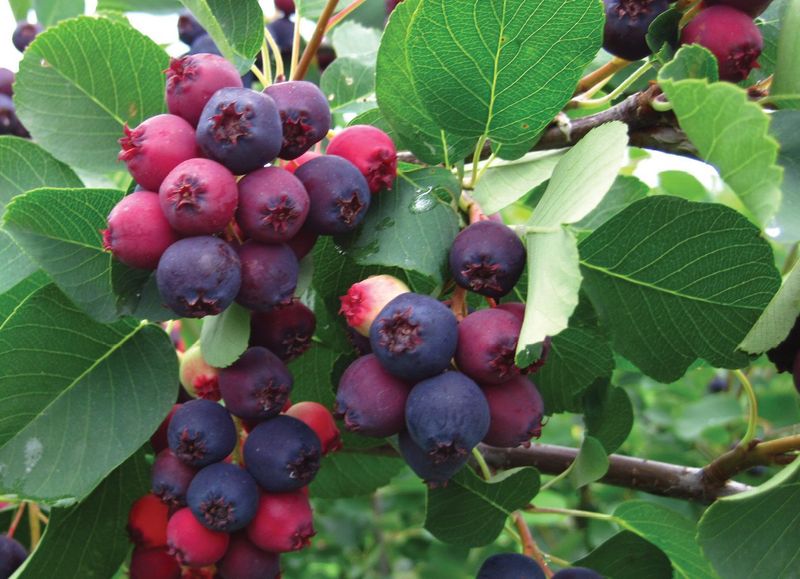
Serviceberry shrubs, also known as Juneberries, add year-round beauty to any garden. In spring, they bloom with delicate white flowers, followed by edible blue-black berries in summer.
These berries are a favorite among birds and can be used in pies or jams. The shrub’s leaves turn vibrant shades in autumn, offering a stunning display. Serviceberries are adaptable, tolerating a range of soils and climates.
Interesting tidbit: Serviceberries were a staple food for Native Americans and early settlers.
Currant
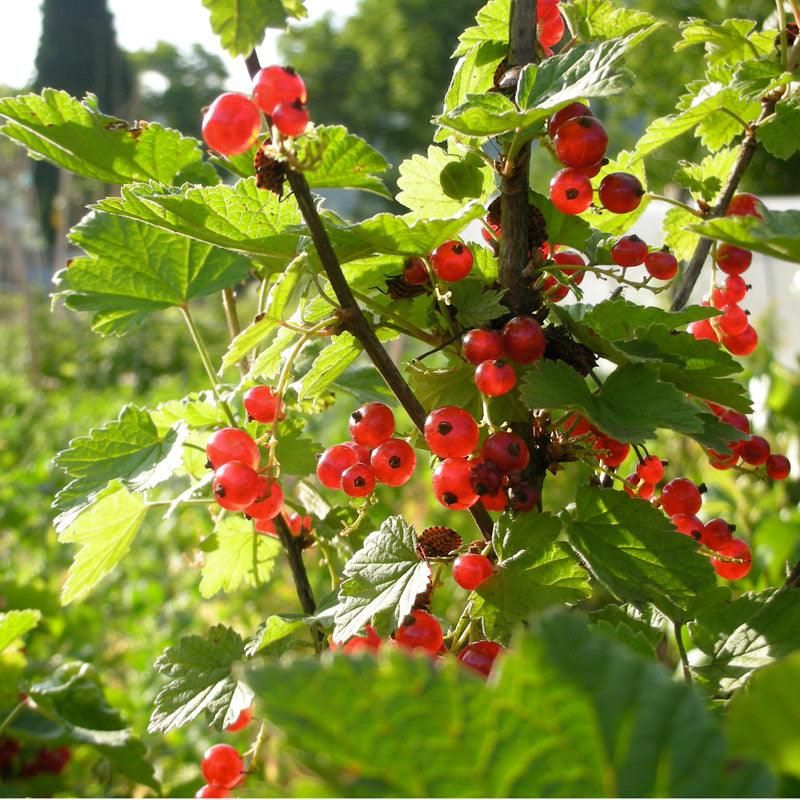
Currant shrubs are a gardener’s delight, known for their tart, juicy berries. They offer a lush, green backdrop with their dense foliage, perfect for hedges. In spring, they produce small, fragrant flowers.
These versatile berries can be eaten fresh, made into jellies, or baked into desserts. Currants thrive in cooler climates and prefer well-drained soil. They’re not just tasty but also rich in vitamin C.
Historical note: Currants were once banned in the U.S. due to a disease threat to white pines.
Blueberry
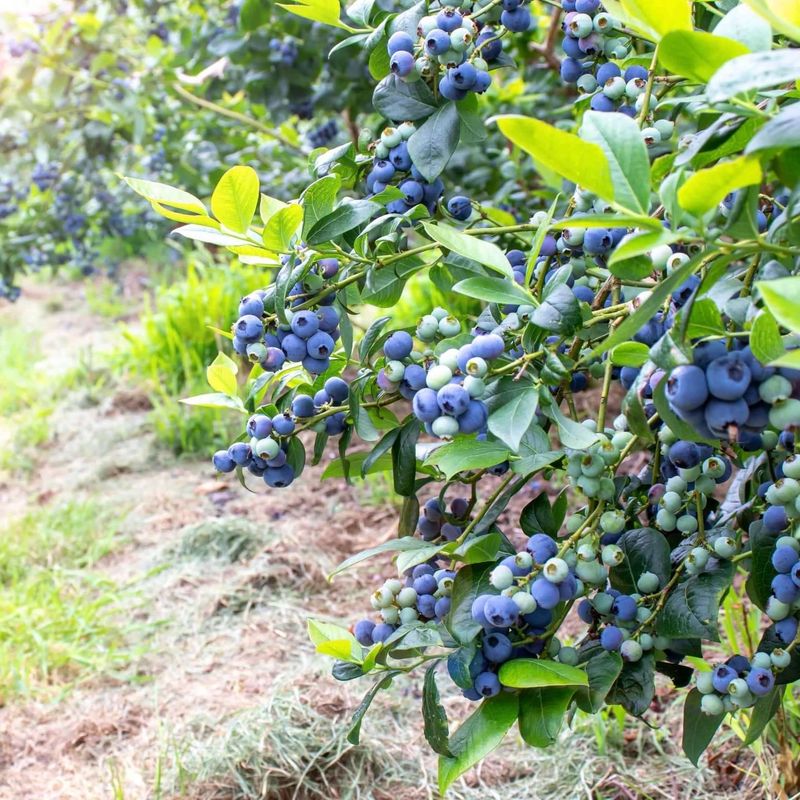
Blueberry shrubs are celebrated for their delightful fruit and stunning foliage. In spring, bell-shaped flowers emerge, giving way to sweet, juicy berries in summer. These berries are a beloved treat, fresh or baked.
The plant’s leaves turn a brilliant red in fall, providing year-round interest. Blueberries prefer acidic soil and full sun, thriving in many regions. They’re a healthy choice, packed with antioxidants.
Did you know? Blueberries are one of the few fruits native to North America.
Hawthorn
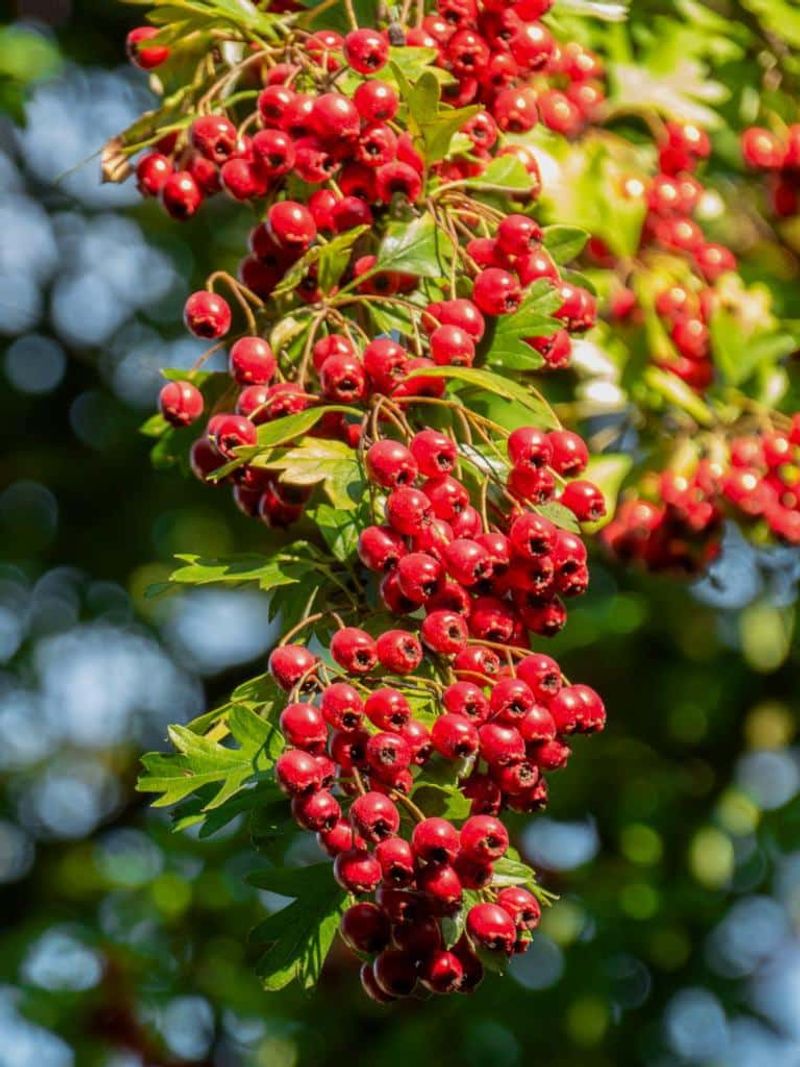
Hawthorn shrubs are known for their resilience and beauty, adorned with white blossoms in spring and red berries in fall. These berries are enjoyed by birds and can be used in jellies.
The shrub’s thorny branches make it a robust natural fence. It’s tolerant of various soil conditions, thriving in sun or partial shade. Hawthorn has a rich history in folklore, often associated with protection and magic.
Quirky fact: Hawthorn berries were used in ancient times to ward off evil spirits.
Blackberry
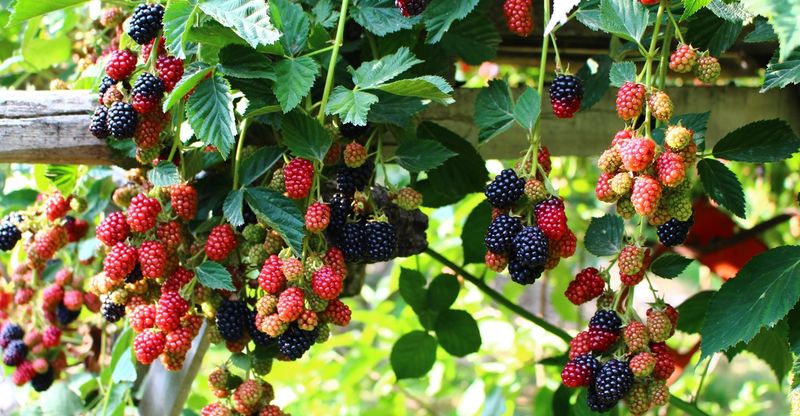
Blackberry shrubs are a classic choice for edible hedges. Their arching canes and dark green leaves create a rich texture, while the berries offer a delicious harvest.
In late summer, these glossy black fruits are a favorite for pies and jams. Blackberries thrive in diverse climates, requiring minimal care once established. They prefer sunny locations and well-drained soil.
Fun fact: Blackberry plants have been cultivated for over 2,000 years, prized for both their fruit and medicinal properties.
Quince
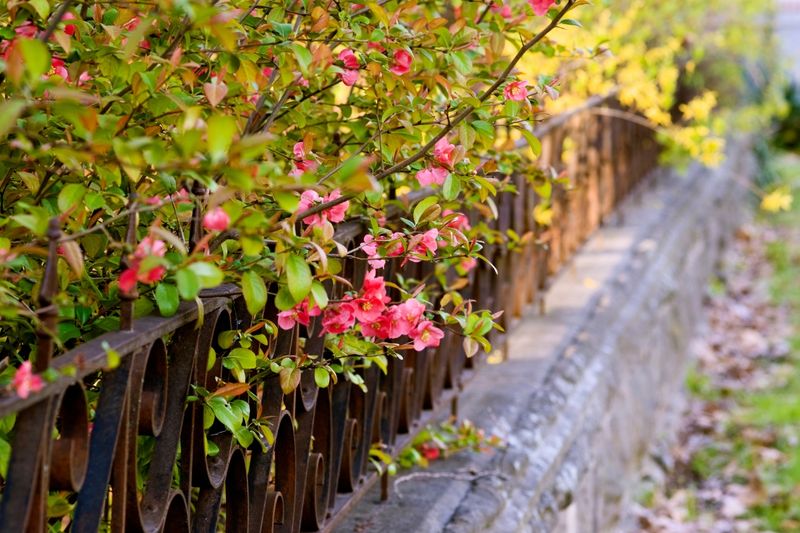
The Quince shrub is a unique addition to edible landscapes, known for its large, fragrant yellow fruits. In spring, it showcases pale pink blossoms that attract pollinators.
Although the raw fruit is too tart for most, it’s perfect for making jellies and preserves. Quince thrives in sunny locations with well-drained soil. Its ornamental value and fruiting capabilities make it a favorite among gardeners.
Did you know? Ancient Greeks believed quince was a symbol of love and fertility.
Jostaberry
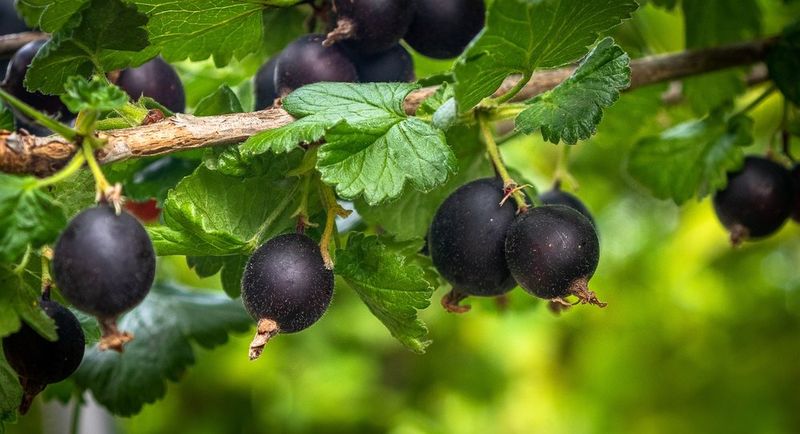
The jostaberry is a unique cross between blackcurrant and gooseberry. Its berries are a deep purple, and its flavor is a delightful mix of tangy and sweet. Often, the jostaberry surprises gardeners with its thornless branches, making it easy to harvest.
As a hedge, this shrub provides dense foliage that both looks appealing and offers privacy. It thrives in various climates, making it a versatile choice for many gardens.
Additionally, the jostaberry is resistant to many common pests, ensuring a healthy and productive shrub for years to come.
Honeyberry
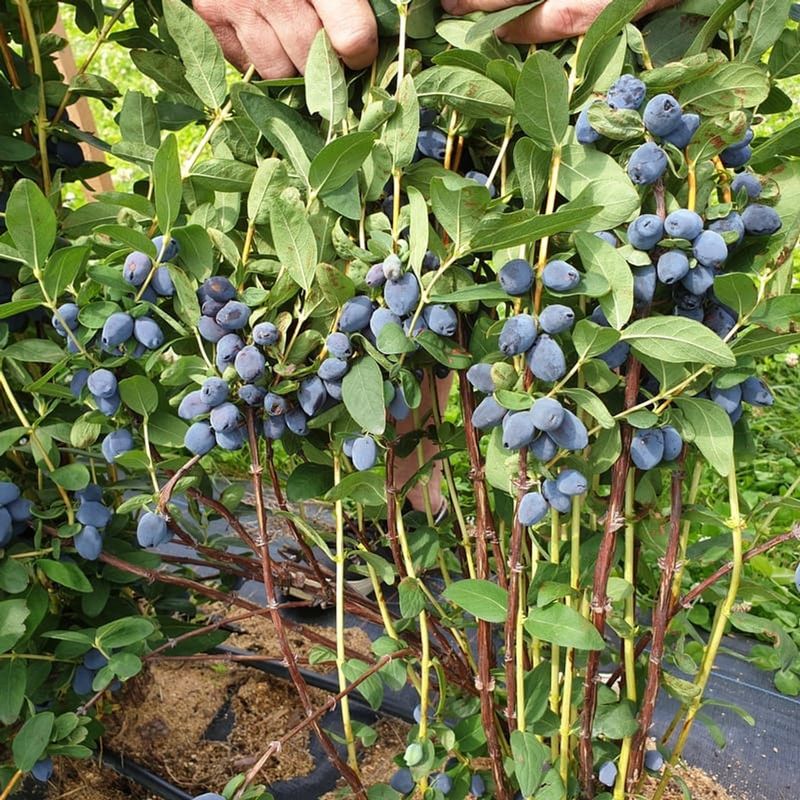
With its small, elongated blue berries, the honeyberry is a charming addition to any garden. Known for its sweet-tart flavor reminiscent of blueberries, it brings a unique taste to the table. The honeyberry’s adaptability to cold climates makes it a favorite among northern gardeners.
This shrub’s early blooming flowers add beauty to spring gardens, while its fruit is harvested mid-summer.
Additionally, the honeyberry requires cross-pollination, so planting in pairs ensures a fruitful yield. Its resilience and easy maintenance make it perfect for both novice and experienced gardeners.
Lingonberry
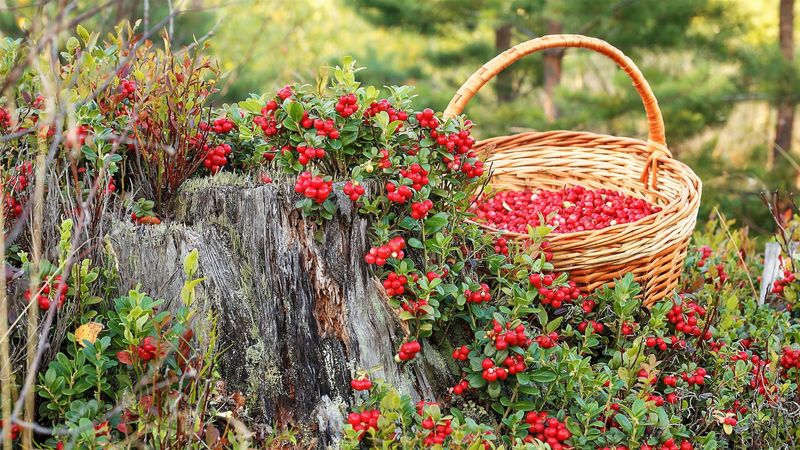
Lingonberry shrubs are renowned for their bright red berries and shiny green leaves. These low-growing plants spread beautifully along hedges, creating a vibrant display. The tart berries are often used in jams and sauces, adding a burst of flavor.
Lingonberries are hardy, tolerating cold weather and poor soil, which makes them versatile and easy to grow. They bloom with small pink flowers, attracting pollinators to the garden.
The lingonberry’s ability to thrive in various conditions makes it a practical yet attractive choice for any landscape.
Sea Buckthorn
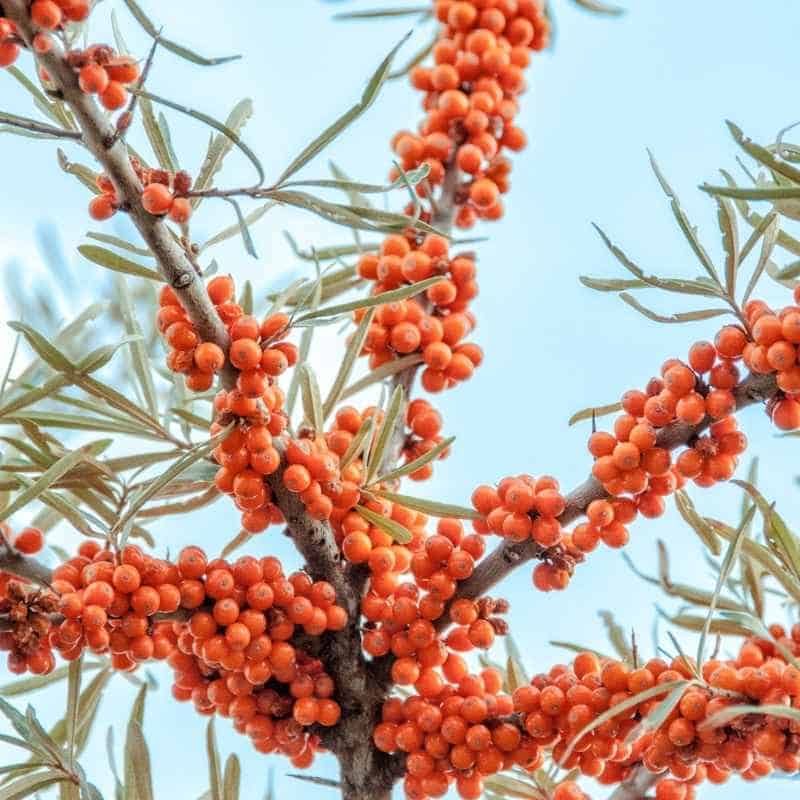
Adorned with vivid orange berries, the sea buckthorn is a striking shrub for hedges. Its berries are packed with Vitamin C, often used in health supplements and skincare products. The sea buckthorn’s silver-green leaves provide an attractive contrast to its colorful fruit.
Its hardy nature allows it to grow in challenging environments, including coastal areas and poor soils. Furthermore, the berries are harvested in late summer, providing a rich, tangy flavor.
This shrub’s resilience and nutritional benefits make it a standout choice for health-conscious gardeners.
Autumn Olive
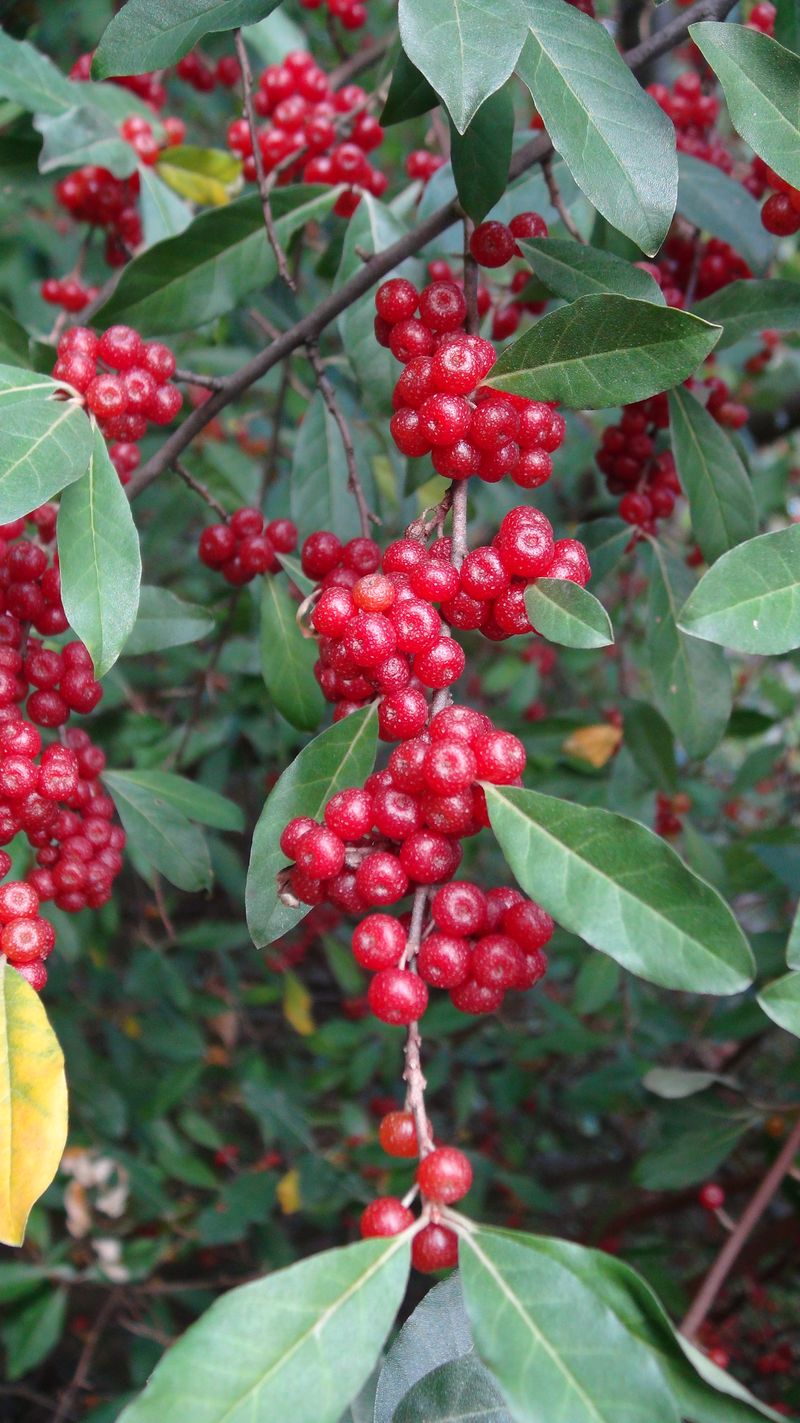
With its silvery leaves and small red berries, the autumn olive is both beautiful and beneficial. Its berries are rich in antioxidants, offering health benefits alongside their tart taste. This resilient shrub can thrive in diverse conditions, from dry to salty soils.
Autumn olive produces fragrant yellow flowers in spring, adding to its ornamental appeal. However, its invasive nature in some regions necessitates careful management.
For those able to manage it responsibly, the autumn olive offers both aesthetic and nutritional value to landscapes.
Goumi Berry
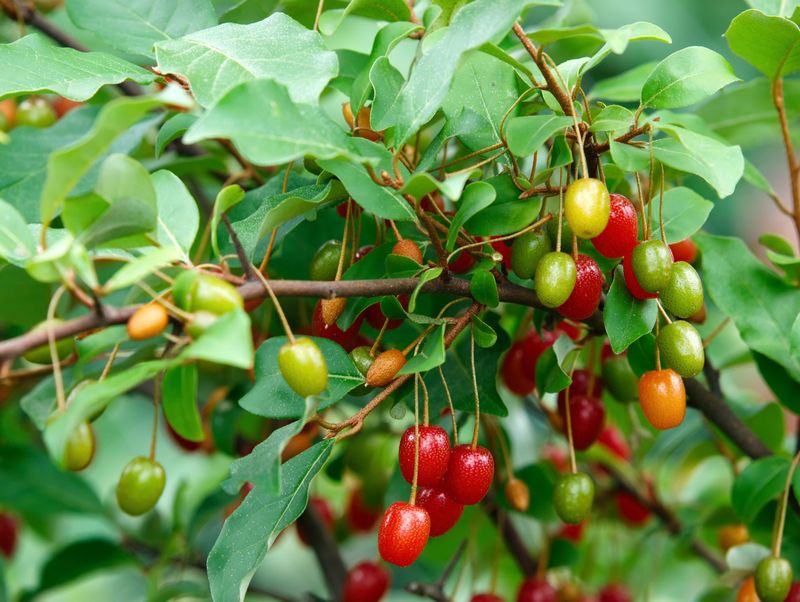
The goumi berry shrub is an understated treasure in the garden. Its red speckled berries are sweet with a hint of tartness, suitable for fresh eating or preserves. The shrub itself is hardy, withstanding poor soil and drought conditions.
In spring, it blooms with yellowish-white flowers that attract beneficial insects. Additionally, goumi berries are nitrogen-fixing, enhancing soil fertility for neighboring plants.
For gardeners seeking both beauty and functionality, the goumi berry is an excellent choice, offering vibrant color and ecological benefits.
Pineapple Guava
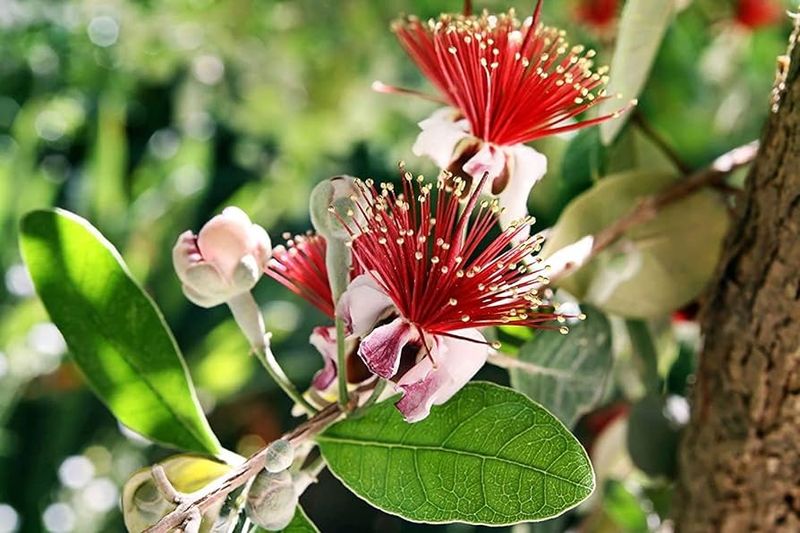
With its exotic flowers and unique fruit, the pineapple guava adds a tropical touch to gardens. Its green fruit has a sweet, pineapple-like flavor that is refreshing and aromatic. This shrub is evergreen, providing year-round visual interest.
The pineapple guava’s pink and white flowers bloom in spring, attracting hummingbirds and pollinators. It is well-suited for mild climates, where it requires minimal maintenance.
For those seeking a low-maintenance yet visually stunning shrub, the pineapple guava offers both ornamental and culinary delights.
Cornelian Cherry
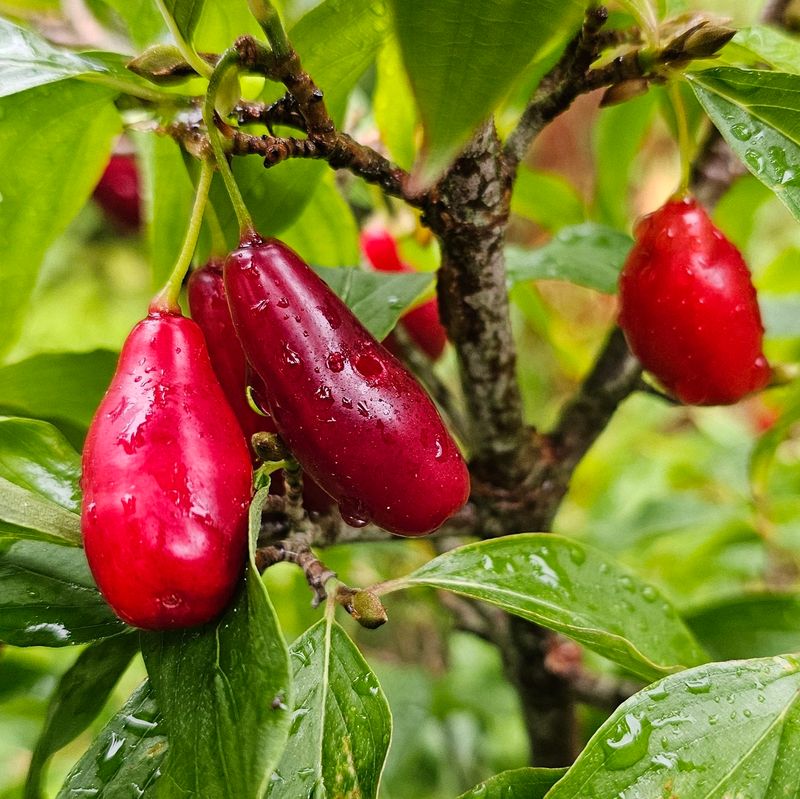
The cornelian cherry offers vibrant red berries that are both decorative and edible. Often used in jams and syrups, these berries have a tart flavor. In early spring, the shrub produces yellow blossoms, providing color before most other plants.
Its adaptability to various soils and climates makes it a versatile choice for many landscapes. The cornelian cherry’s resilience ensures a reliable harvest each year.
For gardeners looking for a shrub that combines beauty with productivity, the cornelian cherry is an excellent option.