 Complete Gardening
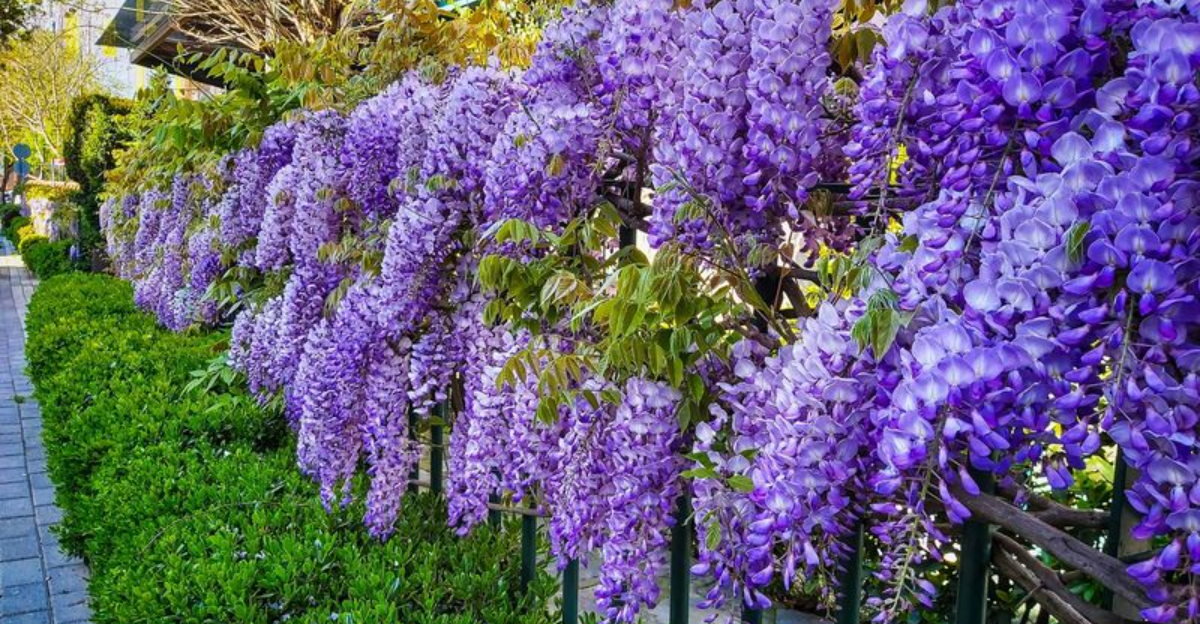
In the world of gardening, beauty often masks deceit. Many plants, though loved for their looks, can wreak havoc on local ecosystems. This article uncovers 13 such plants that garden centers might not warn you about. Let’s explore the world of these silent invaders.
1. English Ivy
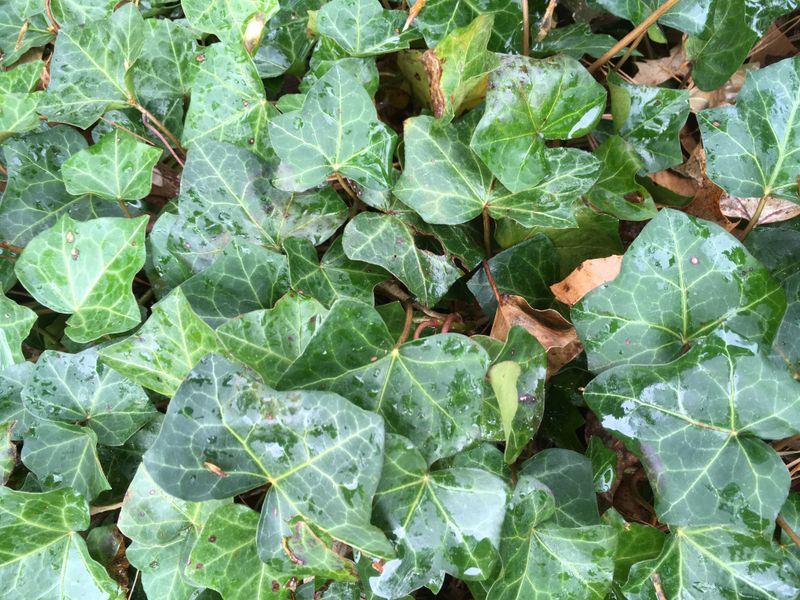
English Ivy, known for its lush, evergreen foliage, often captures the hearts of gardeners. However, beneath its elegant facade lies a tendency to smother trees, walls, and other structures. Its rapid growth can suffocate native plants, leading to decreased biodiversity.
English Ivy’s charm can quickly transform into a gardener’s nightmare. Managing its spread requires vigilance and effort. While picturesque, it demands careful consideration before planting.
A seemingly harmless choice, it hides its invasive nature well.
2. Japanese Knotweed
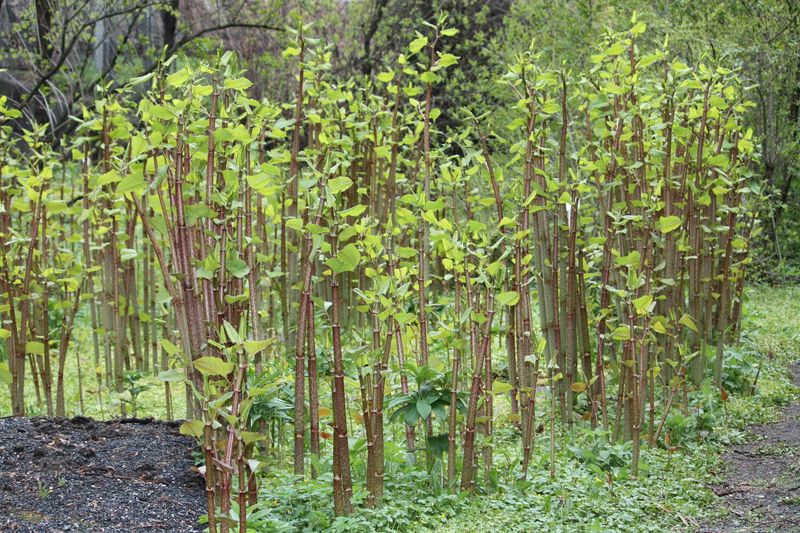
Japanese Knotweed, with its bamboo-like stems and heart-shaped leaves, often seems a unique addition to landscapes. Yet, this plant is a formidable invader. Its roots can penetrate concrete, causing damage to buildings and infrastructure.
In the UK, it’s often regarded with dread, as controlling its spread demands rigorous measures. What begins as a small patch can quickly evolve into a sprawling thicket. With an aggressive growth pattern, it outcompetes native species, altering habitats.
For those tempted by its exotic appearance, beware of its costly and invasive nature.
3. Purple Loosestrife

Purple Loosestrife enchants with tall spikes of vivid magenta flowers, flourishing in wetlands. However, this beauty belies its disruptive influence on aquatic ecosystems. As it colonizes, it chokes out native flora, diminishing biodiversity and altering water flow.
Once established, it forms dense stands, crowded with striking blooms but devoid of diverse life. Its seeds spread easily, adding to its tenacity. Efforts to control it require persistence.
The allure of its colorful display can mask the environmental chaos it brings, proving that beauty can come at a hidden cost.
4. Bamboo

Bamboo appeals with its tall, graceful canes and rhythmic rustling in the breeze. Yet, its fast-spreading rhizomes can lead to garden mayhem. This plant’s rapid expansion can overshadow native plants, creating monocultures.
Gardeners often find themselves battling its relentless growth, needing barriers to contain it. While a symbol of tranquility in some cultures, unmanaged bamboo can overwhelm landscapes.
Its allure is undeniable, but the effort to control its spread is significant. Before planting, consider its potential to outgrow intended boundaries and dominate the space.
5. Mint

Mint, with its refreshing scent and culinary use, often finds a place in gardens. Yet, its vigorous growth can transform it into an unrestrained invader. Its runners quickly spread, overtaking garden beds and edging out other plants.
While a staple in herb gardens, mint’s aggressive nature calls for caution. Confined spaces or containers are best to keep it in check.
What starts as a delightful addition can easily become a sprawling mass. Mint’s pleasant aroma belies its potential to dominate, making management essential for harmony.
6. Wisteria
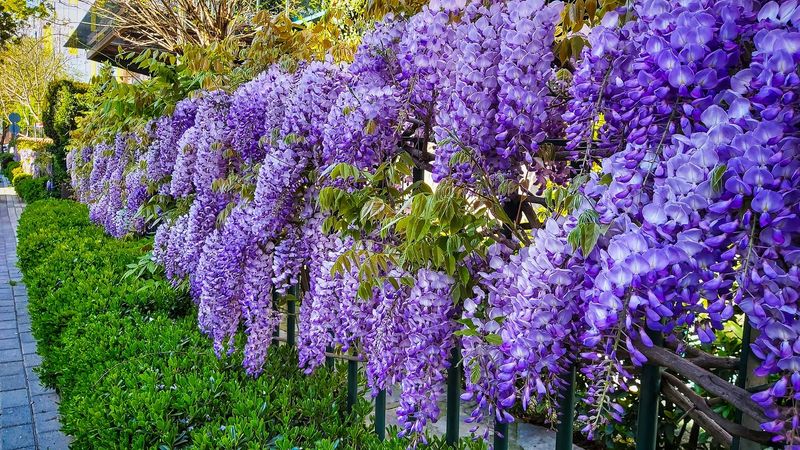
Wisteria, admired for its enchanting cascades of purple blooms, can become an untamed force. Its twining vines climb aggressively, strangling trees and structures alike. What begins as a decorative addition can turn destructive.
Unchecked, wisteria spreads quickly, its beauty overpowering other garden residents. Enthusiasts must prune diligently to manage its growth.
Despite its intoxicating allure, wisteria’s propensity for domination requires careful supervision. It’s a plant of both grace and vigor, demanding respect and control to prevent chaos.
7. Norway Maple

Norway Maple, with its broad canopy and vibrant autumn hues, is a common sight in urban landscapes. However, its dense foliage casts heavy shade, hindering the growth of understorey plants.
Its adaptability allows it to thrive in various soils, outcompeting native trees. Over time, it can alter soil chemistry, affecting local flora.
While offering shade and beauty, it also invites ecological challenges. Thoughtful planting and management can mitigate its invasive tendencies, preserving the balance of local ecosystems.
8. Privet
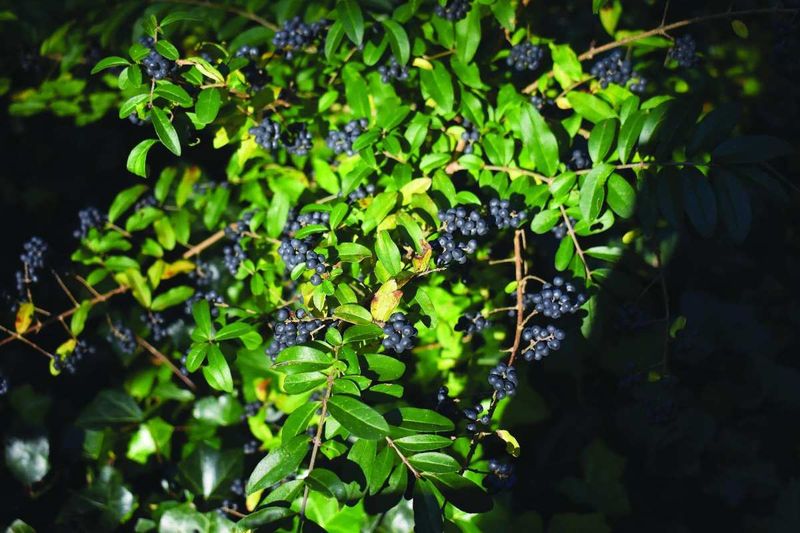
Privet, often used for hedges, grows with determination. Its ability to thrive in diverse conditions makes it a popular choice, yet also a potential invader.
Once established, it forms dense thickets, shading out native flora. Its berries, while appealing to birds, help spread its seeds far and wide.
Though a staple of privacy screens, privet requires control to prevent it from overrunning landscapes. Its ease of cultivation is matched by its capacity to dominate if left unchecked.
9. Garlic Mustard
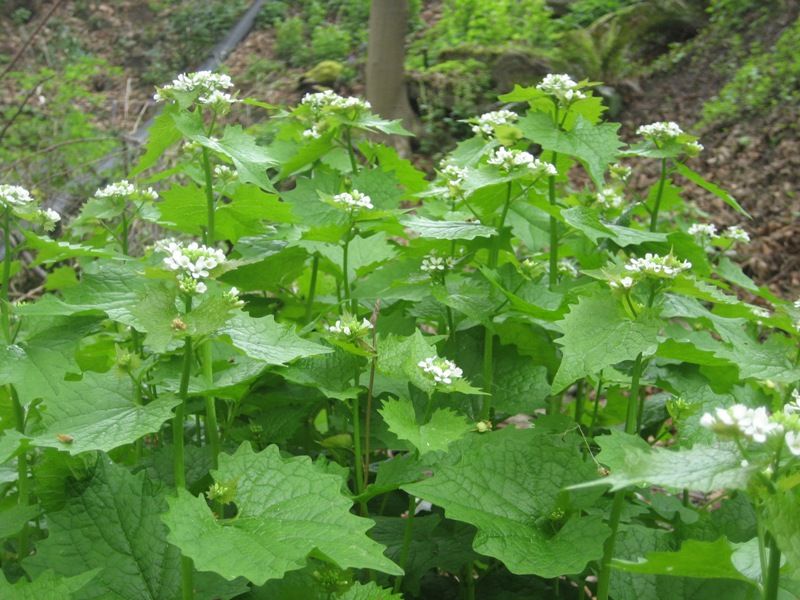
Garlic Mustard, with its small white flowers, often appears benign in woodlands. Yet, it possesses a secret: chemicals that inhibit the growth of other plants.
This trait allows it to spread swiftly, overtaking forest floors and reducing biodiversity. Its early spring emergence gives it a competitive edge.
Despite its culinary uses, garlic mustard is a formidable adversary in nature. Its presence can drastically alter forest ecosystems, requiring persistent efforts for eradication.
10. Creeping Jenny

Creeping Jenny, with its cheerful yellow leaves, seems a sunny ground cover choice. However, its rapid spread can soon turn invasive.
Once established, it forms dense mats that smother other plants. Its resilience and adaptability make it hard to remove once it takes hold.
Though visually appealing, Creeping Jenny’s vigorous nature demands careful placement and regular maintenance. Its tendency to overrun spaces requires a vigilant gardener to keep it in check.
11. Chinese Silvergrass
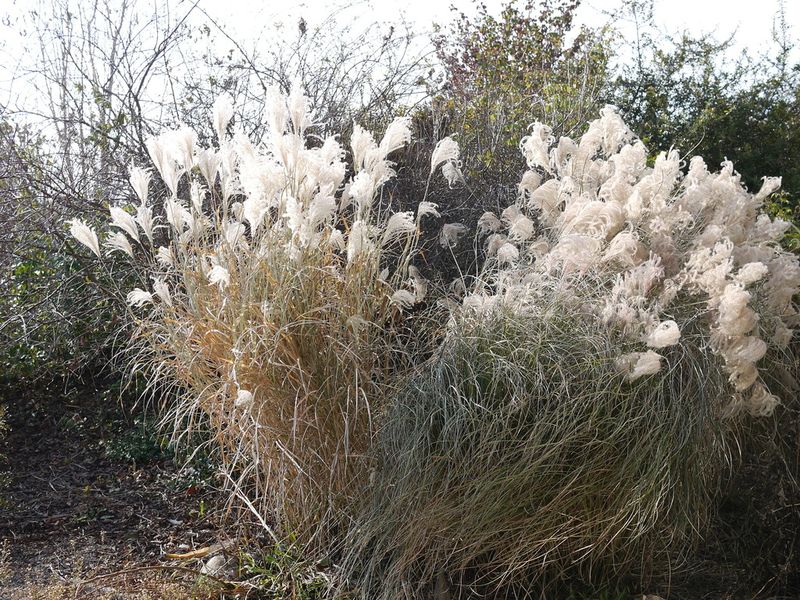
Chinese Silvergrass, with its elegant plumes, adds drama to gardens. Yet, it can escape cultivation, spreading through wind-blown seeds.
In open fields and roadways, it forms dense stands, outcompeting native grasses. Its resilience allows it to thrive in various environments, leading to monocultures.
While its beauty is undeniable, its potential to dominate wild areas poses significant challenges. Managing its spread is crucial to preserving local ecosystems.
12. Tree of Heaven

Tree of Heaven, with its rapid growth, quickly becomes a towering presence in urban areas. However, its aggressive nature is far from heavenly.
It releases chemicals that inhibit the growth of other plants, allowing it to dominate environments. Known for its resilience, it thrives in polluted areas.
While it offers shade, it also disrupts local flora, requiring attentive management. The Tree of Heaven is a reminder of nature’s power to adapt, sometimes at the cost of ecological harmony.
13. Yellow Archangel
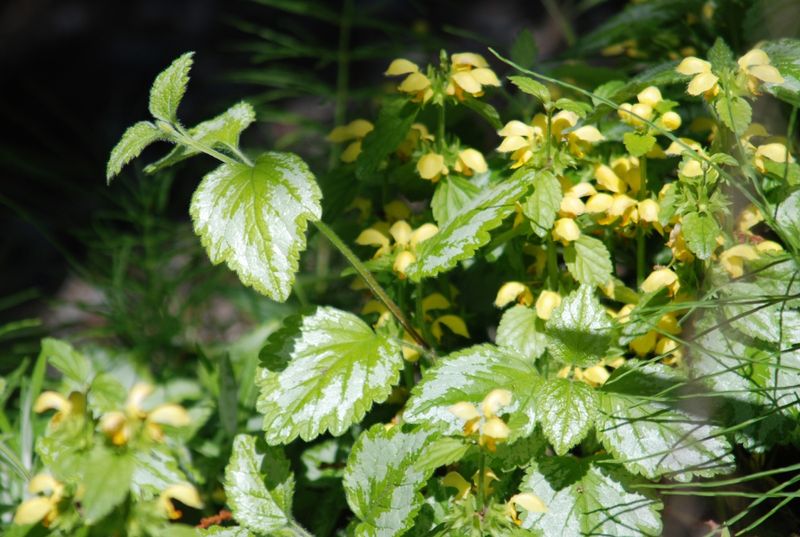
Yellow Archangel, with its striking silver-patterned leaves and yellow blooms, often attracts shade garden enthusiasts. Yet, its aggressive growth can quickly overshadow its appeal.
Once it takes root, it spreads vigorously, forming dense patches that crowd out native species. Its adaptability makes it a persistent challenge to control.
While charming, Yellow Archangel’s invasive tendencies demand vigilance. Thoughtful planting and regular maintenance can help manage its spread, preserving garden diversity.