 Complete Gardening
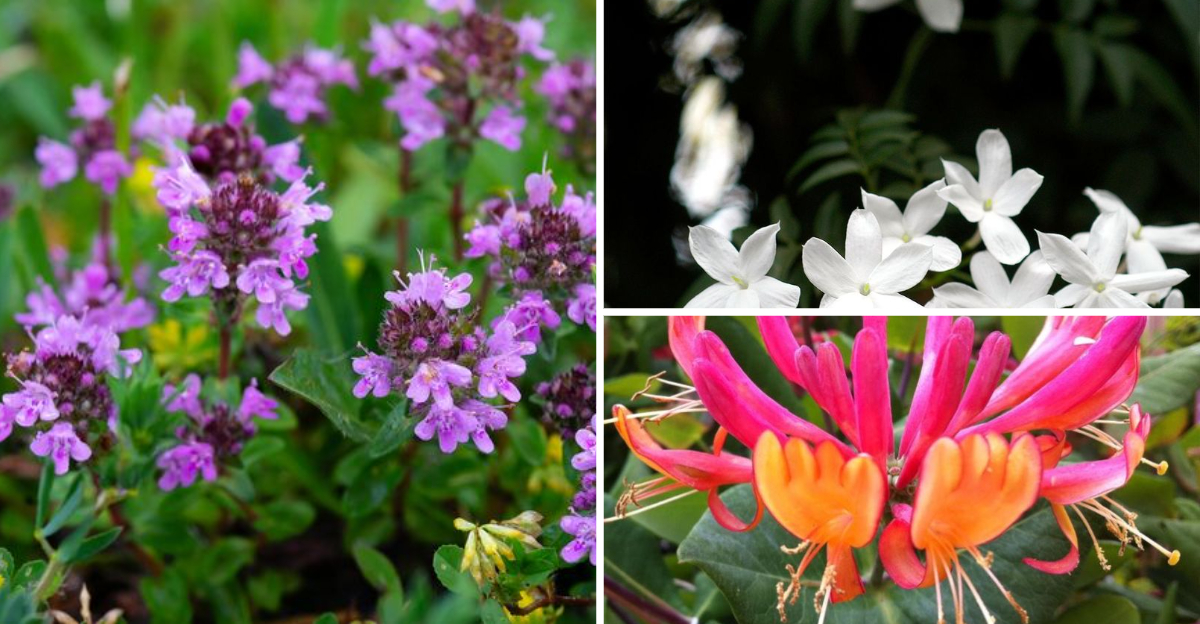
Creating a sensory garden in June can transform your outdoor space into a calming oasis. By carefully selecting plants that engage all five senses, you can create a sanctuary that promotes relaxation and mindfulness. This collection of 20 sensory plants will help you design a garden that not only looks beautiful but also soothes the soul. From fragrant herbs to textured foliage, each plant offers a unique contribution to your sensory experience. Dive into the world of sensory gardening and discover how these plants can bring peace and tranquility to your life.
1. Lavender
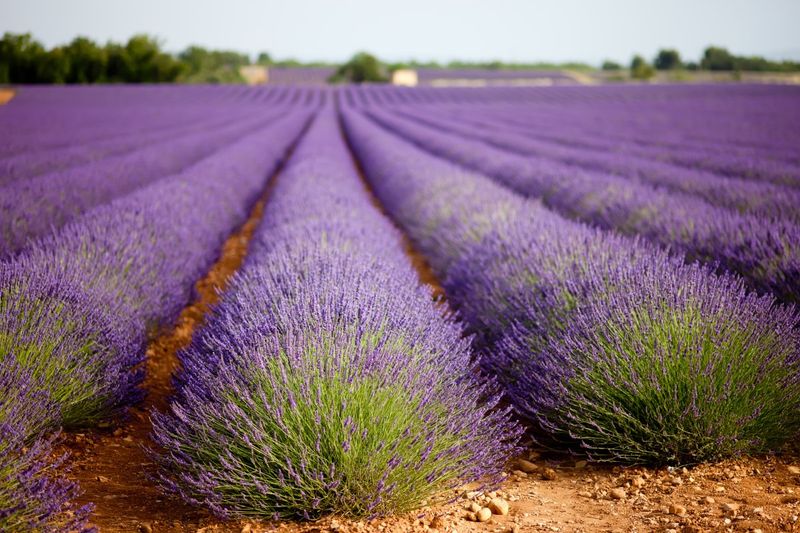
Lavender is renowned for its calming fragrance, making it a staple in sensory gardens. Its gentle scent is known to reduce stress and promote relaxation.
The soft purple flowers add a touch of elegance to any garden. Often associated with Mediterranean landscapes, lavender thrives in sunny spots with well-drained soil.
Its leaves are equally aromatic when brushed against, offering a sensory delight. A favorite among gardeners, lavender is not only beautiful but also a natural pest repellent. This plant embodies peace and tranquility, making it perfect for any calming oasis.
2. Rosemary
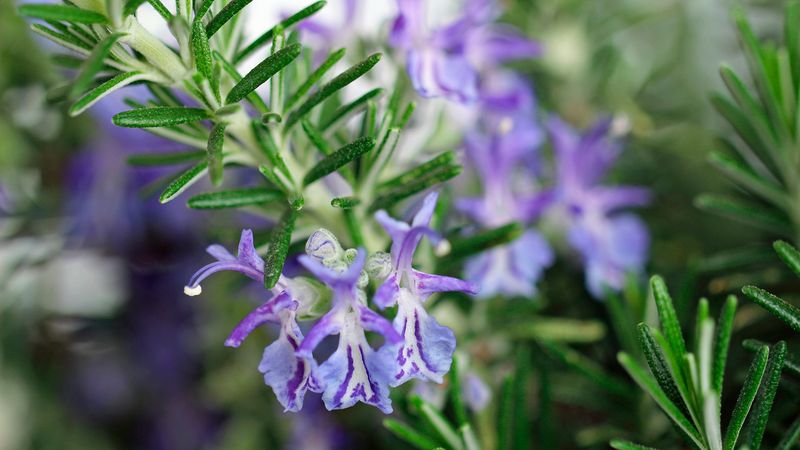
Rosemary brings a refreshing aroma to the garden, reminiscent of pine forests. Its needle-like leaves are perfect for adding texture.
Known for its culinary uses, rosemary also offers medicinal properties, making it a dual-purpose plant. This herb thrives in well-drained soil and full sun.
The small blue flowers attract bees, promoting a healthy ecosystem. Whether used in cooking or simply for its fragrance, rosemary enriches your garden with its robust presence. It’s a plant that stimulates memory and concentration, enhancing both garden and mind.
3. Lamb’s Ear
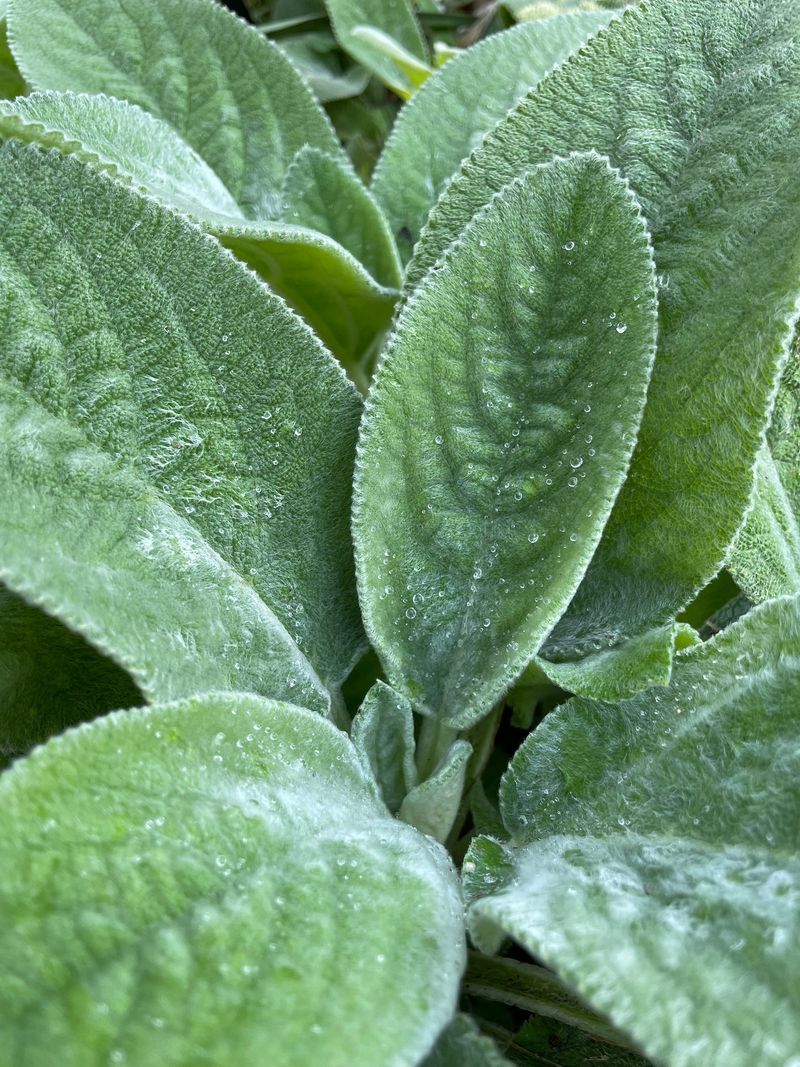
Lamb’s Ear is known for its exceptionally soft, velvety leaves, providing a tactile delight. It’s a plant that invites touch, offering a soothing experience.
The silvery foliage creates a striking contrast in any garden setting. It grows best in sunny locations with dry soil.
Apart from its texture, lamb’s ear is also drought-resistant, making it a practical choice for sustainable gardening. This plant adds a whimsical touch to gardens, evoking childhood memories of soft fabric toys. Its unique texture is its standout feature.
4. Mint
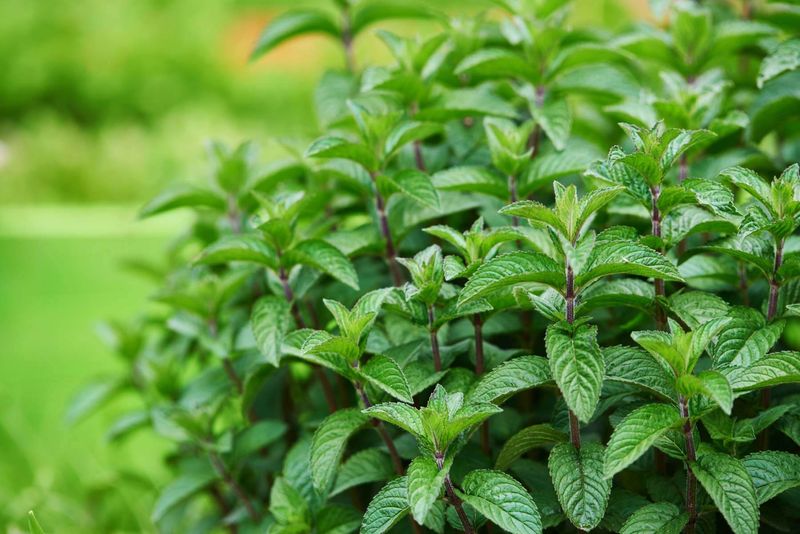
Mint is a must-have for any sensory garden, known for its invigorating scent. Its refreshing aroma can uplift any mood.
The leaves are bright green with jagged edges, adding visual interest to the garden. Mint spreads quickly, so it’s best grown in containers.
Its scent is not only pleasant but also acts as a natural insect repellent. Mint’s versatility extends to culinary uses, making it a practical and fragrant garden addition. This plant’s vibrant personality and easy growth make it a favorite among gardeners.
5. Jasmine
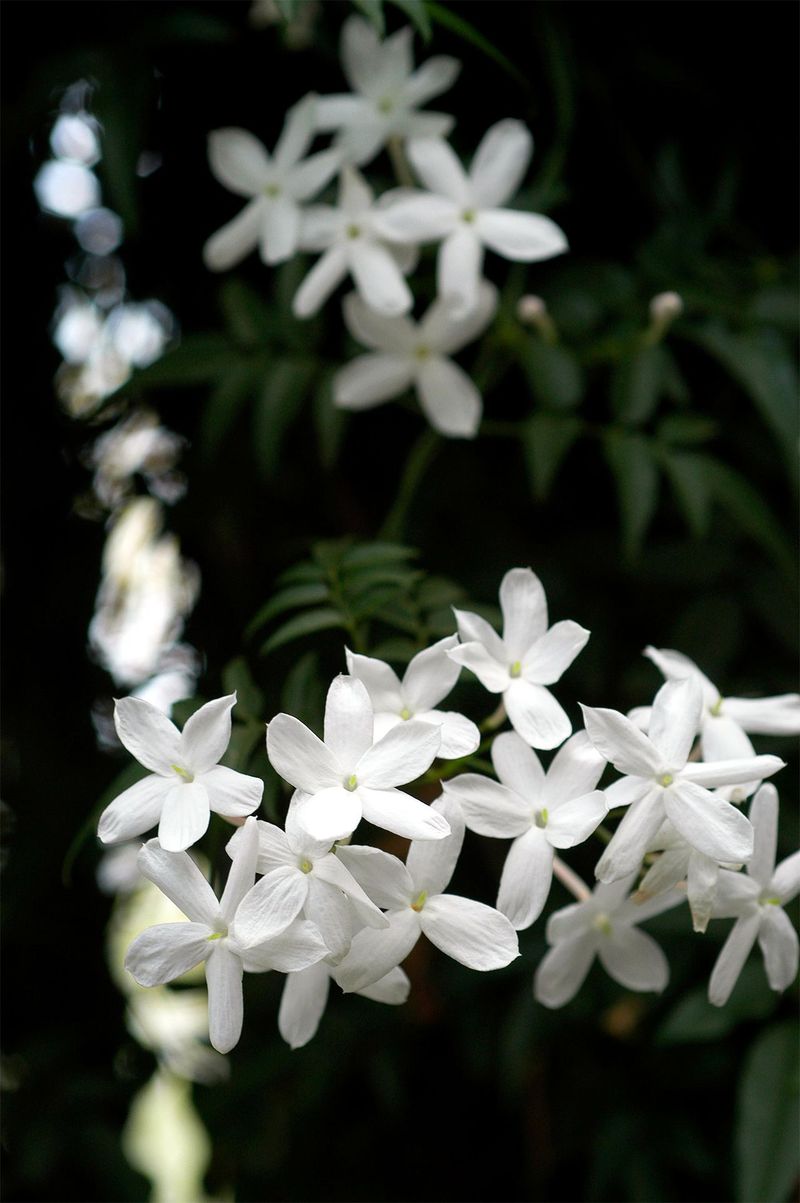
Jasmine is celebrated for its enchanting fragrance that fills the evening air. Its star-shaped white flowers add a romantic touch to any garden.
This climbing plant thrives in warm climates and can adorn fences and trellises beautifully. The fragrance is most potent at night, offering a delightful sensory experience.
Jasmine’s aroma is linked to relaxation and is often used in aromatherapy. This plant not only beautifies gardens but also soothes the senses, making it an essential part of a calming oasis.
6. Scented Geraniums
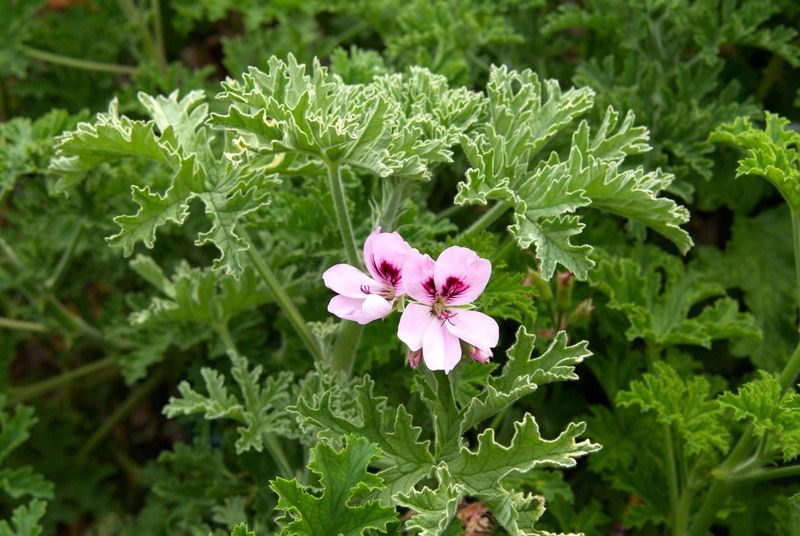
Scented geraniums offer a diverse range of fragrances, from citrus to rose. The leaves, when touched, release these delightful scents.
This variety in aroma makes them a versatile choice for sensory gardens. They thrive in sunny spots and well-drained soil.
Each type of scented geranium has uniquely shaped leaves, adding to their visual appeal. Their versatility in fragrance and form makes them a cherished addition to any garden, bringing both scent and texture into the sensory experience.
7. Honeysuckle
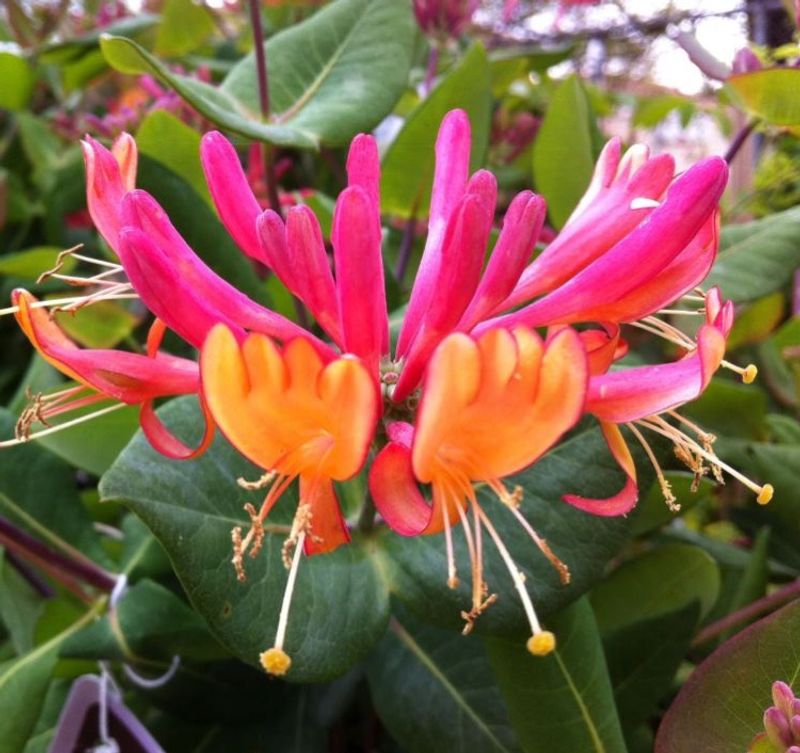
Honeysuckle is known for its sweet aroma and vibrant flowers, which attract hummingbirds and butterflies. This vine is perfect for trellises and fences.
Its tubular flowers come in shades of yellow, orange, and sometimes red, offering a splash of color. Honeysuckle thrives in sunny to partially shaded areas.
The scent is sweetly intoxicating, often used in perfumes. This plant not only enhances the garden’s beauty but also its ecological richness, making it a delightful choice for sensory gardening.
8. Thyme
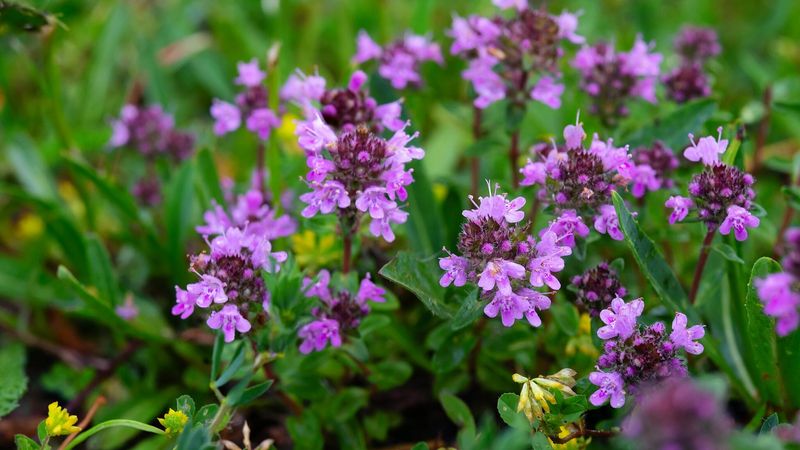
Thyme offers a subtle aroma reminiscent of earthy woodlands, perfect for a sensory garden. Its small, fragrant leaves are a culinary delight.
The plant produces tiny purple flowers that bees love, promoting garden biodiversity. It prefers sunny spots and well-drained soil.
Thyme is drought-resistant, making it ideal for sustainable gardening. Its understated presence belies its aromatic strength and culinary versatility. This herb is a staple in sensory gardens, bringing a touch of nature’s simplicity and charm.
9. Eucalyptus
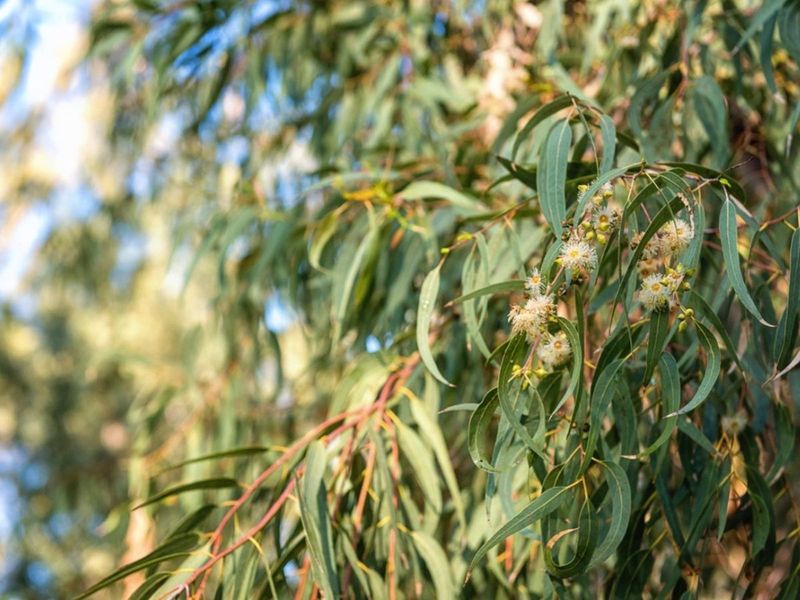
Eucalyptus is famed for its refreshing, menthol-like scent. Its tall stature and silver-blue leaves create a striking visual.
Often used in landscaping, eucalyptus trees can provide shade and a unique aroma. They thrive in well-drained soils and can tolerate drought.
The leaves release their scent when crushed, adding to the sensory experience. Eucalyptus not only offers visual grandeur but also a distinctive fragrance, making it a versatile addition to gardens focused on sensory appeal.
10. Chamomile
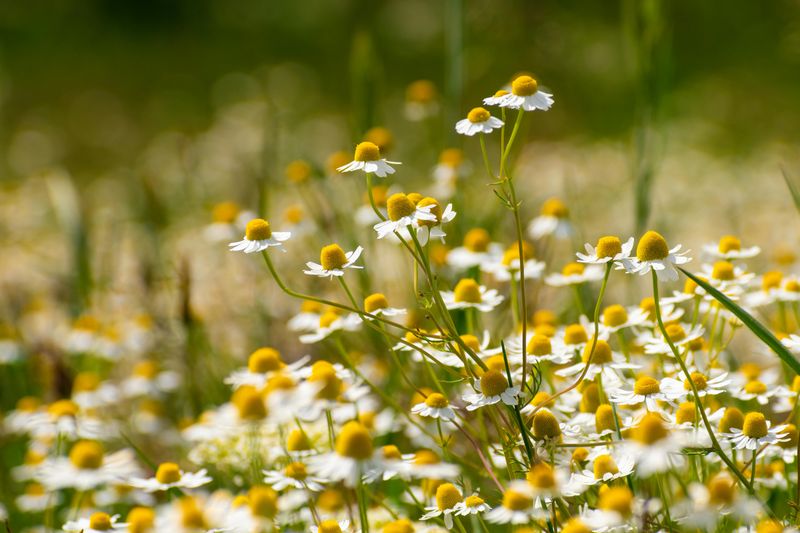
Chamomile is beloved for its apple-like fragrance and daisy-like flowers. Its calming scent is often associated with relaxation.
The small, cheerful flowers attract pollinators, enriching the garden’s ecosystem. Chamomile thrives in sunny spots with well-drained soil.
Beyond its beauty, chamomile is known for its use in soothing teas. It’s a plant that invites peace and tranquility, embodying the essence of a calming oasis. Chamomile’s gentle presence and delightful fragrance make it a favorite for sensory gardens.
11. Lemon Balm
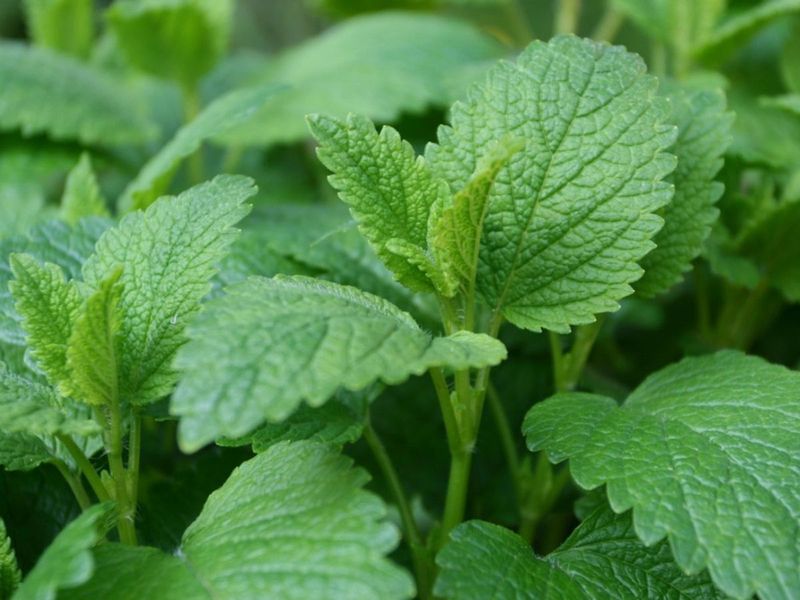
Lemon balm offers a refreshing citrus scent that invigorates the senses. Its heart-shaped leaves add charm to the garden.
This herb is known for its calming properties, often used in teas for relaxation. It prefers sunny locations and well-drained soil.
The lemony fragrance is released when the leaves are rubbed, enhancing the sensory experience. Lemon balm’s ability to uplift and relax makes it a treasured addition to any sensory garden, providing both visual and aromatic appeal.
12. Yarrow
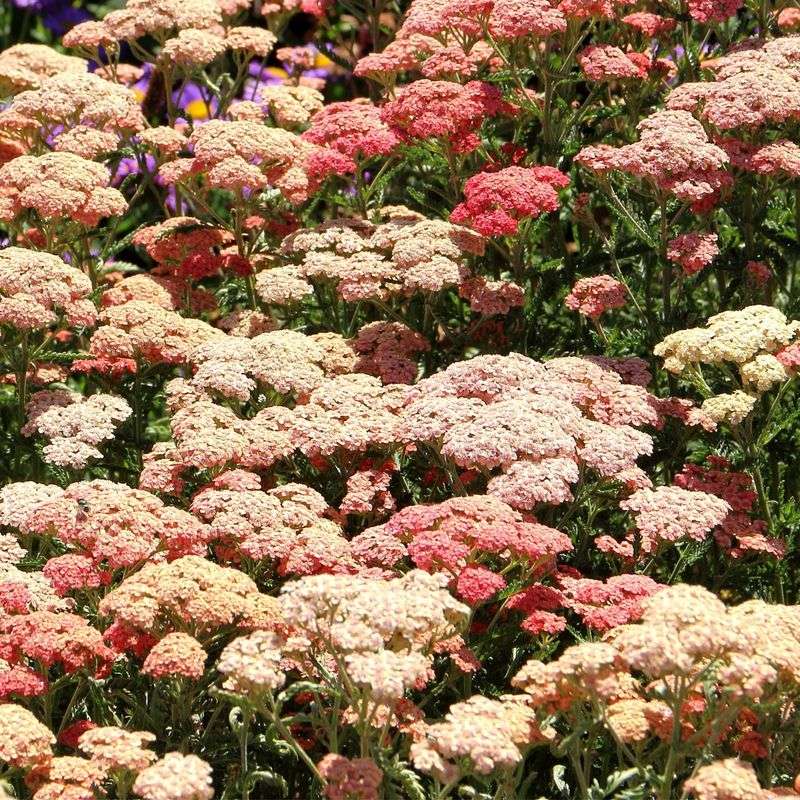
Yarrow is celebrated for its clusters of tiny, delicate flowers and feathery foliage. It adds a soft texture to any garden.
The flowers come in pastel shades, attracting butterflies and bees. Yarrow thrives in sunny, well-drained areas and is drought-tolerant.
Beyond its beauty, yarrow has been used traditionally for its medicinal properties. This plant adds both visual interest and practical benefits to the garden, embodying resilience and charm. Yarrow is a testament to nature’s understated elegance in sensory gardening.
13. Basil
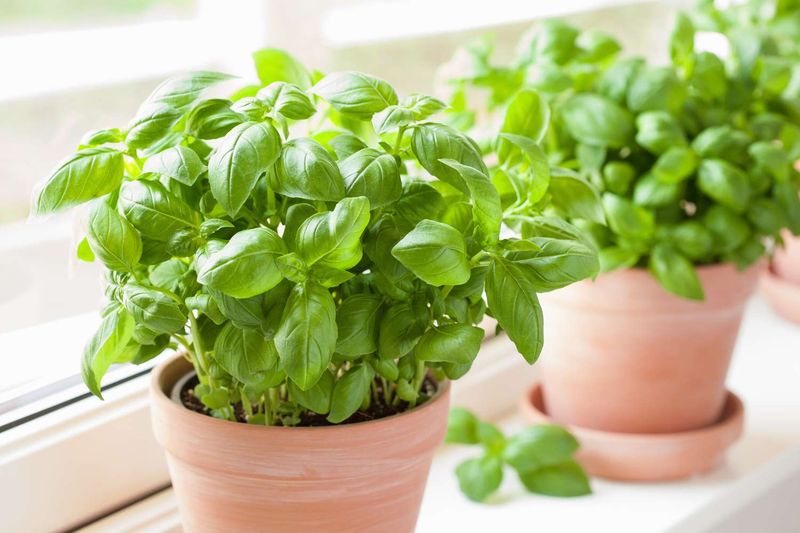
Basil is a sensory delight with its sweet, peppery aroma that captivates the senses. Its lush, green leaves add to its appeal.
This herb is a culinary staple, enhancing dishes with its unique flavor. Basil thrives in sunny conditions with rich, well-drained soil.
The scent is most potent when the leaves are crushed, making it an engaging addition to sensory gardens. Basil’s vibrant presence and aromatic qualities make it a beloved plant, perfect for those who appreciate both beauty and utility.
14. Sage
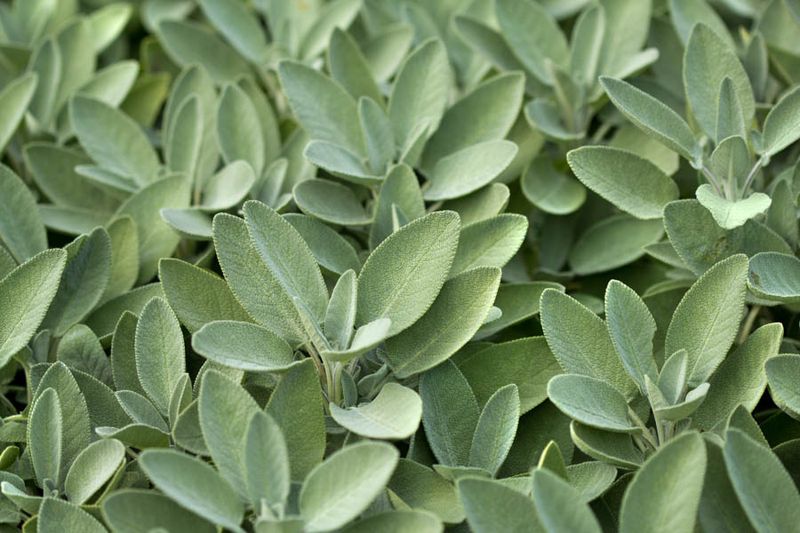
Sage offers a warm, earthy aroma that evokes a sense of nostalgia. Its soft, gray-green leaves are also visually appealing.
This herb is known for its culinary and medicinal uses, thriving in sunny, dry conditions. Sage’s aroma intensifies when the leaves are rubbed.
It’s a resilient plant, resistant to drought and pests. Sage’s comforting scent and easygoing nature make it a cherished addition to sensory gardens, providing both aroma and resilience. It’s a plant that embodies wisdom and tradition.
15. Lavender Cotton (Santolina)
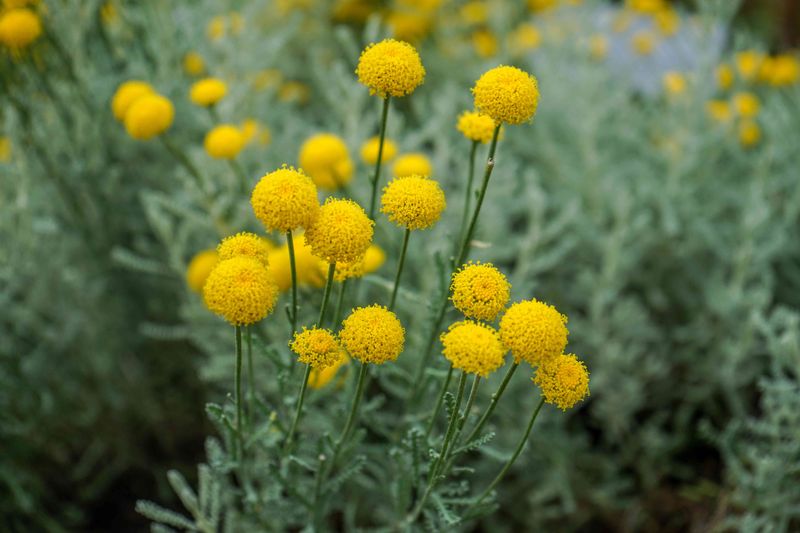
Lavender Cotton, or Santolina, is known for its dense, silver-gray foliage and bright yellow flowers. It offers a unique texture.
The plant’s aromatic leaves release a pleasant scent when brushed against. It thrives in sunny, dry conditions, perfect for sustainable gardens.
The bright flowers add a pop of color, attracting pollinators. Lavender Cotton’s distinctive appearance and fragrance make it a standout in sensory gardens, offering both visual interest and aromatic delight.
16. Gardenia
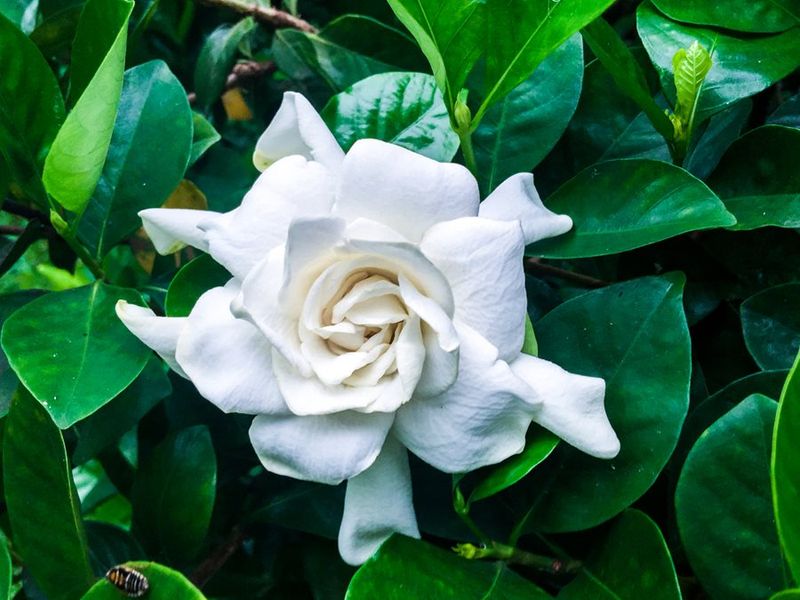
Gardenia is famed for its intoxicating fragrance and creamy white flowers. Its glossy leaves add to its lush appearance.
This plant prefers partial shade and well-drained soil, bringing elegance to garden corners. The scent is rich and captivating.
Gardenia’s blooms are often used in perfumes, symbolizing purity and beauty. It’s a plant that captures the essence of elegance and aroma, making it a cherished addition to sensory gardens.
17. Calendula
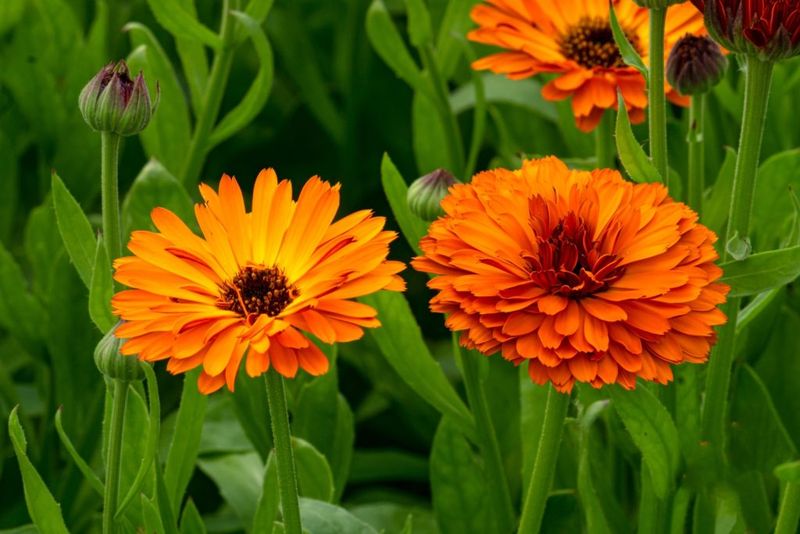
Calendula is known for its cheerful blossoms and soothing properties. The vibrant orange and yellow flowers uplift the garden.
This plant thrives in sunny locations with well-drained soil. Its blooms attract pollinators, enhancing the garden’s ecosystem.
Beyond its beauty, calendula is used in natural remedies for its healing properties. It’s a plant that brings both color and utility to sensory gardens, embodying warmth and vitality.
18. Dianthus
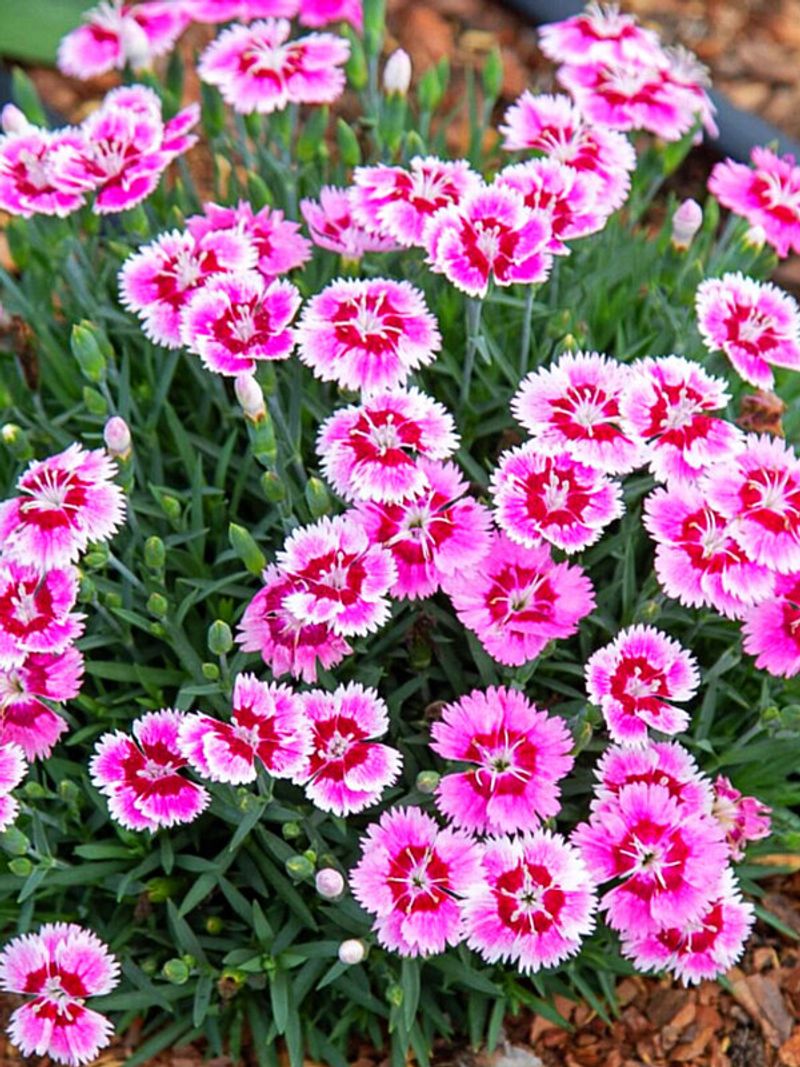
Dianthus, with its fringed petals and spicy fragrance, offers a unique sensory experience. The flowers add elegance to any garden.
They bloom in shades of pink, red, and white, thriving in sunny, well-drained areas. Their scent is reminiscent of cloves.
Dianthus is not only beautiful but also attracts pollinators, contributing to a vibrant garden ecosystem. This plant’s charming appearance and distinctive fragrance make it a delightful choice for sensory gardens, embodying both beauty and aroma.
19. Catmint
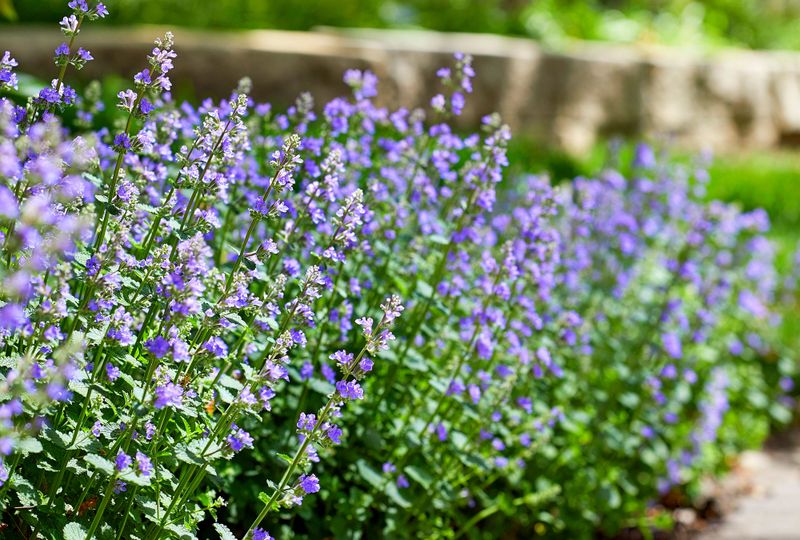
Catmint offers a subtle minty aroma and lavender-blue blooms. Its fuzzy leaves add texture to the garden.
This plant is drought-resistant and thrives in sunny spots, making it a practical choice for sustainable gardening. Catmint attracts bees and butterflies, enhancing biodiversity.
Beyond its beauty, catmint is known for its calming properties, often used in teas. It’s a plant that combines visual appeal with aromatic delight, perfect for creating a peaceful sensory garden.
20. Sweet Alyssum
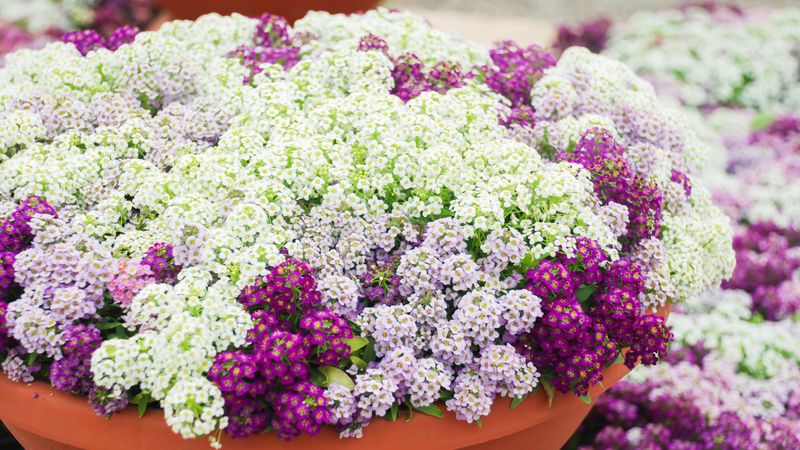
Imagine a garden blanketed in a carpet of tiny blooms, each one whispering the sweet fragrance of honey. Sweet Alyssum, with its cloud-like clusters of white and purple flowers, is an aromatic delight that invites tranquility.
Plant it along pathways or in pots to enjoy its soothing scent all summer. Its low-growing habit makes it perfect for borders, creating a soft, floral edge. Not just a treat for the senses, it attracts beneficial insects, adding life to your garden.
Did you know? Sweet Alyssum thrives in cool weather, making it a lovely choice for June gardens!