 Complete Gardening
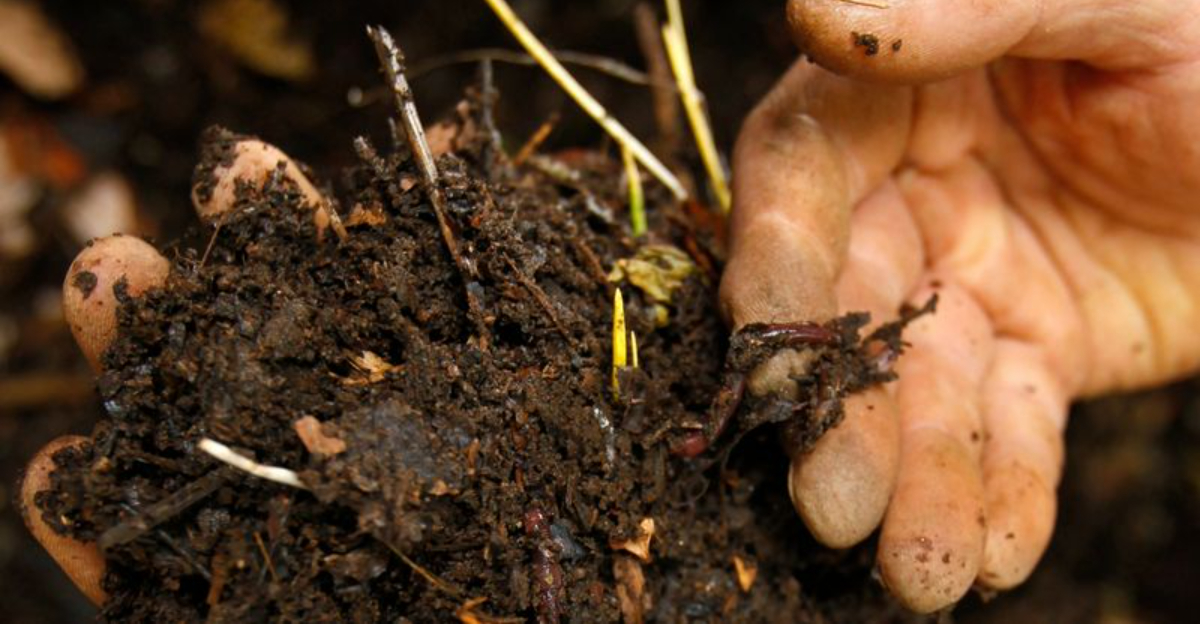
Explore the fascinating world of soil bacteria and how they play an essential role in gardening.
These microscopic allies work behind the scenes, enriching the soil and promoting plant health in ways that might surprise even seasoned gardeners.
1. Nature’s Decomposers: Recycling Organic Matter
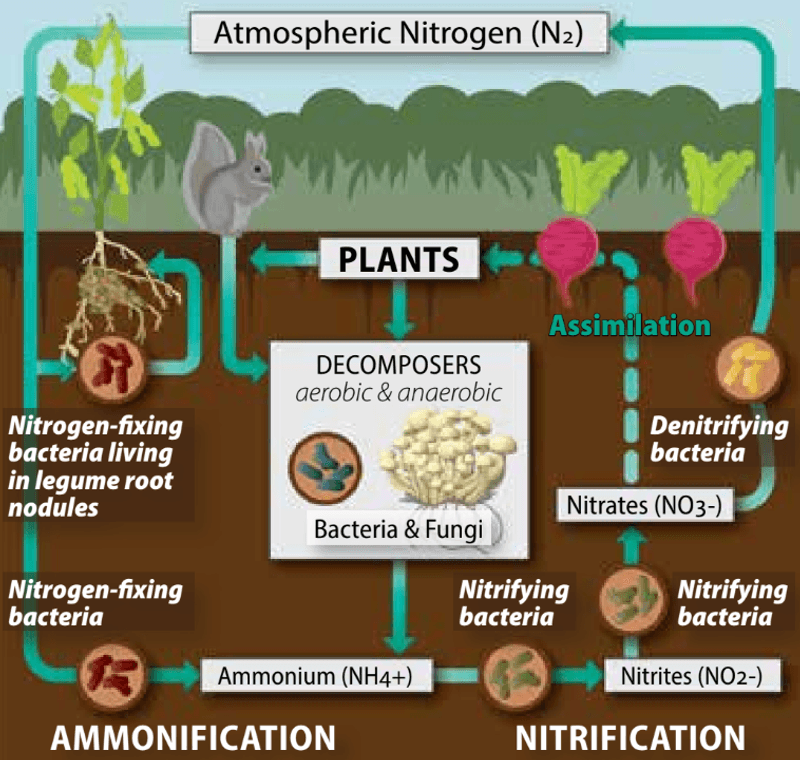
Imagine a world where leftovers are turned into nutrients. Soil bacteria work tirelessly to decompose organic matter like fallen leaves and dead roots. Through this culinary process, waste transforms into humus, a dark, nutrient-rich material. This beautiful cycle doesn’t just enrich the soil; it reduces dependency on synthetic fertilizers. Gardening becomes more sustainable, more connected to nature. Next time you see leaves falling, think of the unseen chefs at work, turning what was once lifeless into the nourishing earth that sustains life. A symbiotic relationship exists between decomposition and renewal, quietly shaping our gardens.
2. Nutrient Cyclers: Making Nutrients Bioavailable
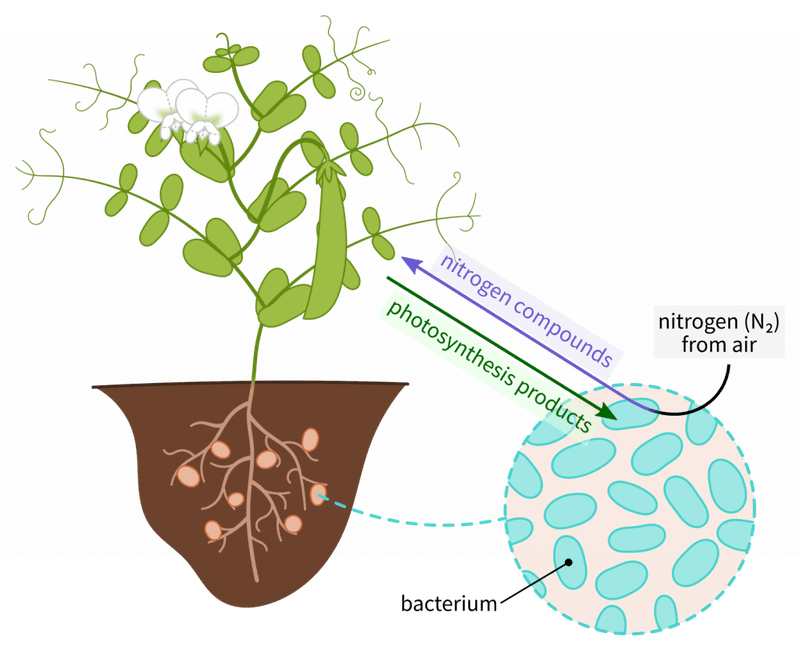
Rhizobium and its bacterial colleagues are like dedicated postmen delivering essential nutrients. They specialize in converting atmospheric nitrogen into a form plants can absorb. Phosphate-solubilizing bacteria play their part too, unlocking phosphorus from the soil. Without these microscopic friends, essential nutrients would remain inaccessible, leaving plants hungry. Imagine an orchestra where each musician plays their part in a symphony of growth. Bacteria are the unsung heroes, conducting the natural flow of nutrients, ensuring that every root receives its share of life’s essentials.
3. Root Boosters: Forming Symbiotic Relationships
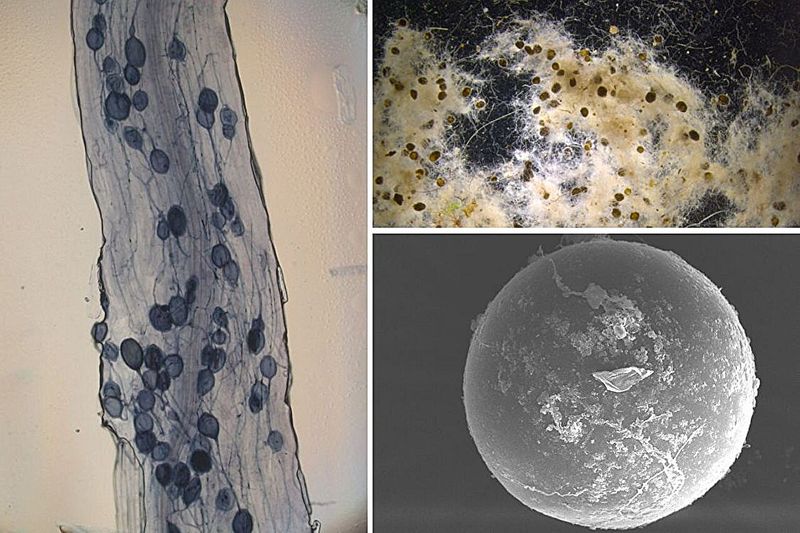
Bacteria are the secret guardians of the rhizosphere, where they form biofilms around plant roots. These microscopic allies boost nutrient absorption and water uptake. Some even stimulate the production of plant hormones, spurring root growth and stronger stems. Imagine a hidden community bustling beneath our feet, silently working to enhance plant vitality. These symbiotic relationships are the backbone of a thriving garden, where roots grow robust, achieving their full potential. The soil teems with life, a bustling metropolis of cooperation and growth.
4. Natural Pest and Disease Suppressors
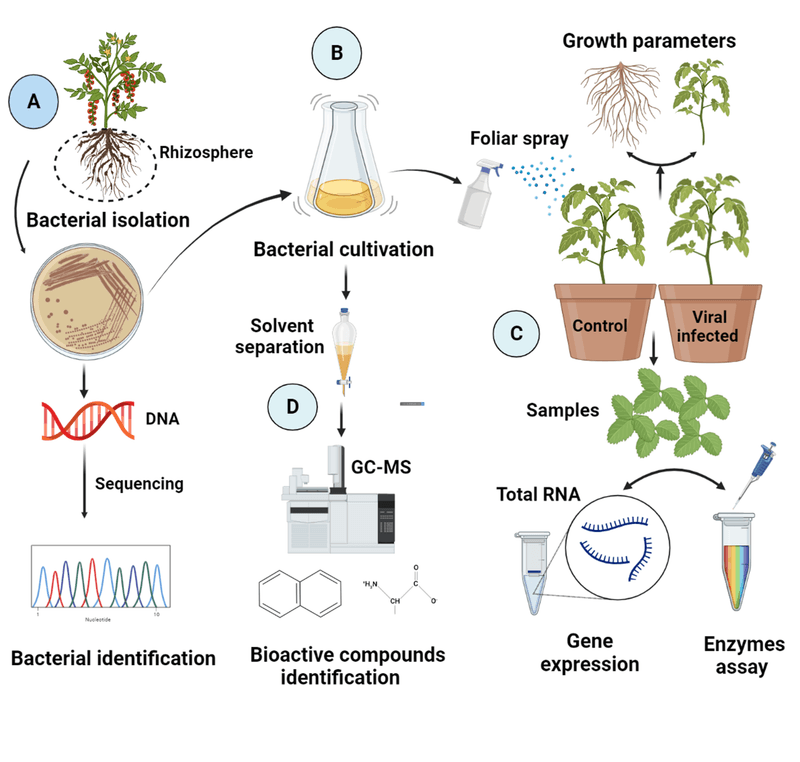
Bacillus subtilis and its bacterial kin defend plants like vigilant guardians. They produce antibiotics and antifungal compounds, suppressing harmful pathogens. This biological warfare reduces the risk of root rot, wilt, and infections. Picture a peaceful garden protected by invisible forces, where health prevails over disease. Bacteria outcompete harmful organisms, securing space and resources for beneficial microbes. These natural pest control agents are an integral part of maintaining a flourishing garden, where nature takes charge, providing balance and harmony without synthetic aids.
5. Soil Structure Improvers
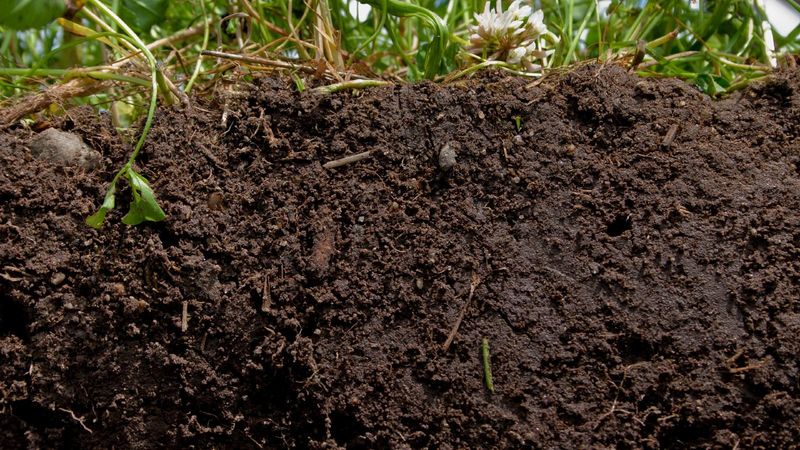
Bacteria weave a tapestry in the soil, secreting sticky substances that bind particles together. This improves the soil’s structure, enhancing aeration, water retention, and drainage. Picture a well-built house where each brick fits perfectly, creating stability. Good soil structure means healthy roots, robust plants, and an ecosystem in balance. Bacteria are the architects of this underground world, crafting the foundation for life to thrive. A garden with well-structured soil is a testament to the invisible design and diligent work of these microbial builders.
6. Compost Champions
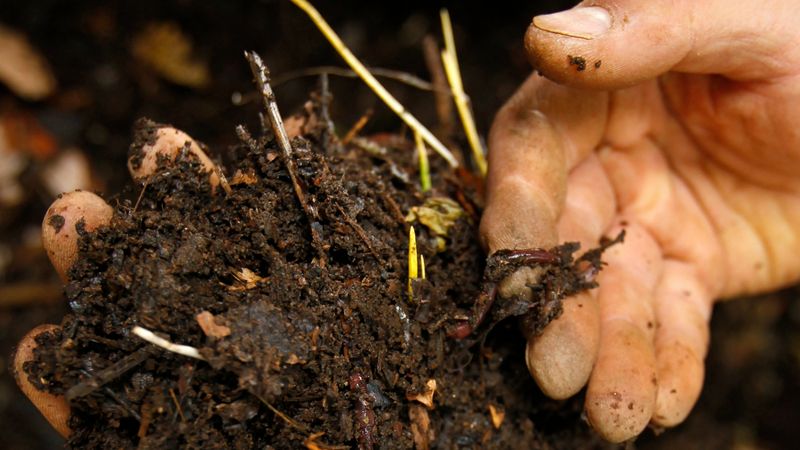
Bacteria are the unsung champions of compost, transforming organic waste into black gold. They thrive in the hot phase, breaking down proteins and fats. As the pile cools, mesophilic bacteria take over, fine-tuning the compost into a stable, plant-friendly medium. Imagine a bustling kitchen where ingredients are masterfully transformed into a nutritious feast. The compost pile is alive with activity, a testament to the bacteria’s tireless work. They ensure that nothing goes to waste, turning scraps into a vital resource for gardens to flourish.
7. Indicators of Soil Health
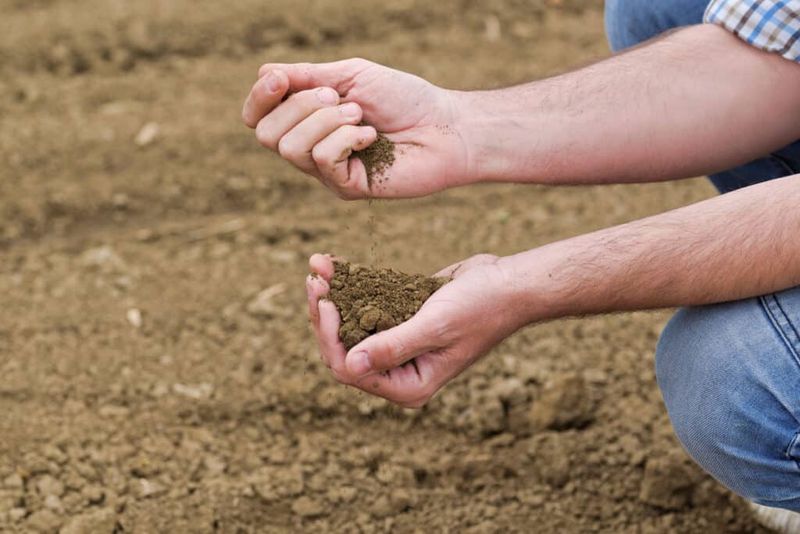
A thriving bacterial population signals healthy soil. You can measure this through microbial biomass or observe indicators like fast composting and resilient plants. Earthworm activity also reveals soil vitality, as worms feast on microbes. Picture a lively community where signs of life abound, a garden in harmony with its microbial inhabitants. Poor bacterial activity hints at compacted or chemically overtreated soil, lacking the vibrancy of a living ecosystem. Healthy bacteria mean a thriving garden, where every layer of soil pulses with energy and potential.
8. How to Support Beneficial Soil Bacteria
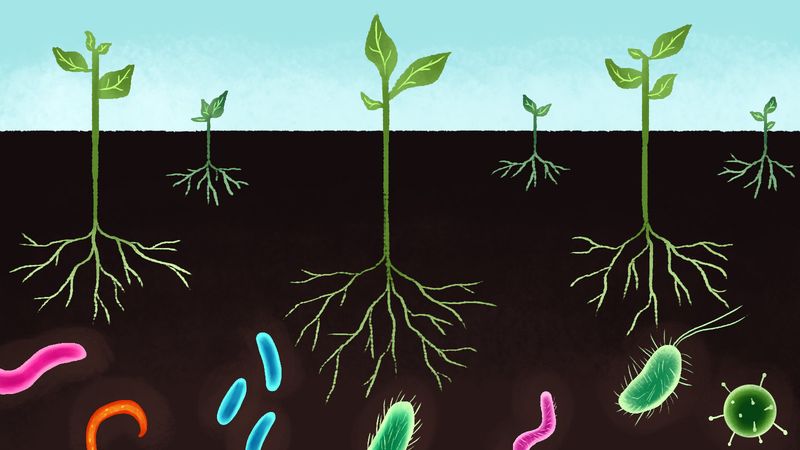
Supporting soil bacteria is akin to nurturing a friendship. Add organic matter like compost and mulch regularly. Avoid harsh chemicals, and embrace low-till methods. Microbial inoculants, like compost teas, can enhance bacterial diversity. Imagine a gardener as a harmony keeper, balancing care with nature’s rhythm. Moist, well-tended soil becomes a sanctuary for beneficial microbes. This partnership fosters a garden that thrives naturally, a space where human touch and microbial magic coexist in balance. It’s a commitment to sustainable gardening and a celebration of life’s invisible allies.