 Complete Gardening
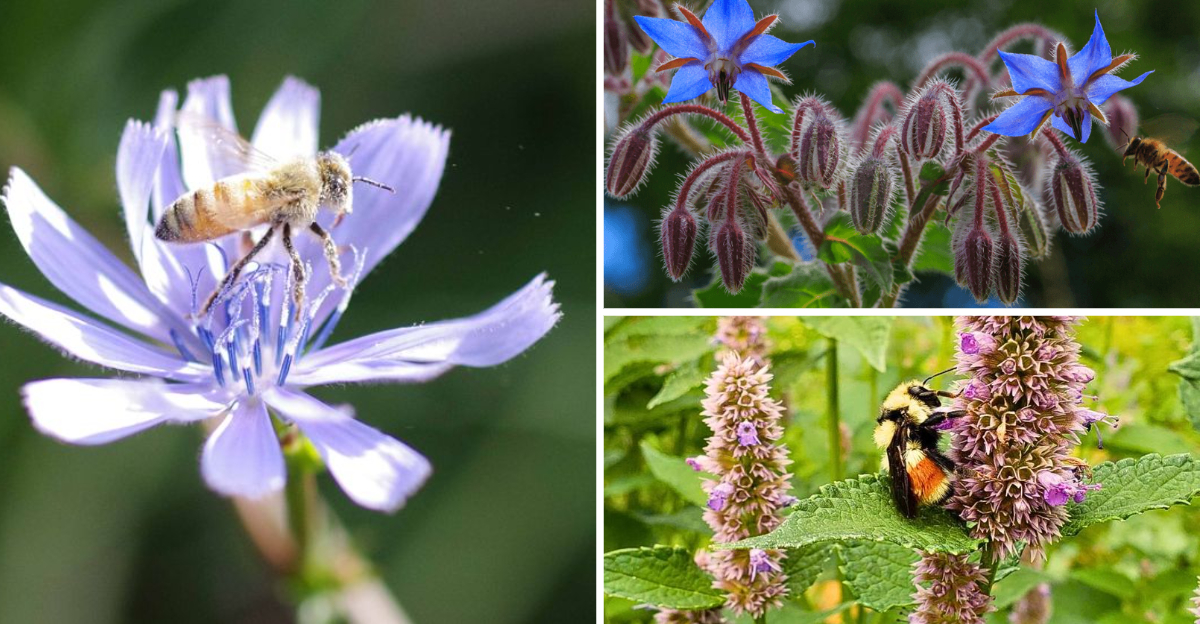
Discover the unsung heroes of the garden world, hidden gems that attract bees more effectively than traditional choices. These 29 plants not only provide essential nectar but also add unique beauty to your garden.
1. Chicory
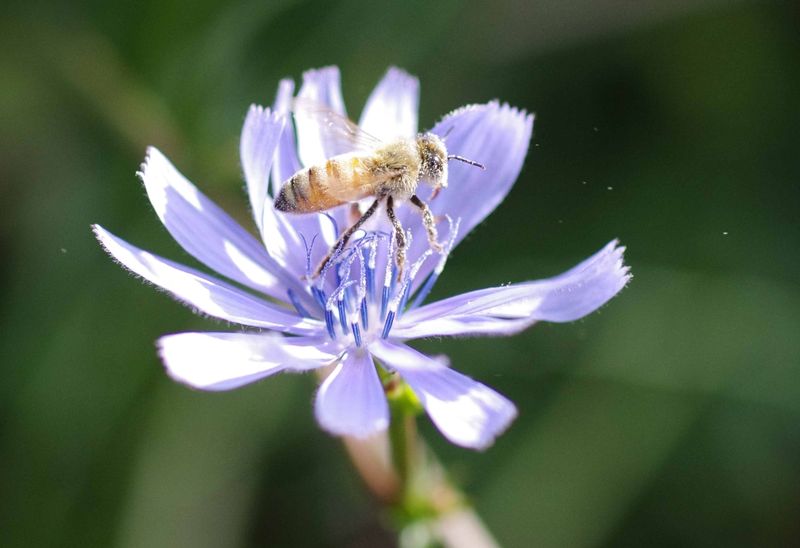
With its striking blue flowers, Chicory is a visual delight and a bee favorite. Unlike common garden plants, Chicory’s blossoms open with the sun and close as it sets, offering a midday feast for local pollinators.
The plant’s resilience under harsh conditions makes it a valuable addition to any garden. Its deep roots help aerate the soil, benefiting surrounding flora.
Known for its historical use as a coffee substitute during tough times, Chicory continues to surprise with its bee-friendly properties. Gardeners seeking unique additions will find it an unexpected gem.
2. Borage
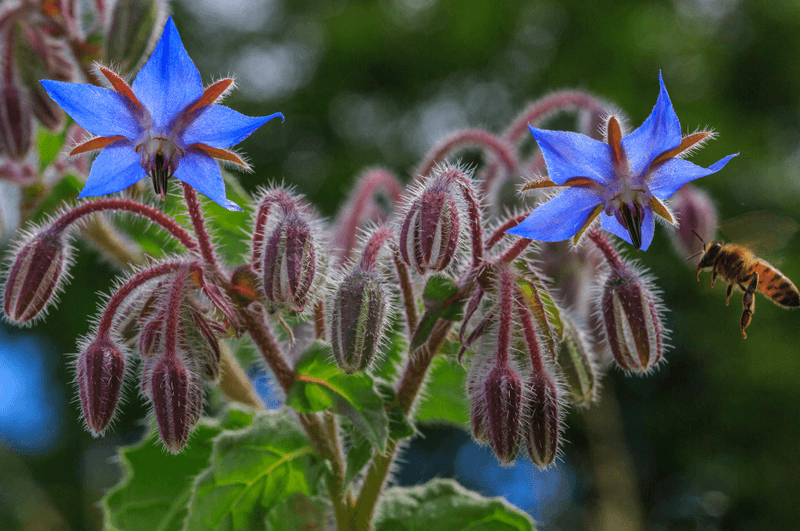
Borage, with its starry blue flowers, is more than just a pretty face in the garden. This annual herb is a bee magnet, producing nectar-rich blooms throughout the growing season.
Its self-seeding nature ensures a continuous presence, making it a low-maintenance favorite among gardeners. Borage leaves are also edible, adding a cucumber-like flavor to salads.
Historically, Borage was believed to bring courage, a fitting trait for such a robust, bee-attracting plant. Its ability to thrive in various conditions makes it a versatile and charming choice.
3. Anise Hyssop
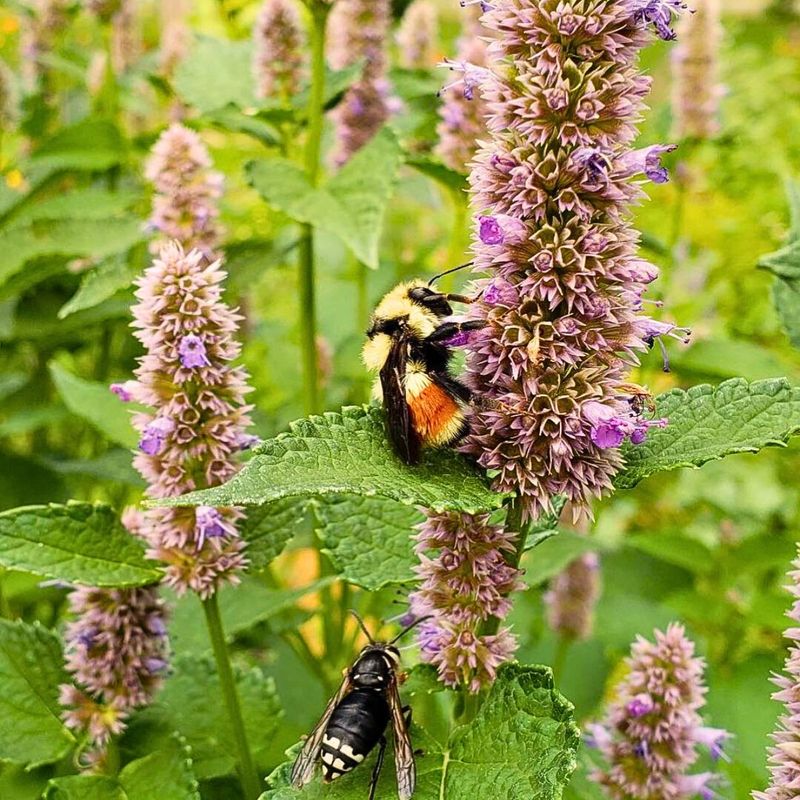
Anise Hyssop stands out with its tall spikes of purple flowers and licorice-scented leaves. Bees flock to its blossoms, ensuring a lively garden atmosphere.
This perennial is drought-resistant and thrives in well-drained soil, making it a practical choice for eco-conscious gardeners. Its aromatic leaves can be used in teas, adding another dimension to its appeal.
Anise Hyssop has a rich history in herbal medicine and folklore, celebrated for its soothing properties. Its vibrant blooms and bee-friendly nature make it a must-have for pollinator gardens.
4. Joe-Pye Weed
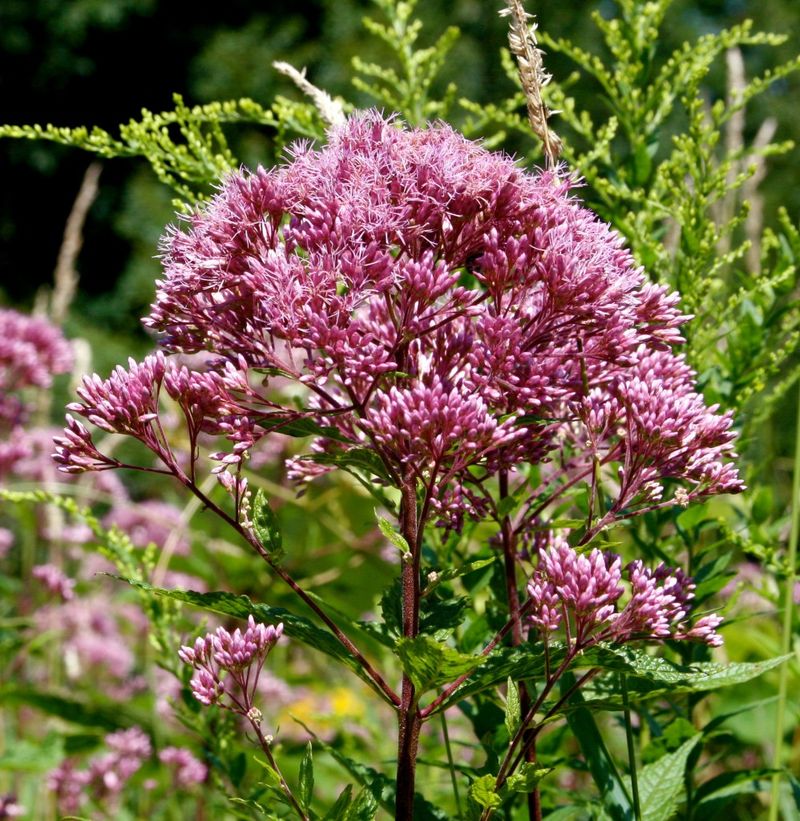
Joe-Pye Weed, often overlooked, dazzles with its towering height and clusters of mauve flowers. Bees adore the abundant nectar, making it a pollinator’s paradise.
Its presence in the garden adds architectural interest, while its ability to thrive in moist soil makes it ideal for rain gardens. Joe-Pye Weed is named after a Native American herbalist, reflecting its historic medicinal use.
This perennial plant harmonizes beautifully with other wildflowers, offering both aesthetic and ecological benefits. Its bee-friendly blossoms are a hidden treasure for gardeners seeking diversity.
5. Sedum
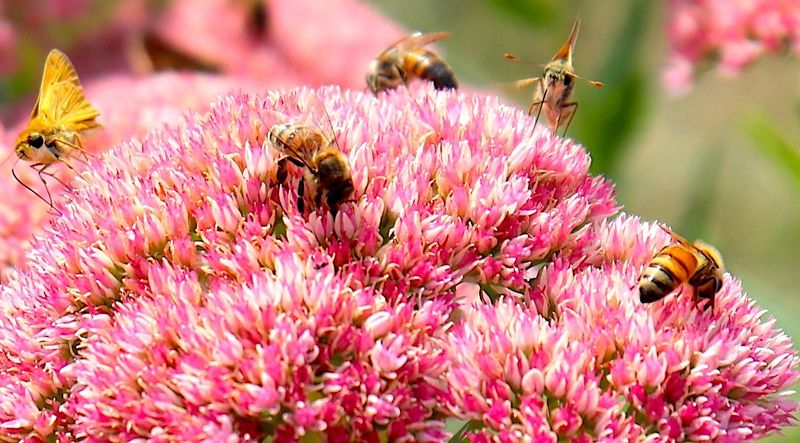
Sedum, known for its succulent leaves and late-season blooms, provides crucial nectar when most flowers have faded. Its vibrant flowers attract bees, ensuring activity in autumn gardens.
This plant thrives in poor soil, making it perfect for rock gardens and roof gardens. Sedum’s low water requirements also make it an eco-friendly choice.
Historically, Sedum has been used in traditional medicine for its healing properties. Its resilience and usefulness in drought-prone areas make it an invaluable addition for those aiming to support pollinators year-round.
6. Bee Balm
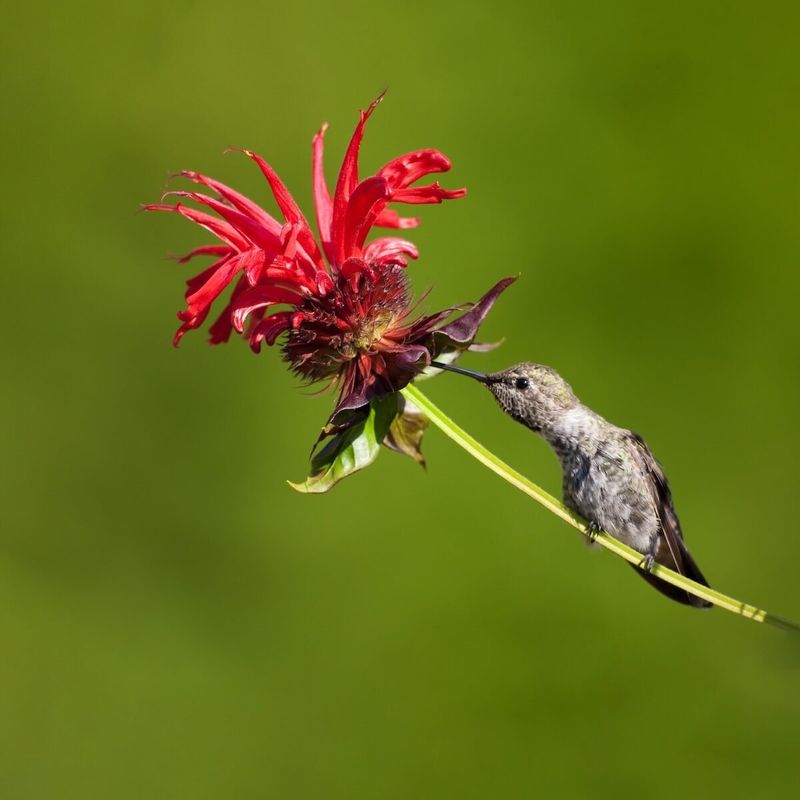
Bee Balm captivates with its vibrant red and pink blooms, which are irresistible to bees. Its spicy-scented leaves add an aromatic touch to any garden.
This perennial is known for its ability to attract not only bees but also hummingbirds, making it a dynamic addition to wildlife gardens. Bee Balm thrives in sunny spots and well-drained soil.
Its historical use by Native Americans for medicinal purposes underscores its multifaceted appeal. The plant’s lively flowers and robust growth ensure it stands out as a pollinator-friendly option.
7. Culver’s Root
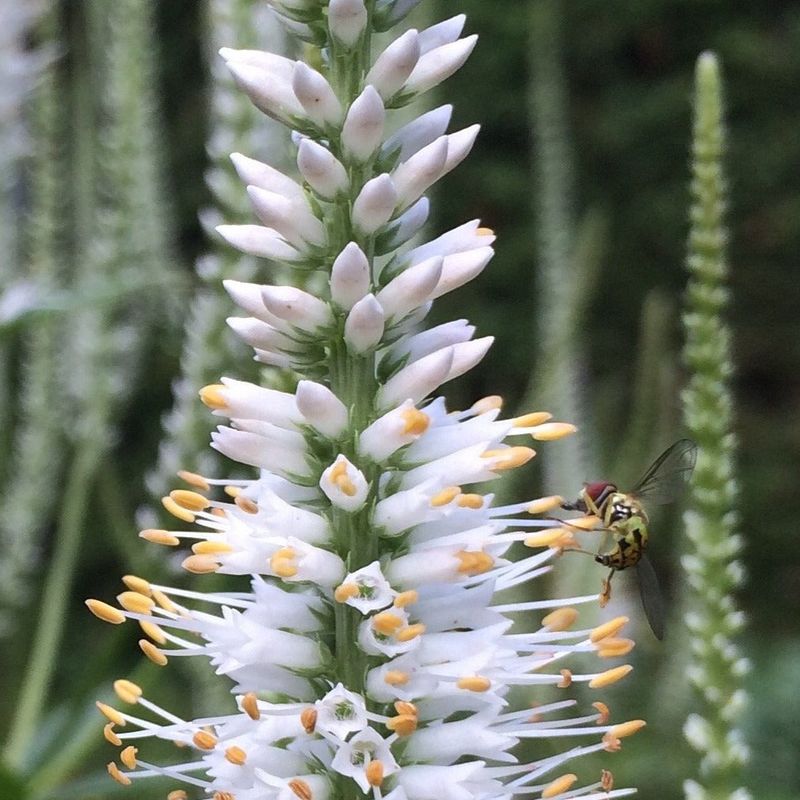
Culver’s Root, with its elegant white spires, offers a striking visual contrast in any garden. Bees are drawn to its nectar-rich flowers, making it a pollinator hotspot.
This perennial thrives in full sun and moist soil, providing height and texture alongside other perennials. Its medicinal use in traditional remedies highlights its historical significance.
Culver’s Root’s graceful appearance and bee-friendly nature make it an exceptional choice for gardeners seeking both beauty and ecological benefits. It’s a standout performer in any pollinator garden.
8. Agastache
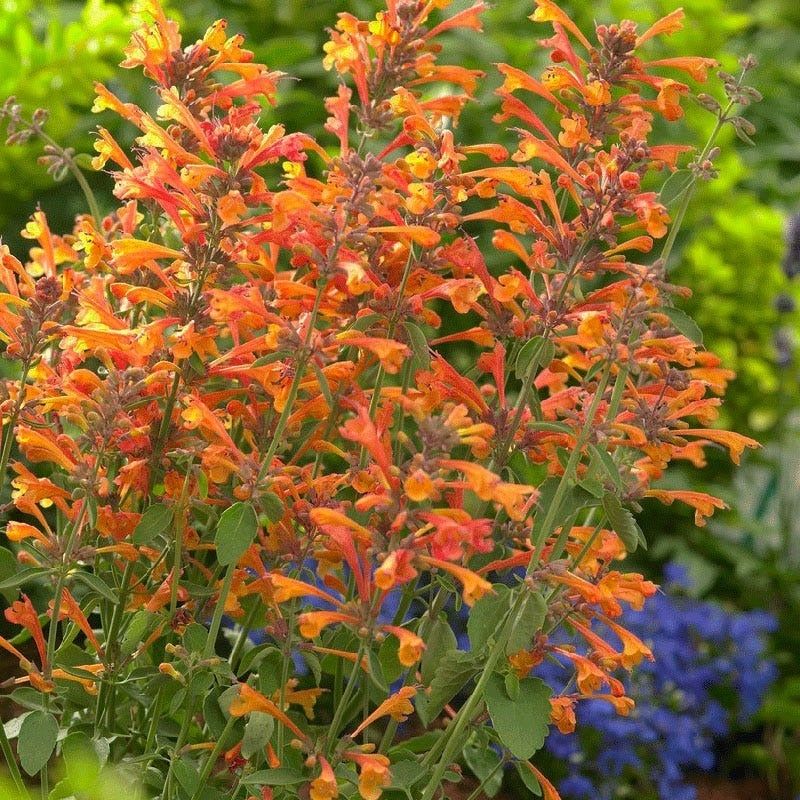
Agastache, often called Hummingbird Mint, is a feast for pollinators with its bright orange flowers and aromatic foliage. Bees can’t resist its sweet nectar.
This plant’s drought tolerance and long blooming period make it a practical choice for water-wise gardens. Agastache’s leaves are often used in teas, adding to its culinary appeal.
With its origins in the southwestern US, Agastache thrives in hot, dry climates. Its vibrant blooms and ability to attract a variety of pollinators make it an essential addition to diverse gardens.
9. Catmint
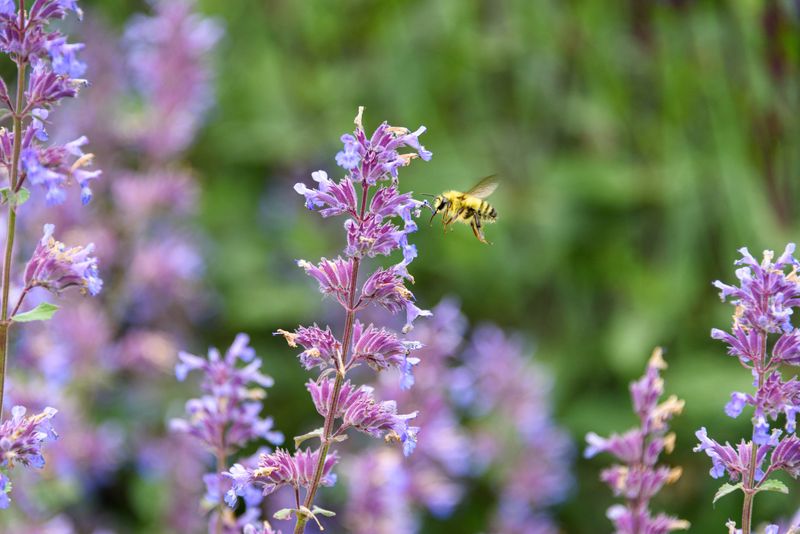
Catmint, with its soft, lavender-blue flowers, offers a calming presence in the garden. Bees adore its abundant blooms, making it a reliable choice for pollinator support.
This perennial’s silvery foliage adds texture and contrast, while its drought resistance suits a range of garden styles. Catmint can be used to edge borders, creating a cohesive look.
Historically favored for its medicinal properties, Catmint continues to charm with its bee-attracting abilities. Its easy-to-grow nature and soothing aesthetic make it a delightful addition to any garden.
10. Goldenrod
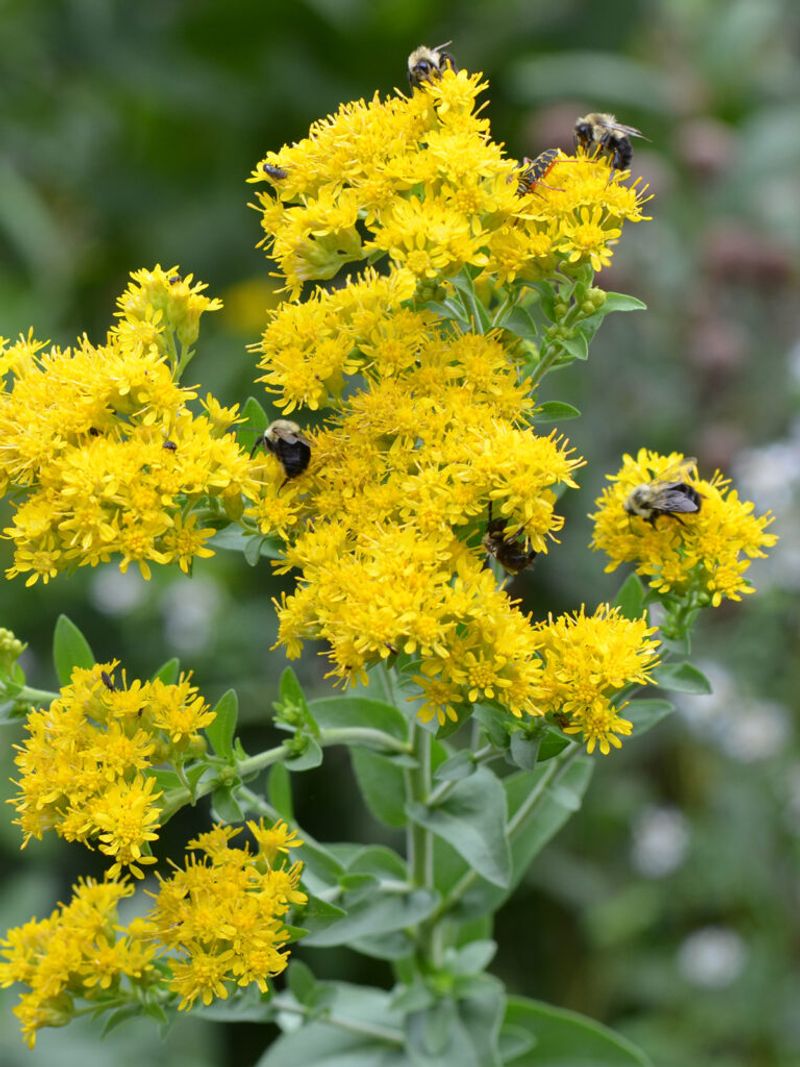
Goldenrod, often mistaken for a cause of allergies, is actually a vital bee plant. Its bright yellow flowers bloom in late summer, providing much-needed nectar.
This hardy perennial thrives in a variety of soil conditions, adding a splash of color to naturalized settings. Goldenrod’s resilience and ecological value make it a staple in pollinator gardens.
Its historical use in natural remedies and dyes highlights its versatility. The plant’s ability to attract numerous pollinators ensures it plays a key role in maintaining garden biodiversity.
11. Ironweed
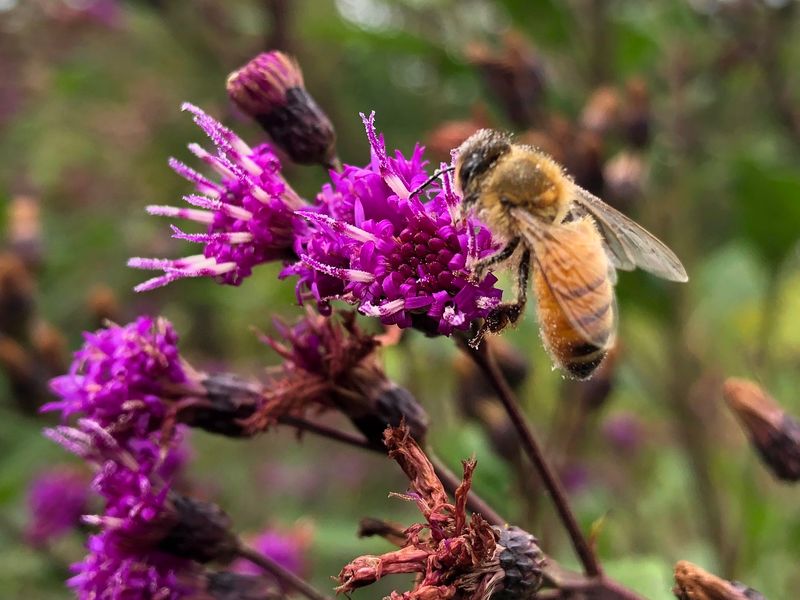
Ironweed stands tall with its vivid purple flowers, creating a dramatic backdrop in any garden. Bees are irresistibly drawn to its nectar-rich blooms.
This tough perennial flourishes in moist soil, making it ideal for rain gardens or alongside streams. Its height and vibrant color add dimension to garden landscapes.
Named for its stout stems, Ironweed’s durability is matched by its ecological contributions. Its historical use in traditional medicine further enhances its allure. The plant’s bee-friendly nature and striking appearance make it a garden standout.
12. Baptisia
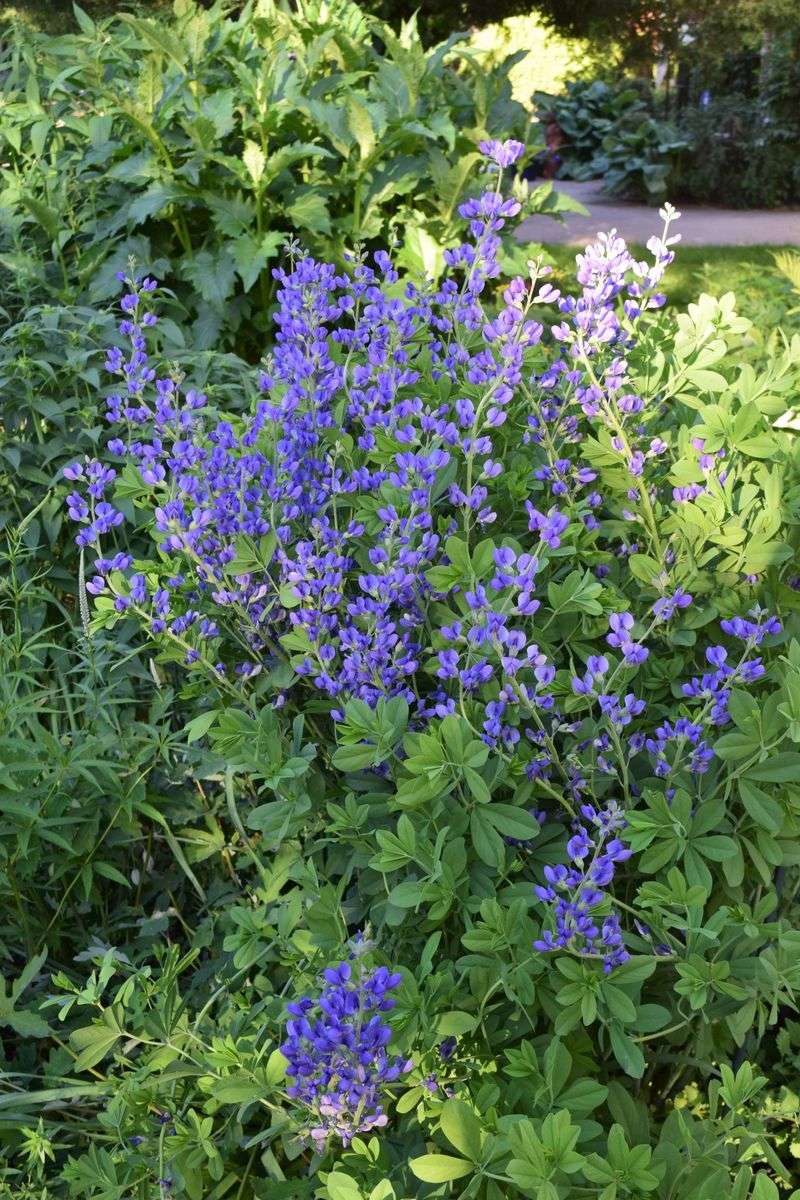
Baptisia, or False Indigo, enchants with its pea-like blue flowers and lush foliage. Bees frequent its blooms, making it a valuable pollinator plant.
This perennial thrives in well-drained soil and full sun, providing seasonal interest with its seed pods. Baptisia’s roots contribute to soil health by fixing nitrogen, benefiting surrounding plants.
Historically used by Native Americans as a dye, Baptisia continues to impress with its multifaceted benefits. Its unique beauty and ecological value make it a worthy addition to any garden focused on biodiversity.
13. Liatris
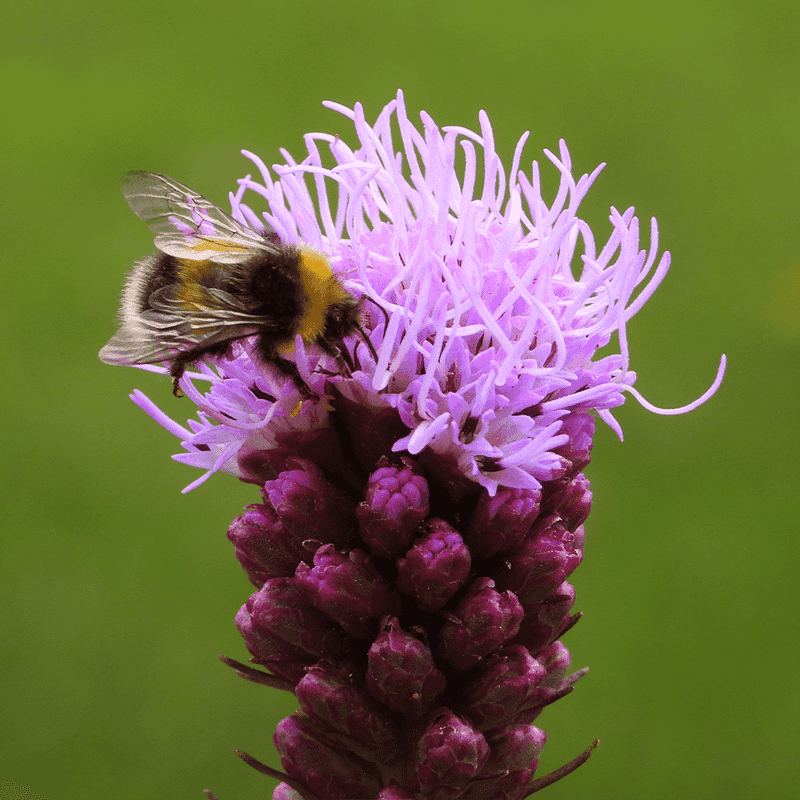
Liatris, with its feathery purple spikes, captivates both bees and gardeners alike. Known as Blazing Star, its blooms provide essential nectar during summer.
This perennial thrives in poor soil and full sun, making it suitable for prairie gardens. Liatris also offers structural interest with its vertical growth habit.
Historically used by Native Americans for medicinal purposes, Liatris adds cultural depth to its ecological contributions. Its ability to attract a variety of pollinators underscores its importance in sustaining garden biodiversity.
14. Comfrey
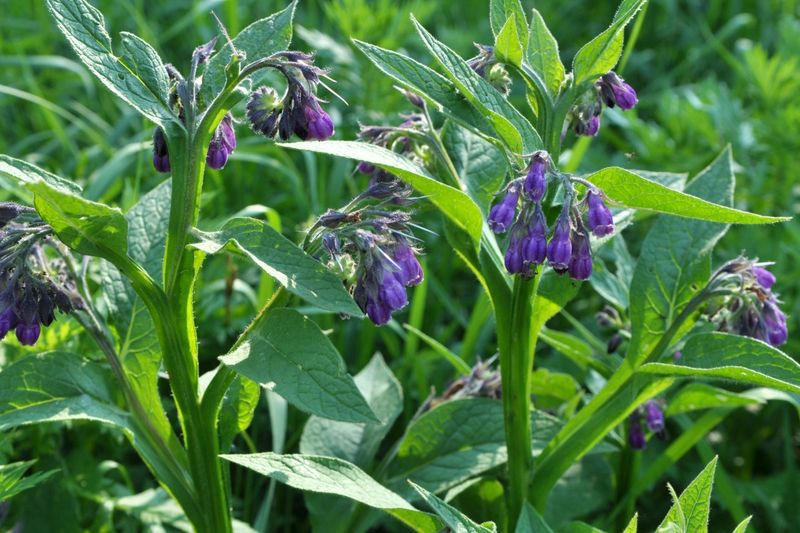
Comfrey, often known for its medicinal uses, is a hidden gem in the bee-attracting world. Its bell-shaped purple flowers are a favorite among pollinators.
This perennial thrives in rich, moist soil, providing lush greenery and seasonal blooms. Comfrey’s leaves can be used as a natural fertilizer, benefiting other garden plants.
With a history rooted in traditional medicine, Comfrey continues to impress with its ecological value. The plant’s bee-friendly nature and practical uses make it a multifunctional addition to gardens.
15. Milkweed
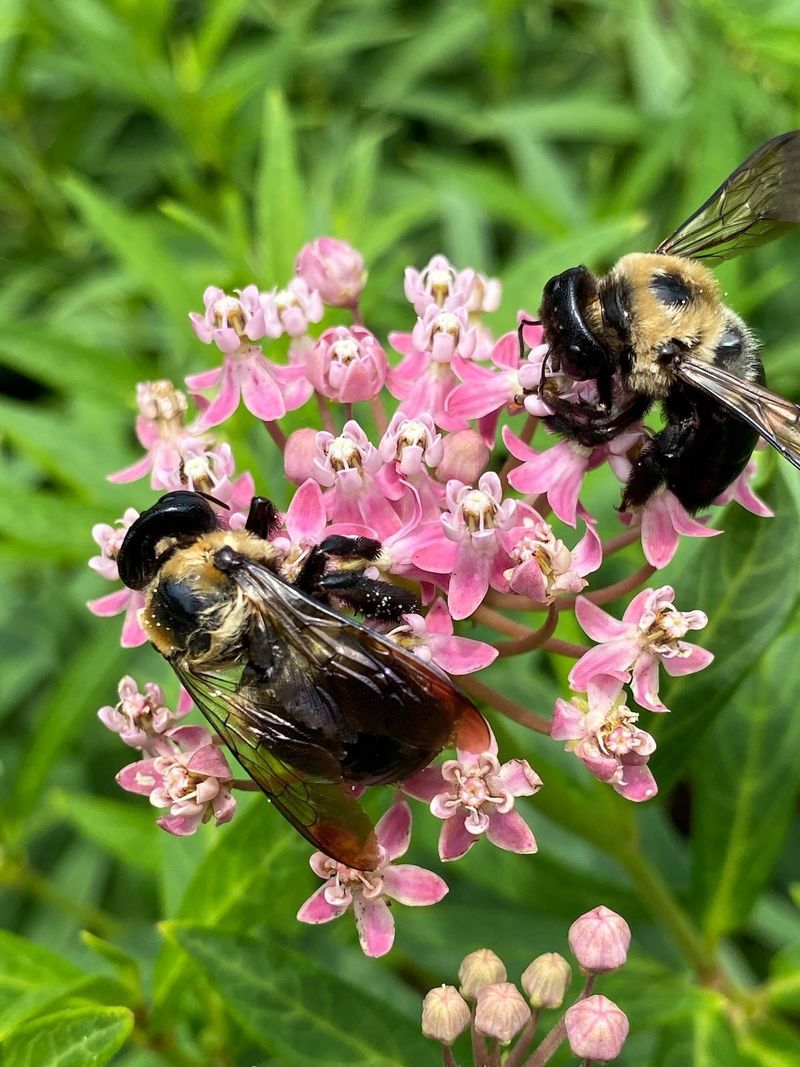
Milkweed, a champion for pollinators, offers more than just a home for monarchs. Its pink flowers also provide essential nectar for bees.
This perennial thrives in sunny locations, adding height and interest to garden settings. Milkweed’s role in supporting biodiversity is unmatched, attracting a range of pollinators.
Historically significant for its fibers used in textiles, Milkweed continues to play a vital role in ecological gardens. Its combination of beauty and utility makes it an essential plant for pollinator support.
16. Tansy
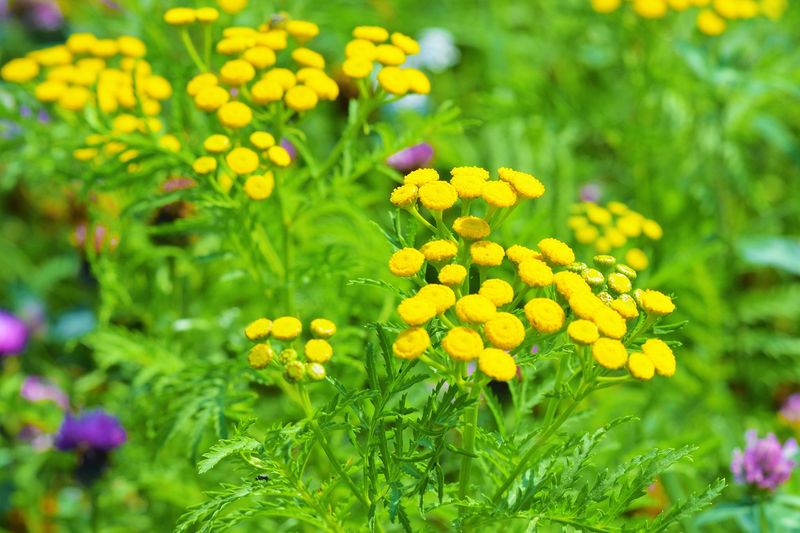
Tansy, with its cheerful yellow flowers, brings a pop of color to gardens. While often grown for its insect-repelling properties, it also attracts bees.
This perennial thrives in well-drained soil and sunny spots, making it a versatile addition to various garden styles. Tansy’s aromatic foliage adds another layer of interest.
Historically used in traditional medicine and as a dye, Tansy’s multifaceted benefits continue to charm gardeners. Its bee-friendly nature and vibrant blooms make it a delightful choice for enhancing garden biodiversity.
17. Helenium
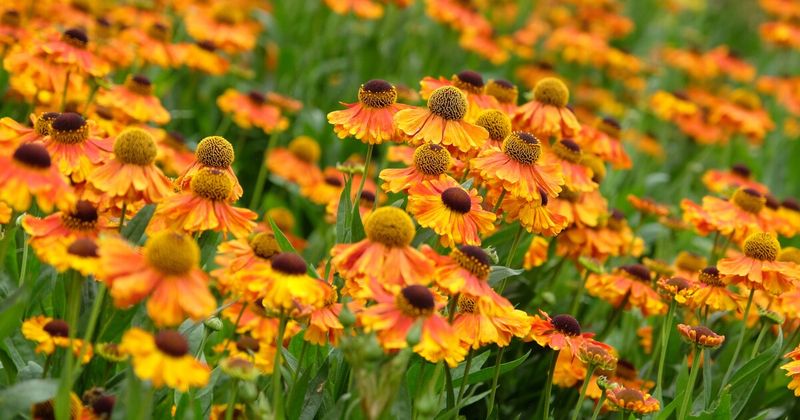
Helenium, known for its vibrant autumn colors, offers a late-season feast for bees. Its red and yellow flowers brighten gardens as other blooms fade.
This perennial thrives in sunny locations and well-drained soil, providing extended interest throughout the growing season. Helenium’s unique daisy-like flowers add charm to any landscape.
Named after the Greek word for Helen, Helenium has a storied past and a place in folklore. Its ability to attract pollinators while adding seasonal color makes it a valuable garden asset.
18. Lavender
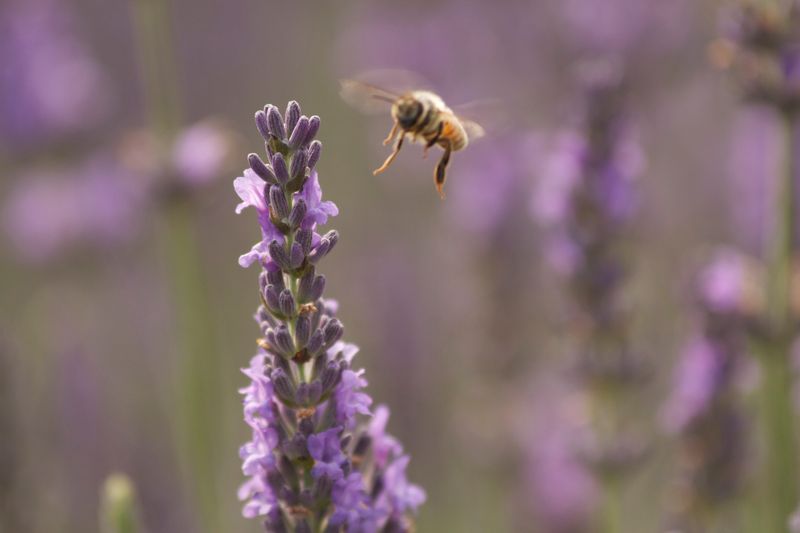
Lavender, with its aromatic purple flowers, is an iconic bee attractor. Its soothing scent and nectar-rich blooms make it a garden staple.
This perennial thrives in sunny, well-drained locations, offering beauty and fragrance. Lavender’s uses extend beyond aesthetics, with its essential oils valued for relaxation.
With a rich history in herbal remedies and cosmetics, Lavender continues to enchant with its multifaceted appeal. Its role in supporting pollinators while providing versatile benefits makes it a must-have in any garden.
19. Penstemon
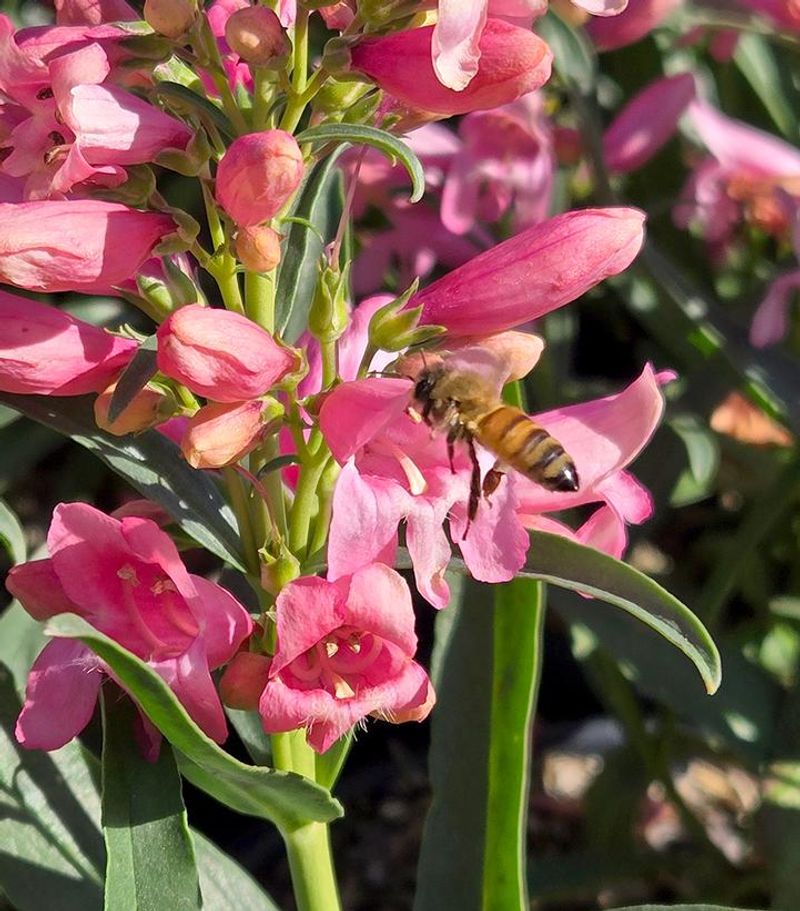
Penstemon, with its tubular blooms, offers a unique architectural presence. Bees are drawn to its nectar-rich flowers, ensuring garden activity.
This perennial thrives in well-drained soil and full sun, making it ideal for rock gardens. Penstemon’s varied colors and forms add diversity to plantings.
Historically, Penstemon has been used in traditional medicine by Native Americans. Its striking appearance and ability to attract a variety of pollinators make it a standout in any garden focused on biodiversity.
20. Coneflower
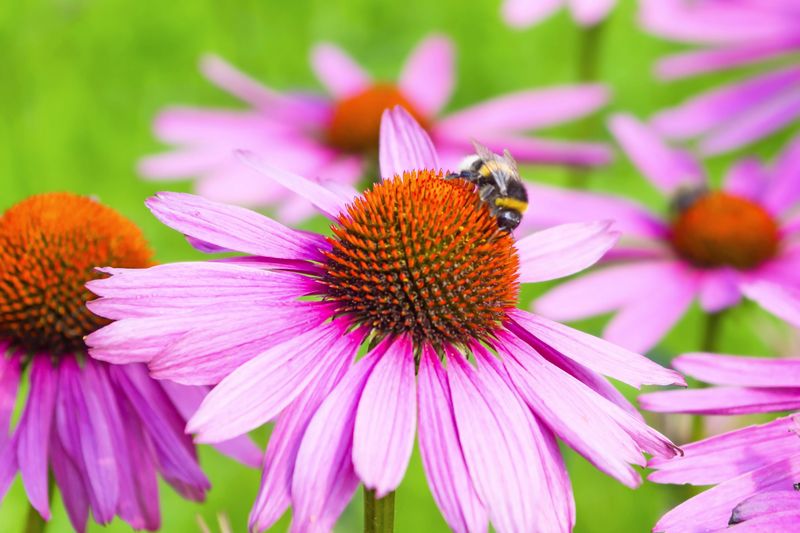
Coneflower, or Echinacea, is renowned for its daisy-like blooms and medicinal properties. Bees flock to its vibrant flowers, ensuring a lively garden.
This perennial thrives in full sun and well-drained soil, providing long-lasting blooms. Coneflower’s seed heads offer winter interest and food for birds.
Historically used in herbal remedies, Coneflower continues to captivate with its ecological and aesthetic benefits. Its ability to attract pollinators while providing year-round garden interest makes it a versatile choice.
21. Sneezeweed
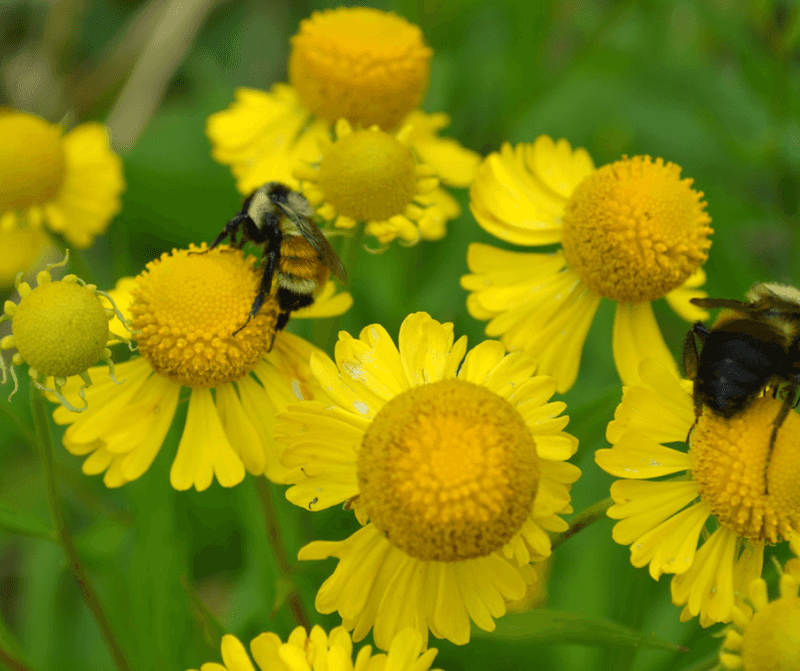
Sneezeweed, despite its name, is an attractive option for pollinators. Its cheerful yellow flowers bloom in late summer, offering nectar when few others do.
This perennial thrives in moist soil and sunny spots, making it suitable for rain gardens. Sneezeweed’s vibrant blooms add seasonal interest and color.
Named for its historical use in snuff, Sneezeweed adds a quirky touch to its bee-attracting abilities. Its contribution to garden biodiversity makes it a delightful and functional choice.
22. Aster
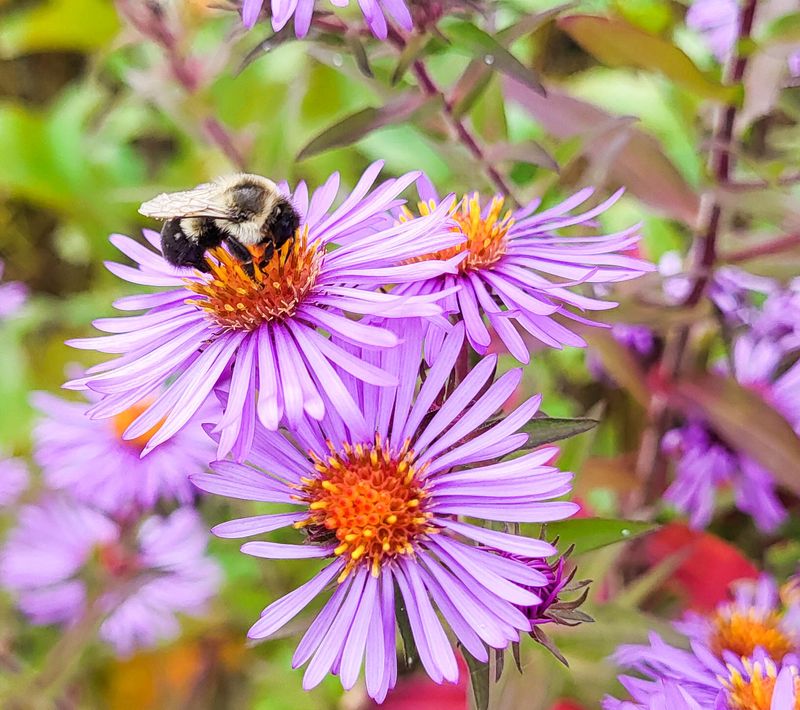
Aster, with its starry blooms, is a late-season beacon for bees. Its purple flowers provide valuable nectar as autumn approaches.
This perennial thrives in a variety of soil types, adding color and texture to garden borders. Aster’s prolonged blooming period ensures extended interest.
With its name derived from the Greek word for star, Aster has a celestial charm that complements its ecological importance. Its ability to attract pollinators and provide late-season beauty makes it a cherished garden addition.
23. Salvia
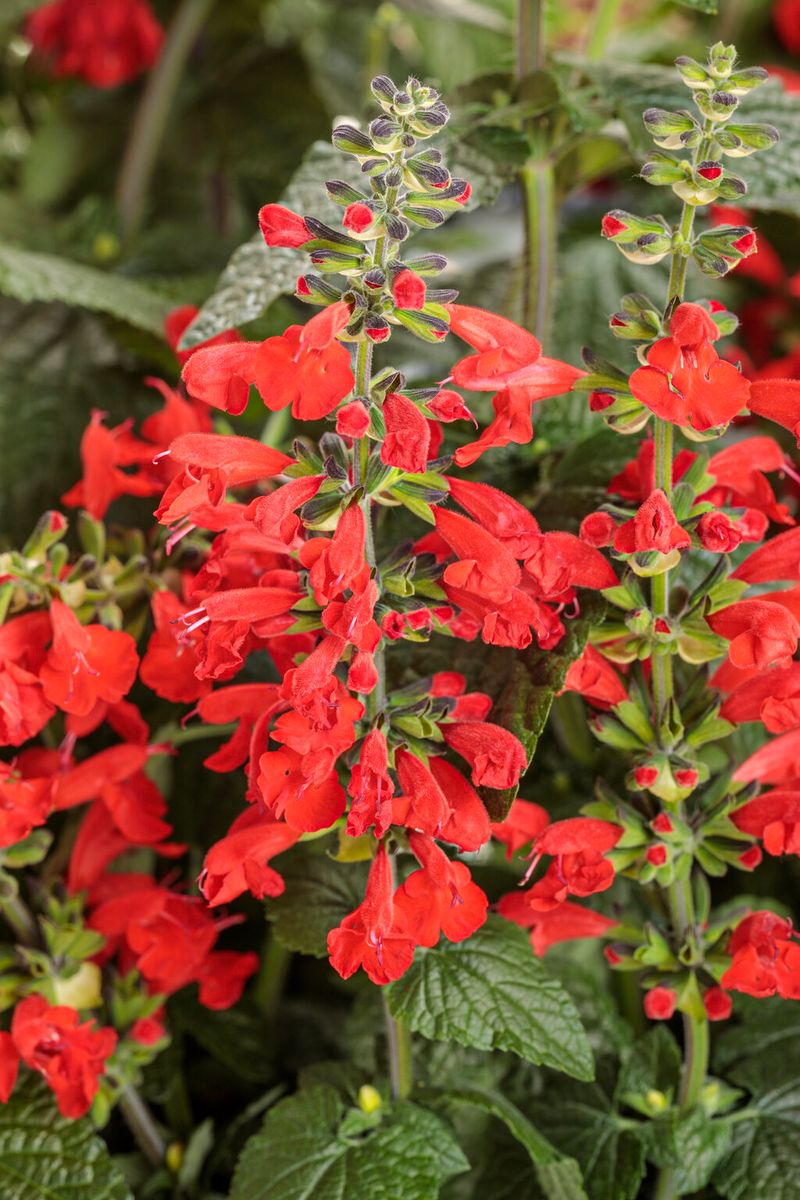
Salvia, with its tall spikes and brilliant red blooms, is a favorite among bees. Its aromatic foliage adds sensory delight to any garden.
This perennial thrives in sunny, well-drained locations, providing long-lasting color. Salvia’s varied species offer gardeners a range of choices for different conditions.
With historical significance in traditional medicine, Salvia continues to impress with its multifaceted benefits. Its bee-friendly nature and striking appearance make it a garden staple.
24. Black-eyed Susan
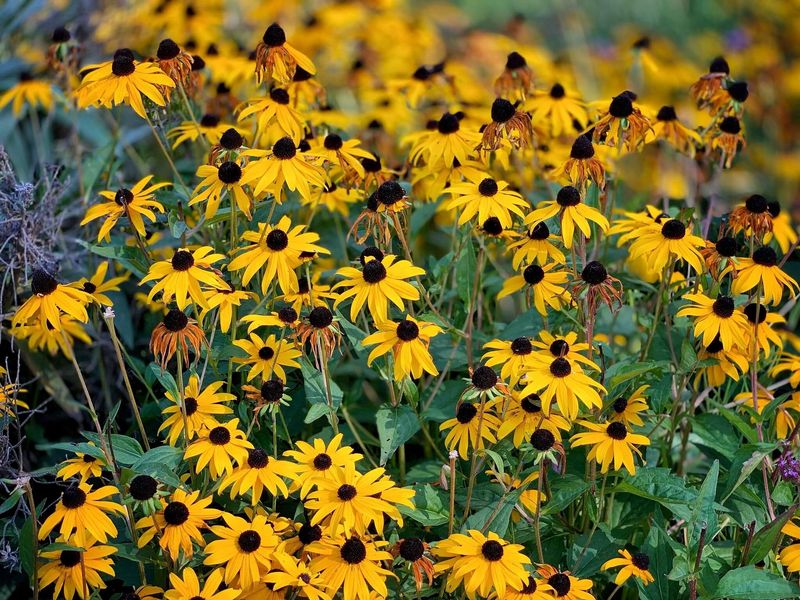
Black-eyed Susan, with its cheerful yellow petals and dark centers, is a beacon for bees. Its daisy-like blooms offer both visual appeal and ecological benefits.
This perennial thrives in full sun and adaptable soil, providing color throughout the summer. Black-eyed Susan’s seed heads attract birds, adding another dimension to its garden value.
Historically used for its medicinal properties, Black-eyed Susan continues to charm with its bee-attracting abilities. Its vibrant presence and ecological support make it a versatile choice for diverse gardens.
25. Foxglove
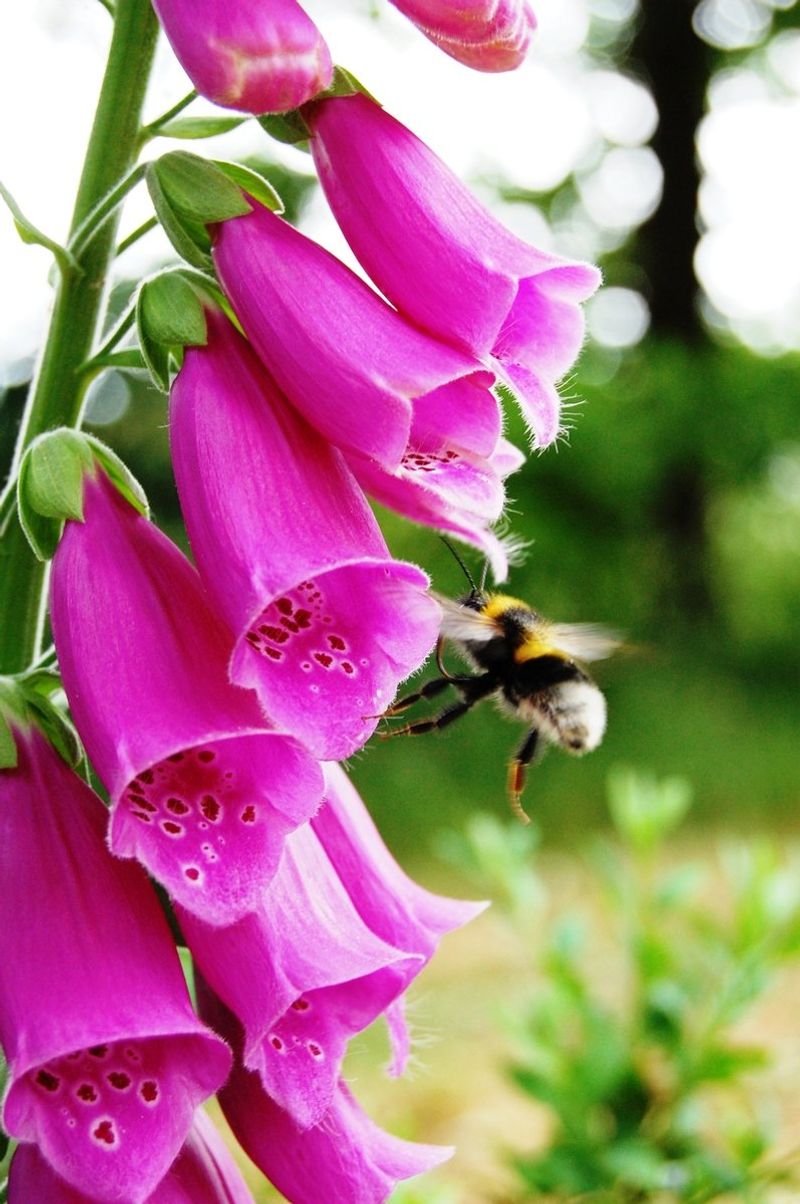
Foxglove, known for its towering spikes and bell-shaped flowers, is a magnet for bees. Its pink blooms add elegance and height to garden settings.
This biennial thrives in partial shade and well-drained soil, making it ideal for woodland gardens. Foxglove’s medicinal history adds to its intriguing presence.
With its striking appearance and ability to attract pollinators, Foxglove is a standout choice for gardeners seeking both beauty and ecological benefits. Its dual role in aesthetics and biodiversity makes it a cherished addition.
26. Russian Sage
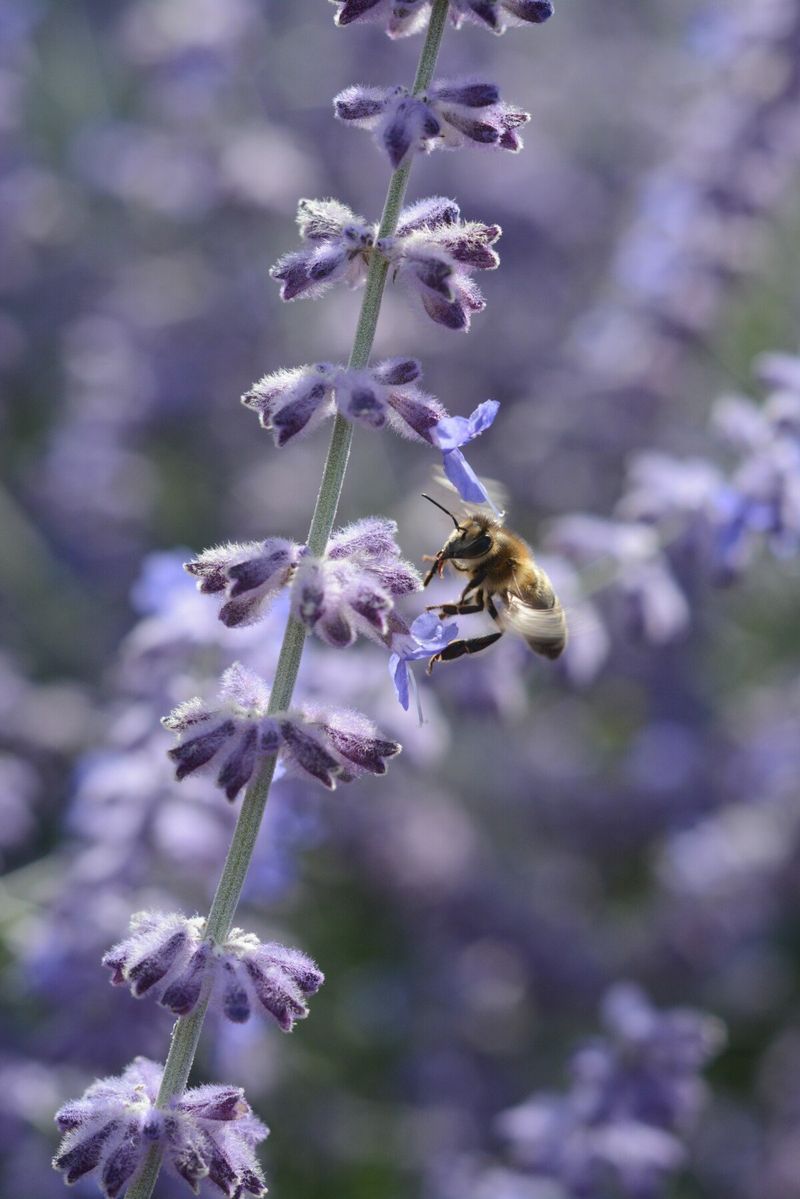
Russian Sage, with its aromatic foliage and lavender-blue flowers, is a bee magnet. Its airy blooms add texture and movement to garden landscapes.
This perennial thrives in sunny, well-drained locations, making it suitable for dry gardens. Russian Sage’s drought tolerance and long flowering season enhance its appeal.
Historically valued for its ornamental beauty, Russian Sage continues to enchant with its pollinator-friendly nature. Its ability to attract bees while providing visual interest makes it a versatile garden choice.
27. Mountain Mint
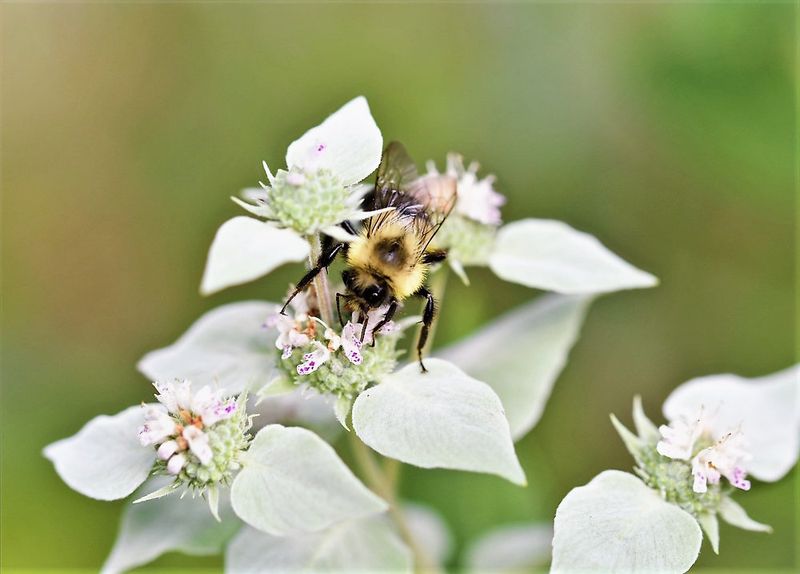
Mountain Mint, with its invigorating aroma and silvery leaves, stands as a beacon for bees. Unlike the familiar peppermint or spearmint, this variety offers a visual feast with clusters of delicate, white blooms.
Its strong scent acts as a natural bee magnet, making it a crucial addition to any garden. Ideal for warm, sunny spots, it thrives with little care.
Mountain Mint not only supports bees but also deters pests, making it a gardener’s ally. A hidden treasure, it enriches the garden’s ecosystem with its robustness and charm. Perfect for those seeking unique floral beauty.
28. Sea Holly
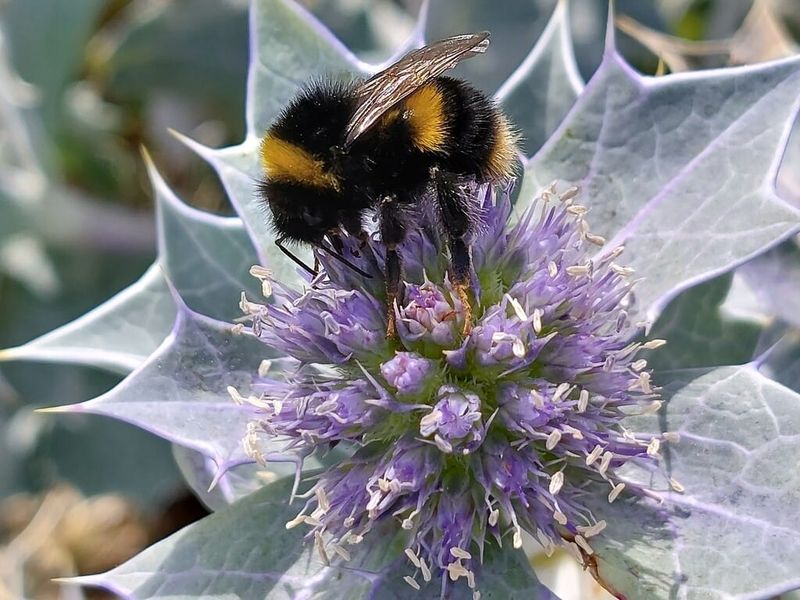
Sea Holly captivates with its architectural elegance and vivid blue hues. Its spiky blossoms resemble a sea creature, drawing curious glances.
While its appearance is striking, its role as a bee supporter is equally impressive. Sea Holly thrives in poor soil, requiring minimal water, making it an eco-friendly choice.
This resilient plant not only attracts bees but adds a splash of color to any garden setting. Its unique form offers textural contrast, making it a focal point in landscapes. Sea Holly is the ideal choice for gardeners with a taste for the extraordinary.
29. Crimson Clover
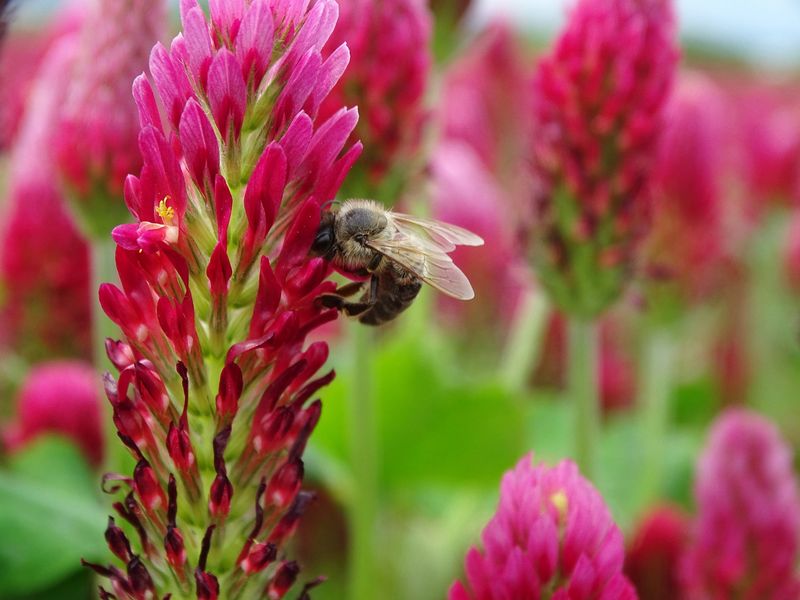
Crimson Clover, with its vibrant red blooms, is a stunning sight that beckons bees from afar. Known for its nitrogen-fixing properties, it’s a boon for both pollinators and soil health.
The deep crimson flowers stand tall, creating a mesmerizing sea of color. A perfect cover crop, it enriches the soil while providing nourishment for bees.
Its easy growth and striking appearance make Crimson Clover an excellent choice for gardens. By welcoming this plant, gardeners can enjoy a lively, buzzing ambiance while enhancing soil fertility, truly a win-win for nature.