 Complete Gardening
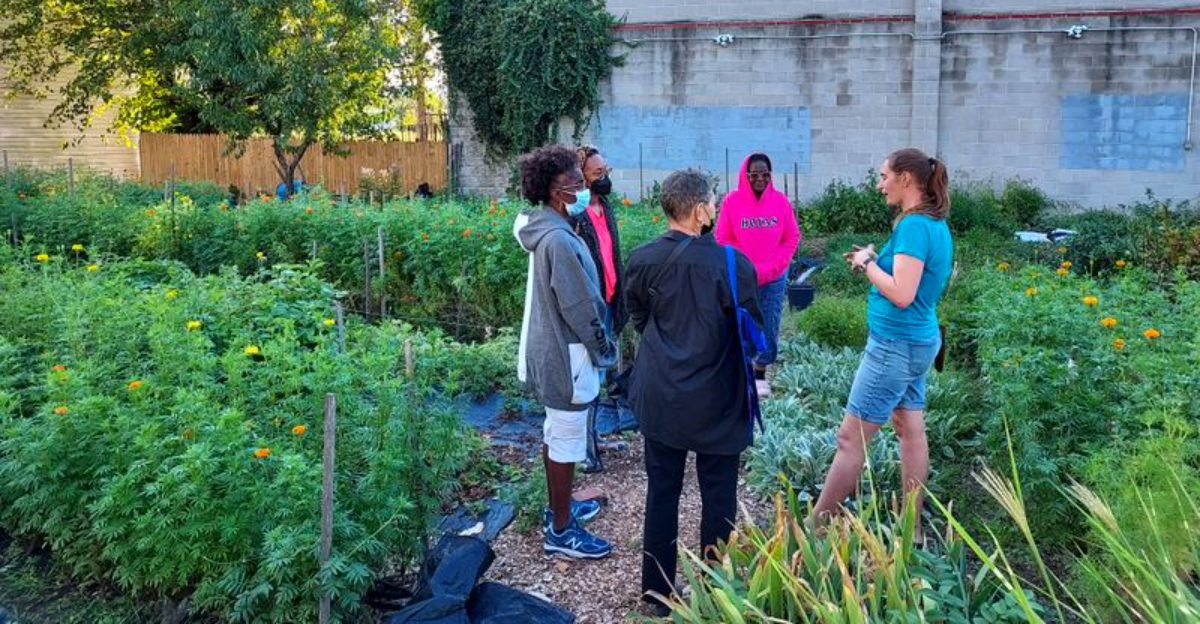
Maryland’s unique climate offers both challenges and opportunities for gardeners. Nestled in the Mid-Atlantic, the state experiences varying weather patterns that can influence gardening success. Understanding the local conditions and selecting suitable plants can lead to flourishing gardens.
1. Soil Composition and Testing
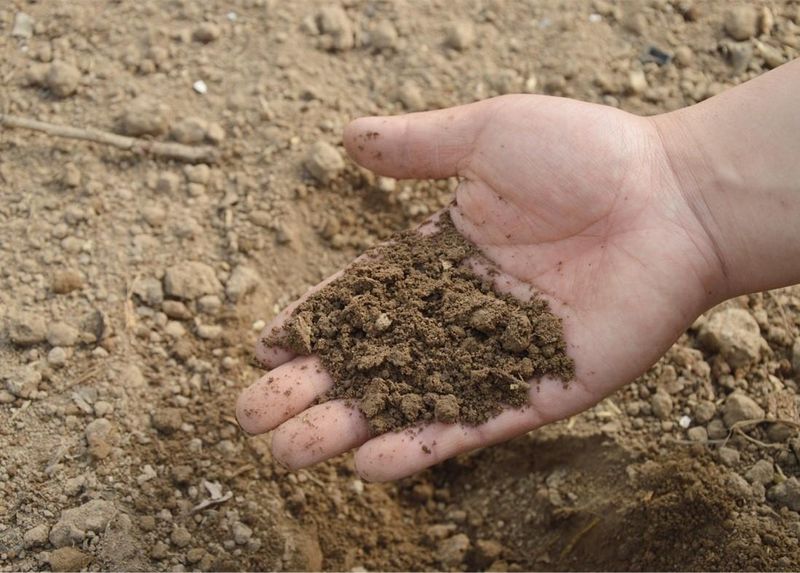
Gardening success often begins with understanding your soil. Maryland’s soil can vary dramatically, from sandy loams in the coastal plains to clay-rich deposits in the Piedmont. Testing your soil for pH, nutrient levels, and texture is crucial.
Consider investing in a quality soil test kit or consulting with local agricultural extensions. Adjusting pH and adding necessary amendments can improve plant health and yield. Discovering your soil’s unique traits can transform your gardening experience.
Did you know? Maryland’s state soil is Sassafras, a loamy soil ideal for many crops. Understanding this can help you select plants that thrive in local conditions.
2. Native Plant Selection
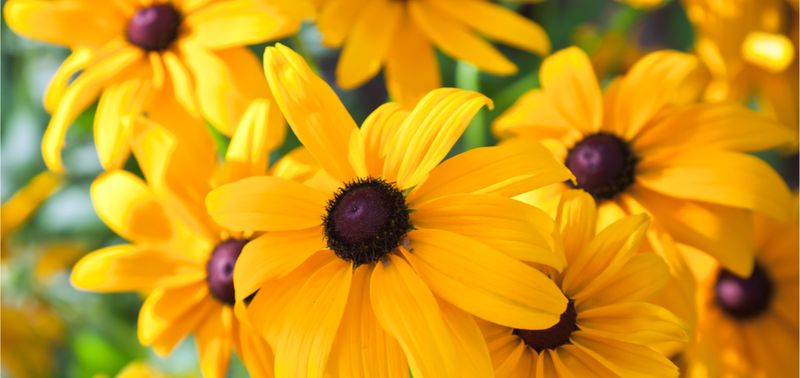
Incorporating native plants into your garden offers ecological benefits that go beyond aesthetics. Plants like the Black-eyed Susan, Maryland’s state flower, are adapted to local conditions, requiring less water and care.
Native plants support local wildlife, providing food and shelter for pollinators and other creatures. They can also help reduce soil erosion and improve water quality. Embrace the local flora, and your garden will flourish naturally.
A fun fact: The mountain laurel, another native, has been celebrated for its beauty and resilience, making it a staple in Maryland gardens for centuries.
3. Watering Techniques and Conservation
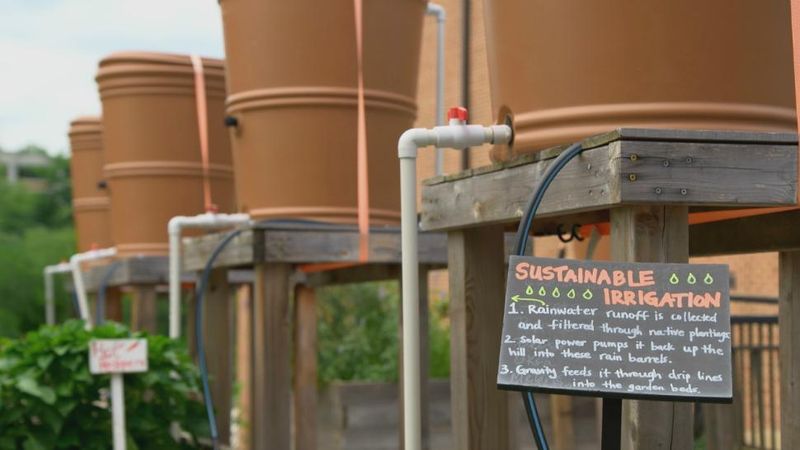
Watering wisely is key in Maryland’s variable climate. Implementing techniques like drip irrigation or using rain barrels can save water while keeping plants hydrated. These methods deliver water directly to the roots where it’s needed most.
Consider scheduling watering during cooler parts of the day to minimize evaporation. Mulching can also help retain soil moisture and reduce the need for frequent watering. Conservation-friendly practices make your garden more sustainable.
Did you know? Maryland receives an average of 40 inches of rainfall annually, but irregular distribution means smart watering is essential.
4. Pest Management and Integrated Pest Control
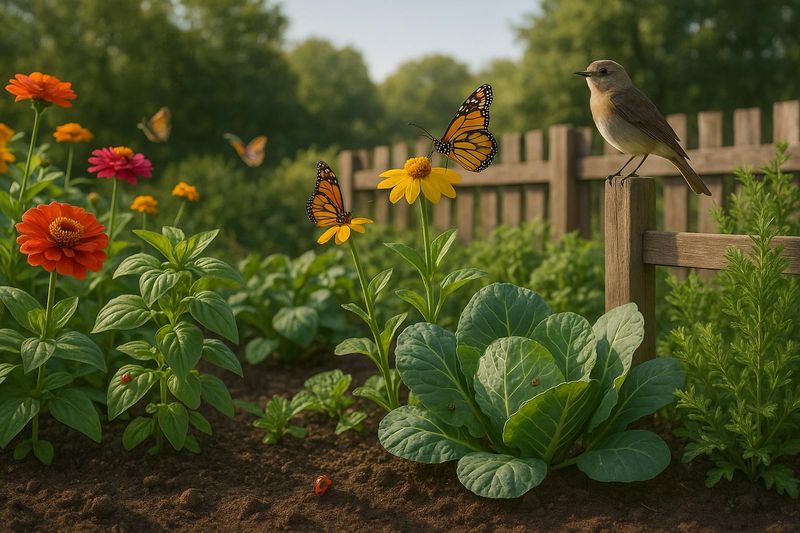
Managing pests in your garden doesn’t have to mean harmful chemicals. Maryland gardeners can employ Integrated Pest Management (IPM) practices, which focus on long-term prevention and control.
Encouraging beneficial insects such as ladybugs and lacewings can naturally reduce pest populations. Crop rotation and careful monitoring are also effective strategies. By fostering a balanced ecosystem, your garden can thrive with minimal intervention.
A historical tidbit: Maryland’s commitment to sustainable agriculture is reflected in its many IPM programs, promoting eco-friendly gardening solutions.
5. Seasonal Planting Strategies
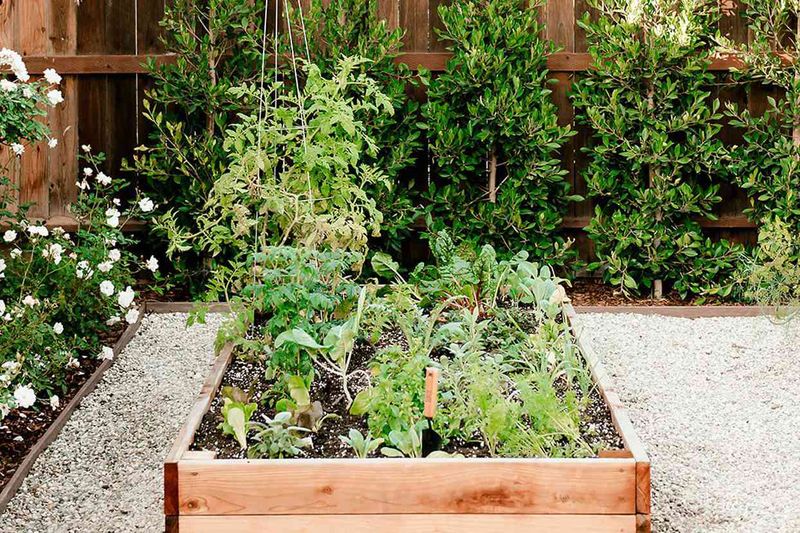
Understanding the seasonal cycles in Maryland can greatly enhance your gardening success. With distinct seasons, strategic planting ensures a continuous harvest. Cold-weather crops like kale and broccoli thrive in early spring and fall.
Warm-season plants, such as tomatoes and peppers, do best after the last frost. Succession planting, which involves sowing crops at intervals, keeps your garden productive all year. Timing is everything in this region.
Did you know? Maryland’s climate zones range from 5b to 8a, affecting planting times and crop choices. This diversity can be an asset for creative gardeners.
6. Dealing with Maryland’s Humidity
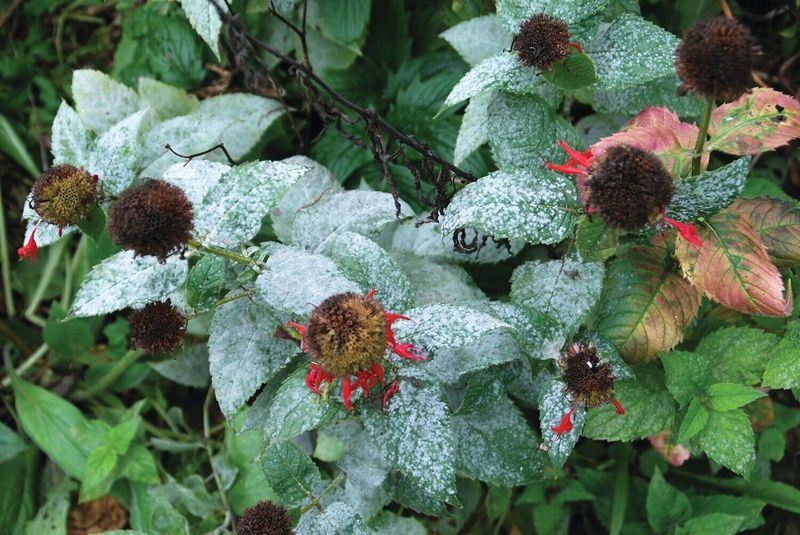
Maryland summers can be humid, creating challenges for susceptible plants. Choosing humidity-tolerant species, such as ferns and hostas, can mitigate issues like mildew and rot.
Improving air circulation by spacing plants properly and pruning can further reduce humidity-related problems. Selecting disease-resistant varieties and mulching can also enhance resilience.
A quirky fact: Humidity is a defining feature of Maryland’s summer weather, impacting not just gardens, but even cultural activities like the famous Maryland crab feasts.
7. Community Gardening and Local Resources
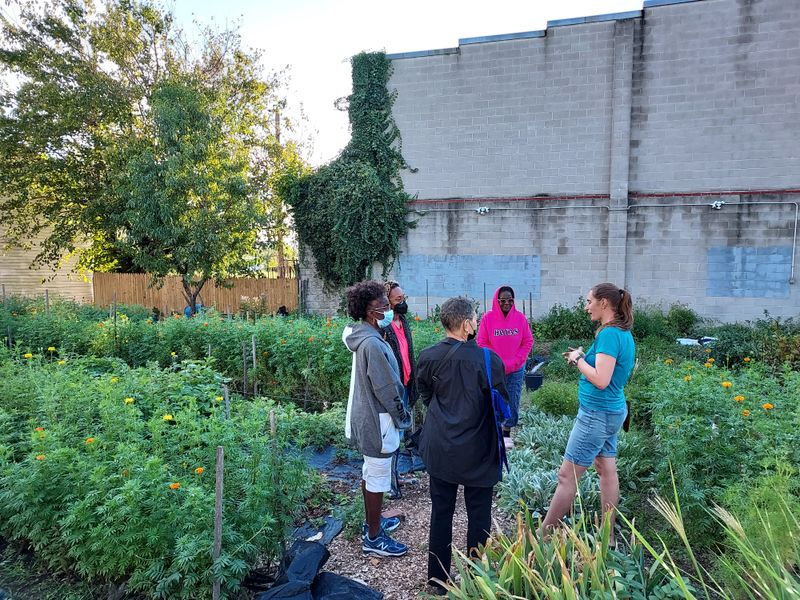
Community gardens are blossoming across Maryland, providing shared spaces for learning and growth. These gardens foster collaboration, allowing people to share knowledge and resources.
Local organizations often offer workshops and support for new and seasoned gardeners. Engaging with community initiatives can enhance your gardening skills and contribute to local food security.
Did you know? Maryland’s rich history of community gardening includes programs aimed at urban revitalization and environmental education, strengthening neighborhoods statewide.