 Complete Gardening
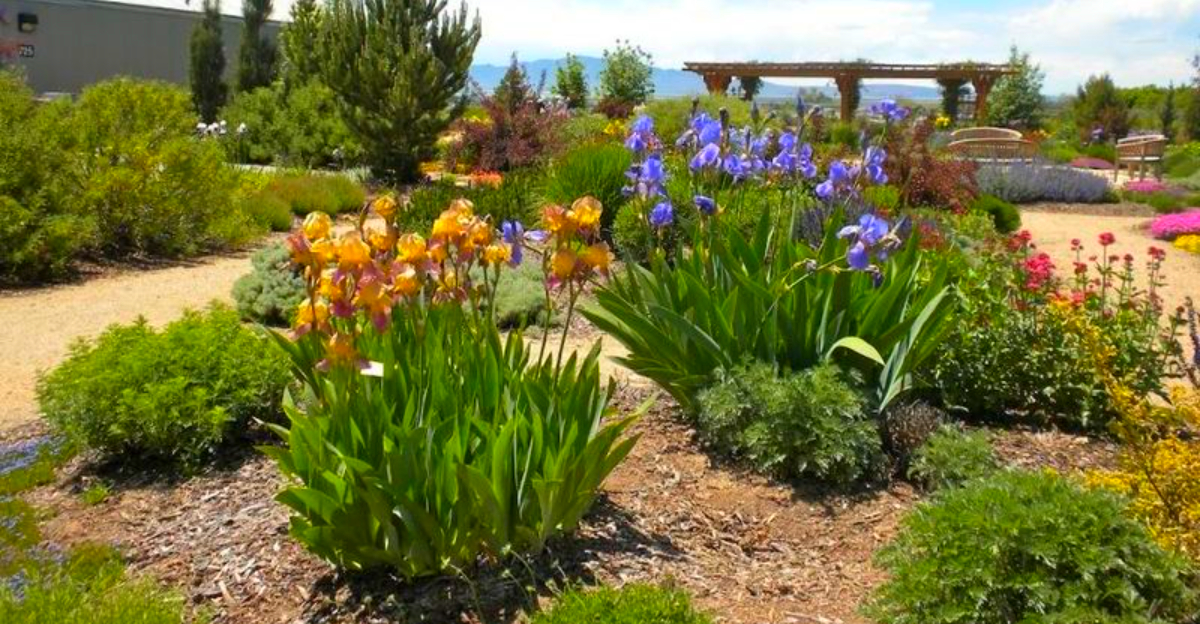
Utah’s desert climate might seem challenging for gardening, but it offers unique opportunities for growing beautiful plants. With the right knowledge and techniques, you can create a thriving garden that works with the natural environment instead of fighting against it. Success comes from understanding your soil, choosing smart plants, and using water wisely.
1. Test and Amend Your Alkaline Soil
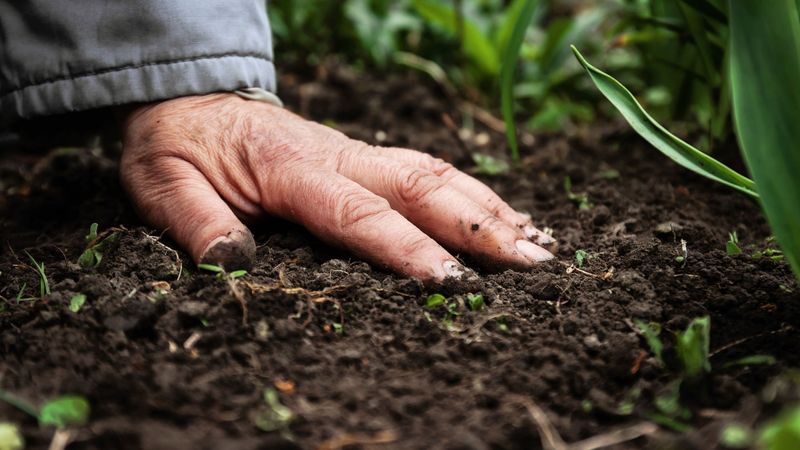
Most Utah soils are naturally alkaline with pH levels between 7.5 and 8.5, which can make growing certain plants tricky. Start by getting a soil test to understand exactly what you’re working with.
Adding organic matter like compost or well-rotted manure helps improve soil structure and water retention. These amendments also provide essential nutrients that plants need to thrive in challenging conditions.
2. Master Efficient Water Management
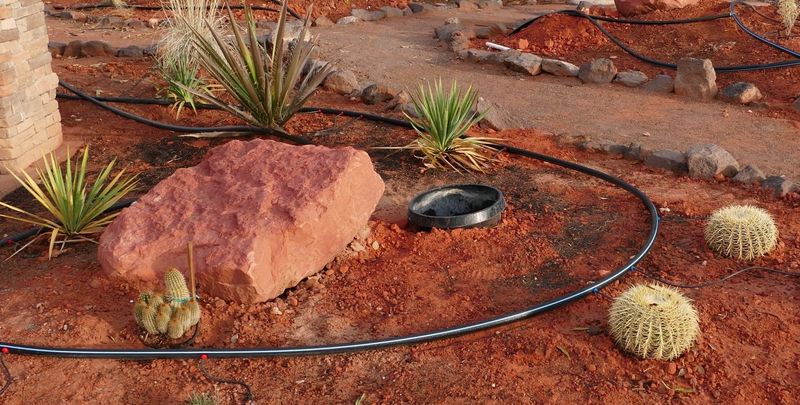
Water is precious in Utah’s dry climate, so every drop counts. Drip irrigation and soaker hoses deliver water directly to plant roots, reducing waste from evaporation.
Deep, infrequent watering encourages plants to develop strong root systems that can better handle drought conditions. This approach builds resilience while conserving this valuable resource for your garden’s long-term success.
3. Apply Mulch for Moisture Conservation
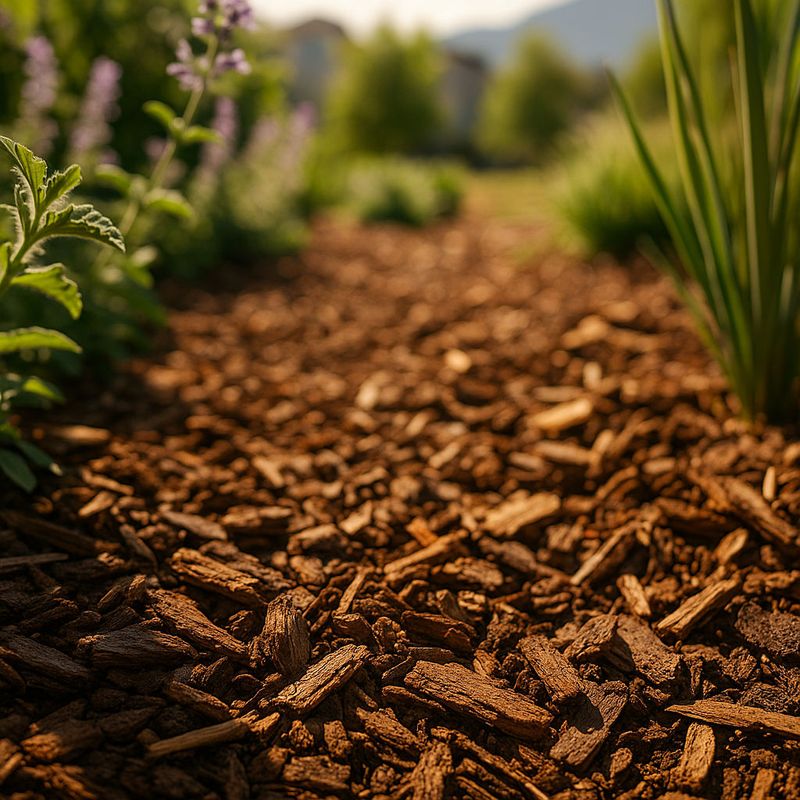
A 2-3 inch layer of organic mulch works like a protective blanket for your soil. It keeps moisture from escaping, regulates temperature, and prevents weeds from stealing nutrients.
Wood chips, straw, or shredded leaves make excellent mulch choices. As these materials break down over time, they add organic matter to improve your soil structure naturally.
4. Choose Drought-Tolerant Native Plants
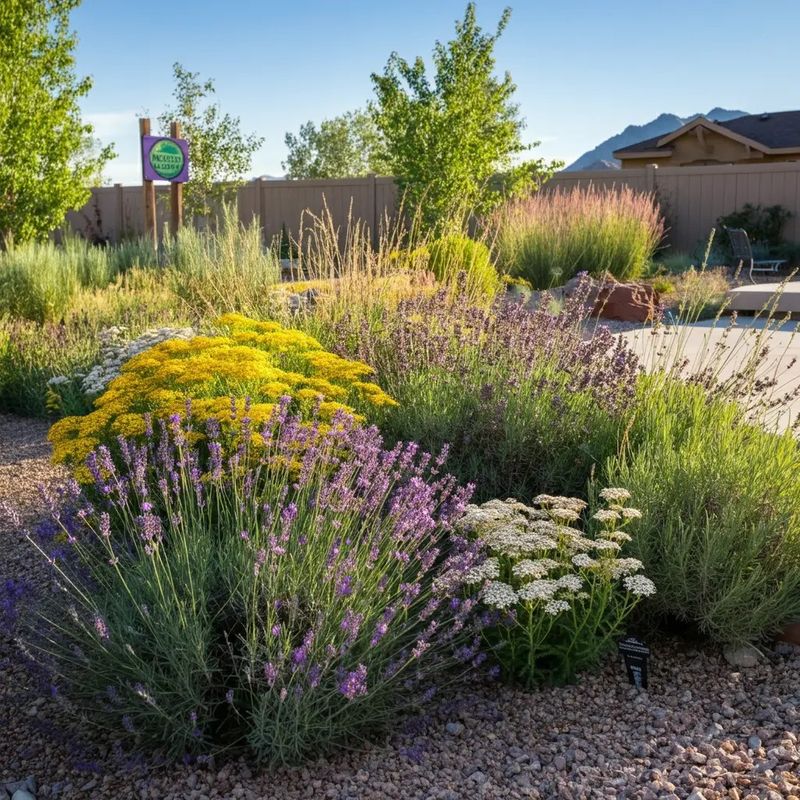
Native plants have spent thousands of years adapting to Utah’s unique conditions, making them perfect garden companions. They require less water, fertilizer, and pest control than non-native varieties.
Utah serviceberry, for example, offers beautiful spring flowers, edible berries, and stunning fall colors. These plants naturally thrive in local soil and weather patterns, reducing your maintenance workload significantly.
5. Plant Colorful Russian Sage
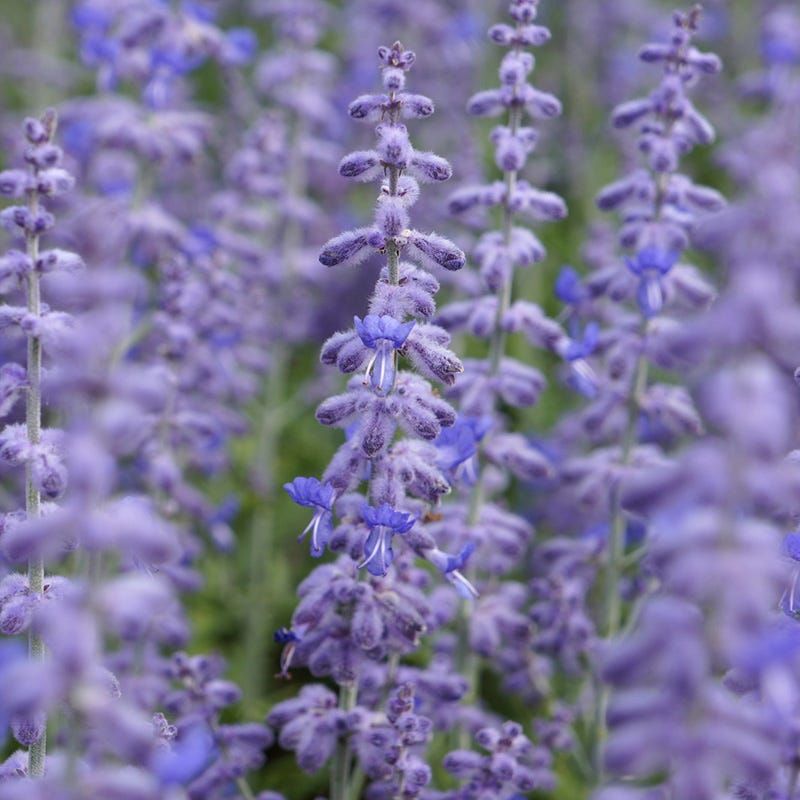
Russian sage brings silvery-green foliage and stunning lavender-blue flowers to desert gardens. This hardy perennial loves full sun and well-drained soil, making it ideal for Utah conditions.
Once established, it requires minimal water and care while providing months of beautiful blooms. The aromatic foliage also helps repel deer and other garden pests, adding practical benefits to its ornamental appeal.
6. Add Cheerful Desert Marigolds
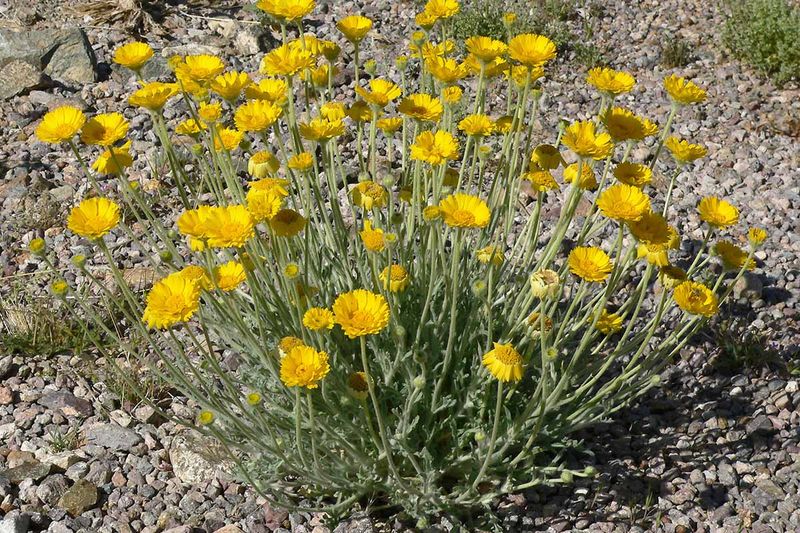
Desert marigolds produce bright yellow, daisy-like flowers almost year-round in favorable conditions. These cheerful wildflowers are native to the American Southwest and perfectly suited to Utah’s climate.
They self-seed readily, creating natural colonies that return each year with minimal effort. Their sunny blooms attract beneficial pollinators while adding consistent color to your desert landscape throughout growing seasons.
7. Include Striking Red Yucca
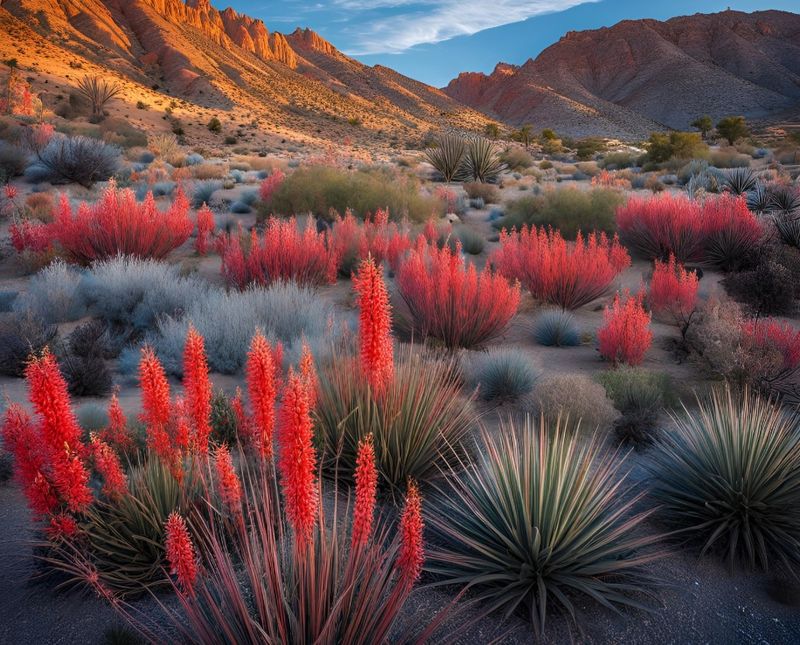
Red yucca creates dramatic focal points with tall, arching flower spikes topped by tubular coral-pink blooms. Hummingbirds absolutely love these nectar-rich flowers, bringing wildlife activity to your garden.
This succulent requires virtually no maintenance once established and provides year-round structure with its sword-like leaves. It’s perfect for xeriscaping and adds architectural interest to any desert garden design.
8. Grow Vibrant Blanket Flowers
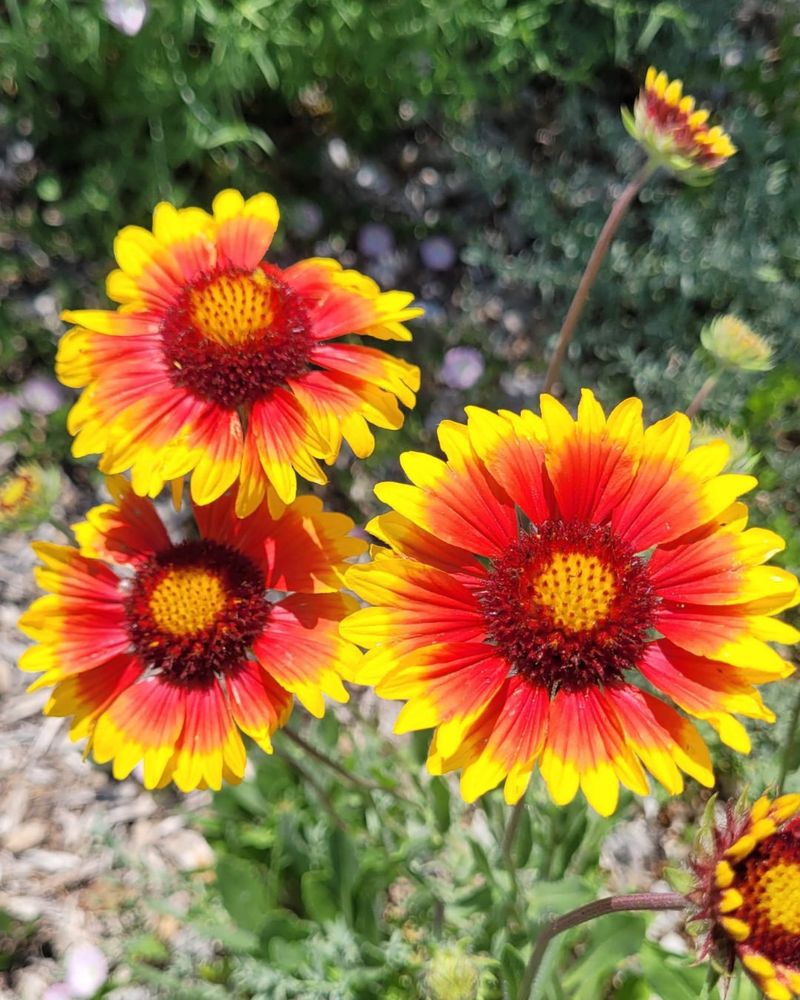
Blanket flowers burst with vibrant red, orange, and yellow daisy-like blooms from early summer until frost. These hardy perennials handle Utah’s temperature extremes with remarkable resilience.
They’re excellent for cutting gardens and attract butterflies and bees throughout their long blooming season. Deadheading spent flowers encourages continuous blooming while allowing some seed heads to remain provides winter interest.
9. Practice Smart Hydrozoning
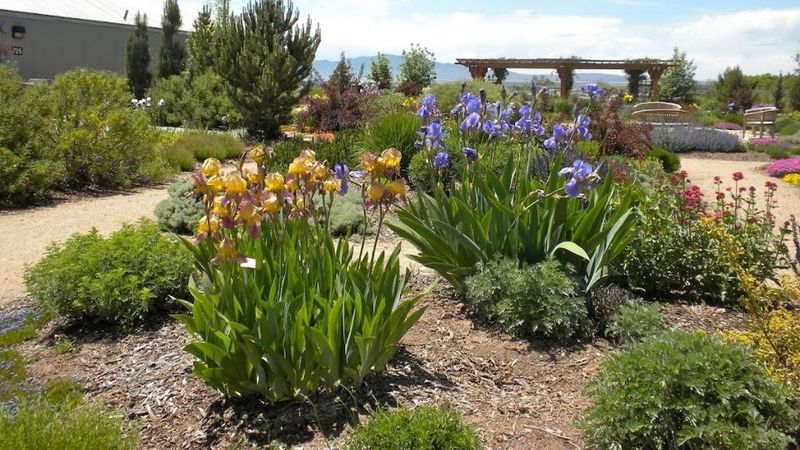
Grouping plants with similar water needs creates irrigation zones that maximize efficiency and plant health. High-water plants go together, while drought-tolerant varieties share their own areas.
This strategy prevents overwatering drought-adapted plants while ensuring thirsty varieties get adequate moisture. It simplifies garden maintenance and reduces water waste by matching irrigation schedules to specific plant requirements.
10. Protect Plants from Late Frosts
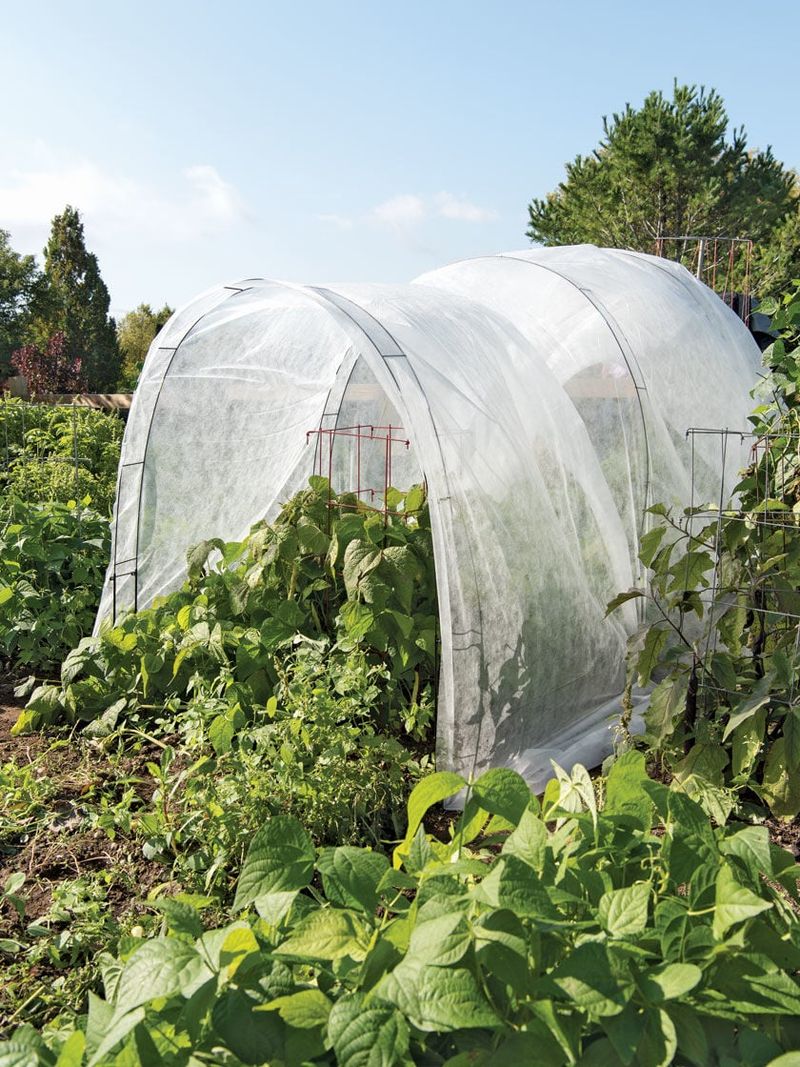
Utah’s unpredictable spring weather can bring surprise frosts that damage tender plants. Row covers, cold frames, and plant protectors provide essential protection during vulnerable periods.
Keep these protective materials handy and monitor weather forecasts closely during spring months. Even hardy plants benefit from protection when they’re producing new growth, helping ensure a successful growing season.
11. Provide Afternoon Shade Relief
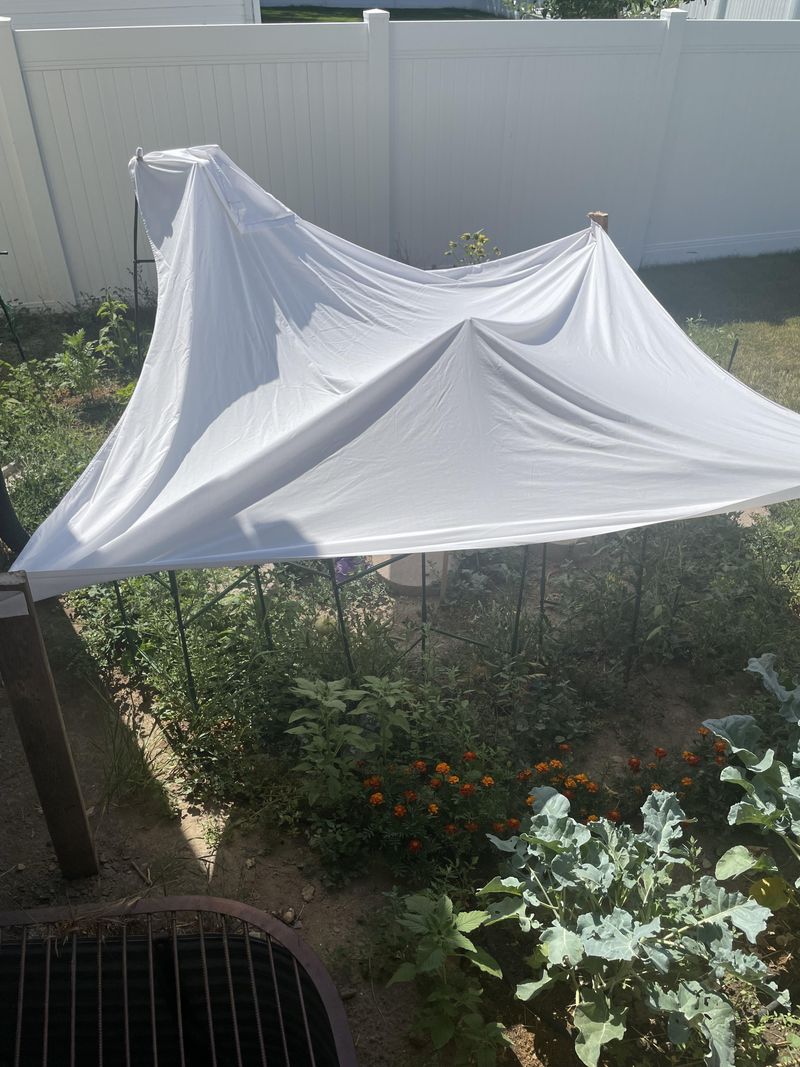
Utah’s intense afternoon sun can stress even drought-tolerant plants during summer’s peak heat. Shade cloth, strategic plant placement, or temporary structures help prevent heat damage.
Morning sun with afternoon protection often works better than full sun exposure all day. This approach helps plants photosynthesize efficiently while avoiding the most brutal heat that can cause leaf scorch and excessive water loss.
12. Maintain Healthy Soil Structure

Minimal soil disturbance preserves beneficial microorganisms and natural soil structure that plants depend on. Avoid excessive tilling or digging when possible.
Keep soil covered with plants or mulch to prevent erosion and maintain moisture levels. This conservation approach builds soil health over time, creating better growing conditions while reducing the need for fertilizers and soil amendments.