 Complete Gardening
Georgia’s famous red clay might seem challenging for gardeners, but it can actually be a boon for certain resilient vegetables. Adapted to thrive in dense soil, these vegetables make the most of the clay’s moisture retention and nutrient richness. Dive into this garden adventure with vegetables that not only survive but flourish in Georgia’s unique soil.
Sweet Potatoes
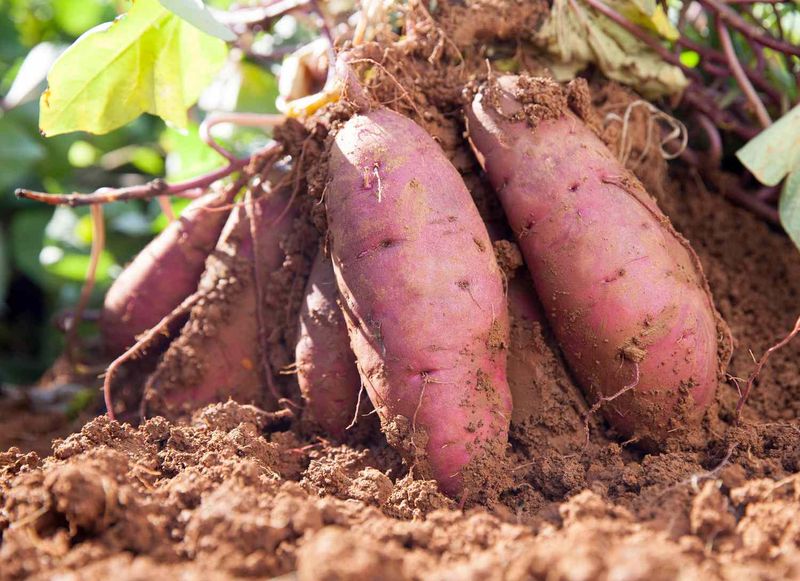
Sweet potatoes have long been a staple in Southern gardens, thanks to their ability to thrive in Georgia’s red clay. Initially, you might think these tubers would struggle in the dense soil, but they have a knack for making themselves at home.
Their sprawling vines help break up the soil, making it easier for them to access nutrients. As they grow, sweet potatoes also enrich the soil with organic matter, a boon for future plantings.
One of the sweetest rewards of growing sweet potatoes is their deliciously vibrant flesh, perfect for a variety of dishes.
Collard Greens
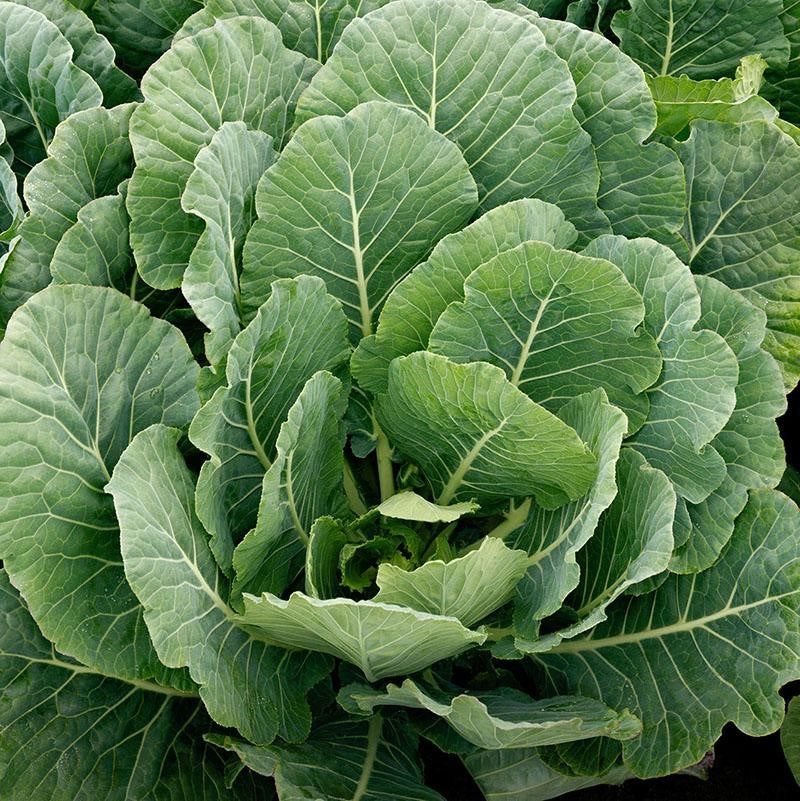
Collard greens, a beloved Southern classic, are perfectly suited for Georgia’s red clay. These leafy greens are not only hardy but also improve the soil quality over time.
By planting collards, gardeners can enjoy a continuous supply of greens throughout the growing season. Their deep roots break through the tough clay, allowing for better water and nutrient absorption.
Rich in vitamins and minerals, collard greens make a nutritious addition to any meal, offering both health benefits and soil improvement.
Okra
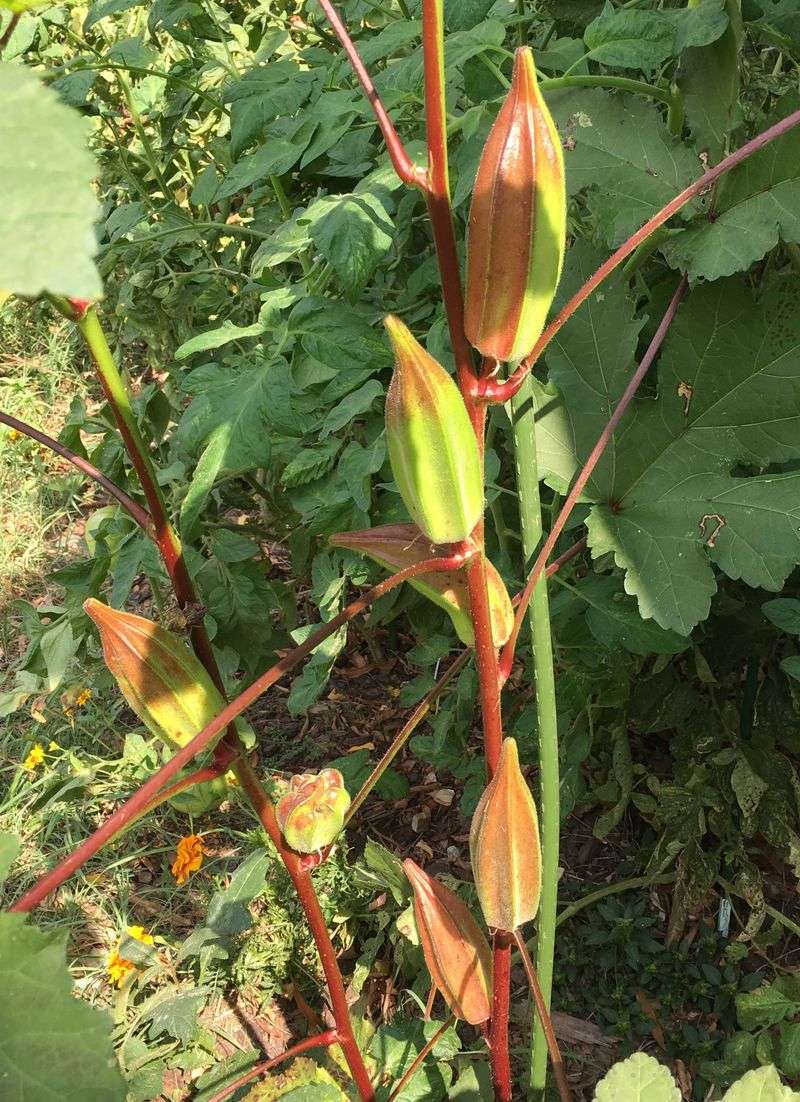
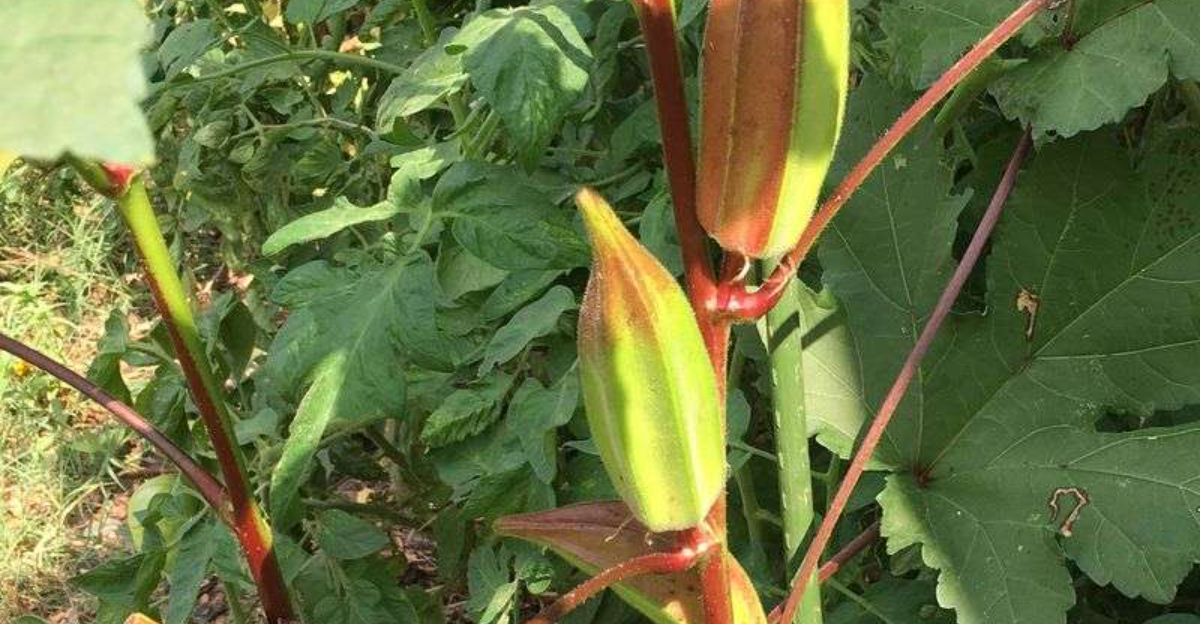
Okra is a true Southern gem that thrives in Georgia’s red clay. Known for its tall, elegant stalks and unique pods, okra brings both beauty and utility to the garden.
This vegetable’s robust nature allows it to pierce through the dense clay, making it a resilient choice for local gardeners. Moreover, okra helps aerate the soil, improving conditions for neighboring plants.
The distinctive pods can be enjoyed in a variety of Southern dishes, offering a taste of tradition with every bite.
Turnips
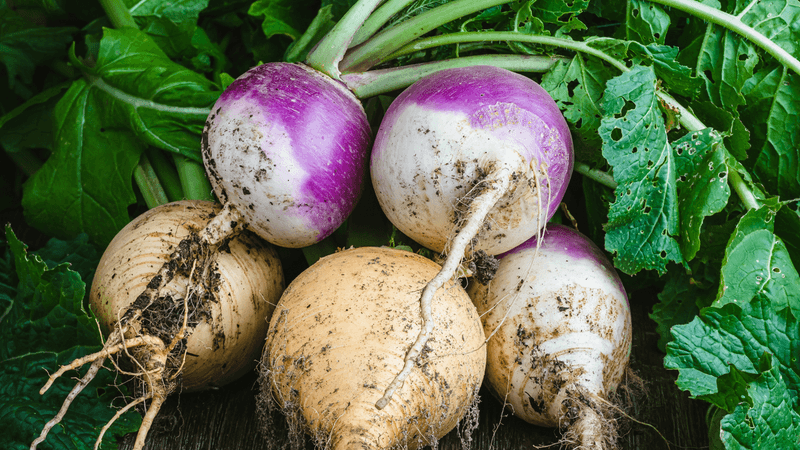
Turnips, with their striking purple tops and creamy white flesh, are a delightful addition to Georgia’s red clay gardens. Their resilience makes them a top choice for local gardeners.
These root vegetables excel at breaking through compact soil layers, which enhances drainage and aeration. As turnips grow, they also contribute to soil fertility by adding organic matter.
Turnips are versatile in the kitchen, whether roasted, mashed, or added to soups, providing a hearty and nutritious option.
Carrots
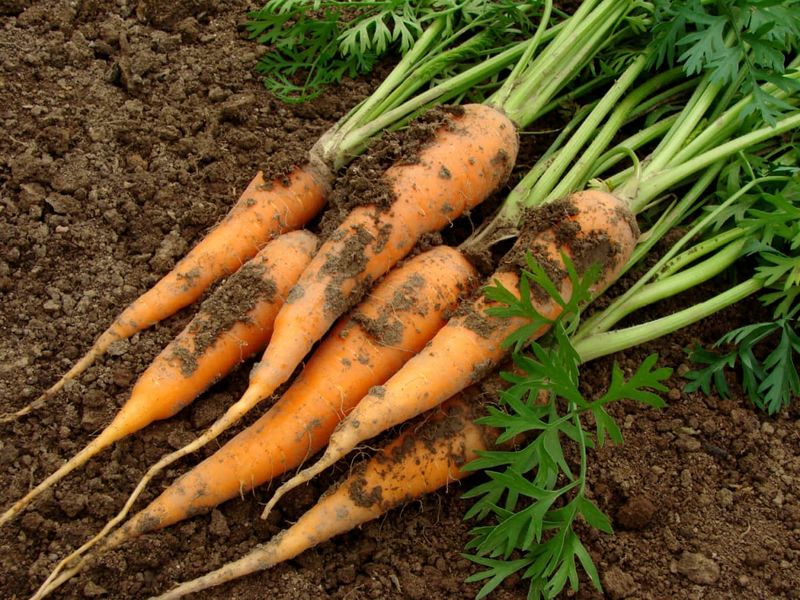
Carrots might seem like an unusual choice for clay soil, but certain varieties thrive in Georgia’s red clay. Their ability to adapt makes them a gardener’s ally.
These root vegetables are excellent at loosening the soil as they grow, promoting better drainage and nutrient uptake. Additionally, carrots add organic material back into the soil, enhancing its structure.
In the kitchen, carrots are a versatile ingredient, adding color and flavor to a myriad of dishes.
Beets
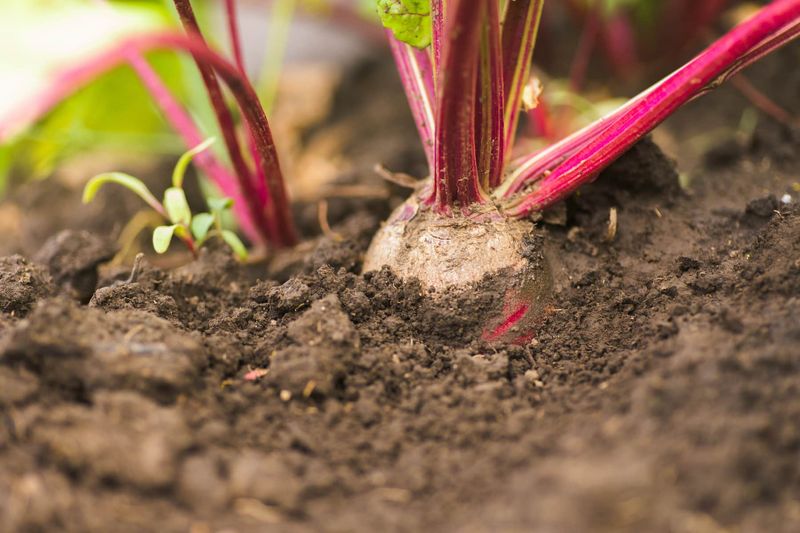
Beets, known for their earthy flavor and deep color, are a perfect match for Georgia’s red clay. These robust vegetables prove that clay soil is not a limitation.
As beets grow, they help break up the compact soil, improving aeration and nutrient flow. Their growth cycle also enriches the soil with valuable organic matter.
Beets offer a range of culinary possibilities, from salads to juices, each providing a burst of nutrients and flavor.
Cabbage
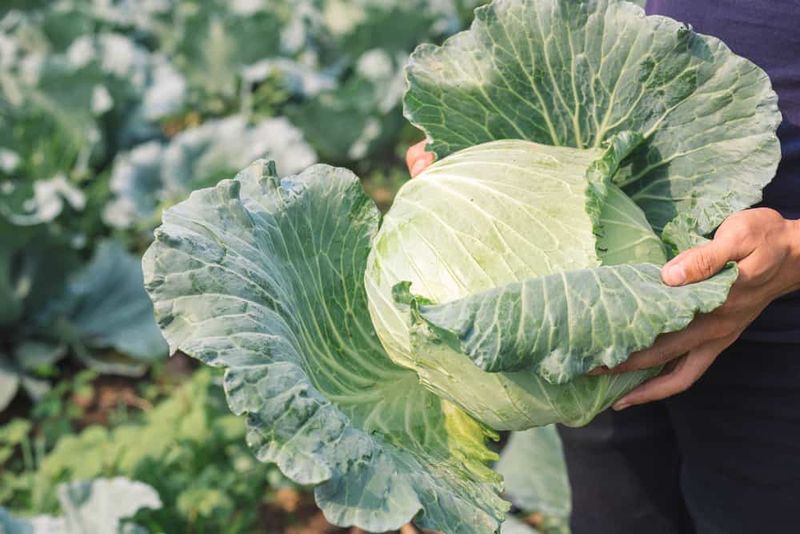
Cabbage is a cold-hardy vegetable that thrives in Georgia’s red clay, transforming the soil into a fertile haven. Its robust nature makes it a favorite among local gardeners.
This leafy vegetable contributes to the soil’s health by breaking up compacted clay and improving drainage. As it grows, cabbage also adds organic matter, enhancing soil fertility.
Cabbage is a versatile ingredient, perfect for salads, coleslaws, and fermented dishes like sauerkraut.
Radishes
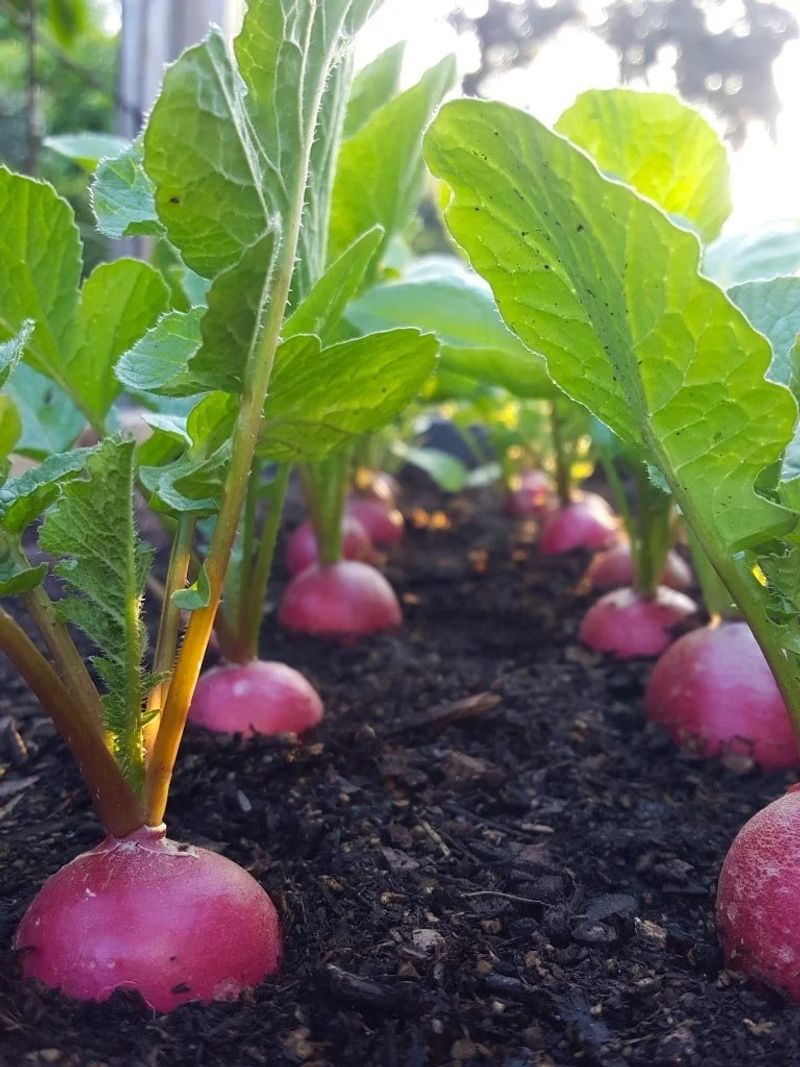
Radishes are quick-growing vegetables that adapt well to Georgia’s red clay, offering a fast and satisfying harvest. Their rapid growth cycle is a boon for gardeners seeking immediate results.
As radishes grow, they help aerate and loosen the clay, improving conditions for subsequent plantings. Their presence also enhances soil structure and fertility.
These spicy, crisp vegetables add a zesty kick to salads and dishes, making them a garden favorite.
Peppers
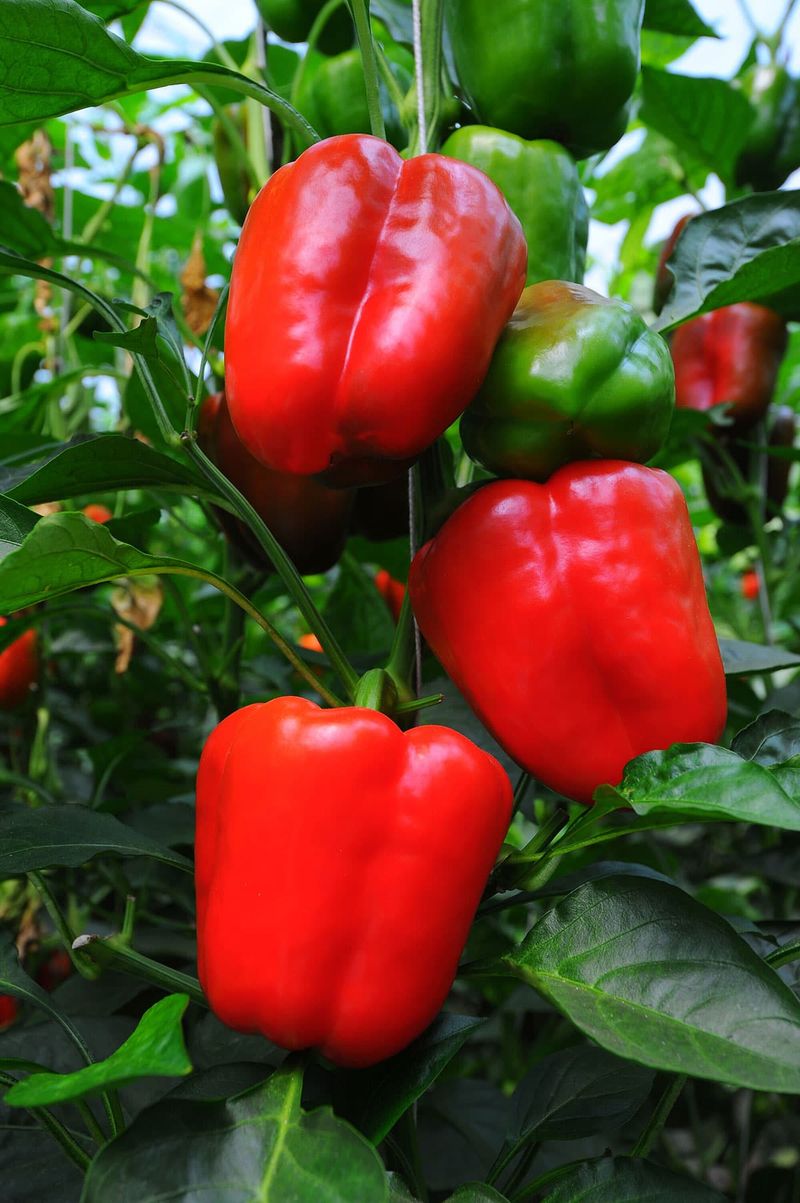
Peppers, with their vibrant colors and bold flavors, are surprisingly well-suited for Georgia’s red clay. Their adaptability makes them a standout choice for local gardens.
The strong roots of pepper plants help penetrate the dense clay, promoting better water and nutrient absorption. As they flourish, peppers contribute organic matter to the soil.
Whether sweet or spicy, peppers enhance a variety of dishes, offering a taste of the garden with every bite.
Squash
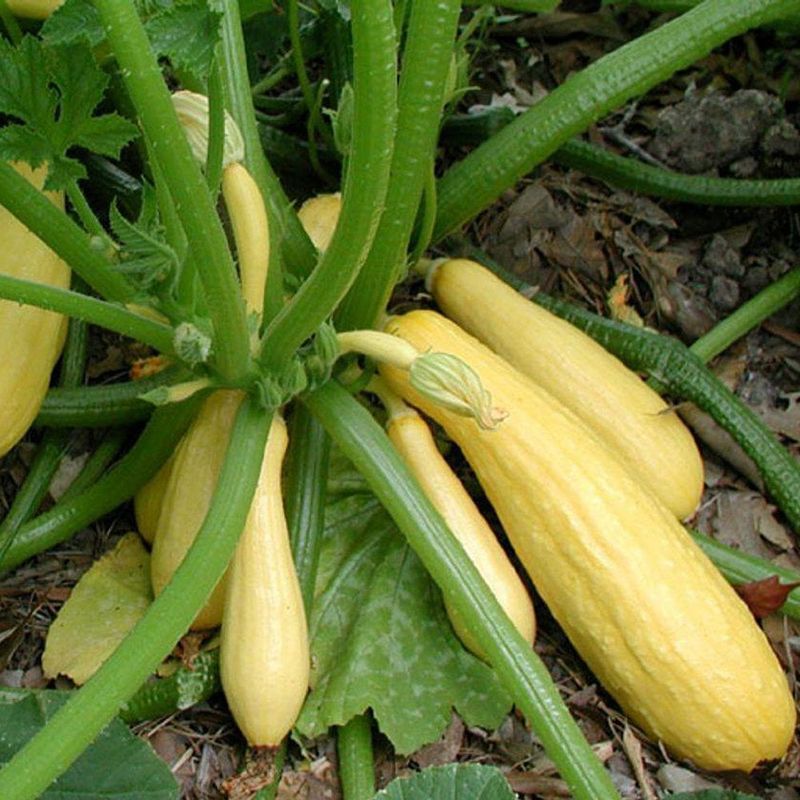
Squash is a versatile vegetable that embraces Georgia’s red clay with vigor. Known for its sprawling vines and prolific yield, squash is a garden staple.
The extensive root system of squash plants breaks through the compact clay, improving aeration and water penetration. These plants also add organic matter, nurturing the soil for future crops.
From zucchini to butternut, squash offers a plethora of culinary uses, from roasting to baking.
Onions
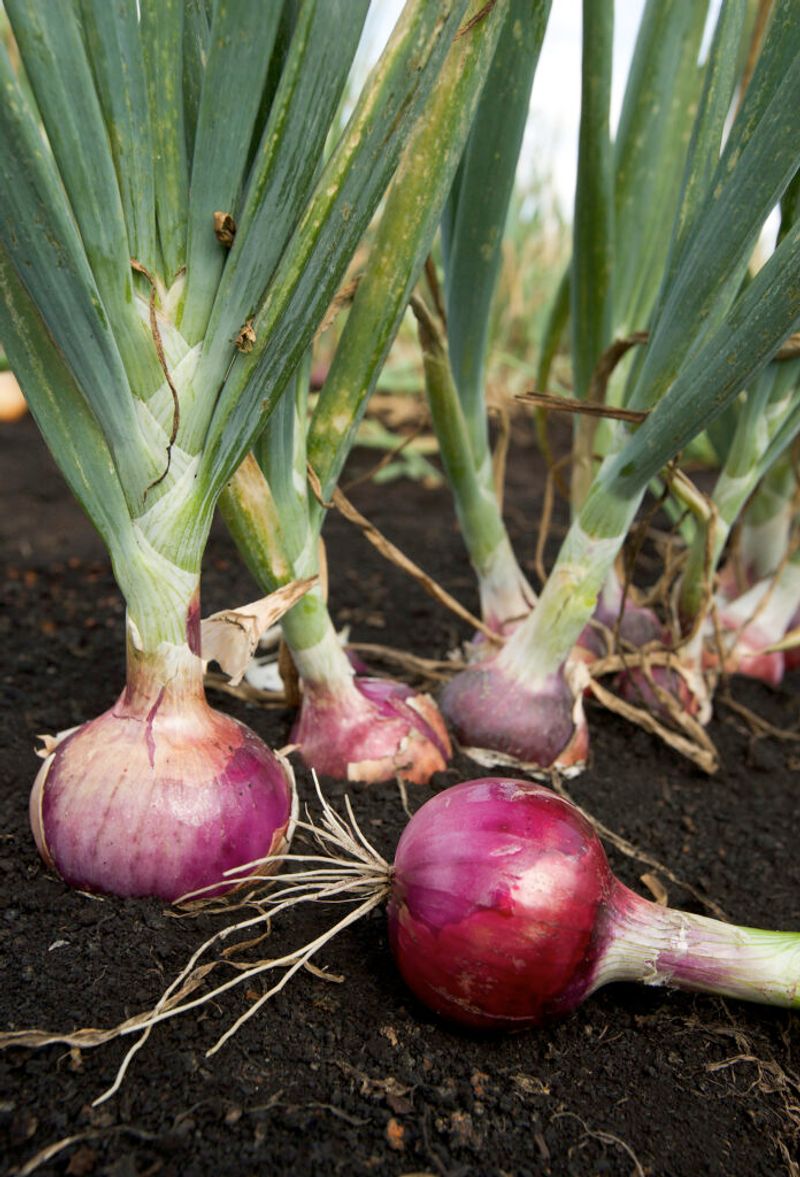
Onions, though often underestimated, are perfectly capable of thriving in Georgia’s red clay. Their resilience and slow growth make them a reliable choice.
As onions mature, they assist in loosening the dense clay, which enhances drainage and nutrient availability. They also contribute organic matter, improving soil health overall.
In the kitchen, onions are indispensable, adding depth and flavor to countless dishes.
Swiss Chard
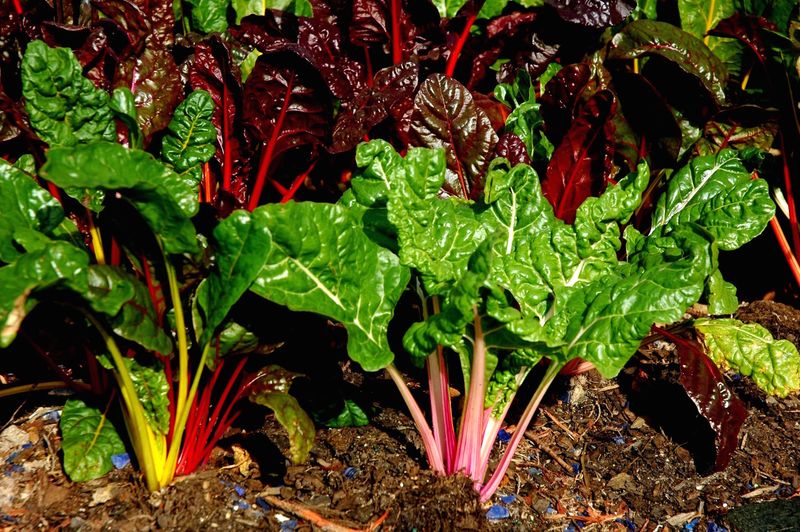
Swiss chard, with its striking colors and nutrient-rich leaves, is a standout in Georgia’s red clay gardens. This leafy vegetable is as beautiful as it is hardy.
The strong roots of Swiss chard break through the compact soil, promoting better aeration and drainage. Its growth cycle also adds organic material to the clay soil.
Swiss chard’s versatility in the kitchen makes it a favorite, offering options from sautés to salads.
Parsnips
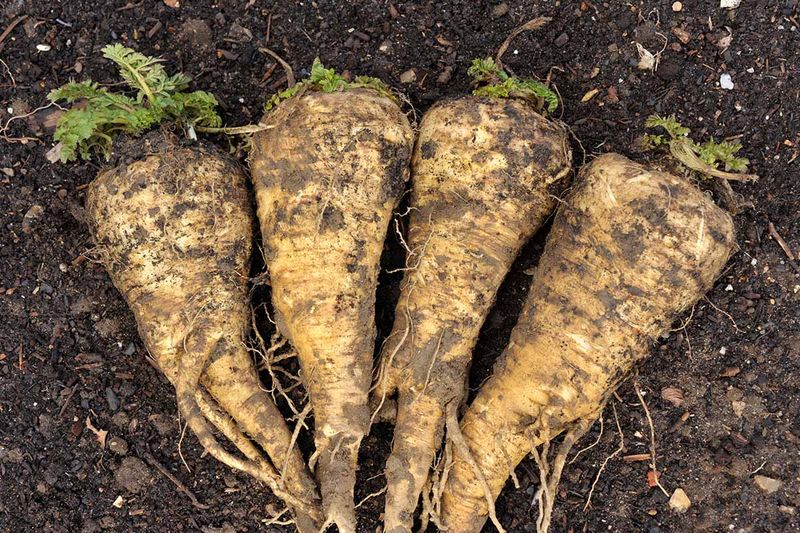
Parsnips, often overshadowed by their carrot cousins, are adept at thriving in Georgia’s red clay. Their long roots are excellent at penetrating and improving dense soil.
As parsnips grow, they help break up the clay, enhancing soil structure and fertility. Their cultivation contributes vital organic matter back to the earth.
Parsnips add a subtle sweetness to dishes, offering a unique twist on traditional flavors.
Kale
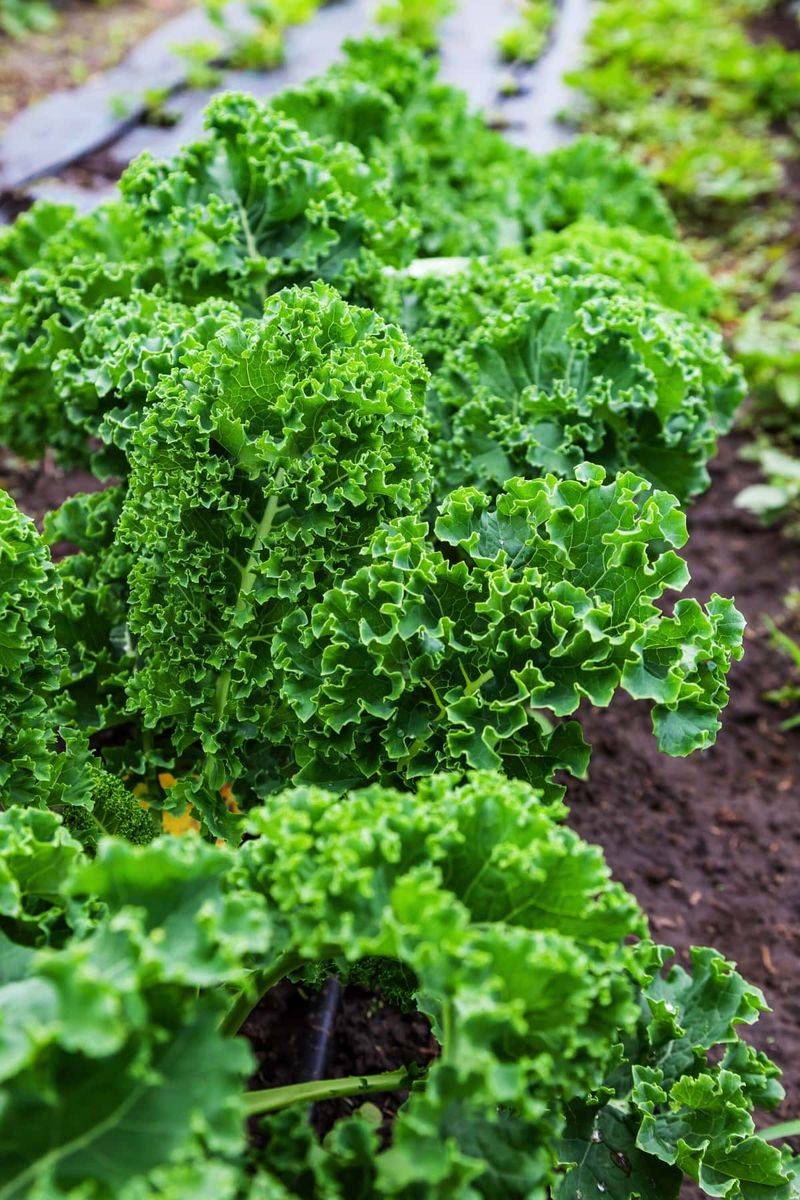
Kale, celebrated for its nutritional benefits, is well-suited for the challenges of Georgia’s red clay. This hardy green thrives where others might falter.
The deep roots of kale plants penetrate the dense clay, aiding in water and nutrient absorption. Additionally, kale contributes organic matter, enriching the soil.
Kale’s culinary versatility is unmatched, perfect for salads, smoothies, and more, making it a garden favorite.