 Complete Gardening
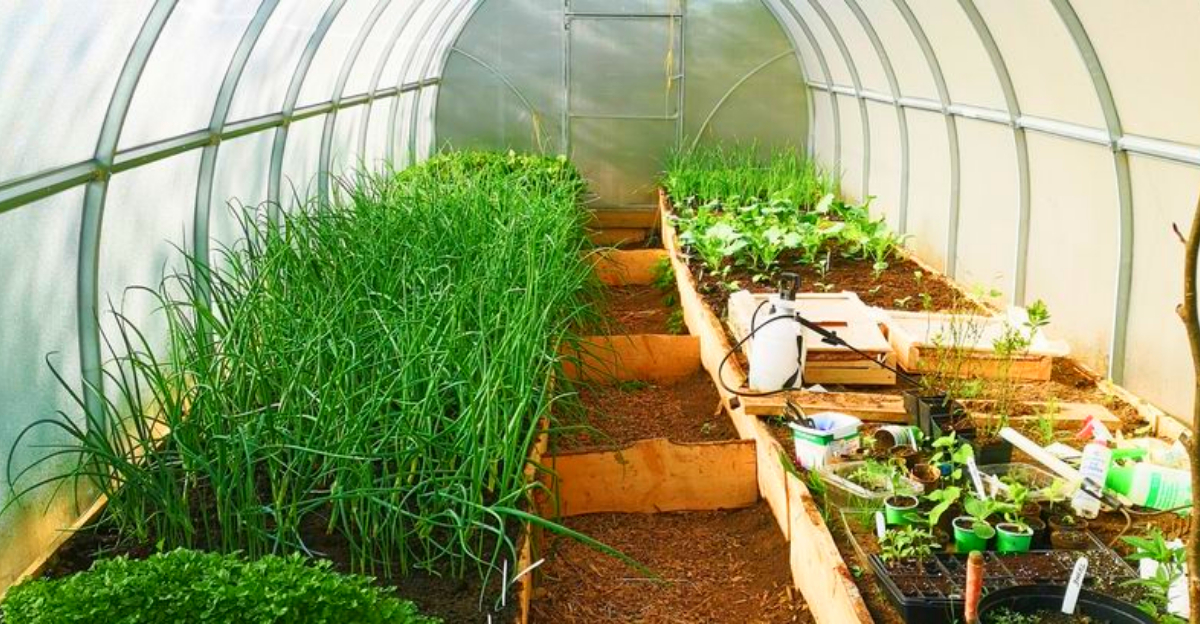
Gardening in Alaska presents unique challenges due to its cold climate and limited daylight hours. However, with the use of greenhouses, dedicated gardeners can enjoy fresh produce throughout the year. This guide explores ten essential tips to maximize your greenhouse harvests, tailored specifically for the Alaskan environment.
1. Choosing the Right Greenhouse
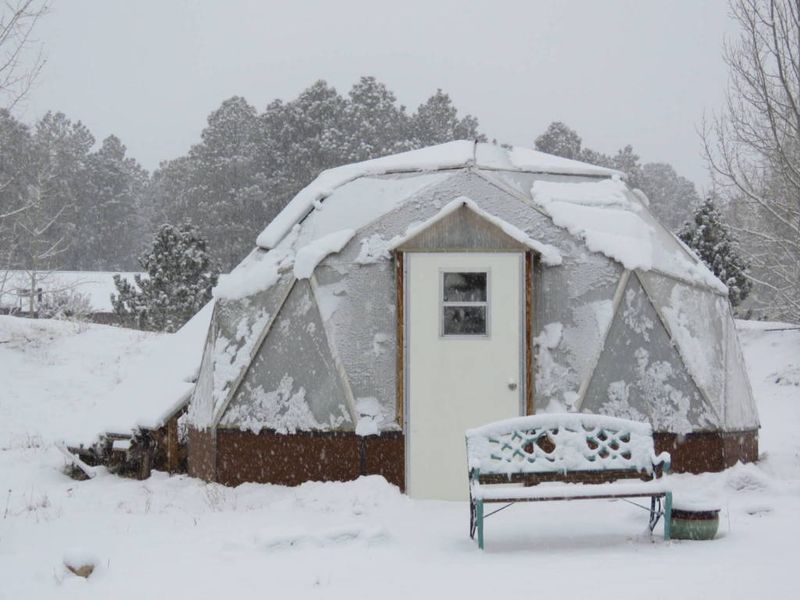
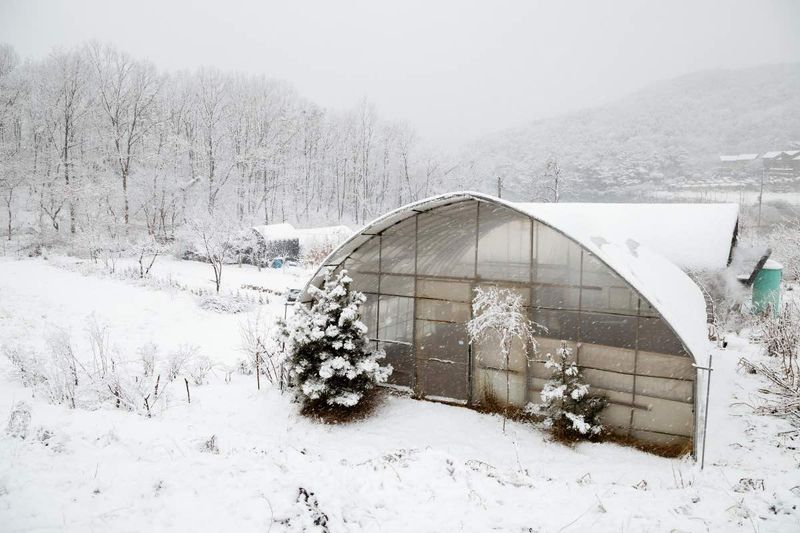
In Alaska, selecting a greenhouse that can withstand harsh weather is crucial. Look for materials like polycarbonate panels and sturdy aluminum frames. These materials provide excellent insulation, essential for maintaining temperatures during cold months.
Consider the size and location of your greenhouse. Position it to maximize sunlight exposure, especially during short winter days. A well-placed greenhouse can capture every available ray of sunshine, ensuring healthy plant growth.
2. Efficient Heating Solutions
Keeping your greenhouse warm during Alaska’s chilly months requires effective heating solutions. Small, eco-friendly heaters are a popular choice, as they provide consistent warmth without excessive energy consumption.
Integrate heat-retaining materials within your greenhouse design. Water barrels or thermal mass materials can absorb heat during the day and release it at night, maintaining a stable environment for your plants.
3. Selecting Cold-Hardy Plants
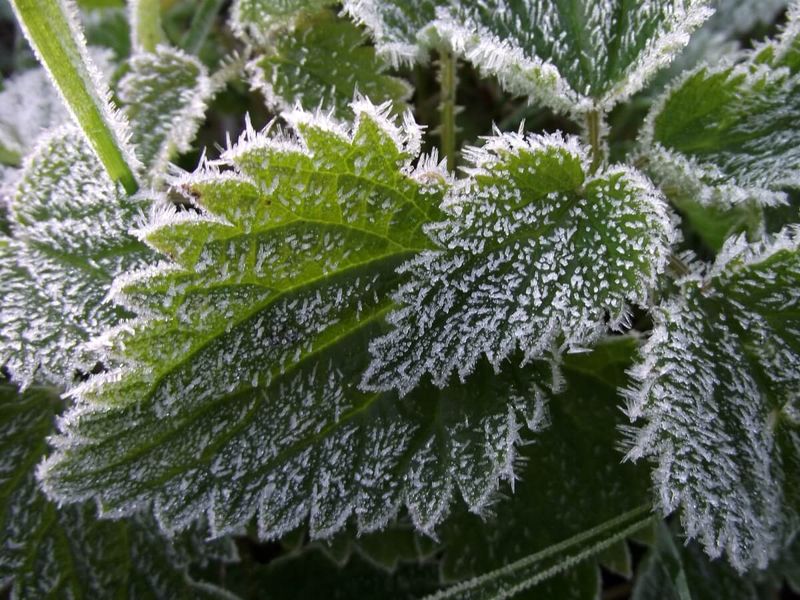
Choosing the right plants is key to successful greenhouse gardening in Alaska. Opt for cold-hardy varieties such as kale, spinach, and broccoli. These plants thrive in cooler temperatures and can withstand occasional frost.
Experiment with different plant combinations to find the best mix for your greenhouse microclimate. This approach not only ensures a diverse harvest but also enhances your garden’s resilience against fluctuating temperatures.
4. Maximizing Sunlight Exposure
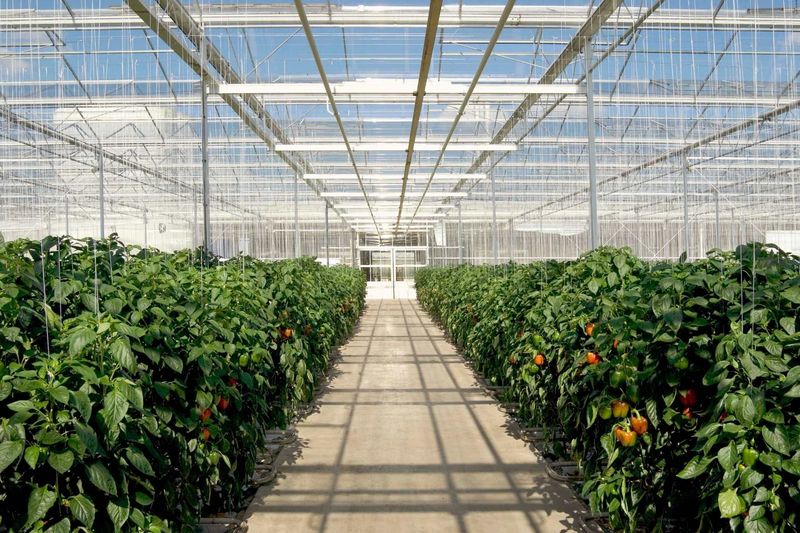
Sunlight is a precious resource in Alaska. To maximize exposure, consider using reflective surfaces inside your greenhouse. Mirrors or reflective films can enhance light distribution, ensuring all plants receive adequate sunlight.
Regularly cleaning your greenhouse’s exterior will also help. Dust and snow can accumulate, blocking precious light. Keeping surfaces clear allows your plants to soak up every bit of available sunshine.
5. Implementing Smart Watering Systems
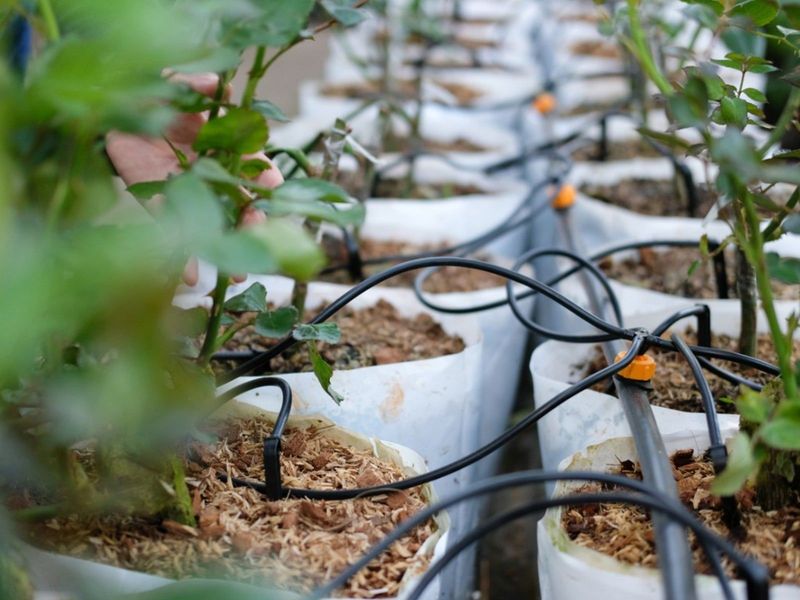
Efficient watering is essential in greenhouse gardening. Automated drip irrigation systems equipped with moisture sensors are ideal for maintaining optimal soil moisture levels without waste.
These systems can be programmed to water at specific times, ensuring your plants receive consistent care even during your absence. Such technology saves water and reduces the labor involved in manual watering.
6. Improving Soil Quality
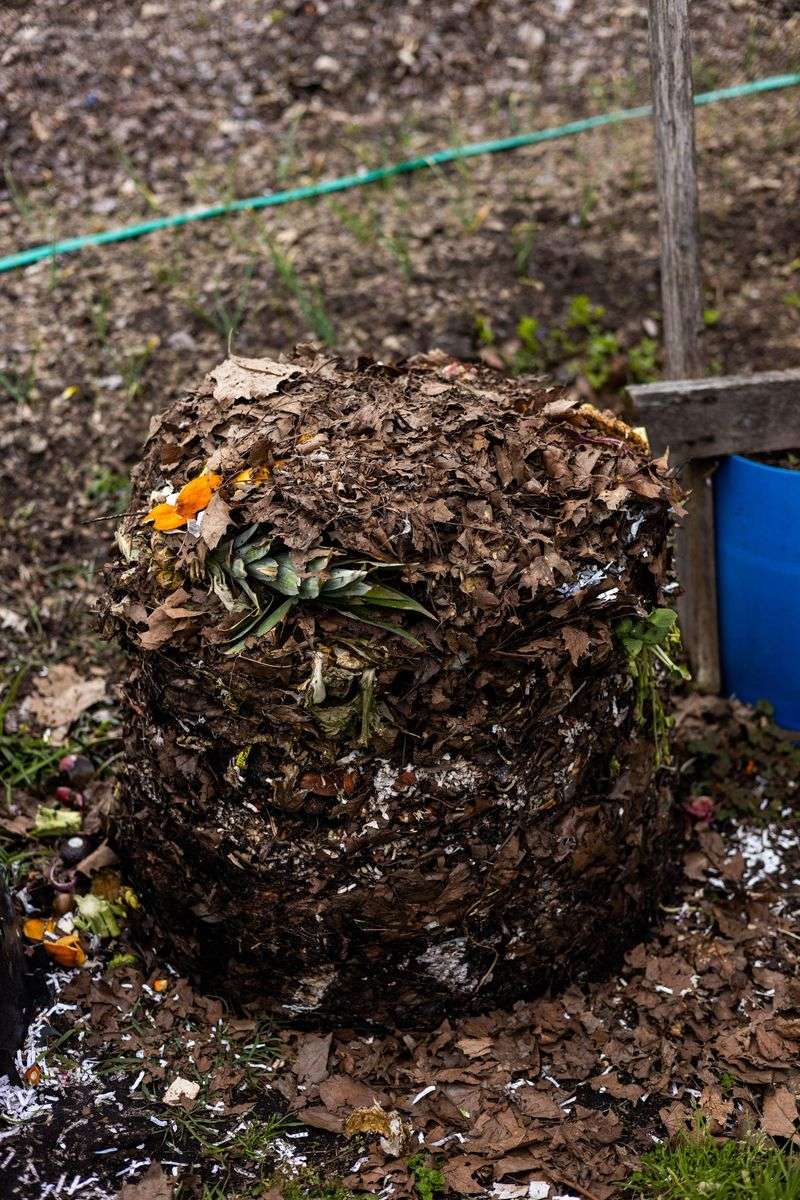
Alaskan soils can be challenging, so improving soil quality in your greenhouse is vital. Start by incorporating organic matter such as compost or well-rotted manure to enhance fertility.
Consider using raised beds to improve drainage and soil temperature regulation. The addition of earthworms can further enrich the soil, promoting healthy plant growth and robust harvests.
7. Utilizing Vertical Gardening Techniques
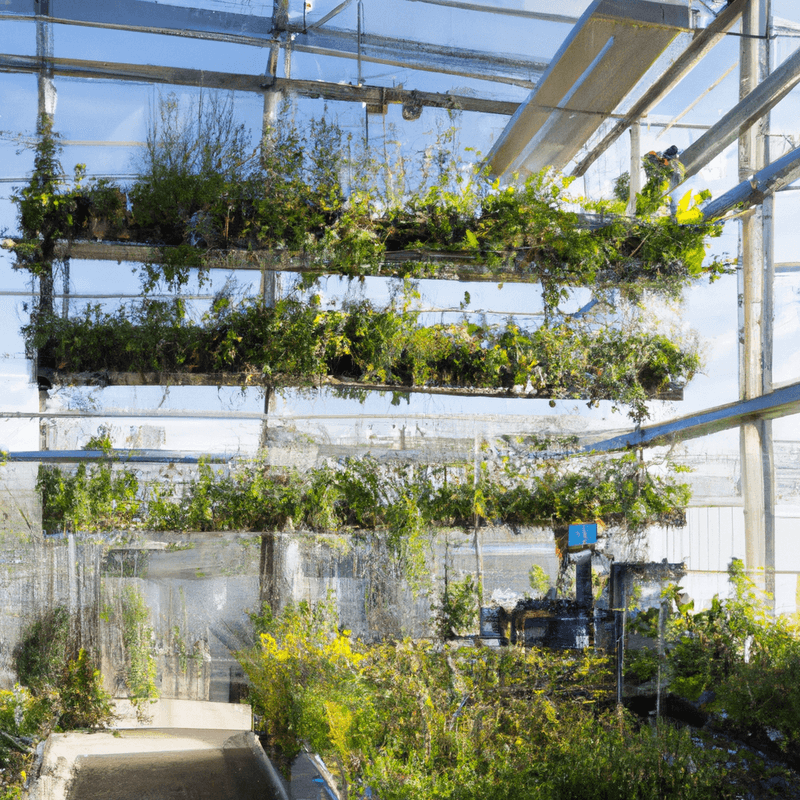
Space can be limited in a greenhouse, making vertical gardening an efficient option. Use trellises or tiered planters to grow climbing plants like peas and tomatoes, maximizing your available area.
Vertical setups not only save space but also improve air circulation around plants, reducing the risk of mold and disease. This method is a creative way to increase your yield without expanding your greenhouse footprint.
8. Incorporating Pest Control Measures
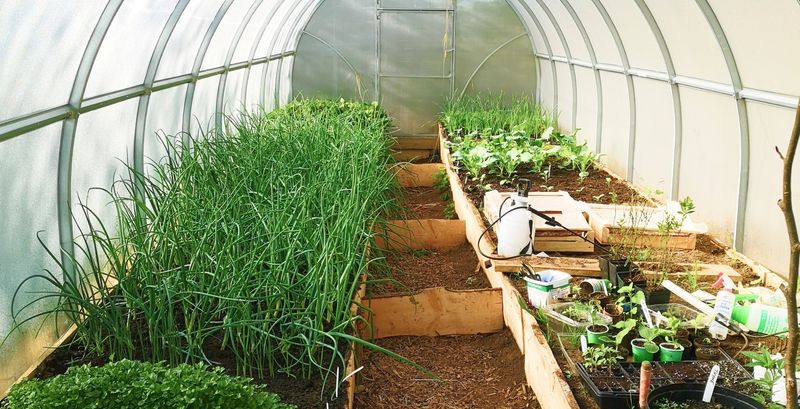
Maintaining a pest-free environment is crucial for a healthy greenhouse. Natural pest control methods, such as introducing ladybugs or using insect-repelling plants, can be effective without harmful chemicals.
Regular monitoring and early intervention are key to preventing infestations. A balanced ecosystem within your greenhouse will support beneficial insects while deterring pests, ensuring your plants remain healthy and productive.
9. Embracing Seasonal Crop Rotation
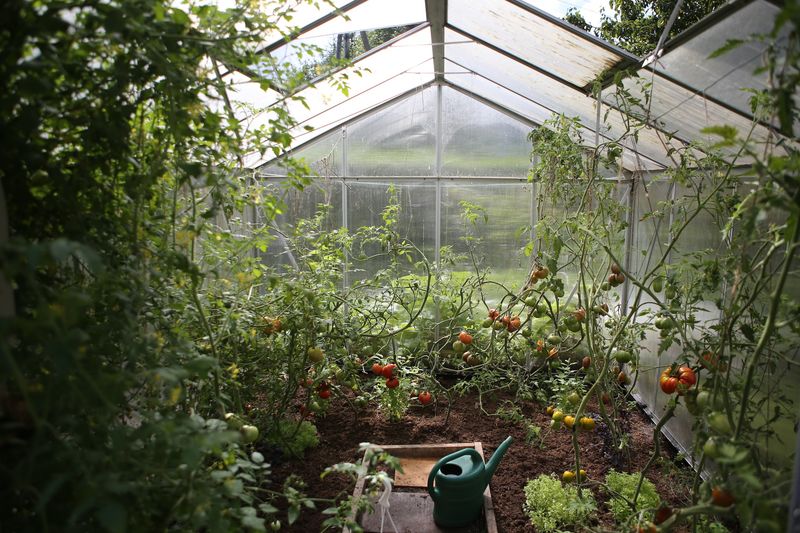
Crop rotation is not just for outdoor gardens. In a greenhouse, rotating crops helps maintain soil fertility and reduces disease build-up. Plan your plantings according to seasonal changes, keeping track of different plant families.
This practice not only optimizes nutrient use but also breaks pest and disease cycles, leading to healthier plants and more abundant harvests. Use detailed records to track your rotations and maximize their effectiveness.
10. Involving Community Knowledge and Resources
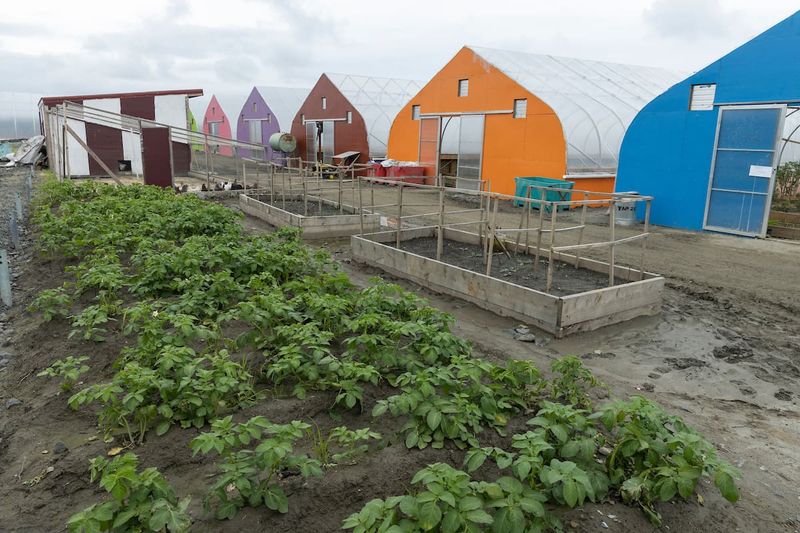
Gardening in Alaska can benefit from the collective knowledge of the community. Engage with local gardening groups or attend workshops to share experiences and learn new techniques.
Collaborating with others provides access to shared resources and innovative ideas that can enhance your greenhouse’s productivity. Community involvement fosters a supportive network, making the challenges of Alaskan gardening more manageable and enjoyable.