 Complete Gardening

Discover how you can transform everyday kitchen scraps into a lush, thriving garden with these 16 easy-to-grow vegetables. Embrace sustainability and the joy of gardening by regrowing what you once thought was waste.
1. Green Onions

Did you know green onions are one of the easiest vegetables to regrow? Place the white bulbous ends in a glass of water and watch them flourish. Within days, you’ll have fresh sprigs ready for your favorite dishes. Green onions are forgiving and thrive with minimal care.
Just keep them hydrated and enjoy the perpetual supply. These versatile greens are perfect for soups, salads, or garnishing meals. A sunny windowsill is their favorite spot, but they tolerate less light too. Green onions are a beginner gardener’s delight, offering fresh, home-grown flavor with little effort.
2. Lettuce

The next time you enjoy a salad, save the base of that lettuce head. Simply place it in water and witness new leaves sprout up. Lettuce is incredibly responsive, showing results in just a few days. A well-lit area will speed its growth.
This process not only saves money but also ensures a continuous supply of fresh greens. It’s a sustainable practice that reduces waste and enriches your meals with crisp, home-grown ingredients. Whether for sandwiches or salads, regrowing lettuce is rewarding and environmentally friendly.
Enjoy the taste of fresh, organic produce right from your home.
3. Garlic
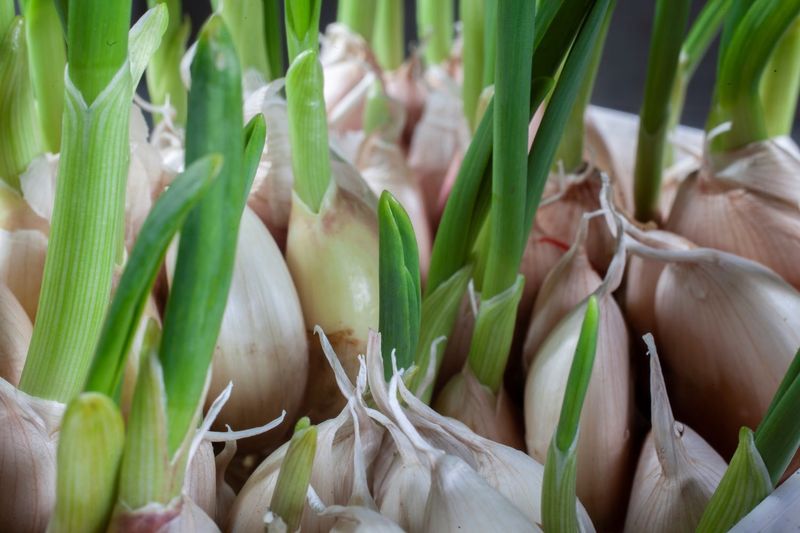
Garlic doesn’t just ward off vampires; it’s a fantastic candidate for regrowing. Place a garlic clove in soil, and soon you’ll see green shoots. These can be trimmed and used like scallions, adding a mild garlic flavor to dishes.
Garlic thrives in a sunny spot and prefers not to be overwatered. It’s an easy way to ensure a constant supply of this kitchen staple. Over time, the clove will develop into a new bulb, ready for harvest. This cycle of growth is both fascinating and practical, making garlic a favorite among home gardeners.
4. Carrot Tops

Carrot tops often end up discarded, yet they hold the key to regrowing. Place them in a shallow dish with water and watch the green tops flourish. These greens are edible and can be used in pestos or as salad garnishes.
While you won’t get a new carrot, the greenery is a delightful addition to your kitchen garden. The regrowth process is quick and rewarding, offering a splash of green to your space. Carrot tops are resilient and require minimal care, making them an excellent project for kids and adults alike.
5. Celery
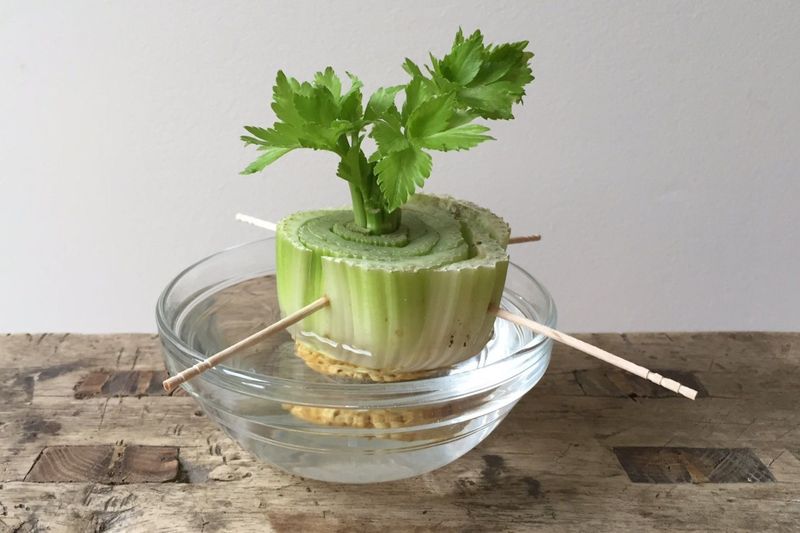
Celery is another vegetable that welcomes rebirth. Take the base, place it in water, and witness new stalks emerging. This process is not only easy but also fascinating to observe.
Celery prefers a sunny spot and regular watering to produce vibrant, crisp stalks. The regrown celery can be used in soups, salads, or as healthy snacks. This method is eco-friendly and cost-effective, reducing kitchen waste while providing fresh produce. Growing celery from scraps is a delightful and educational experience for all ages.
6. Basil
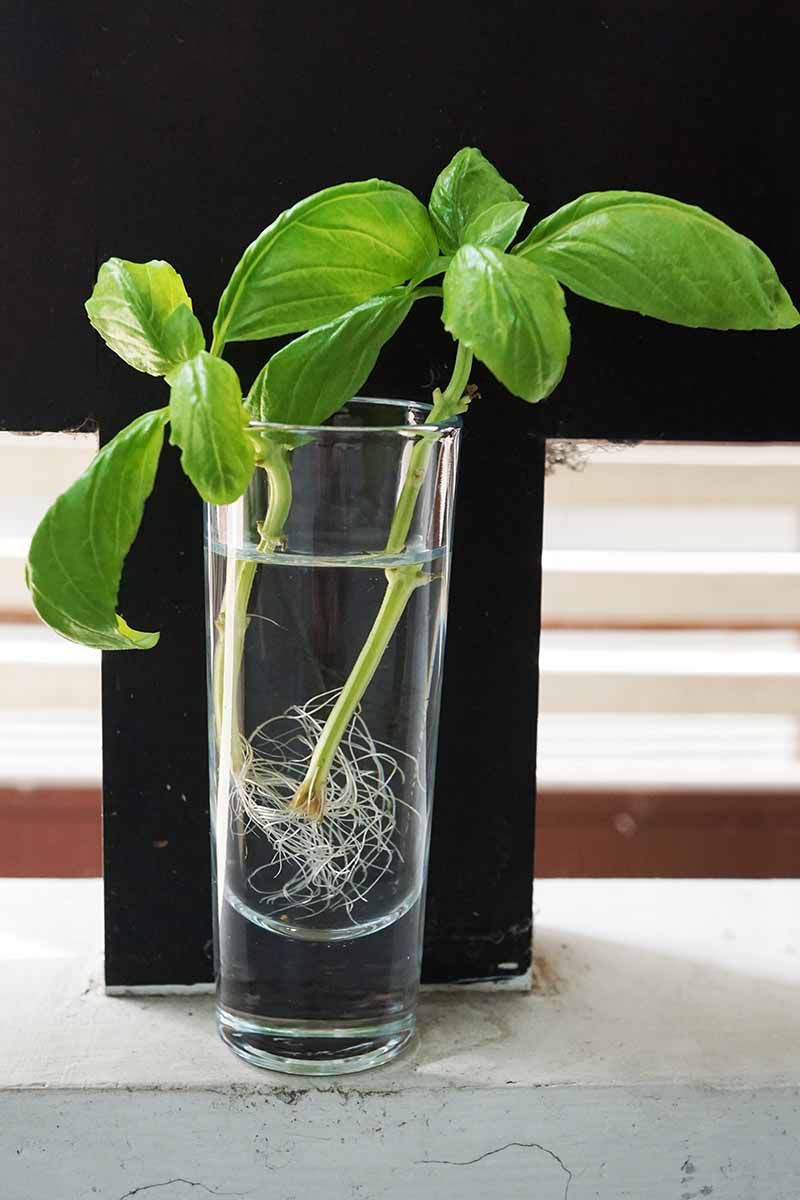
Basil, with its aromatic leaves, is perfect for regrowing from cuttings. Place a few stems in water and allow roots to develop. Once rooted, transplant them into soil for an endless supply of fresh basil.
This method ensures your kitchen is always fragrant with the unmistakable scent of basil. It’s ideal for pasta, pizzas, or fresh salads. Basil loves sunlight and warmth, so a sunny spot is perfect for thriving growth. Regrowing basil is not only practical but also adds a touch of greenery to your kitchen decor.
7. Potatoes
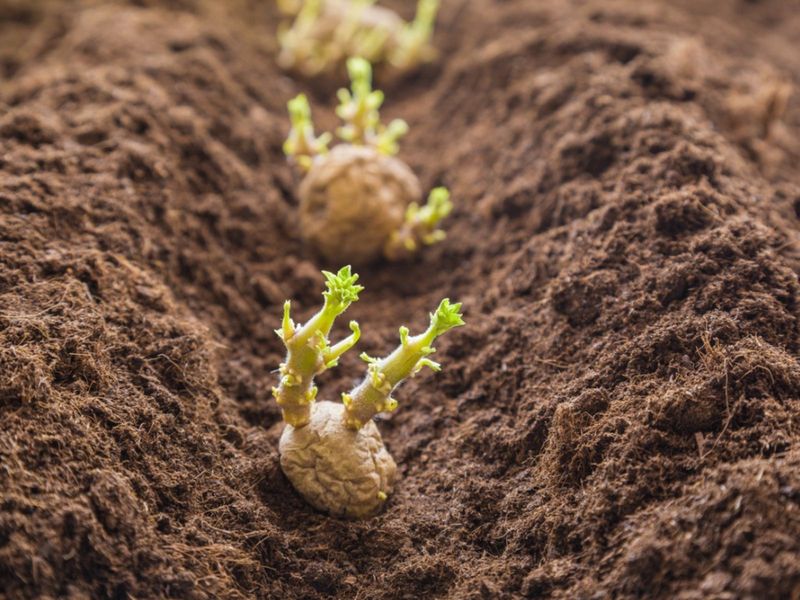
Regrowing potatoes is like witnessing a small miracle. Find a potato with eyes and plant it in soil; soon, it will sprout and expand. This process is both educational and rewarding.
While potatoes take longer to mature, the journey from sprout to harvest is fascinating. Potatoes prefer well-drained soil and moderate watering. They provide a plentiful harvest, making them a staple in the home garden. Regrowing potatoes is a great way to understand plant growth cycles and enjoy fresh produce.
8. Ginger
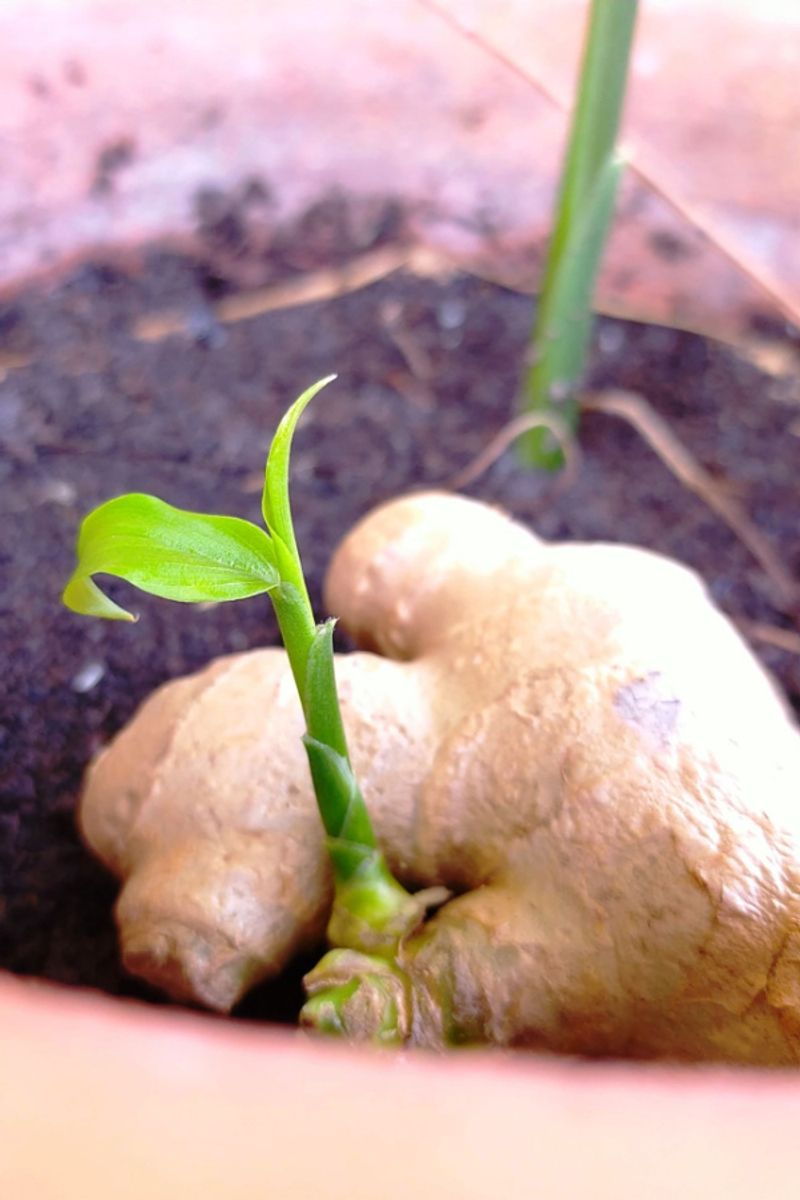
Ginger is a kitchen favorite and surprisingly easy to regrow. Simply plant a piece of ginger root in soil, and it will soon sprout. New shoots and roots will develop, offering a continual supply of fresh ginger.
Ginger prefers humid conditions and indirect sunlight. It’s a versatile ingredient for teas, cooking, and baking. Growing ginger at home not only saves money but also ensures a fresh supply at your fingertips. It’s a fascinating plant to watch as it grows, bringing a touch of the exotic to your home garden.
9. Pineapple
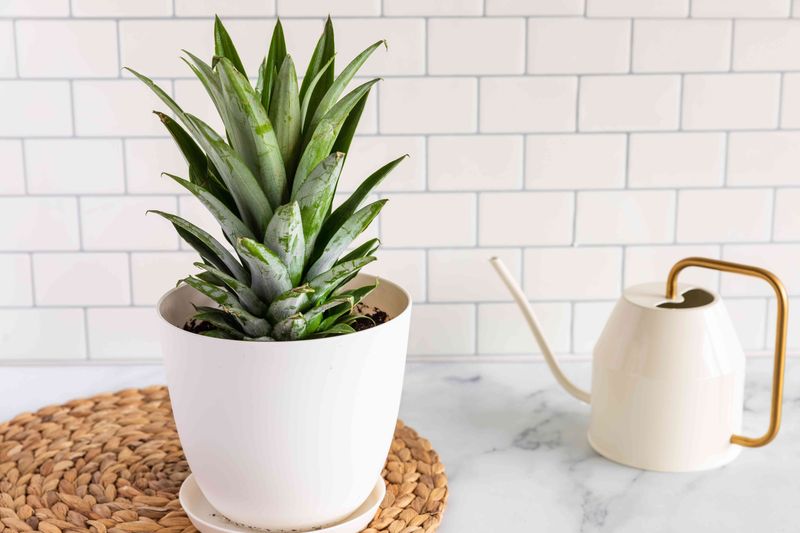
Pineapples might seem exotic, but you can regrow them at home from the crown. After slicing off the top, let it dry, then plant it in soil. Patience is key, as pineapples take time to grow.
While you wait for fruit, enjoy the tropical greenery it brings to your space. Pineapples need lots of sunlight and well-drained soil. Their unique growth process is rewarding for those who enjoy a gardening challenge. Regrowing pineapples at home is a great conversation starter and adds a touch of the tropics to your surroundings.
10. Sweet Potatoes
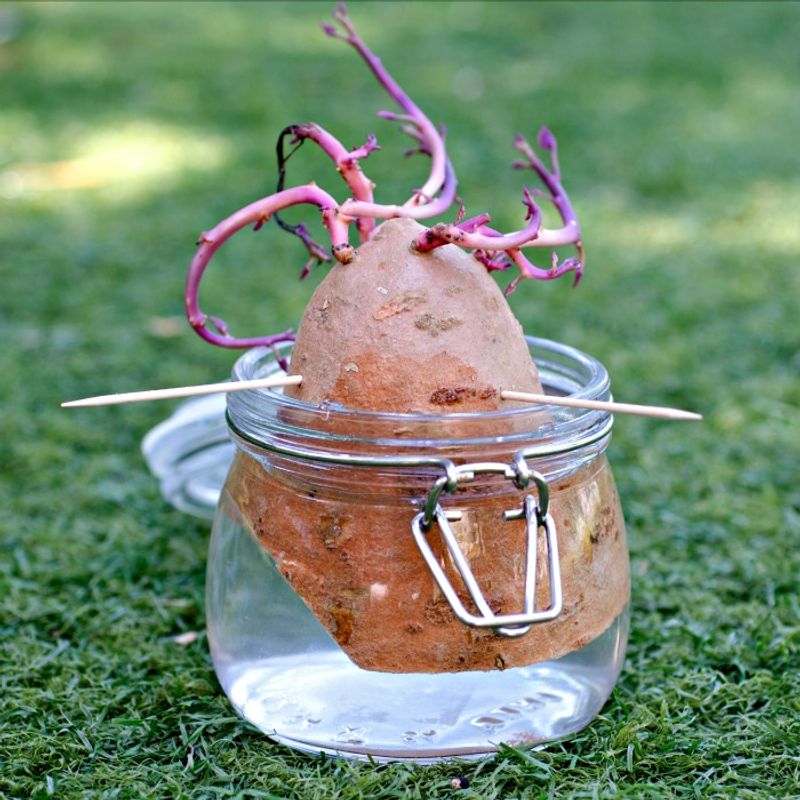
Sweet potatoes offer a beautiful and delicious regrowing experience. Allow a sweet potato to sprout, then plant it halfway in soil. The shoots will grow into vines, which can be transplanted for more growth.
They thrive in warm conditions and sandy soil. Sweet potatoes are both ornamental and edible, providing nutritious tubers. This plant’s ability to create lush greenery indoors makes it a favorite for home gardeners. Growing sweet potatoes is a rewarding journey from sprout to harvest, showcasing nature’s incredible cycle of renewal.
11. Leeks
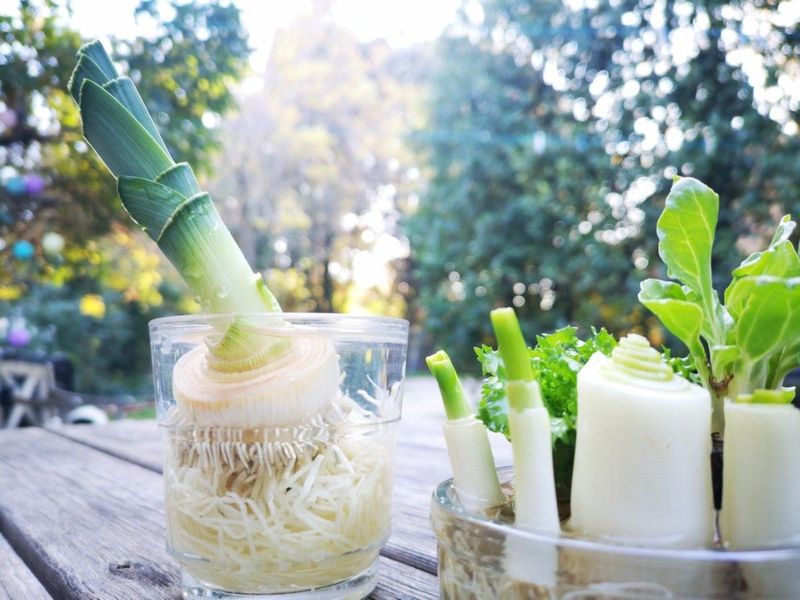
Leeks, with their subtle onion flavor, are perfect for regrowing. Save the base and place it in water; soon, new greens will appear. This method ensures a steady supply of fresh leeks for your dishes.
They thrive in sunny spots and require regular watering. Leeks are versatile, enhancing soups, stews, and casseroles. Regrowing leeks is both economical and satisfying, providing home chefs with fresh ingredients. It’s a sustainable practice that reduces waste while offering a taste of home-grown freshness.
12. Cabbage
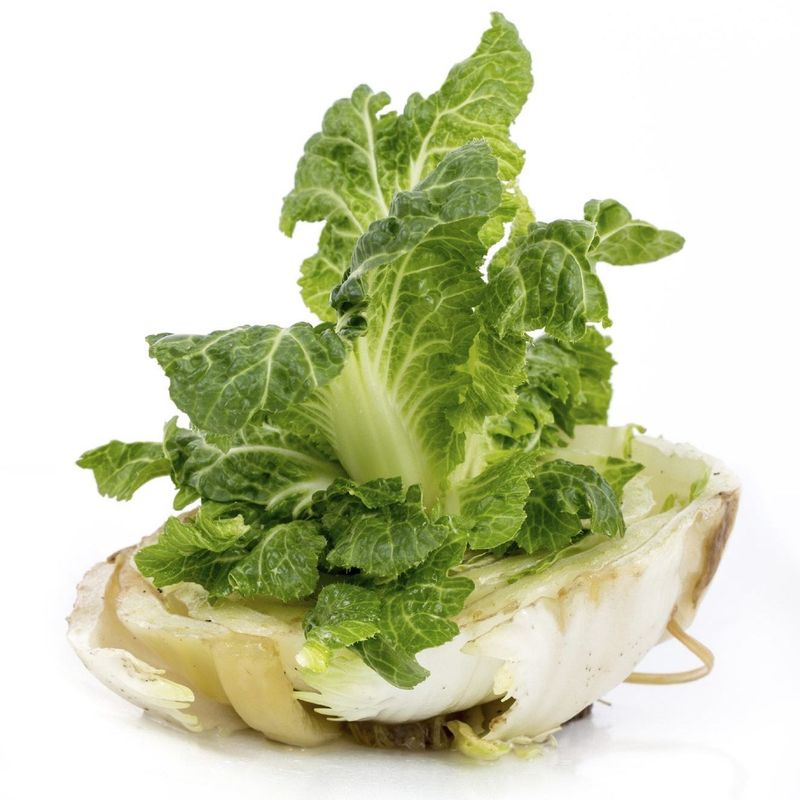
Cabbage is another vegetable that can be easily regrown from scraps. Save the base and place it in water; new leaves will sprout quickly. This method is both simple and gratifying.
Cabbage prefers a sunny location and consistent moisture for optimal growth. It’s an economical way to ensure a supply of fresh cabbage for your meals. Whether used in salads, soups, or stir-frys, regrown cabbage is a kitchen staple. The process is educational and reduces waste, promoting sustainable gardening practices.
13. Mint
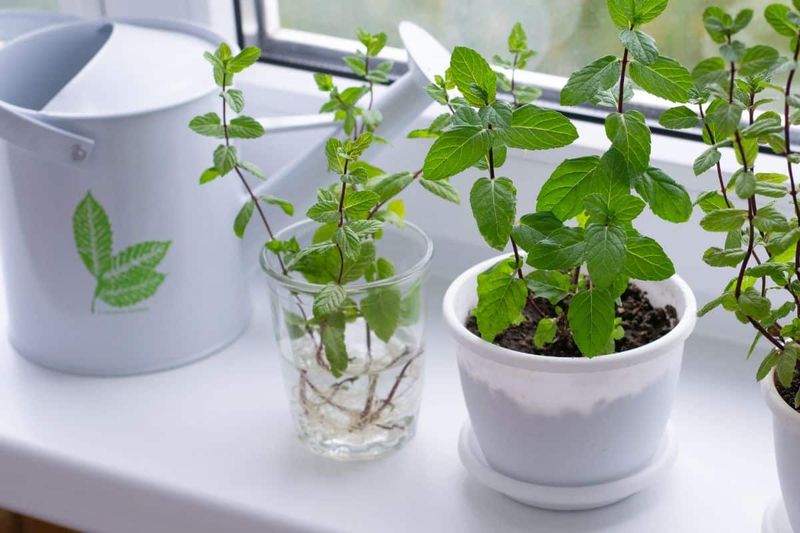
Mint, with its refreshing aroma, is perfect for regrowing from cuttings. Place stems in water and wait for roots to form. Once rooted, plant them in soil for a continuous supply of fresh mint.
Mint requires minimal care and thrives in sunlight, making it an ideal kitchen garden herb. It’s perfect for teas, desserts, and garnishing dishes. Regrowing mint is both practical and satisfying, offering a touch of greenery and fragrance to your home. Enjoy the luxury of fresh, home-grown mint at your fingertips.
14. Fennel
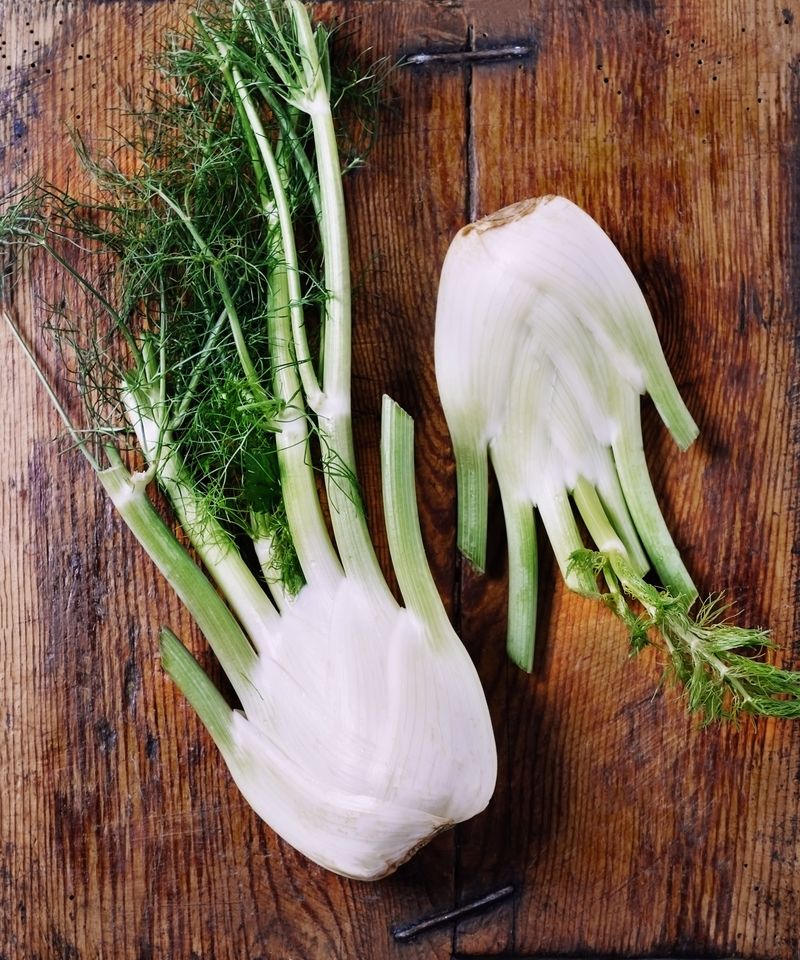
Fennel is not only flavorful but also easy to regrow from its bulb base. Submerge the base in water and watch new fronds emerge. This method is both simple and rewarding.
Fennel prefers a sunny spot and regular watering for optimal growth. Its unique flavor enhances salads, soups, and roasts. Regrowing fennel from scraps is an economical way to enjoy fresh produce. It’s a sustainable practice that reduces waste while offering a taste of garden freshness. The process is delightful for both novice and experienced gardeners.
15. Turnips
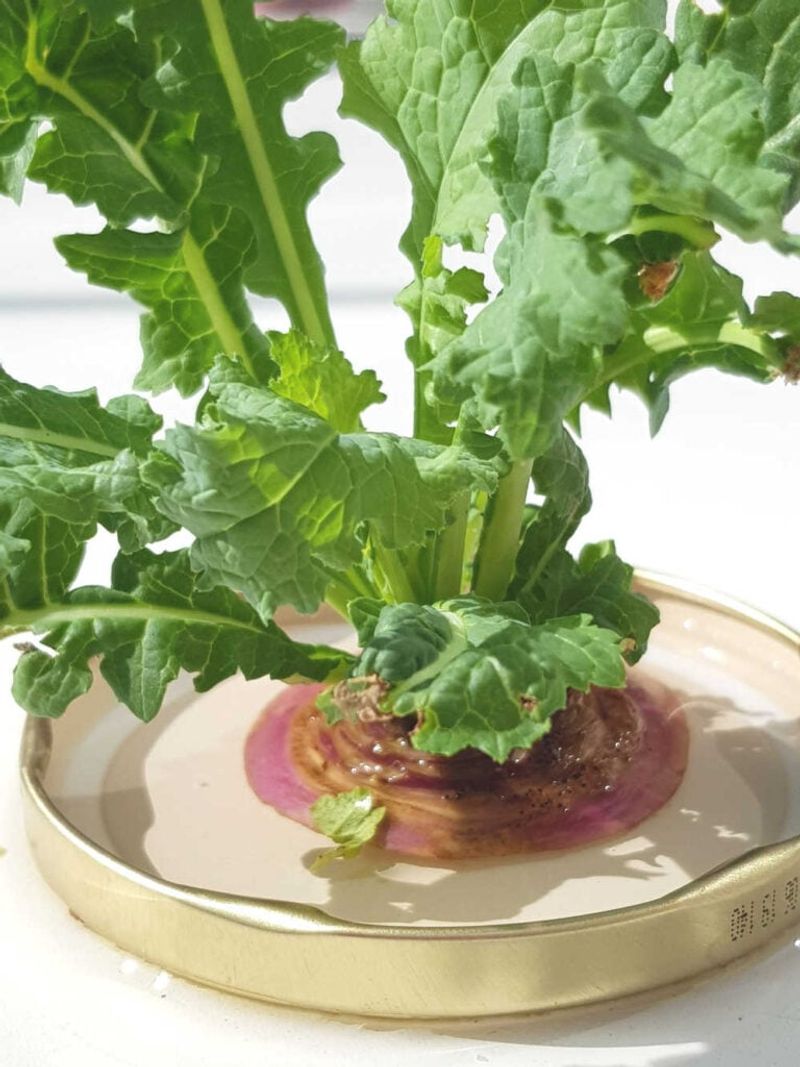
Turnips, often overlooked, can be regrown from their tops. Place the tops in water and watch as new greens sprout. These greens are edible and perfect for salads or stir-frys.
Turnips thrive in well-lit areas and enjoy consistent watering. Regrowing turnips is a simple way to reduce waste and enjoy fresh greens. It’s an educational experience, showcasing nature’s regenerative capabilities. Whether used as a garnish or in dishes, turnip greens add a fresh, home-grown touch to your meals.
16. Bell Peppers

Bell peppers, with their bright colors and crisp texture, can be easily regrown from leftover seeds. Begin by collecting seeds from a ripe bell pepper and let them dry for a few days. Plant them in a pot with soil and place in a sunny spot. Water them regularly, and soon you’ll see sprouts emerging. As they grow, transplant them into a larger garden bed.
This method reduces waste and offers a rewarding gardening experience. Did you know bell peppers are rich in vitamin C? By regrowing them, you’re ensuring a healthy, homegrown supply.