 Complete Gardening
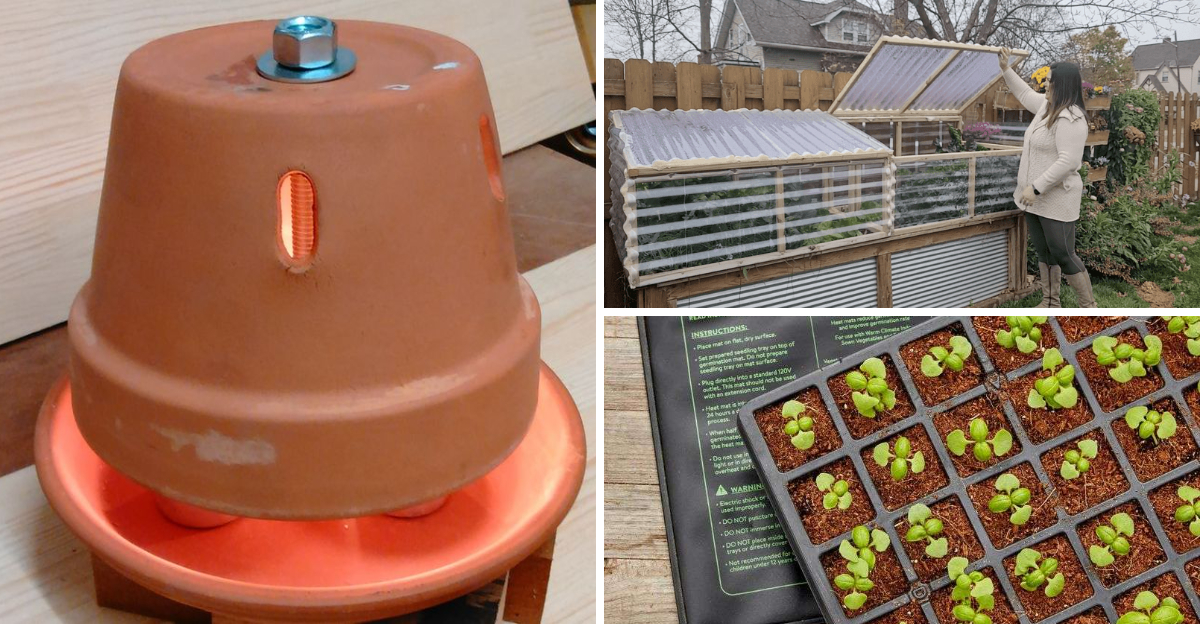
Winter doesn’t have to mean the end of your gardening adventures! Smart gardeners have discovered amazing ways to keep their plants thriving even when it’s freezing outside.
From clever DIY heating tricks to affordable lighting solutions, these creative methods will help your green friends stay happy and healthy all season long.
1. Full-Spectrum Grow Lights = Instant Sunlight Indoors
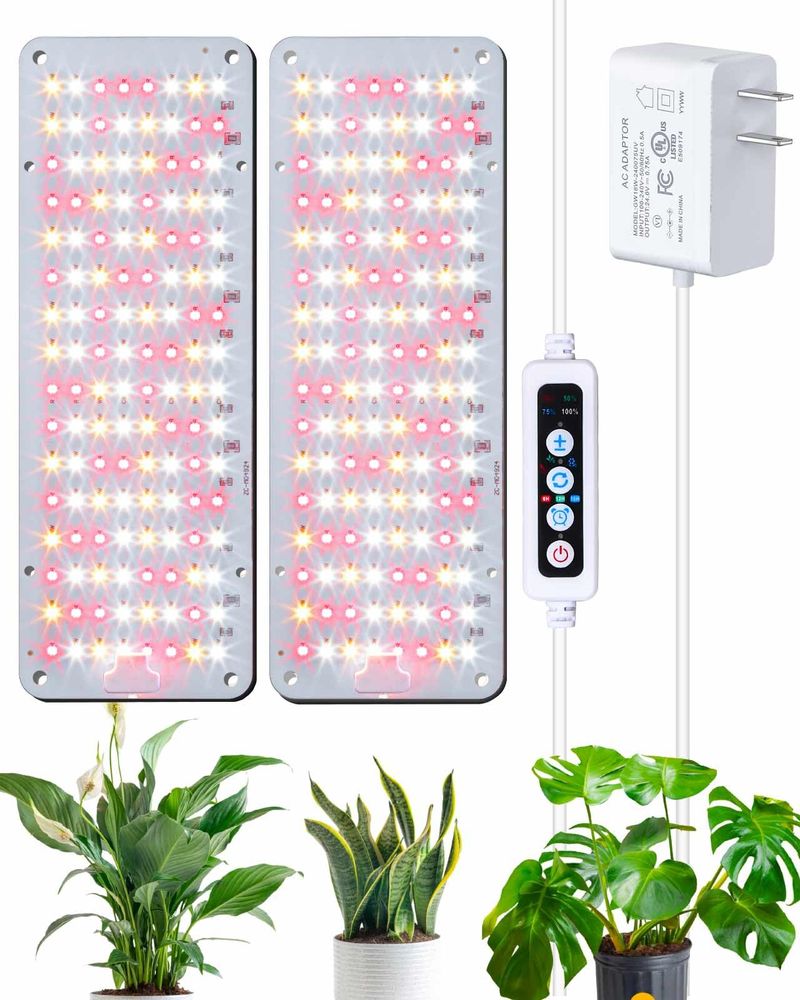
Imagine bringing the power of summer sunshine right into your home during the darkest winter months. Full-spectrum grow lights work like magic, copying natural sunlight to help your plants photosynthesize perfectly.
Look for LED lights marked “full-spectrum” or “6500K” on the package. Your indoor plants will think they’re basking in a tropical paradise!
Perfect for houseplants, herbs, and winter greenhouse setups that need reliable light sources.
2. Compost Heaps That Generate Heat (Yes, Really)
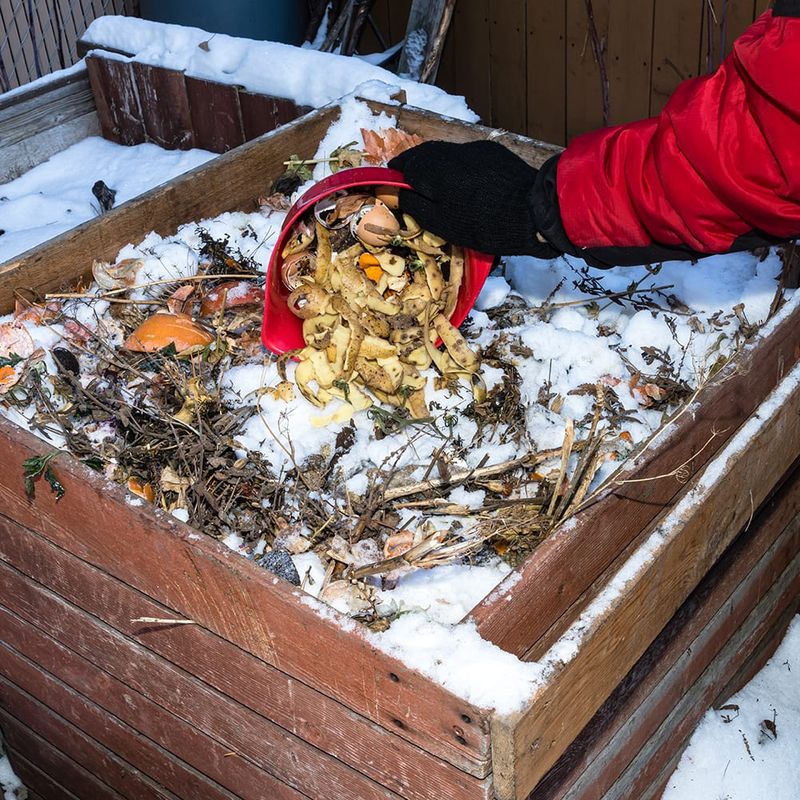
Your kitchen scraps and yard waste can become a natural heating system that would make any engineer jealous. Active compost piles generate incredible heat, reaching temperatures between 130-160°F through decomposition.
Position your compost near cold frames or garden beds to share this free warmth. It’s like having nature’s own heating pad working around the clock.
This method combines waste reduction with smart garden heating in one brilliant solution.
3. T5 and T8 Fluorescent Tubes for Budget Indoor Gardening
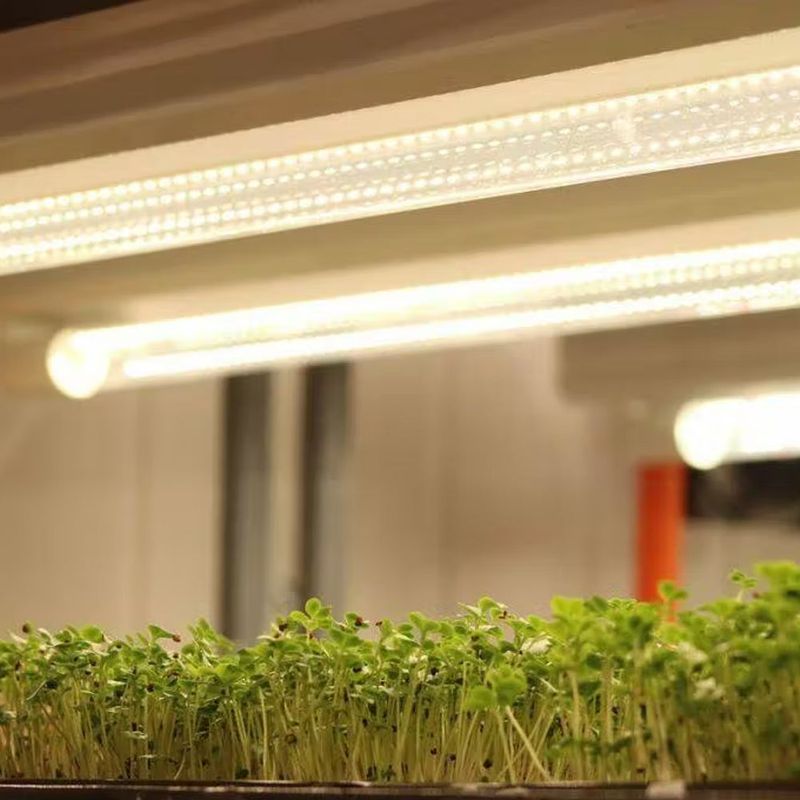
Professional growers have relied on these trusty fluorescent tubes for decades, and there’s good reason why. T5 and T8 fluorescents deliver bright, cool light without breaking your electricity budget.
They’re absolutely perfect for starting seeds and growing leafy greens like lettuce and spinach. The light stays cool, so you won’t accidentally cook your delicate seedlings.
Installation is straightforward, making them ideal for beginner indoor gardeners on tight budgets.
4. Heat Mats for Germination Boosts
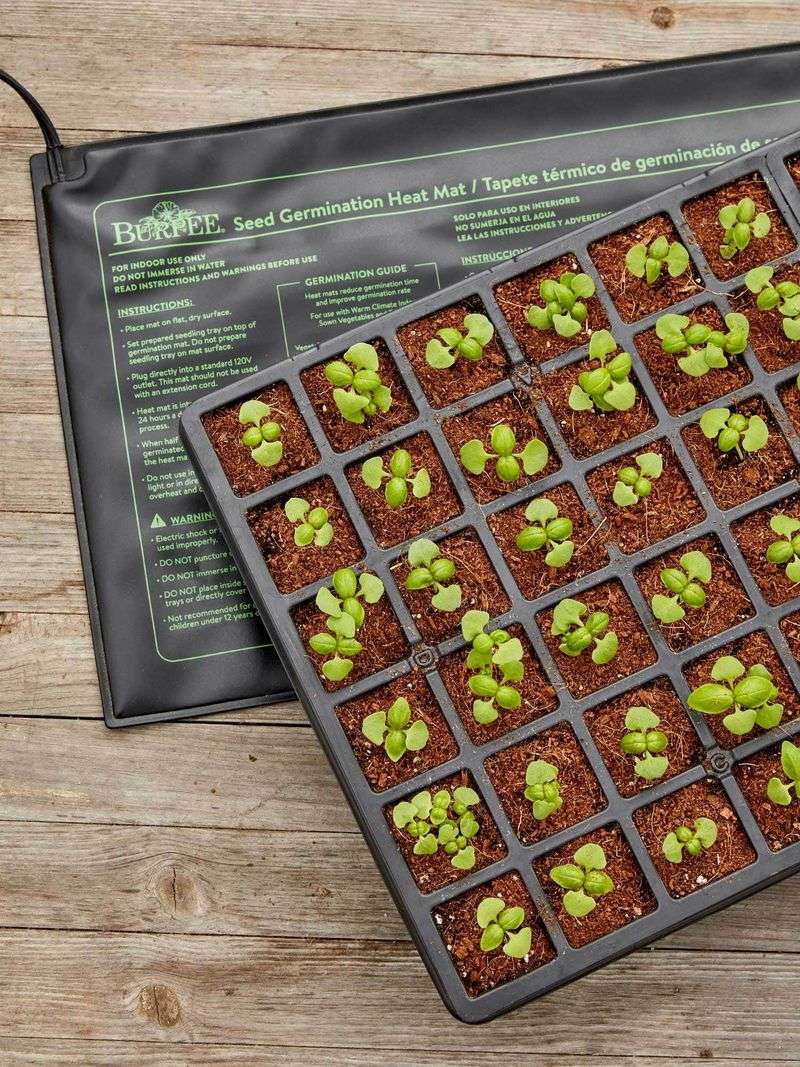
Seeds can be surprisingly picky about soil temperature, especially heat-loving varieties like tomatoes and peppers. Seedling heat mats solve this problem by gently warming the soil from below.
These mats dramatically improve germination rates for melons, herbs, and tropical plants. Think of them as electric blankets for your future garden stars.
Most mats maintain steady temperatures between 70-85°F, creating perfect conditions for stubborn seeds to sprout quickly.
5. LED Grow Bulbs (Clamp-On = Game Changer)
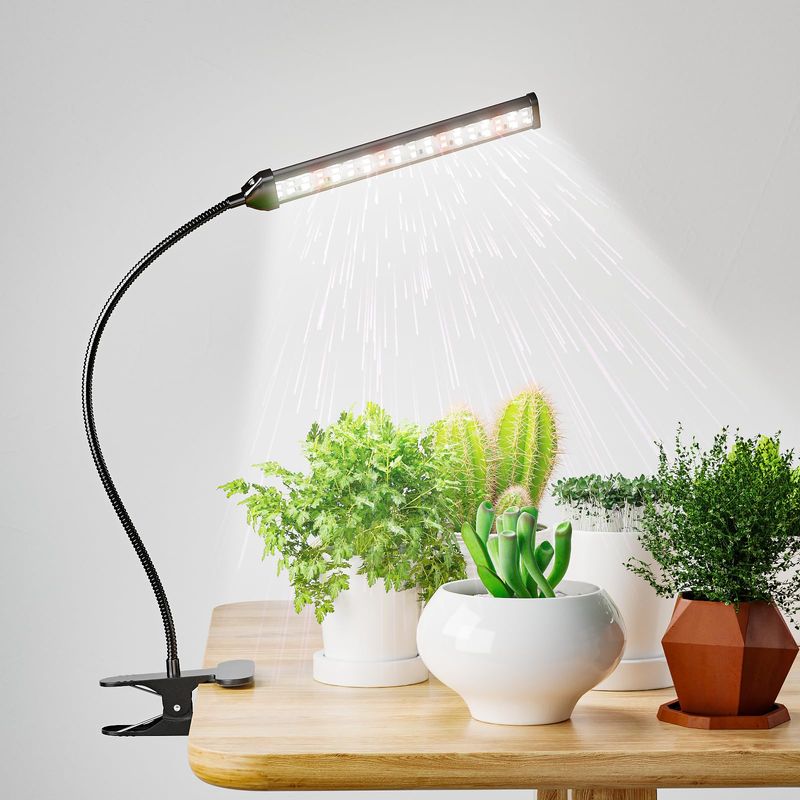
Sometimes the simplest solutions are the most brilliant ones. Clamp-on LED grow bulbs offer incredible flexibility, letting you move light exactly where plants need it most.
These energy-efficient bulbs screw into standard clamp lights, making them super affordable and portable. You can easily adjust height and angle as your plants grow taller.
Perfect for supplementing natural light in dark corners or providing focused lighting for specific plants.
6. Mini Greenhouses Trap Heat and Light Naturally
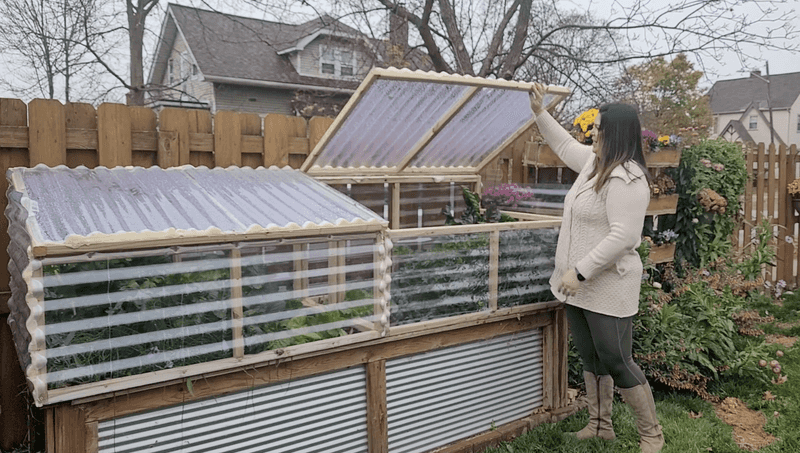
Cold frames and mini greenhouses work like tiny climate-controlled bubbles for your plants. These structures capture sunlight during the day and trap warm air inside, creating cozy microclimates.
Even simple cloches made from clear plastic bottles can protect individual plants from frost. The greenhouse effect keeps temperatures several degrees warmer than outside air.
Perfect for extending growing seasons and protecting tender plants through unexpected cold snaps.
7. Terracotta Pot Heaters (DIY Garden Myth That Works!)
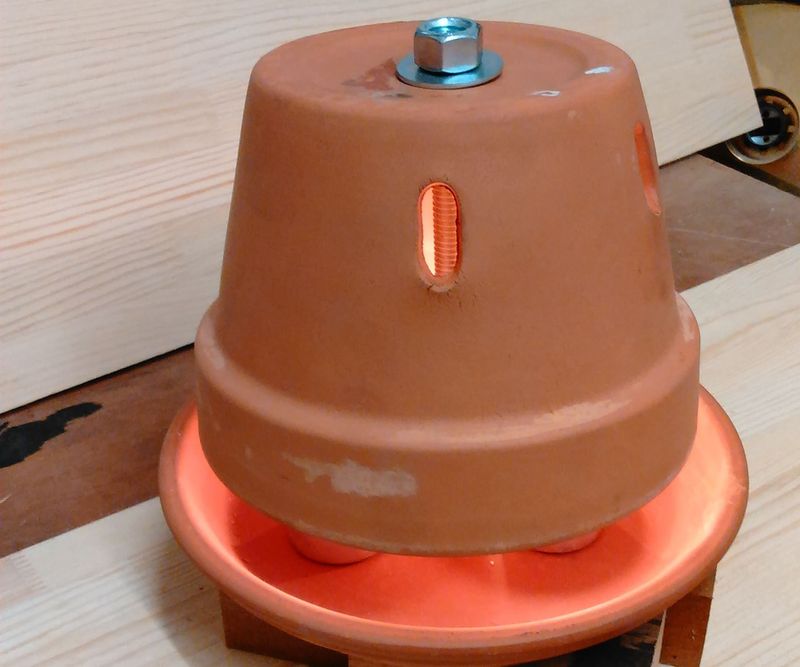
This old-school trick sounds almost too simple to work, but gardeners swear by its effectiveness. Stack a terracotta pot over a lit tea light, and you’ve created a surprisingly efficient heat source.
The clay pot absorbs heat from the candle and radiates it slowly into your cold frame or small greenhouse. It’s like having a tiny wood stove for your plants.
Always use proper ventilation and fire safety precautions when trying this clever heating method.
8. Halogen Work Lights as Emergency Grow Lights
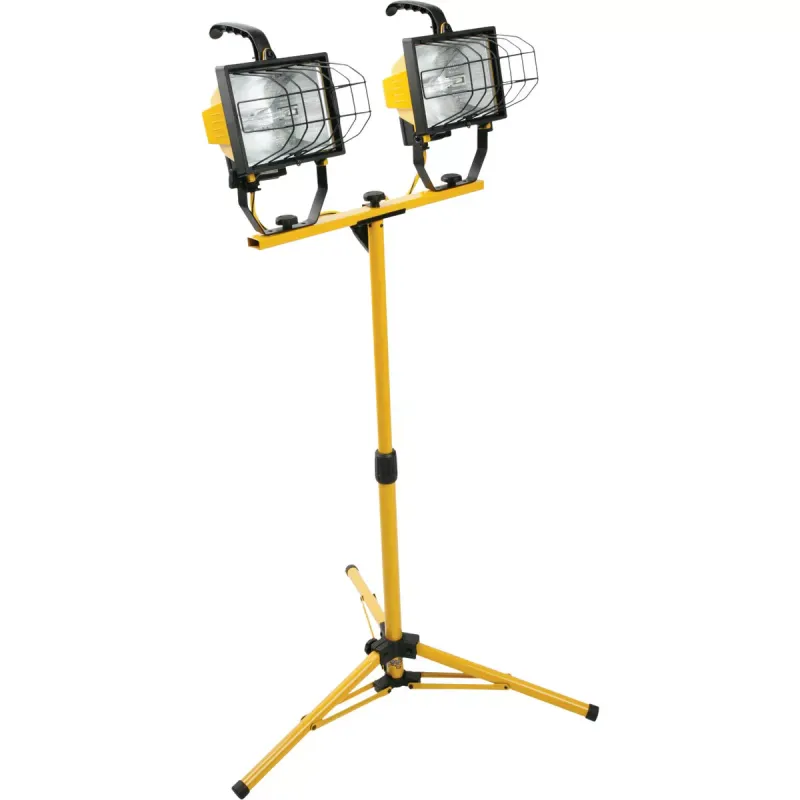
When unexpected cold snaps threaten your plants, halogen work lights can save the day. These powerful bulbs emit both intense light and significant heat, providing dual benefits.
They’re not ideal for long-term use due to high energy consumption, but they’re perfect for emergency situations. Hardware stores sell them cheaply, making them accessible backup options.
Position them carefully to avoid overheating plants, and use them temporarily during extreme weather events.
9. Water Barrels (Thermal Mass Magic)
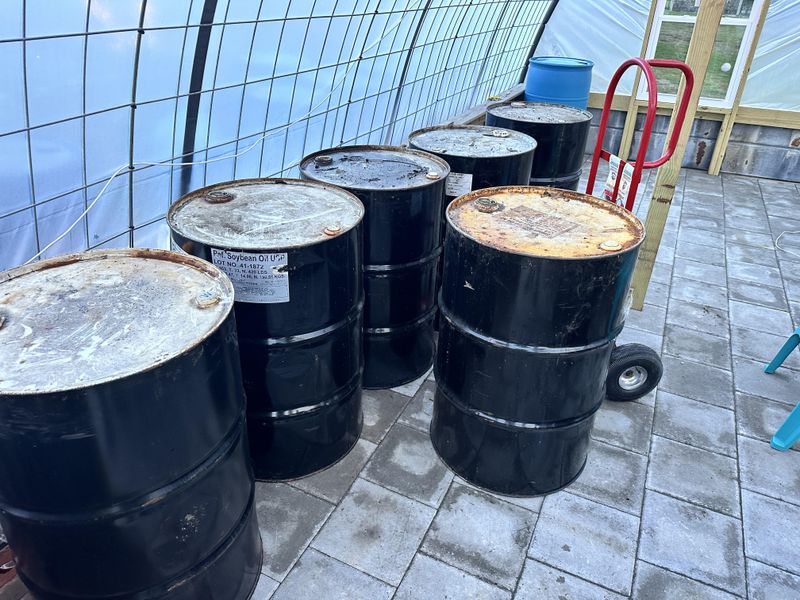
Black water barrels act like giant batteries that store heat instead of electricity. During sunny winter days, they absorb massive amounts of solar energy.
At night, this stored heat slowly releases, keeping greenhouse temperatures stable for hours. It’s thermal mass magic that works even when the sun disappears.
Position barrels strategically in your greenhouse to maximize heat absorption and distribution throughout your growing space.
10. Solar-Powered Lighting & Heating Panels
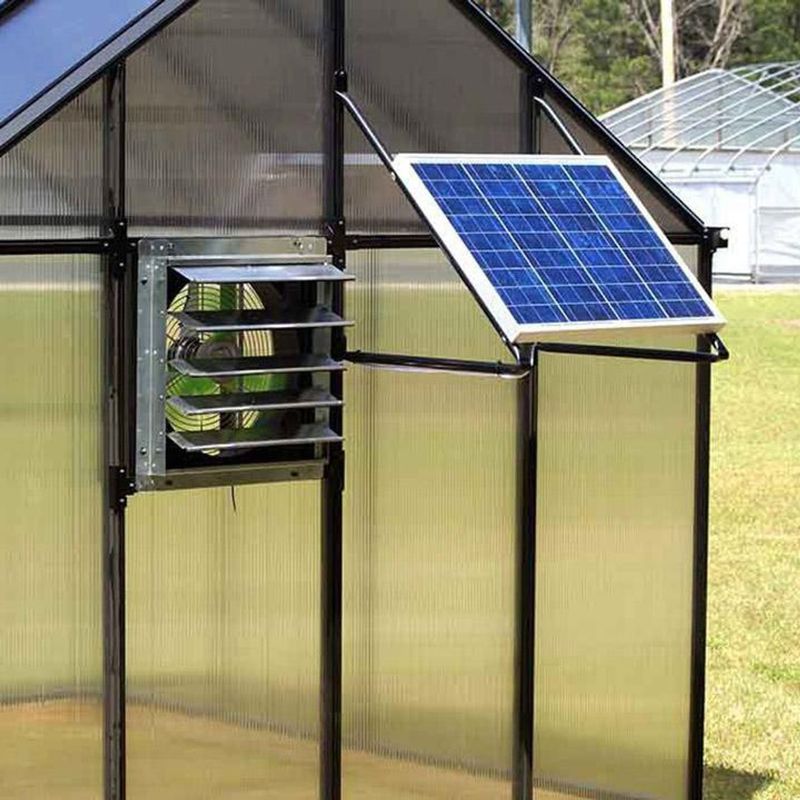
Eco-conscious gardeners love solar systems that work completely off-grid. Solar panels charge batteries during daylight hours, then power grow lights and heaters throughout the night.
Modern solar garden systems are surprisingly affordable and easy to install. They reduce electricity bills while providing reliable plant care.
Perfect for remote greenhouses or gardeners who want to minimize their environmental impact while growing food year-round.
11. Under-Soil Heating Cables
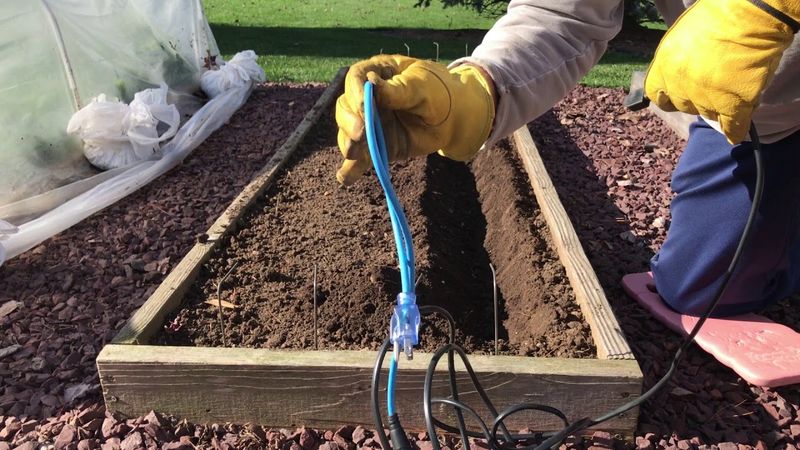
Professional growers install these electrical cables directly in their growing beds for consistent soil warming. The cables provide gentle, even heat that encourages faster root development.
They’re particularly effective in raised beds and greenhouse floors where traditional heating methods can’t reach. Root systems love the consistent warmth these cables provide.
Installation requires some planning, but the results are worth it for serious cold-season growing projects.
12. HID Lights (Metal Halide & HPS)
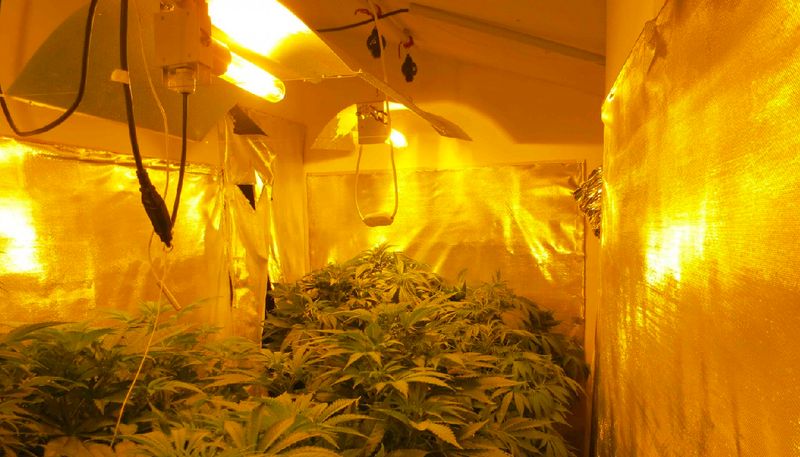
High-Intensity Discharge lights are the powerhouses of professional indoor growing operations. Metal halide and high-pressure sodium bulbs produce incredible amounts of light and heat.
They consume serious electricity and generate significant heat, so they’re not for casual gardeners. However, commercial growers rely on them for massive indoor setups.
These lights can support large-scale food production even in the depths of winter darkness.
13. Reflective Surfaces for Light Boosting
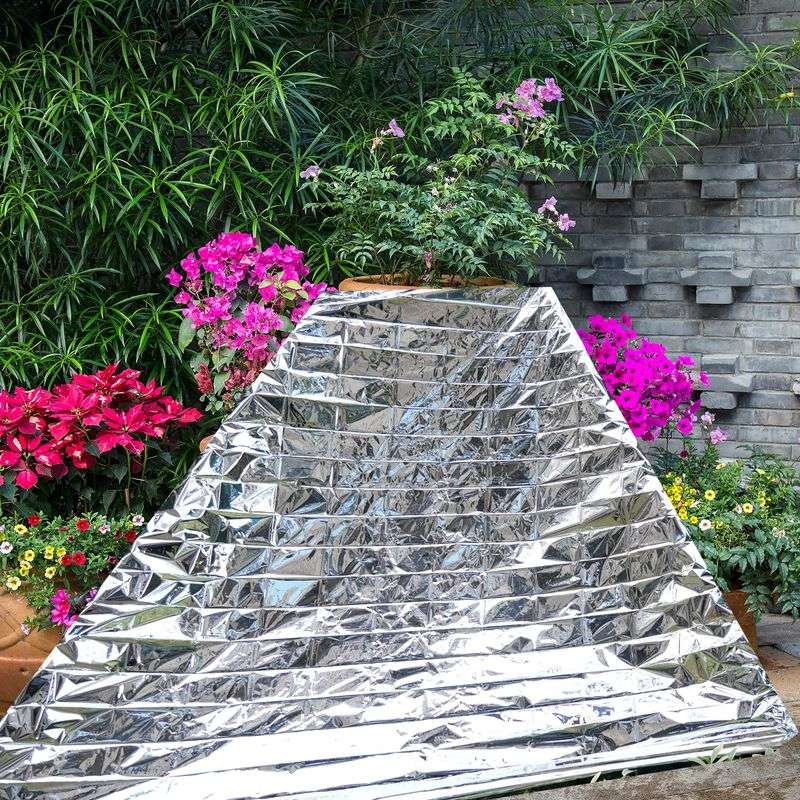
Sometimes the best solutions are hiding in your kitchen drawer. Aluminum foil, Mylar sheets, or white-painted walls can double your existing light efficiency.
These reflective surfaces bounce light back toward your plants, maximizing every photon from your grow lights or windows. It’s like adding mirrors to make small spaces look bigger.
This simple trick costs almost nothing but can significantly improve plant growth in dark winter conditions.