 Complete Gardening
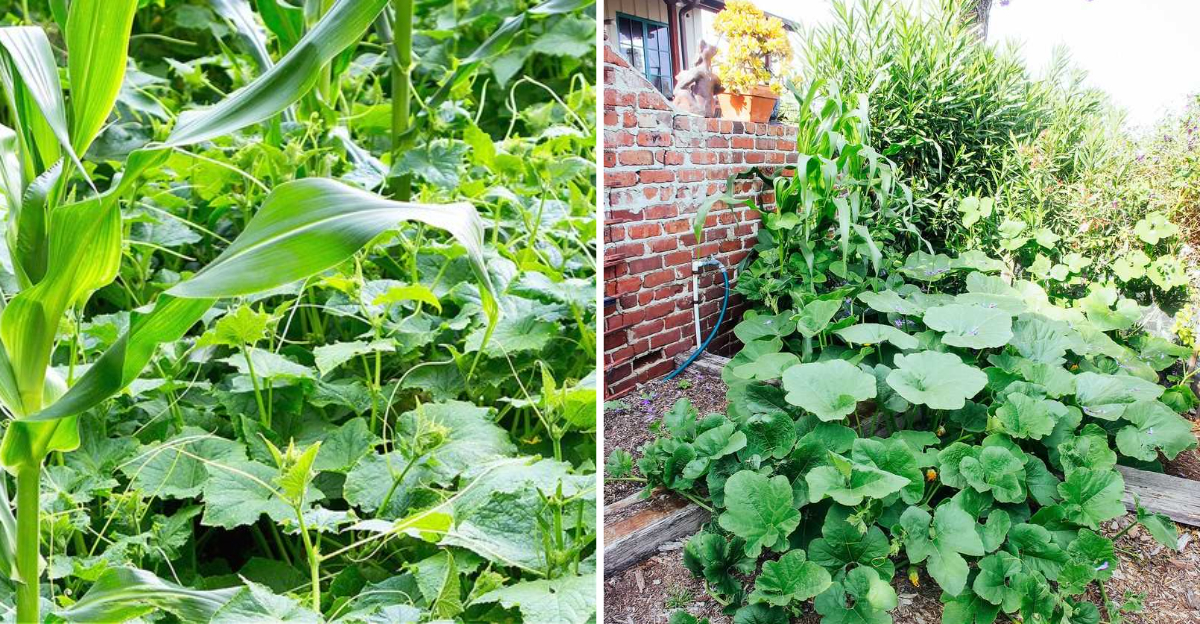
Companion planting with corn can enhance your garden’s productivity and health. Integrating certain plants alongside corn not only optimizes space, but also supports pest control, enriches the soil, and boosts overall yields. This method taps into the symbiotic relationships between plants, providing a natural way to achieve a more bountiful harvest. Here, we explore 21 companion plants that thrive alongside corn, each with its unique benefits.
1. Beans
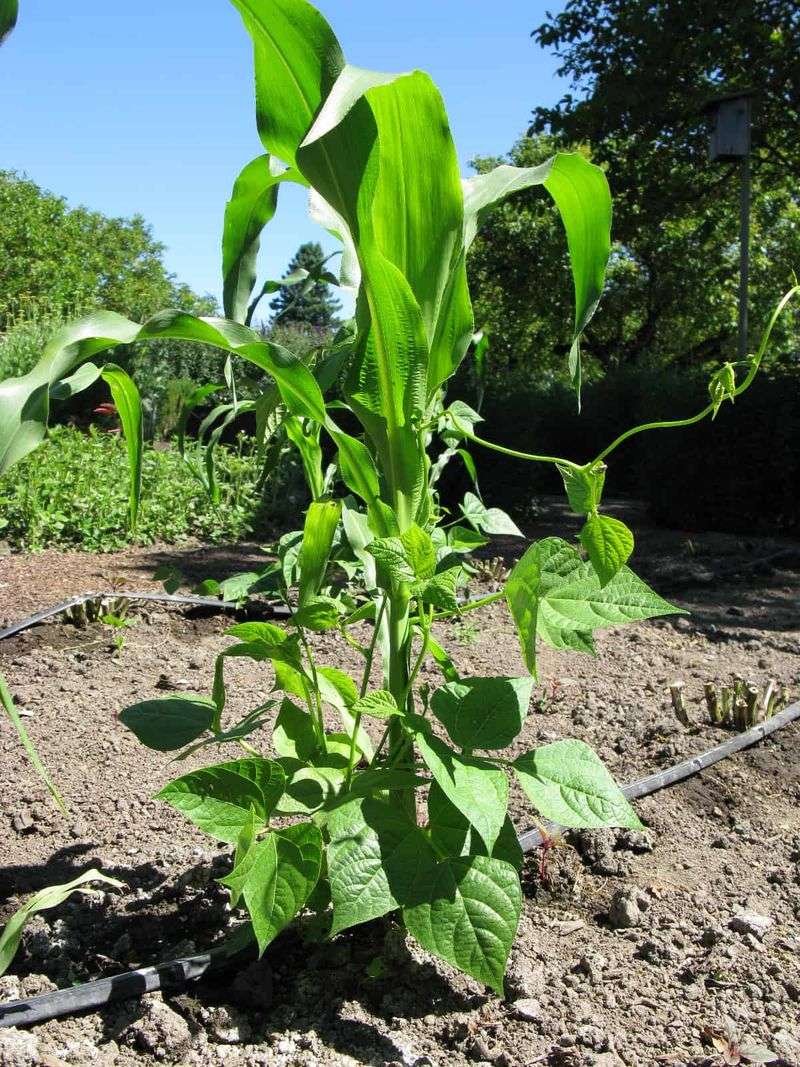
With a nod to the classic Three Sisters planting method, beans are a well-loved companion to corn. Their nitrogen-fixing ability enriches the soil, benefiting corn greatly. As the beans climb the sturdy corn stalks, they create a living trellis, freeing up valuable garden space.
The harmony between these plants extends to pest control, as beans can deter pests that might otherwise plague corn. Whether your garden is large or small, incorporating beans offers both visual appeal and practical benefits.
Fun fact: Native American agriculture often relied on this trio for a balanced diet.
2. Squash
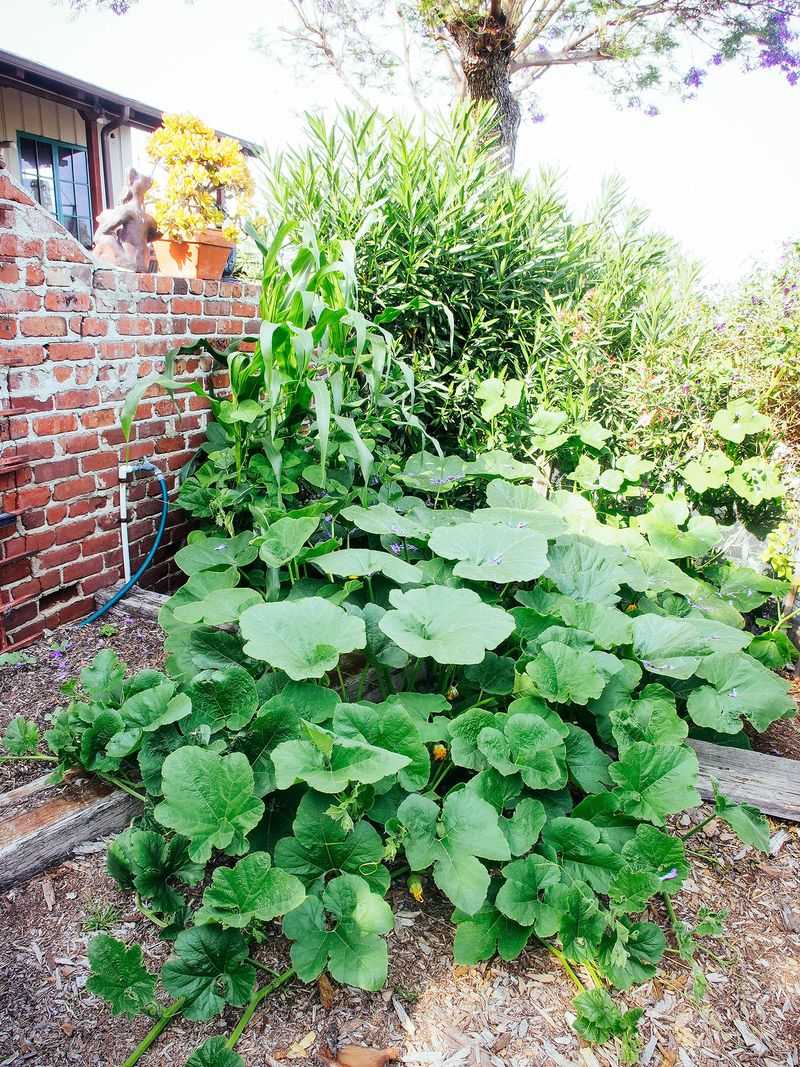
Squash plants act as a living mulch for corn, their broad leaves shading the soil and reducing weed growth. This layer of protection conserves moisture, crucial during hot summer months. The dynamic duo of corn and squash is another component of the Three Sisters planting tradition.
Their companionship is centuries-old, rooted in indigenous agricultural practices, providing a sustainable growing method. Beyond their functional benefits, squash blossoms are a delight to the senses, adding an aesthetic touch to any garden.
Did you know? Squash can deter pests with its prickly stems and leaves.
3. Sunflowers
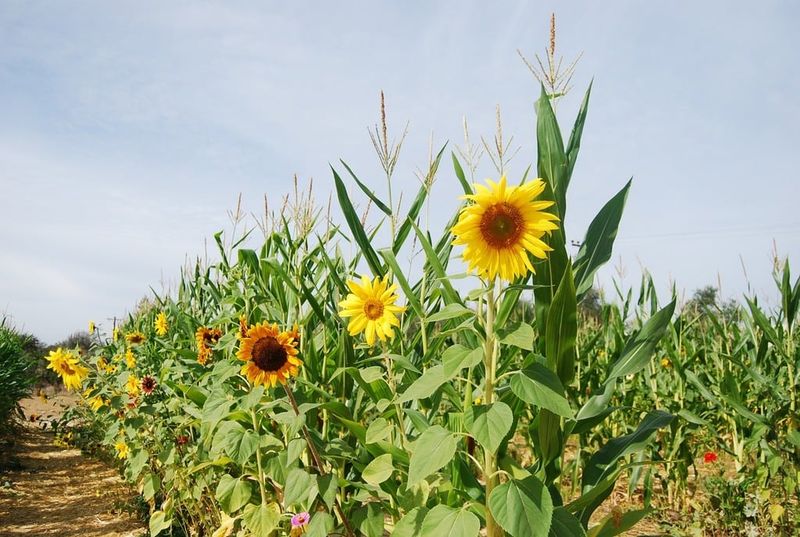
Sunflowers stand as sentinels in a cornfield, offering natural support and attracting beneficial insects. These towering giants can help draw aphids away from corn, as they tend to prefer the taller plants.
Sunflowers’ deep roots also aerate the soil, enhancing nutrient uptake for corn. This duo creates a visually stunning display, transforming any garden into a picturesque landscape.
Besides providing structural benefits, sunflowers bring joy with their cheerful appearance. Their seeds, rich in nutrients, are a bonus for both gardeners and wildlife.
Fun fact: Sunflowers can grow up to 12 feet tall!
4. Cucumbers
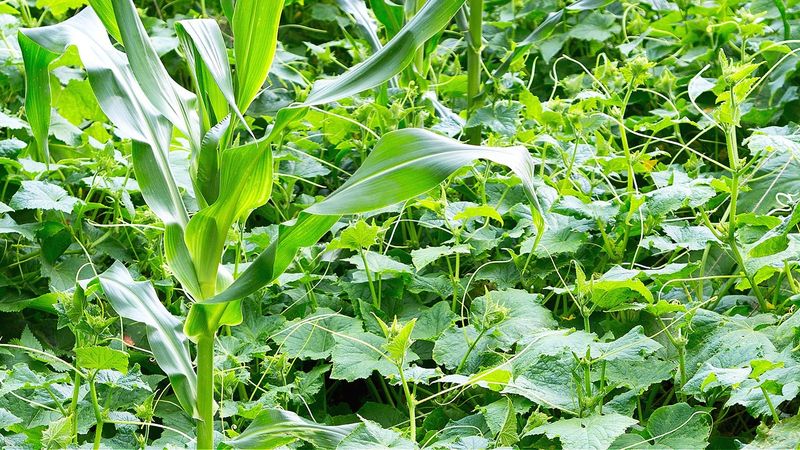
Cucumbers and corn create a synergistic relationship, each benefiting from the other’s growth habits. The corn provides the perfect framework for cucumber vines to climb, optimizing vertical space in the garden.
Meanwhile, cucumbers act as a living mulch, shading the ground and reducing weed competition. This partnership is not only practical but also enhances the garden’s visual appeal with its diverse textures.
Cucumbers offer a refreshing taste to your summer harvest. Remember: consistent watering is key to prevent bitterness in cucumbers, enhancing their sweet flavor.
5. Nasturtiums
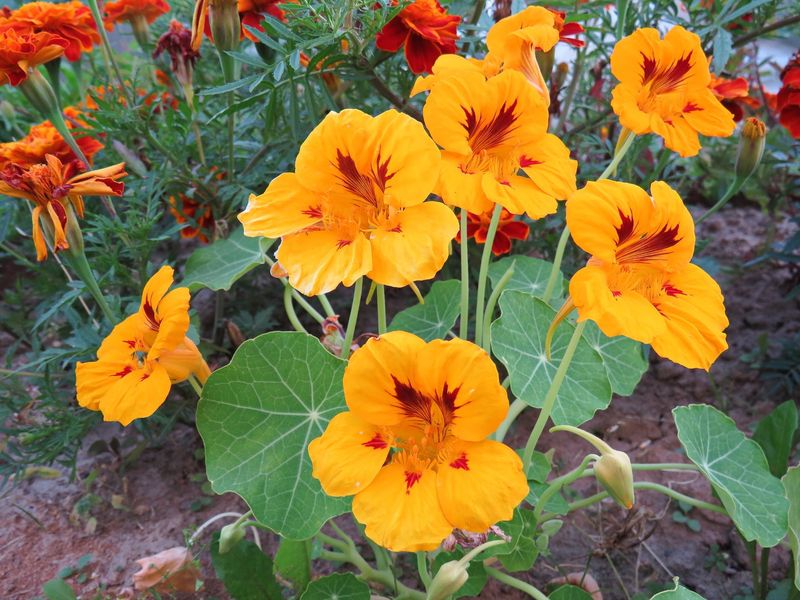
Nasturtiums bring a splash of color to any cornfield, their vibrant flowers attracting pollinators and deterring pests like aphids. Their sprawling nature makes them excellent ground cover, reducing soil erosion and weed growth.
Not only do nasturtiums serve as a natural pest management system, but their edible flowers and leaves add a peppery zest to salads. They thrive in poor soils and require minimal maintenance, making them a gardener’s delight.
Did you know? Nasturtiums were once used as a natural dye for Easter eggs due to their vivid hues.
6. Marigolds
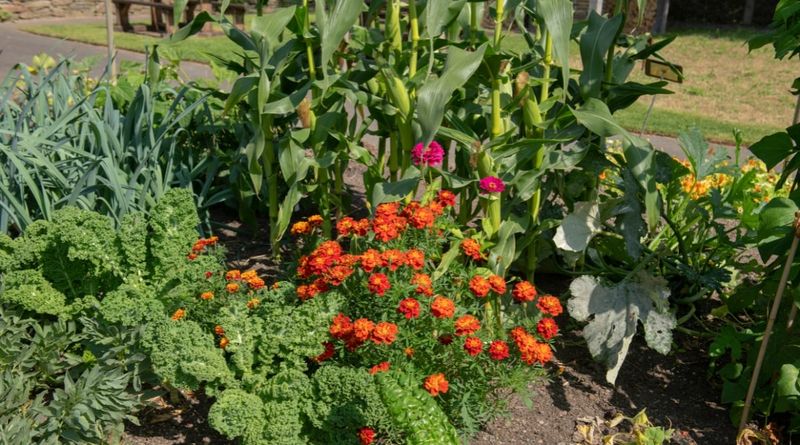
Marigolds are the unsung heroes of pest control in the garden, their scent repelling nematodes and other harmful insects from corn. Their vibrant blooms add a touch of sunshine to any planting scheme.
Beyond their aesthetic appeal, marigolds improve soil health by suppressing harmful root-knot nematodes. This dual benefit of pest control and soil enhancement makes them an invaluable addition to cornfields.
Marigolds are easy to grow and require little maintenance, making them perfect for both novice and experienced gardeners alike. Their cheerful presence brightens up the growing space with ease.
7. Amaranth
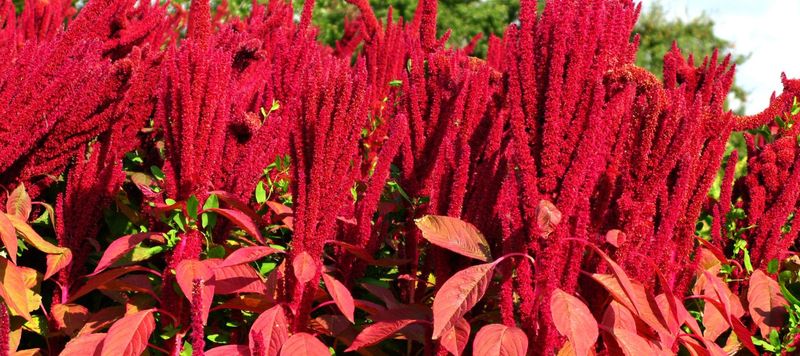
Amaranth adds a vibrant splash of color with its deep red hues, complementing the green of corn stalks. Its presence is not just ornamental; amaranth helps in loosening the soil, benefiting root development for corn.
These plants are nutrient-dense, offering a grain alternative rich in protein and amino acids. Beyond the practical benefits, amaranth’s striking appearance adds diversity to the garden landscape.
Historically, amaranth was a staple in the diets of ancient civilizations. It continues to be valued for its health benefits and adaptability to various growing conditions.
8. Borage
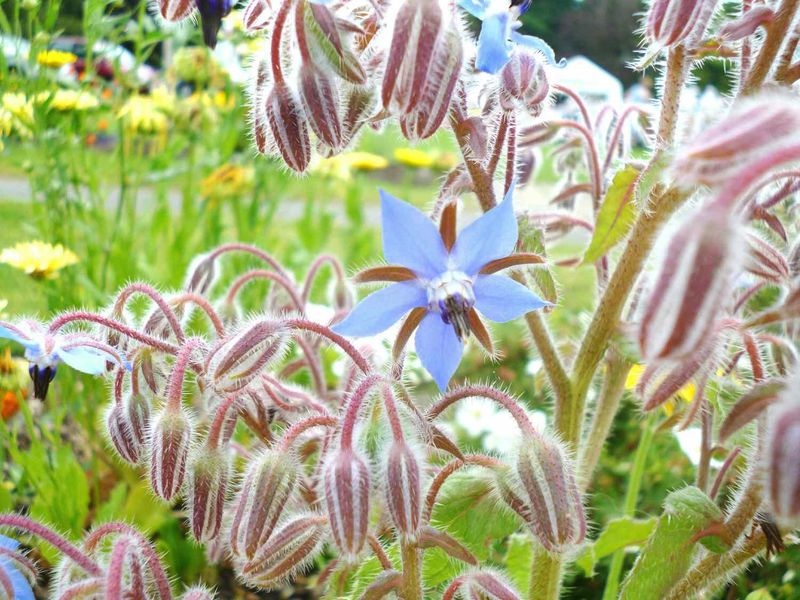
Borage, with its starry blue flowers, is more than just a pretty face in the garden. It’s a powerhouse for attracting pollinators, ensuring corn gets the attention it needs from beneficial insects.
Its leaves can act as a natural mulch when they fall, adding organic matter to the soil. The plant’s ability to deter pests like tomato hornworms makes it a valuable companion.
Did you know? Borage has a cucumber-like flavor, and its flowers can be used to garnish salads and desserts, offering both aesthetic and culinary appeal.
9. Dill
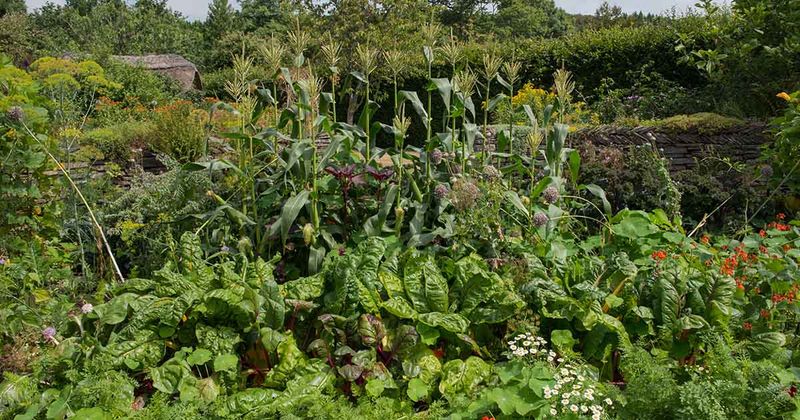
Dill’s delicate, feathery foliage may appear fragile, but its benefits are robust. This herb attracts beneficial insects such as ladybugs and parasitic wasps, which naturally control corn pests.
The dill’s aromatic nature can also deter unwanted insects, providing an added layer of protection. With its tall, slender growth habit, dill does not compete for space, making it an unobtrusive companion.
Culinary enthusiasts appreciate dill for its flavor, enhancing a variety of dishes. Its presence in the garden brings both practical and gastronomic benefits. Fun fact: dill’s seeds were once used to soothe colicky babies.
10. Radishes
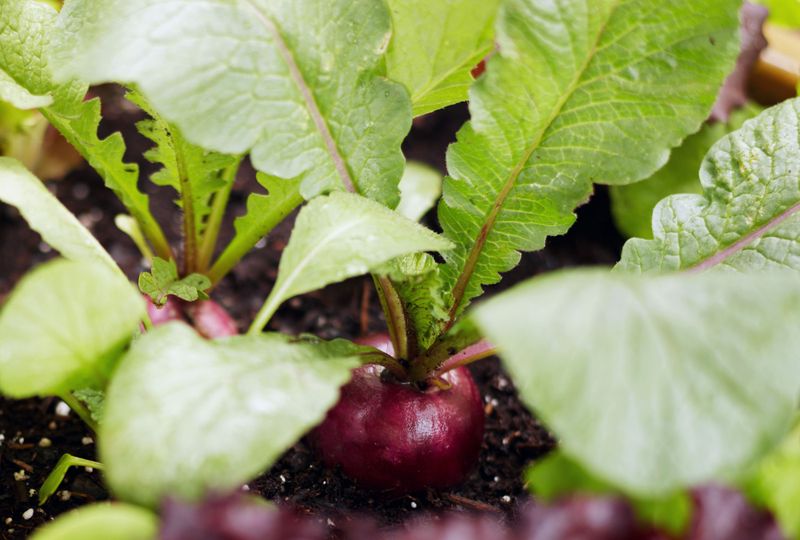
Radishes offer quick rewards in the garden, their fast-growing nature perfect for intercropping with corn. As they mature, their presence can deter pests that would otherwise target corn.
Radishes help loosen compacted soil, improving conditions for corn roots and enhancing nutrient uptake. Their peppery roots add a zesty kick to salads, providing an early harvest while the corn continues to grow.
This dual-purpose plant is not just practical but also enhances variety in the garden. Did you know? Radishes were cultivated in ancient Egypt and were part of the workers’ diet during the construction of the pyramids.
11. Calendula
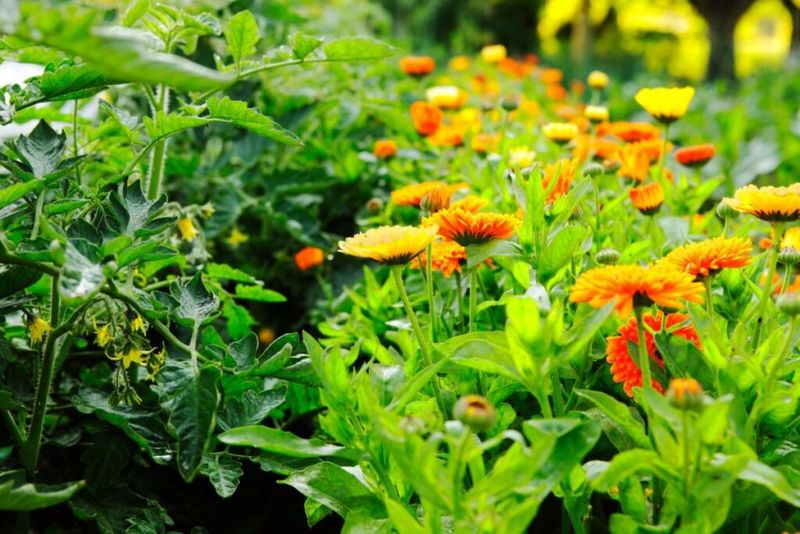
Calendula, known for its healing properties, brings vibrant color to the cornfield. Its flowers attract pollinators, essential for a thriving garden ecosystem. As a companion plant, calendula aids in pest control, repelling unwanted pests with its aroma.
The petals are edible, adding a splash of color and health benefits to salads and teas. Calendula’s adaptability to various soil types and conditions makes it a resilient choice for gardeners.
Beyond its beauty, calendula has been used in traditional medicine for its anti-inflammatory properties. Fun fact: during World War I, calendula petals were used to disinfect wounds.
12. Mint
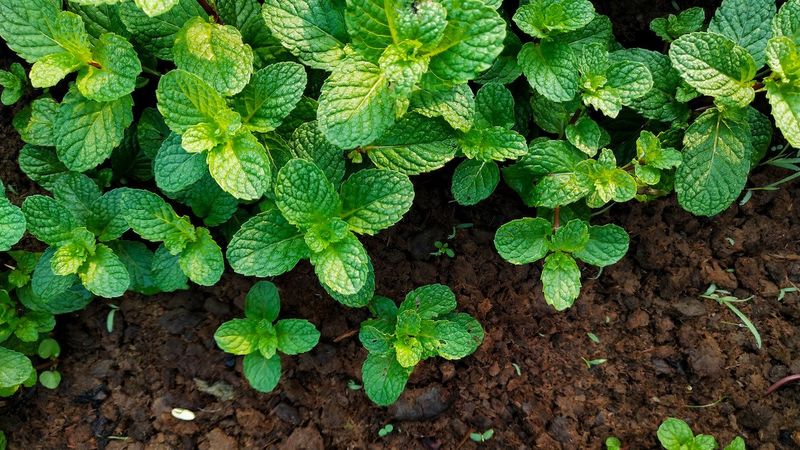
Mint, with its invigorating aroma, serves as a natural insect repellent, protecting corn from pests. Its rapid growth and spreading habit can help cover the ground, reducing weed competition around corn plants.
While mint’s vigor requires management to prevent it from becoming invasive, its benefits are undeniable. Its leaves offer a cooling flavor to beverages and dishes, bringing culinary delight to gardeners.
Did you know? Ancient Greeks used mint in their funerary rites to mask odors, showcasing its diverse historical uses. Mint thrives in moist, well-drained soils, making it an adaptable garden choice.
13. Yarrow
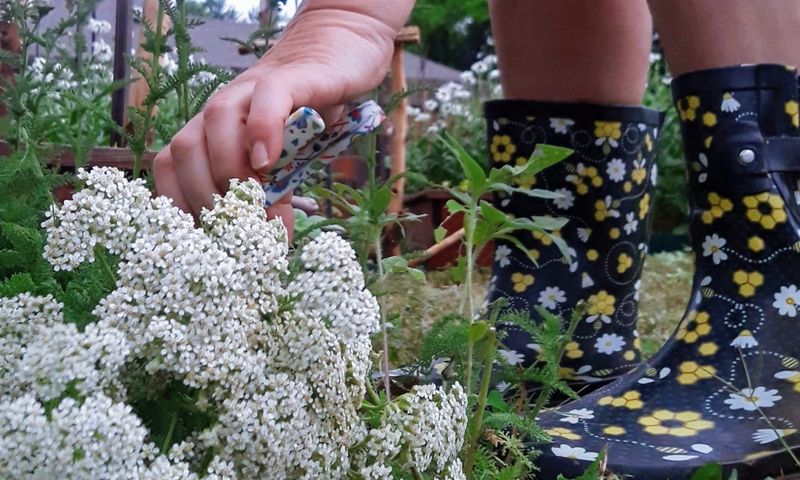
Yarrow’s delicate clusters of flowers belie its robust nature, attracting beneficial insects that prey on corn pests. This perennial plant improves soil health, enhancing corn’s growth environment.
Its presence in the garden aids in moisture retention and reduces erosion. Yarrow’s resilience makes it a steadfast companion to corn, thriving in various conditions.
Known for its medicinal uses, yarrow has been used in traditional medicine for centuries. Fun fact: Achilles used yarrow to treat his soldiers’ wounds during the Trojan War, lending it the nickname “Soldier’s Woundwort.”
14. Basil
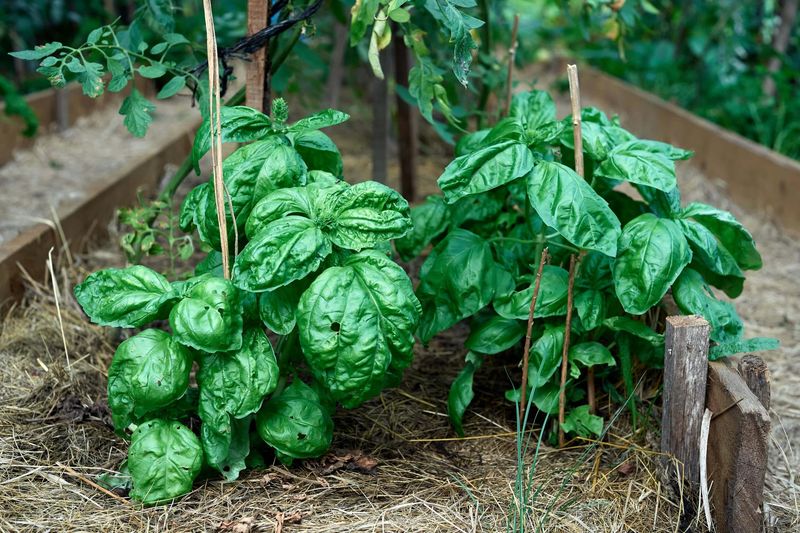
Basil’s aromatic leaves contribute to natural insect repellent properties, benefiting corn by deterring pests. Its compact growth habit makes it a space-efficient choice for interplanting with corn.
The herb’s culinary versatility adds flavor to a variety of dishes, from salads to sauces. Basil’s presence in the garden is both practical and delightful, enhancing the sensory experience for gardeners.
Did you know? In ancient Rome, basil was considered a symbol of love and fertility. This historical significance adds a romantic touch to its modern garden role.
15. Oregano
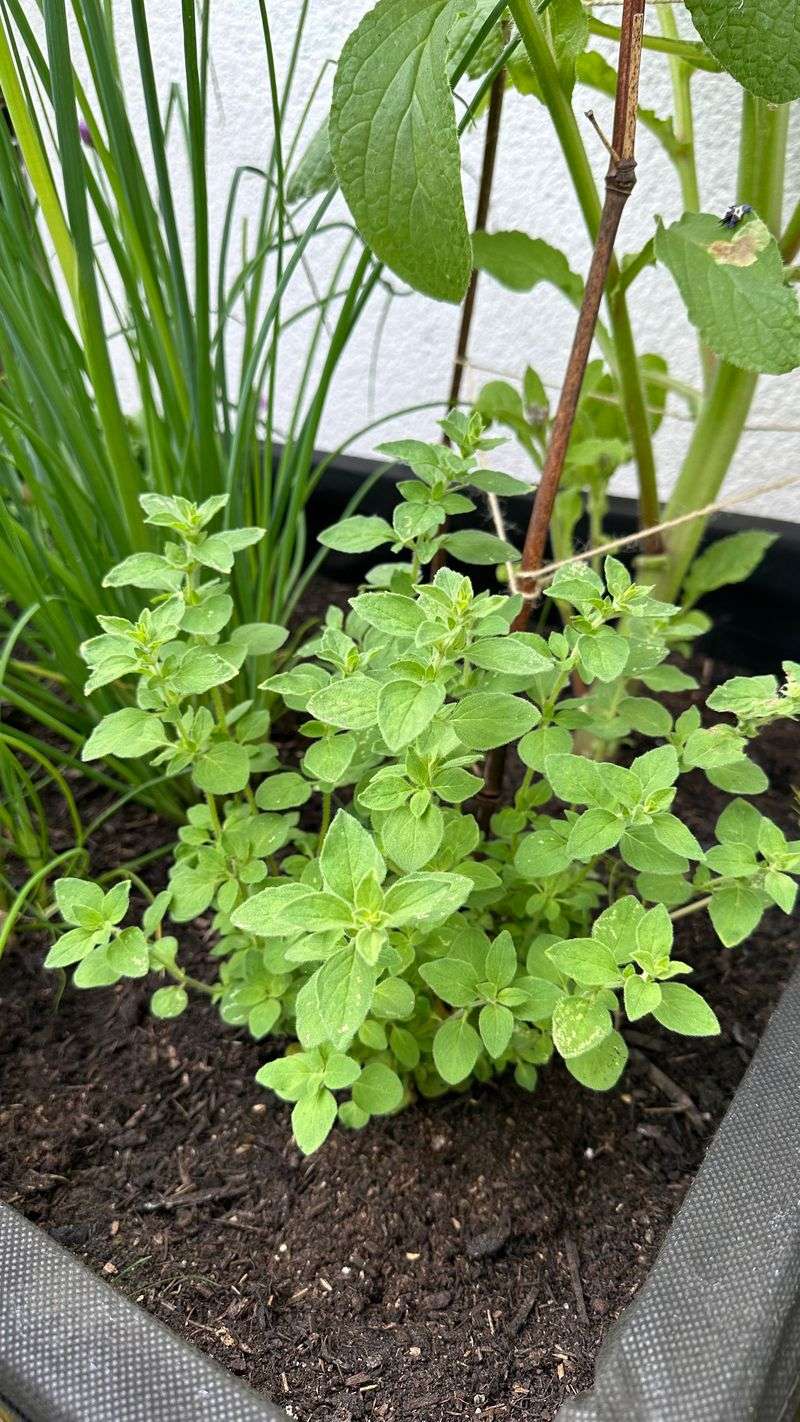
Oregano’s robust aroma plays a vital role in pest deterrence, protecting corn from unwanted insects. Its low-growing, bushy habit provides excellent ground cover, reducing weed competition.
This herb’s culinary value is well-known, enhancing a variety of savory dishes. Oregano’s adaptability to different soil conditions makes it a versatile garden choice.
Fun fact: oregano’s name comes from the Greek words “oros” and “ganos,” meaning “mountain joy,” reflecting its Mediterranean origins. Its presence in the garden offers both practicality and a hint of the exotic.
16. Thyme
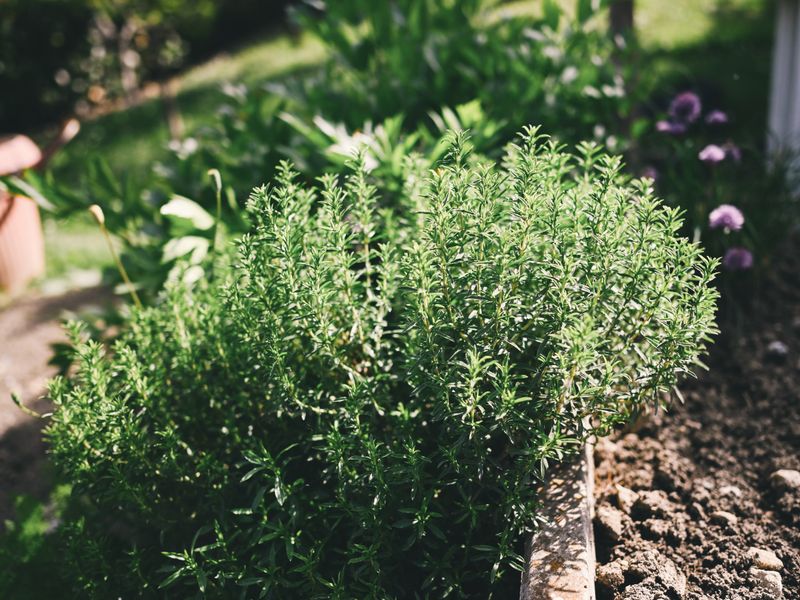
Thyme, with its aromatic foliage, serves as a natural pest deterrent, offering protection to corn. Its low, spreading growth habit makes it an ideal ground cover, suppressing weeds and conserving soil moisture.
This herb’s culinary versatility is celebrated in kitchens worldwide, adding depth to a variety of dishes. Thyme’s presence in the garden is both functional and fragrant, enhancing the overall gardening experience.
Did you know? Ancient Egyptians used thyme in embalming, showcasing its historical significance. Its resilience and adaptability make thyme a valuable companion plant for corn.
17. Rosemary
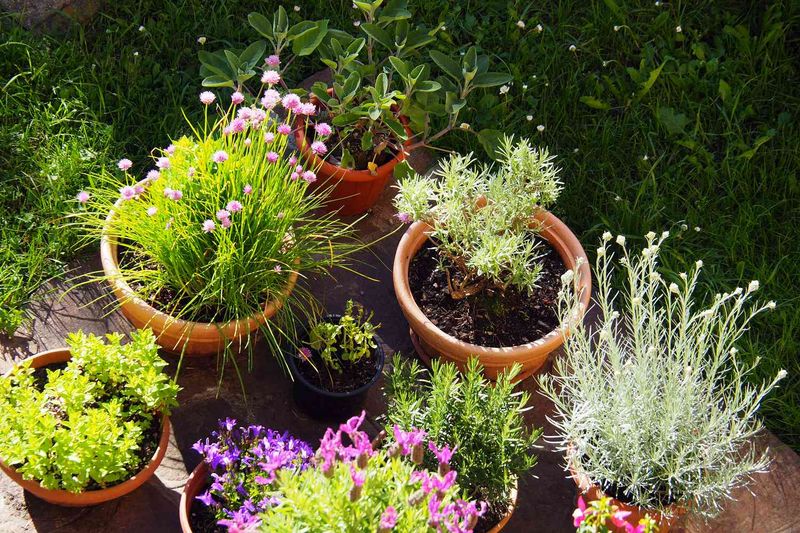
Rosemary’s aromatic leaves provide a natural barrier against pests, safeguarding corn. This hardy herb is drought-tolerant, thriving in dry, well-drained soil, making it an excellent companion for corn.
Beyond its pest-repelling qualities, rosemary adds a distinctive flavor to culinary creations, from roasted vegetables to meats. Its presence in the garden is both practical and pleasing to the senses.
Fun fact: Rosemary has been associated with memory enhancement since ancient times, often used in wedding ceremonies as a symbol of remembrance. Its historical uses enrich its modern gardening role.
18. Chives
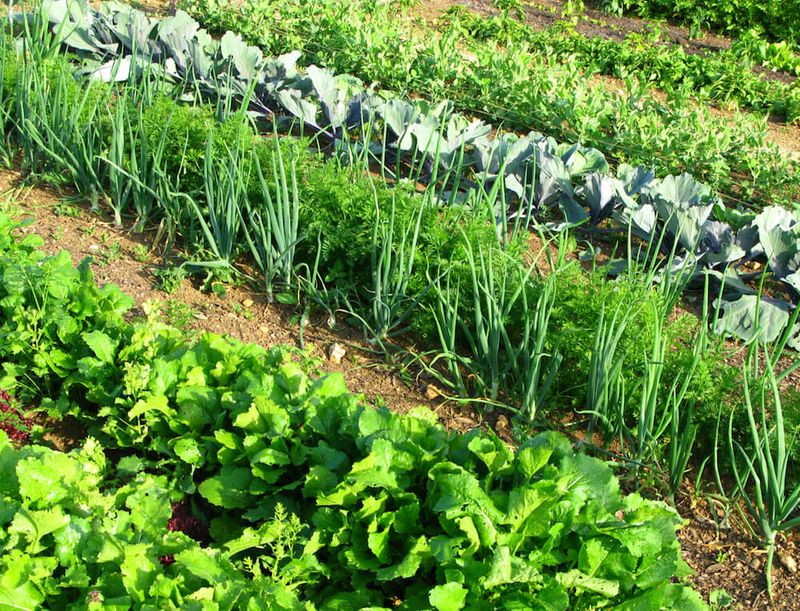
Chives, with their onion-like aroma, serve as a deterrent to harmful pests in the cornfield. Their slender leaves and pretty purple blossoms add visual interest, while also attracting pollinators.
These hardy perennials are easy to grow and maintain, thriving in a variety of soil conditions. Chives’ mild onion flavor enhances many dishes, making them a kitchen staple.
Did you know? Chives were once used by the Romans to relieve sunburn and sore throats, highlighting their diverse applications. Their dual role in the garden and kitchen makes them an invaluable companion.
19. Tansy
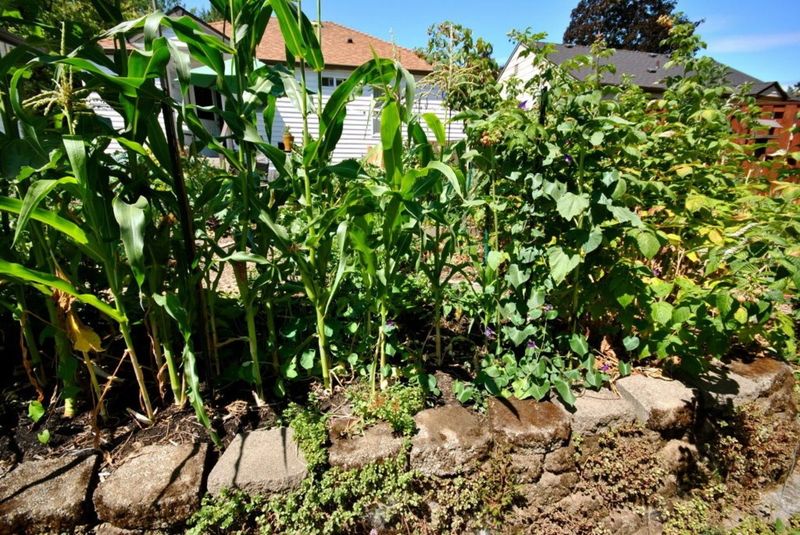
Tansy’s fern-like foliage and bright yellow flowers bring a touch of sunshine to the cornfield. Known for its ability to repel pests, tansy is a valuable ally in natural pest management.
The plant’s vigorous growth provides excellent ground cover, reducing weed competition and enriching the soil with organic matter. While tansy is beautiful, it’s important to manage its spread to prevent it from becoming invasive.
Fun fact: tansy has been used in traditional medicine to treat various ailments, reflecting its historical significance. Its vibrant presence adds both practicality and beauty to the garden.
20. Chamomile
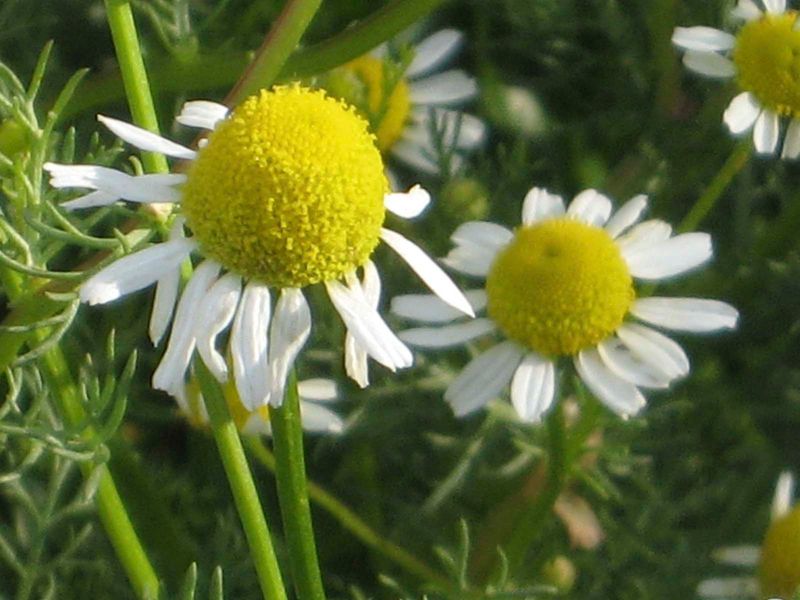
Chamomile’s dainty flowers may appear fragile, but their benefits to corn are robust. This herb attracts beneficial insects, aiding in natural pest control, and enhances soil health with its decomposed flowers.
Known for its calming properties, chamomile’s dried flowers make a soothing tea, adding a gentle touch of tranquility to the garden. Its resilience to various conditions makes it an adaptable choice for interplanting.
Did you know? Chamomile was revered by the Egyptians, who dedicated it to their sun god, Ra, for its healing properties. Its historical roots enrich its modern role in the garden.
21. Buckwheat
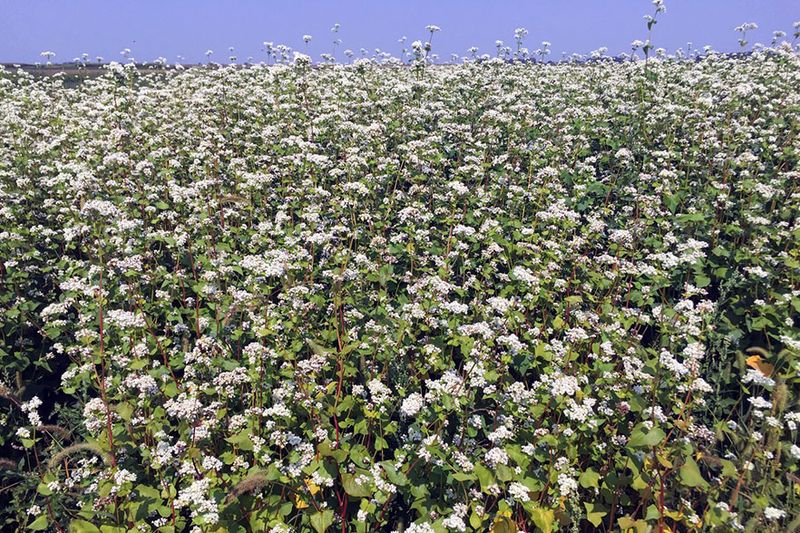
Buckwheat’s ability to attract beneficial insects such as pollinators and predatory wasps makes it an invaluable ally in the cornfield. These insects help control pest populations, safeguarding your corn from potential threats. The dense foliage of buckwheat acts as a natural mulch, conserving soil moisture and suppressing weed growth.
In addition to its protective qualities, buckwheat enhances soil health. Its deep roots break up compacted soil, improving aeration and nutrient flow. A bonus? Buckwheat is quick to mature, making it an ideal catch crop between corn harvests, ensuring the soil remains productive year-round.