 Complete Gardening
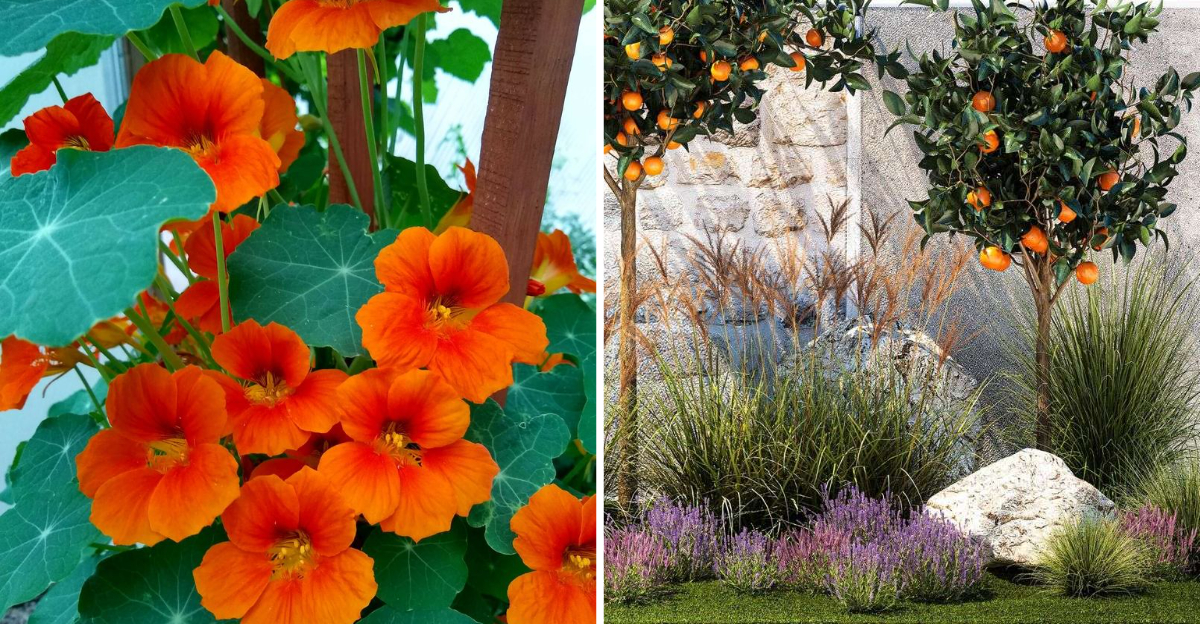
Gardening enthusiasts know that companion planting is essential for optimizing plant growth and health. Growing bright flowers under your orange tree not only enhances the aesthetic appeal of your garden but also aids in the tree’s overall health and productivity. The following five flowers have unique qualities that will contribute to the thriving of your orange tree, providing benefits such as pest control, enhanced pollination, and improved soil health. By choosing the right flowers to plant under your orange tree, you can create a harmonious and flourishing garden ecosystem.
Marigold
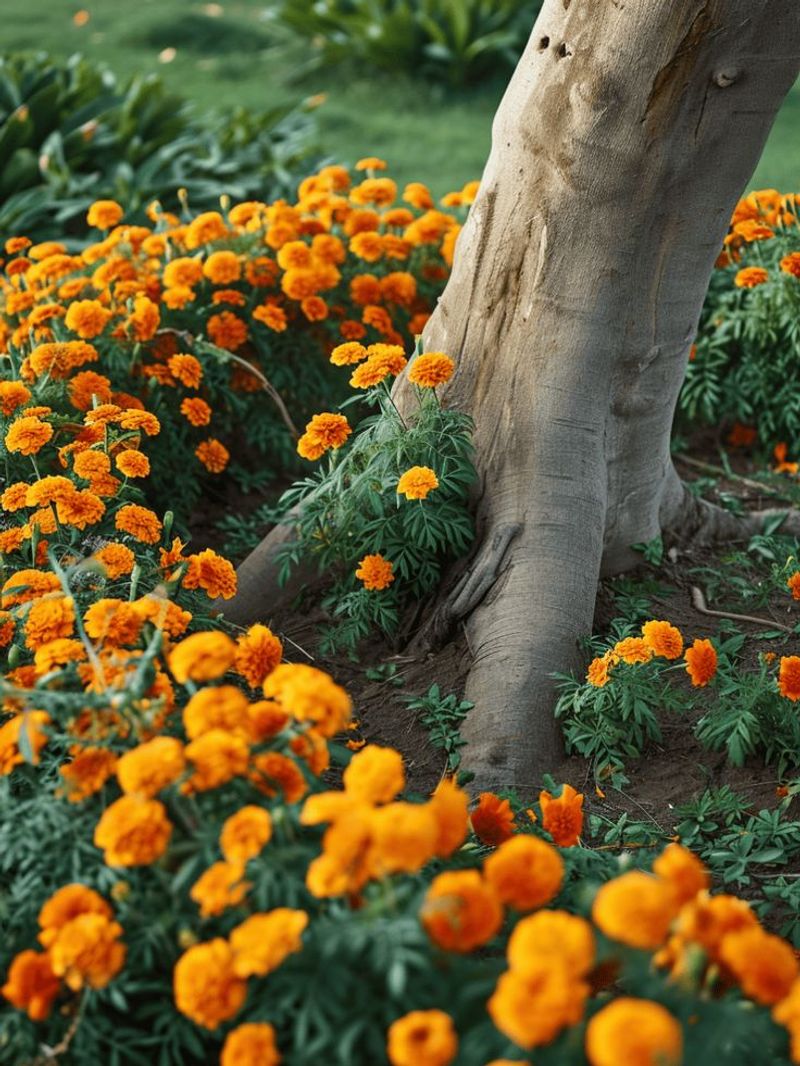
Marigolds are a gardener’s delight, known for their pest-repelling properties. Their vibrant orange and yellow hues add a splash of color beneath your orange tree. Marigolds are particularly effective at deterring nematodes, which can harm orange tree roots.
With their easy-growing nature, marigolds require minimal care, making them perfect for busy gardeners. These flowers thrive in sunlight, which complements the sun-loving orange tree. A delightful combination, marigolds not only protect but also beautify the garden space.
Historically, marigolds have been used in companion planting for centuries, admired for their resilience and effectiveness.
Nasturtium
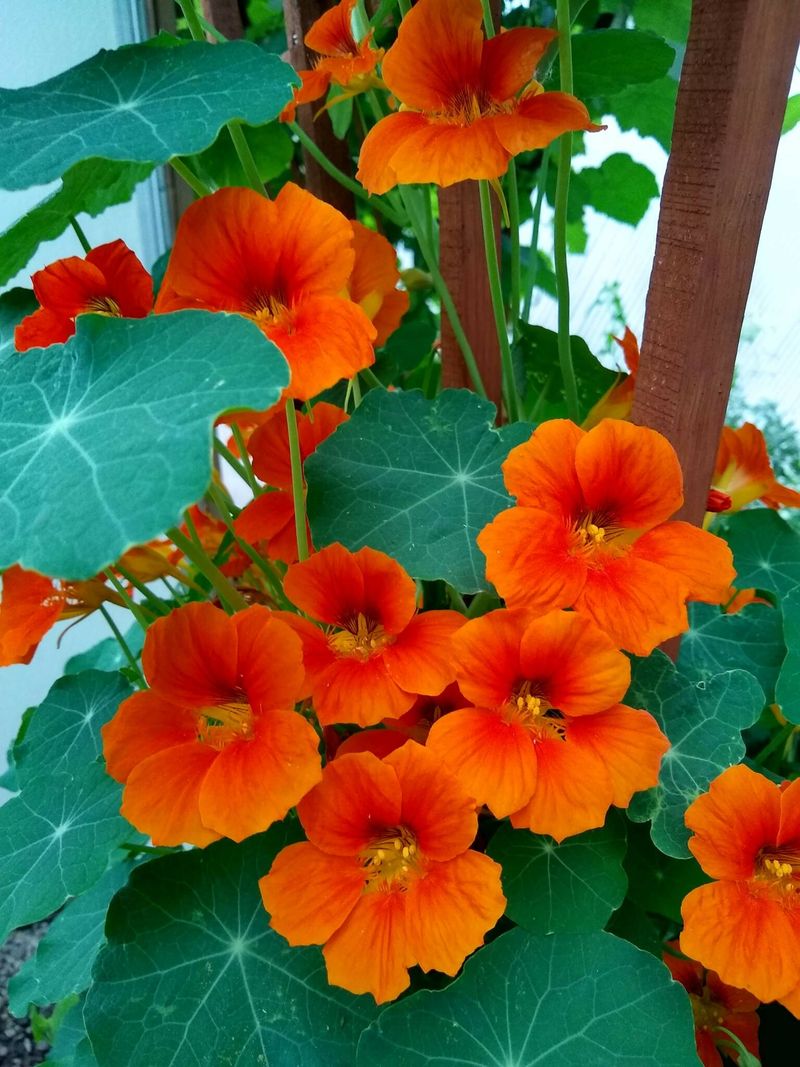
Nasturtiums are a cheerful addition to any garden, bursting with vivid colors. These flowers are excellent companions for orange trees, as they attract beneficial insects like pollinators and deter pests such as aphids.
Their sprawling growth provides a natural ground cover, preserving soil moisture and reducing weeds. Nasturtiums are edible, adding a peppery flavor to salads, which is an added bonus for culinary enthusiasts.
Known for their low maintenance, they thrive in various soil conditions, complementing the needs of an orange tree. A perfect pairing, they bring life and balance to your garden.
Calendula
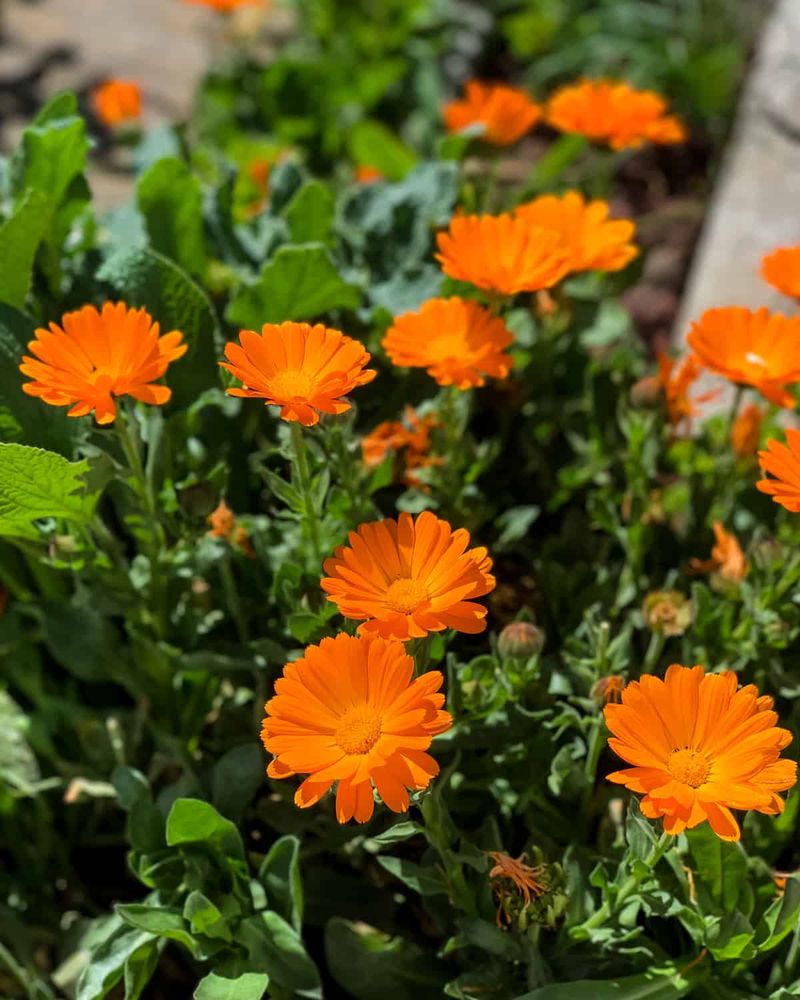
Calendulas, with their sunny disposition, are a gardener’s best friend. Their yellow and orange blooms not only brighten the garden but also offer healing properties. Calendulas release a sticky substance that traps aphids, protecting your orange tree.
These flowers prefer a sunny location, aligning perfectly with the orange tree’s needs. Calendula petals are edible and often used in herbal remedies, making them a versatile choice.
Historically, they have been celebrated for their medicinal uses and vibrant presence in gardens. Planting calendulas forms a captivating and beneficial alliance in your garden.
Borage
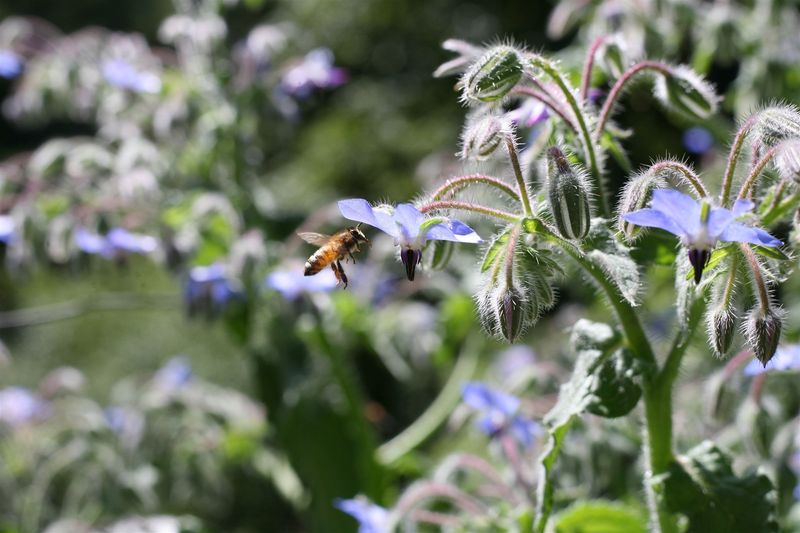
Borage is renowned for its star-shaped blue flowers and its ability to attract pollinators. Bees are particularly fond of borage, making it a vital companion for enhancing fruit production in orange trees.
Its deep taproots draw up nutrients from the soil, benefiting surrounding plants. Borage leaves are edible and can be added to salads for a cucumber-like taste.
This resilient plant requires little maintenance and thrives in various conditions, reflecting the adaptability of nature. Historically, borage has been associated with courage and happiness, adding a touch of lore to your garden.
Lavender
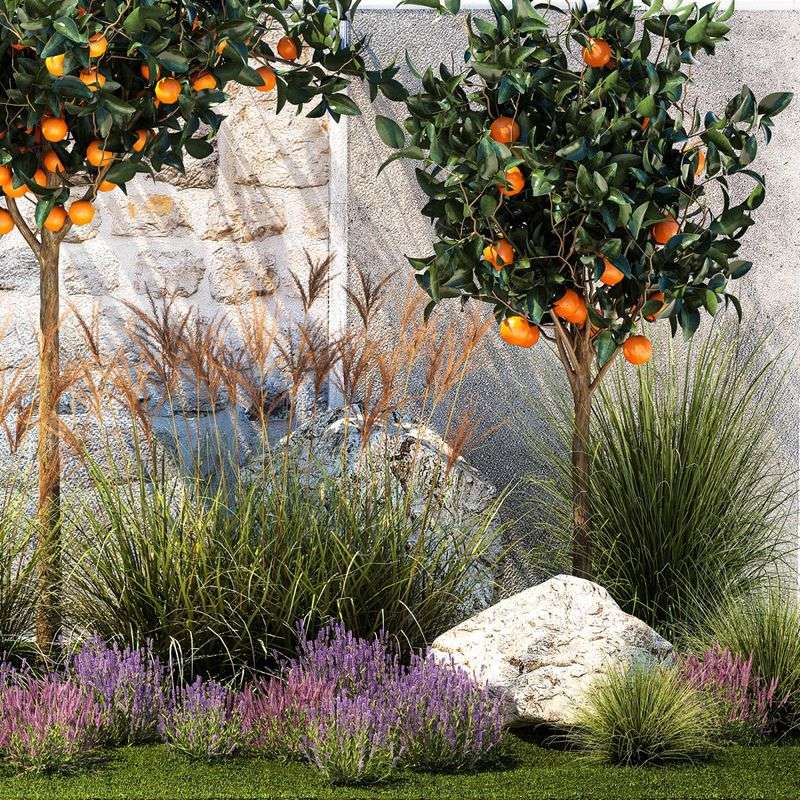
Lavender’s serene presence brings a touch of tranquility to gardens. Its aromatic scent repels pests and attracts pollinators, supporting the health of your orange tree. The calming fragrance of lavender is not only delightful but also beneficial for human relaxation.
Lavender thrives in well-drained soil, pairing well with the conditions favored by orange trees. Its purple flowers create a striking contrast against the green foliage of the tree.
Beyond its beauty, lavender has been celebrated in history for its soothing properties and versatility. A garden with lavender is truly enchanting.
Pansy
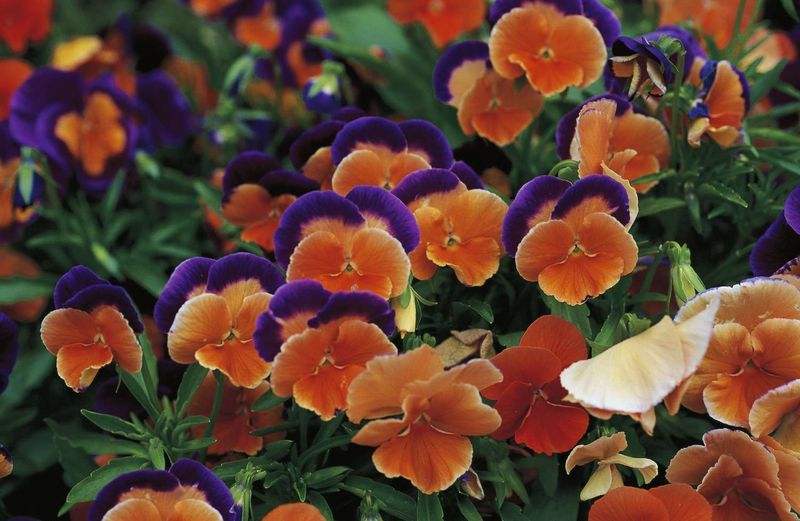
Pansies, with their vibrant petals in shades of purple, yellow, and orange, are a picturesque addition under an orange tree. Known for their cheerful faces, these flowers inject a playful element into the garden. Their compact nature ensures they don’t overshadow their citrus companion.
Pansies thrive in cooler climates and bloom through fall and spring, providing continuous color. Additionally, their petals are edible, adding a whimsical touch to salads. A gardener’s favorite, they symbolize love and admiration, making them perfect living decor.
Planted under orange trees, pansies can enhance soil health by attracting beneficial insects.
Petunia
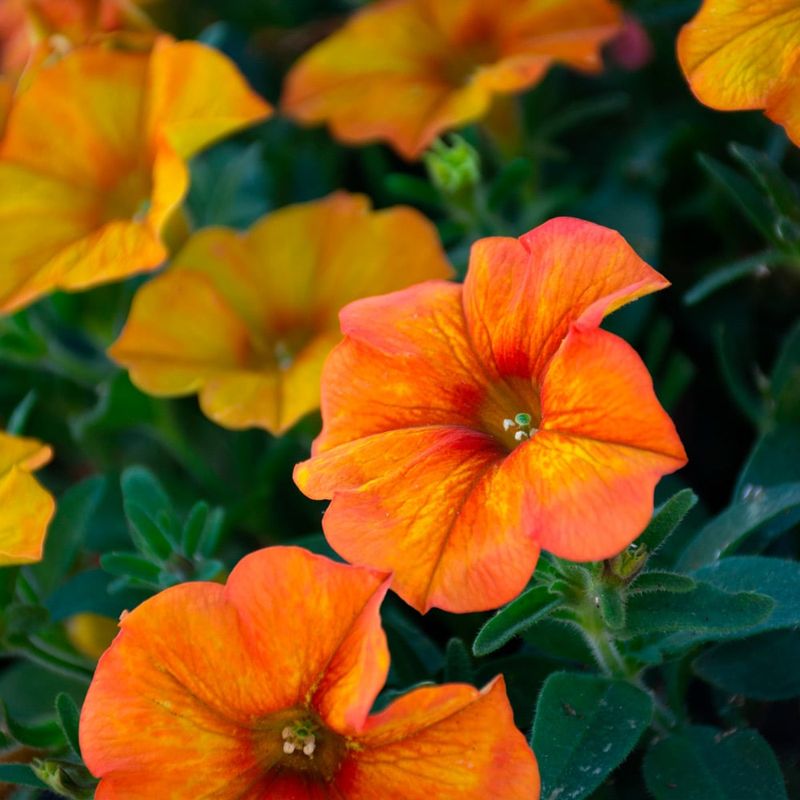
Petunias burst into gardens with their trumpet-shaped blooms, offering a splash of color that can range from pristine white to deep purple. These flowers thrive in sunny spots and are drought-tolerant, making them an excellent match for orange trees.
Their slightly sticky foliage can deter pests, providing a natural protective barrier for the citrus. Besides, petunias release a sweet scent, adding a fragrant layer to your garden’s sensory experience.
Easy to grow, they require minimal maintenance. Their cascading nature can create a beautiful, colorful carpet beneath your trees. A timeless choice for garden enthusiasts.
Zinnia
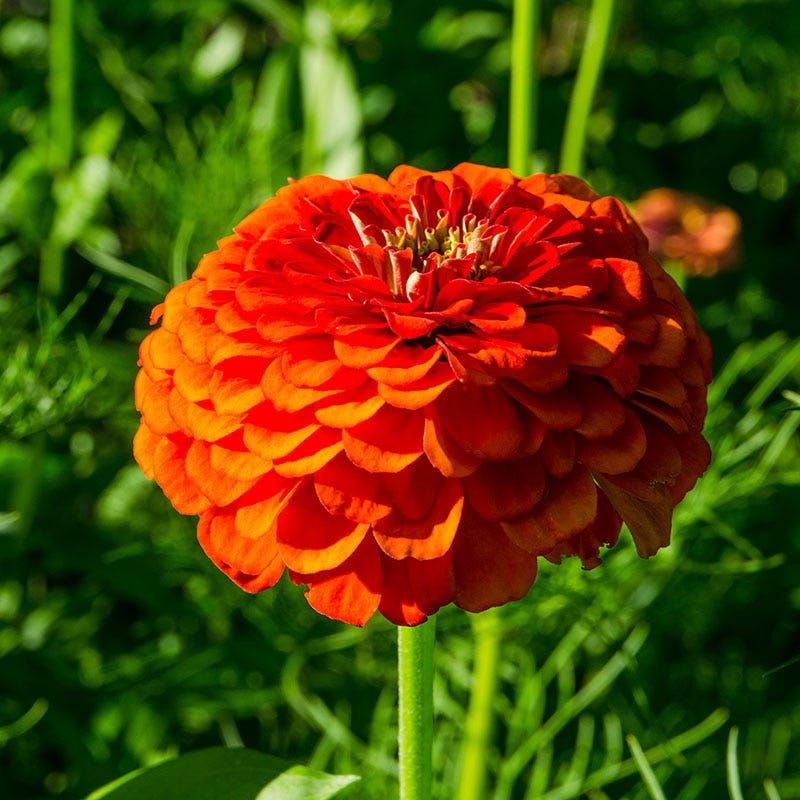
Zinnias are the epitome of summer vibrancy, boasting blossoms in red, pink, and yellow. Highly adaptable, they thrive in well-drained soil, making them ideal companions for orange trees.
These flowers attract butterflies, promote pollination, and bring life to your garden. Their long-lasting blooms ensure your garden remains bright throughout the season.
Zinnias are easy to cultivate and well-suited for novice gardeners. Their sturdy stems and resilience against diseases add to their appeal. Moreover, their bright colors serve as a visual feast, delighting every passerby. A garden staple, they never fail to impress.
Cosmos
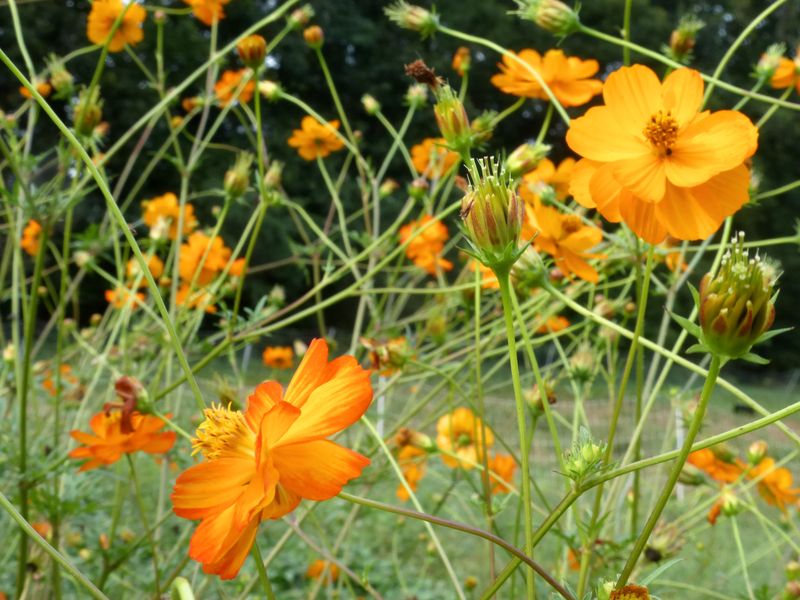
With their delicate, daisy-like blooms and feathery foliage, cosmos offer an airy touch to any garden. Flourishing in full sun, they form a pretty undergrowth for orange trees, thriving in poor to average soil.
These flowers invite a host of beneficial insects, from pollinators to garden-friendly bugs, enhancing the ecosystem around your citrus tree. Cosmos are heat-tolerant and drought-resistant, simplifying care routines.
Their long, graceful stems sway with the breeze, adding movement and life. A symbol of order and harmony, they bring a serene vibe to your garden, making them an excellent companion plant.
Alyssum
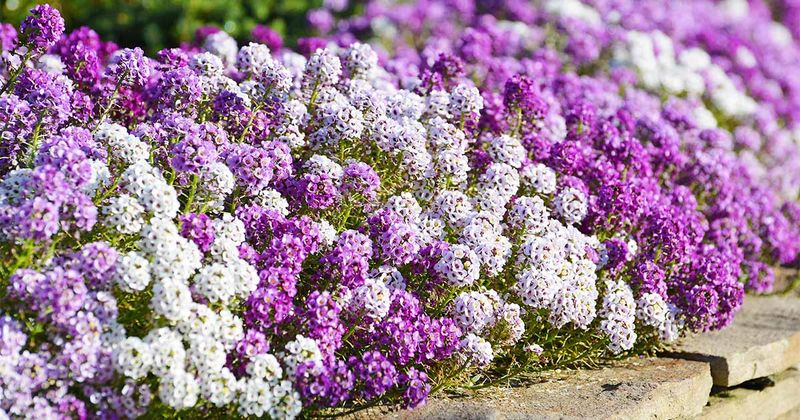
Alyssum, with its tiny, fragrant white flowers, forms a dense carpet under orange trees, creating an enchanting groundcover. These blooms release a sweet honey-like scent that attracts pollinators, benefiting the entire garden ecosystem.
Fast-growing and easy to maintain, alyssum thrives in sunny locations and well-drained soil, making them a practical choice for gardeners. Their ability to suppress weeds further enhances their appeal.
As a symbol of beauty and humility, alyssum complements the vibrant oranges overhead, creating a harmonious garden expression that captivates every observer. A timeless classic in companion planting.
Snapdragon
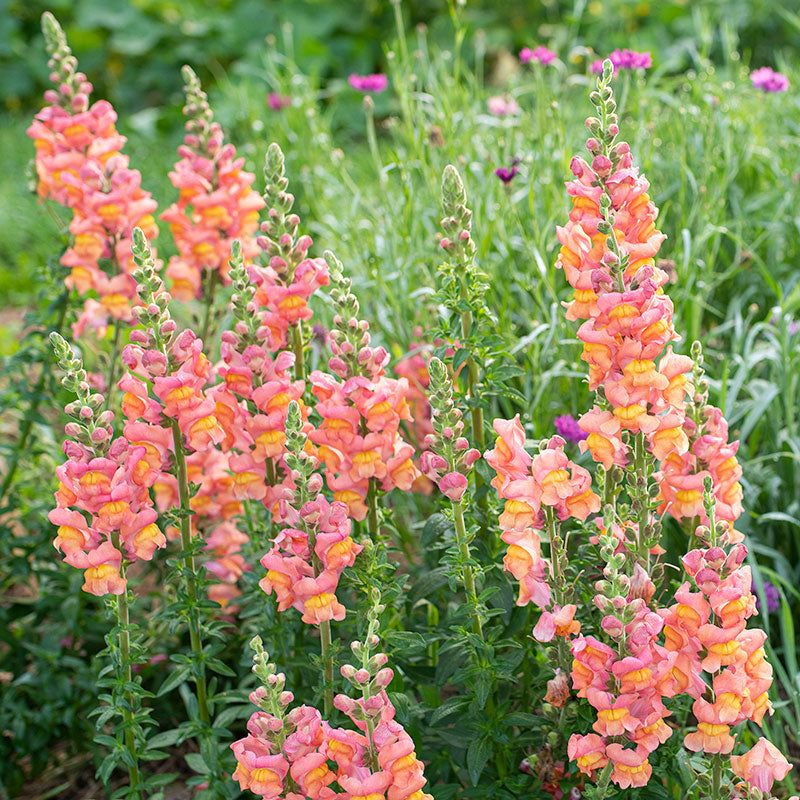
Snapdragons, with their unique dragon-like blooms, add a touch of whimsy to gardens. Their tall, spiked flowers range from pastel shades to vibrant hues, offering a striking contrast against the dark green of orange leaves.
These flowers flourish in cooler temperatures and can thrive in partial shade, making them suitable for under-tree planting. They attract hummingbirds and butterflies, fostering a lively garden.
Snapdragons symbolize grace and strength, embodying resilience. Their structural beauty and varied colors ensure they stand out, providing both visual interest and ecological benefits. An enchanting choice for any garden.
Impatiens
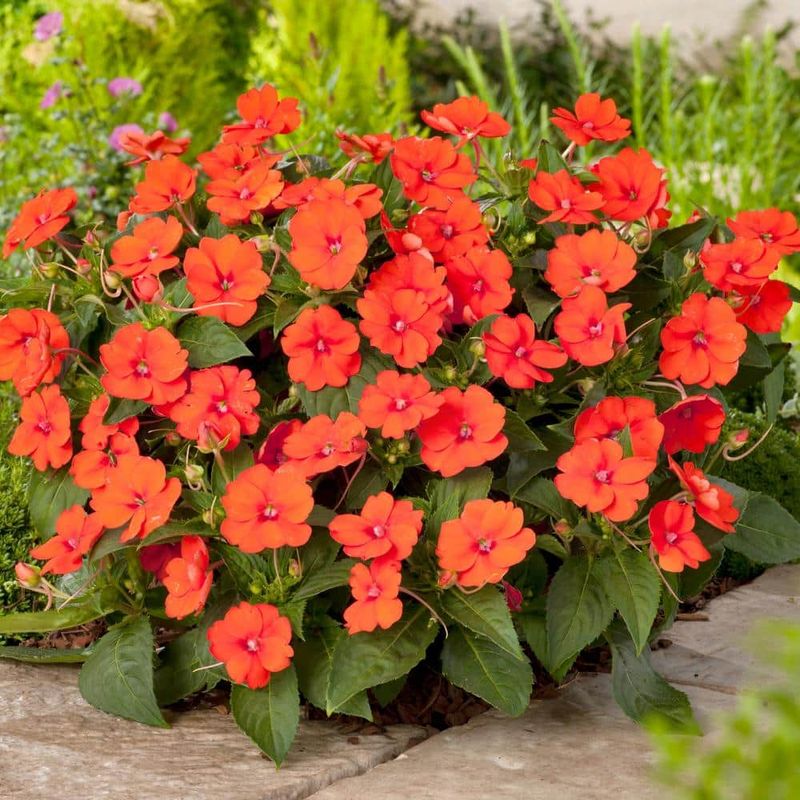
Impatiens light up shaded garden spaces with their vivid blooms, ranging from soft pinks to electric reds. These flowers are shade-tolerant and thrive in moist, well-drained soils, making them ideal companions for orange trees.
They offer continuous blooming throughout the growing season, ensuring color and vibrancy even in the shadiest corners. Impatiens are known for their lush, green foliage, which complements their bright flowers beautifully.
Their name, derived from the Latin for ‘impatience’, reflects their rapid growth and eagerness to flourish. A garden favorite, they bring energy and color to any space.
Geranium
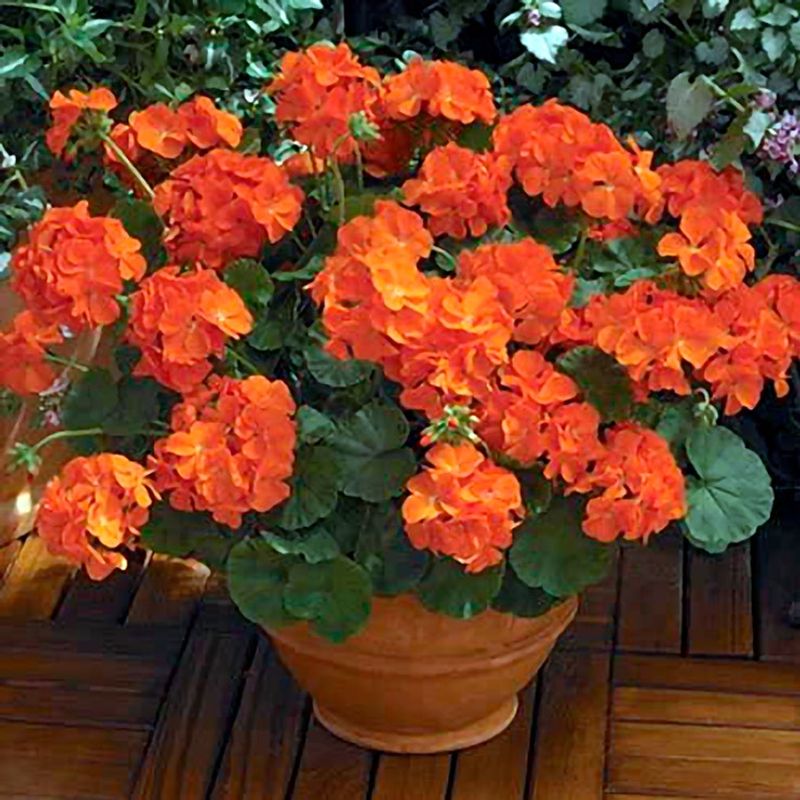
Geraniums, with their charming clusters of blooms, add a splash of color and elegance to any garden. Known for their hardiness, they thrive in a variety of conditions, from sunny spots to partial shade, making them versatile companions for orange trees.
Their leaves emit a pleasant fragrance, deterring pests while inviting beneficial insects. Geraniums’ vibrant hues range from pink to deep red, providing a striking visual contrast.
These flowers symbolize friendship and good health, enhancing the garden’s aesthetics with their cheerful blossoms. Easy to care for, they are an enduring choice for enhancing garden beauty.
Coreopsis
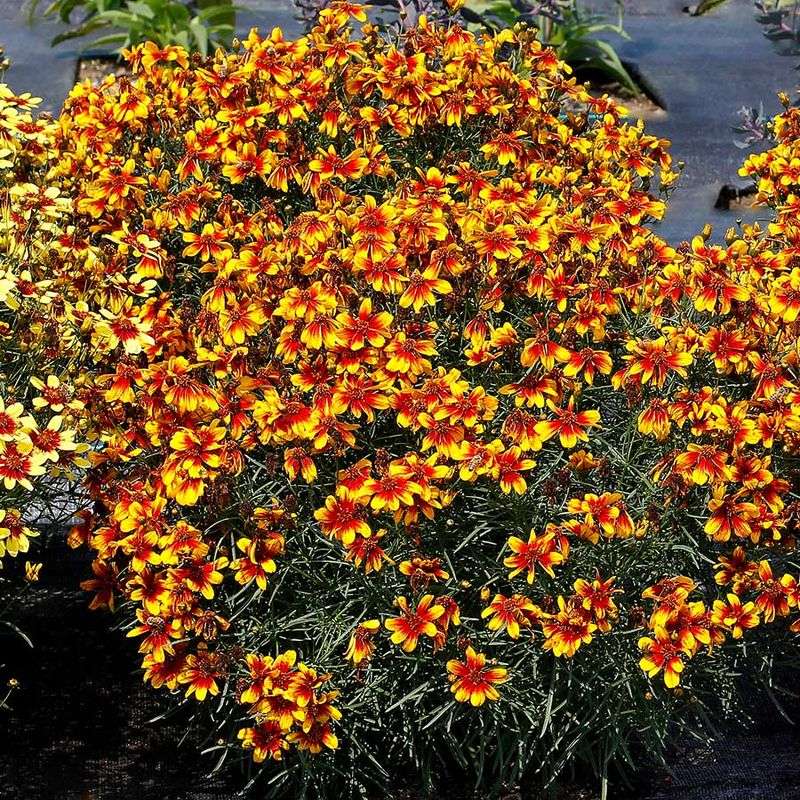
Coreopsis, often called tickseed, is beloved for its sunny yellow flowers that brighten any garden. These hardy plants thrive in poor soil and require little maintenance, making them ideal for planting under orange trees.
Their long blooming season ensures continuous color throughout the summer, attracting a plethora of butterflies and bees. Known for their resilience, coreopsis can withstand dry spells, adding to their appeal for gardeners aiming for low maintenance.
Symbolizing cheerfulness and love, these flowers create a warm, inviting atmosphere in any garden setting. A symbol of lasting beauty and joy.
Salvia
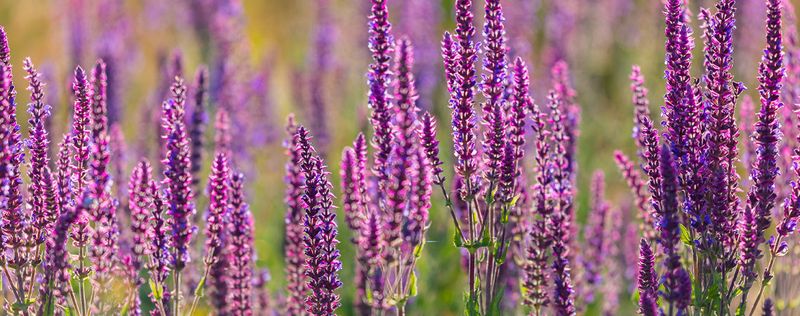
Salvia, with its tall spikes of blue and purple flowers, brings a touch of elegance and tranquility to gardens. Known for attracting pollinators, these blooms thrive in sunny conditions and well-drained soil, making them excellent partners for orange trees.
Their aromatic foliage adds an additional layer of interest, deterring pests and enhancing the sensory experience of your garden. Salvia requires minimal care, making it a favorite among busy gardeners seeking beauty without fuss.
Symbolizing wisdom and long life, salvia enriches the garden both aesthetically and ecologically, ensuring a vibrant and healthy environment.
Viola
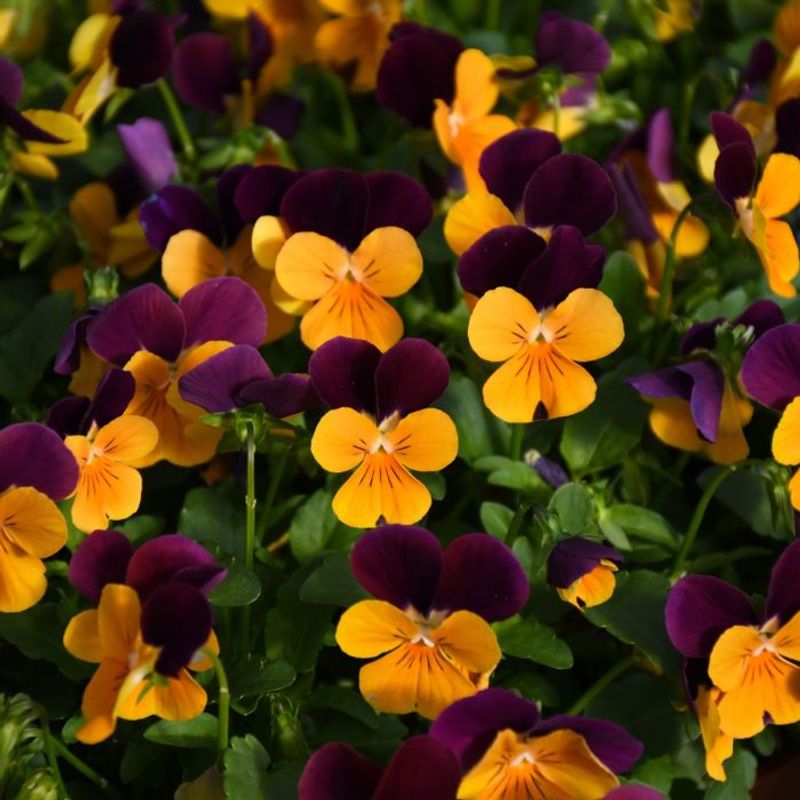
Violas are petite yet vibrant flowers, known for their delicate purple and yellow blooms. These hardy plants thrive in cooler climates and can bloom from early spring to late autumn, brightening your garden under the shade of orange trees.
Their compact size and low-growing nature make them ideal ground cover, suppressing weeds and enhancing soil quality. Violas also attract beneficial insects, promoting a balanced garden ecosystem.
Symbolizing innocence and modesty, these flowers add a tranquil touch to your garden, creating a peaceful retreat. Versatile and charming, violas are a timeless garden favorite.
Sweet Pea
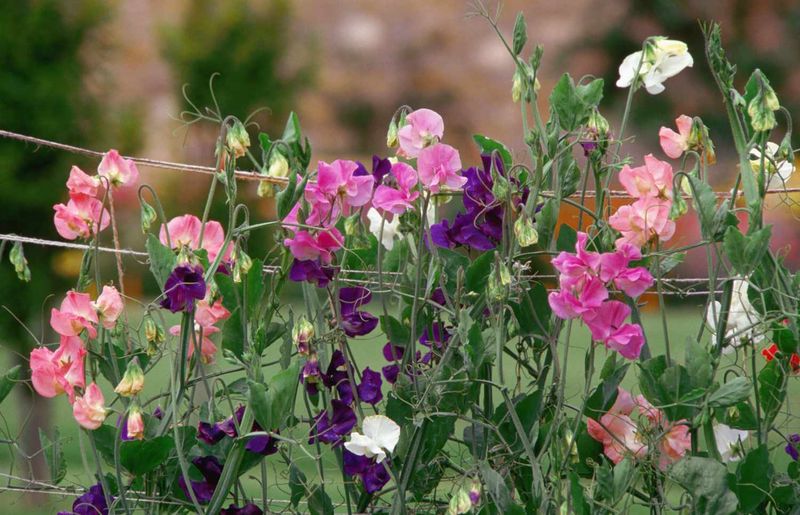
Sweet peas, with their pastel pink and purple petals, introduce old-world charm and a sweet fragrance to gardens. These climbing flowers thrive in well-drained soil and partial shade, making them ideal for growing under orange trees.
Their tendrils can be trained to climb, creating vertical interest and maximizing garden space. Known for their enchanting scent, sweet peas attract pollinators, enhancing the garden ecosystem.
Symbolizing delicate pleasures and blissful delight, they provide both aesthetic beauty and practical benefits. With their timeless appeal, sweet peas remain a cherished choice for gardeners seeking elegance and fragrance.