 Complete Gardening
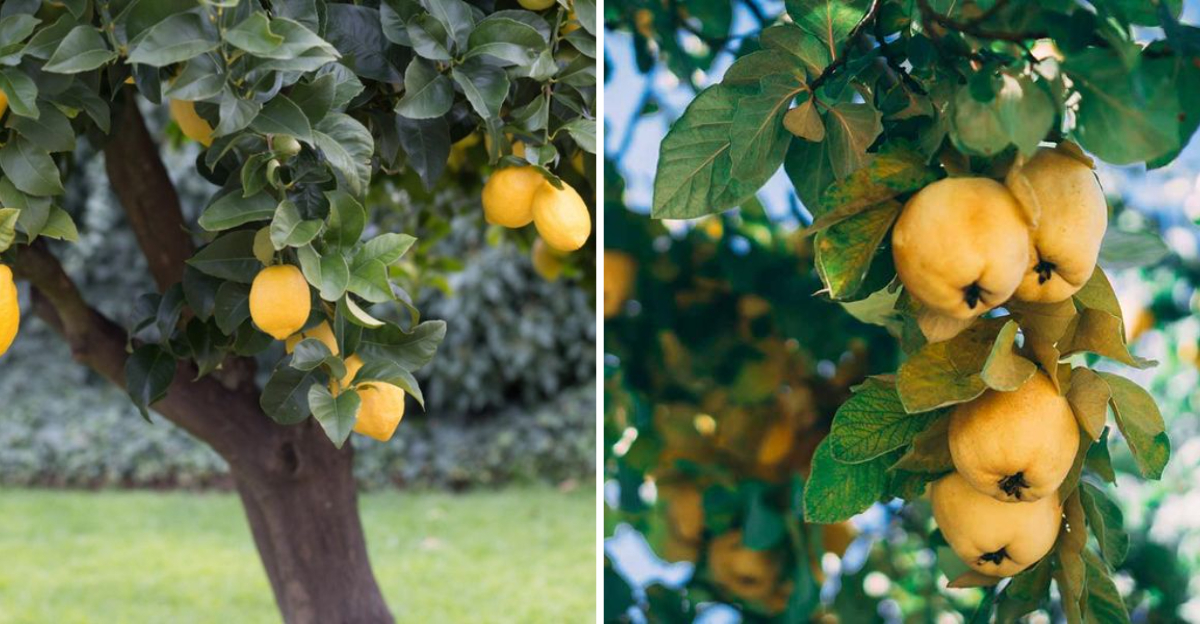
Planting a fruit tree is an investment in time and patience, but the rewards are sweet and juicy. Understanding how long it takes for various store-bought fruit trees to produce can help you plan your garden more effectively. This guide explores the timelines for five popular fruit trees, each with its own unique characteristics and growing requirements.
Apple Tree
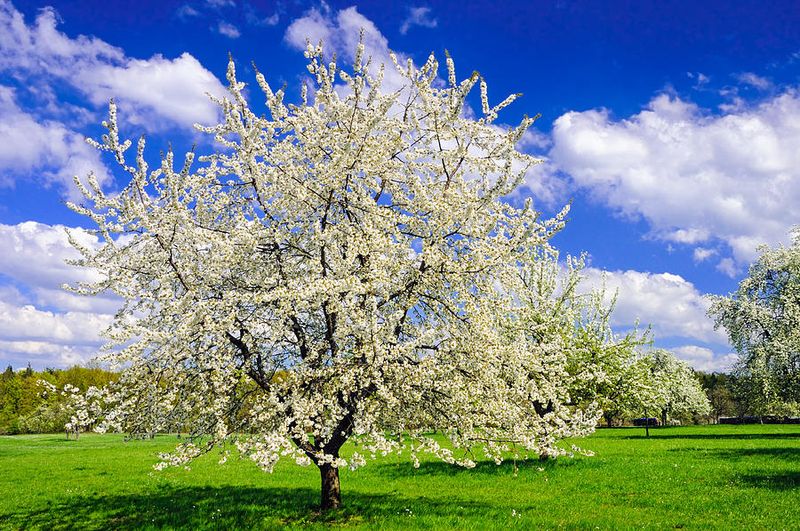
An apple a day might keep the doctor away, but how long does it take for an apple tree to start producing? Generally, store-bought apple trees begin to bear fruit in 2 to 5 years. The anticipation of seeing the first blossoms transform into delicious, juicy apples is an exciting experience for any gardener.
Patience is key, as different varieties may have varied timelines. For instance, dwarf apple trees typically produce earlier than their standard counterparts. Selecting the right variety for your climate and soil can also influence production time.
Peach Tree
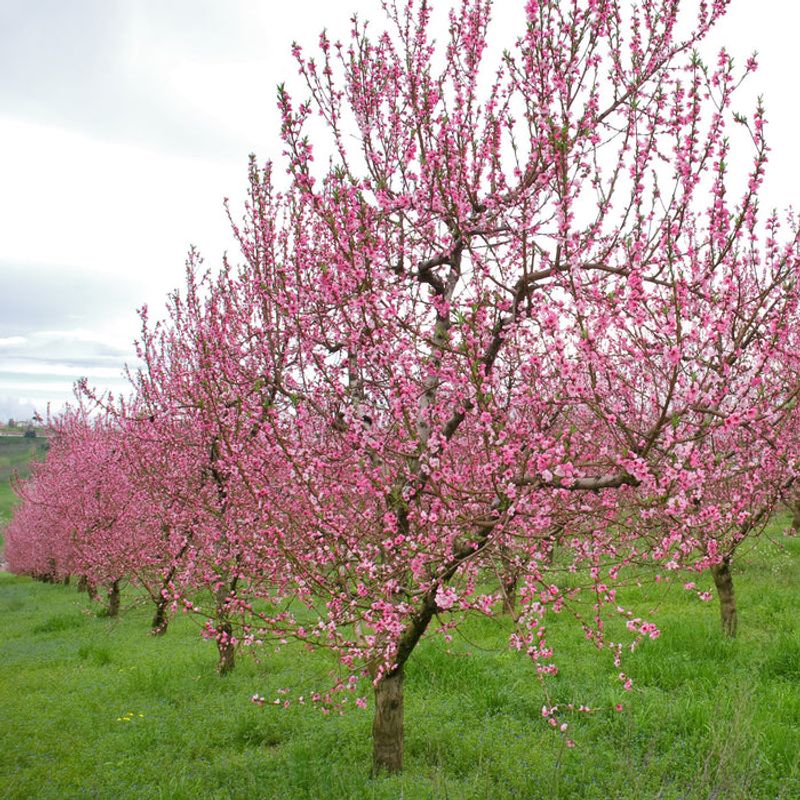
Nothing says summer quite like biting into a fresh, juicy peach. But when does a peach tree start giving back? Peach trees usually begin to bear fruit within 3 to 4 years after planting. The journey from planting the sapling to enjoying the first homegrown peach is a delightful one, full of anticipation.
The tree’s early spring blossoms promise the luscious fruit to come. Choosing a sunny spot with good air circulation will enhance the tree’s growth and fruit production. Regular pruning keeps the tree healthy and productive.
Cherry Tree
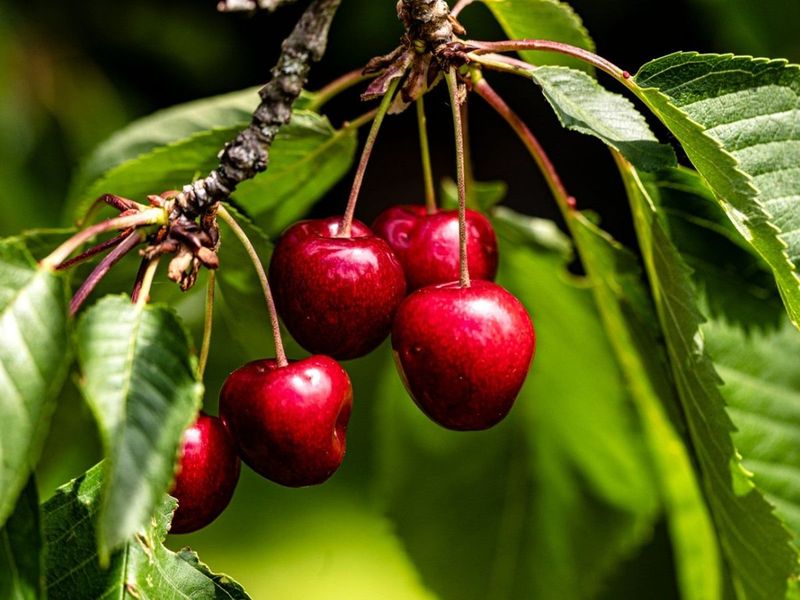
With its vibrant red fruit, the cherry tree is a garden showstopper. Typically, these trees start producing cherries 4 to 7 years after planting. The wait is worth it, as the sight of ripe cherries ready for picking is truly rewarding.
Cherry trees thrive in well-drained soil and require full sun for optimal growth. Their beautiful spring blossoms are an added bonus, offering a visual treat before the fruiting season begins. Whether sweet or sour, cherries are a delightful addition to any garden.
Lemon Tree
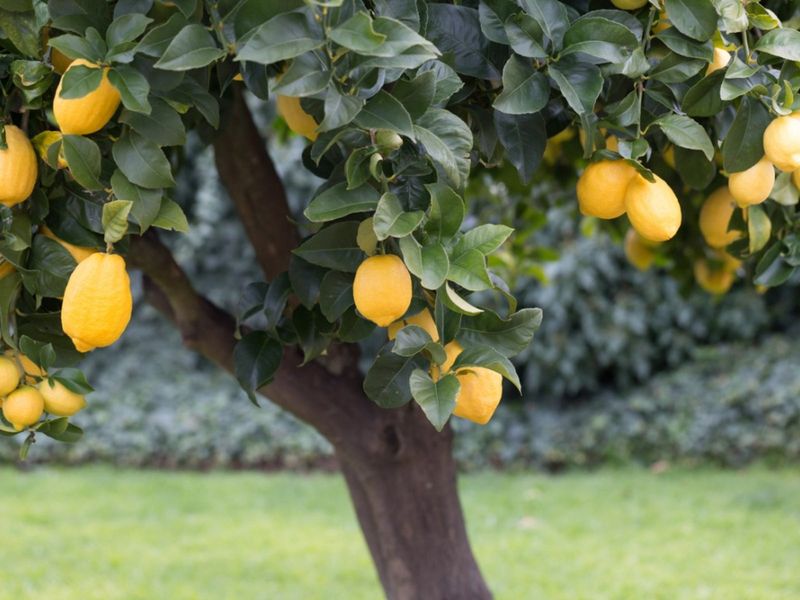
When life gives you lemons, it’s likely from a tree that took some time to grow. Lemon trees generally start producing fruit 3 to 5 years after planting. These citrus wonders bring a zesty freshness to any garden, and their glossy leaves and fragrant flowers add aesthetic appeal.
To thrive, lemon trees need plenty of sunlight and well-drained soil. They’re sensitive to cold, so a sheltered spot is ideal. Regular watering and fertilization ensure healthy growth and a bountiful lemon harvest.
Pear Tree
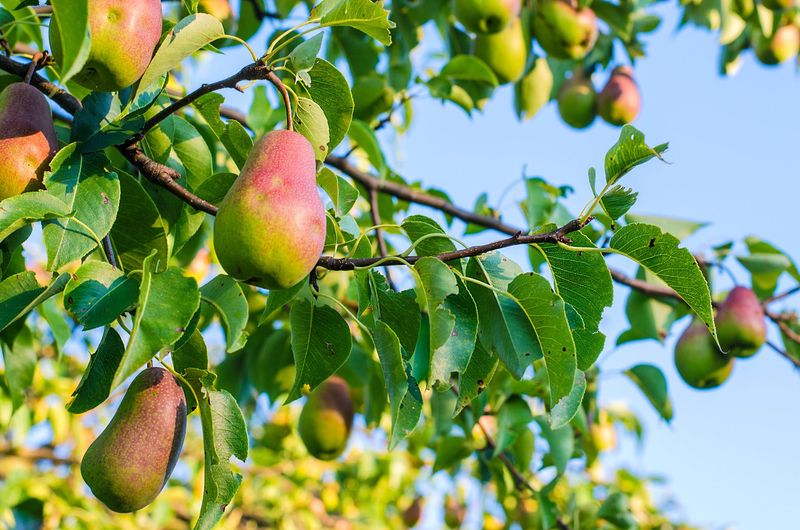
Pears are a classic fruit with a rich history, and growing your own can be a rewarding pursuit. Store-bought pear trees typically start producing fruit 4 to 6 years after planting. Watching the tree mature and gradually yield luscious pears is a gardener’s delight.
Pear trees prefer a sunny location and thrive in well-drained soil. They’re known for their stunning spring blossoms, which give way to the tasty fruit in the fall. With patience and care, a pear tree will be a productive and ornamental feature in your garden.
Fig Tree
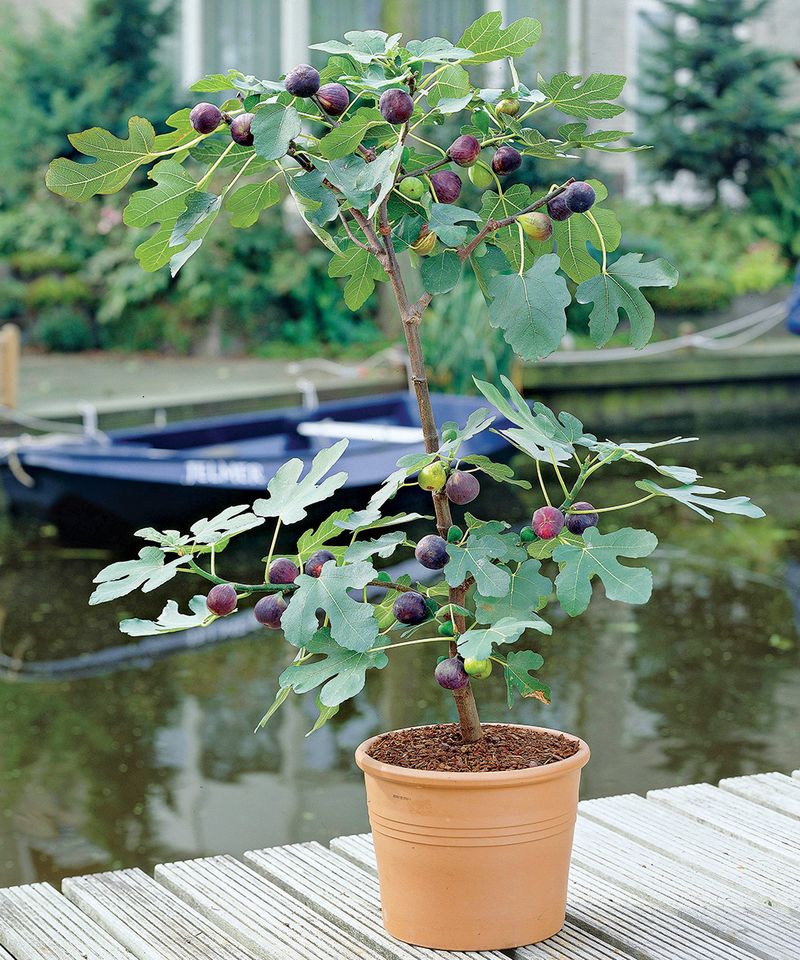
Figs are a delightful treat from the backyard. With a fascinating history dating back to ancient civilizations, these trees are known for their resilience. Typically, a fig tree will start producing fruit in 2 to 3 years after planting.
The first few years focus on root development and establishing a strong framework. Once the tree is well-grounded, it rewards your patience with luscious fruits.
Interestingly, figs can often yield two crops per year – the breba crop in spring and the main crop in late summer or fall. Each harvest brings unique flavors.
Olive Tree
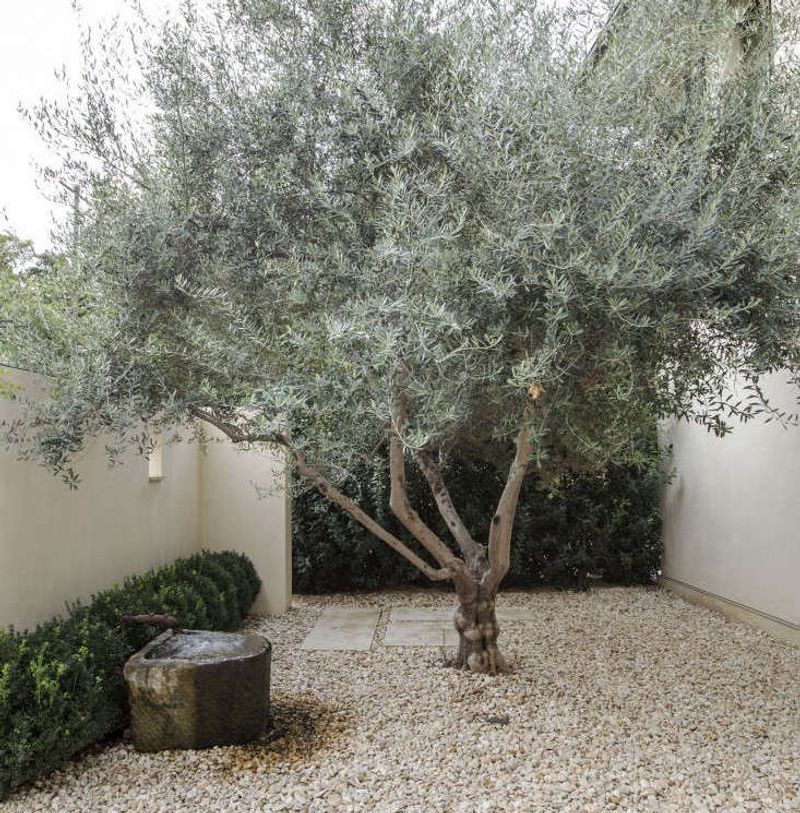
Known for their ancient symbolism of peace and prosperity, olive trees can take a while to mature. Typically, store-bought olive trees begin to bear fruit in 3 to 5 years.
These trees thrive in sunny, well-drained environments and can live for centuries, providing olives for oil and culinary delights. Early fruit sets might be sparse, but with time, the harvests become more abundant.
Olive trees are a testament to patience and endurance, often becoming more productive with age, making them a long-term investment for any gardener.
Pomegranate Tree
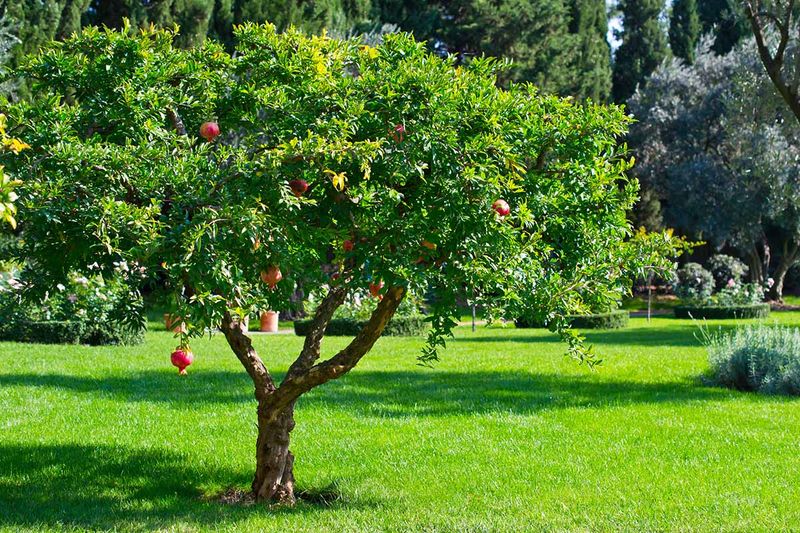
With roots in ancient Persia, pomegranate trees are both ornamental and productive. Typically, they start yielding fruit in 2 to 4 years after planting.
The tree is cherished for its colorful blossoms and nutrient-rich pomegranates. Early harvests might be limited, but perseverance pays off with increasingly bountiful yields.
Pomegranates symbolize fertility and abundance, and their seeds are packed with antioxidants. As the tree matures, it becomes a robust addition to any landscape, offering both beauty and a healthy fruit option.
Plum Tree
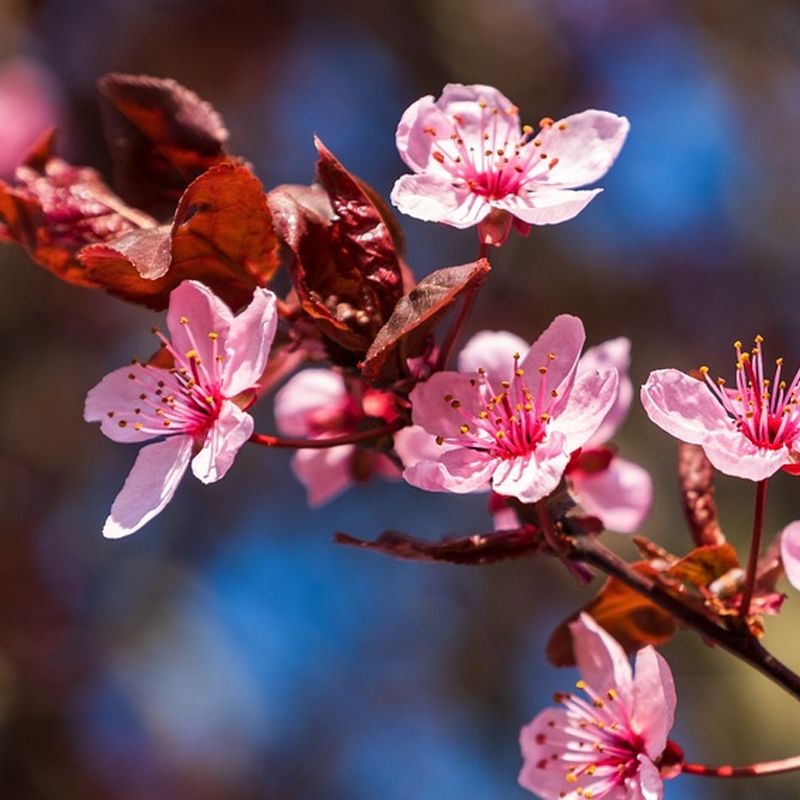
Plum trees, with their stunning spring blossoms, offer more than just visual appeal. Typically, these trees begin to bear fruit 3 to 6 years after planting.
They require a pollinator partner for optimal fruiting, so planting multiple varieties can enhance yields. Early harvests may be meager, but each year brings more promise.
Plums are versatile fruits, excellent for fresh eating or making preserves. Their rich history in cultivation adds a touch of nostalgia to any garden. With patience, these trees bring delectable rewards.
Avocado Tree
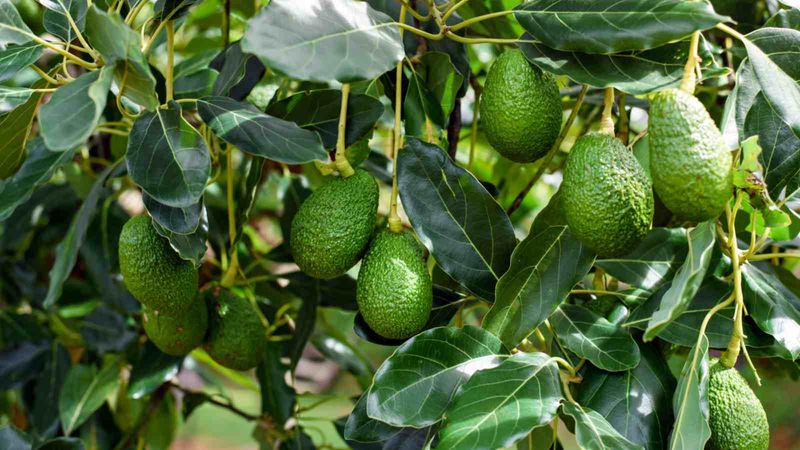
Avocado trees are a tropical treasure for any garden. Generally, they take about 3 to 4 years to produce fruit if grown from a grafted plant.
These trees thrive in warm climates and require well-draining soil. The first fruits might be few, but they hold the promise of creamy avocados.
As the tree matures, it becomes more prolific, offering a bounty that enhances any culinary creation. Their unique, pear-shaped fruits are not only delicious but also packed with healthy fats, making them a gardener’s delight.
Almond Tree
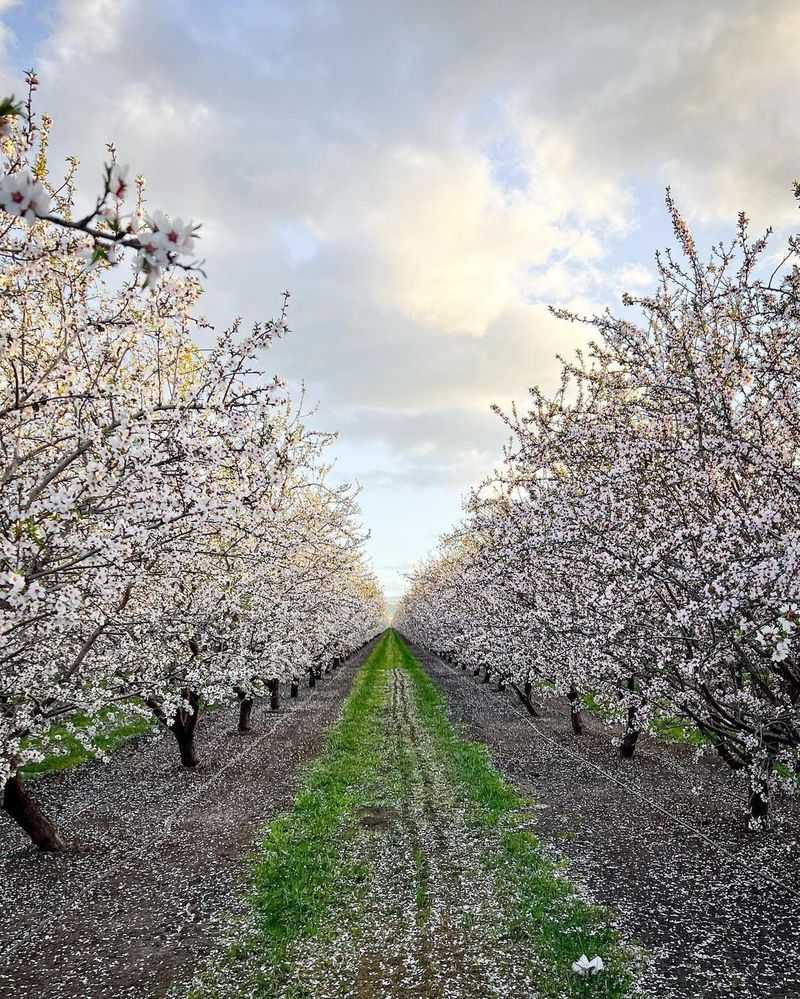
Almond trees, known for their springtime blossoms, start producing in 3 to 6 years. These trees are a symbol of hope and renewal, as their blooms are among the first to appear each spring.
Although early harvests might be small, patience leads to plentiful almonds. They thrive in warm, dry climates and require careful watering and pruning.
Almonds are not only delicious snacks but also valued for their milk and oil. With time, the harvests grow, rewarding the gardener’s dedication with nutritious, versatile nuts.
Grapefruit Tree
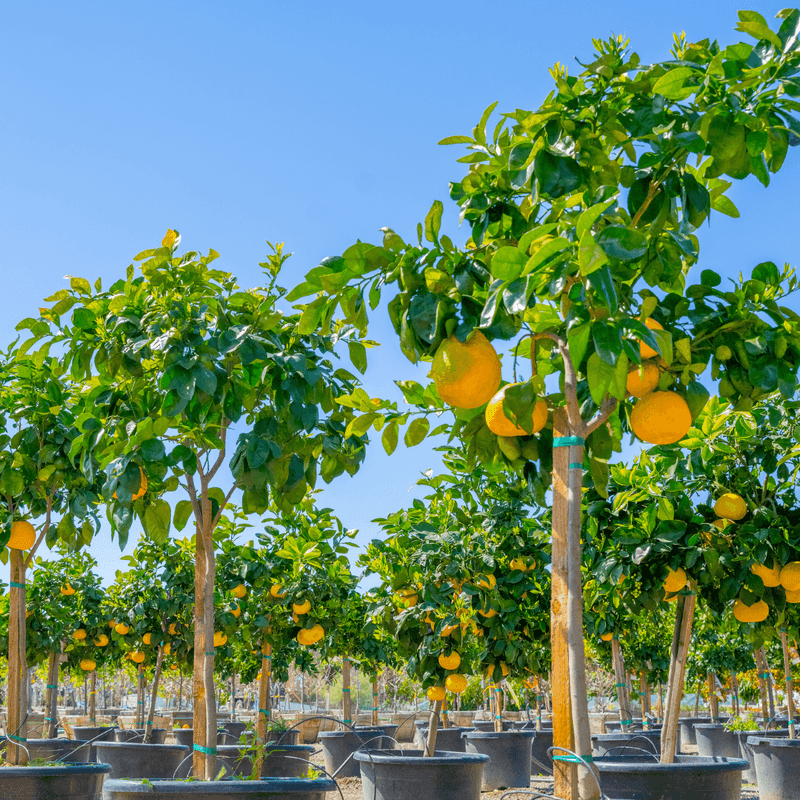
Grapefruit trees, offering a burst of citrusy goodness, usually start producing fruit in 4 to 6 years. These trees love the sun and thrive in regions with mild winters.
Initially, the fruiting may be sparse, but as the tree matures, the yields improve significantly. The large, juicy fruits are perfect for fresh eating or juicing, bringing a tangy flavor to any meal.
As they age, grapefruit trees become more robust and productive, delighting gardeners with their resilience and abundant harvests.
Apricot Tree
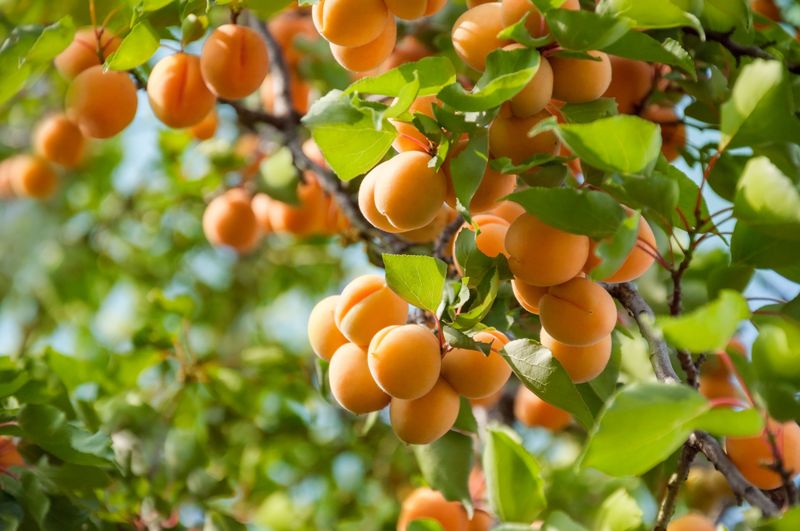
Apricot trees, celebrated for their delicate blossoms and sweet fruits, begin producing 3 to 5 years after planting. These trees thrive in well-drained soil and full sunlight, making them ideal for temperate climates.
The early fruiting years may offer limited harvests, but the promise of juicy apricots keeps hope alive. As the tree matures, it rewards patience with an abundance of flavorful fruits.
Apricots are rich in vitamins and versatile in culinary uses, from fresh consumption to preserves, making them a valuable addition to any garden.
Nectarine Tree
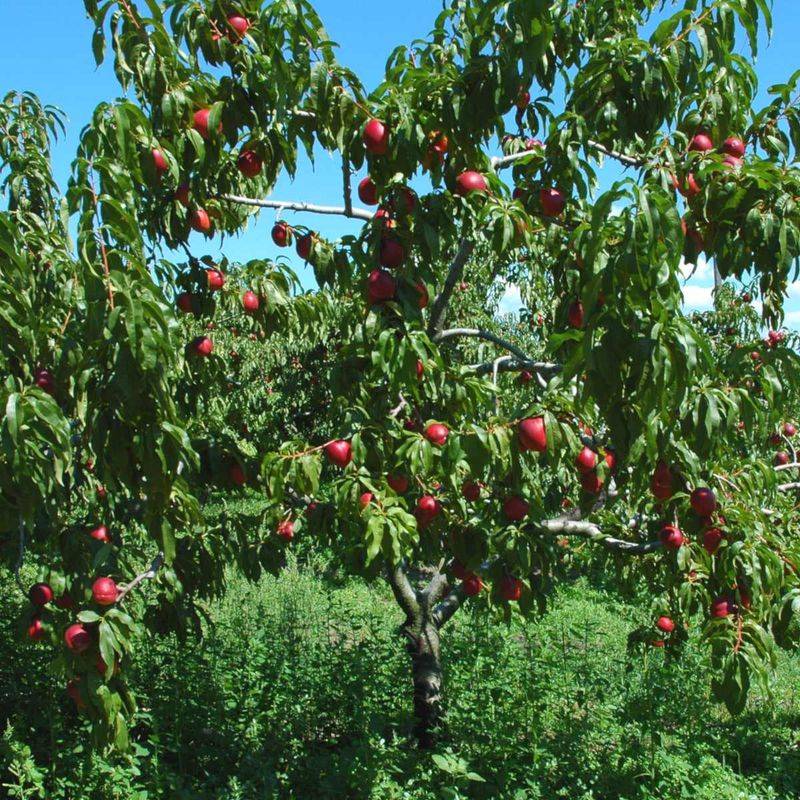
Nectarine trees, closely related to peaches, are known for their smooth-skinned fruits. These trees typically start yielding fruit in 3 to 4 years.
Nectarines thrive in similar conditions to peaches, preferring sunny spots and well-drained soil. Early harvests might be small, but persistence leads to plentiful, juicy fruits.
Their sweet flavor and firm texture make nectarines ideal for fresh eating and cooking, adding a burst of summer freshness to any dish. With time, the tree becomes more productive, enhancing the garden’s bounty.
Mulberry Tree
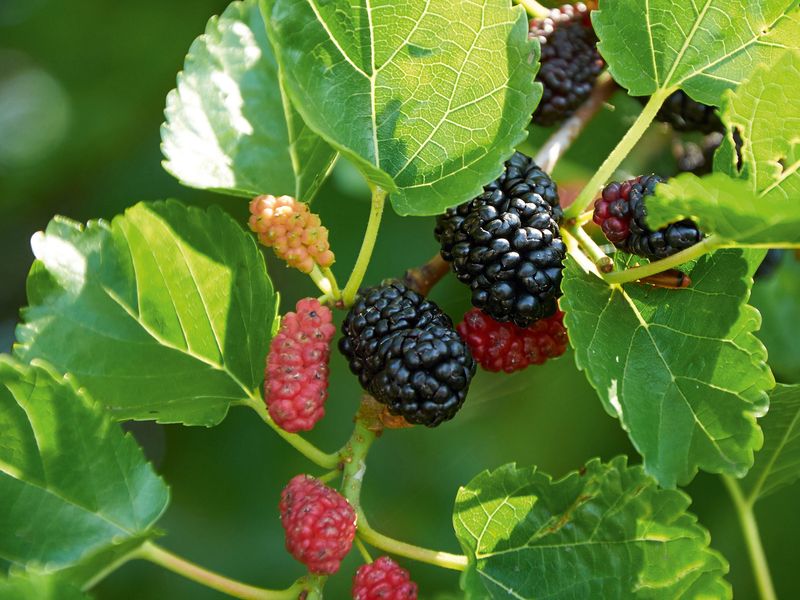
Mulberry trees, once favored by silk producers, are now cherished for their delicious berries. Typically, they begin bearing fruit in 2 to 4 years.
These trees are easy to grow and adapt well to various climates. The first fruits are often a prelude to more substantial harvests in subsequent years.
Mulberries are rich in nutrients and can be enjoyed fresh or in pies and jams. Their fast growth and bountiful yields make them a rewarding choice for any garden, adding both shade and sustenance.
Persimmon Tree
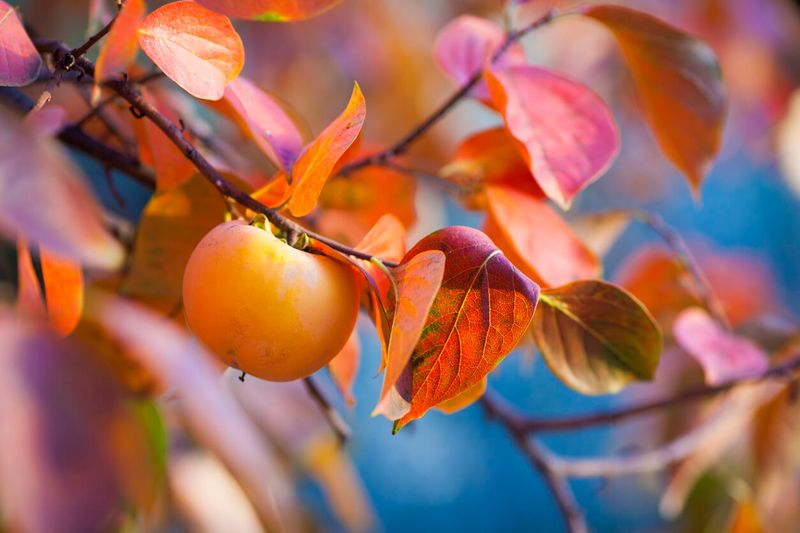
Persimmon trees, with their striking autumnal color, start producing fruit 3 to 6 years after planting.
These trees flourish in various climates and can be quite resilient. Early yields may be minimal, but as the tree matures, it provides an abundance of sweet, honey-like fruits.
Persimmons are versatile, enjoyed fresh or dried, and are a delightful addition to any garden. Their vibrant fall foliage and delicious fruits make them a visually stunning and fruitful choice for home orchards.
Mango Tree
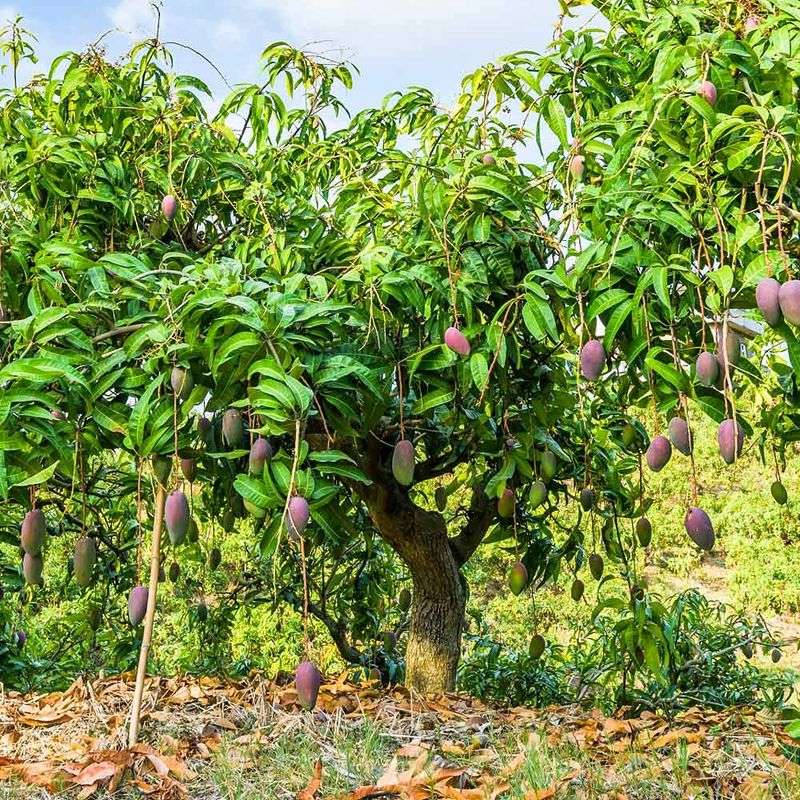
Mango trees, synonymous with tropical paradise, typically take 3 to 6 years to produce fruit when grown from a grafted plant.
These trees need plenty of sunlight and warmth, thriving best in tropical and subtropical regions. Initial yields may be modest, but the promise of fragrant, juicy mangoes keeps anticipation high.
Mangoes are celebrated for their sweet, exotic flavor, making them a prized addition to any garden. With time, the tree becomes more prolific, offering a taste of the tropics at home.
Quince Tree
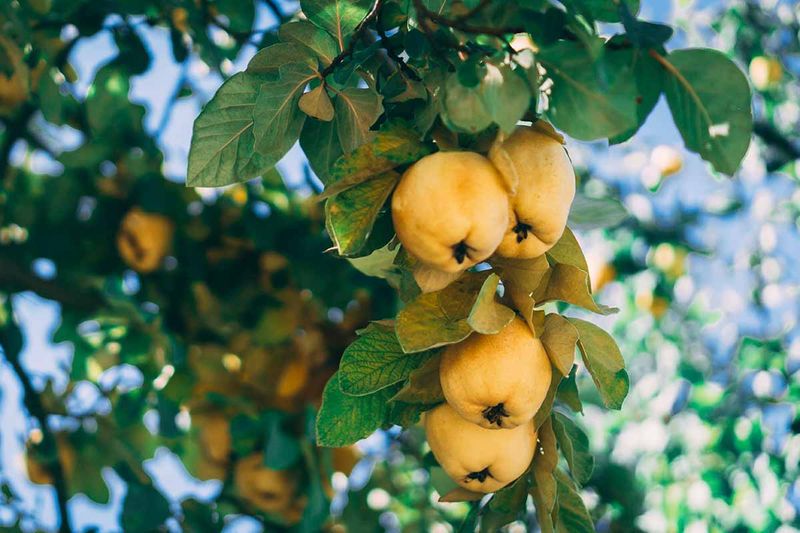
Quince trees, with their rich history and fragrant fruits, begin to yield in 3 to 4 years.
These trees are hardy and adapt well to various climates. The first fruits are often small and few, but maturity brings more substantial harvests.
Quinces are known for their aromatic, tart flavor, which mellows when cooked into jellies and desserts. Their golden fruits and gnarled branches add a touch of elegance and antiquity to any garden, making them a unique and rewarding addition.