 Complete Gardening
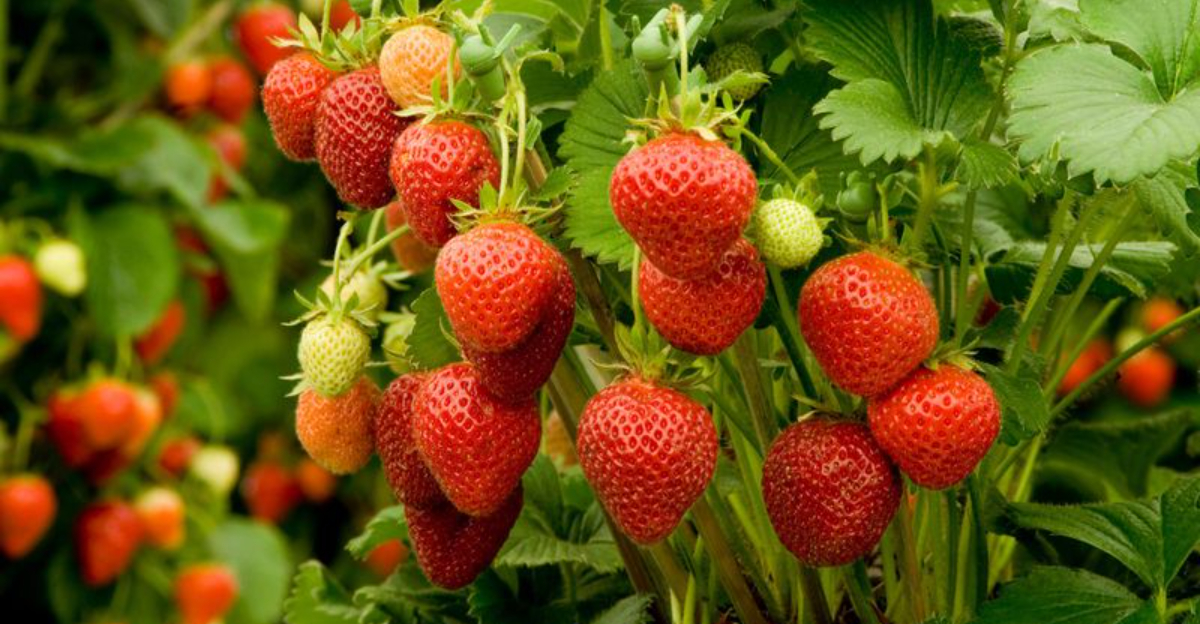
Growing strawberries might seem straightforward, but there are hidden truths that many garden centers don’t share.
From their aggressive nature to demanding growing conditions, strawberries require attention and care for optimal yields.
Here are 12 secrets you’ll want to know before planting your strawberry patch.
1. Rarely Produce Well the First Year
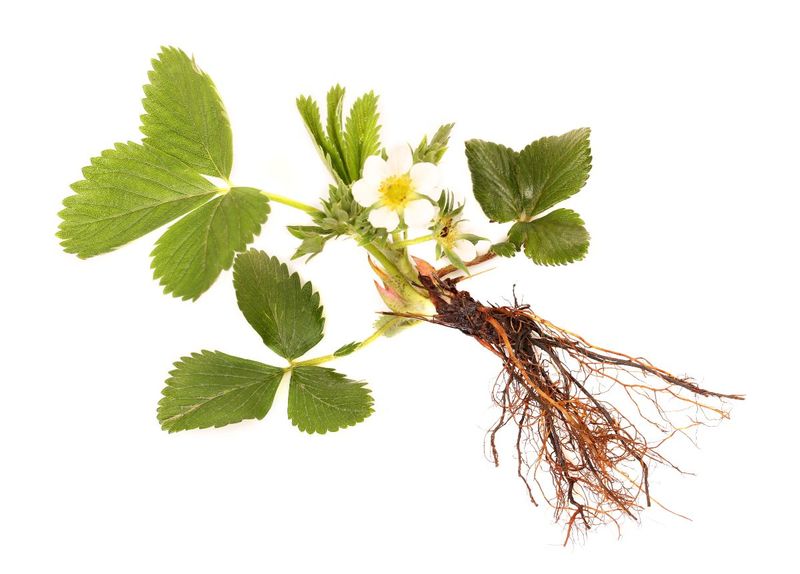
In the first year, strawberry plants are all about setting down their roots. This focus on root development is vital for their long-term health and productivity. Beginning with robust roots ensures better fruiting in subsequent years. New gardeners might feel disappointed with the lack of berries at first, but patience pays off. By the second year, the plants often burst with delicious strawberries. Remember, good things come to those who wait, and in gardening, patience is a virtue.
2. Strawberries Need Replacing Every Few Years
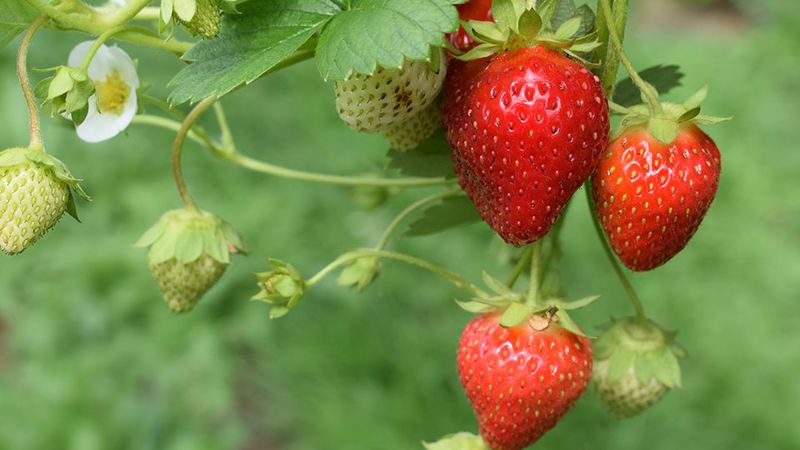
While they are perennials, strawberries have a timeline. After about 3–4 years, their productivity declines significantly. For consistent yields, rotating or replanting your strawberry patch is essential. Experienced gardeners know that new plants bring new energy. This cycle of renewal keeps your garden vibrant and fruitful. Replacing old plants is not just about yield; it’s about keeping the garden ecosystem healthy and thriving. The cycle of nature demands that old gives way to new.
3. They Send Out Runners Like Crazy
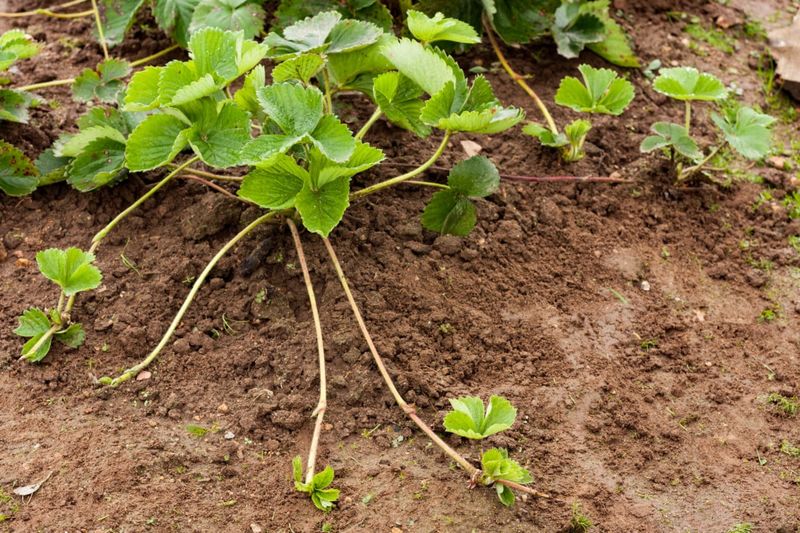
Strawberries are prolific when it comes to propagation. Their runners stretch out, eager to claim more ground. While this can be great for expanding your patch, left unchecked, it leads to overcrowding. Managing these runners is crucial to maintain plant health and productivity. Clipping some runners and controlling their growth helps keep your strawberry patch in check. Each runner can develop into a new plant, but balance is key. Uncontrolled growth often leads to diminished returns.
4. Sunlight Is Non-Negotiable
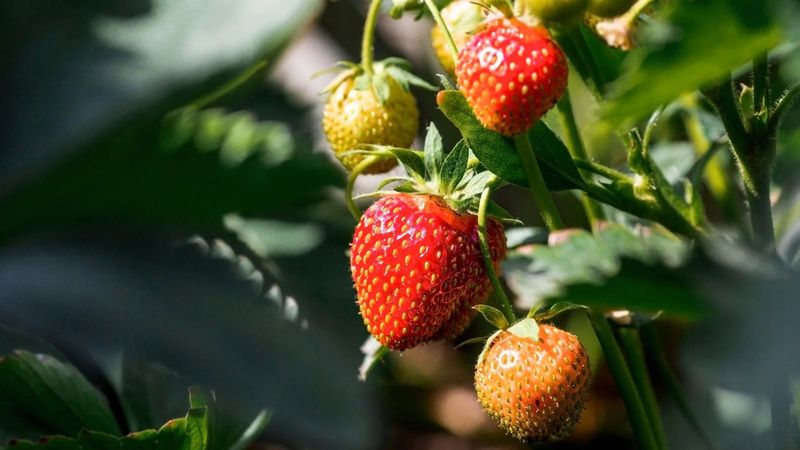
Sunlight is the lifeblood of strawberry plants. These sun-loving berries require at least 6–10 hours of direct sunlight every day. Without sufficient sunlight, strawberries produce fewer and smaller fruits. Positioning your plants in the sunniest spot of your garden is crucial. This ensures they receive the energy needed to thrive. Failure to provide adequate sunlight results in poor fruit quality and reduced yields. In gardening, the sun is your best ally for growing juicy strawberries.
5. Soil Health Is Crucial
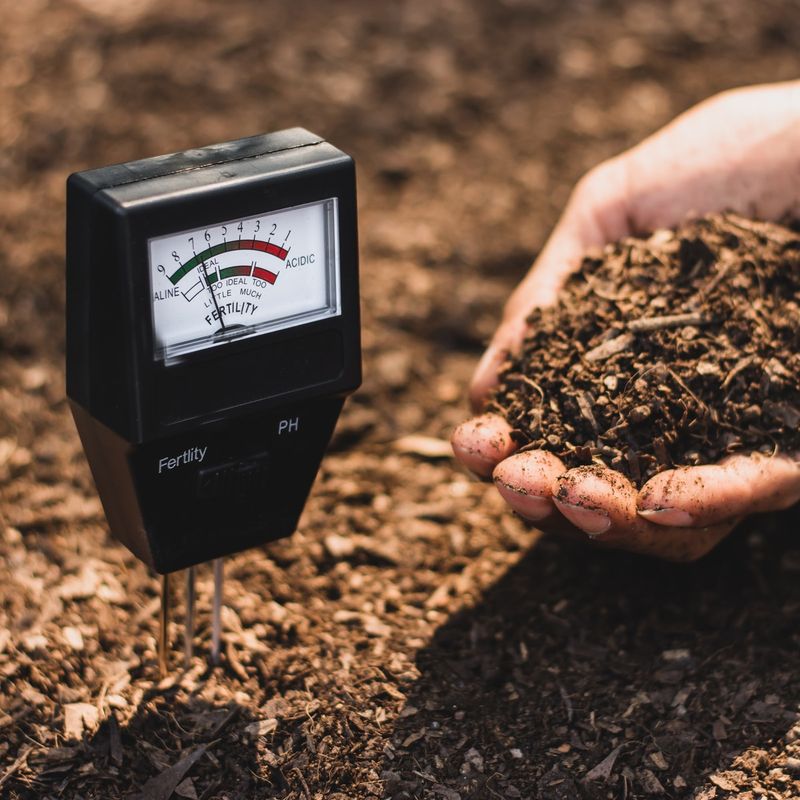
Strawberries demand a special kind of soil to flourish. They thrive in loamy, slightly acidic soil with excellent drainage. Poor drainage or the wrong pH level can be disastrous. The roots become waterlogged, leading to plant failure. Testing soil and amending it to meet strawberry needs is a vital step. A healthy soil foundation supports robust plant growth and plentiful harvests. Gardeners should prioritize soil condition for the best strawberry yield.
6. Birds and Bugs Love Them Too

Strawberries are a favorite not just for humans but for birds and bugs as well. Slugs, aphids, and spider mites are common threats. Protecting your strawberry patch is essential to ensure a good harvest. Netting and companion planting are popular strategies. These methods deter unwanted guests without harming the plants. Vigilance is key to preventing these critters from ruining your crop. With the right protection, strawberries can thrive and produce bountifully.
7. Straw Mulch Isn’t Just Tradition
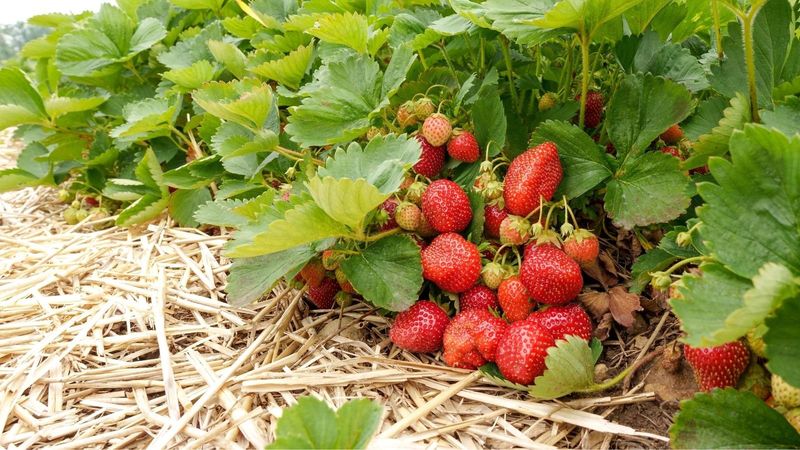
Many wonder why they’re called “straw”-berries. The answer lies in the straw mulch traditionally used around them. This mulch isn’t just for looks; it prevents fungal diseases and keeps weeds at bay. Straw also helps keep the berries clean and dry. This simple addition can greatly enhance plant health. A layer of straw is a gardener’s secret weapon for a thriving strawberry patch. It’s a simple, yet effective way to maintain a healthy garden.
8. Raised Beds Often Work Best
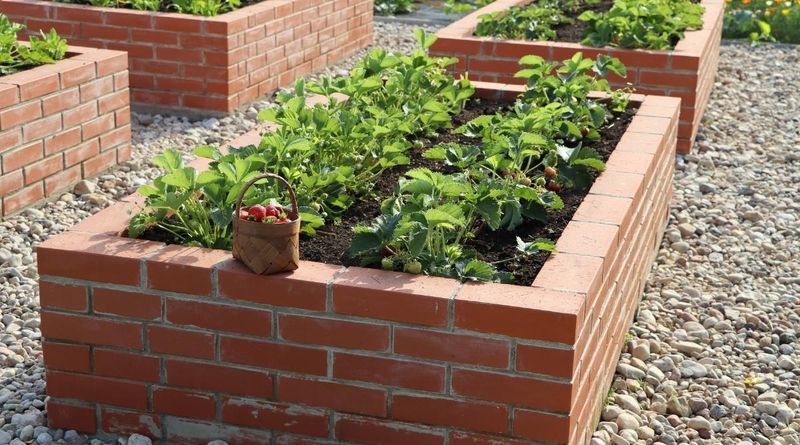
Raised beds offer a unique advantage for strawberries. They provide improved drainage and warmer soil, conditions strawberries thrive in. By controlling the environment more effectively, gardeners can boost plant health and yield. Raised beds also make it easier to manage weeds and pests. This setup allows for precise control over soil composition and moisture levels. For those serious about growing strawberries, raised beds are often the preferred choice.
9. Not All Varieties Fruit the Same Way

Strawberry varieties have unique fruiting patterns. June-bearing, everbearing, and day-neutral are the main types. Mixing these varieties can extend your harvest season. Each type offers distinct advantages and challenges. Choosing the right mix depends on your gardening goals. A longer harvest window means more fresh strawberries over time. Gardeners who understand these differences can tailor their planting strategy. Knowledge of variety traits is vital for maximizing yield.
10. You Must Pinch Off Flowers Initially
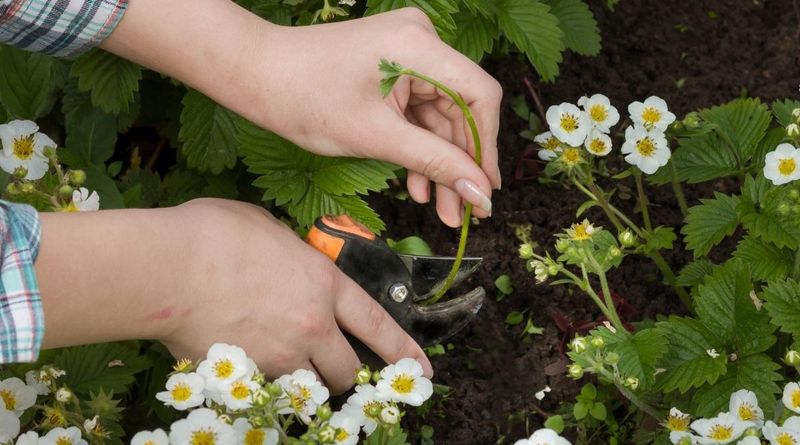
In the first year, pinching off flowers is crucial for strawberries. This practice helps plants focus on root development. Strong roots lead to better yields in subsequent years. It might seem counterintuitive to remove potential fruit, but patience is rewarded. A strong foundation means a more productive plant in the long run. This practice is a strategic move for strawberry success. Investing in root health pays dividends in fruit production later.
11. They Hate Weeds

Strawberries, being shallow-rooted, do not compete well with weeds. Keeping the area free of unwanted plants is crucial. Weeds can choke strawberries, depriving them of nutrients and space. Managing weeds ensures strawberries have the best chance to thrive. Regular weeding or using mulch can help maintain a clean patch. A well-maintained garden is essential for a good strawberry harvest. Avoiding competition from weeds supports plant health and productivity.
12. Old Plants Attract More Disease
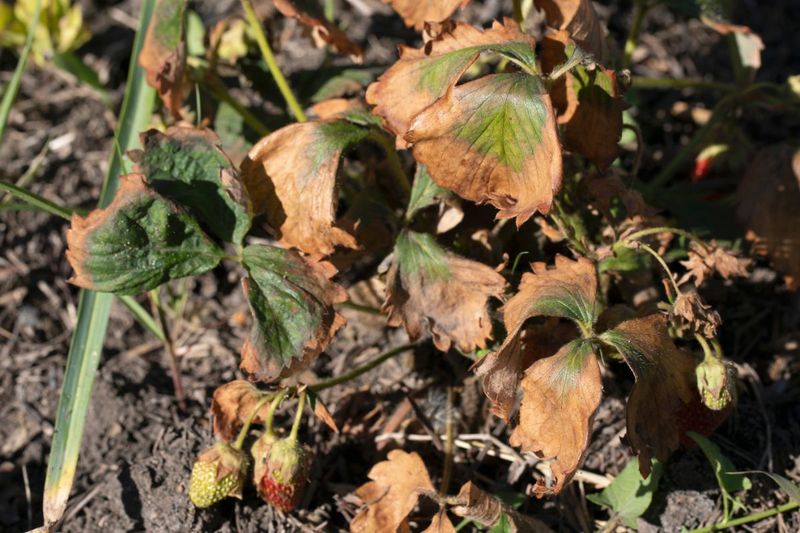
As strawberry plants age, they become more susceptible to diseases. Viruses and fungal infections like verticillium wilt are common threats. Rotating crops and replacing old plants is a proactive approach. Fresh plants mean reduced disease risk and better yields. Keeping the garden healthy involves monitoring plant health regularly. Gardeners who stay vigilant can prevent disease from spreading. A healthy garden is a productive one, free from the scourge of plant disease.