 Complete Gardening
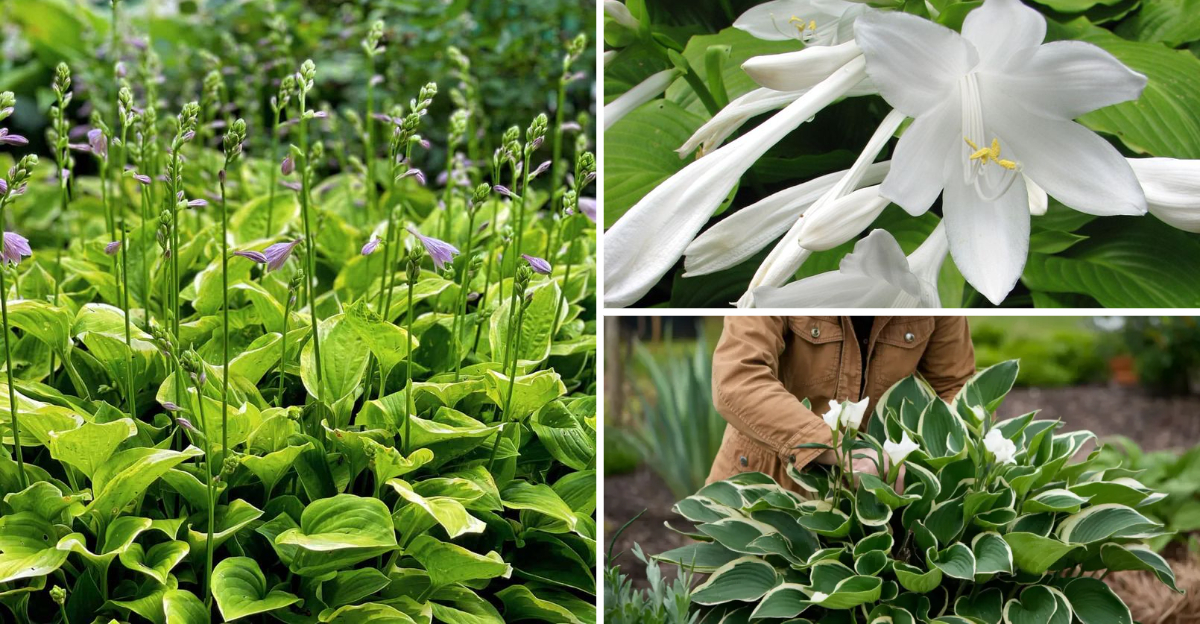
Every summer, hosta plants send up tall flower stalks topped with purple or white blooms, leaving gardeners with a common dilemma. Should you cut these stalks or let them be?
The answer isn’t always straightforward, as both approaches have their benefits. I’ve gathered insights from seven gardening experts to help settle this leafy debate once and for all.
1. Trim for Tidiness
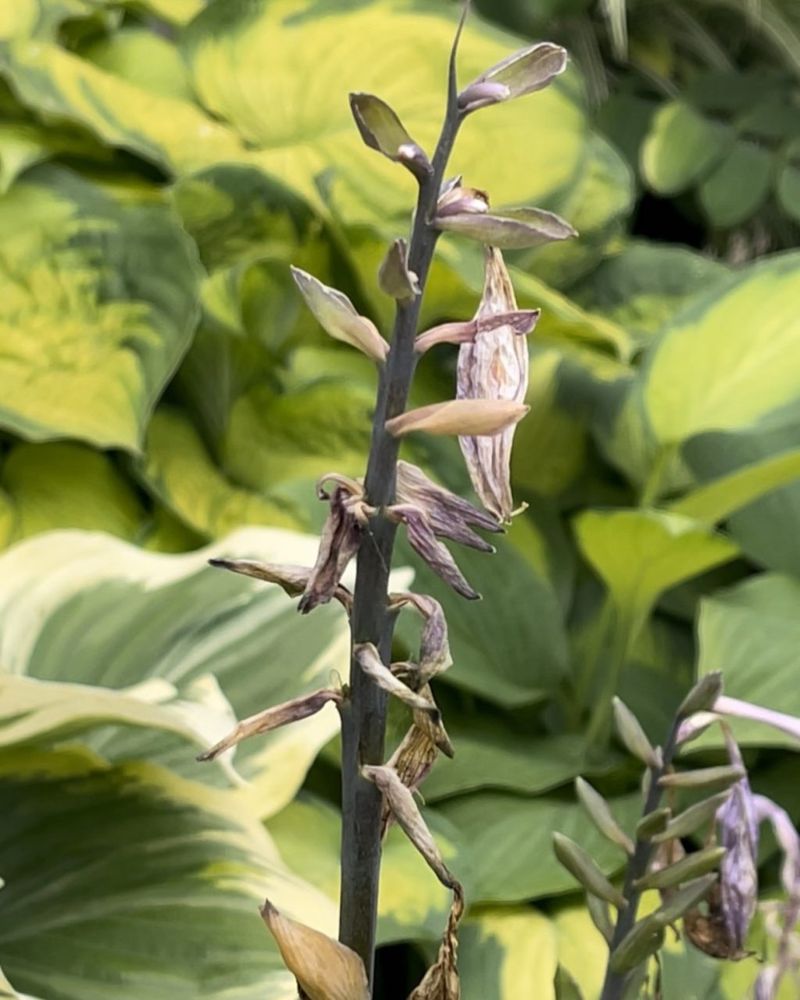
Garden designer Sarah Miller always reaches for her pruners when hosta flowers finish blooming. “The spent stalks can look scraggly and draw attention away from the beautiful foliage,” she explains.
Removing flower stalks redirects the plant’s energy back to those gorgeous leaves – the real stars of the show. Many hostas are grown primarily for their foliage anyway, with varieties ranging from blue-tinged to variegated gold.
Sarah recommends cutting stalks at the base, making a clean cut close to where they emerge from the crown. This approach works especially well in formal gardens where neat appearances matter most.
2. Pollinator Paradise
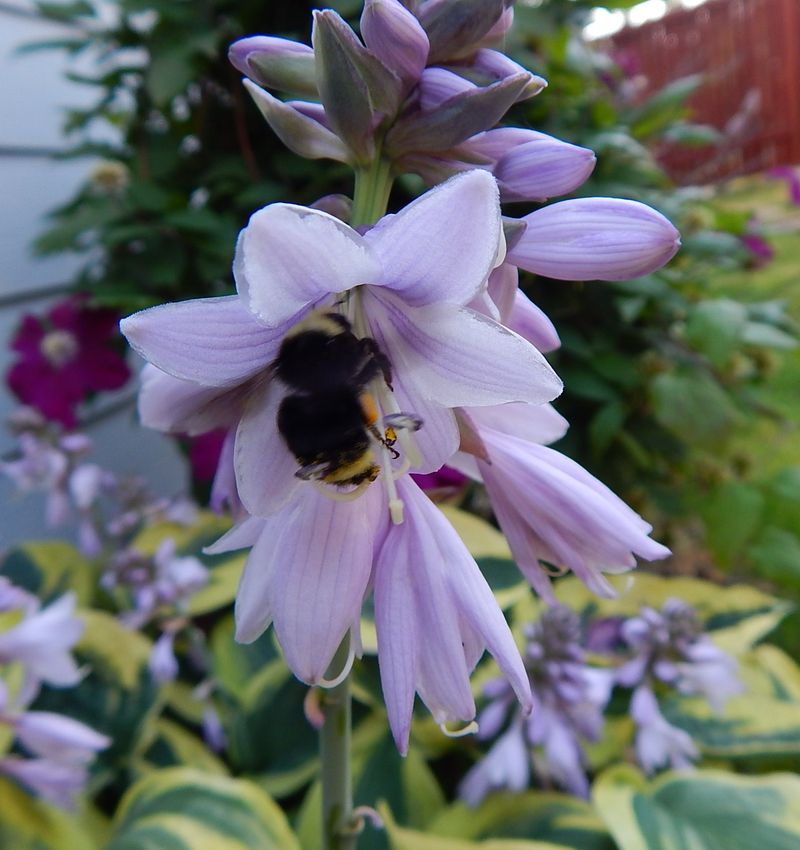
“Those tall stalks are buzzing with life!” exclaims wildlife gardener Miguel Sanchez. He’s observed countless bees, butterflies, and even hummingbirds visiting hosta flowers during their bloom period.
Miguel’s approach contradicts the tidy-garden advocates. By leaving flower stalks intact until they’ve completely finished blooming, your garden becomes a vital feeding station for pollinators when other nectar sources might be scarce.
The tubular flowers produce both nectar and pollen, making them particularly valuable for native bees. According to Miguel, the environmental benefits far outweigh any temporary messiness in the garden landscape.
3. Seed Control Strategy
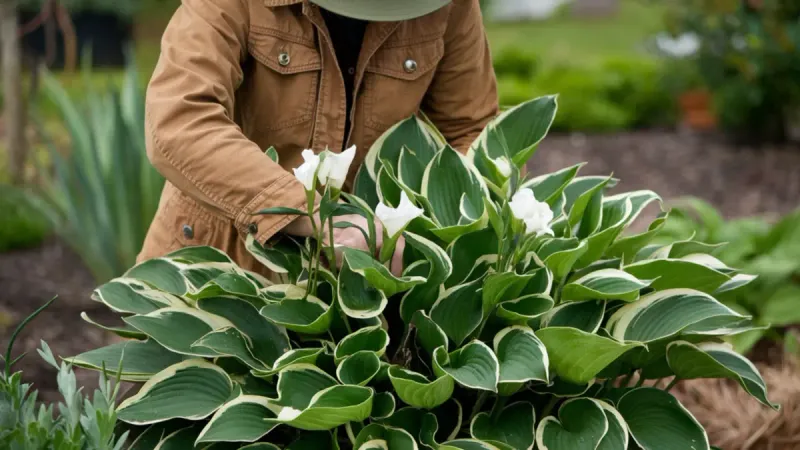
Master Gardener Janet Wong takes a middle-ground approach. She allows her hosta flowers to bloom fully for pollinators but removes the stalks before they form seeds.
“Hosta seeds can be quite vigorous spreaders in some gardens,” Janet warns. While not all varieties produce viable seeds, those that do can create unexpected seedlings throughout your garden beds. These seedlings rarely match the parent plant’s characteristics and often revert to plain green forms.
By cutting stalks after flowering but before seed pods mature, you’ll enjoy the best of both worlds – pollinator benefits without unwanted volunteers taking over your carefully planned landscape.
4. Floral Appreciation
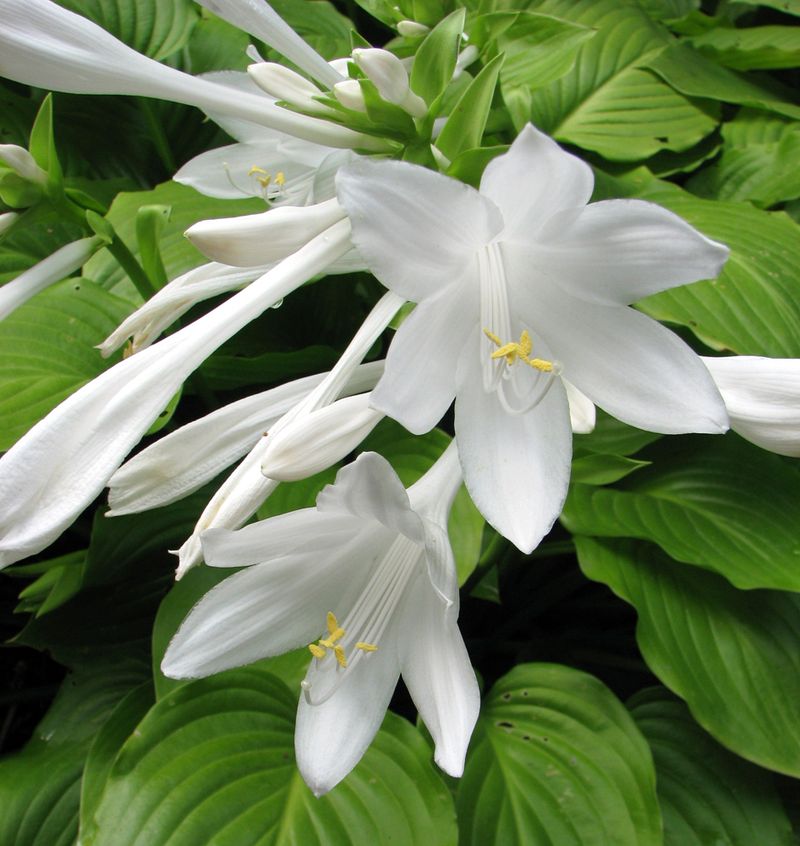
Landscape architect James Chen has a refreshing take: “Why not enjoy the complete hosta experience?” The flowers themselves deserve appreciation, especially on varieties bred for exceptional blooms.
Hosta plantaginea and its hybrids produce particularly fragrant white flowers that release their sweet scent in the evening. Other varieties showcase lavender or purple blooms that create vertical interest in otherwise horizontal plantings. James points out that flower color and form are actually classification criteria in serious hosta collections.
For maximum enjoyment, position hostas where you can appreciate both their architectural leaves and their delicate blooms from your favorite garden viewpoint.
5. Post-Bloom Pruning
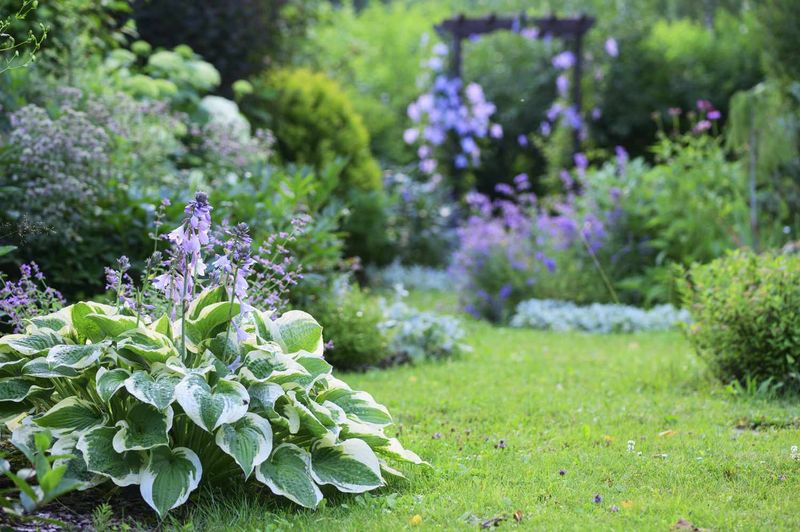
Dr. Lynn Garrison, plant physiologist and hosta collector, follows a specific timeline. “Wait until all the flowers on a stalk have finished blooming, then cut the entire stalk at the base,” she advises.
This approach balances aesthetics with plant health. Once flowering completes, the stalk serves no further purpose for the plant and can actually divert energy away from root and foliage development. Lynn uses sharp, clean pruners and makes cuts early in the day when plants are well-hydrated.
For gardeners with extensive hosta collections, she suggests staggering your pruning over several days rather than tackling all plants at once – your back will thank you!
6. Indoor Arrangements
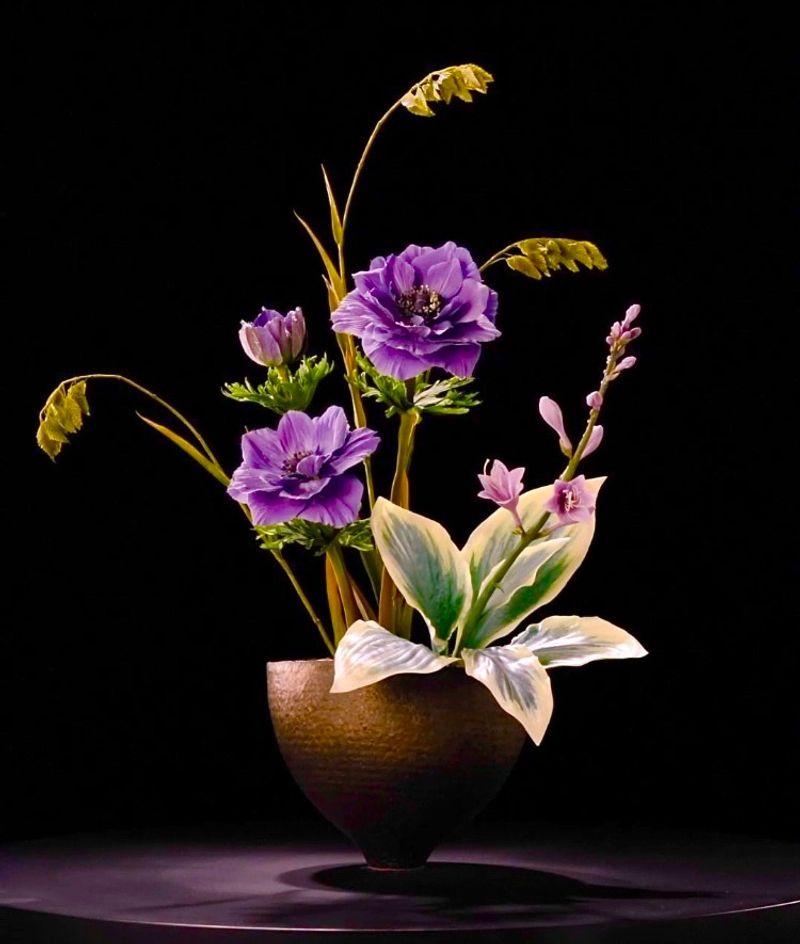
Floral designer Robin Taylor harvests hosta flower stalks before they’ve fully opened. “They make stunning vertical elements in summer arrangements,” she enthuses.
Robin cuts stalks when the first few buds have opened but most remain closed. Placed in fresh water, the remaining buds will continue to open for days. The subtle colors complement bolder summer flowers, while their architectural form adds height and structure to arrangements.
For longest vase life, cut stalks in early morning, remove any foliage that would sit below the water line, and change water every two days. Robin particularly recommends fragrant varieties like ‘Royal Standard’ for bringing their sweet perfume indoors.
7. Plant Health Perspective
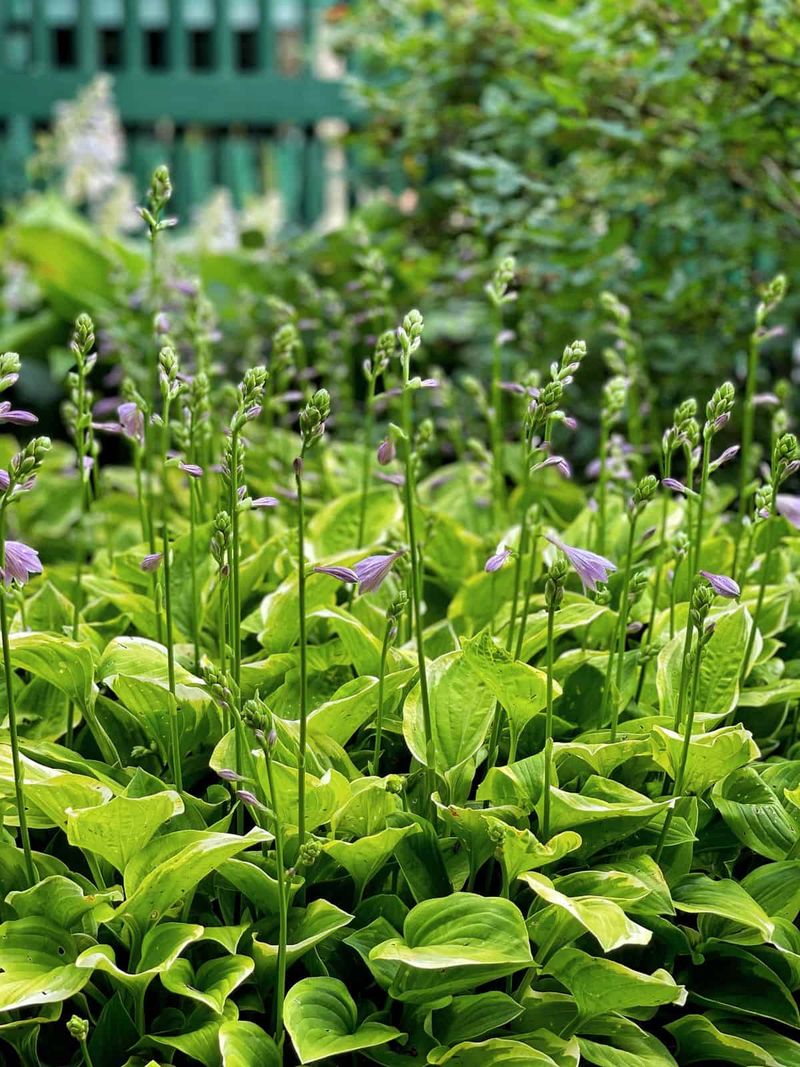
“Hostas are remarkably resilient plants,” says university extension specialist Dr. Marcus Johnson. His research shows that whether you cut flower stalks or leave them has minimal impact on the plant’s long-term health.
The decision comes down primarily to gardener preference rather than plant physiology. While removing stalks might redirect a small amount of energy to foliage or roots, hostas have evolved to complete their full reproductive cycle without harm.
Dr. Johnson suggests experimenting with different approaches in your own garden. Try cutting stalks on some plants while leaving others intact, then observe which results you prefer. The best gardening practices often come from personal experience rather than strict rules.