 Complete Gardening

Explore the unique and resourceful methods Boomers used to cultivate thriving gardens without the aid of modern technology.
From learning through family traditions to utilizing natural resources, their techniques were rooted in observation, experience, and creativity.
1. Gardening Was Learned from Family, Not YouTube
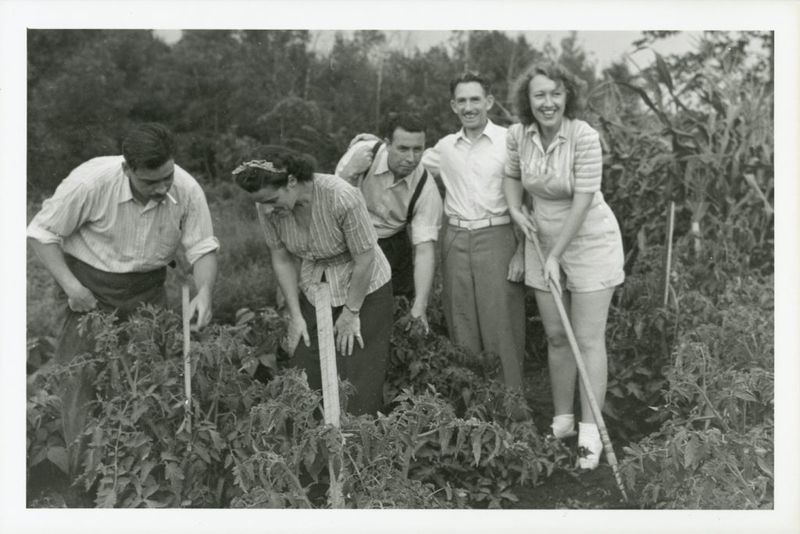
Through an unbroken chain of tradition, Boomers absorbed gardening wisdom directly from their forebears. Imagine a child attentively watching their grandparents, hands submerged in rich earth, as they sow seeds of knowledge alongside vegetables. These lessons weren’t gathered from screens but through shared experiences, failures, and triumphs in the garden. The garden was their classroom, and family members were both teachers and fellow students, learning from each crooked row and twisted vine. This hands-on learning fostered a deep connection to the land, rooted in familial bonds and nurtured by the tender care of those who came before.
2. They Knew Their Local Climate Inside Out
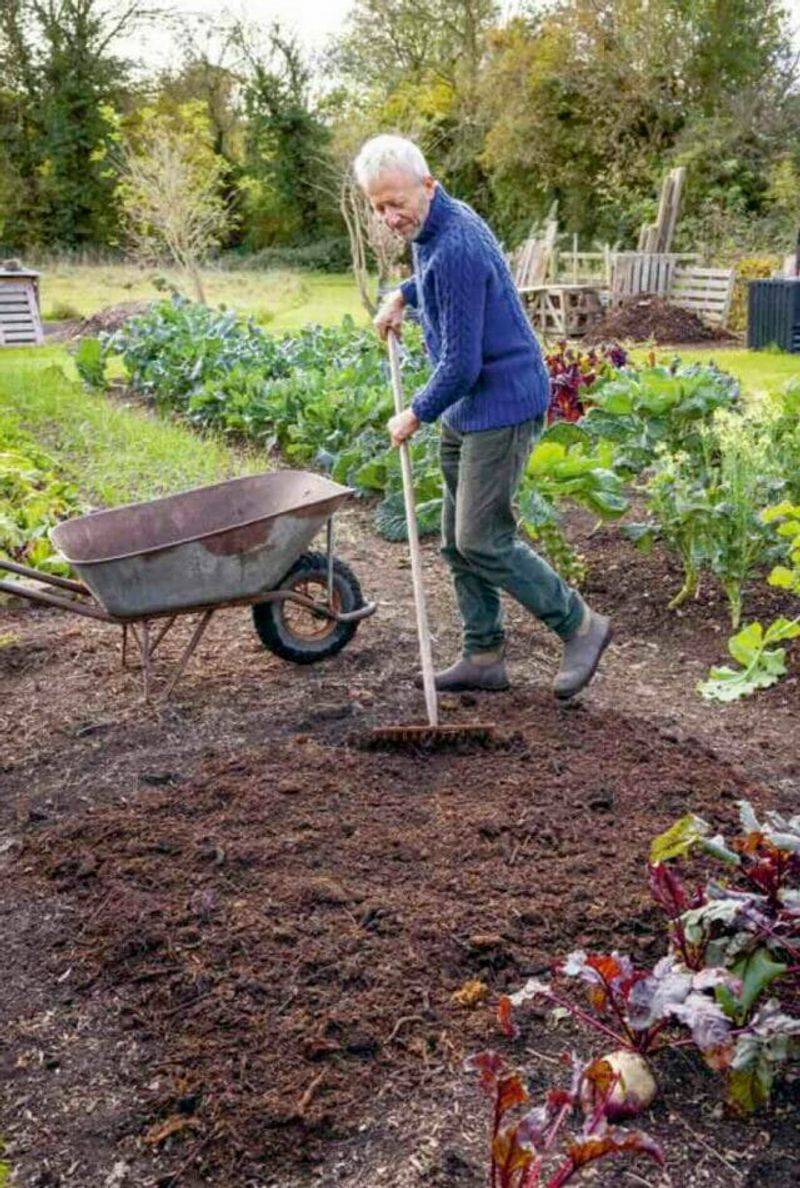
Boomers cultivated an intimate relationship with their environment, becoming attuned to the subtle signs of changing weather. They needed no meteorological gadgets to decipher the patterns of the skies. By observing the flight of birds and the color of the horizon, they could predict the weather’s whims. Each season unfolded like a familiar story, its chapters marked by the songs of crickets or the rustle of leaves. This intuitive knowledge, passed down through generations, ensured that planting and harvesting followed the rhythm of nature, harmonizing with the land’s gentle pulse.
3. Seed Packets Were Gold — Not Just Branding

For Boomers, seed packets were not mere commodities but precious repositories of history and promise. These tiny vessels of life were saved, traded, and cherished, representing a legacy of resilient plants chosen for their ability to thrive. Each seed carried stories of past harvests and the potential for future bounty. Unlike today’s glossy catalogs, the focus was on heirloom varieties, valued for their flavor and hardiness. This practice of seed saving fostered a deep appreciation for biodiversity, a connection to the past, and a hopeful investment in the seasons to come.
4. Compost Wasn’t a Trend — It Was Common Sense

To Boomers, composting was a natural extension of living sustainably, long before it became fashionable. Kitchen scraps, grass clippings, and leaves were transformed into rich, dark humus, returning nutrients to the soil. This cycle of renewal was both practical and philosophical, mirroring nature’s way of recycling life. Instead of discarding waste, they saw potential, and nothing went to the landfill that could nourish their gardens. This method not only enriched the earth but also embodied a mindset of conservation and stewardship, where every resource was valued and nothing was wasted.
5. Tools Were Built to Last (And Fixed When They Broke)

In an age of disposable goods, Boomers embodied a philosophy of preservation and repair. Their tools were curated with care, handed down through generations, each bearing the marks of seasons past. When a tool broke, it wasn’t discarded but lovingly mended. This practice was not just economical but rooted in a respect for craftsmanship and sustainability. A well-maintained hoe or spade became a symbol of resilience, reflecting the gardener’s commitment to their craft. This culture of repair taught patience and ingenuity, qualities that extended beyond the garden into everyday life.
6. Trial and Error Was the Best Teacher

In Boomers’ gardens, mistakes became stepping stones to wisdom. Their journey was one of trial and error, where each failure unfolded new understanding. An unsuccessful harvest was not a defeat but an opportunity to learn, observe, and adapt. By embracing uncertainty, they honed their skills through firsthand experience, becoming attuned to the subtle needs of each plant. This organic learning process fostered resilience and creativity, allowing them to cultivate gardens that were uniquely their own. Such wisdom, rooted in patience and perseverance, transcended the digital shortcuts of today’s world.
7. Pest Control Was Natural and Practical
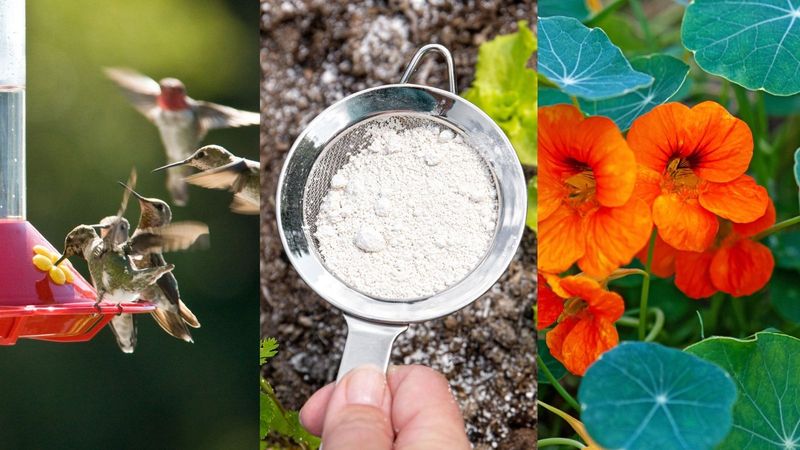
Boomers were pioneers of organic pest control, long before it became a movement. Their gardens thrived on balance, with nature as their ally. Companion planting, crushed eggshells, and soap water became tools in their arsenal against pests, instead of synthetic chemicals. These methods were both practical and environmentally friendly, promoting biodiversity and harmony within the garden. By working with nature’s rhythms, rather than against them, Boomers cultivated ecosystems that were resilient and self-sustaining. This approach not only protected their crops but also nurtured a deeper connection to the living world.
8. Watering Was About Timing, Not Timers
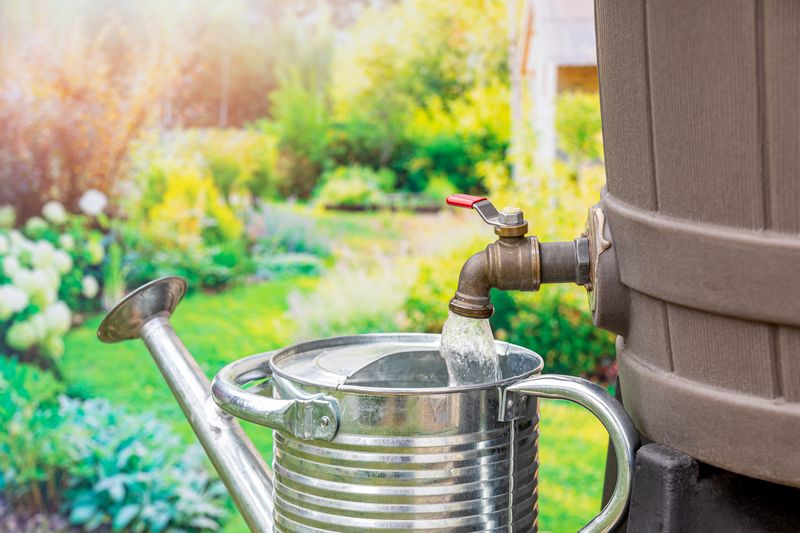
In a time when technology was scarce, Boomers relied on intuition to guide their watering practices. They understood the art of timing, choosing the early morning or late evening to quench their plants’ thirst and conserve moisture. Rain barrels captured precious water, while the plants themselves offered silent cues, their leaves whispering when to drink. This mindful approach created a dance between gardener and garden, where each drop was treasured, and waste was unthinkable. Such wisdom fostered a symbiotic relationship, where understanding and care shaped the flourishing landscapes.
9. Everything Was Used — Nothing Was Wasted
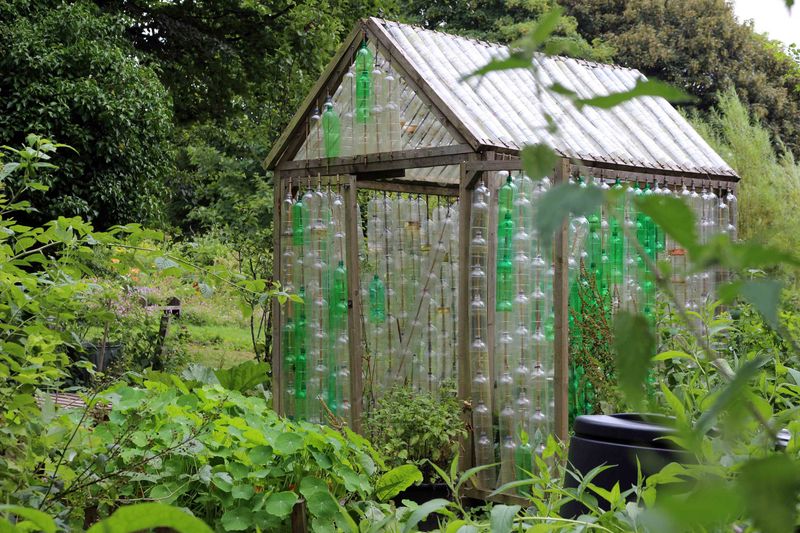
Boomers epitomized the ethos of waste not, want not, repurposing everyday items into garden gold. Coffee grounds enriched the soil, fireplace ash deterred pests, and everything found a second life. This resourcefulness turned potential waste into valuable assets, fostering a culture of creativity and sustainability. By viewing their garden as an extension of their home, they minimized waste and maximized productivity. This approach not only benefited the garden but instilled a profound appreciation for the interconnectedness of life, where every element had a purpose and nothing was taken for granted.
10. Gardening Wasn’t a Hobby — It Was a Way of Life
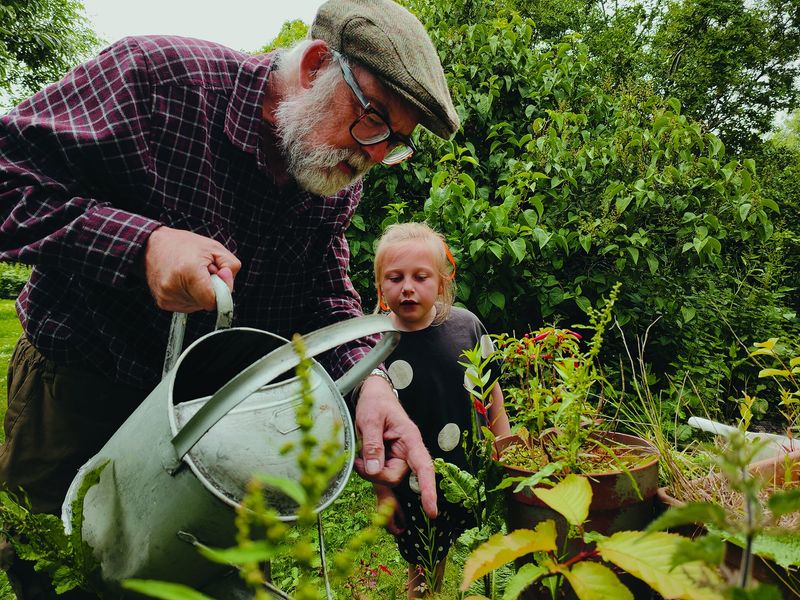
For Boomers, gardening transcended hobby status, becoming an integral part of daily life. It was about feeding families, not just filling time. Gardens were woven into the fabric of community, teaching responsibility, patience, and the joy of self-reliance. Children grew up learning the cycles of nature, seeds planted alongside values. The garden was a place of connection, where stories were shared, and traditions were passed on. This holistic approach nurtured both land and soul, fostering a legacy of resilience and abundance that continues to inspire future generations.