 Complete Gardening
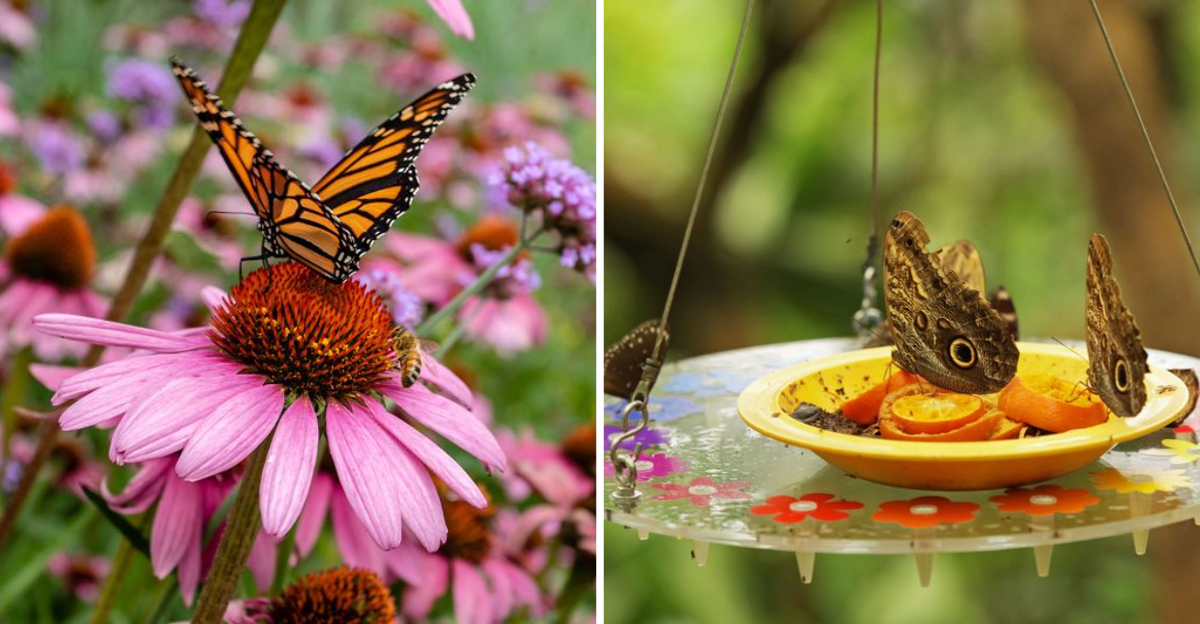
Creating a haven for bees and butterflies in your garden is rewarding and beneficial for the environment. These pollinators play a crucial role in the ecosystem, supporting the growth of plants and flowers. By incorporating native plants, providing water sources, and avoiding pesticides, you can naturally attract these delightful creatures to your garden. Whether you’re a seasoned gardener or just starting, these ten tips will help you create a vibrant, pollinator-friendly space. From planting colorful flowers to offering safe havens, let’s explore how to welcome these essential visitors into your garden.
Plant Native Flowers
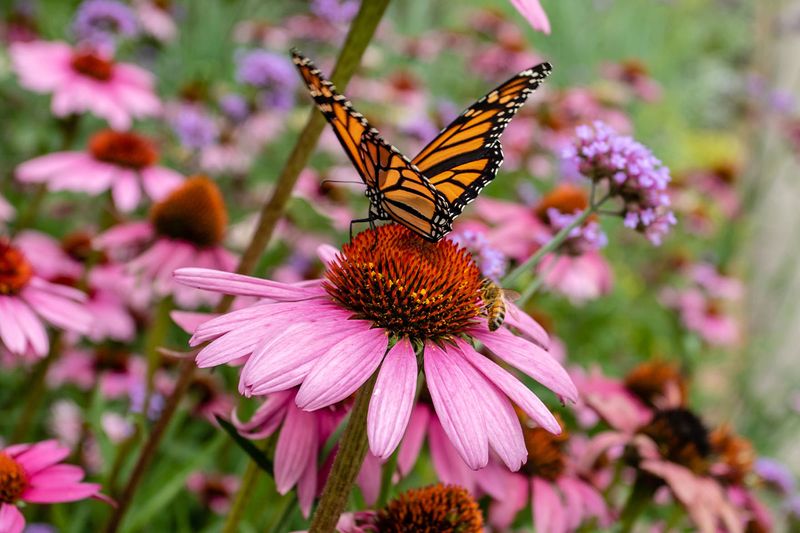
Did you know native flowers are a magnet for local pollinators? By planting species like coneflowers and milkweed, you’re offering bees and butterflies a familiar food source. These plants are adapted to local climate conditions, making them hardy and resilient.
A garden filled with native blooms provides not only nourishment but also a sense of place for these creatures. Enjoy watching butterflies dance from flower to flower, knowing you’re supporting the local ecosystem.
Native flowers are a beautiful, low-maintenance way to transform your garden into a pollinator’s paradise.
Provide Water Sources
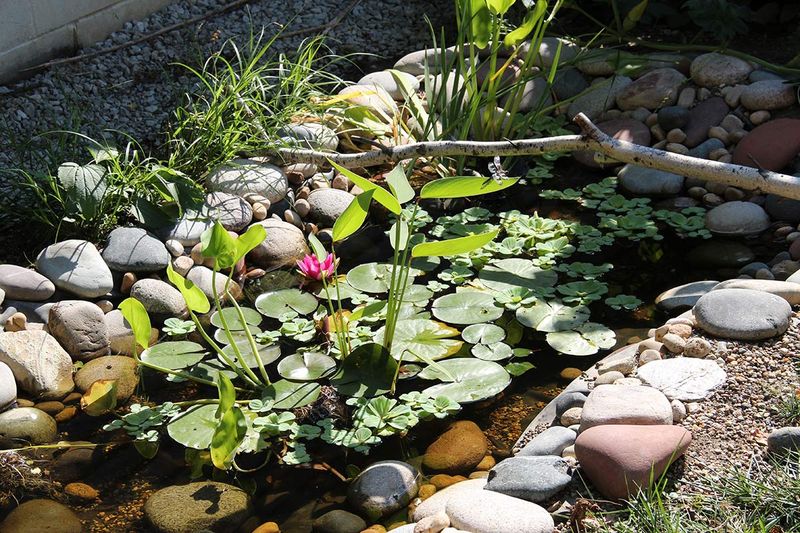
A simple water source can be a lifesaver for thirsty pollinators. Picture a shallow birdbath filled with fresh water, dotted with pebbles for easy landing. This oasis becomes a gathering place for bees and butterflies seeking hydration.
Providing water ensures these insects can thrive, especially during hot days. It’s a small gesture with big rewards, as it supports their vital roles in pollination.
Adding water plants like water lilies can enhance the beauty and utility of the area, making it a delightful spot for pollinators and a charming garden feature.
Avoid Pesticides
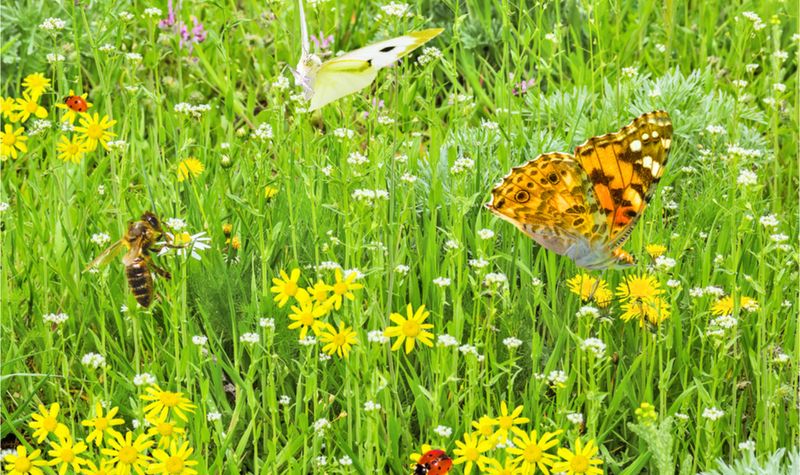
Imagine a garden where chemicals don’t interfere with the delicate dance of pollination. By avoiding pesticides, you create a safe haven for bees and butterflies, allowing them to flourish naturally.
Organic gardening practices enhance biodiversity and ensure the health of your garden’s visitors. Beneficial insects like ladybugs and lacewings will help control pests naturally.
Switching to natural alternatives not only protects pollinators but also promotes a healthier environment. Your garden becomes a thriving ecosystem where every creature plays a part, free from harmful chemicals.
Grow Butterfly Host Plants
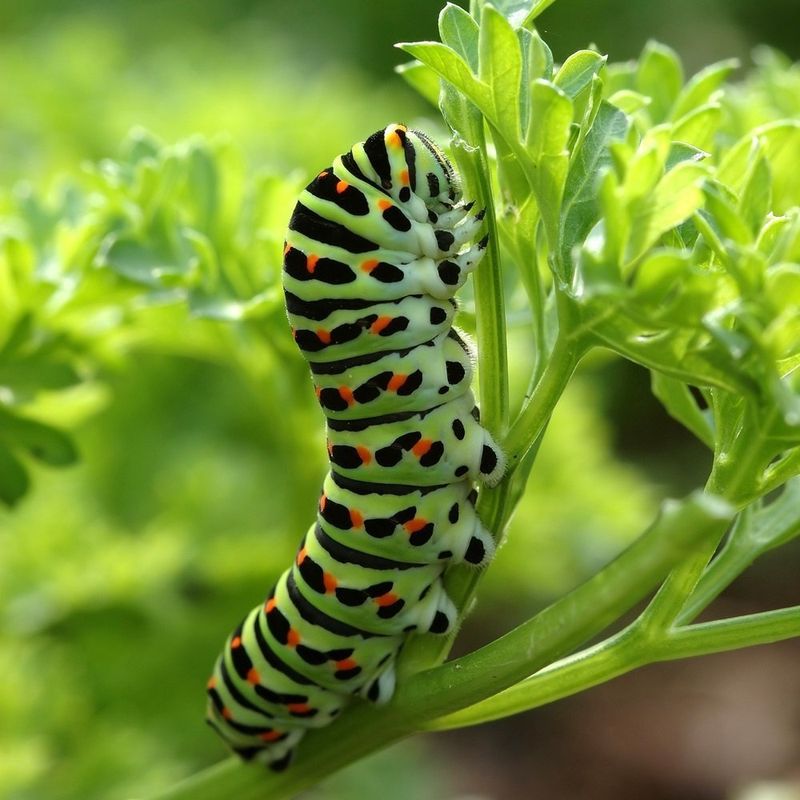
Butterflies aren’t just looking for nectar; they need host plants for their larvae. By growing milkweed and parsley, you’re offering a nursery for the next generation of butterflies.
Watch as caterpillars munch happily, eventually transforming into beautiful butterflies that grace your garden. This lifecycle connection enriches your gardening experience, providing a deeper understanding of nature.
Host plants create a nurturing environment, ensuring butterflies have what they need to thrive. Your garden becomes a haven for these enchanting creatures, supporting their journey from caterpillar to butterfly.
Create Shelter and Nesting Sites
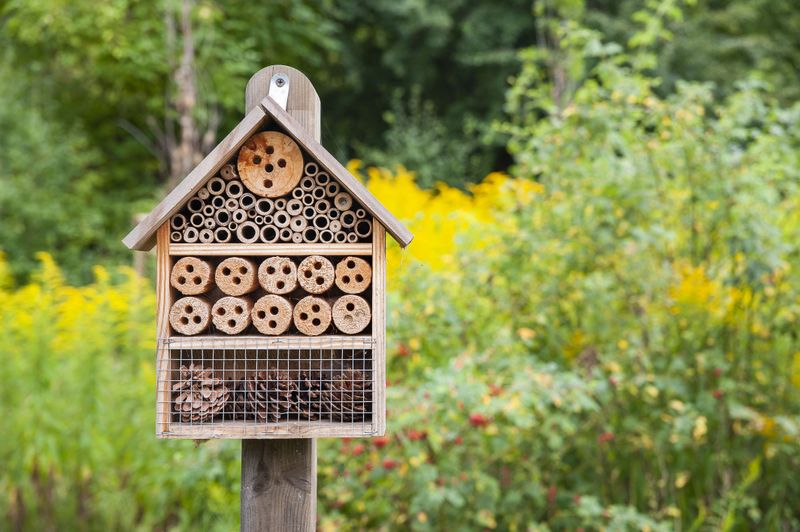
Even pollinators need a place to rest and nest. By adding bee hotels or leaving piles of logs, you’re creating essential shelter for solitary bees and butterflies seeking refuge.
These structures mimic natural habitats, offering protection from predators and harsh weather. Providing such spaces encourages pollinators to settle in your garden, enhancing its diversity.
As you observe the activity around these shelters, you’ll gain insight into the intricate lives of these insects. Your garden becomes a sanctuary, filled with the buzz and flutter of grateful visitors.
Incorporate Colorful Blooms
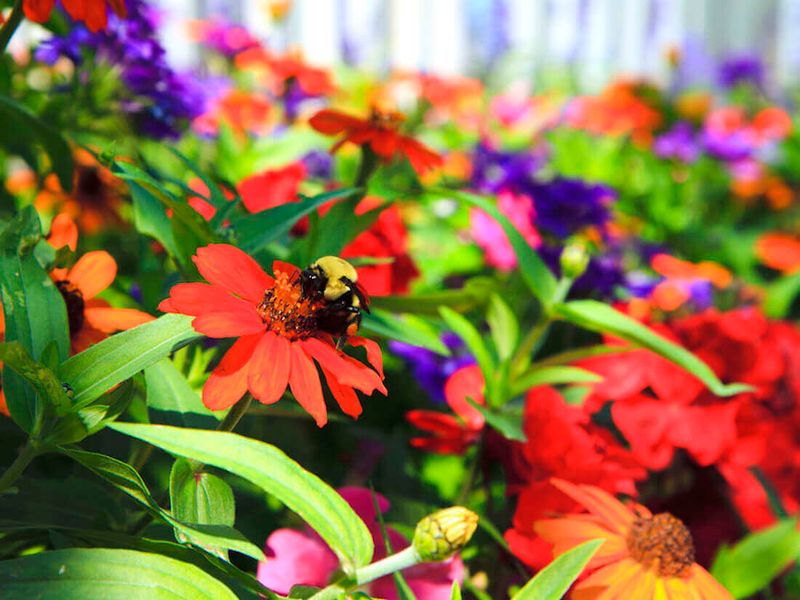
Vibrant colors aren’t just pleasing to the eye; they’re irresistible to pollinators. By incorporating sunflowers, zinnias, and marigolds, you create a visual feast that draws bees and butterflies.
These bright blooms act like beacons, guiding pollinators to their nectar-rich centers. A mix of colors and shapes provides variety, appealing to different species.
Your garden not only becomes a lively tapestry of hues but also a bustling hub of activity. Every flower is a stage where nature’s drama unfolds, captivating both you and the pollinators.
Use Fragrant Herbs
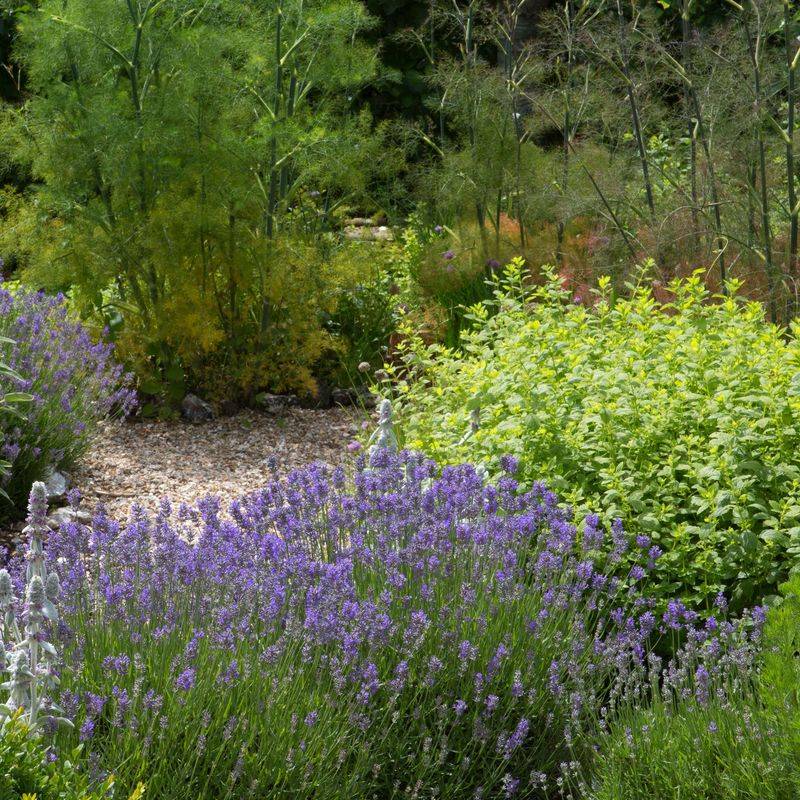
Fragrance plays a key role in attracting pollinators. Herbs such as lavender, thyme, and basil not only delight your senses but also appeal to bees and butterflies.
The aromatic oils released by these plants act as natural lures, drawing in pollinators with their enticing scents. Planting herbs enriches your garden, offering culinary and pollinator benefits.
Imagine a garden alive with the scents of herbs, visited by buzzing bees and fluttering butterflies. You cultivate a space that’s both practical and enchanting, a haven for nature and your senses.
Establish a Blooming Calendar
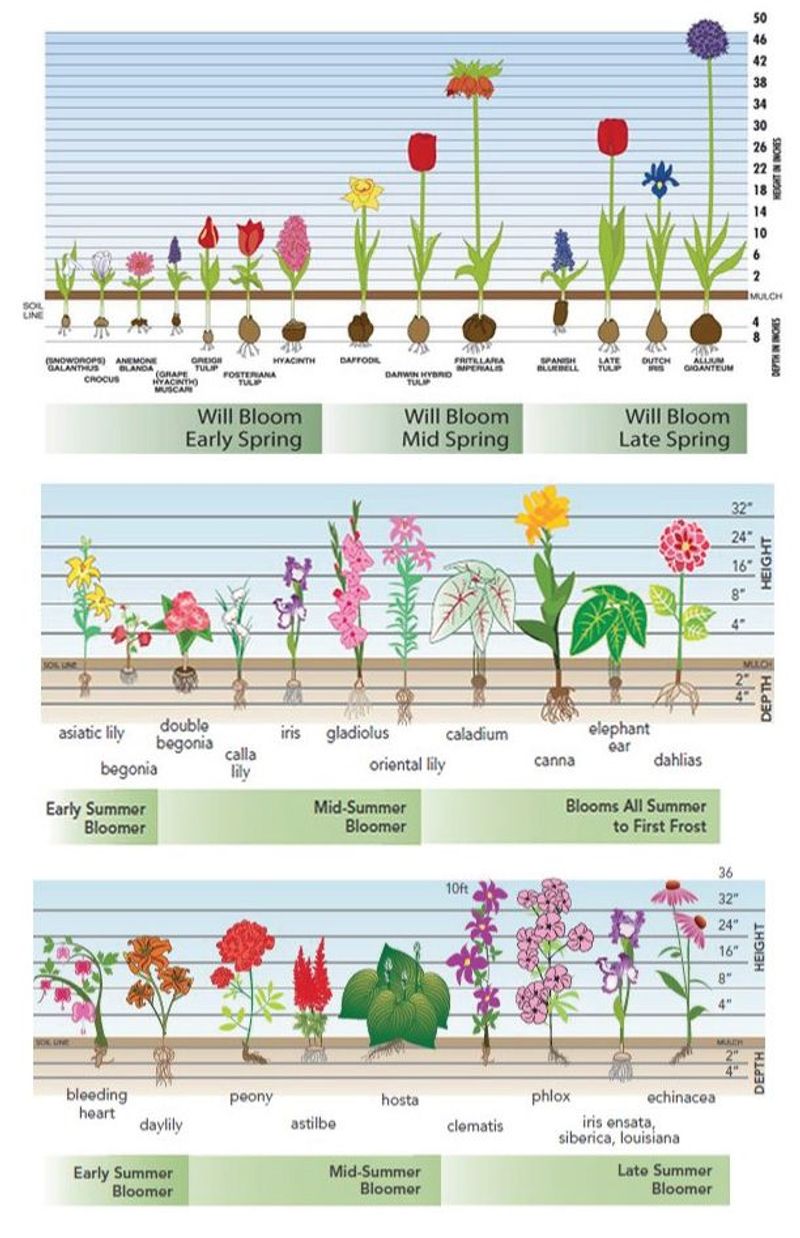
A garden that blooms year-round keeps pollinators consistently visiting. By planning a blooming calendar, you ensure a continuous supply of nectar and pollen.
Choose plants that flower at different times, creating a seamless cycle of blooms. This strategy sustains bees and butterflies, providing nourishment throughout the year.
Your garden becomes a dynamic landscape, ever-changing with the seasons. It offers a reliable resource for pollinators, ensuring their presence and supporting biodiversity in your backyard.
Add a Diversity of Plants
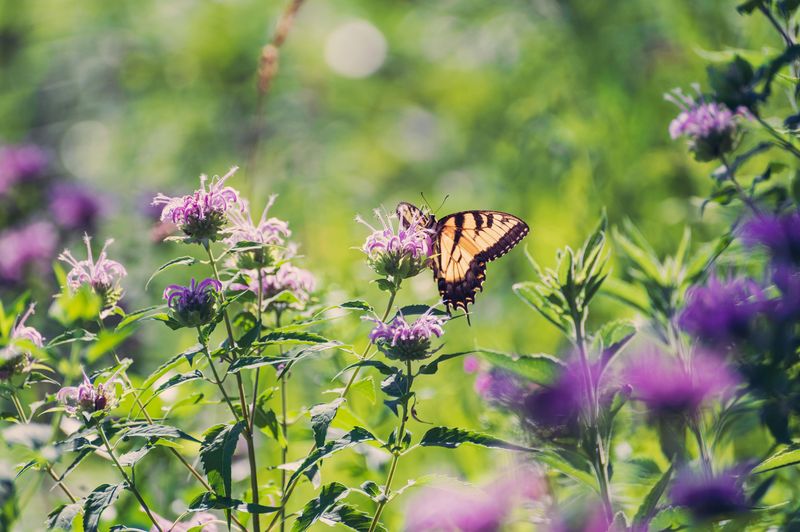
Diversity is the spice of life, especially for a garden. By planting a mix of trees, shrubs, and flowers, you create a layered habitat that caters to a variety of pollinators.
This diversity ensures that different species find what they need, whether it’s nectar, shelter, or nesting sites. A rich tapestry of plants supports a healthy ecosystem.
Your garden transforms into a microcosm of nature’s abundance, where every layer contributes to the whole. The interplay between plants and pollinators creates a thriving, balanced environment.
Maintain a Chemical-Free Lawn
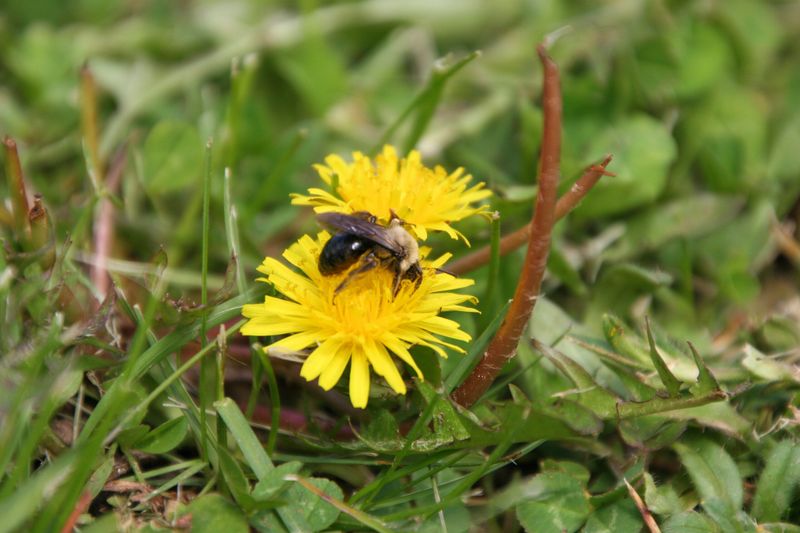
A lawn free from chemicals provides a safe haven for pollinators. By embracing natural lawn care, you create a habitat that’s welcoming to bees and butterflies.
Allow wildflowers like clover and daisies to grow, offering additional food sources. A chemical-free lawn supports not only pollinators but also soil health and water quality.
This approach fosters a harmonious relationship with nature, where your lawn becomes a living space rather than just a patch of grass. Watch as pollinators frequent this oasis, benefiting from your eco-friendly practices.
Create Mud Puddles
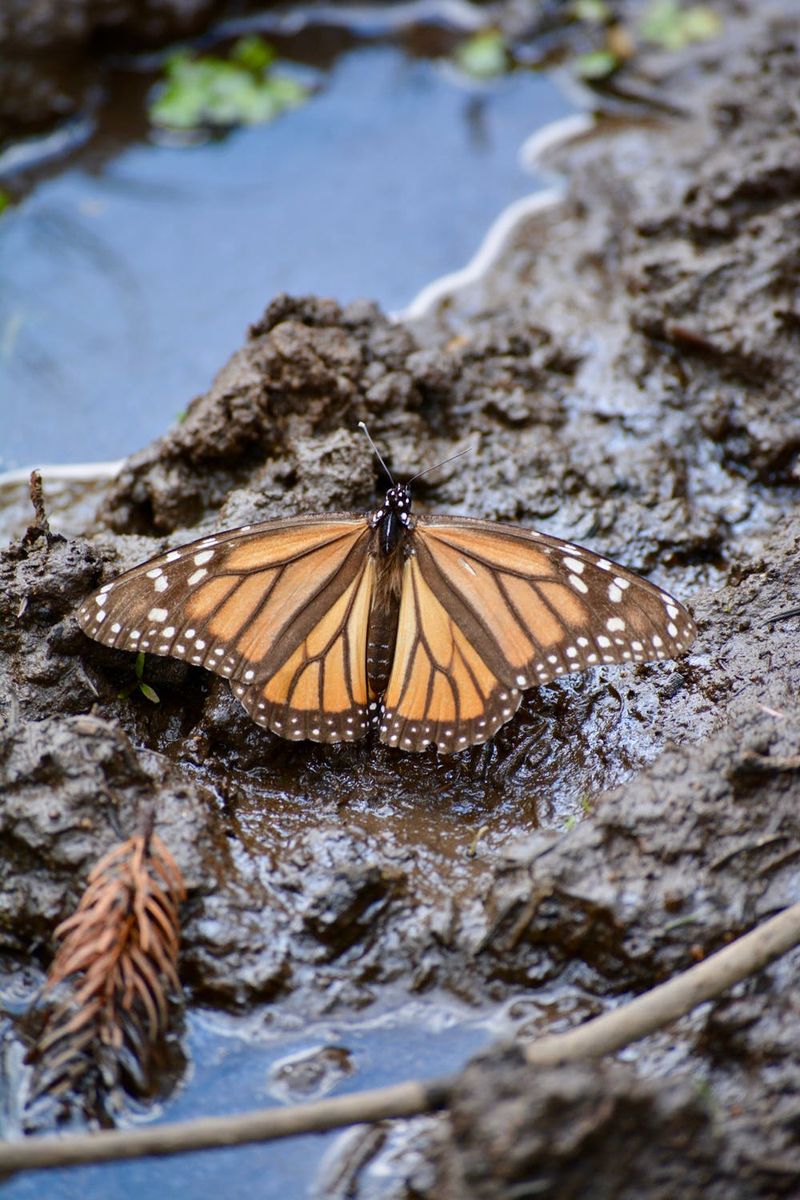
Creating mud puddles can be surprisingly attractive for butterflies. These beautiful insects frequent muddy areas to drink and gather essential minerals. Consider adding small, shallow puddles to your garden.
Place them in sunny spots, as butterflies love warmth and light.
This simple addition not only invites colorful visitors but enriches your soil with nutrients. You’ll be amazed at the lively scene a few puddles can create, transforming your garden into a vibrant, fluttering paradise.
Top it off with some flat stones nearby, and watch as butterflies bask in sunlit splendor.
Install Bee Hotels
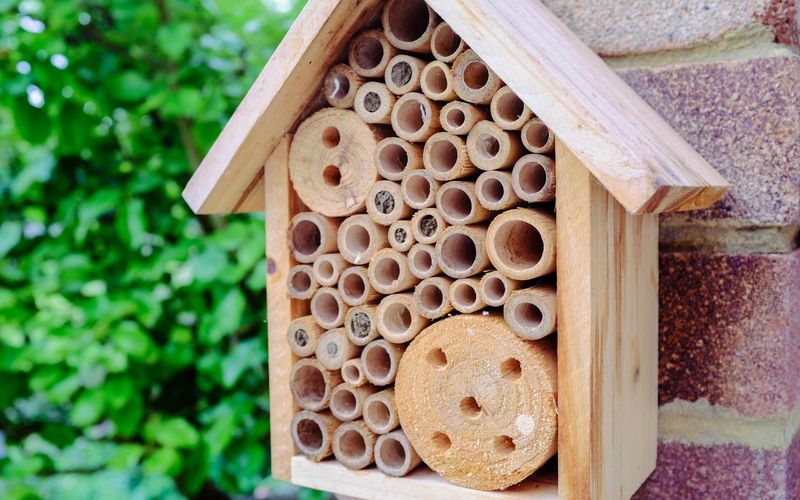
Have you ever considered installing a bee hotel? These whimsical structures provide vital shelter for solitary bees. Unlike their hive-dwelling cousins, these bees nest alone.
Place a bee hotel in a sunny, sheltered spot for best results.
Watch as these industrious insects make themselves at home, pollinating your garden as they go about their day. Bee hotels are not only functional but add an artistic touch to your outdoor space.
They offer a unique opportunity to observe bee behavior up close, making your garden a sanctuary for these vital pollinators.
Cultivate Wildflower Patches
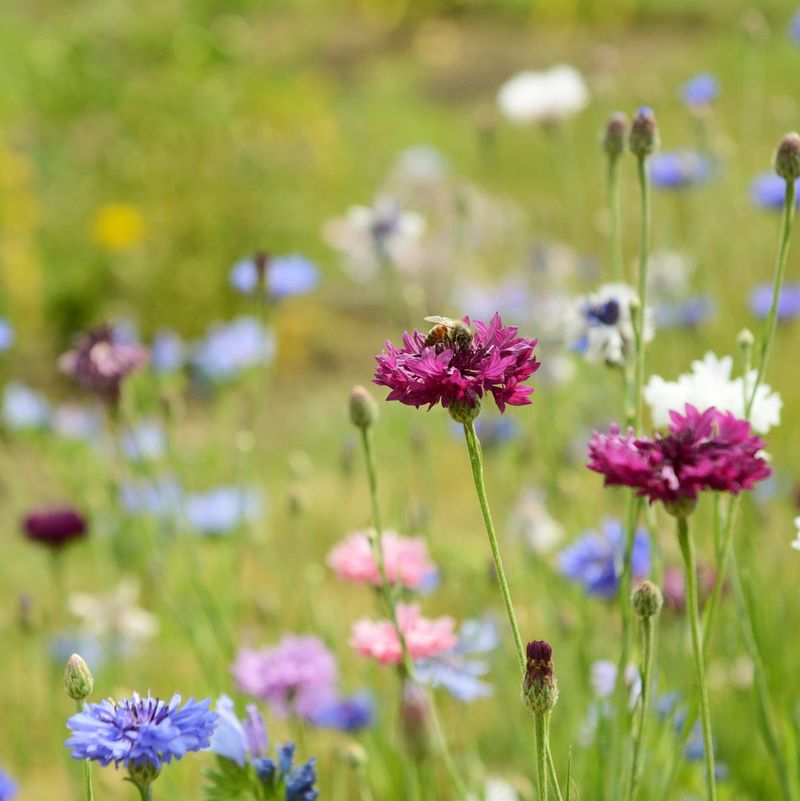
Wildflower patches are a feast for the senses and a haven for pollinators. These vibrant clusters of blooms create a diverse habitat.
Wildflowers provide nectar and pollen, attracting bees and butterflies alike.
Plant a mix of native wildflowers to ensure a continuous bloom cycle. This not only enhances your garden’s beauty but supports local biodiversity. Wildflower patches require minimal maintenance and thrive in various conditions.
They’re a delightful addition to any garden, offering a splash of color and a refuge for nature’s diligent workers.
Provide Flat Stones for Sunbathing
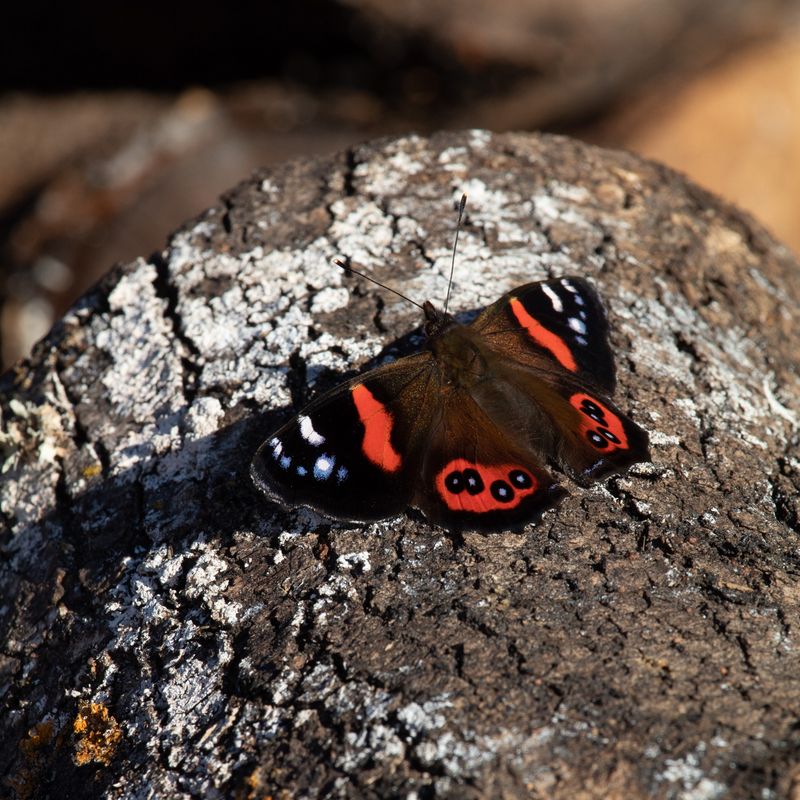
Flat stones are more than decorative; they’re perfect sunbathing spots for butterflies. These insects use the stones to warm up, preparing for their day’s activities.
Place stones in sunny areas, surrounded by flowers for added nectar sources.
Not only do they serve a functional purpose, but they add visual interest to your garden.
The stones’ warmth and texture appeal to butterflies, transforming your garden into a buzzing hub of activity. Enjoy the charm of these little sunbathers as they rest, recharge, and flutter about your garden.
Incorporate Fruit Feeders
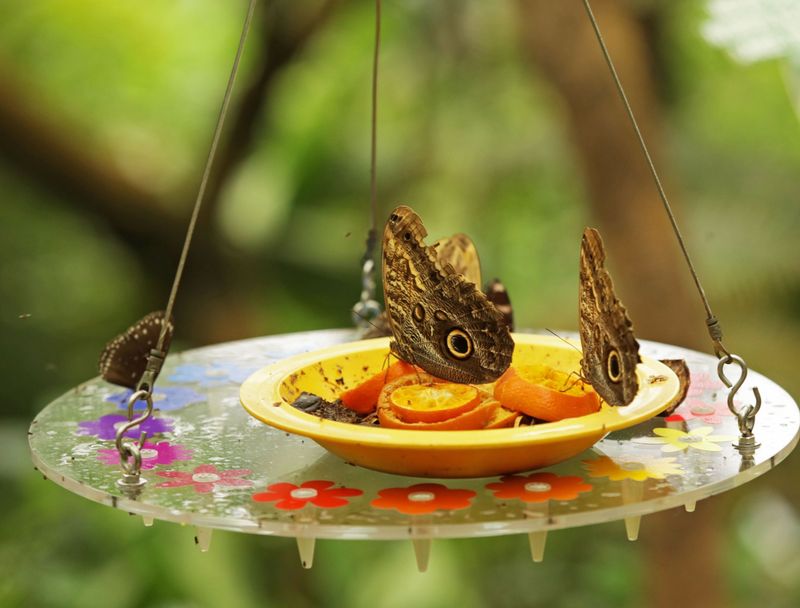
Fruit feeders draw nectar-loving butterflies needing a quick energy boost. Hang ripe, juicy fruits like oranges or bananas in your garden.
This sweet treat attracts colorful visitors, offering an exciting spectacle.
Place feeders in shaded areas to prevent fruit spoilage while providing a haven for butterflies.
This simple addition contributes to the biodiversity of your garden, encouraging a variety of species to visit. Not only does it support pollinators, but it adds a whimsical touch that delights both you and your guests.
Establish Rock Gardens
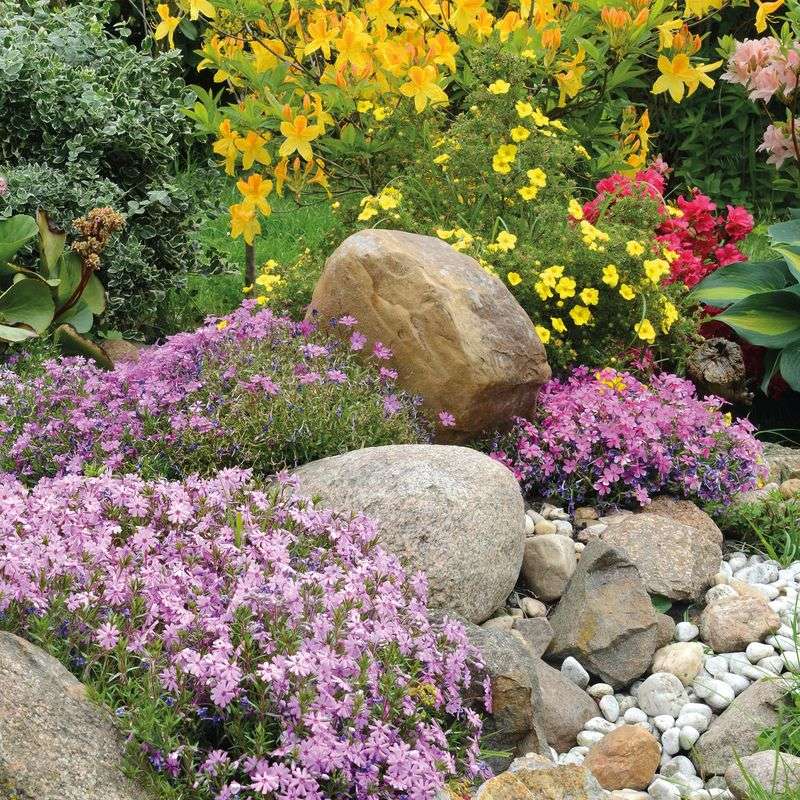
Rock gardens provide an excellent habitat for pollinators, offering both shelter and diverse plant life. These gardens thrive in rocky, well-drained areas, making them perfect for bees and butterflies.
Include nectar-rich plants to entice your winged friends.
Rock gardens enhance your garden’s texture and visual appeal, creating a natural oasis. They allow for creative landscaping, ensuring a garden that’s both beautiful and beneficial.
Enjoy the serene atmosphere as bees buzz and butterflies dance among the flowers and stones.
Design a Sensory Pathway
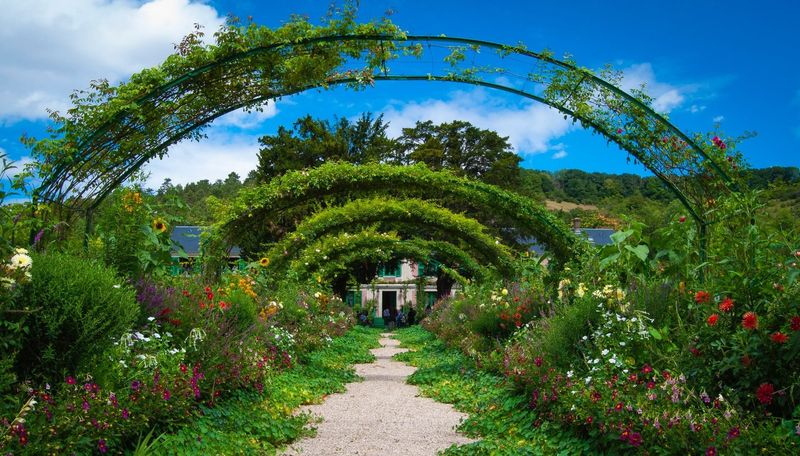
A sensory pathway delights the senses and attracts pollinators. Line your path with aromatic herbs and textured plants.
This creates an immersive experience for both you and visiting bees and butterflies.
Incorporate plants like lavender and thyme to provide nectar and fragrance. The pathway not only guides you through your garden but offers a feast for pollinators, ensuring they return time and again.
As you stroll, enjoy the buzzing and fluttering around, adding a dynamic element to your garden oasis.
Plant Climbing Vines
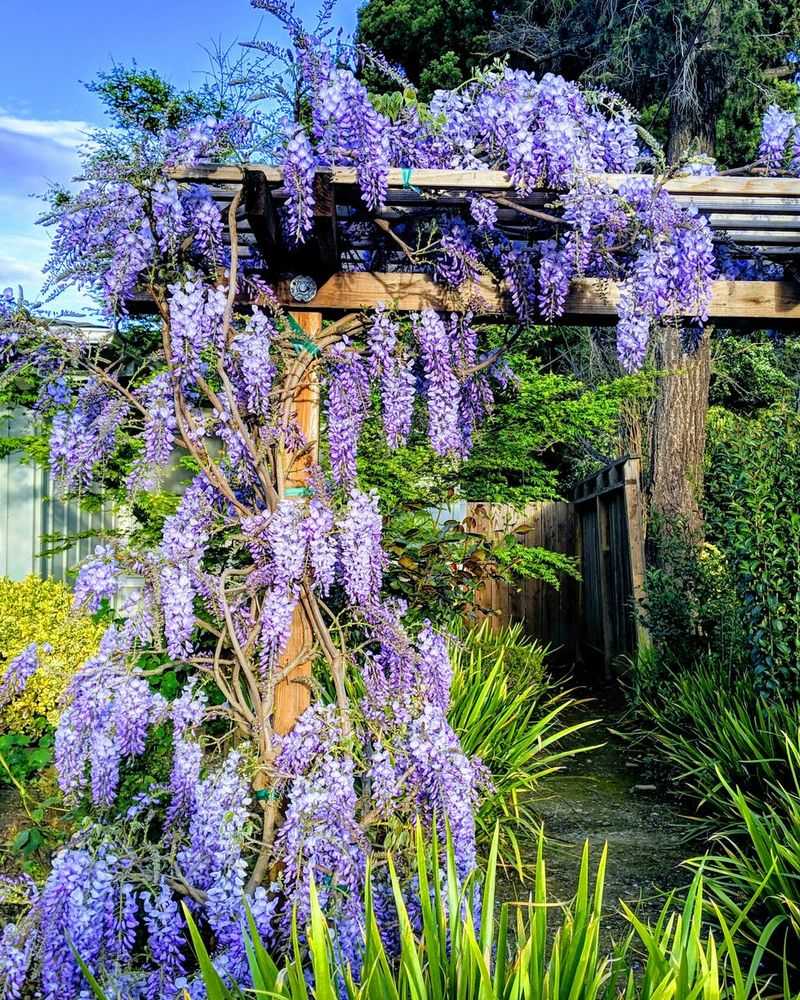
Climbing vines add vertical interest and abundant nectar sources for pollinators. Consider varieties like honeysuckle or clematis, known for their fragrant flowers.
These vines provide shelter and food, making your garden inviting to bees and butterflies.
Grow them on trellises or walls to maximize space, creating a lush, green backdrop.
As the vines flourish, they enhance the garden’s aesthetic appeal, offering a continuous buffet for pollinators. Enjoy the spectacle of bees and butterflies dancing among the climbing blooms.
Install Night Bloomers
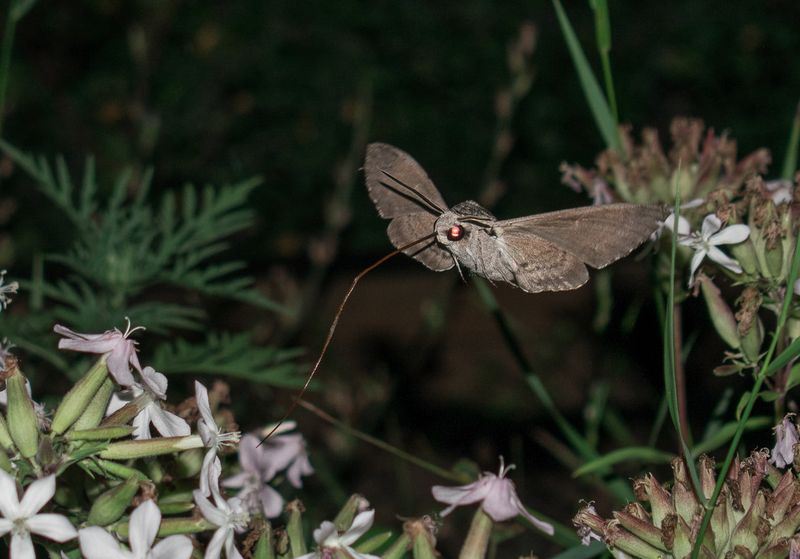
Night bloomers cater to nocturnal pollinators like moths and certain bees. These unique plants release their fragrance after dark, attracting nighttime visitors.
Include varieties such as evening primrose or moonflower in your garden.
Their blooms add an ethereal quality, transforming your garden into a mystical scene under the stars.
Night bloomers ensure a 24-hour pollinator presence, supporting a diverse range of species. Enjoy the magic of a nighttime garden, where the gentle hum of these creatures adds an enchanting melody to the stillness.