 Complete Gardening
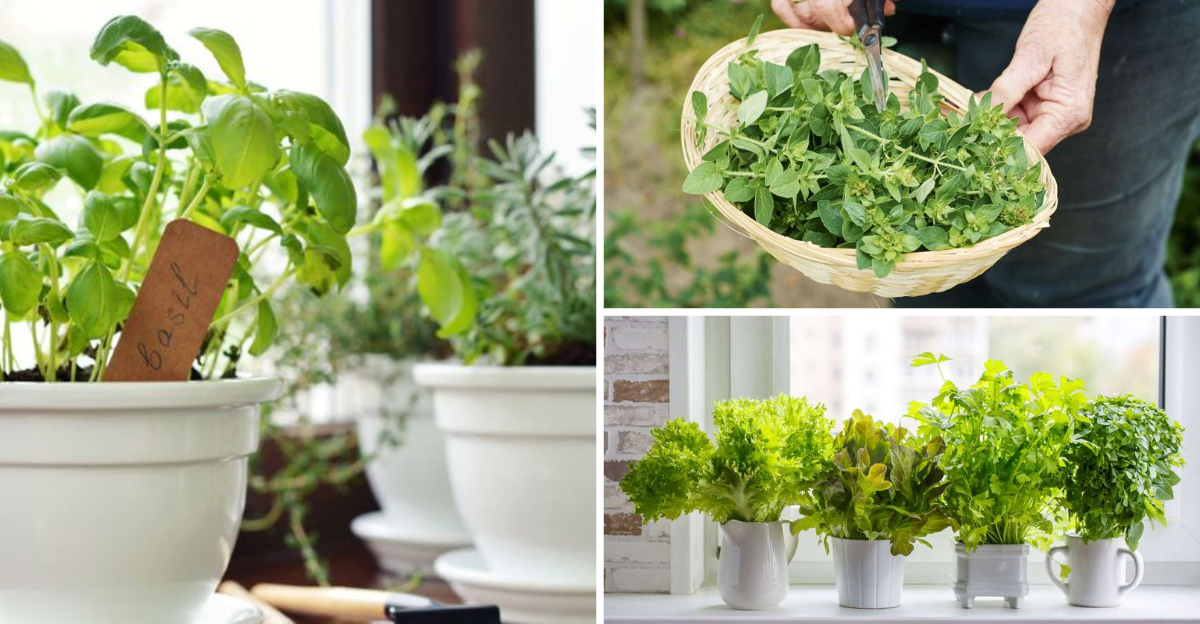
Creating a mini herb garden in your kitchen is a delightful way to ensure fresh flavors are always at your fingertips. Imagine plucking basil leaves or snipping chives while cooking. This guide will walk you through the essential steps to create and maintain a thriving herb garden right in the comfort of your kitchen. Whether you’re a seasoned gardener or a beginner, these tips will help you cultivate your herbs successfully.
Selecting the Right Herbs
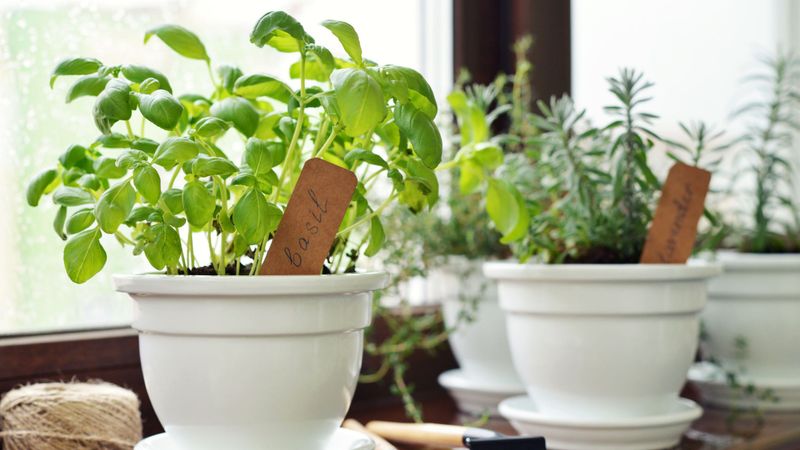
Choosing the perfect herbs for your kitchen garden is crucial. Consider your culinary preferences. Basil and mint are versatile, complementing many dishes. Rosemary is hardy and aromatic. Think about the light conditions in your kitchen. Herbs like parsley and chives thrive in sunlight. If your kitchen is dim, opt for shade-tolerant herbs like mint and cilantro. Mixing different types not only adds variety but also ensures continuous supply. Remember, the right selection can enhance both your cooking and your kitchen’s ambiance, making your mini garden a delightful experience.
Choosing the Perfect Containers
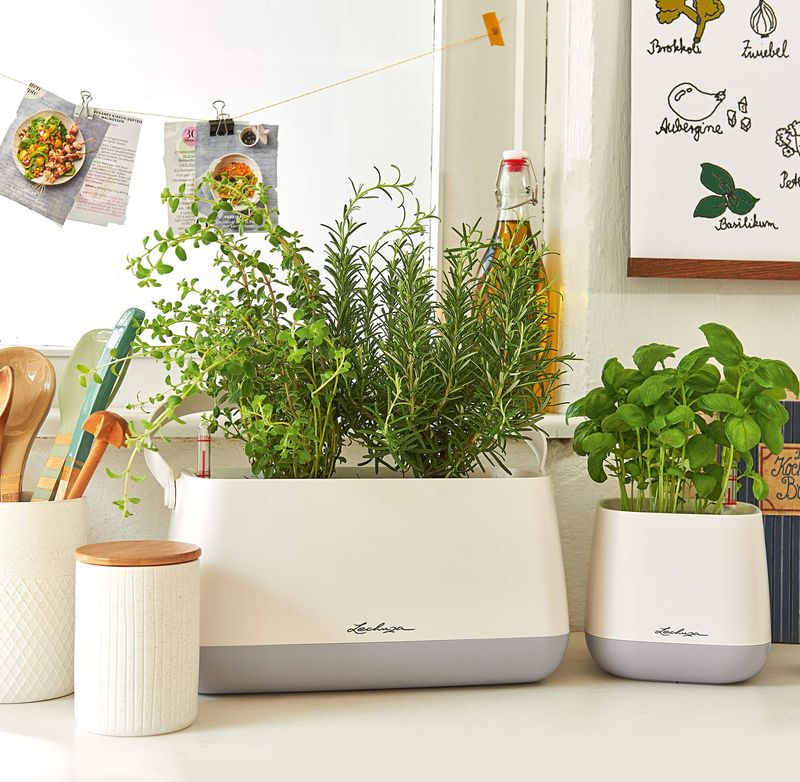
Containers play a significant role in the aesthetics and functionality of your herb garden. Ceramic pots are classic, while metal containers add a modern touch. Ensure they have drainage holes. For a sustainable approach, consider recycled containers. Their size should match the herb’s growth potential. Overcrowding can hinder development. Choose pots that reflect your kitchen’s style. Attractive containers can turn your herb garden into a focal point, adding charm and character to your cooking space. Ultimately, the right container enhances both plant health and visual appeal.
Positioning for Optimal Growth
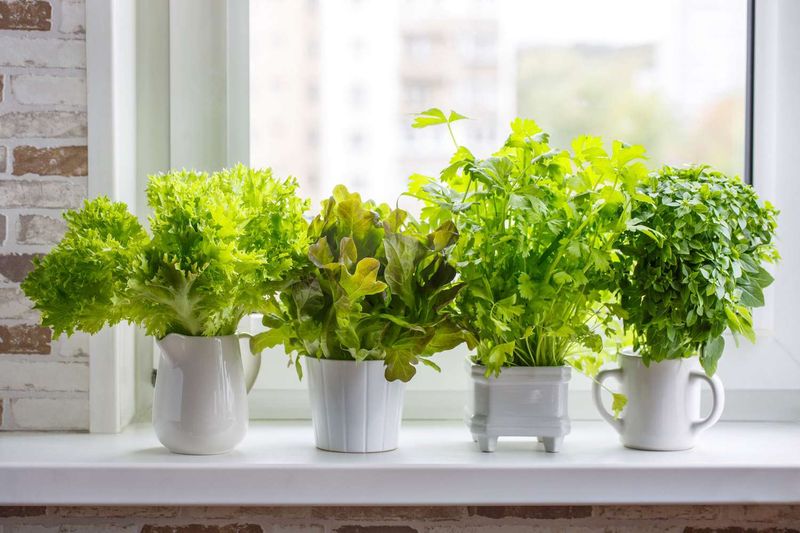
The placement of your herbs significantly affects their growth. A windowsill receiving morning sun is ideal, providing necessary light without too much heat. If natural light is limited, supplement with LED grow lights. Air circulation is also important; a small fan can prevent mold and pests. Rotate your herbs periodically to ensure even growth. This careful positioning will help maintain healthy herbs, ready to enrich your culinary creations. Remember, the right environment is as vital as the right care, contributing to a thriving kitchen herb garden.
Watering Wisely
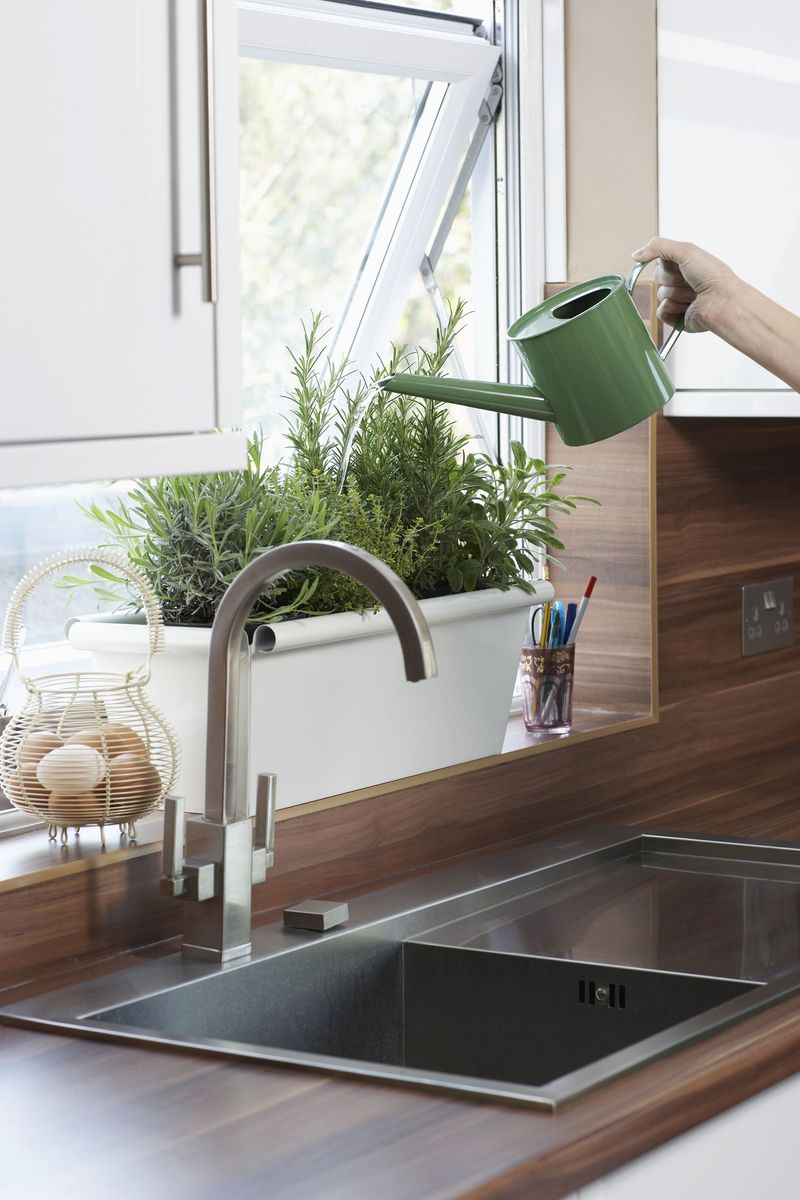
Proper watering is essential for a flourishing herb garden. Each herb has different water needs. Basil prefers moist soil, while rosemary thrives in drier conditions. Use pots with drainage to avoid waterlogging. Water in the morning, allowing moisture to evaporate through the day. It’s better to underwater than overwater; herbs can recover from dryness but not root rot. A consistent watering routine will promote vibrant growth, ensuring your herbs remain lush and ready to enhance your dishes.
Feeding Your Herbs
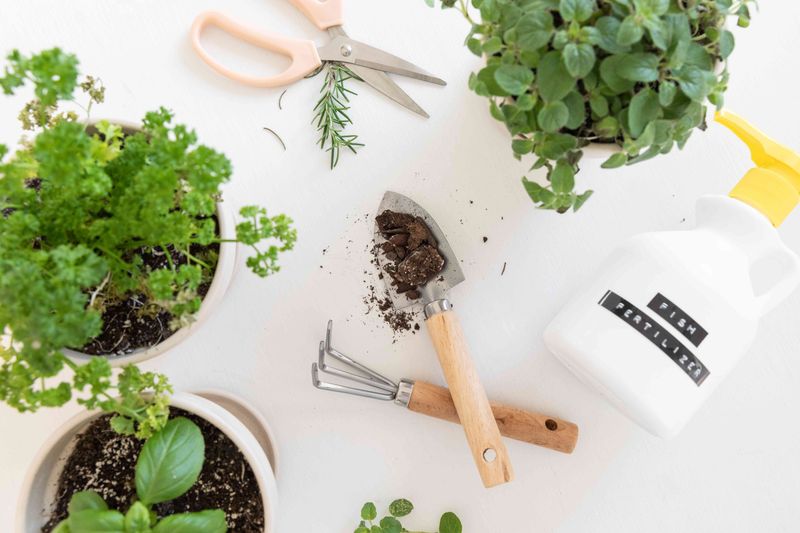
Herbs require nutrients to grow robust. Organic fertilizers like compost or worm castings are excellent choices. Feed herbs every few weeks, but beware of over-fertilizing, which can diminish flavor. Monitor your herbs for signs of nutrient deficiency, such as yellowing leaves. Keeping a feeding schedule can help maintain balance. With the right nourishment, your mini herb garden will thrive, providing fresh, flavorful herbs for your culinary needs.
Pruning for Healthier Growth
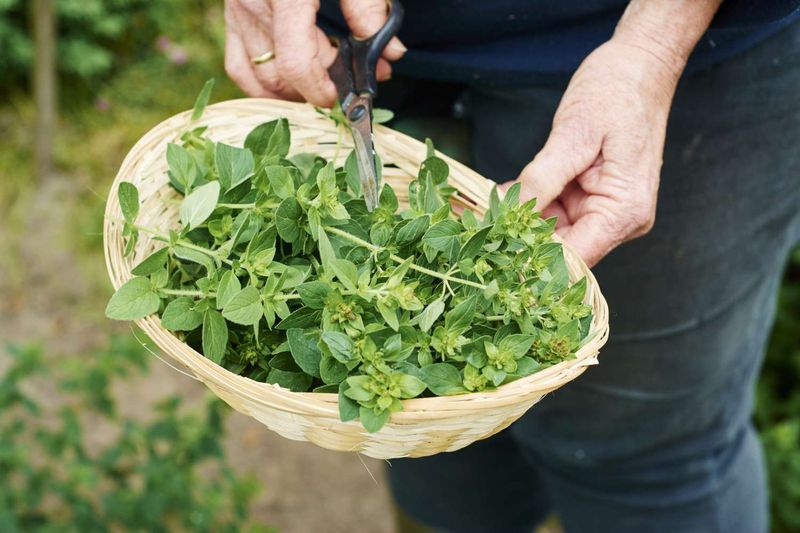
Regular pruning encourages bushy growth and prevents herbs from becoming leggy. Snip herbs just above a leaf node to stimulate new growth. Use sharp scissors to make clean cuts, reducing stress on the plant. Pruning also provides you with fresh cuttings, ready to use in your favorite recipes. This practice keeps your herbs healthy and productive, ensuring a steady supply for your kitchen. Proper pruning is a simple yet effective way to enhance the vitality of your herb garden.
Protecting Against Pests
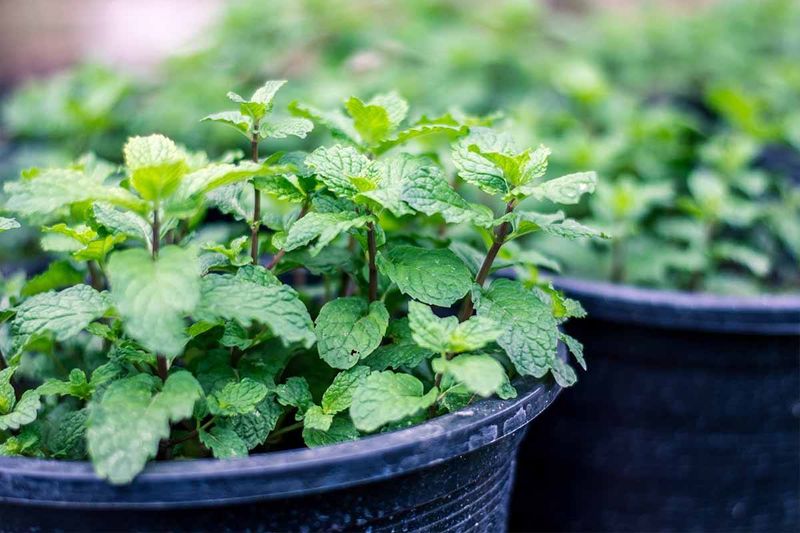
Keeping pests at bay is vital for a healthy herb garden. Natural remedies like neem oil or soapy water can deter unwanted visitors. Introduce beneficial insects such as ladybugs to control aphid populations. Regularly inspect your herbs for signs of infestation, like holes in leaves. A proactive approach not only ensures the health of your herbs but also saves them from potential damage. By protecting your garden, you secure a continuous supply of fresh herbs for your kitchen creations.
Starting with Quality Soil
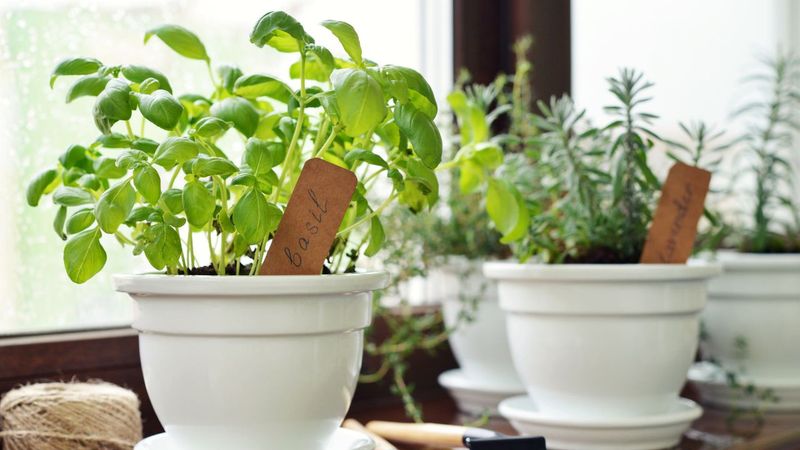
The foundation of any thriving herb garden begins with quality soil. Opt for organic potting soil that provides excellent drainage while retaining essential nutrients. A rich, dark soil not only ensures healthy growth but also gives your herbs a strong start.
Mix in perlite or sand to improve aeration, allowing roots to breathe and flourish. This combination creates an ideal environment for herbs to thrive.
Remember, herbs are sensitive to soil quality, so investing in premium soil from the start is crucial for your garden’s success.
Lighting Setup with LED Grow Lights
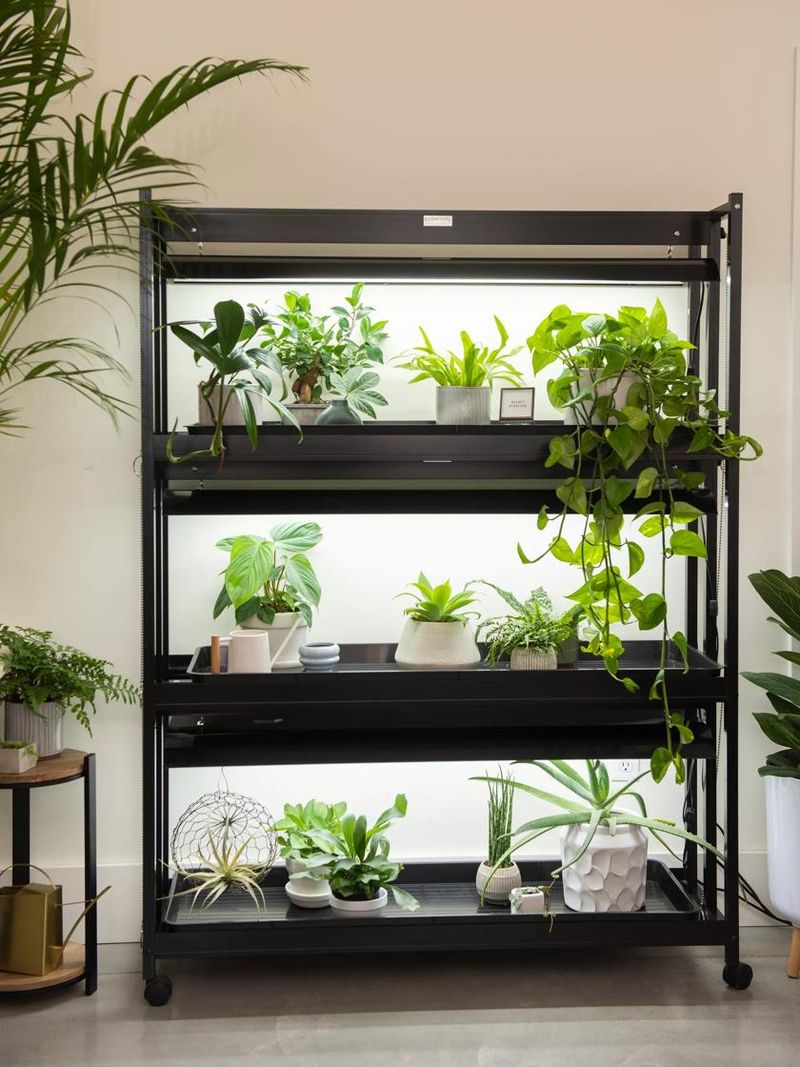
Natural sunlight is vital, but not all kitchens offer ample sunshine. Consider installing LED grow lights to mimic the sun’s rays. These energy-efficient lights provide the necessary spectrum for photosynthesis, ensuring your herbs receive consistent light.
Position them above your garden and adjust the height as the plants grow taller. LED lights not only support year-round growth but also enhance your kitchen’s ambiance.
Select lights with adjustable settings, allowing you to simulate day and night cycles for optimal herb development.
Utilizing Vertical Space with Hanging Planters
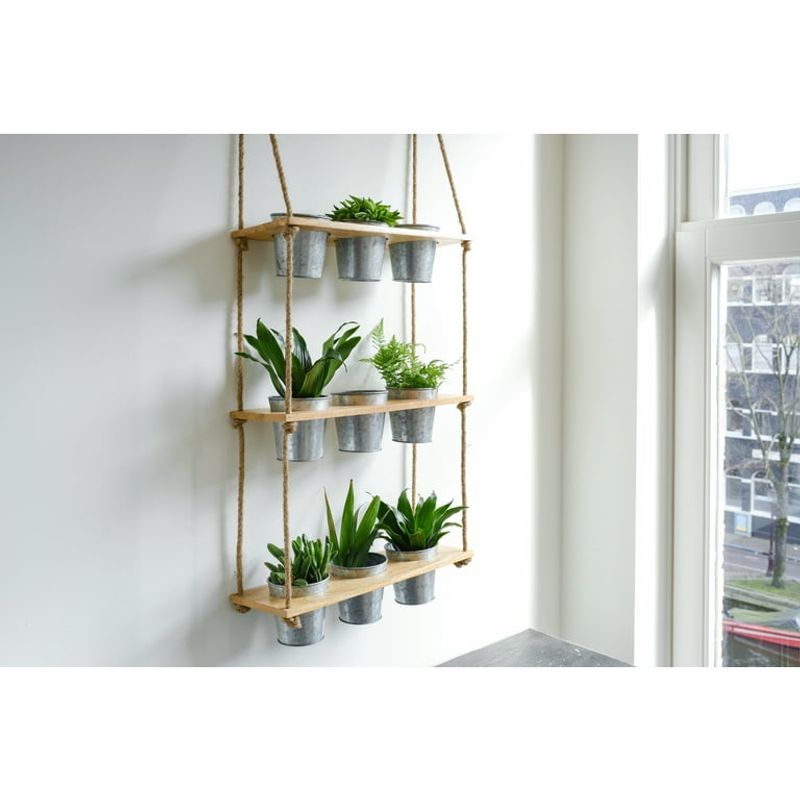
Maximize your kitchen’s space by utilizing vertical areas with hanging planters. These innovative containers allow you to grow multiple herbs without taking up precious countertop space.
Choose sturdy hooks or racks to securely hang your planters at eye level. This setup not only saves space but also adds a decorative element to your kitchen.
Consider mixing herbs with similar water and light requirements to ensure harmonious growth within each planter.
Incorporating Self-Watering Planters
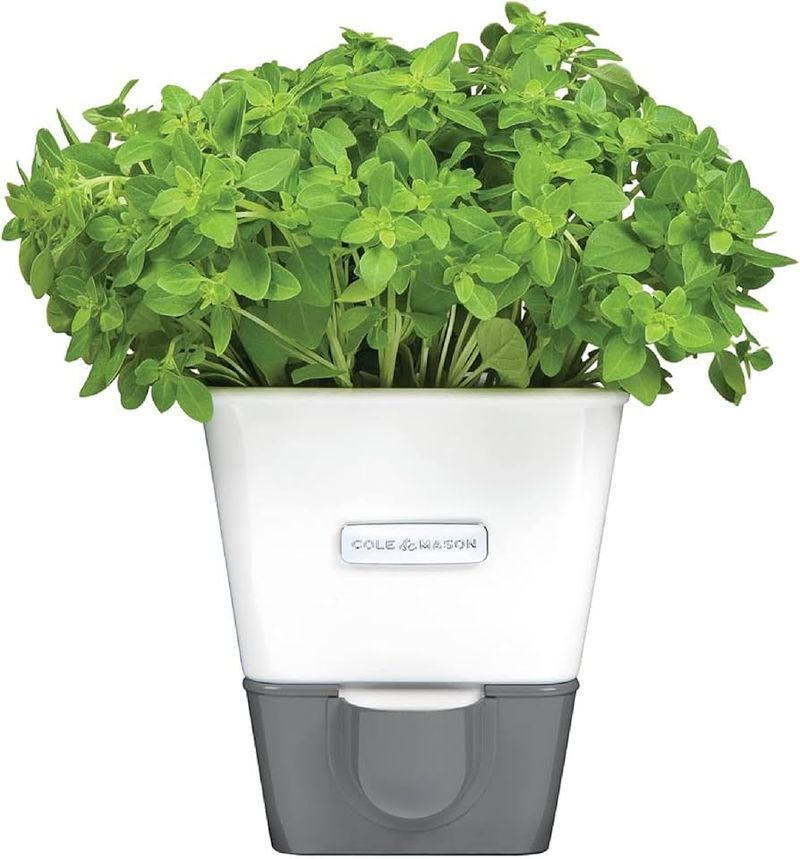
Self-watering planters are a boon for busy individuals, providing consistent moisture levels without constant attention. These containers feature a built-in reservoir, allowing your herbs to absorb water as needed.
Perfect for forgetful gardeners, self-watering planters ensure your plants never go thirsty. Position them in a sunny kitchen spot to maximize growth potential.
This system not only promotes healthy roots but also reduces the risk of overwatering, making it a practical addition to your herb garden.
Introducing Companion Planting Techniques
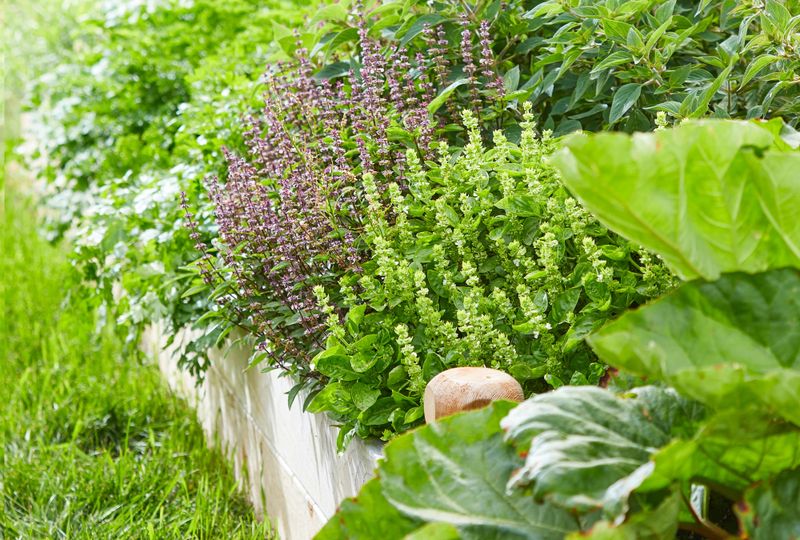
Companion planting is an ancient technique that enhances plant growth by pairing compatible herbs together. Certain herbs, when grown side by side, can boost each other’s flavors and deter pests.
Pair basil with tomatoes for a classic combination, or plant chives near rosemary to enhance their growth. This practice not only optimizes space but also creates a natural pest barrier.
Experiment with different combinations to discover what works best for your mini garden, ensuring a harmonious ecosystem within your kitchen.
Creating a Herb Drying Station
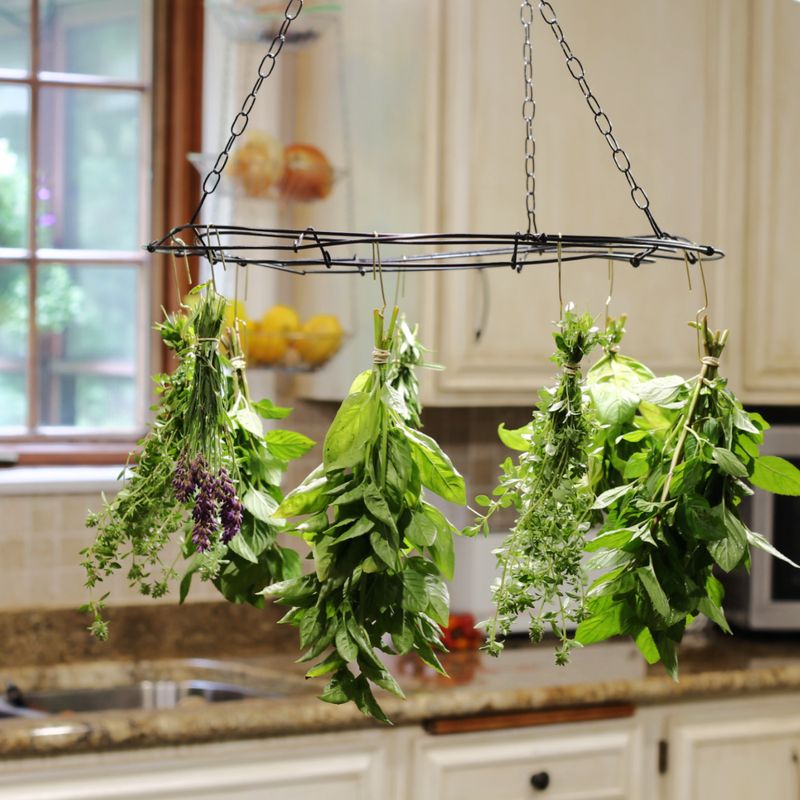
Preserve your herb garden’s bounty by setting up a drying station in your kitchen. Select a dry, airy spot to hang herbs like thyme, oregano, and mint for natural drying.
Use hooks or a simple wooden rack to suspend bundles upside down, allowing air to circulate freely. This method not only extends the life of your herbs but also fills your kitchen with delightful aromas.
Once dried, store them in airtight containers to maintain their flavor and aroma, ready for use in your culinary creations.
Designing an Herb Labeling System
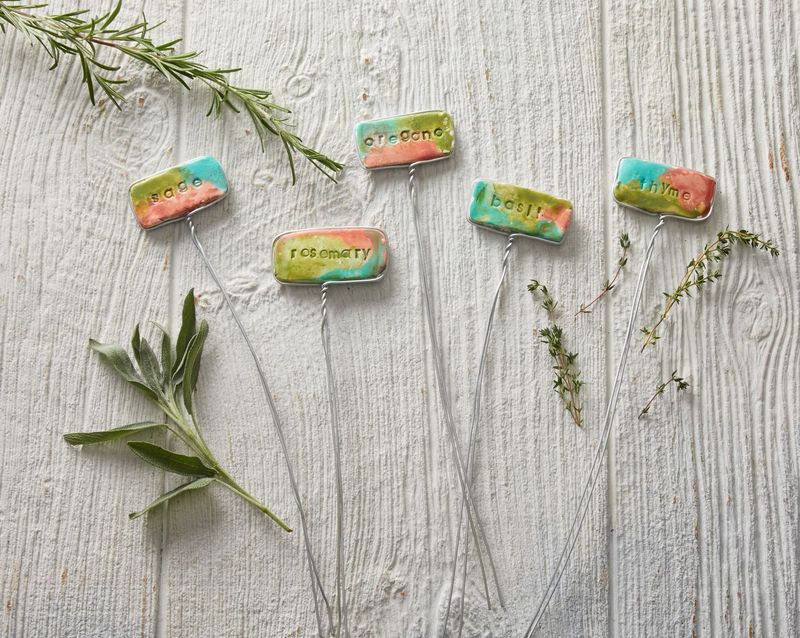
Stay organized by designing an attractive labeling system for your herb garden. Create custom labels that not only identify each herb but also add a decorative touch.
Use waterproof materials or chalkboard paint on small stakes to ensure labels withstand watering and sunlight. This system helps you quickly identify herbs, especially when they’re not yet fully grown.
A well-labeled garden ensures you pick the right herbs for your dishes, enhancing your culinary experience.
Integrating a Hydroponic System
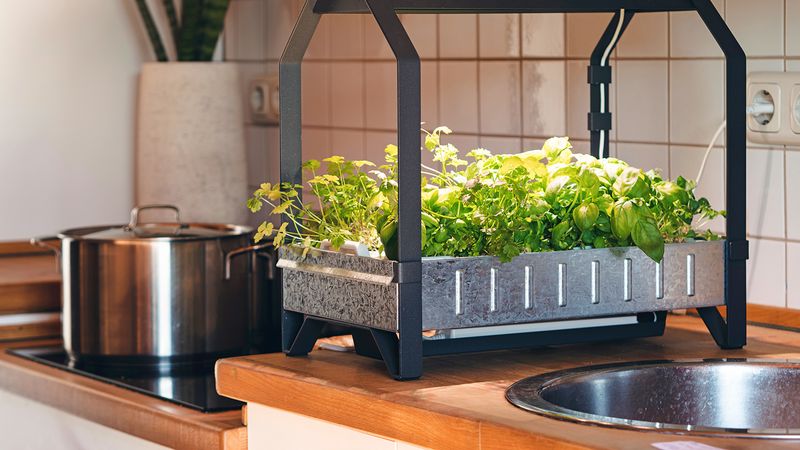
Embrace modern gardening by integrating a hydroponic system in your kitchen. Growing herbs hydroponically means cultivating them in nutrient-rich water rather than soil.
This method accelerates growth, often producing larger, healthier plants. It’s ideal for those seeking a soil-free gardening solution.
Set up a compact system on your countertop and enjoy an efficient, clean way to grow herbs year-round, perfect for urban kitchens with limited space.
Organizing a Regular Harvesting Routine
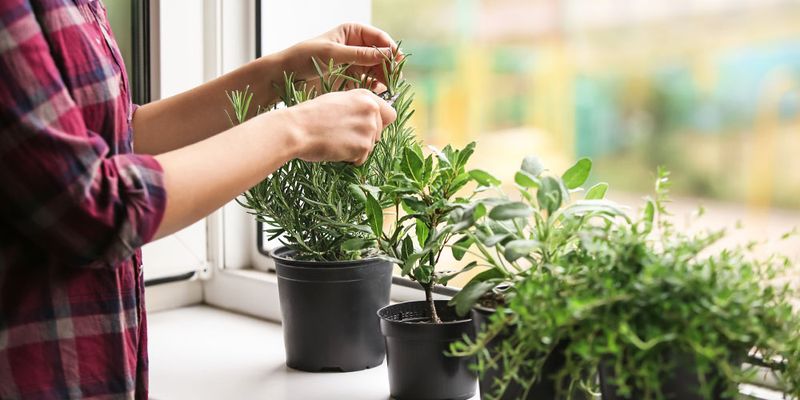
Regular harvesting encourages continuous growth and prevents your herbs from becoming leggy. Establish a routine where you trim herbs regularly, ideally in the morning when they’re most fragrant.
Use sharp scissors to snip just above a leaf node, promoting bushier growth. This practice not only keeps your plants healthy but also provides a constant supply of fresh herbs.
Remember, frequent harvesting is key to maintaining vibrant herbs, ensuring your mini garden thrives all year long.