 Complete Gardening
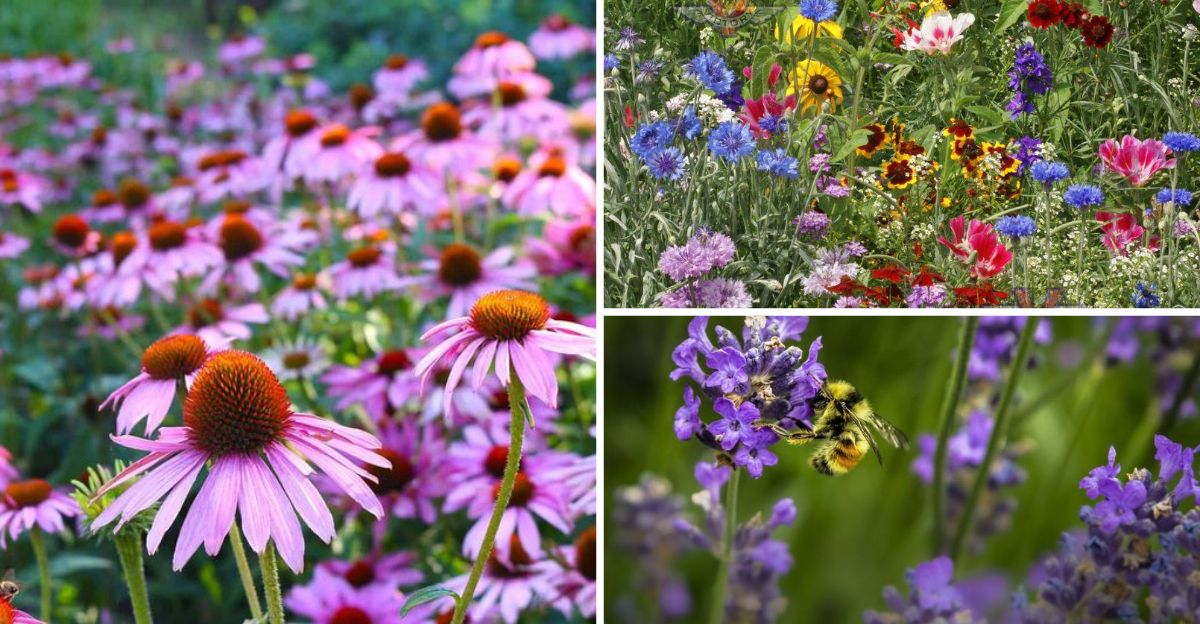
Creating a pollinator paradise doesn’t have to break the bank. With a bit of creativity and resourcefulness, you can transform your garden into a haven for bees, butterflies, and other essential pollinators. This guide offers practical and economical tips to help you cultivate a vibrant ecosystem that supports biodiversity and enhances the beauty of your outdoor space. By focusing on the right plants and features, you’ll encourage a thriving pollinator community without spending a fortune.
1. Seed Swaps: A Garden Party
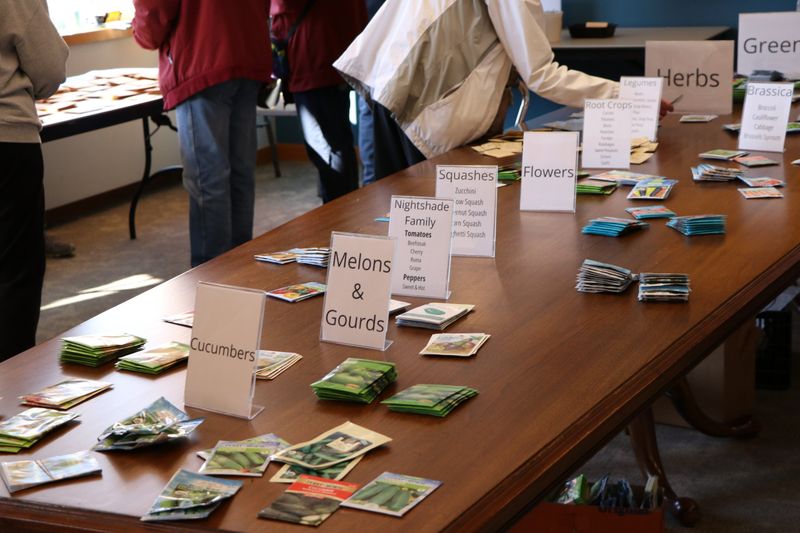
Imagine trading seeds with fellow garden enthusiasts, a delightful way to diversify your garden without spending a dime. Seed swaps are community-driven events where gardeners exchange seeds, sharing not only plants but also stories and tips.
These gatherings often foster a sense of camaraderie and innovation among participants. By attending a local seed swap, you open the door to acquiring native and pollinator-friendly plants suited for your area.
Moreover, this exchange helps preserve plant biodiversity and encourages sustainable gardening practices, transforming your garden into a flourishing pollinator paradise easily.
2. DIY Bee Hotels: Cozy Abodes for Solitary Bees
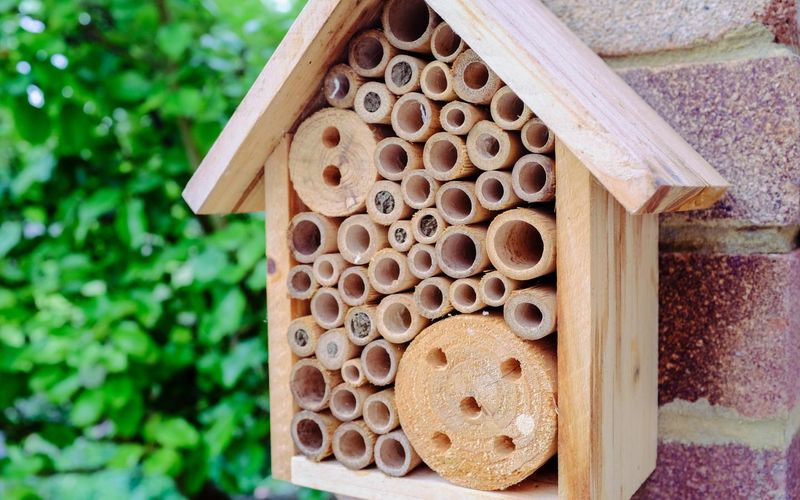
Crafting a bee hotel offers a creative outlet and a home for solitary bees. Using simple materials like bamboo, wood, and clay, anyone can build these cozy bee abodes.
Solitary bees, unlike their hive-dwelling relatives, prefer individual nests, making bee hotels perfect for them.
Placing these structures in sunny, sheltered spots in your garden will invite these crucial pollinators to stay. By accommodating solitary bees, you help boost pollination in your garden while giving these industrious insects a safe haven. This hands-on project is both affordable and rewarding.
3. Wildflower Meadows: Nature’s Canvas
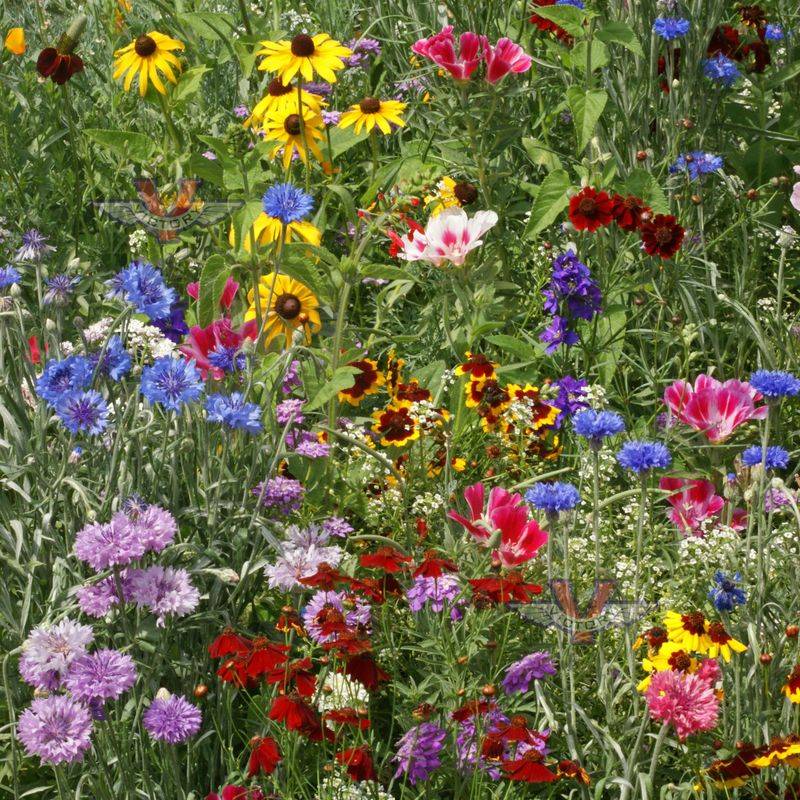
Envision a tapestry of colorful blooms swaying gently in the breeze. Establishing a wildflower meadow not only enhances your garden’s beauty but also attracts a myriad of pollinators.
Wildflowers are typically low-maintenance and can thrive in poor soil, making them an economical choice for gardeners.
These meadows provide essential habitats for bees, butterflies, and birds. By planting a diverse range of wildflowers, you ensure a continuous food source for pollinators throughout the seasons. This natural approach creates a self-sustaining ecosystem, offering beauty and biodiversity on a budget.
4. Recycled Materials: Eco-Friendly Planters
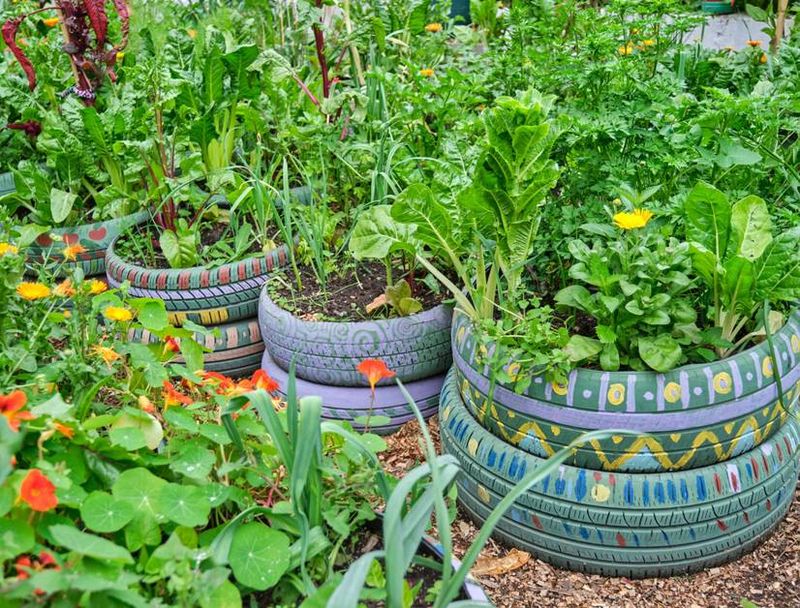
Transforming household waste into planters is an innovative and eco-friendly way to enhance your garden. Old tires, wooden pallets, and even discarded containers can be repurposed into beautiful plant holders.
These upcycled planters not only save money but also reduce landfill waste. Filled with pollinator-attracting plants like marigolds and petunias, they contribute to a vibrant garden.
By creatively repurposing materials, you demonstrate environmental responsibility and ingenuity in your garden space. These unique containers add character and charm, making your garden a budget-friendly pollinator paradise.
5. Herbal Sanctuaries: Healing and Pollination
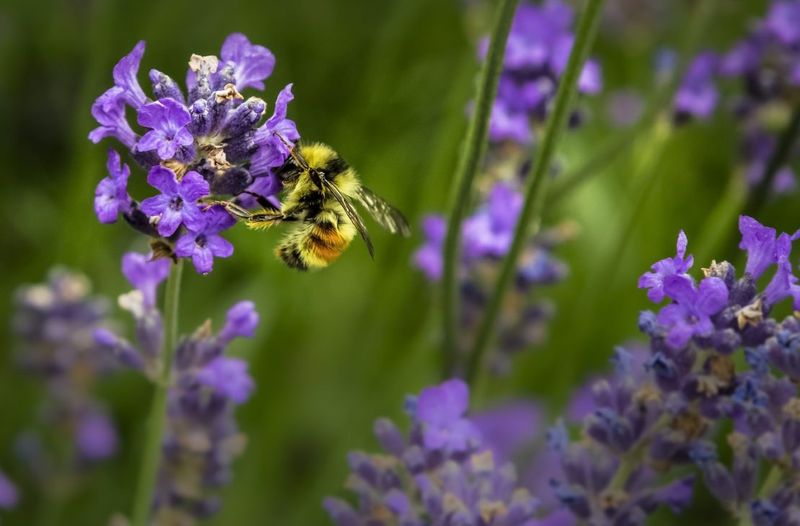
Herbs serve dual purposes in a garden: they attract pollinators and offer culinary and medicinal benefits. Planting herbs like basil, mint, and lavender creates a fragrant paradise.
These plants are relatively low-cost and easy to grow, making them accessible for any gardener. As they flourish, herbs provide nectar and pollen for bees and butterflies.
Additionally, they can be harvested for teas, cooking, and natural remedies. By cultivating a herb garden, you enhance biodiversity and enjoy fresh flavors and scents. This multifunctional approach supports both pollinators and your well-being.
6. Water Features: Serenity and Sustenance
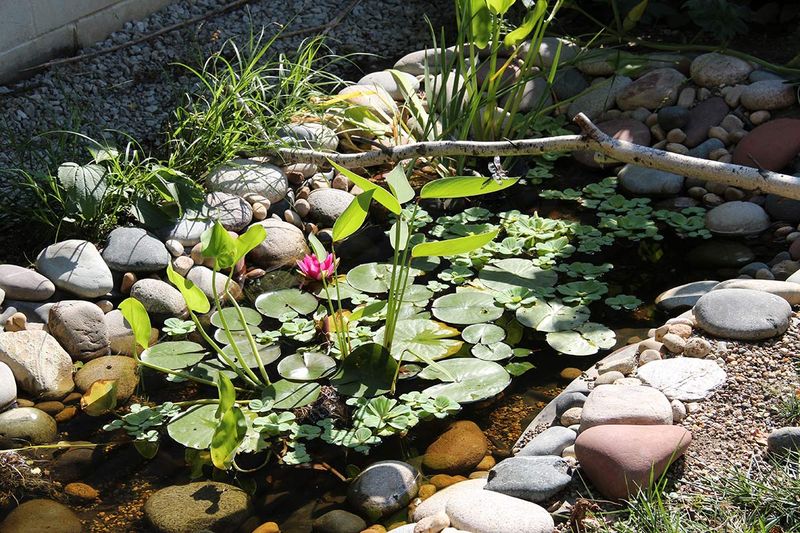
Water features provide essential hydration for pollinators, as well as a peaceful ambiance for your garden. Simple additions like birdbaths or mini ponds can be both functional and decorative.
These features require minimal maintenance and can be crafted from affordable materials. By providing water, you support the well-being of bees, birds, and butterflies.
Positioning these features strategically enhances the aesthetics and ecological value of your garden. This element of tranquility attracts pollinators, turning your garden into a serene oasis and promoting a healthy ecosystem on a budget.
7. Native Plants: Local Favorites
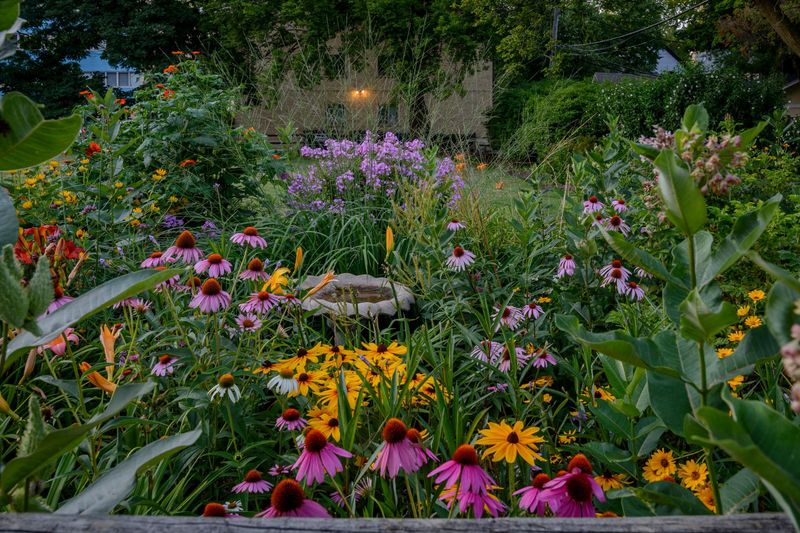
Choosing native plants for your garden ensures that you are providing the best possible habitat for local pollinators. These plants are adapted to the local climate and soil, making them easier to grow and maintain.
Native plants like coneflowers and goldenrods offer vibrant blooms that attract a range of pollinators. They require less water and care, which saves you money and time.
By focusing on native species, you create a supportive environment for pollinators while enjoying a garden that thrives naturally. This choice promotes ecological balance and sustainability in your backyard.
8. Perennial Blooms: Lasting Beauty
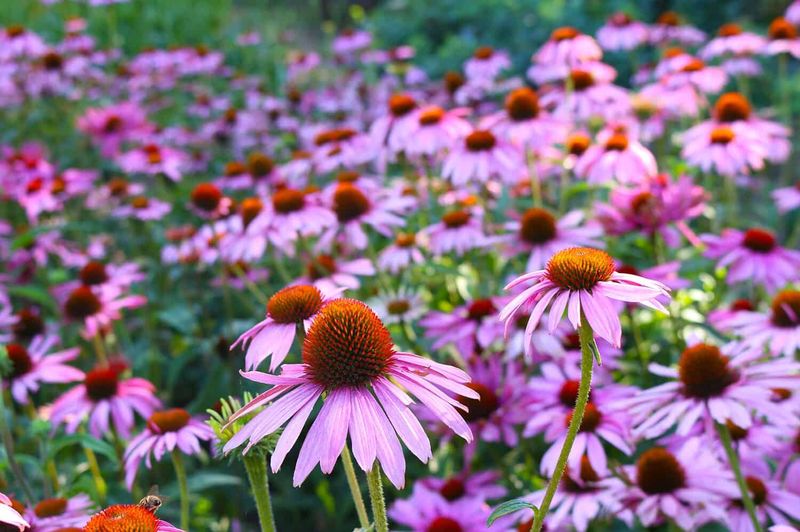
Perennial flowers offer a long-lasting beauty that returns year after year, making them a wise choice for budget-conscious gardeners. Consider planting flowers like coneflowers and black-eyed Susans, which are not only easy to grow but also attract pollinators throughout the season.
Their robust nature ensures minimal maintenance, providing a vibrant splash of color with little effort. By choosing perennials, you invest in a garden that keeps on giving, ensuring pollinators have a reliable source of nectar and pollen.
Did you know? Many perennials are drought-resistant, helping you save on water costs too!
9. Compost Fertility: Nature’s Gold
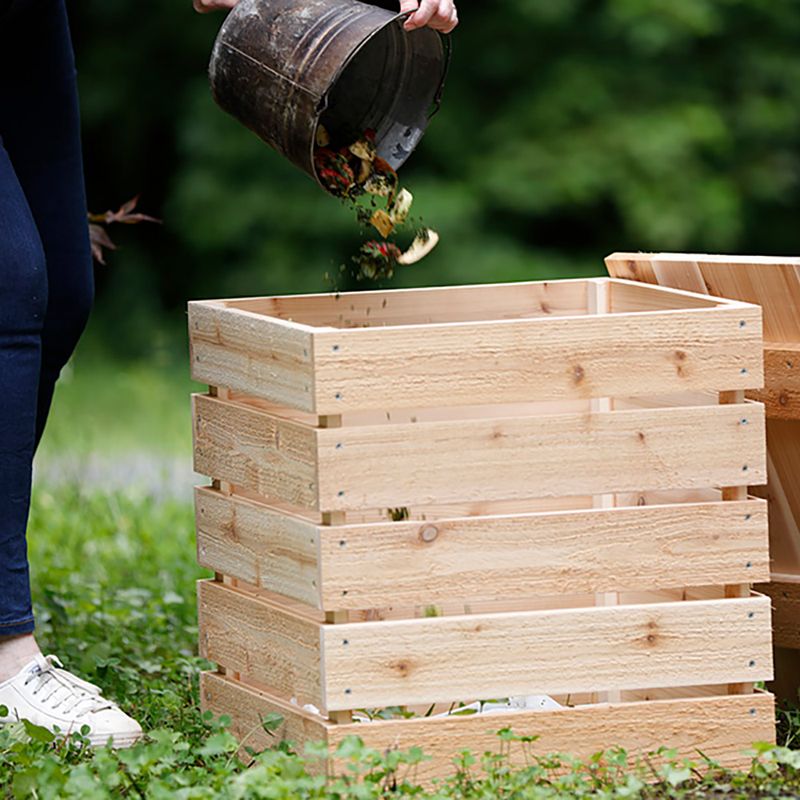
Turning kitchen scraps into nutrient-rich compost is like crafting nature’s gold. Composting is an eco-friendly way to enrich your soil without spending a dime.
By adding compost to your garden, you improve soil structure, promote plant health, and enhance the ecosystem’s resilience. Pollinators benefit from healthier plants that bloom more robustly, providing them with the sustenance they need.
Start a simple compost bin in your backyard or even use a small container for kitchen waste. Fun fact: Composting reduces landfill waste, making it a win-win for your garden and the planet!
10. Edible Plants: Dual-Purpose Delight
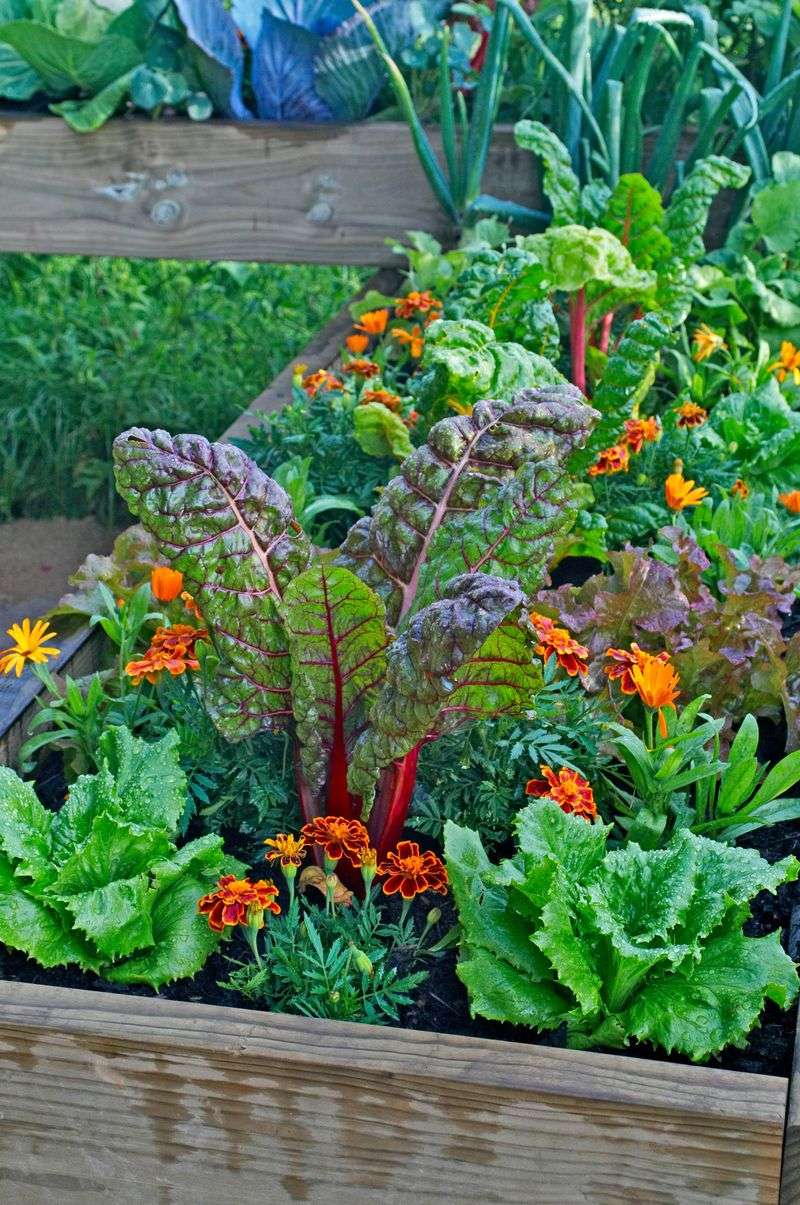
Why not grow plants that serve both you and pollinators? Edible plants such as herbs, berries, and flowering vegetables can provide nectar for pollinators and fresh produce for your table.
Herbs like basil and rosemary are particularly appealing to bees and butterflies. Their aromatic leaves are a culinary delight, while their flowers attract beneficial insects.
Imagine enjoying a fresh salad with greens harvested from your own garden, knowing you’ve also contributed to the local ecosystem. It’s a delicious way to make your garden work harder for you and the pollinators.
11. Vertical Gardens: Space Savers
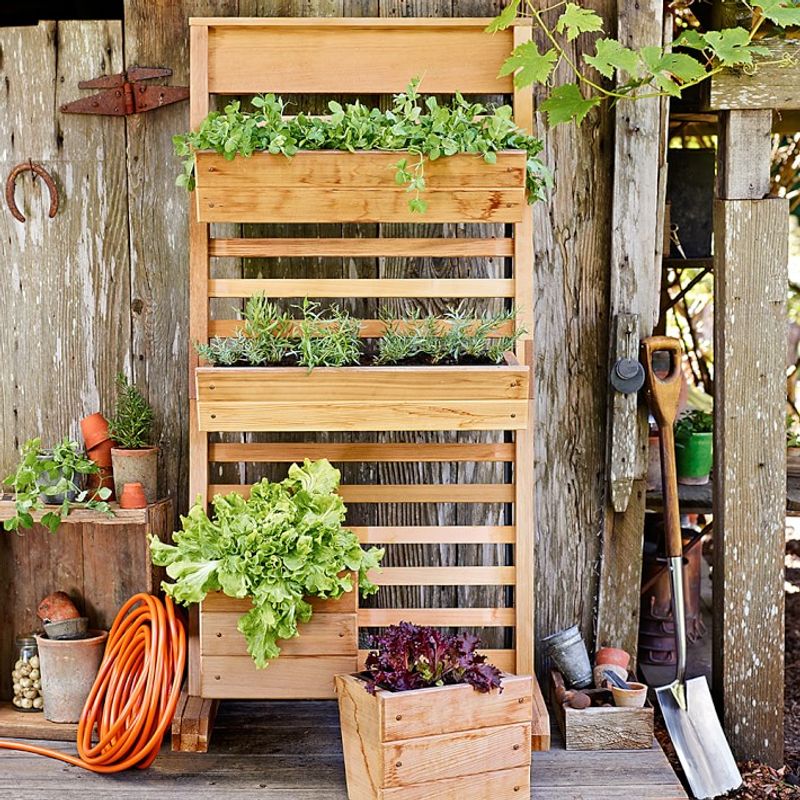
Limited space? No problem! Vertical gardens allow you to maximize your gardening area, offering a unique way to attract pollinators. By growing flowering vines or stacking planters, you create layers of beauty and function.
Pollinators will flock to the abundant floral offerings, while you enjoy a wall of greenery. Vertical gardens are not only aesthetic but also practical, bringing life to small spaces.
Did you know? Vertical gardening can improve air quality by increasing plant coverage. It’s a smart and stylish solution for urban gardeners.
12. Mulch Magic: Moisture Retention
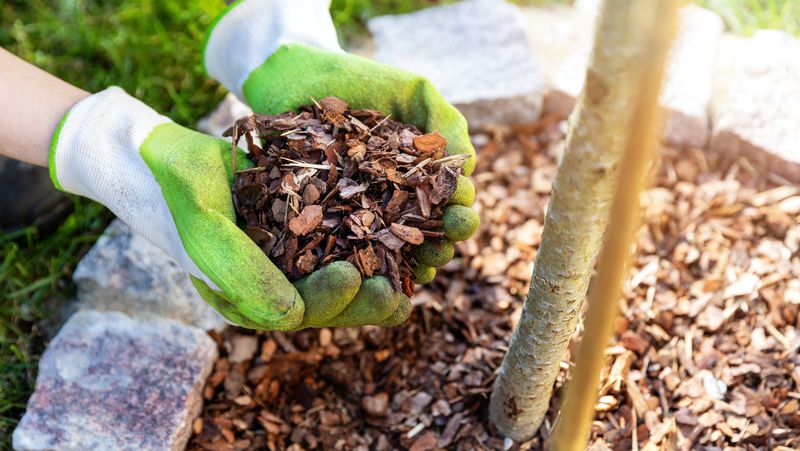
Mulching is a gardener’s secret weapon for retaining soil moisture and reducing weed growth. A layer of organic mulch not only conserves water but also enriches the soil as it breaks down.
Pollinators benefit from the consistent environment that healthy soil provides, as thriving plants become more accessible. Mulch keeps your garden looking neat, while actively supporting a vibrant ecosystem.
For an eco-friendly choice, consider using wood chips or straw. Mulch offers an easy and affordable way to maintain a lush garden.
13. Colorful Containers: Portable Beauty
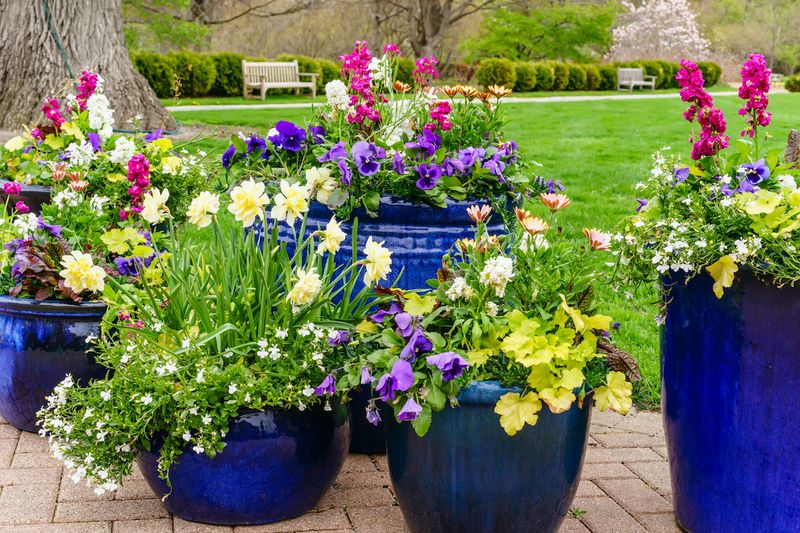
Containers overflowing with colorful flowers can transform any space into a pollinator haven. Portable and versatile, they allow you to experiment with different plant combinations and bring beauty to patios, balconies, or small garden corners.
Pollinators are drawn to the floral arrangements, finding nectar in an otherwise limited space. Containers make gardening accessible to everyone, regardless of space limitations.
Fun fact: Moving containers allows you to follow the sun, ensuring optimal growth throughout the seasons. It’s gardening tailored to your lifestyle and the pollinators’ delight!
14. Seasonal Blooms: All-Year Attraction
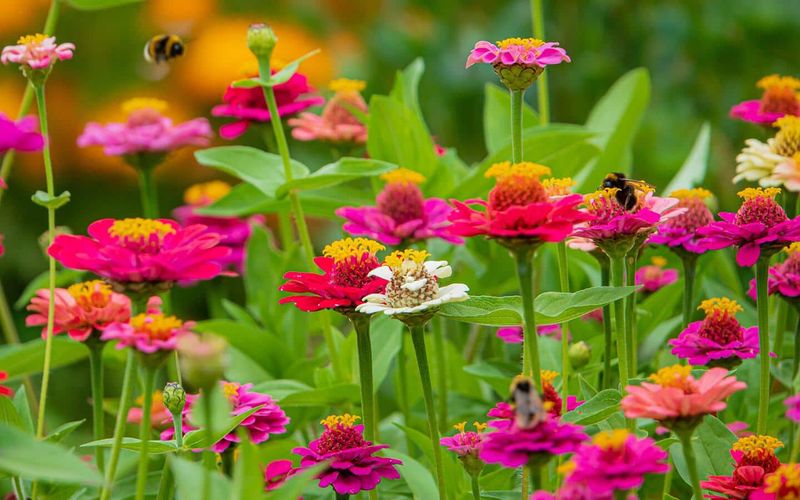
Ensure your garden is a year-round attraction by planting flowers that bloom in different seasons. Seasonal blooms provide continuous nectar sources for pollinators, keeping them visiting throughout the year.
Choose spring bulbs, summer perennials, and autumn asters to create a dynamic and ever-changing landscape. Each season brings new colors and textures to explore, while supporting the lifecycle of essential pollinators.
Seasonal planting also keeps your garden visually appealing, offering something new to admire every few months. It’s a strategy that works for both beauty and biodiversity.
15. Garden Pathways: Pollinator Highways
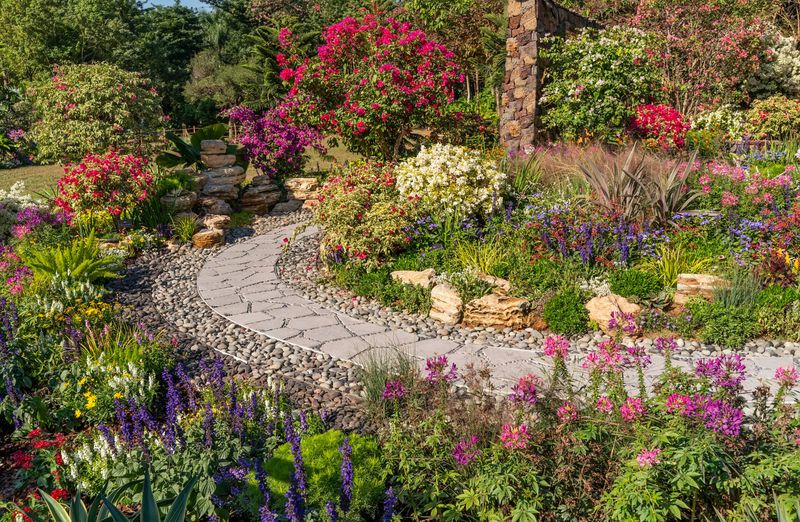
Creating pathways lined with flowers turns your garden into a pollinator paradise. These floral highways guide bees and butterflies through your space, ensuring they find the resources they need.
Pathways add structure and charm, transforming your garden into a welcoming retreat. By planting low-growing flowers like thyme and alyssum along the edges, you provide abundant nectar sources.
Fun fact: Garden pathways can also reduce soil compaction, improving plant health. It’s a practical and picturesque way to support your local pollinators.
16. Solar Lights: Evening Enchantment
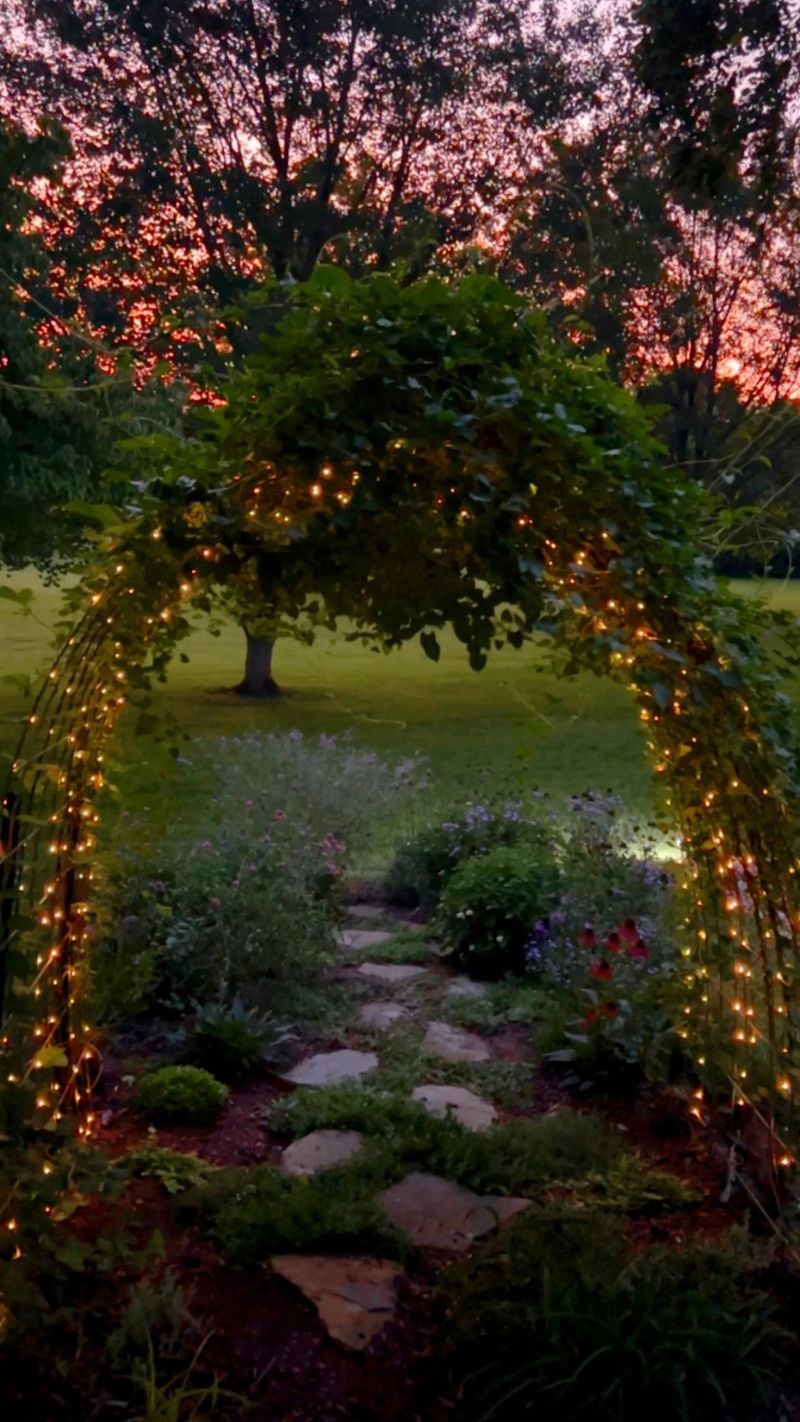
Extend the enjoyment of your pollinator garden into the evening with solar lights. These eco-friendly additions highlight pathways and plants, creating a magical ambiance after dusk.
Night-flying pollinators like moths are drawn to these illuminated areas, continuing the pollination process even in low light. Solar lights are cost-effective and require no wiring, making them an easy addition.
Did you know? Some flowers only bloom at night, providing unique opportunities for night pollinators. Solar lights make your garden a 24/7 retreat for pollinators.
17. Bird Baths: Feathered Friends
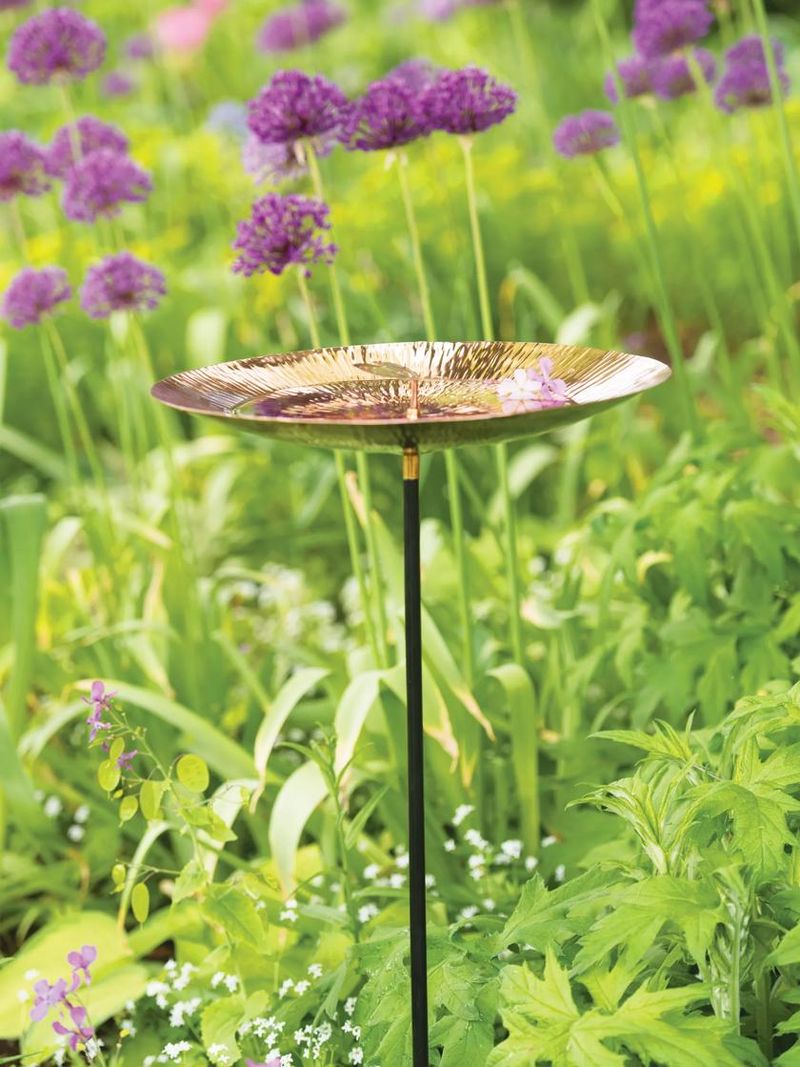
Bird baths are more than decorative features; they provide essential water sources for birds and other pollinators. A simple bird bath can attract feathered friends who contribute to pollination by moving pollen as they forage.
Place your bird bath in a shaded spot and keep it clean to ensure it’s inviting for visitors. Birds add a lively dimension to your garden, entertaining with their songs and antics.
Fun fact: Adding stones to your bird bath can provide resting spots for insects. It’s a simple way to create a multi-purpose oasis.
18. Insect Hotels: Beneficial Bug B&B
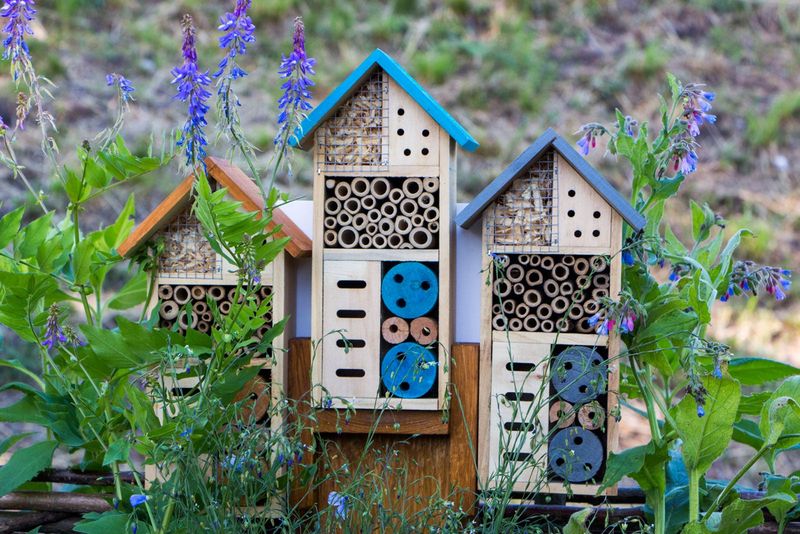
Insect hotels offer shelter for beneficial bugs, supporting a balanced ecosystem. These structures can be crafted from recycled materials, providing a budget-friendly solution to encourage insect diversity.
By hosting pollinators and predators like ladybugs and lacewings, insect hotels contribute to natural pest control. Position them in a sunny spot to attract more visitors and watch your garden thrive.
Did you know? Insect hotels can be both functional and artistic, adding a quirky charm to your garden. They’re a creative way to support biodiversity on a budget.