 Complete Gardening
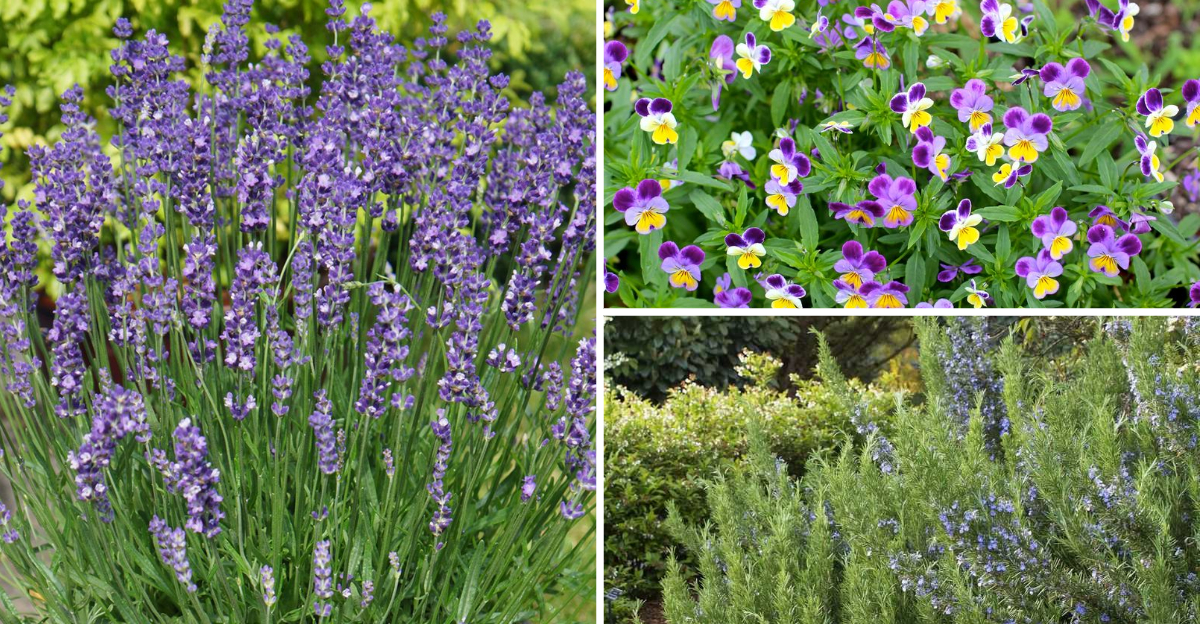
A Shakespeare Garden is a themed garden that cultivates the plants and flowers mentioned in the works of William Shakespeare. These gardens are a delightful homage to the English playwright and poet, bringing the beauty of the Elizabethan era to life. With careful planning, anyone can create a lush, fragrant space that echoes the romance and drama of Shakespeare’s plays and sonnets.
1. Rosa ‘Damascena’
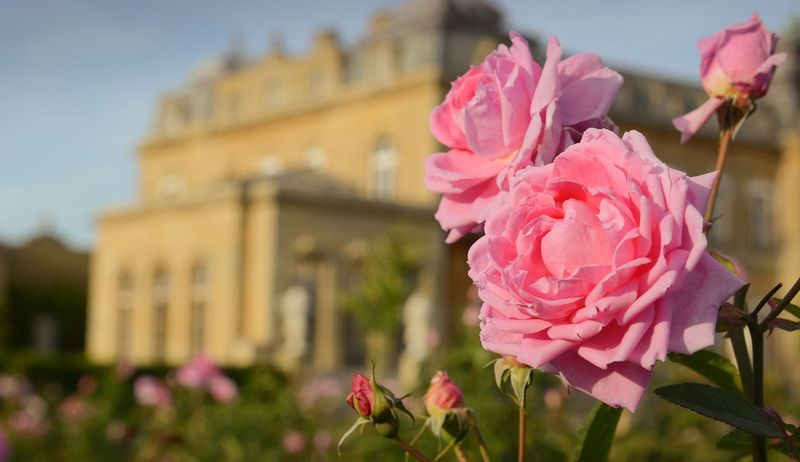
Imagine a garden filled with the scent of roses. The Rosa ‘Damascena’, also known as the Damask Rose, is a timeless beauty featured in Shakespeare’s works. Its rich, fragrant blooms were favored for their aromatic oils, often used in perfumes. In your Shakespeare Garden, plant these roses in a sunny spot, where they will thrive and provide a perennial source of beauty.
These roses bloom in shades of pink and white, adding a soft, romantic touch. They serve as a reminder of love and passion, common themes in Shakespeare’s writing. Add them to your garden for a poetic touch.
2. Viola tricolor (Heartsease)
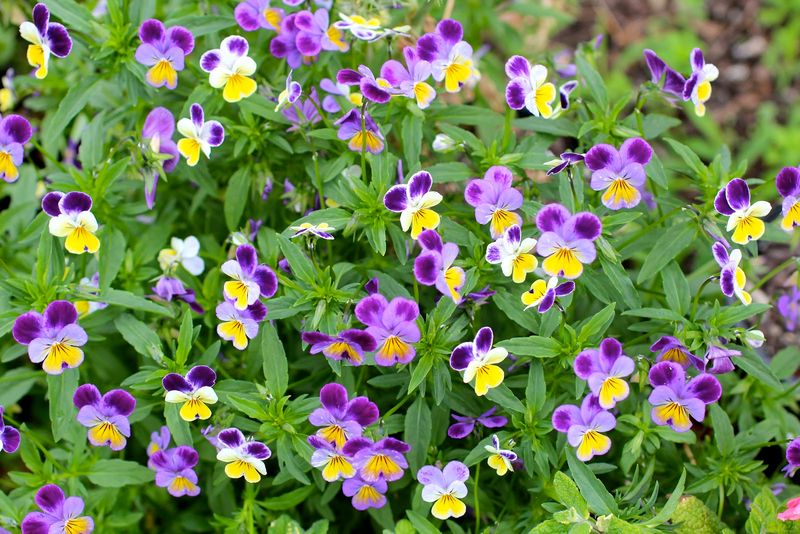
Known as Heartsease or Johnny Jump-Up, Viola tricolor is a charming addition to any garden. This delicate flower, with its heart-shaped petals, brings a splash of color and joy. Shakespeare mentioned it in ‘A Midsummer Night’s Dream’, highlighting its magical qualities.
Plant these flowers in well-drained soil, where they will flourish and spread. Their vibrant colors of purple, yellow, and white evoke the playful spirit of Shakespeare’s comedies. Heartsease adds not only visual appeal but also a touch of whimsy and nostalgia to your green space.
3. Lavandula angustifolia (English Lavender)
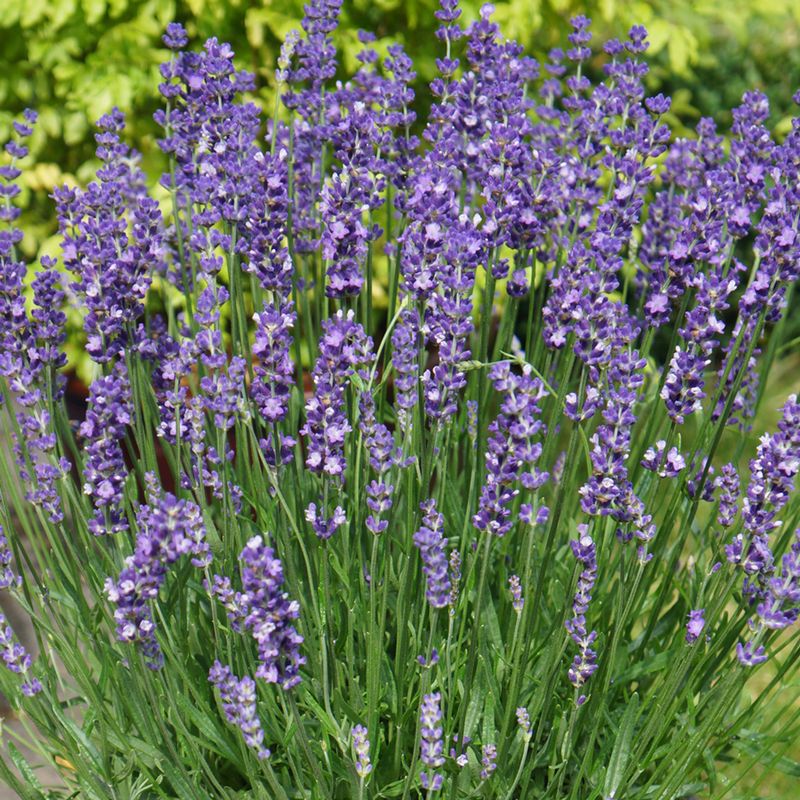
Lavender, specifically Lavandula angustifolia, is a staple in any Shakespeare Garden. Revered for its calming scent, lavender was used in Elizabethan times for its soothing properties. Shakespeare referenced it to symbolize devotion and purity.
Grow lavender in a sunny location with well-drained soil. Its fragrant purple blooms attract bees and butterflies, adding life to your garden. This aromatic herb serves not only as a visual delight but also as a nod to the tranquility found in many of Shakespeare’s writings. Lavender embodies serenity and grace.
4. Rosmarinus officinalis (Rosemary)
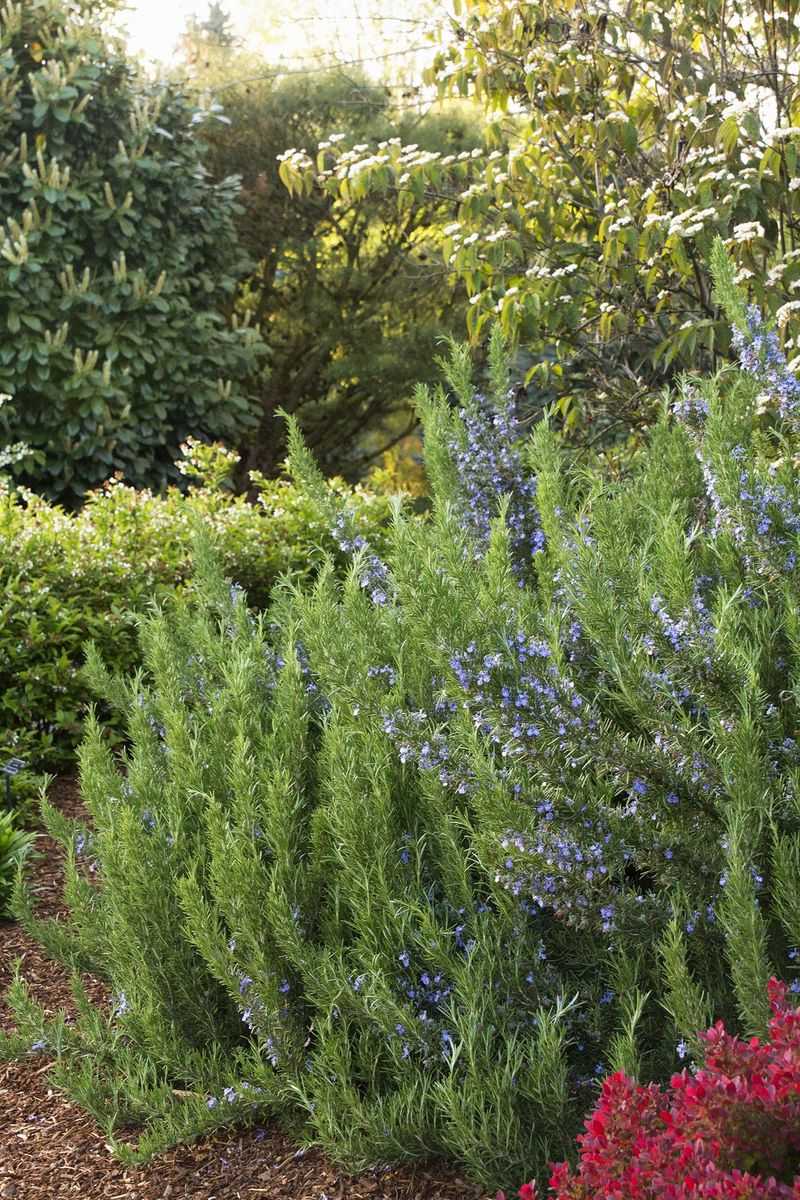
Rosemary, or Rosmarinus officinalis, is more than just a culinary herb. In Shakespeare’s time, it symbolized remembrance. Ophelia famously said, “There’s rosemary, that’s for remembrance,” in ‘Hamlet’.
To grow rosemary, choose a sunny spot with well-drained soil. Its needle-like leaves and aromatic scent are unmistakable. The small blue flowers it produces attract pollinators, adding ecological interest. Rosemary brings historical depth to your garden, connecting you with Shakespeare’s era and his poignant explorations of memory and love.
5. Primula veris (Cowslip)
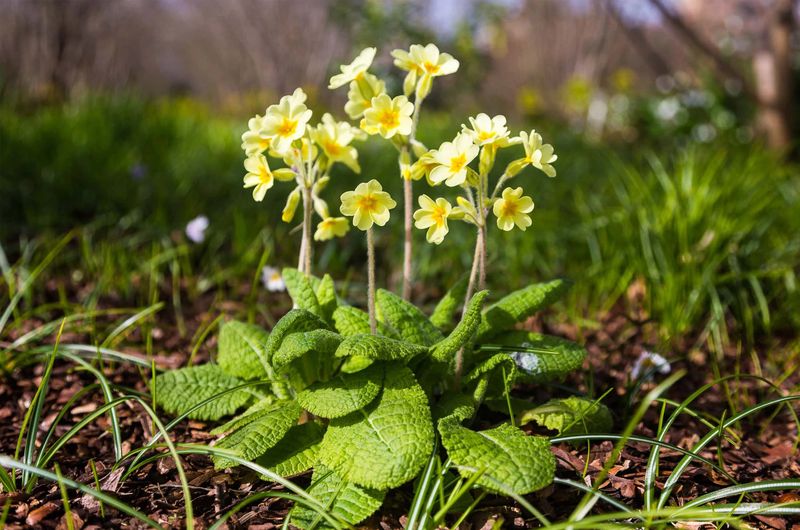
Cowslips, or Primula veris, are cheerful flowers that herald the arrival of spring. Shakespeare mentioned them in several plays, including ‘The Tempest’. These yellow blooms were associated with youth and innocence, themes often explored in his works.
Plant cowslips in partial shade with moist soil. Their sunny appearance and sweet fragrance make them a welcome sight. Cowslips add brightness and an air of simplicity to your garden, reminiscent of the playful innocence that Shakespeare captured beautifully in his tales.
6. Thymus serpyllum (Wild Thyme)
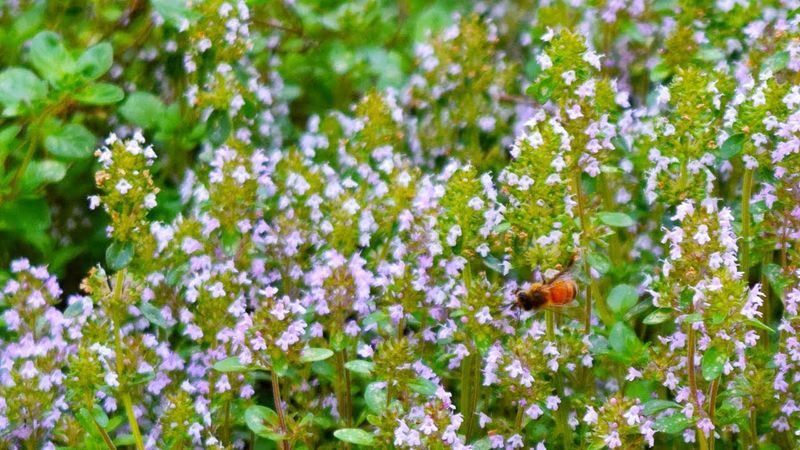
Wild Thyme, or Thymus serpyllum, offers both beauty and aroma. Shakespeare referenced thyme in ‘A Midsummer Night’s Dream’, linking it to fairies and enchantment. It grows well along pathways, creating a fragrant border.
Plant thyme in full sun with well-drained soil. The tiny pink flowers attract beneficial insects, enhancing garden health. Its creeping nature allows it to cover ground effectively, offering a lush carpet of greenery and flowers. Wild Thyme evokes the magical and mysterious elements that Shakespeare wove into his narratives.
7. Digitalis purpurea (Foxglove)
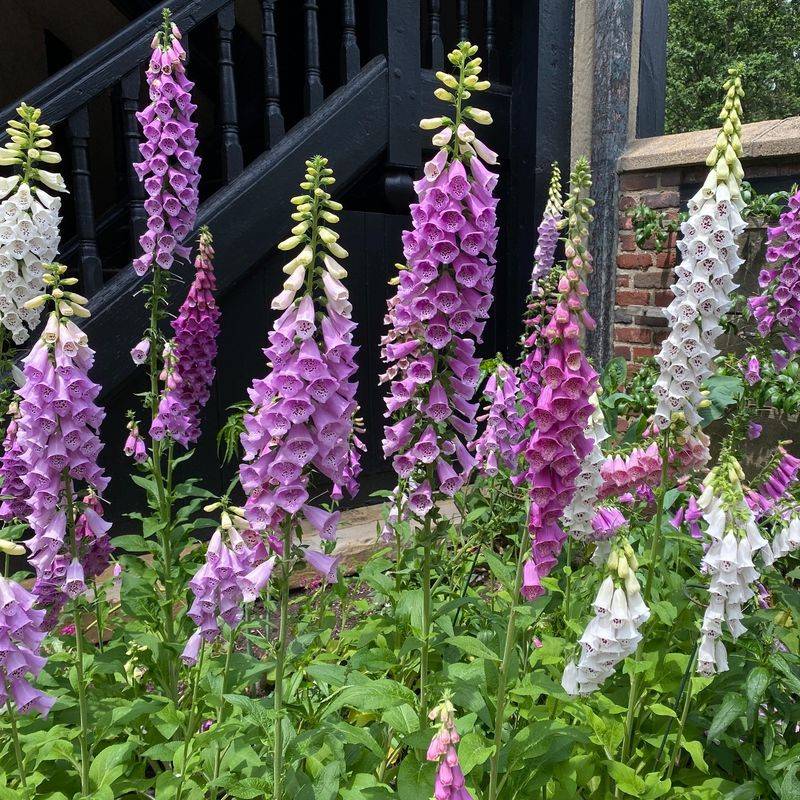
Foxgloves, or Digitalis purpurea, bring a touch of drama with their towering flower spikes. Shakespeare included them in his works as symbols of both beauty and danger. Their bell-shaped blooms rise majestically above other plants.
Grow foxgloves in partial shade with moist soil for best results. They add height and structure, creating vertical interest in your garden. Foxgloves offer a glimpse into the complexity and duality present in Shakespeare’s characters and stories, capturing the balance between allure and caution.
8. Ophelia’s Daisies
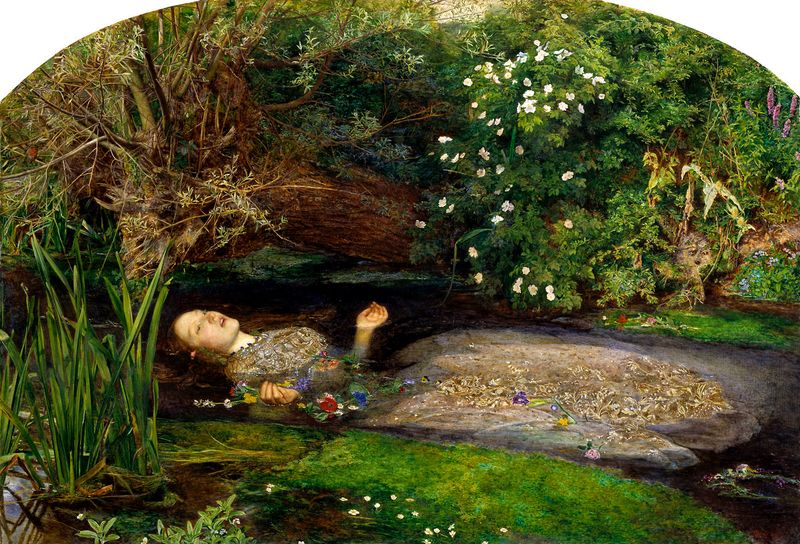
Ophelia’s daisies, delicate and unassuming, carry a tale of innocence and love. These wildflowers, often found by riverbanks, symbolize purity and simplicity. Shakespeare’s tragic Ophelia, from “Hamlet,” is frequently associated with these blooms. Imagining her gentle hands weaving them into garlands brings this garden to life.
These daisies thrive in sunny spots with well-drained soil. Their bright faces turn towards the sun, adding a touch of joy to any garden. Despite their humble appearance, they hold a place of honor in a Shakespeare Garden, reminding us of the fleeting nature of youth and beauty.
9. Peaseblossom
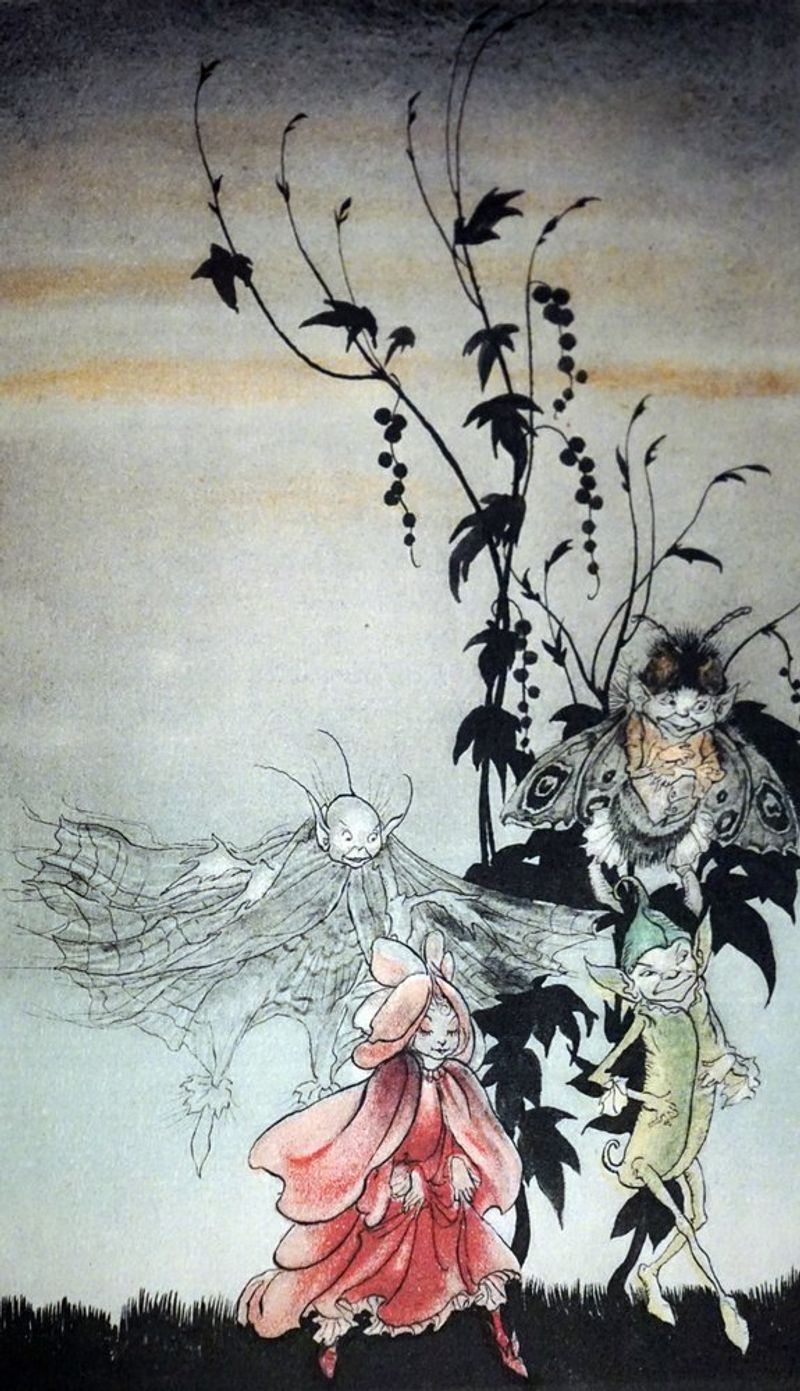
Peaseblossom brings a touch of whimsy to the garden, named after one of the fairies in “A Midsummer Night’s Dream.” These charming flowers evoke the magical spirit of Shakespeare’s plays. Their soft pink blooms capture the imagination and invite one to dream.
Peaseblossoms prefer a shaded environment with moist soil, flourishing in cool, damp conditions. They add a fairy-tale elegance to borders and woodland areas. Known for their enchanting appearance, these flowers are perfect for creating a mystical atmosphere, reminiscent of Shakespeare’s ethereal characters and enchanting worlds.
10. Fennel
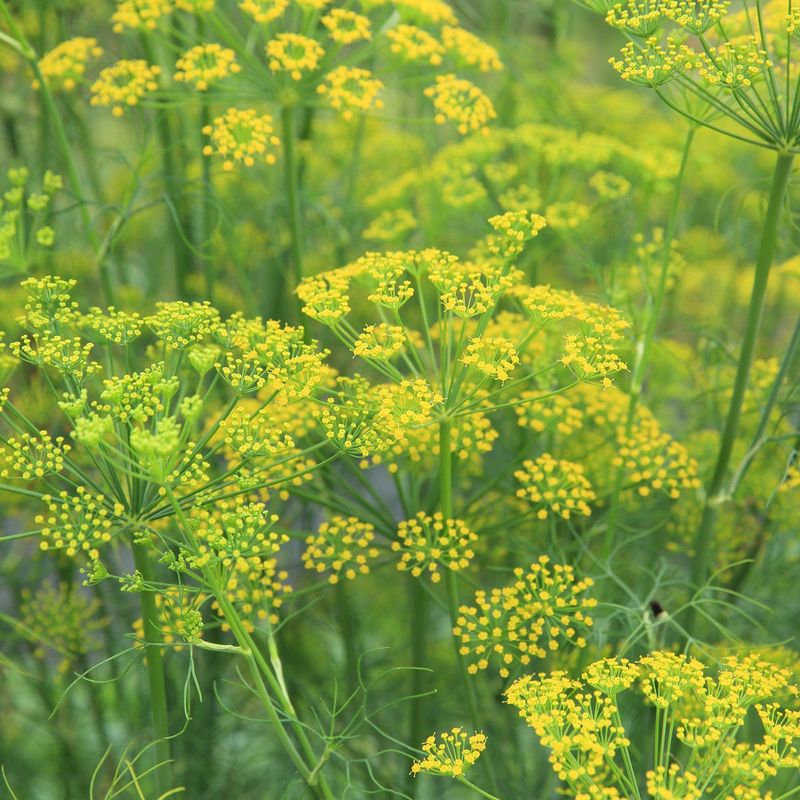
Fennel, with its feathery leaves and bright yellow flowers, offers culinary and literary delights. In “Hamlet,” fennel symbolizes flattery and deceit, adding depth to any Shakespeare Garden. Its aromatic quality enhances the sensory experience of the garden.
Fennel thrives in well-drained soil and sunny locations, making it a versatile addition. It can grow quite tall, providing a striking backdrop for shorter plants. This herb’s historical significance and culinary uses make it a fascinating and practical choice, bridging the gap between the garden and the kitchen.
11. Sweet Marjoram
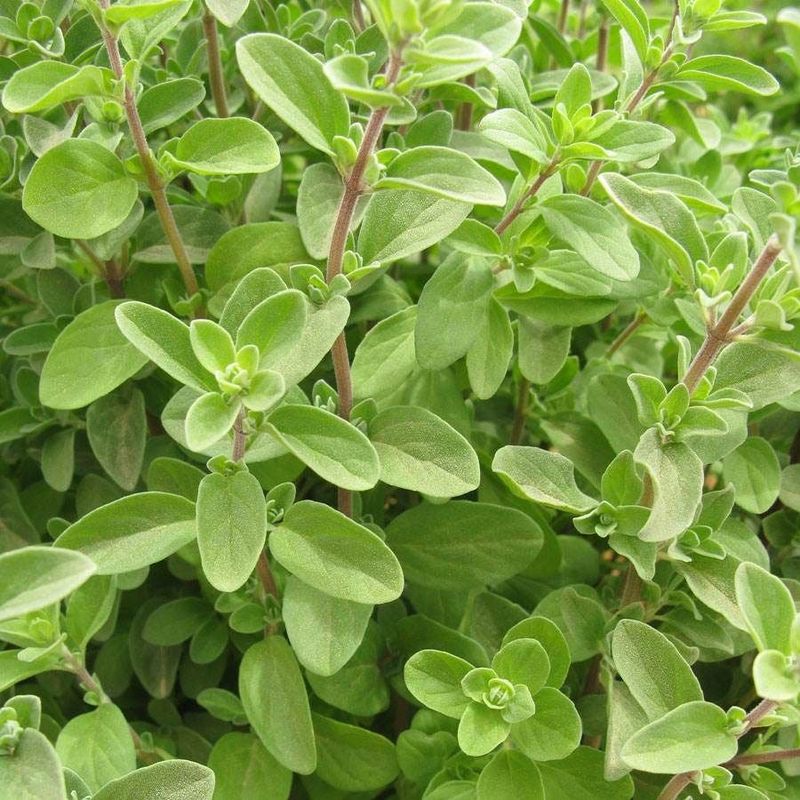
Sweet Marjoram, known for its aromatic foliage, symbolizes joy and happiness in Shakespearean lore. This herb, mentioned in several plays, brings a delightful fragrance to the garden. Its soft, oval leaves and tiny white flowers are a testament to its gentle nature.
Marjoram prospers in sunny locations with well-drained soil. It is a versatile herb, used to flavor dishes and infuse oils. Its presence in the garden fosters a sense of contentment and well-being, echoing the joyful moments in Shakespeare’s works and enhancing the overall sensory experience.
12. Columbine
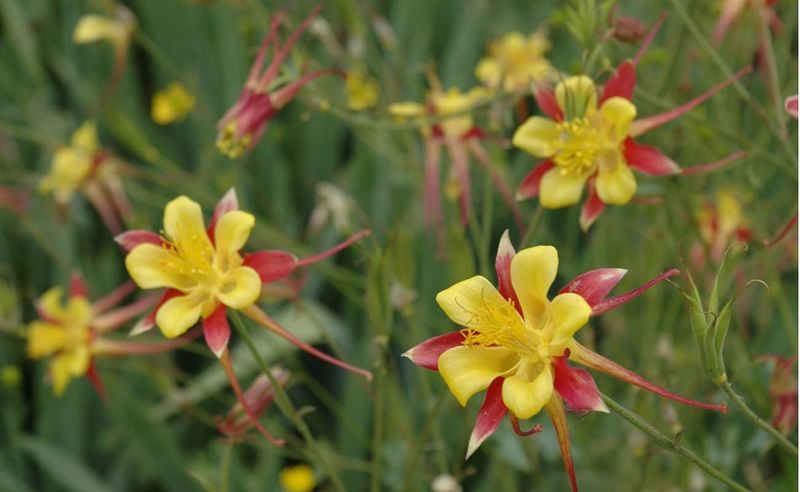
Columbine, with its unique star-shaped blooms, adds a touch of intrigue to the Shakespeare Garden. In “Hamlet,” it represents ingratitude and faithlessness, telling a poignant story through its blossoms.
These flowers thrive in well-drained soil and partial shade, making them perfect for borders and woodland areas. Their vibrant colors and distinctive shape create visual interest, capturing the eye and the imagination. Columbine’s presence evokes the emotional complexity and dramatic flair found in Shakespeare’s plays, adding depth and character to the garden.
13. Rue
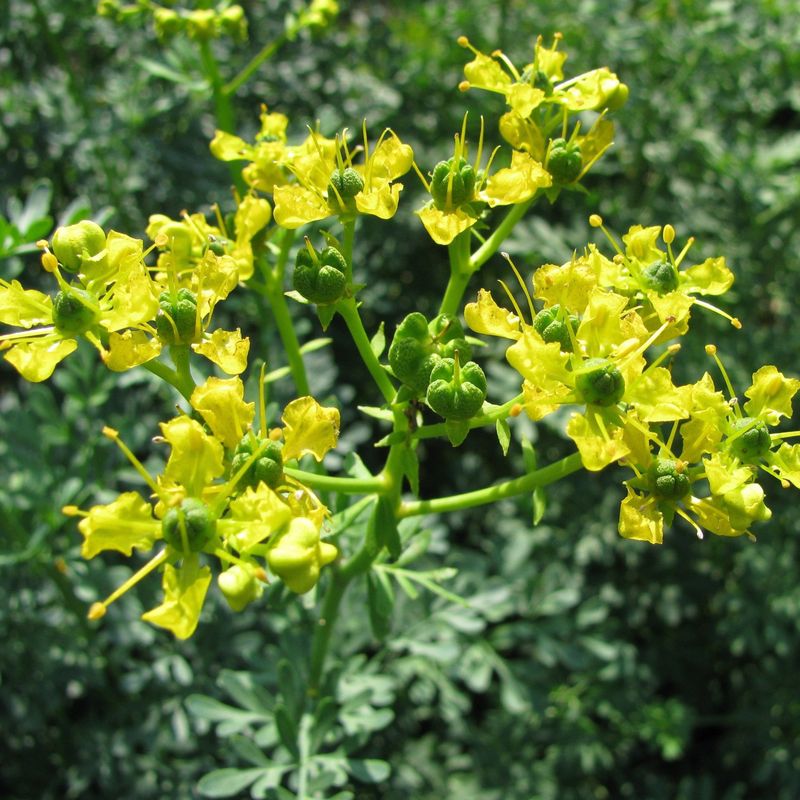
Rue, known as the “Herb of Grace,” holds a place of both reverence and caution in the Shakespeare Garden. In “Hamlet,” Ophelia gives rue to Gertrude, symbolizing regret and repentance.
This perennial herb prefers sunny spots and well-drained soil. Its blue-green leaves add an interesting texture to the garden. Rue’s historical uses in medicine and folklore make it a captivating choice, offering a glimpse into the beliefs and practices of the Elizabethan era. Its symbolic weight adds a layer of depth and introspection to the garden’s narrative.
14. Pansy
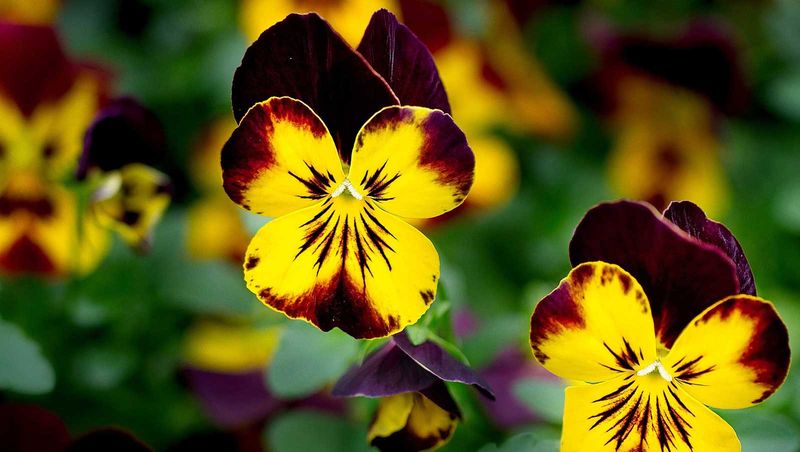
Pansies, with their cheerful faces, are a staple in any Shakespeare Garden. In “A Midsummer Night’s Dream,” they are the source of a love potion, highlighting their enchanting allure.
These flowers thrive in cool climates and prefer well-drained soil. Known for their wide range of colors, pansies brighten up any space they inhabit. Their playful appearance and association with love and magic make them a delightful addition, capturing the whimsical essence of Shakespeare’s work and adding a sense of wonder to the garden.
15. Ivy

Ivy, often seen climbing walls and trellises, symbolizes fidelity and eternity in Shakespearean tradition. Its presence in plays like “Othello” reflects the themes of love and loyalty.
This hardy plant thrives in a variety of conditions, making it versatile for any garden setting. Its evergreen nature ensures year-round beauty, providing a lush backdrop for other plants. Ivy’s ability to transform ordinary structures into living works of art adds a timeless elegance to the Shakespeare Garden, echoing the enduring legacy of the Bard’s works.
16. Mint
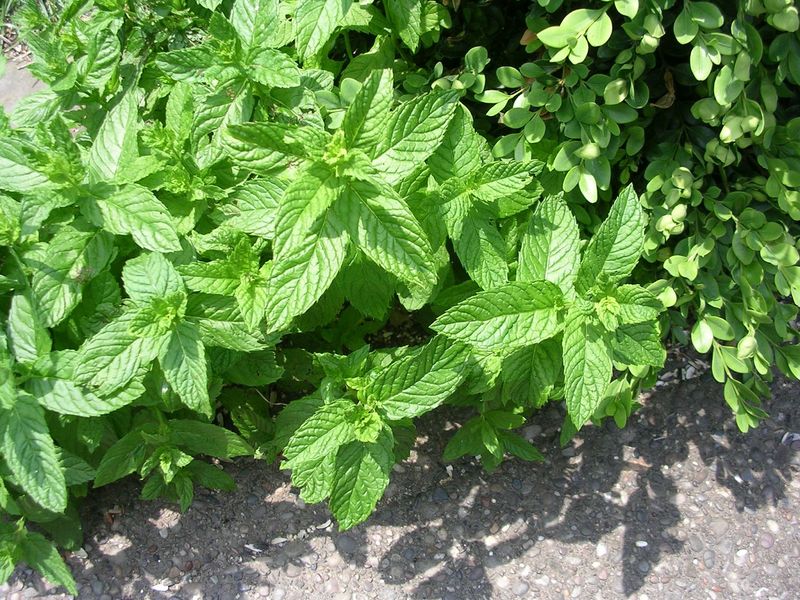
Mint, with its refreshing aroma, is a must-have in a Shakespeare Garden. In “The Winter’s Tale,” mint symbolizes virtue and hospitality, offering a fragrant welcome to garden visitors.
This herb thrives in moist, well-drained soil and requires regular pruning to manage its vigorous growth. Mint’s versatile nature makes it perfect for culinary uses, adding flavor and freshness. Its presence in the garden provides a sensory delight, connecting the past and present through taste and scent, and enhancing the overall experience of a Shakespeare-inspired haven.
17. Bay Laurel
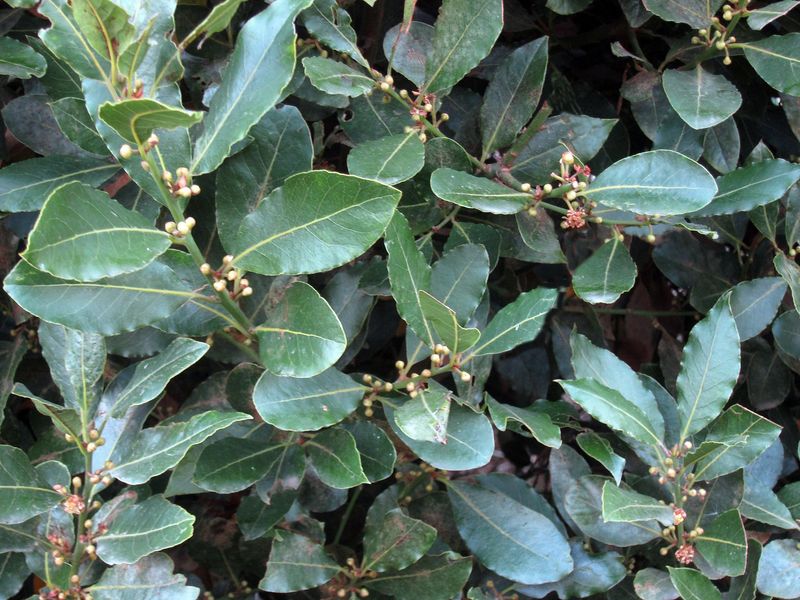
Bay Laurel, known for its aromatic leaves, carries a regal presence in the Shakespeare Garden. In “Julius Caesar,” it symbolizes victory and honor, reflecting power and prestige.
This evergreen tree prefers sunny locations and well-drained soil. Its glossy leaves are often used in cooking, making it a practical and beautiful addition. The bay laurel’s historical significance and majestic appearance create a sense of grandeur, enriching the garden’s atmosphere. Its symbolism of triumph echoes the themes of ambition and achievement found in Shakespeare’s timeless narratives.