 Complete Gardening
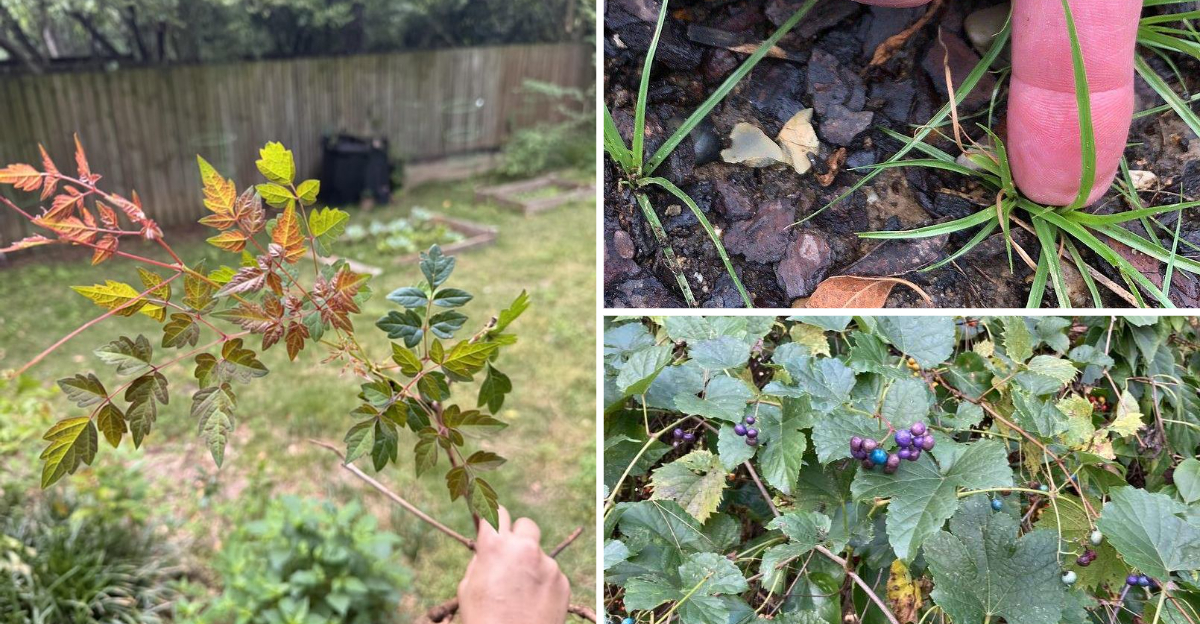
Peppervine, while sometimes admired for its lush green appearance, can quickly become a gardener’s nightmare. Its invasive nature threatens to overwhelm your pristine lawn if not managed effectively. This guide provides five unique methods to tackle this persistent plant, ensuring your lawn remains the envy of the neighborhood.
Manual Removal
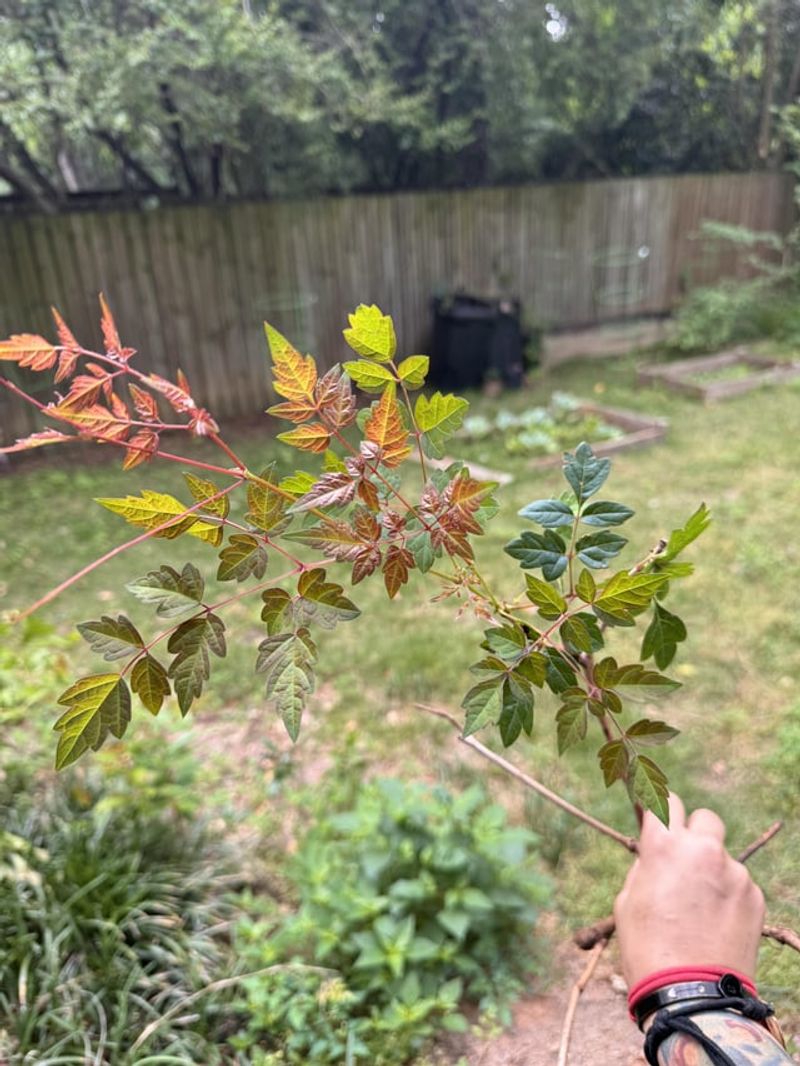
Imagine this: a sunny weekend morning, the perfect time to tackle that pesky peppervine manually. Wearing your sturdy garden gloves, you kneel on the dewy grass.
Carefully, you grasp the base of the vine, ensuring to extract the roots completely. Patience and persistence are your allies in this battle.
It’s a labor of love, but the reward is a lawn free from strangling invaders. Remember, consistency is key—check back frequently to catch any new growth.
Herbicide Application
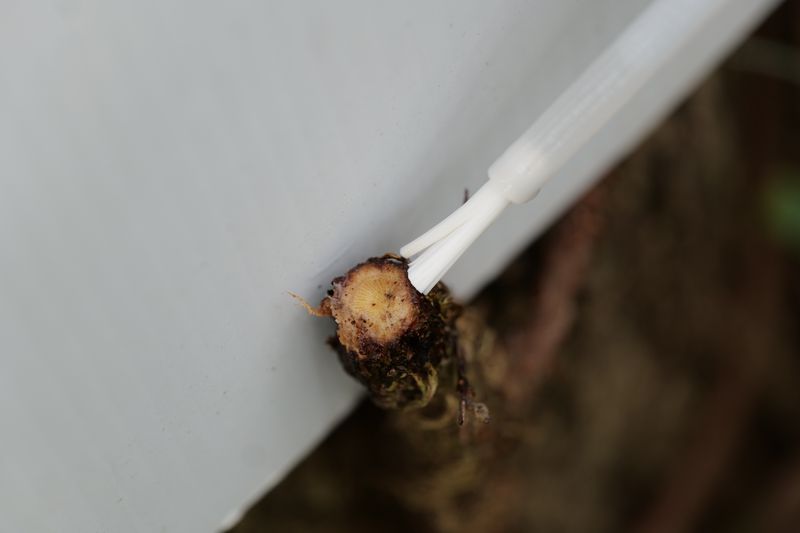
For those who prefer a chemical approach, applying herbicide can be effective. Choose a product specifically designed for broadleaf vines.
Spray the herbicide directly onto the leaves, ensuring a thorough yet careful coating. This method requires precision to avoid harming surrounding plants.
Follow up in a week or two to assess the impact and reapply if necessary. Chemical control might require multiple applications for complete eradication.
Mulching Strategy
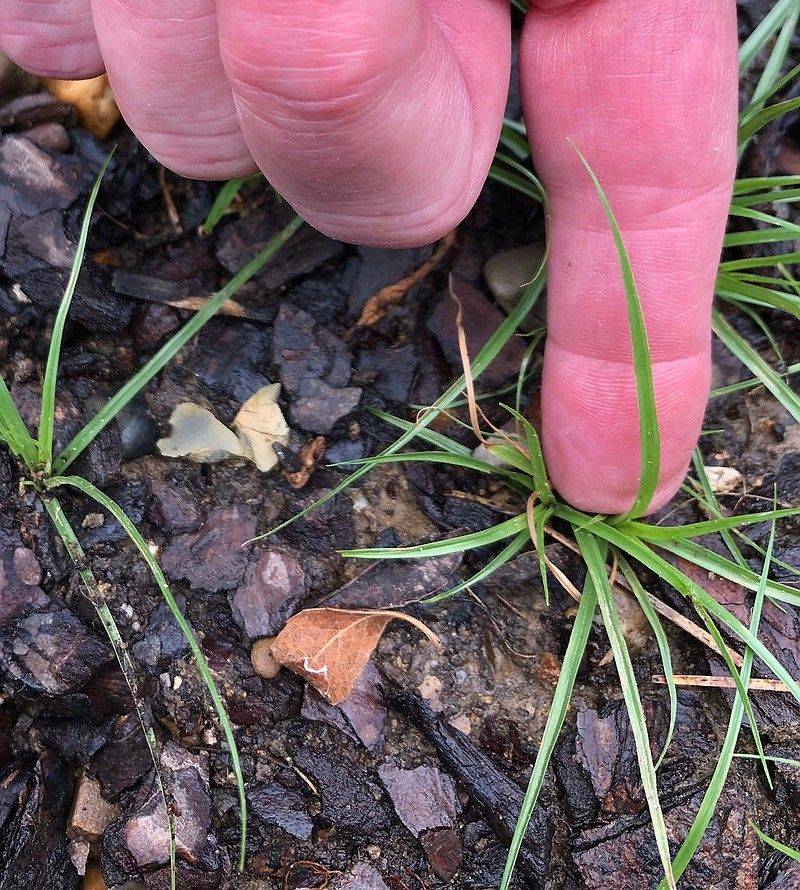
Mulching is more than just an aesthetic choice; it’s a barrier against aggressive peppervine. Spread a thick layer of wood mulch over affected areas, suffocating the vines.
This method deprives them of light, effectively stunting their growth. As you pile on the mulch, imagine each layer as a protective shield for your lawn.
Regularly replenish the mulch to maintain its effectiveness and keep your garden looking tidy.
Vinegar Solution
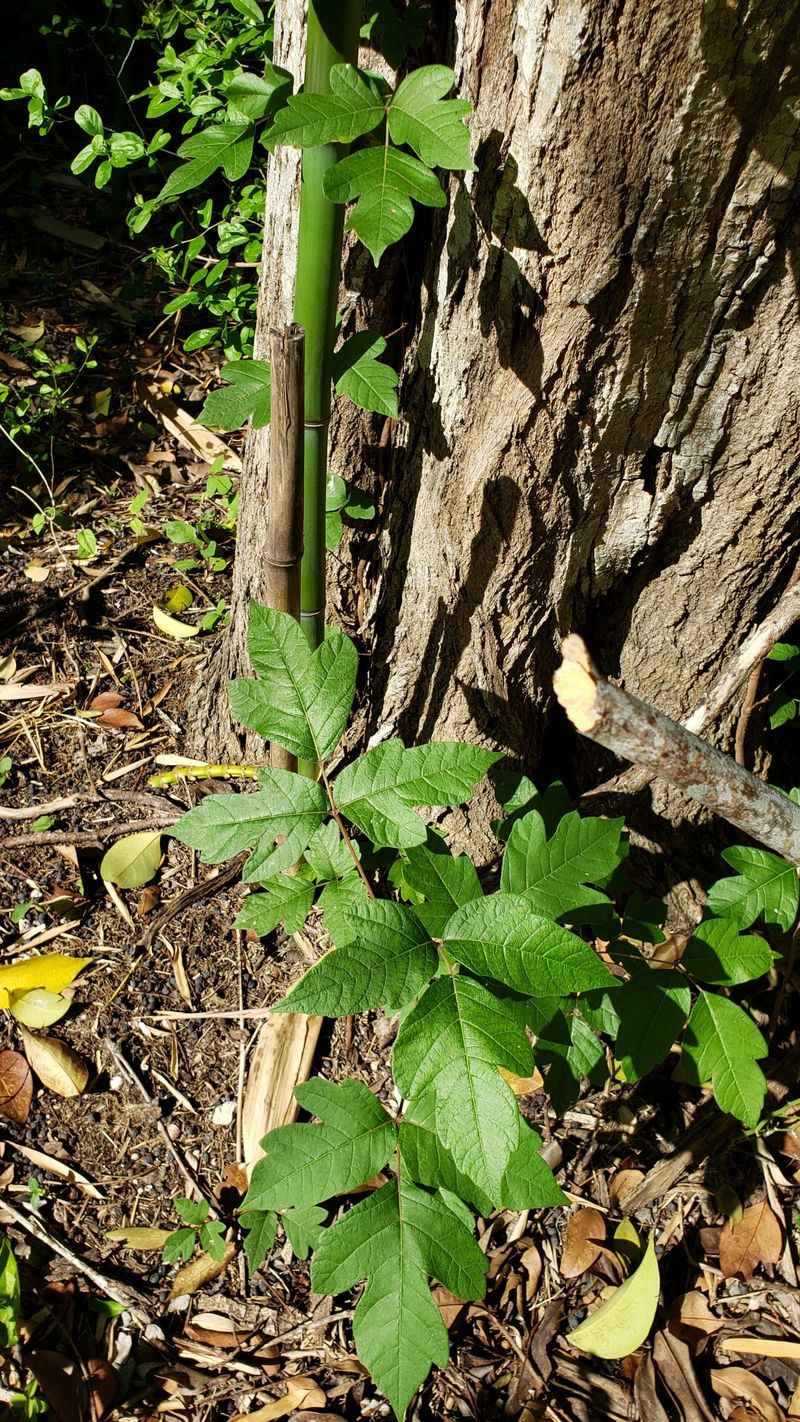
Did you know vinegar isn’t just for salads? Mix vinegar with water in a spray bottle for a natural peppervine deterrent.
This eco-friendly method is perfect for environmentally conscious gardeners. Spray generously, focusing on vine clusters.
Though it might take several applications, the natural acidity disrupts plant growth, gradually reclaiming your lawn.
Barrier Installation
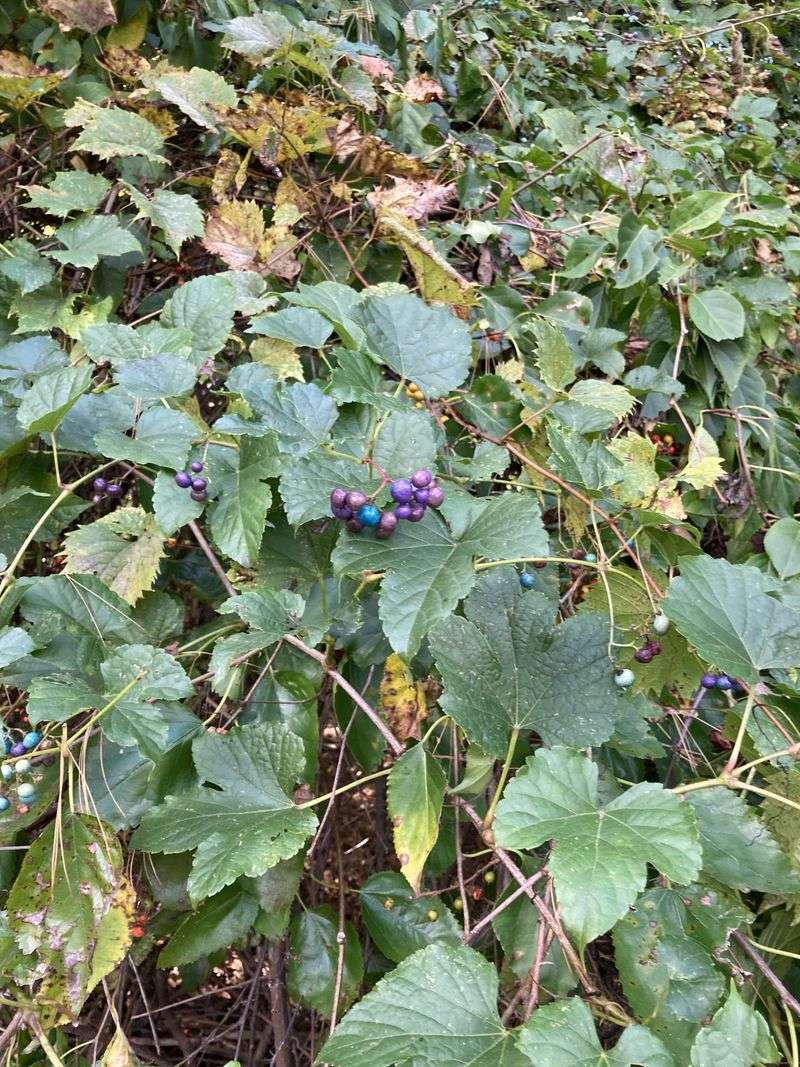
Installing a physical barrier can prevent peppervine from spreading. Metal or plastic garden edging works well.
Place the barrier underground to block creeping roots. This method is proactive, stopping the problem before it starts.
Admire the clean lines it adds to your garden, a blend of form and function that preserves your lawn’s beauty.
Introduce Natural Herbivores
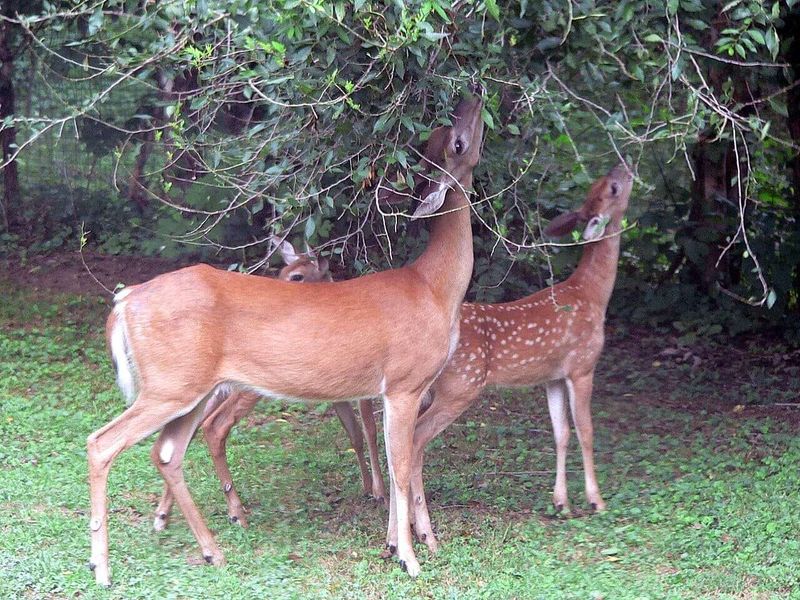
Imagine your lawn as a thriving ecosystem where natural herbivores, such as rabbits or deer, help control peppervine growth. These creatures have a knack for nibbling on the tender shoots of peppervine, naturally curbing its spread. Instead of seeing them as a nuisance, consider their role in maintaining the balance of your lawn’s plant life.
By attracting these animals, or even maintaining a small population, you harness nature’s own methods to keep peppervine in check. However, it’s essential to monitor their presence to prevent overgrazing, which could harm other desirable plants in your garden.
Use Shade Gardening
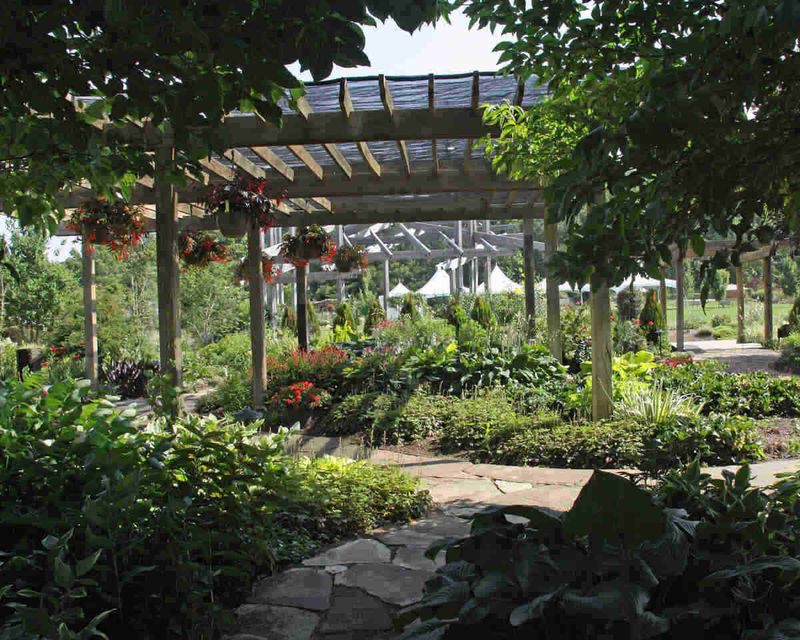
Incorporate the principles of shade gardening to suppress peppervine’s growth. Peppervine thrives in sunny locations, so by strategically planting trees or erecting structures that provide shade, you can diminish its ability to photosynthesize efficiently.
This method involves creating an environment where light is limited, making it less hospitable for peppervine. Opt for dense, fast-growing shrubs or trees that can offer the necessary shade and compete with the invasive vine. The key is to create a multi-layered canopy that not only beautifies your garden but also acts as a natural barrier.
Employ Soil Solarization
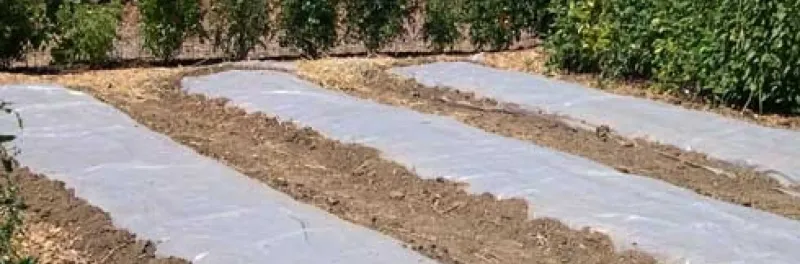
Harness the power of the sun through soil solarization. This method uses clear plastic sheets to trap solar energy, heating the soil to temperatures that can kill peppervine roots. Lay the plastic over infested areas during the hottest months for optimal results.
By elevating soil temperatures, you effectively sterilize the ground, wiping out seeds and roots of unwanted plants. It’s a chemical-free option that can rejuvenate your lawn’s health, making it an environmentally friendly choice. Ensure the plastic is secure and left in place long enough to achieve the desired effect.
Enhance Soil Health with Microbes
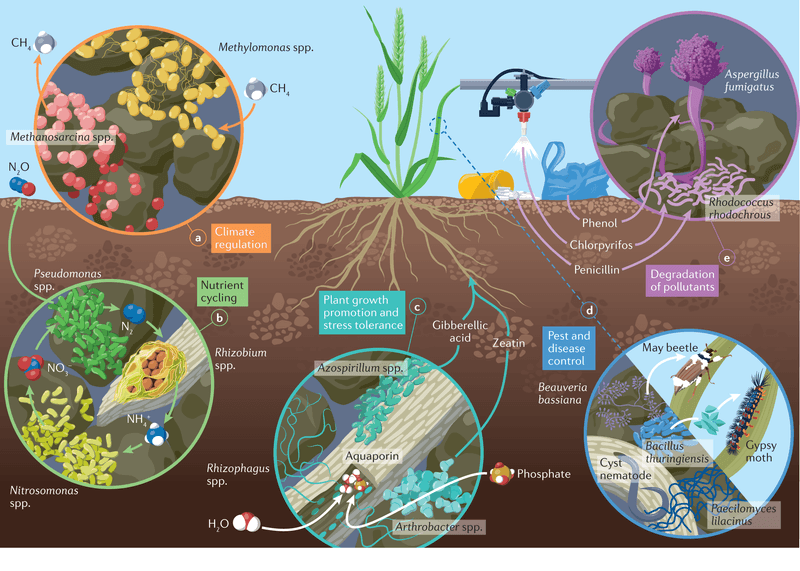
Dive into the microscopic world to battle peppervine through soil health enhancement. Beneficial microbes can be introduced to your lawn to outcompete the peppervine’s root system, promoting healthier soil.
These microbes act like tiny warriors, improving nutrient absorption and impeding the growth of invasive plants. By fostering a vibrant microbial community, you not only deter peppervine but also support the overall vitality of your lawn. Consider applying commercially available microbial inoculants to boost this natural defense mechanism.
Cultivate Competitive Groundcovers
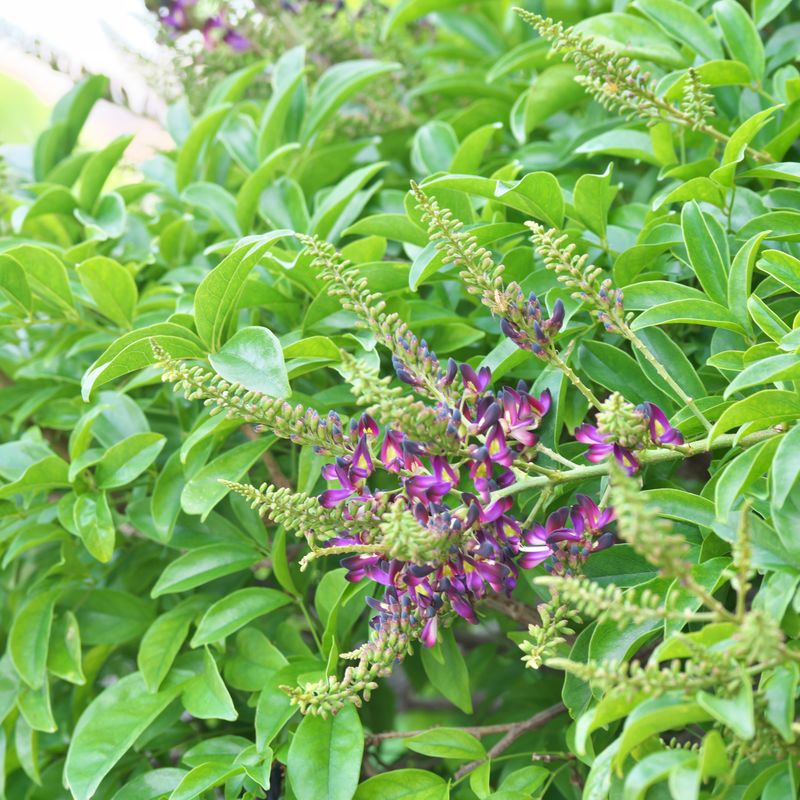
Groundcovers can be your lawn’s unsung heroes against peppervine. Select species that are not only aesthetically pleasing but also vigorous enough to compete with peppervine for resources.
By establishing a dense mat of groundcovers, you effectively crowd out peppervine, depriving it of the light and nutrients it needs to thrive. This strategy offers a dual benefit: beautifying your garden while keeping invasive species at bay. Choose groundcovers that suit your climate and soil conditions for best results.
Implement Biological Controls
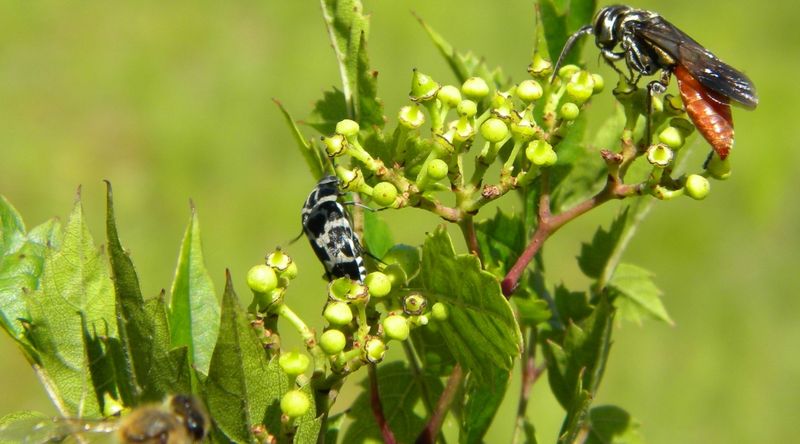
Biological controls, such as introducing specific insects or microorganisms, can effectively manage peppervine infestations. Certain beetles and fungi are known to naturally prey on or compete with peppervine.
By integrating these biological agents into your lawn care routine, you harness nature’s own pest control system. This eco-friendly approach minimizes the need for chemical interventions while maintaining your lawn’s integrity. Carefully research and select suitable biological controls to ensure compatibility with your local ecosystem.
Create a Vine-Free Perimeter
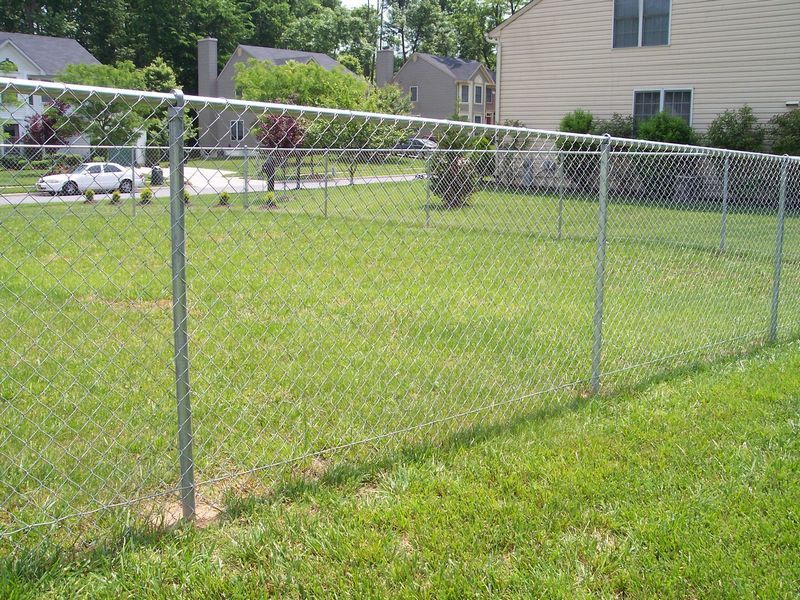
Establishing a vine-free perimeter can act as a frontline defense against peppervine encroachment. By regularly clearing and maintaining a buffer zone around your lawn, you prevent the vine from gaining a foothold.
This strategy involves routine monitoring and removal of any invading shoots in the designated area. It requires vigilance and consistent effort but can significantly reduce peppervine’s spread. A well-maintained perimeter not only protects your lawn but also enhances its overall appearance.
Install Raised Planting Beds
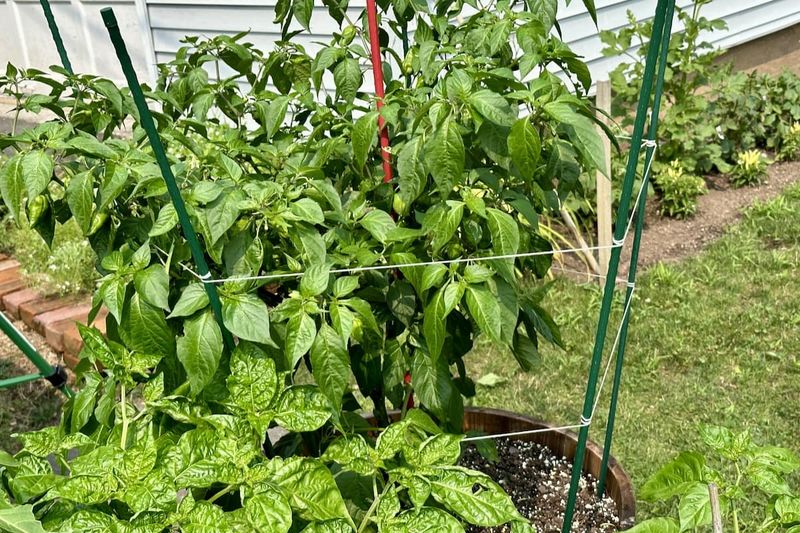
Raised planting beds offer an elevated battleground against peppervine. By planting in raised beds, you create a physical barrier that makes it more challenging for the vine to invade.
This landscaping technique allows for better control over soil quality and plant selection, giving your desired plants a competitive edge. Moreover, raised beds are visually appealing, adding texture and height to your garden. Use quality materials that provide durability and enhance the aesthetic of your outdoor space.
Utilize Cover Crops
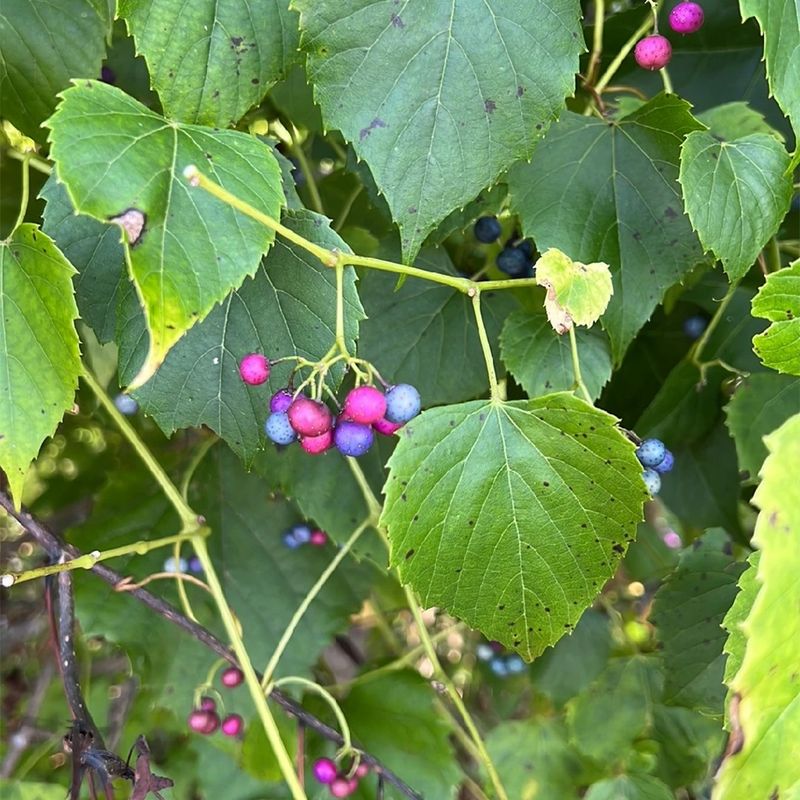
Consider planting cover crops as a living shield against peppervine. Fast-growing cover crops can smother invading vines, starving them of light and space.
These crops not only suppress peppervine but also enrich the soil with organic matter, improving its health and fertility. Select cover crops that are well-suited to your region’s climate and soil type for maximum efficiency. This sustainable method benefits both your garden’s ecosystem and your long-term lawn maintenance goals.
Encourage Beneficial Birds
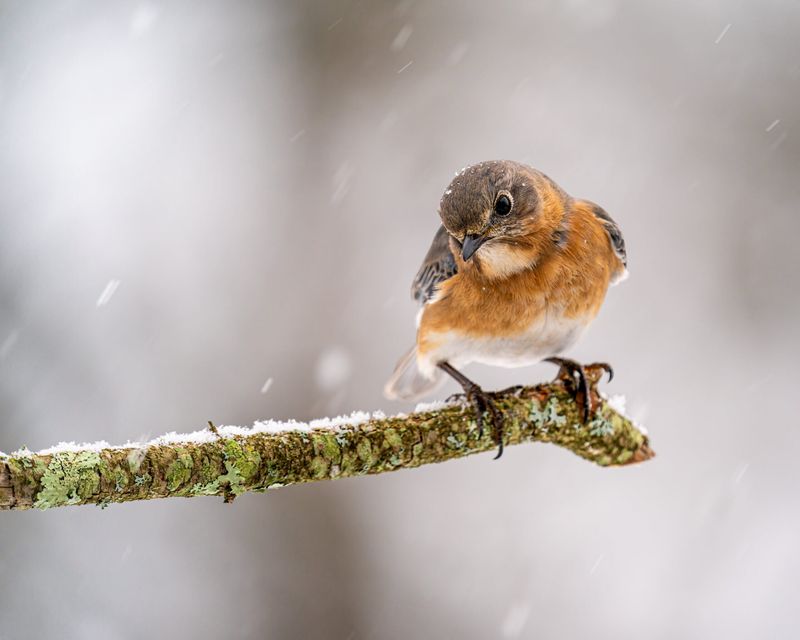
Invite feathered friends to your garden as allies in controlling peppervine. Birds that feed on peppervine seeds and insects can naturally reduce its spread.
Position bird feeders and baths to attract species that will assist in managing this invasive vine. Creating a bird-friendly environment not only contributes to peppervine control but also enhances biodiversity. Ensure that your garden offers the necessary resources to sustain these avian helpers throughout the seasons.
Incorporate Companion Planting
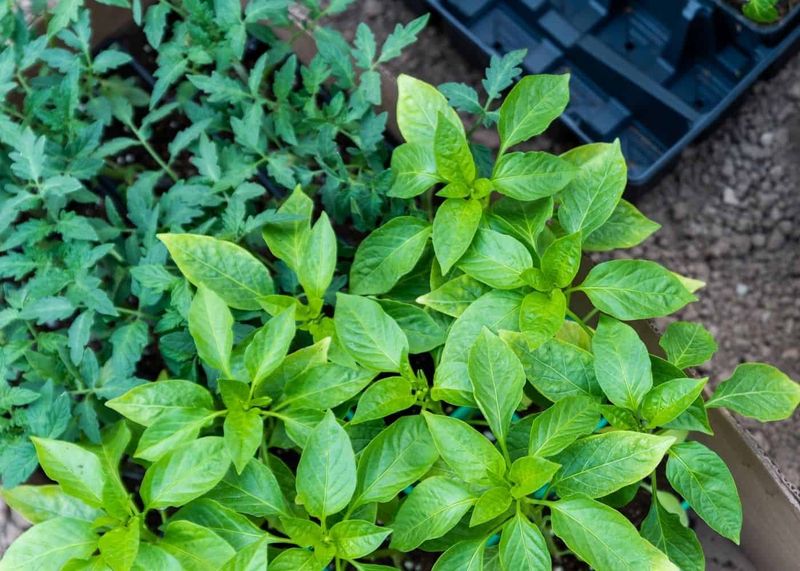
Companion planting involves the strategic arrangement of plants to enhance growth and deter pests. By selecting plants that naturally repel peppervine, you create a less hospitable environment for its growth.
Incorporate species known for their allelopathic properties, which can inhibit peppervine development. This approach supports a diverse and dynamic garden ecosystem, promoting healthier plant interactions. It’s a holistic way to manage peppervine while boosting the aesthetic and functional value of your lawn.
Encouraging Community Engagement
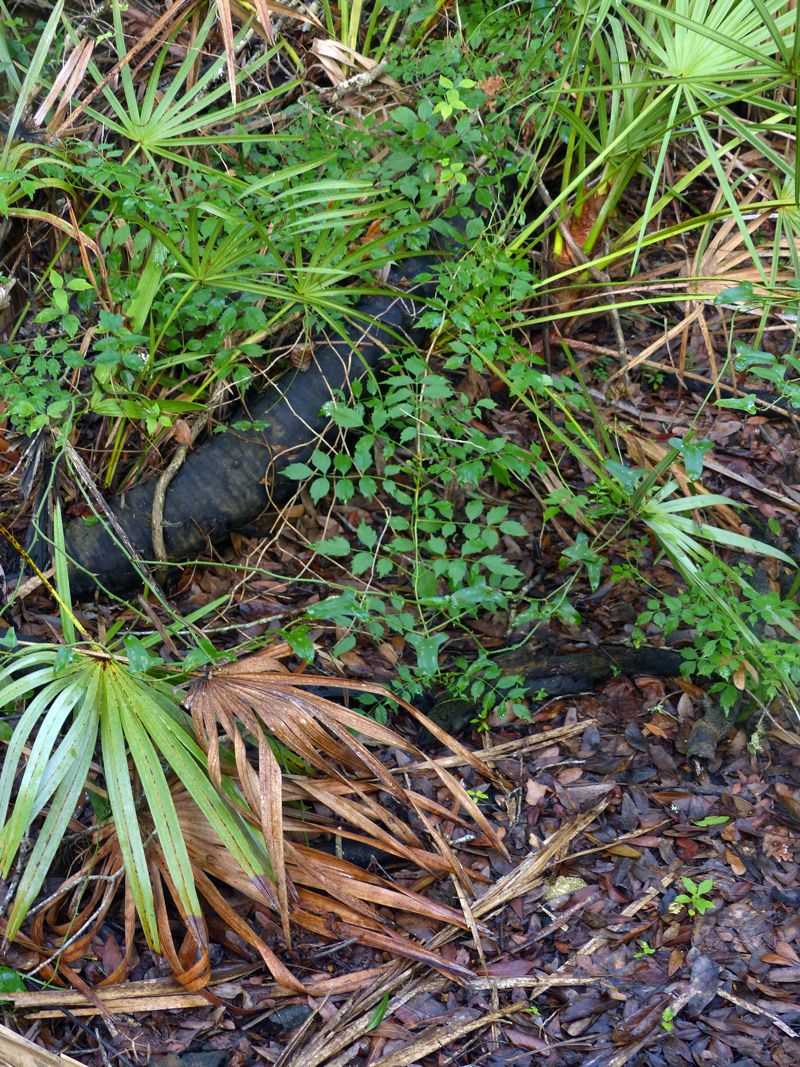
Combat peppervine with the power of community. Engaging with neighbors to collectively tackle invasive species can amplify the effectiveness of control measures.
Organize community events focused on education and removal efforts, fostering a shared sense of responsibility. This communal approach not only addresses peppervine but also strengthens neighborhood ties and enhances public spaces. Encourage participation and knowledge sharing to cultivate a collective defense against invasive plants.