 Complete Gardening
Jackfruit trees are not only known for their giant, flavorful fruits, but they also offer a sustainable alternative to meat. This tropical tree, when nurtured properly, can yield abundant harvests of versatile fruits suitable for a variety of culinary uses.
Here are twelve essential tips to help you cultivate a thriving jackfruit tree and enjoy its delicious bounty.
1. Choose the Right Location
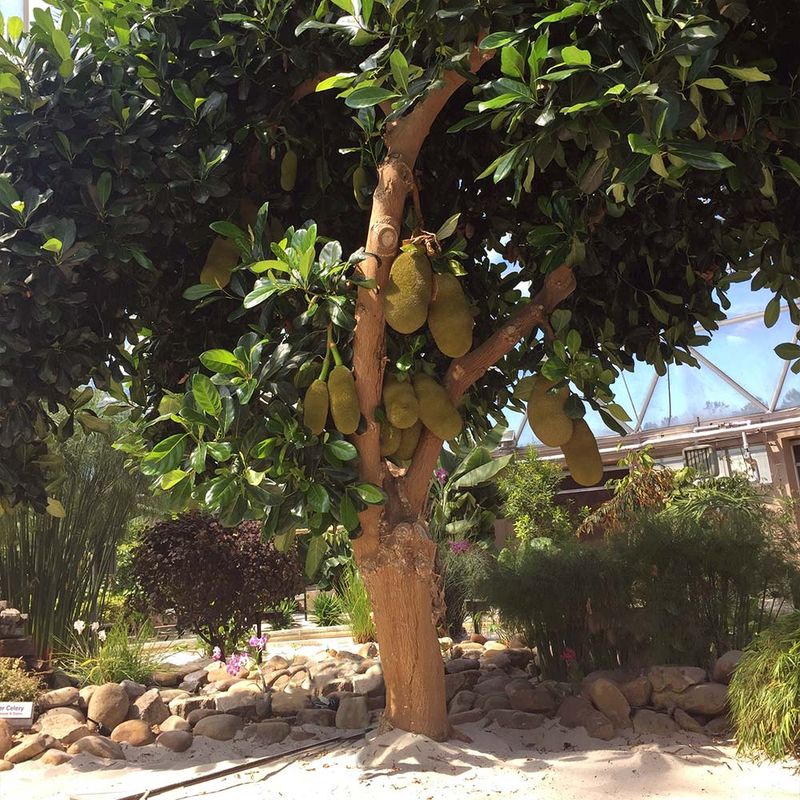
When planting a jackfruit tree, selecting the right location is crucial for its growth. Ensure the site receives ample sunlight, as jackfruit trees thrive in full sun. The soil should be fertile and well-drained, preventing waterlogging that can harm the roots.
Ideal conditions include a tropical or subtropical climate, with temperatures ranging between 20-30°C. Avoid areas prone to strong winds, as young trees can be easily damaged.
Plant your sapling at least 30 feet away from buildings or other large trees to provide enough space for its expansive canopy.
2. Prepare the Soil
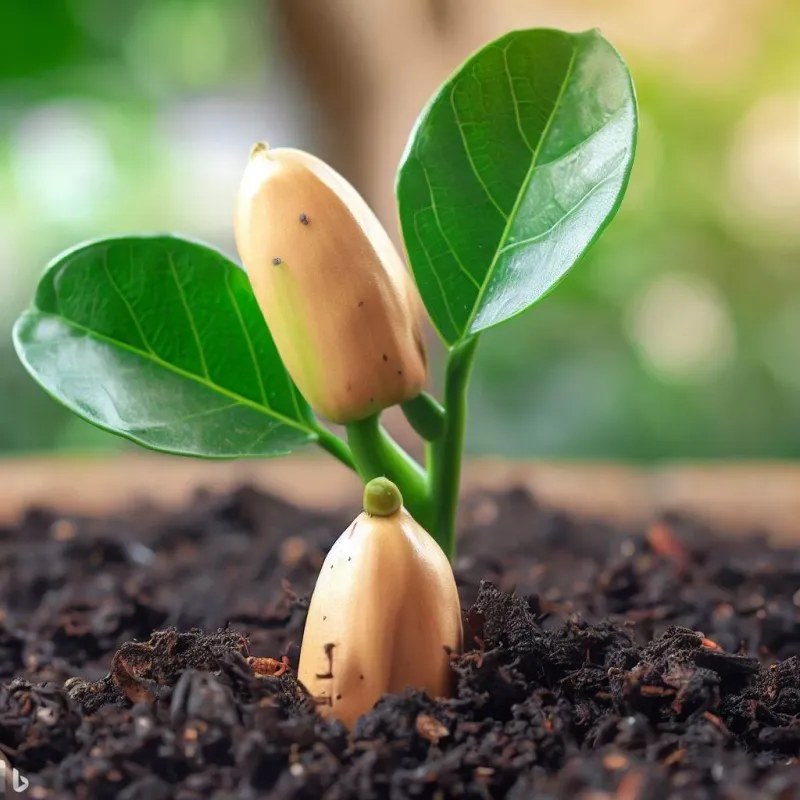
Before planting, enrich the soil with organic matter to boost fertility. Mixing compost or well-rotted manure into the ground helps improve nutrient content and soil structure.
Jackfruit trees prefer slightly acidic to neutral pH levels, around 6.0 to 7.5. Conduct a soil test to determine its current pH and amend accordingly. Ensure the soil is loose and well-aerated to promote healthy root development.
Mulching around the base of the tree retains moisture and suppresses weed growth, enhancing soil quality over time.
3. Water Consistently
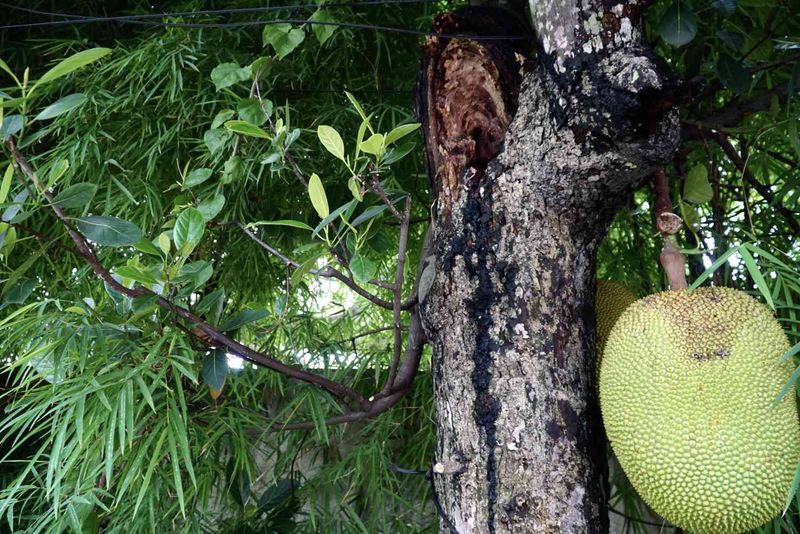
Consistent watering is key to growing a healthy jackfruit tree. During the tree’s early years, ensure it receives a deep watering once or twice a week. This encourages deep root growth and establishes drought resistance.
As the tree matures, adjust the watering schedule based on rainfall and soil moisture levels. Avoid overwatering, as this can lead to root rot. In dry seasons, increase watering frequency, ensuring the soil remains consistently moist but not waterlogged.
4. Provide Nutrients Regularly
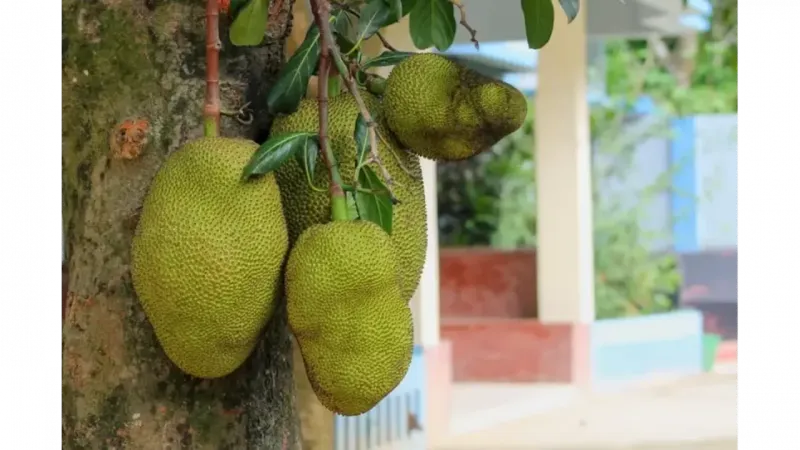
Regular feeding ensures your jackfruit tree receives essential nutrients for growth. Use a balanced fertilizer rich in nitrogen, phosphorus, and potassium every few months. Young trees benefit from additional micronutrients like magnesium and zinc.
Apply fertilizers during the growing season, avoiding late autumn applications to prevent frost damage. Observe your tree’s leaves for signs of nutrient deficiencies, such as yellowing or stunted growth, and adjust fertilization practices accordingly.
Healthy, green foliage indicates proper nutrient absorption.
5. Prune for Better Growth
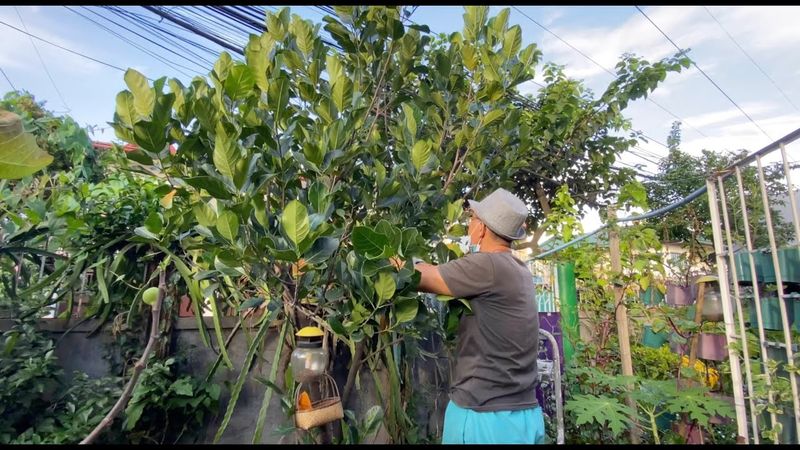
Pruning is vital in maintaining the structure and size of your jackfruit tree. Start by removing dead or diseased branches to improve air circulation and sunlight penetration.
Trim back overly long branches to encourage lateral growth and prevent the tree from becoming top-heavy. Regular pruning helps manage the tree’s height, making harvesting easier.
Perform pruning during the dormant season to minimize stress on the tree, and use clean, sharp tools to prevent disease transmission.
6. Control Pests and Diseases
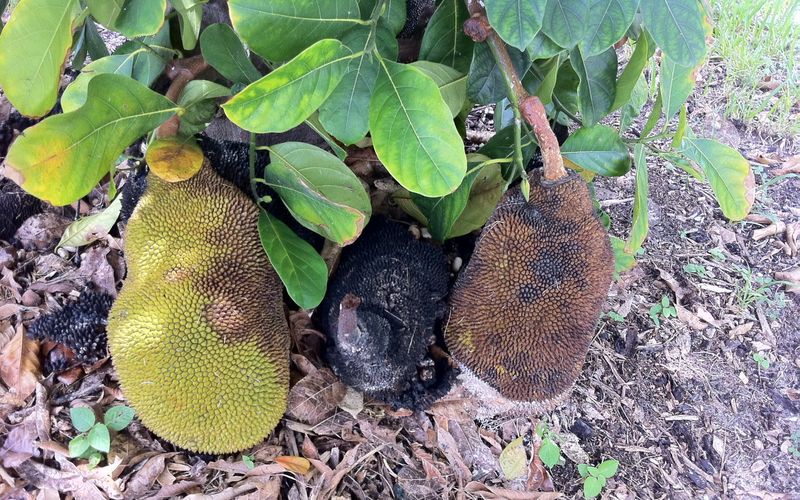
Monitoring your jackfruit tree for pests and diseases is crucial to maintaining its health. Common pests include fruit flies, aphids, and scale insects. Natural predators like ladybugs can help control these populations.
For diseases, watch for signs of fungal infections, such as leaf spots or wilting. Employ organic fungicides or neem oil to manage outbreaks. Regularly inspect the tree’s leaves and fruit for abnormalities, and maintain good garden hygiene by clearing fallen debris to reduce pest habitats.
7. Support Heavy Branches
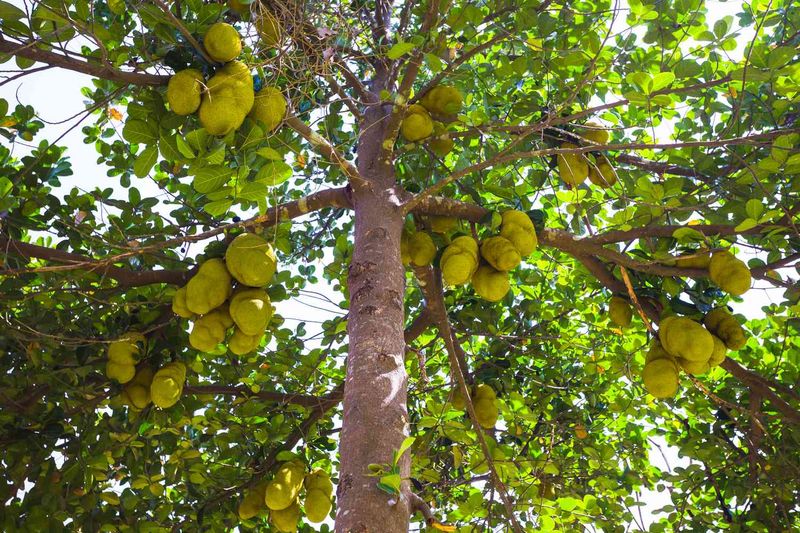
As your jackfruit tree matures, its branches may become laden with heavy fruit. To prevent breakage, provide support using wooden stakes or tree ties. Position these supports strategically under the heaviest branches, ensuring they are secure but not damaging to the bark.
Regularly check the supports for wear and replace them as needed. This proactive approach helps maintain tree structure and prevents the loss of fruit due to broken branches. Supporting branches can also enhance fruit quality by allowing better light exposure.
8. Protect from Frost
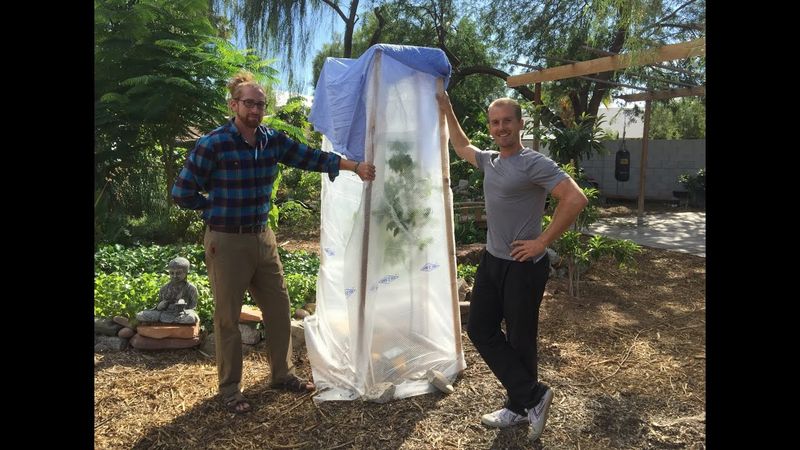
Although jackfruit trees flourish in warm climates, they can be vulnerable to frost damage. In regions where temperatures occasionally drop, take measures to protect your tree. Use frost cloths or burlap to wrap young trees during cold snaps, especially at night.
Mulch heavily around the base to insulate roots. For additional protection, consider installing windbreaks or using anti-transpirants. Prompt action during frost warnings can prevent irreversible damage and ensure your tree continues to thrive.
9. Pollinate for Larger Fruits
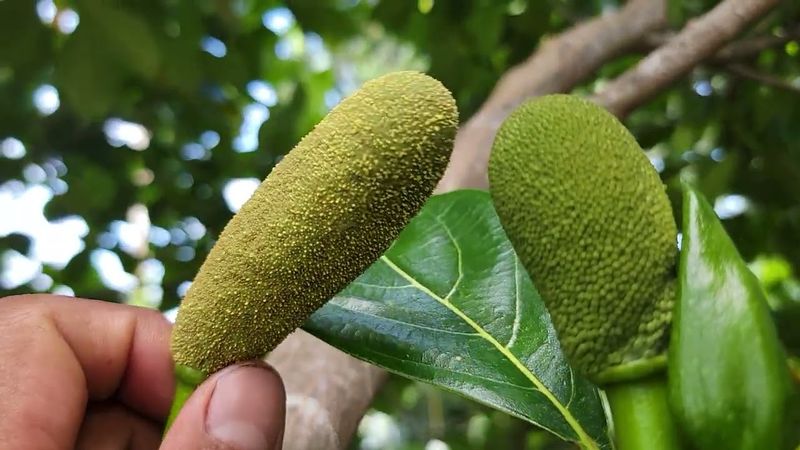
Jackfruit trees have flowers that require pollination to set fruit. Enhance natural pollination by attracting bees with companion plants like marigolds or sunflowers. In areas with low bee activity, consider hand-pollinating flowers using a small brush to transfer pollen.
This method increases fruit size and yield. Perform pollination in the morning when the flowers are receptive. Regular practice of hand-pollination can significantly boost your harvest, resulting in larger, more plentiful fruits ideal for culinary uses.
10. Harvest at the Right Time
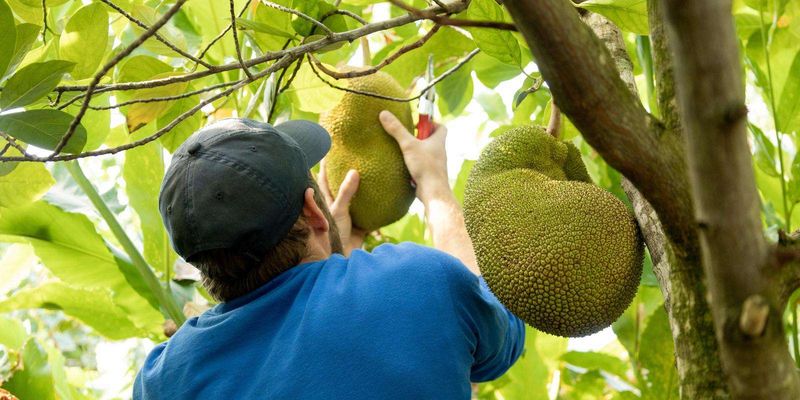
Timing is essential when harvesting jackfruit to ensure peak sweetness and flavor. Look for signs of ripeness, such as a change in skin color to yellow or a sweet aroma. The fruit should emit a hollow sound when tapped.
Use a sharp knife to cut the stalk, taking care to support the fruit’s weight. Wear gloves to handle the sticky latex. Harvesting at the right time not only enhances taste but also prevents damage from overripe fruit falling. Enjoy freshly harvested jackfruit as a delicious meat substitute in various dishes.
11. Utilize Companion Planting
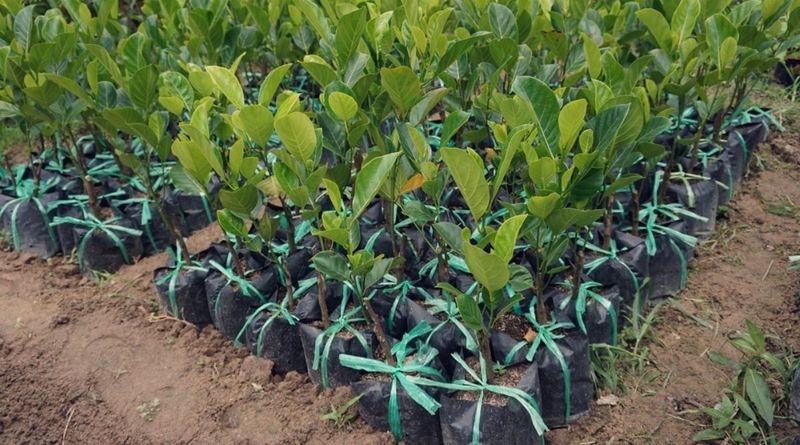
Companion planting can boost the health and yield of your jackfruit tree. Planting marigolds nearby deters nematodes and attracts pollinators. Beans can enrich the soil with nitrogen, a vital nutrient for jackfruit growth.
Consider growing herbs like basil or mint to repel pests naturally. This biodiverse approach creates a balanced ecosystem that supports tree health. Rotate companion plants to prevent soil depletion and encourage robust growth.
Companion planting not only benefits the jackfruit tree but also enhances the overall garden productivity.
12. Enjoy the Culinary Versatility
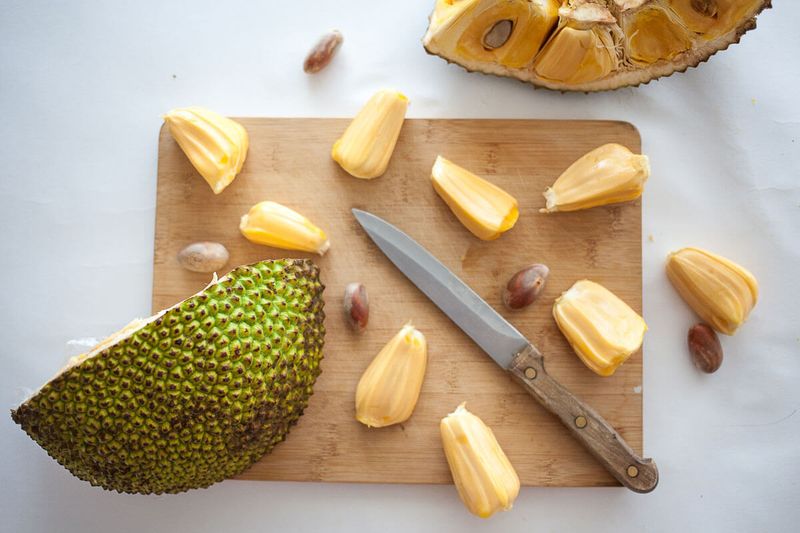
Once harvested, jackfruit offers a myriad of culinary possibilities. Its texture makes it an excellent meat substitute, ideal for vegans and vegetarians. Use young jackfruit in savory dishes, shredding it to mimic pulled pork or chicken.
Ripe fruit can be used in desserts or smoothies, providing a sweet, tropical flavor. Experiment with different recipes to discover the versatility of jackfruit.
Proper storage involves refrigeration or freezing to extend shelf life. Incorporating jackfruit into your diet not only adds variety but also offers nutritional benefits like fiber and vitamins.