 Complete Gardening
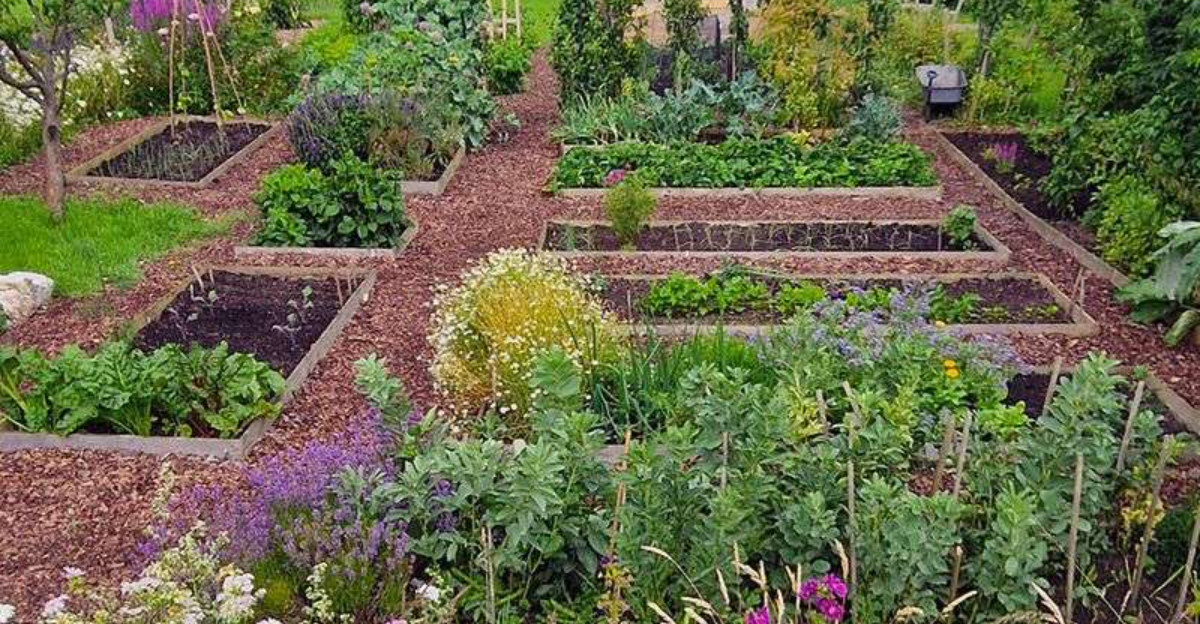
Vermont’s cool climate presents unique challenges and opportunities for gardeners. With shorter growing seasons and the risk of frost, it’s crucial to choose the right vegetables and employ effective techniques to ensure a bountiful harvest. This guide will walk you through ten essential strategies to cultivate a successful vegetable garden in Vermont, from selecting frost-resistant plants to maximizing soil health.
1. Embracing Frost-Resistant Vegetables
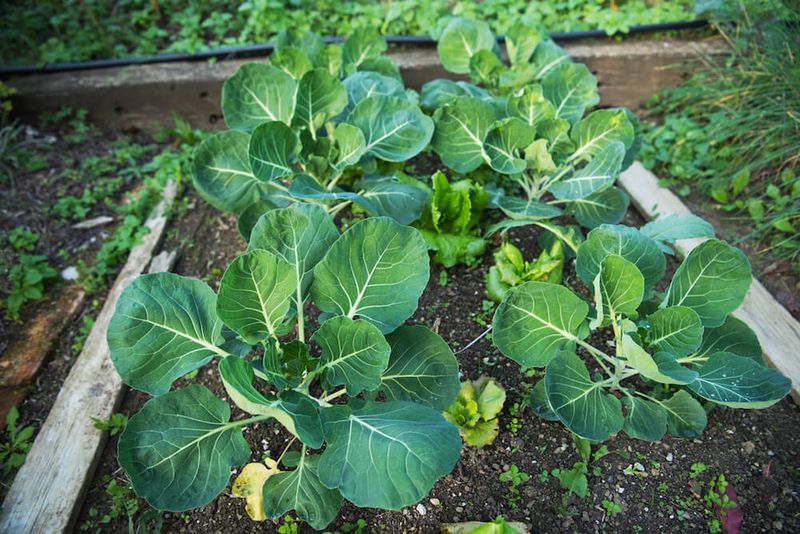
Choosing the right vegetables is crucial in Vermont’s cool climate. Frost-resistant vegetables, such as kale and Brussels sprouts, are your best allies. These hardy plants can withstand colder temperatures, making them ideal for early spring or late fall planting. Have you ever wondered why these vegetables thrive in cooler weather? The secret lies in their ability to convert starches into sugars, acting as a natural antifreeze.
Imagine walking through a garden on a crisp spring morning, the air filled with the earthy scent of fresh greens. Kale leaves glisten with dew, showcasing their resilience in the face of frosty conditions. This characteristic makes them not only sustainable but also nutritious, offering a rich supply of vitamins and minerals.
When planning your garden, consider the layout to maximize sunlight exposure while protecting plants from harsh winds. With careful selection and strategic placement, frost-resistant vegetables will reward you with a vibrant and productive garden, even in Vermont’s unpredictable weather.
2. Optimizing Soil Health with Composting
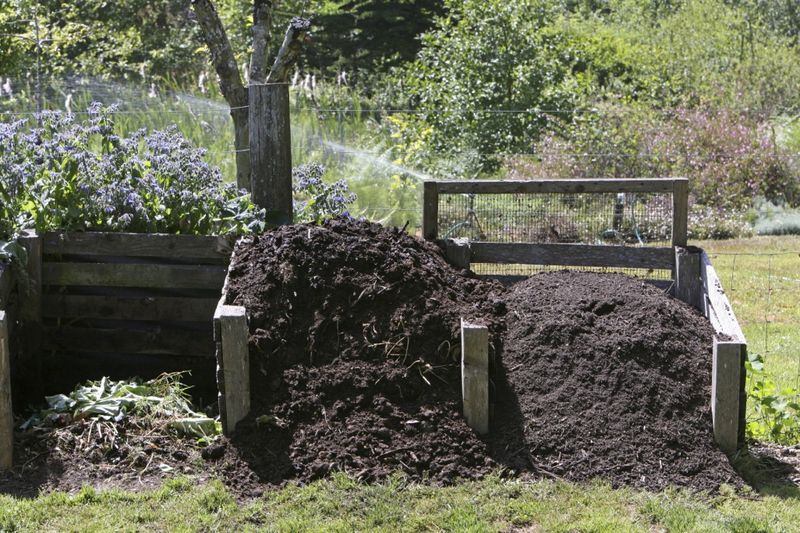
In Vermont, where the soil can be less than ideal, composting emerges as an indispensable practice for successful gardening. By recycling organic waste into nutrient-rich compost, gardeners can significantly enhance soil fertility.
Picture a gardener diligently turning a compost pile, surrounded by buckets of kitchen scraps and yard waste. The transformation of these materials into dark, crumbly compost is not just a science but an art. This organic matter improves soil structure, increases water retention, and provides essential nutrients to plants.
Composting can be a year-round activity, crucial in preparing robust soil ready for planting come spring. The process also reduces reliance on chemical fertilizers, promoting a more sustainable gardening approach. As autumn leaves fall, they become a valuable addition to the compost pile, ensuring a steady supply of the rich, black gold that Vermont gardens thrive on.
3. Implementing Season Extenders
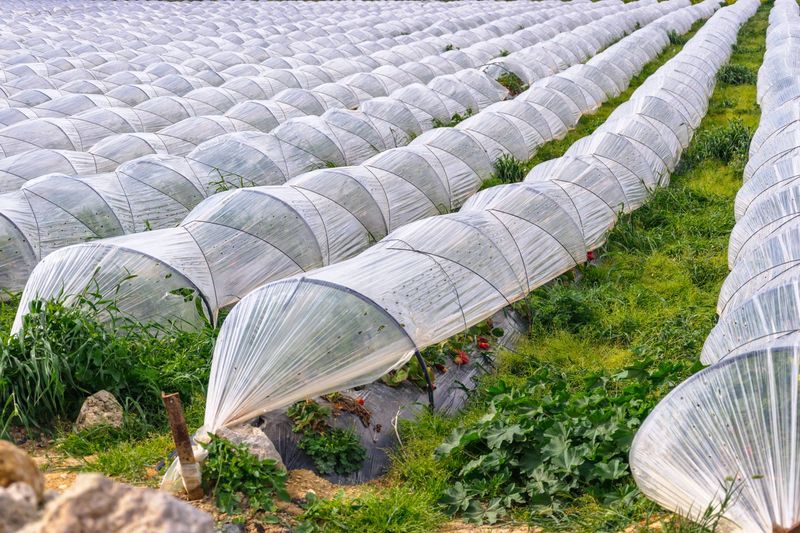
In the unpredictable Vermont climate, season extenders are a gardener’s best friend. These tools, such as row covers and cold frames, can significantly prolong the growing season by protecting plants from unexpected frosts.
Imagine a vegetable garden on a chilly Vermont evening, row covers gently draped over tender seedlings. This simple measure can mean the difference between a thriving plant and a frost-bitten disappointment. Row covers trap heat and moisture, creating a microclimate that fosters growth.
Cold frames provide another layer of protection, acting as mini-greenhouses that shield plants while allowing sunlight to penetrate. By using season extenders, gardeners can start planting earlier in the spring and enjoy fresh produce well into the fall. It’s a strategic way to maximize yield and ensure a continuous supply of fresh, home-grown vegetables.
4. Selecting the Right Plant Varieties
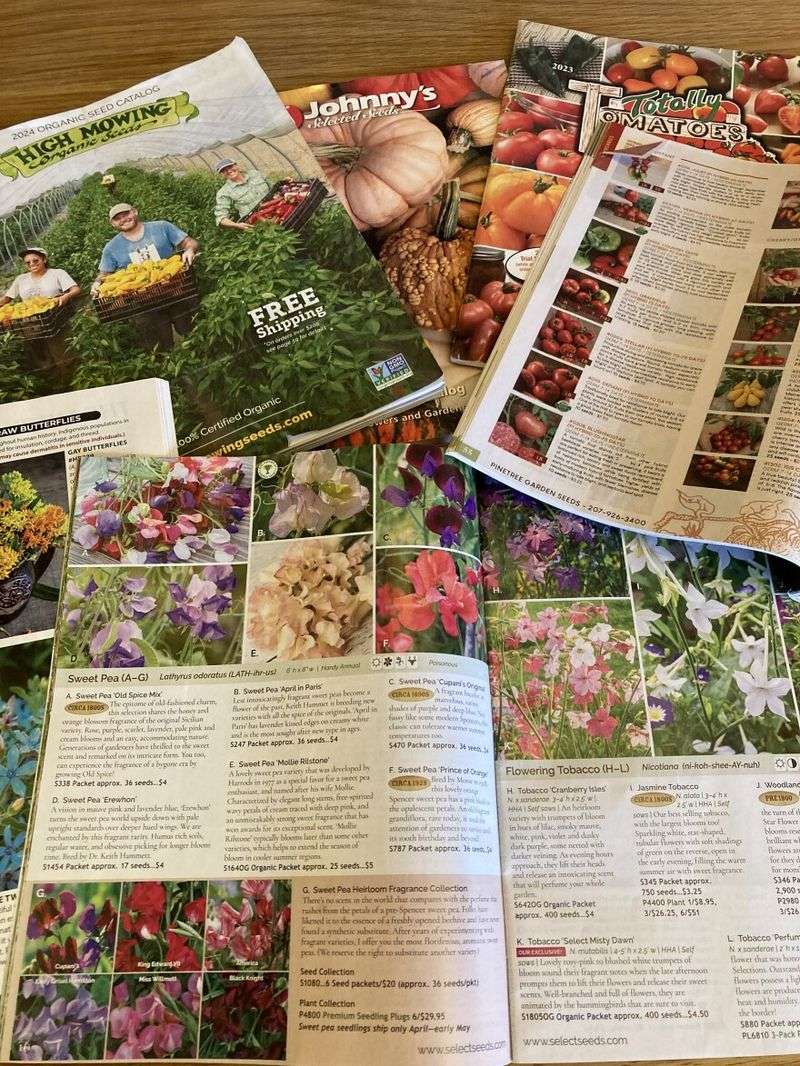
The choice of plant varieties is pivotal in Vermont’s unpredictable climate. Selecting cold-hardy varieties can make all the difference. Have you ever flipped through a seed catalog, looking for the perfect match for your garden’s unique conditions?
Consider varieties bred specifically for cooler climates, such as ‘Green Mountain’ potatoes or ‘Vermont Cranberry’ beans. These varieties have been developed to withstand lower temperatures and shorter growing seasons. By choosing these specialized plants, gardeners can ensure a better chance of success.
Browsing through a vibrant seed catalog can be an exciting experience, filled with possibilities for your garden. Each page turned is a step closer to a fruitful harvest, even in Vermont’s challenging environment. Make the most of your garden by selecting the right varieties from the start.
5. Practicing Crop Rotation
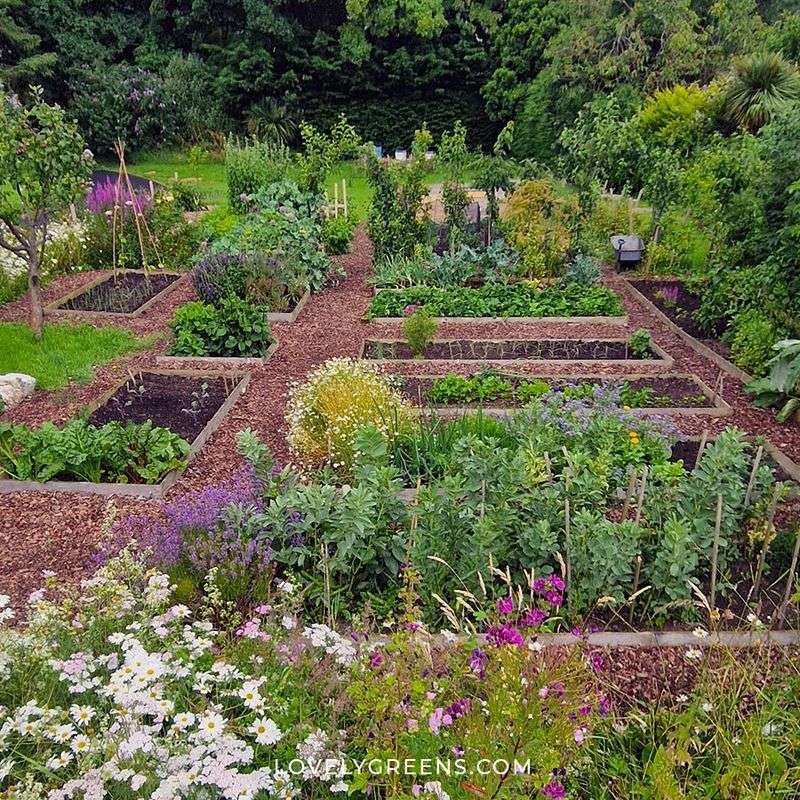
Crop rotation is a time-honored practice that can greatly benefit a Vermont vegetable garden. By changing the location of plant families each season, gardeners can prevent soil depletion and manage pests more effectively.
Consider a diagram depicting a well-organized garden, where tomatoes, beans, and leafy greens rotate through different beds each year. This method not only disrupts pest cycles but also ensures that nutrients are used efficiently.
The practice of crop rotation can seem daunting at first, but once understood, it becomes a vital tool in maintaining a healthy garden ecosystem. By keeping the soil fertile and reducing pest pressures, gardeners can enjoy a bountiful harvest year after year.
6. Utilizing Raised Beds for Better Drainage
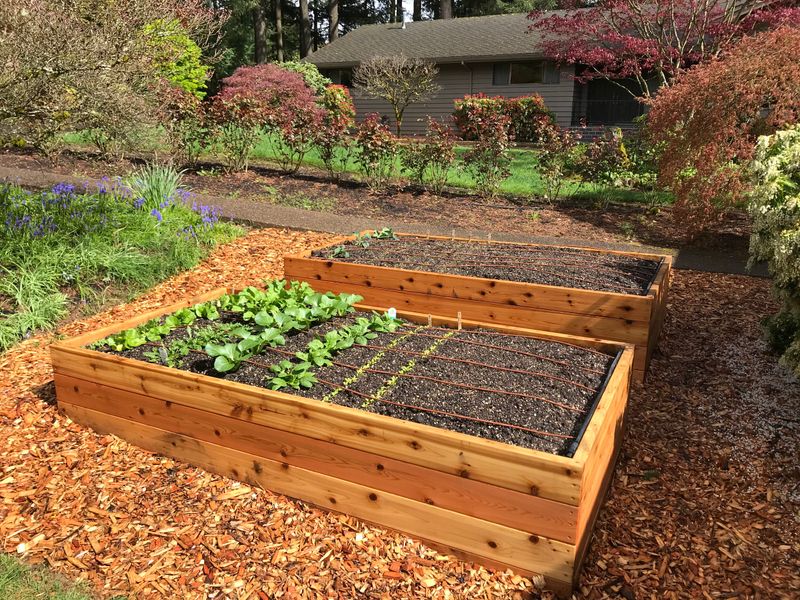
Raised beds offer a practical solution for Vermont gardeners dealing with poor drainage and cold soil temperatures. By elevating the soil, raised beds improve drainage and warm up faster in the spring, providing a jumpstart for plant growth.
Picture a garden filled with neatly arranged raised beds, each brimming with vibrant vegetable plants. The elevation allows excess water to drain away quickly, preventing root rot and other moisture-related issues.
Moreover, raised beds can be filled with high-quality soil, tailored to specific plant needs. This customization helps in creating optimal growing conditions, leading to healthier and more productive plants. For Vermont gardeners, raised beds are not just a trend but a reliable method to overcome the state’s challenging gardening conditions.
7. Employing Mulching Techniques
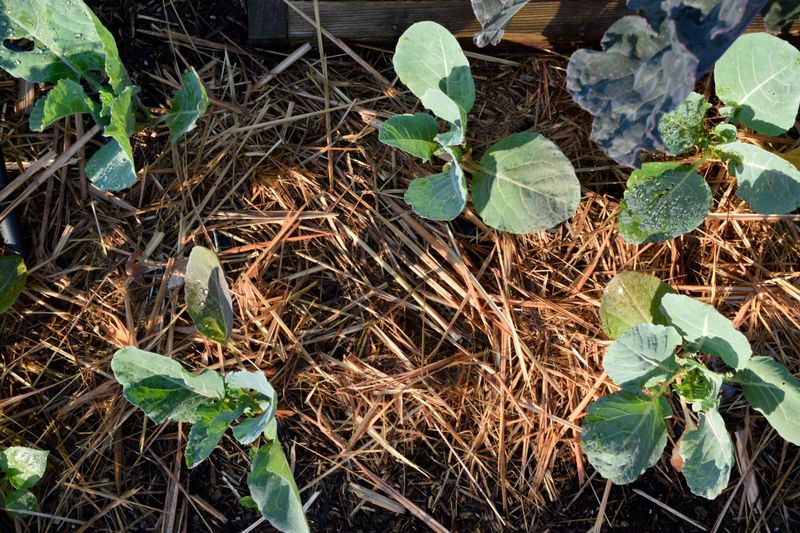
Mulching is an essential technique for gardeners in Vermont’s cool climate. A thick layer of mulch helps conserve moisture, suppress weeds, and regulate soil temperature, all of which contribute to a thriving garden.
Visualize a garden path lined with straw or wood chips, the mulch creating a cozy blanket over the soil. This layer acts as a barrier against the elements, keeping the soil warm and moist, even during cooler spells.
Applying mulch not only aids in moisture retention but also adds organic matter to the soil as it breaks down. This process enhances soil health and fertility over time. For Vermont gardeners, mulching is a simple yet effective way to tackle some of the most common gardening challenges.
8. Incorporating Companion Planting
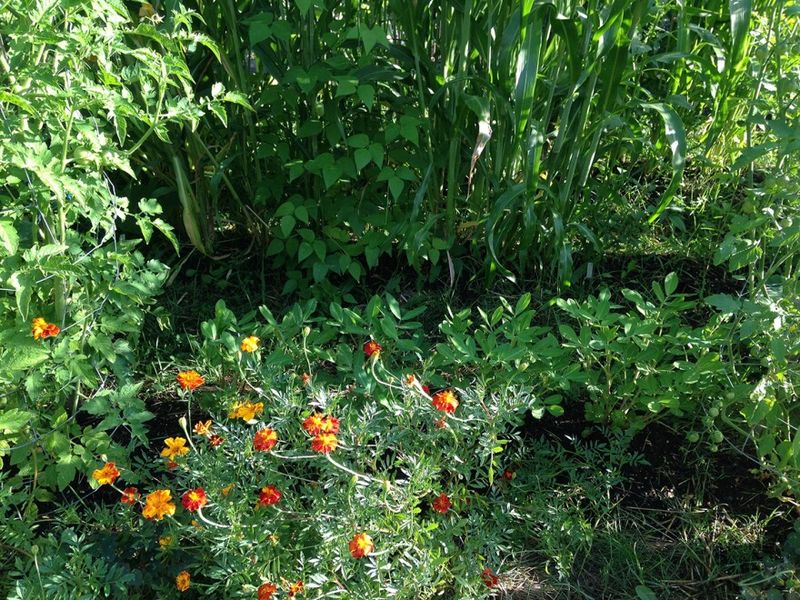
Companion planting is a strategy that can enhance the productivity and health of a vegetable garden. By pairing complementary plants together, gardeners can naturally deter pests and encourage growth.
Imagine a vibrant Vermont garden where marigolds bloom alongside tomato plants, their scents mingling in the air. This combination not only adds beauty but also repels harmful insects, allowing the tomatoes to thrive.
The concept of companion planting is rooted in the idea that certain plants have beneficial relationships. Understanding these relationships can lead to a more harmonious garden environment, reducing the need for chemical interventions. In Vermont, where sustainability is key, companion planting is a valuable technique for any gardener looking to maximize their efforts.
9. Ensuring Adequate Watering Practices
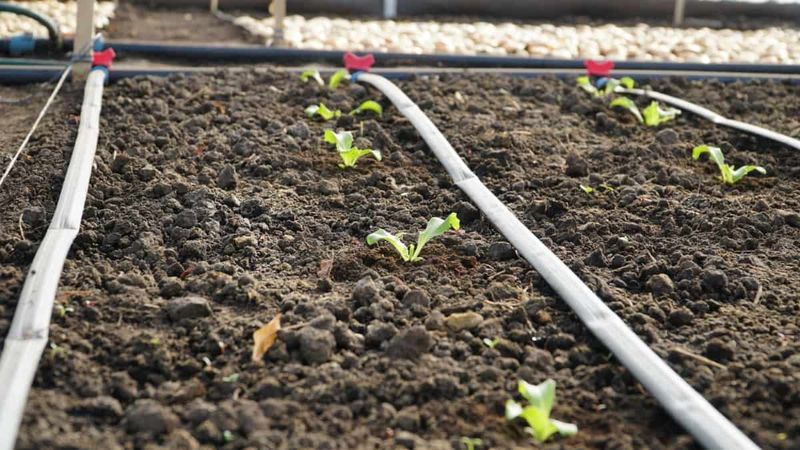
In Vermont, where water conservation is important, adopting efficient watering practices is crucial. Drip irrigation systems offer a practical solution by delivering water directly to the plant roots, minimizing waste.
Envision a gardener carefully laying out a network of drip lines, each one snaking through rows of lush vegetable plants. This method ensures that every drop counts, promoting healthy growth without over-watering.
Proper watering is not just about quantity but also timing. Early morning or late evening watering helps reduce evaporation, ensuring that plants receive the maximum benefit. For Vermont gardeners, precision in watering practices is key to maintaining a thriving garden throughout the growing season.
10. Engaging with the Local Gardening Community
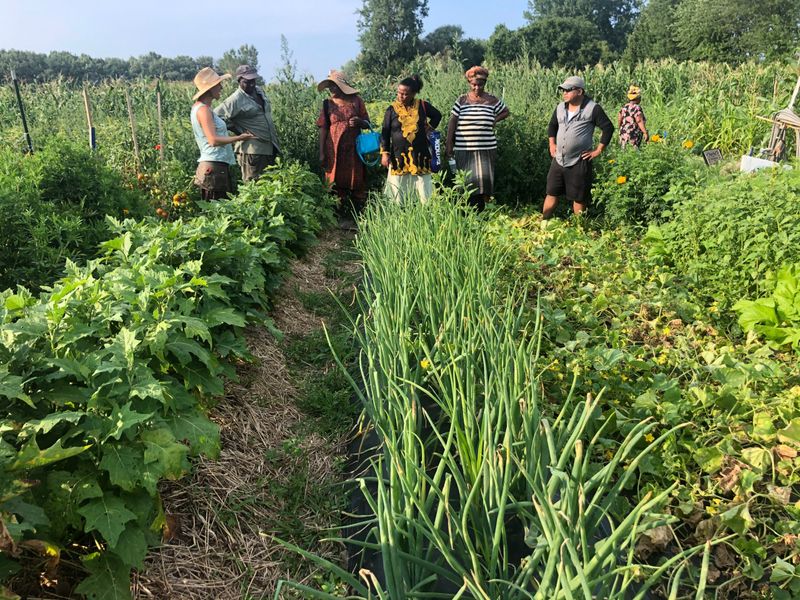
Gardening doesn’t have to be a solitary activity. In Vermont, connecting with the local gardening community can provide valuable insights and support. By sharing experiences and tips, gardeners can enhance their skills and overcome common challenges.
Picture a gathering of gardeners, tools in hand, exchanging stories and advice as they work together in a community garden. This collaboration not only fosters a sense of camaraderie but also opens up opportunities to learn from others.
Engaging with the community can lead to new friendships and provide access to shared resources, such as seeds and tools. For anyone looking to improve their gardening techniques, tapping into Vermont’s vibrant gardening community is a rewarding step that can lead to a more successful and enjoyable gardening experience.