 Complete Gardening
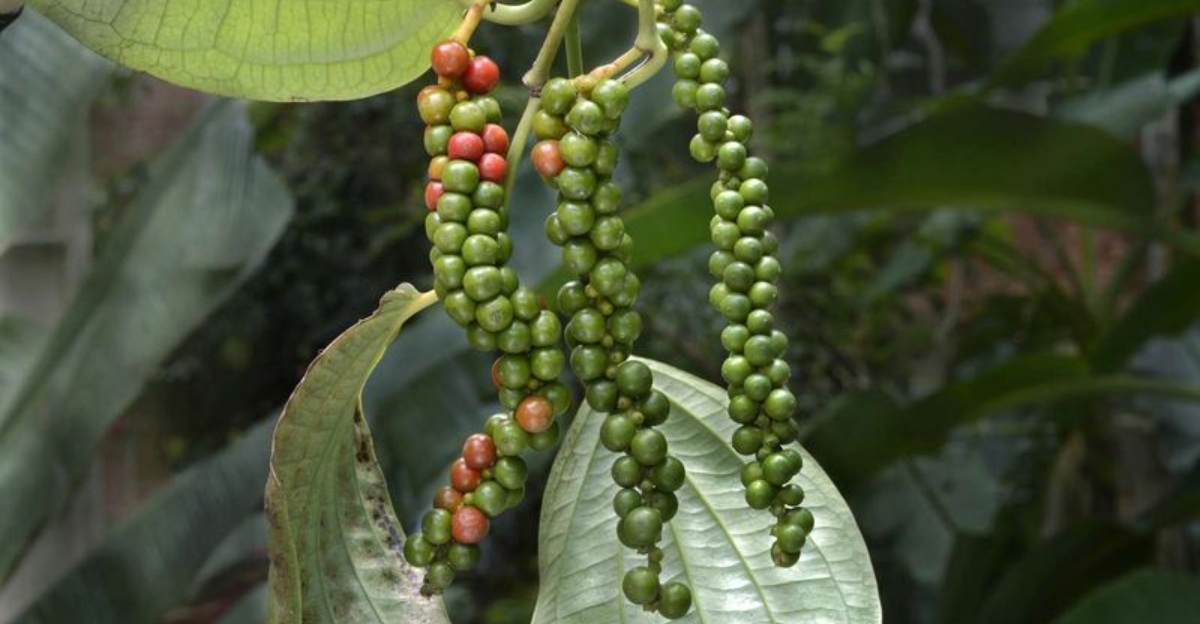
Growing potted black pepper vines is an exciting and rewarding endeavor. With the right care, you can enjoy fresh, homegrown peppercorns year-round.
This guide will walk you through 13 essential tips to ensure your black pepper plant thrives.
1. Choose the Right Variety
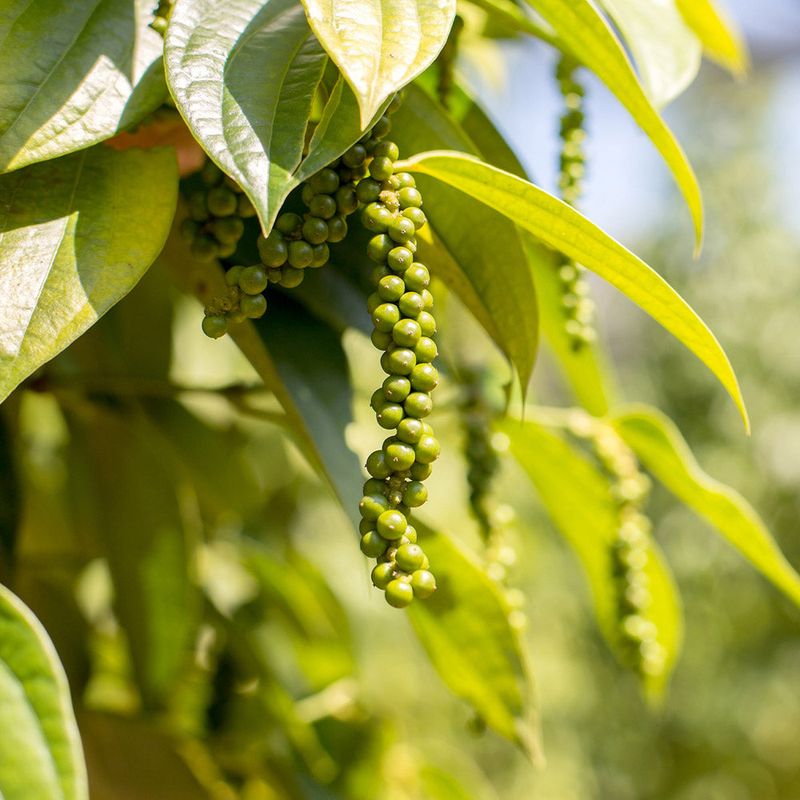
Begin your black pepper journey by selecting the true Piper nigrum variety. While it can be tempting to pick an ornamental variety, true black pepper offers the aromatic spice we all cherish. Verify plant labels carefully!
Did you know? Piper nigrum originated in India and has been a coveted spice for centuries. Its rich history adds a touch of intrigue to your kitchen garden.
2. Give It Bright, Indirect Light
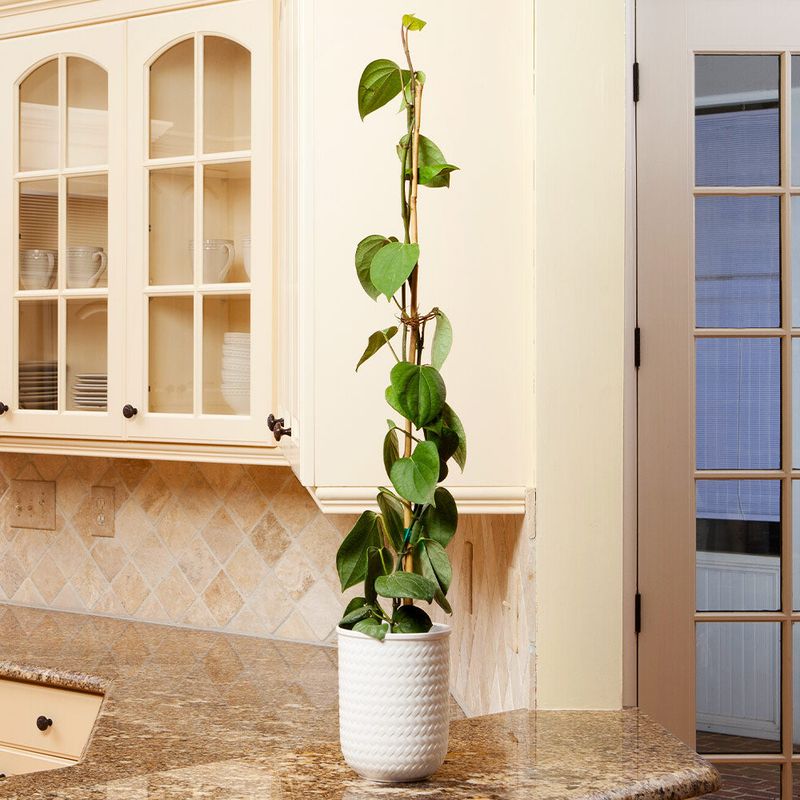
Imagine your pepper plant basking in the glow of filtered sunlight near a window. Embrace partial shade and avoid harsh midday sun to protect its delicate leaves.
Indoor growers should place their peppers near east or south-facing windows. Balance is key, much like savoring the perfect cup of tea—just enough to invigorate, not overwhelm.
3. Maintain Warm Temperatures
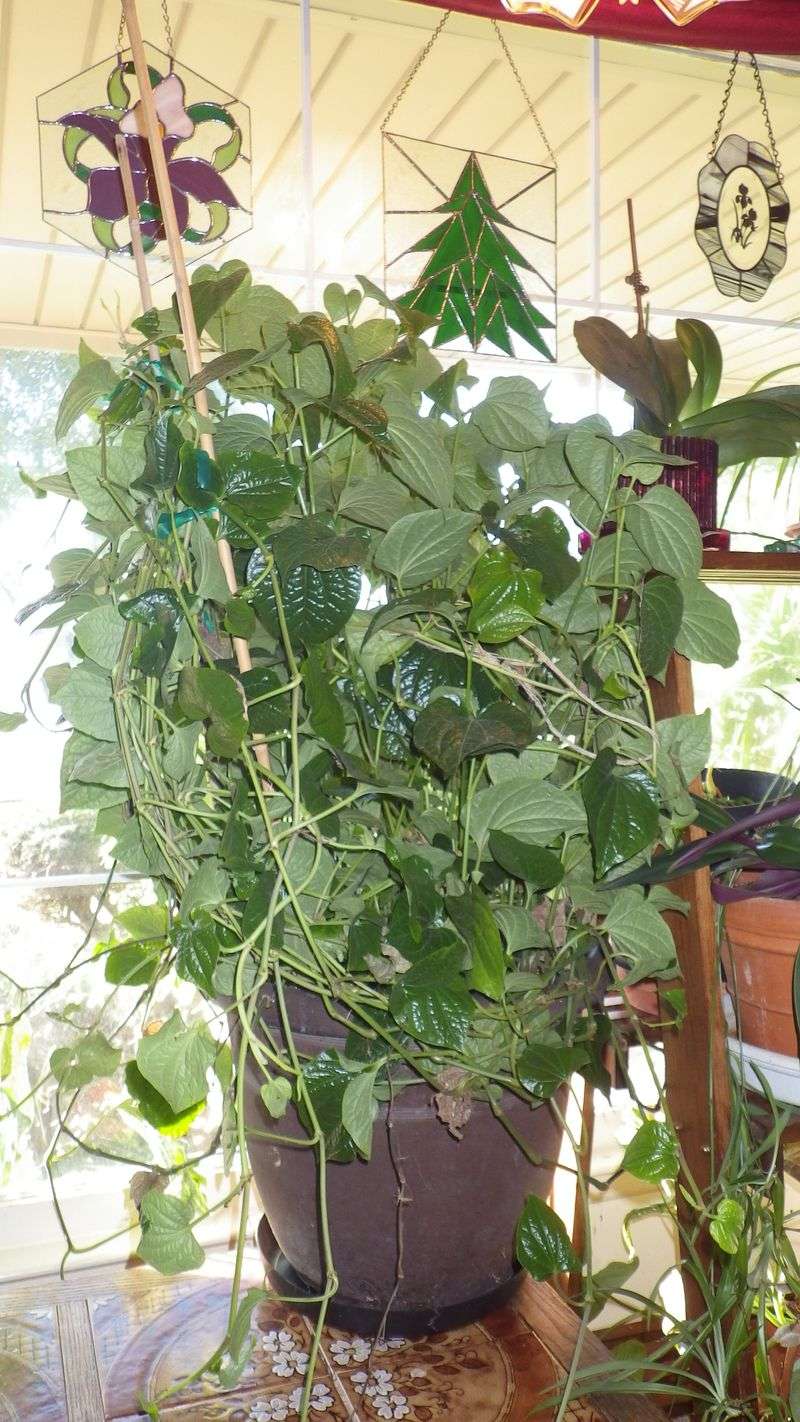
Tropical warmth is the secret ingredient for thriving black pepper vines. Keep temperatures between 75–85°F (24–29°C) to replicate its natural habitat.
Avoid cold drafts! Your pepper plant, much like a tropical vacation, craves warmth and sunshine year-round. A cozy home ensures happy, productive peppercorns.
4. Keep Soil Consistently Moist
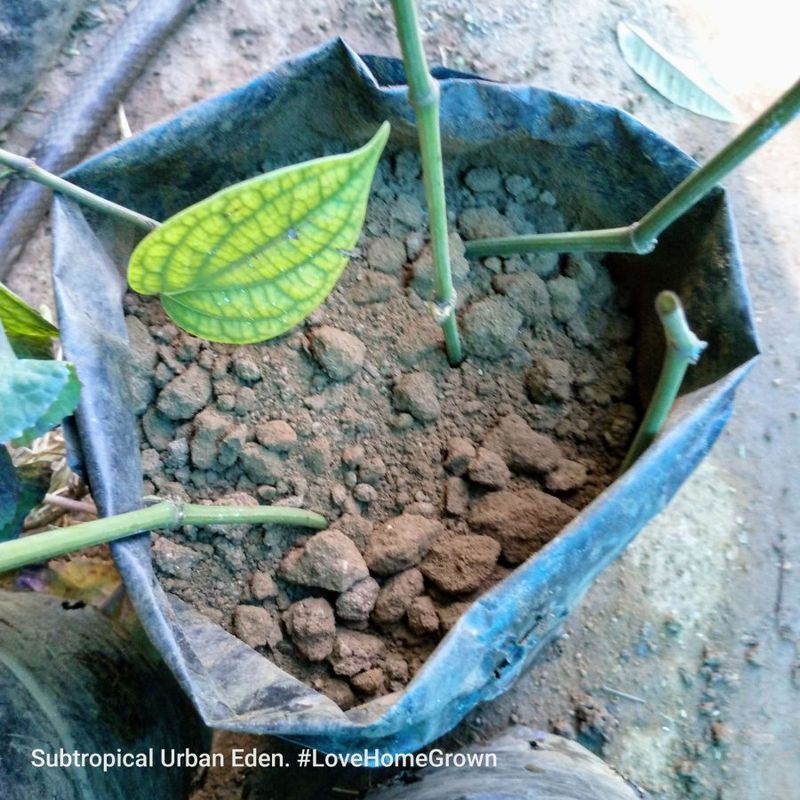
Think of soil moisture as a delicate dance—neither too dry nor too soggy. Water your pepper plant regularly, allowing the top inch to dry slightly between waterings.
Proper moisture keeps the roots happy and prevents wilting. It’s like maintaining a balanced diet for your plant, providing energy and growth without excess.
5. Use a Rich, Well-Draining Potting Mix
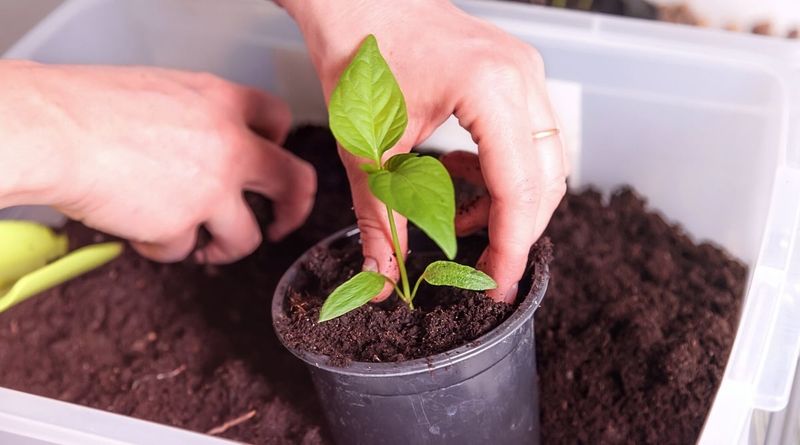
Crafting the perfect potting mix is akin to baking a cake—each ingredient must blend harmoniously. Combine coco coir, peat, compost, and perlite for a well-draining, nutrient-rich mix.
This blend supports robust root growth, akin to a strong foundation for a house. Consider it your pepper plant’s secret recipe for success.
6. Pick the Right Pot
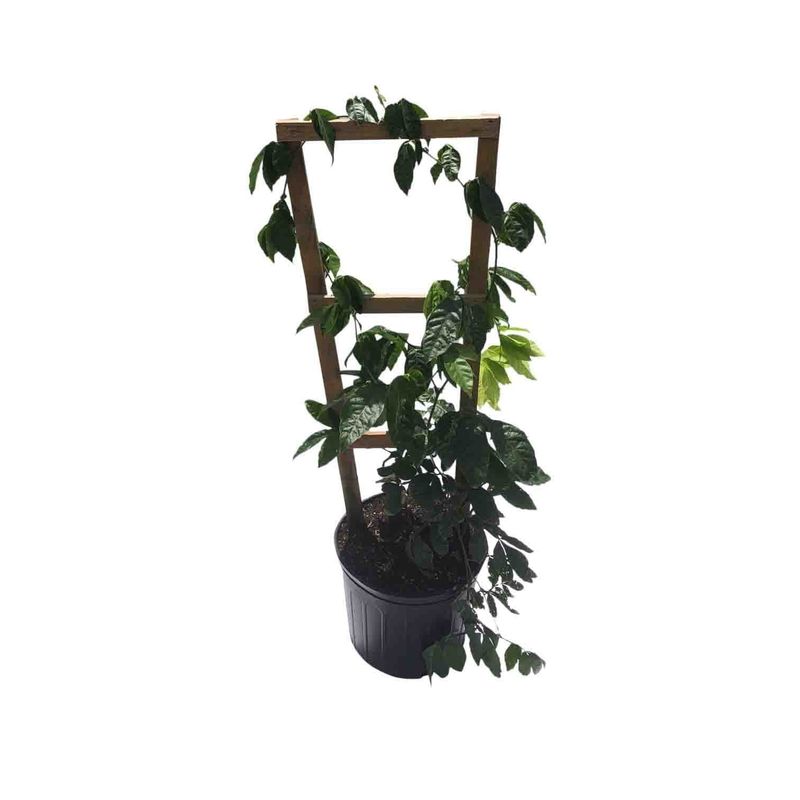
Selecting a pot is like choosing shoes—fit and function matter. Opt for a container at least 12–14 inches deep with drainage holes.
Adding a trellis or stake provides essential support as your peppervine climbs. Imagine it elegantly trailing upwards, much like a graceful dance partner leading the way.
7. Fertilize Regularly
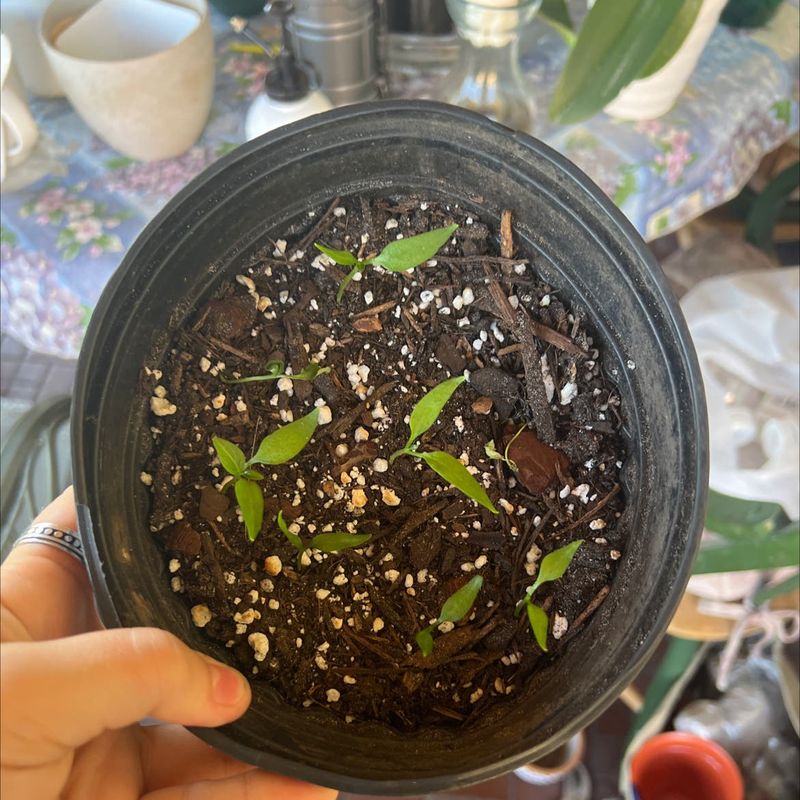
Think of fertilizer as your plant’s vitamin boost! Feed with a balanced liquid fertilizer every 2–4 weeks during spring and summer.
As the seasons change, reduce feeding in fall and winter. It’s akin to switching from a hearty breakfast to a light snack, adjusting to the plant’s natural growth cycle.
8. Prune for Shape and Airflow
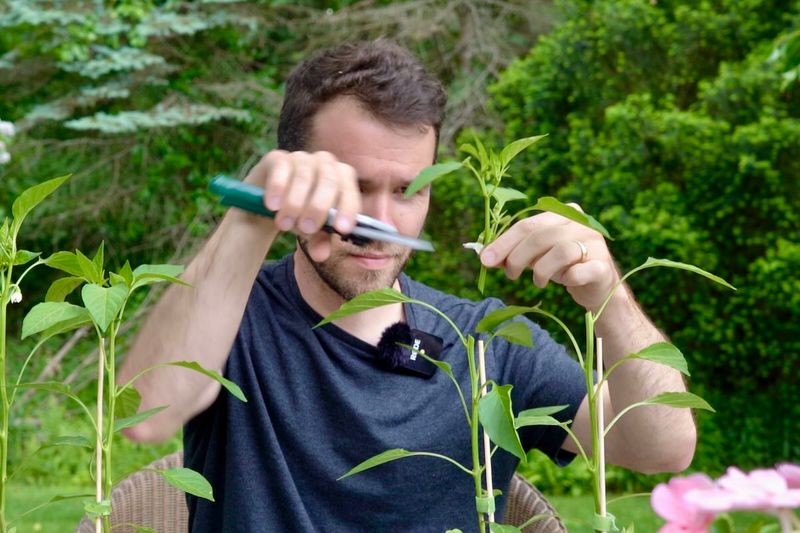
Pruning is an art, shaping beauty and function. Trim vine tips to encourage bushier growth, like a stylist perfecting a haircut.
Remove dead or yellowing leaves to improve airflow and prevent fungal issues. Your pepper plant’s new look will be both practical and appealing.
9. Watch for Pests
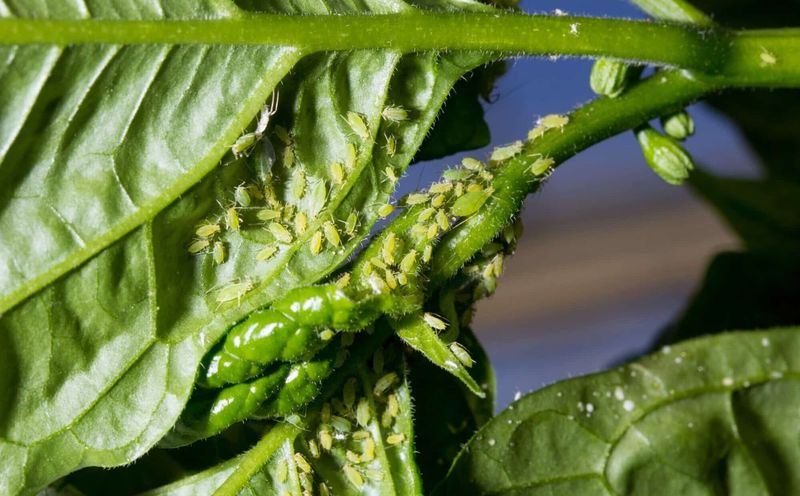
Vigilance is key when protecting your pepper plant from pests. Watch for spider mites, aphids, and mealybugs sneaking onto leaves.
Treating with neem oil or insecticidal soap keeps these invaders at bay. Like a vigilant guardian, you’ll ensure your plant remains healthy and thriving.
10. Provide Humidity
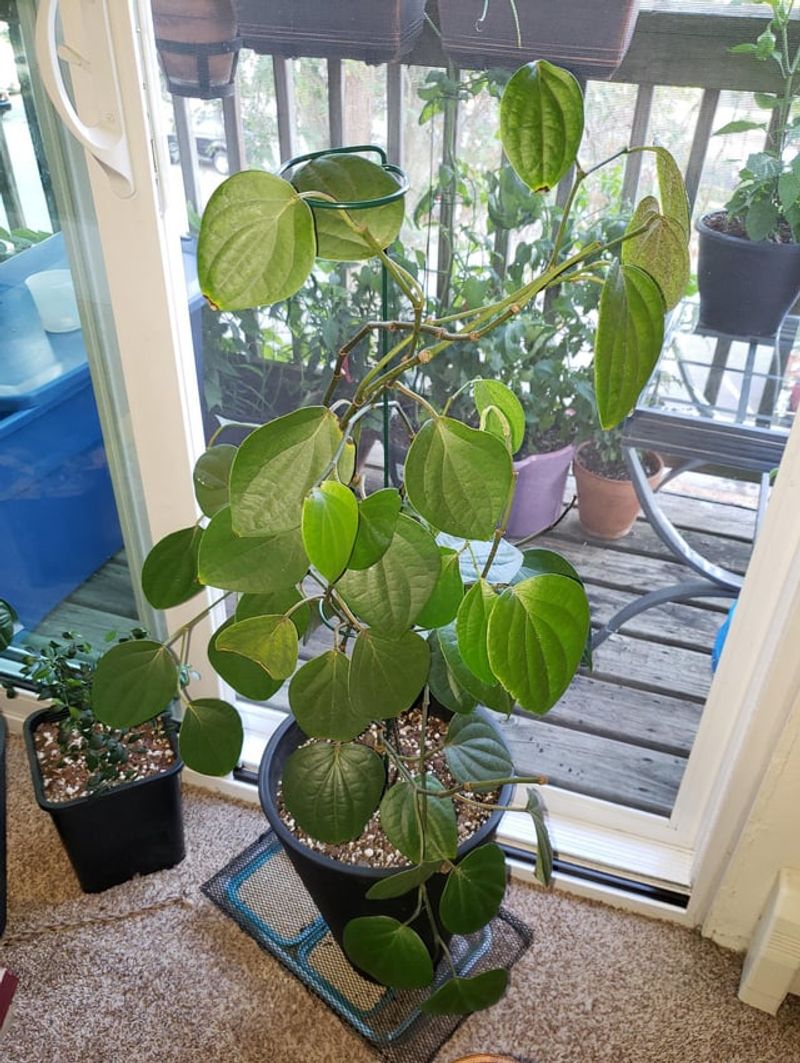
Think of humidity as your plant’s day at the spa. Mist your pepper plant regularly or place it on a humidity tray to prevent dry indoor air effects.
Proper humidity levels prevent leaf browning or drop, ensuring lush growth. It’s like refreshing your plant with a cool drink on a sunny day.
11. Repot Every 1–2 Years
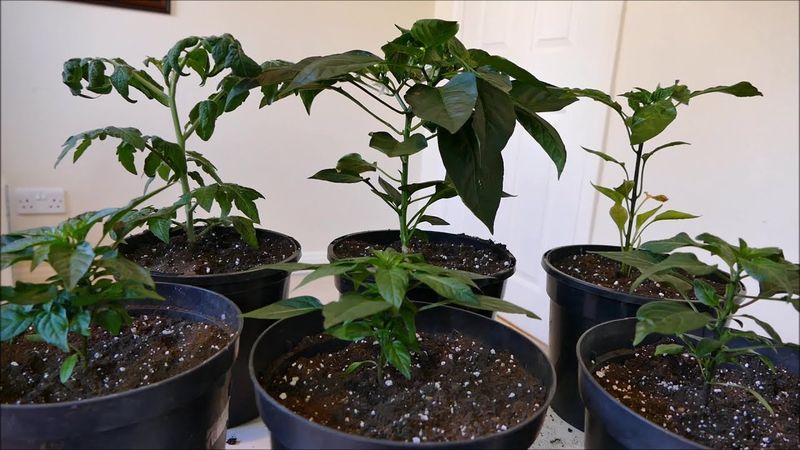
Repotting is like buying new clothes that fit well. Every 1–2 years, move your black pepper plant to a slightly larger pot.
Refreshing the soil keeps nutrient levels high, much like a balanced meal for your plant. Watch as it thrives with renewed vigor.
12. Harvesting Peppercorns
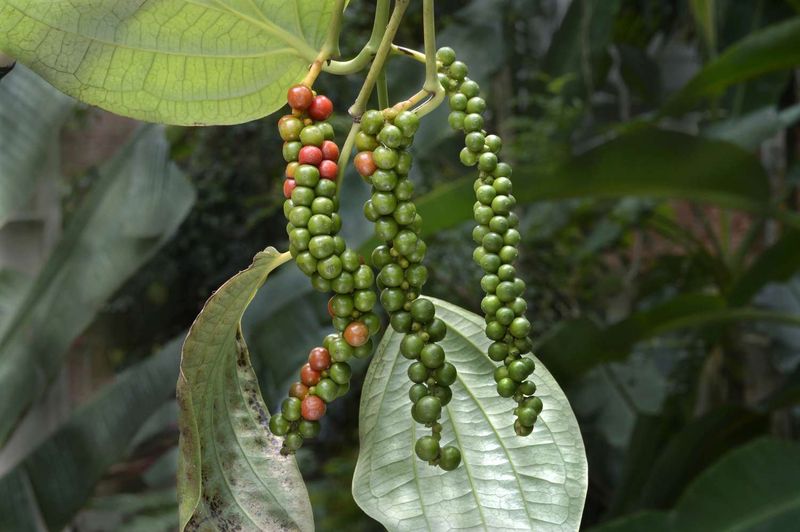
Harvest time is the reward for your care. After white flowers fade, watch berries ripen and turn red.
Dry them to produce black pepper. This final step is like enjoying the fruits of your labor, savoring homegrown peppercorns in every dish.
13. Bring Indoors Before Frost
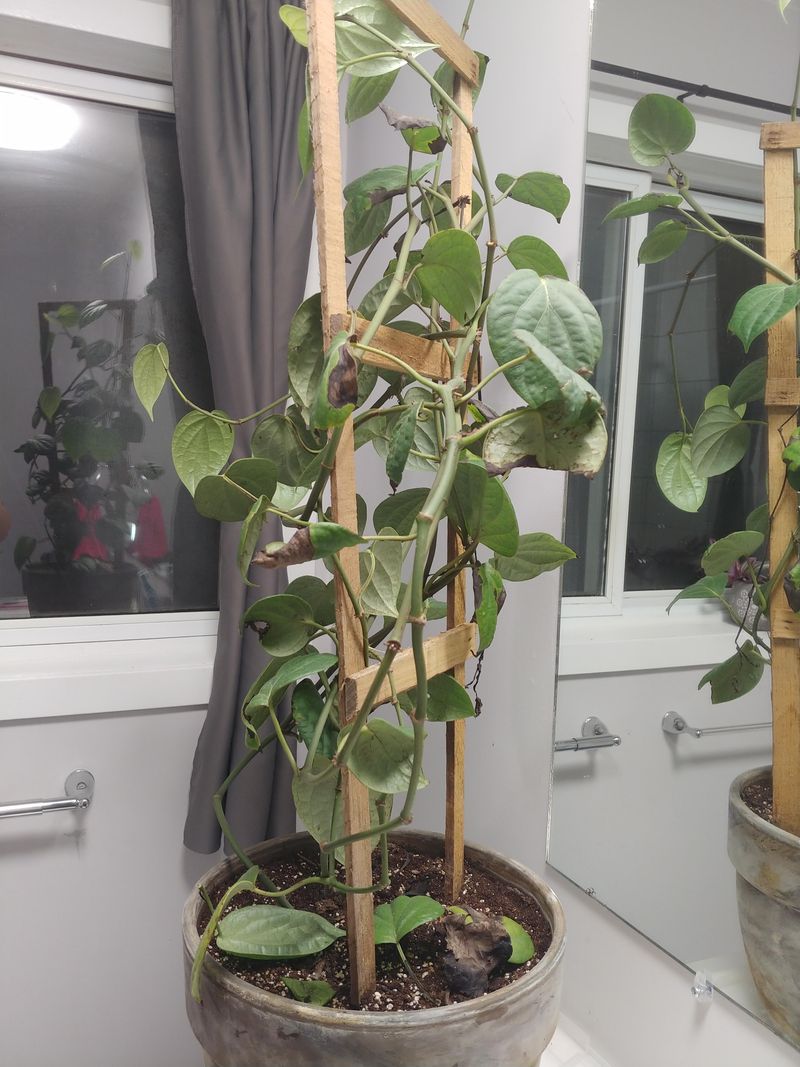
The onset of frost signals it’s time to bring your pepper plant indoors. Black pepper isn’t frost-tolerant, so move it before temperatures fall below 50°F (10°C).
Much like a cozy blanket on a cold night, indoor warmth ensures your plant survives the winter chill.