 Complete Gardening
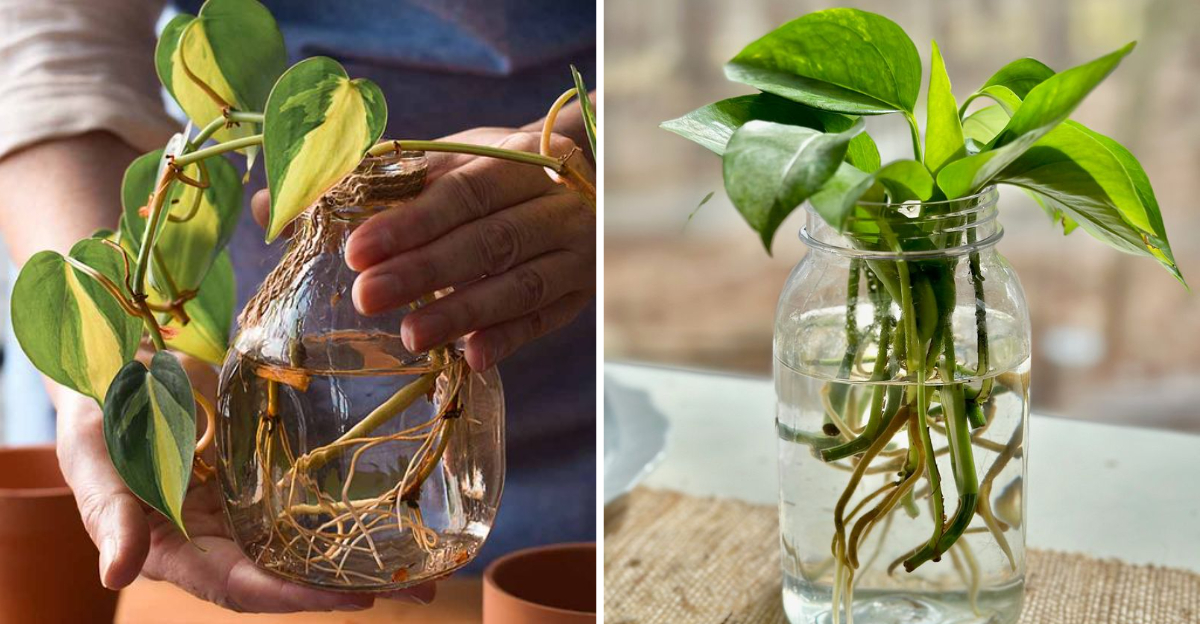
Growing houseplants from cuttings is not only a rewarding hobby but also an economical way to expand your indoor garden. With just a few simple steps, you can propagate your favorite plants and share them with friends and family. This guide offers expert tips to help you successfully grow healthy plants from cuttings.
Choosing the Right Plant
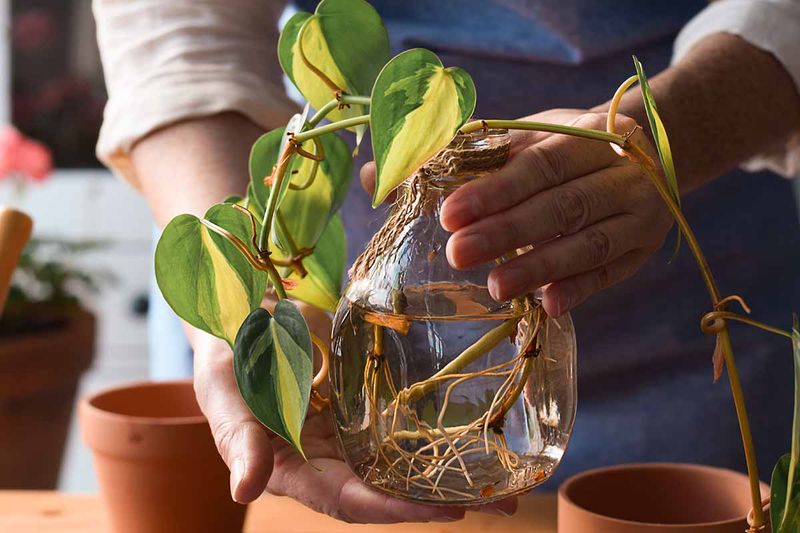
Selecting the right plant to begin your cutting journey is crucial. Opt for a healthy, mature plant with vigorous growth. Look for signs like robust stems and lush leaves that indicate vitality. The choice of plant will significantly affect the success of your propagation.
Some species, like pothos or mint, are more forgiving and ideal for beginners. These plants root easily in water or soil, providing quick gratification. Remember, a strong parent plant lays the foundation for resilient cuttings. Take time to observe and choose wisely to ensure thriving new life in your home garden.
Preparing the Cuttings
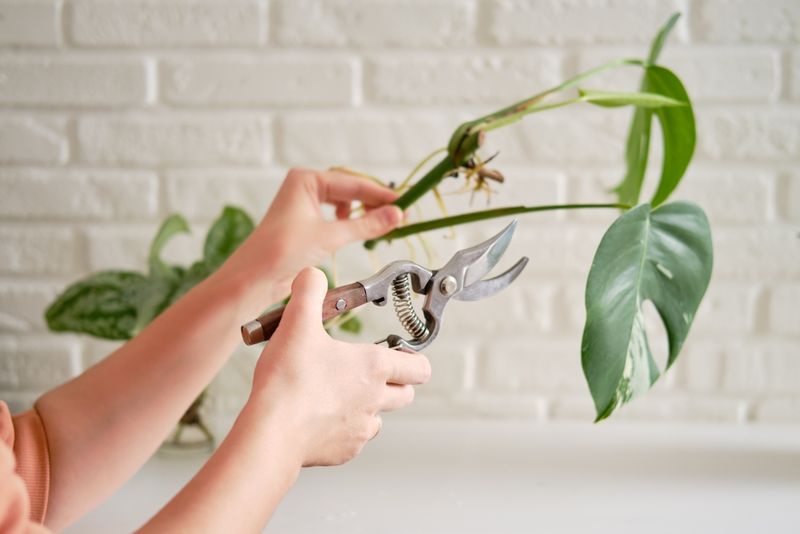
Once you’ve chosen your plant, it’s time to prepare the cuttings. Use a clean, sharp knife or scissors to cut a healthy stem, making sure it’s about 4-6 inches in length. Remove any lower leaves to prevent rot in water or soil.
Cut just below a node, the area where leaves attach, as roots often form here. Proper preparation is key to successful propagation, ensuring the plant can sustain new growth.
A well-prepared cutting is like a blank canvas, ready to bloom into a masterpiece with a little care and patience.
Rooting in Water
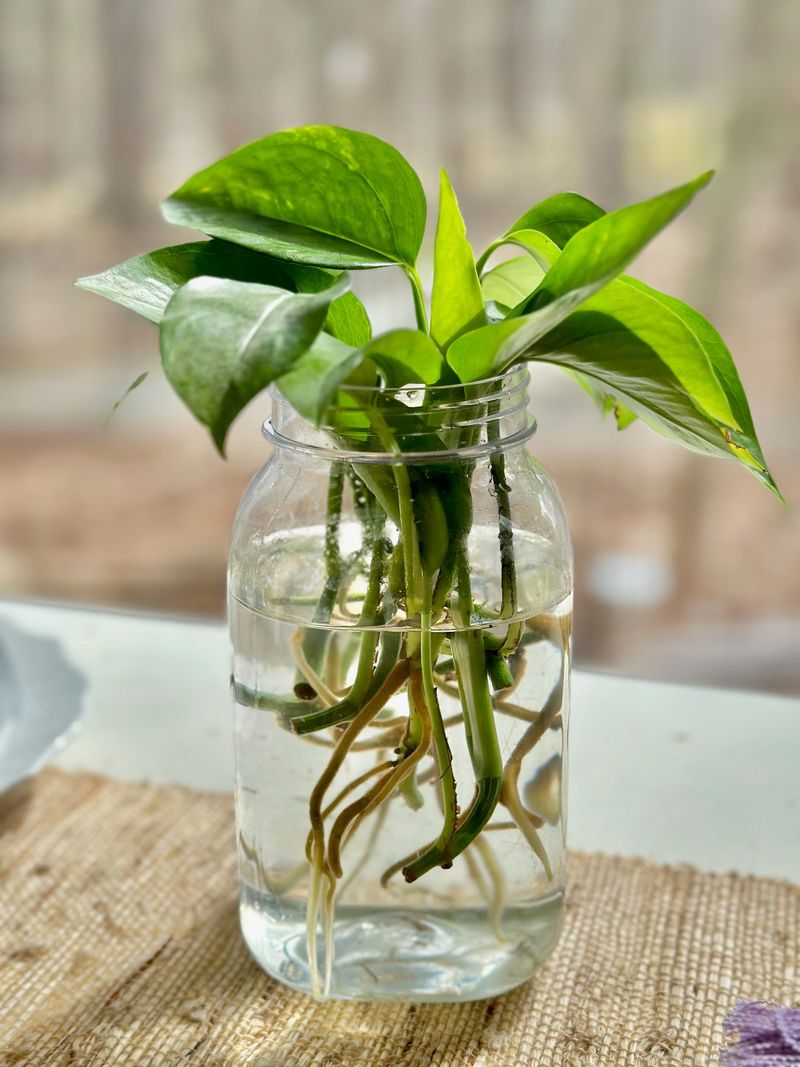
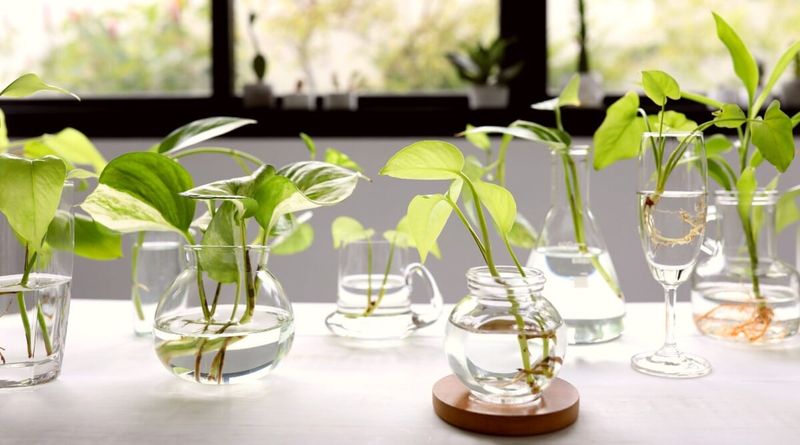
Rooting cuttings in water is a magical process. Fill a glass jar with clean water and place the cutting inside, ensuring the nodes are submerged.
Change the water every few days to keep it fresh and oxygenated, promoting healthy root development. Place the jar in indirect sunlight, as too much light can harm the delicate new roots.
Watching roots sprout is akin to witnessing a tiny miracle, and this method allows you to see the development firsthand. Water propagation is not only practical but also adds a decorative touch to your space.
Rooting in Soil
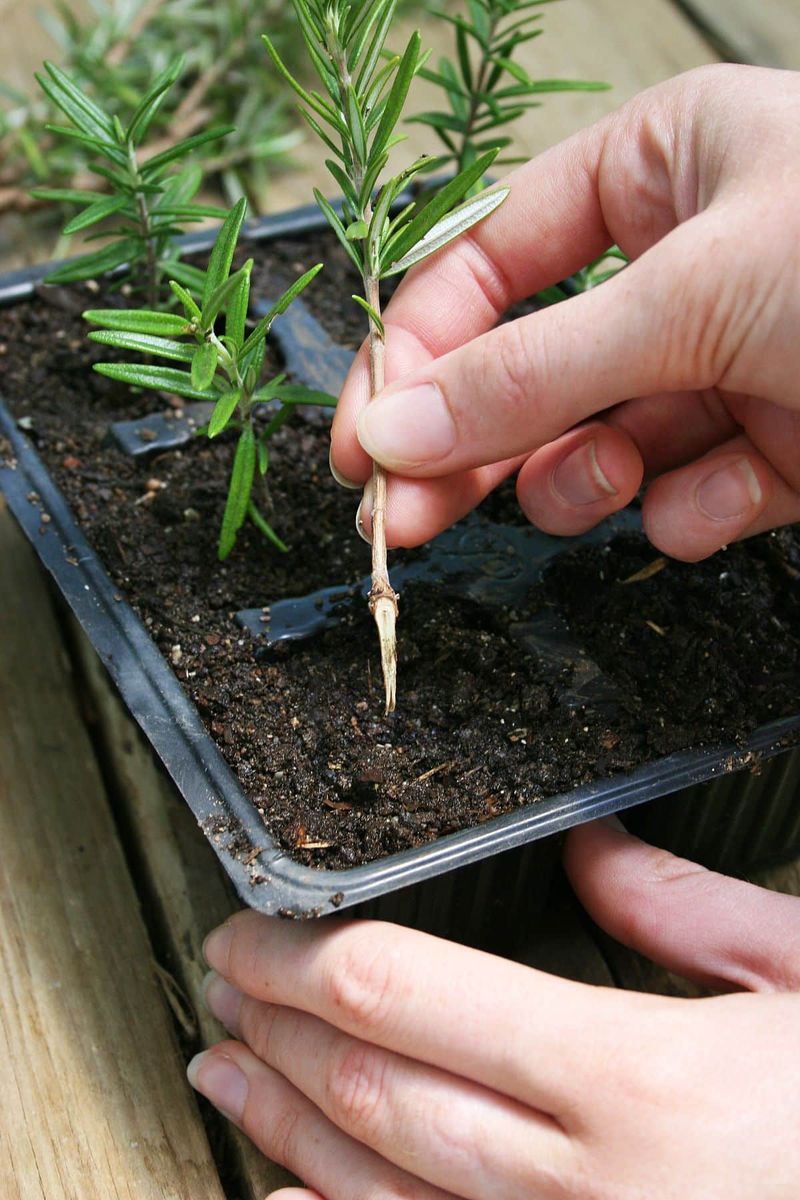
For those who prefer a more traditional approach, rooting in soil is an excellent method. Choose a small pot with drainage holes and fill it with a well-draining potting mix.
Insert the cutting into the soil, ensuring the nodes are buried. Water lightly, as overwatering can lead to rot. Place the pot in indirect light to facilitate growth.
Rooting in soil requires patience, as you can’t see the roots form, but the reward is a strong, stable plant. This method mimics natural conditions, providing a solid start to new growth.
Caring for New Plants
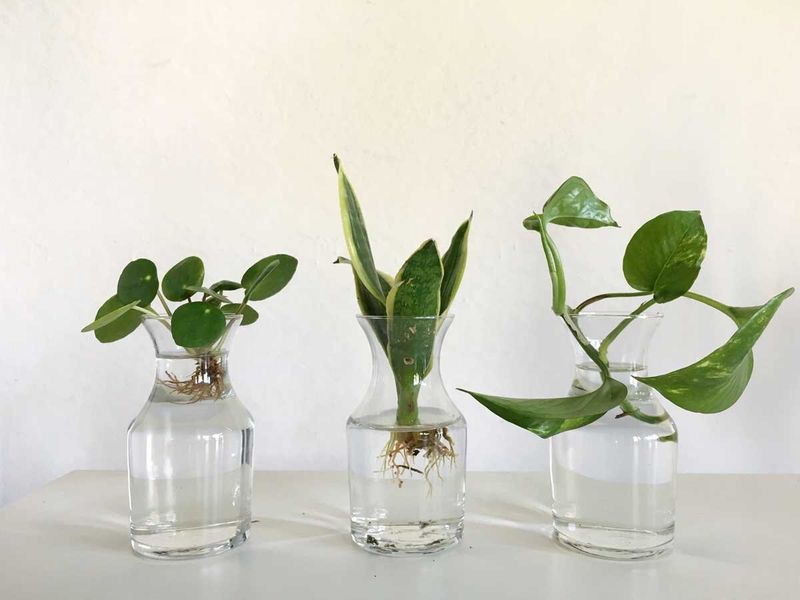
Caring for newly rooted plants requires attention and a gentle touch. As roots establish, gradually increase light exposure, but avoid direct sun. Keep the soil consistently moist but not waterlogged.
Fertilizing sparingly can support growth, but too much can overwhelm young plants. Regularly check for pests and remove any dead leaves to prevent disease.
With tender care, your cuttings will transform into vigorous plants. Each day brings growth and promise, turning a simple cutting into a flourishing part of your indoor garden.
Transplanting
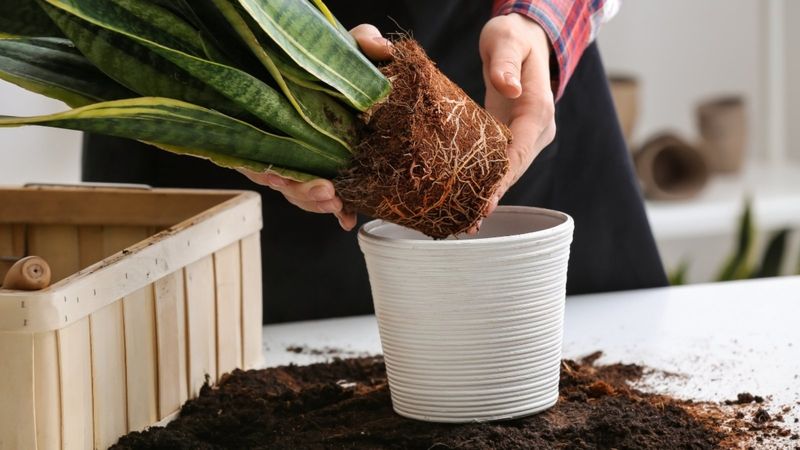
Transplanting marks a new chapter in your plant’s life. As roots outgrow their container, it’s time to move to a larger pot. Choose a container with adequate drainage and fill it with fresh potting soil.
Gently remove the plant, taking care not to damage the roots. Position it in the new pot, filling in with soil and watering thoroughly.
Transplanting can be stressful for plants, so ensure they receive plenty of indirect light and water after the move. This process provides room to grow, paving the way for a thriving plant.
Monitoring Growth
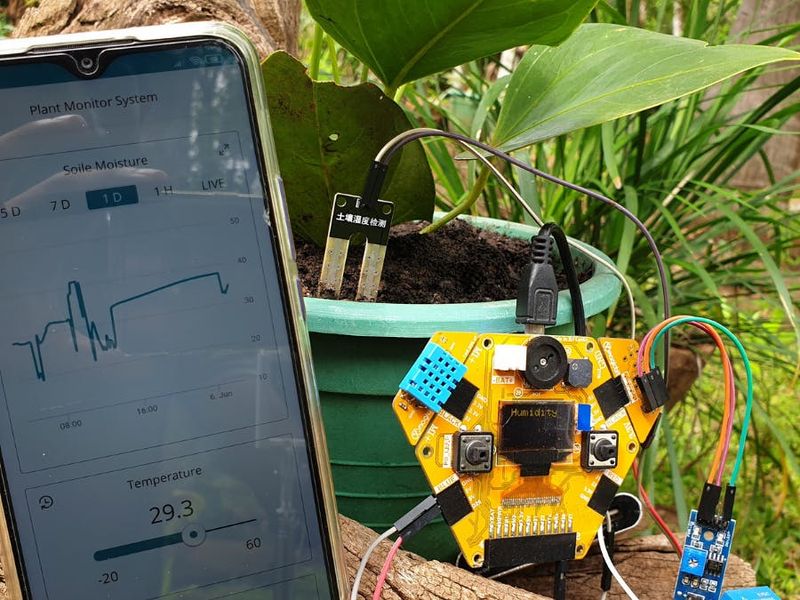
Monitoring growth is an ongoing journey. Regularly measure your plants to track their development, noting any changes in height or leaf size.
Adjust care routines as needed, responding to the plant’s signals—whether that means more light, water, or nutrients. Celebrate milestones, like the first new leaf or flower, as these are testaments to your nurturing efforts.
This phase is about connection and observation, creating a bond between you and your green companions. Through consistent attention, you’ll ensure your cuttings mature into robust, healthy houseplants.
Understanding Growing Seasons
Timing is everything when it comes to successful plant propagation. Understanding the growing seasons of your chosen plant can significantly impact the rooting success of your cuttings. Some plants thrive best when propagated in spring, while others prefer autumn.
If you’re unsure of the best time to propagate, research the specific needs of your plant species. This knowledge ensures that you’re providing the most favorable conditions for your cuttings to root and grow. A well-timed cutting is more likely to develop into a healthy new plant.
Utilizing Growth Hormones
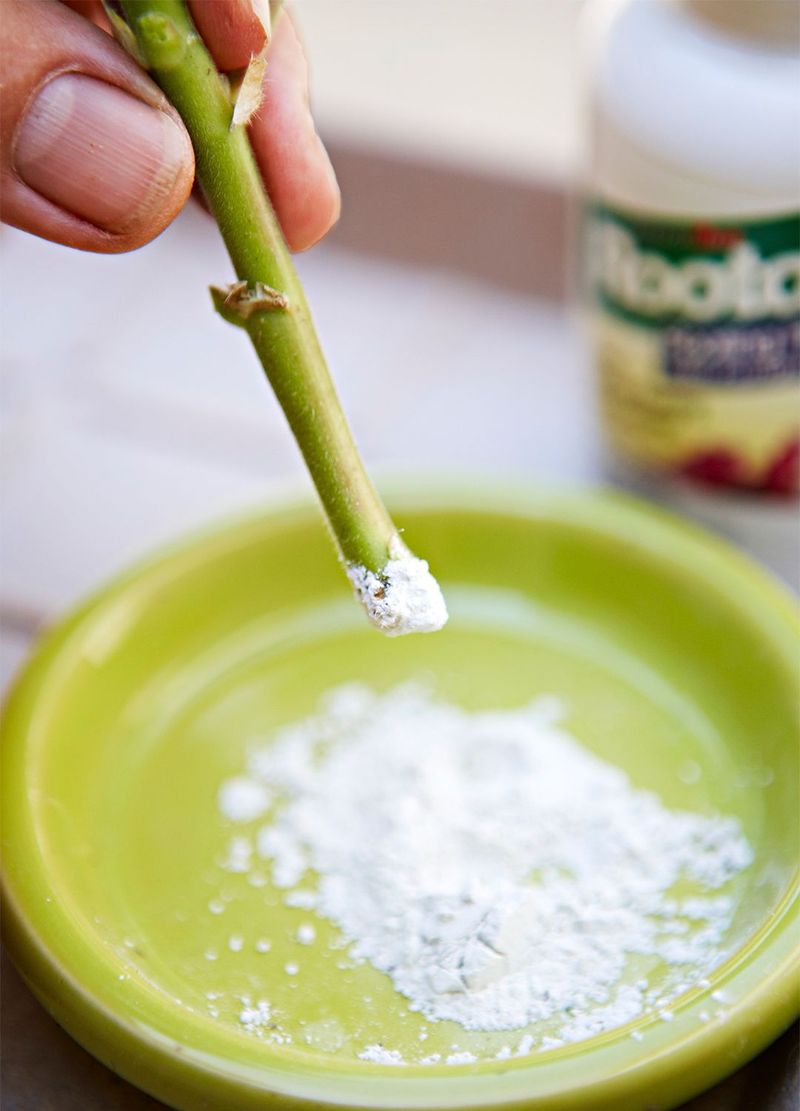
Boost your cutting’s chances with a dash of science. Growth hormones can accelerate root development and increase the success rate of your propagation efforts. These hormones are available in both powder and liquid forms.
Apply them to the base of your cuttings before planting, following the manufacturer’s instructions for dosage. While not always necessary, they provide an edge in challenging conditions. Use growth hormones especially if you’re dealing with a particularly stubborn plant that needs encouragement to root.
Creating a Humidity Dome
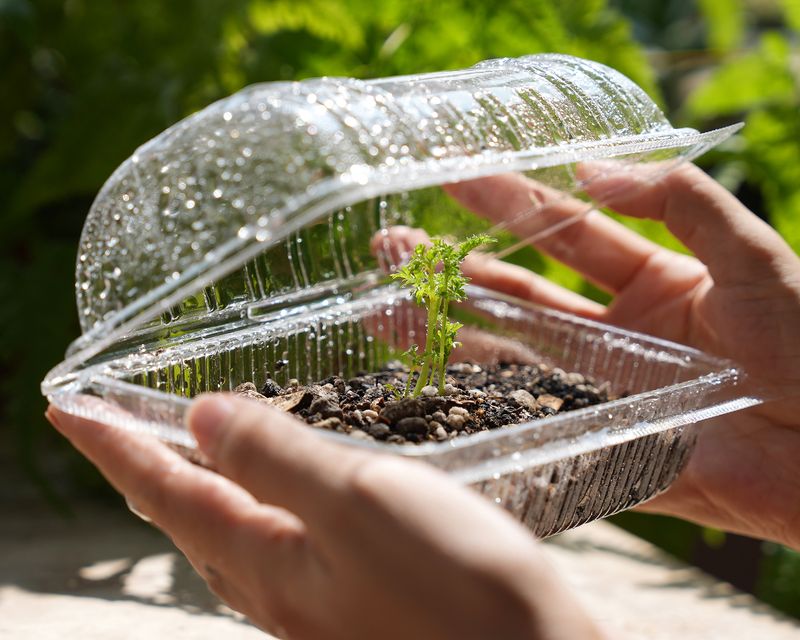
Humidity can be a game-changer in the rooting process. Creating a humidity dome for your cuttings helps retain moisture, creating an ideal environment for root growth. You can fashion a dome using a clear plastic bag or a specific propagator dome.
Place it over your cuttings, ensuring it doesn’t touch the leaves. This setup mimics a greenhouse effect, enhancing the growth conditions without fancy equipment. Keep an eye on moisture levels inside the dome to prevent mold or rot, and your cuttings should thrive.
Incorporating Natural Remedies
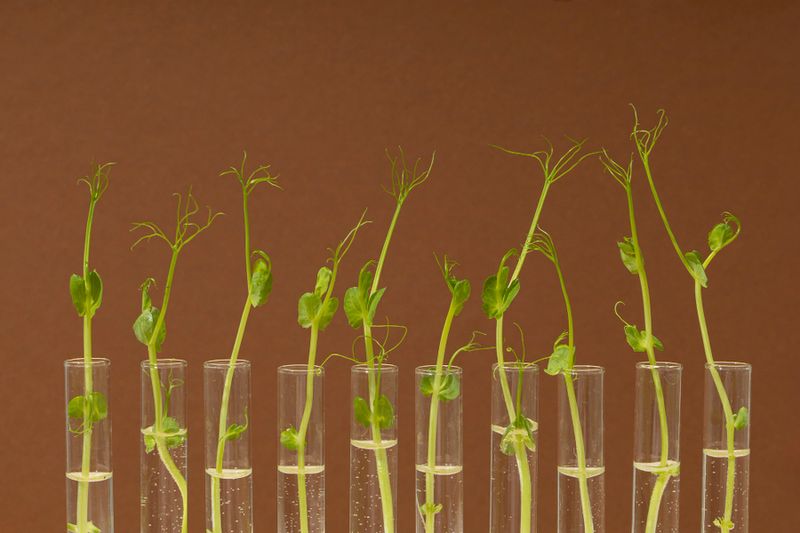
Nature offers its own solutions for plant propagation. Natural remedies like cinnamon, honey, and aloe vera can replace commercial rooting hormones. These household items have antifungal properties and can promote root growth.
Dust your cuttings with cinnamon or dip them in honey or aloe before planting. These remedies are especially useful for organic gardeners who prefer chemical-free solutions. Experimenting with natural options can be both fun and fulfilling, providing your plants with a gentle start.
Experimenting with Air Layering
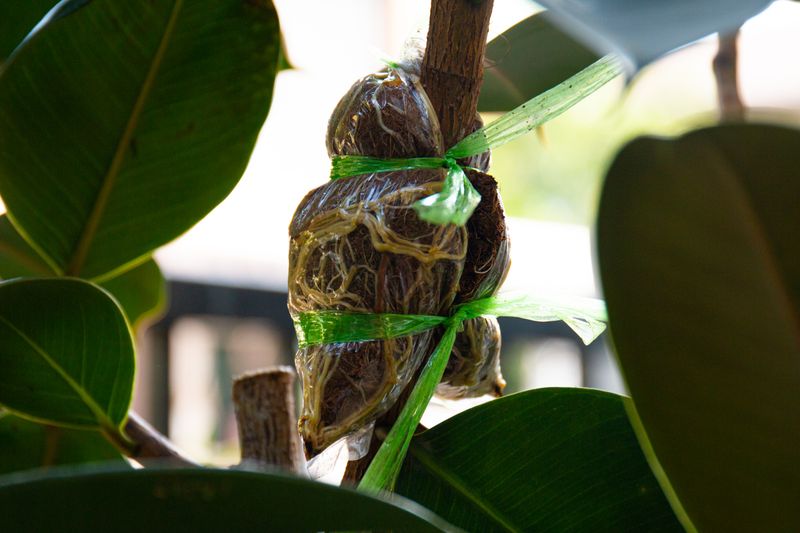
For a unique approach to propagation, consider air layering. This technique involves encouraging roots to develop on a plant stem while it’s still attached to the parent plant. It’s particularly effective for woody plants.
To air layer, wound the stem and cover it with moist sphagnum moss and plastic wrap. This method allows for robust root development before detachment. Air layering can be a rewarding process, resulting in a larger, more established plant once removed from the parent.
Utilizing Hydroponic Systems
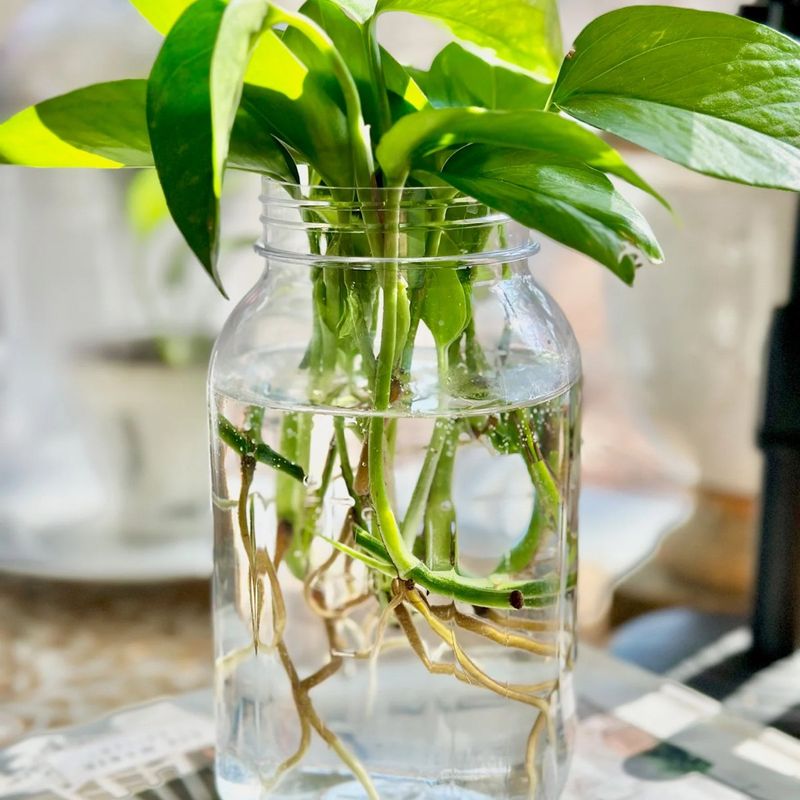
Hydroponics isn’t just for vegetables; it’s a fantastic way to propagate houseplants, too. By suspending cuttings in a water-based, nutrient-rich solution, you can encourage rapid root development.
This soil-less method minimizes pest issues and provides a controlled environment for your cuttings. Hydroponic systems can vary from simple DIY setups to more elaborate commercial options. Embracing hydroponics can diversify your propagation techniques and result in healthier, more vigorous plants.
Lighting the Way
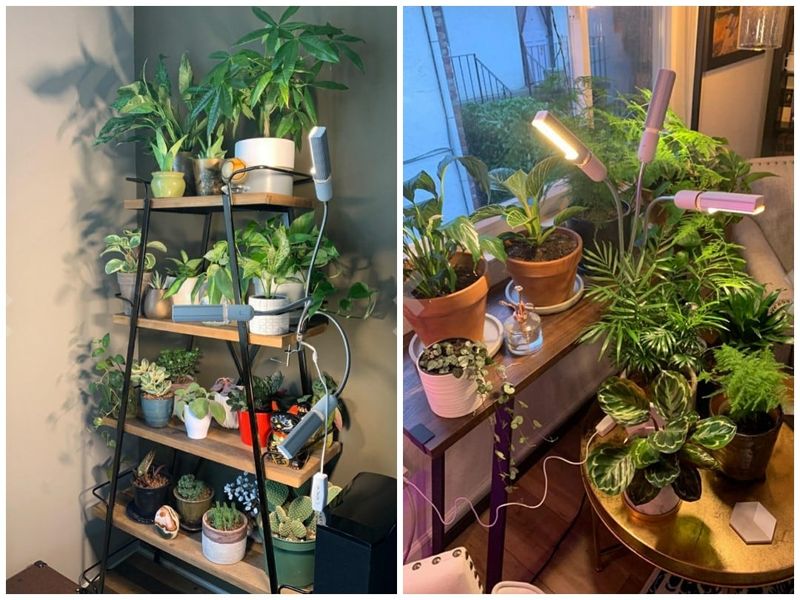
Light is the lifeline for growing cuttings. Providing the right amount of light, whether natural or artificial, can significantly influence the success of propagation. Position cuttings near a bright window or under grow lights.
The light should be bright but indirect, preventing leaf burn. Adjusting the light source as the cuttings grow ensures they receive consistent energy for photosynthesis. Understanding the light needs of your specific plant type can help you make informed choices, leading to thriving new growth.
Mindful Watering Techniques
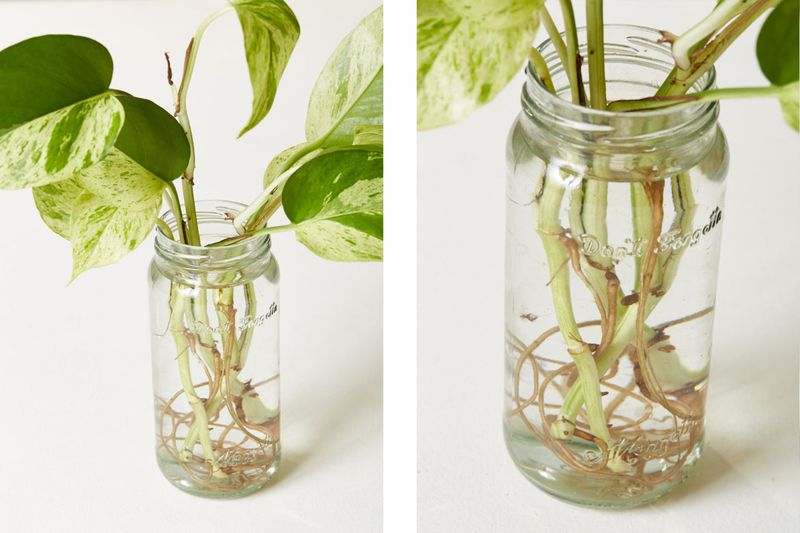
Watering is an art in itself when it comes to growing cuttings. Overwatering can drown delicate roots, while underwatering can stunt growth. Striking the right balance is key to successful propagation.
Use a well-draining soil mix and allow the top layer to dry slightly before watering again. Observing your cuttings closely helps in determining their specific needs. Mindful watering fosters a robust root system and contributes to the overall health of your new plants.
Tracking Growth Progress

Keeping a journal can transform your propagation efforts. By tracking the progress of your cuttings, you can learn from both successes and setbacks. Record details like watering schedules, light exposure, and any changes observed.
Sketches or photos can enhance this record-keeping, offering a visual timeline of growth. This practice not only helps in understanding your plants better but also adds a personal touch to your gardening journey. Over time, your journal becomes a valuable resource.
Understanding Plant Resilience
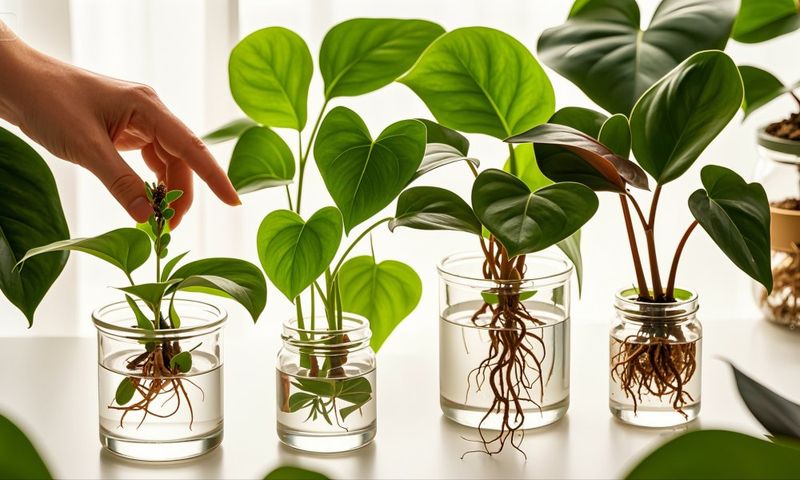
Some plants have an uncanny ability to thrive against all odds. Understanding the resilience of different plant species can aid in selecting cuttings that are more likely to succeed.
Familiarize yourself with species known for their hardiness, such as pothos or spider plants. These resilient varieties often root faster and are more forgiving to beginners. Celebrating this tenacity can make your propagation journey more rewarding and educational.