 Complete Gardening
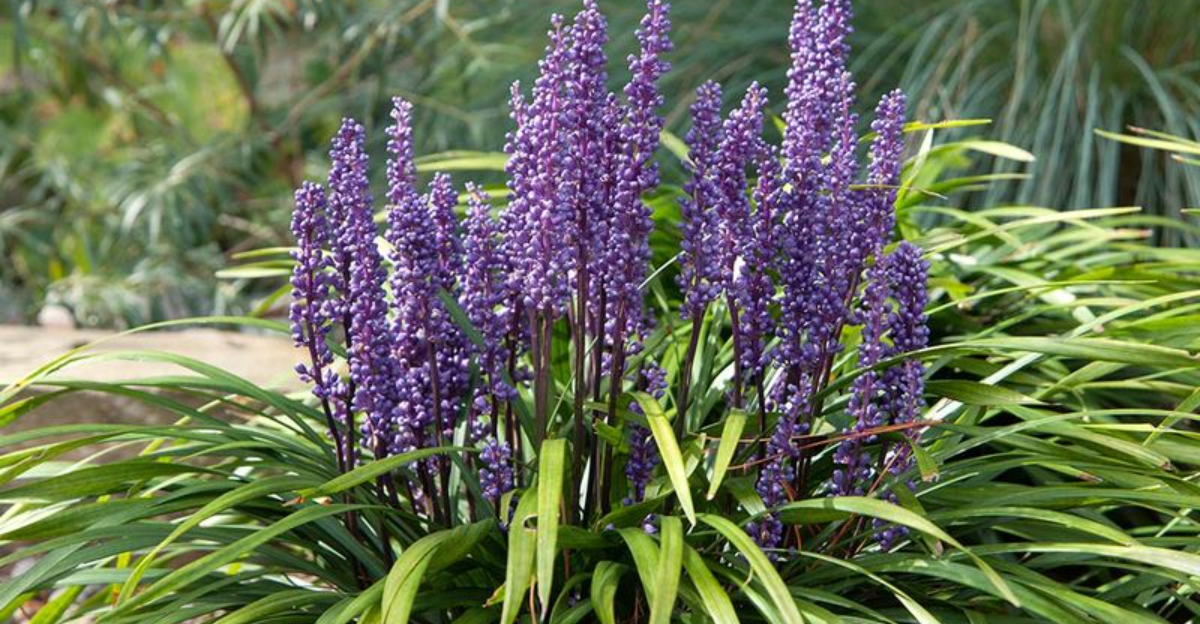
Liriopes, often referred to as lilyturfs, are versatile and low-maintenance plants that add lush greenery and delicate blooms to gardens.
These plants are perfect for both novice and experienced gardeners, thriving in various conditions with minimal effort.
Understanding the nuances of growing Liriopes can help you cultivate a beautiful and sustainable garden.
1. Choose the Right Variety
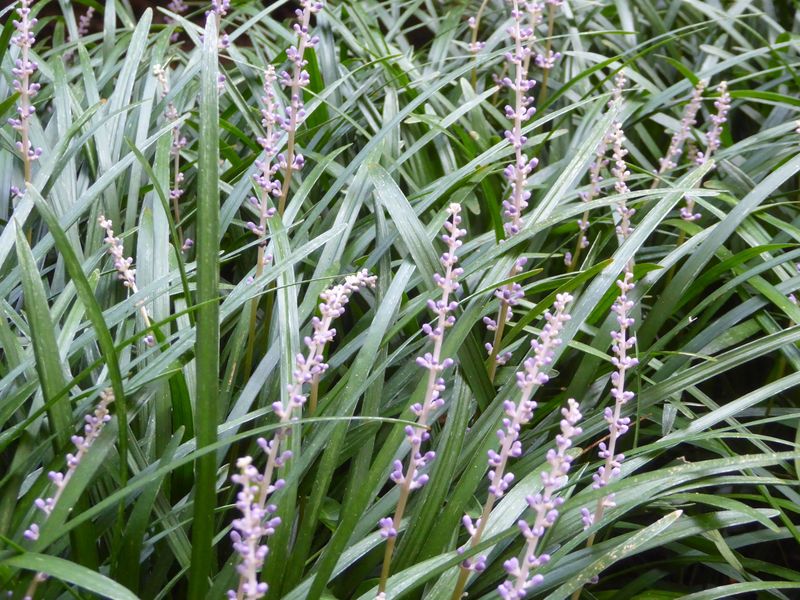
Choosing between Liriope muscari and Liriope spicata can define your garden’s character. L. muscari forms neat, clumping mounds, ideal for structured gardens and borders. In contrast, L. spicata spreads vigorously, making it perfect for ground cover. Each variety has its charm and specific uses in landscaping.
Consider your garden’s needs when selecting. Do you prefer tidy edges or a lush cascade? Knowing your landscape vision helps in making the perfect choice. Also, note their growth habits to ensure they complement existing plants.
Both varieties offer resilience and easy maintenance. Combining them creatively can enhance garden aesthetics. Did you know? L. muscari’s blooms resemble tiny lavender pearls.
2. Plant in Appropriate Seasons
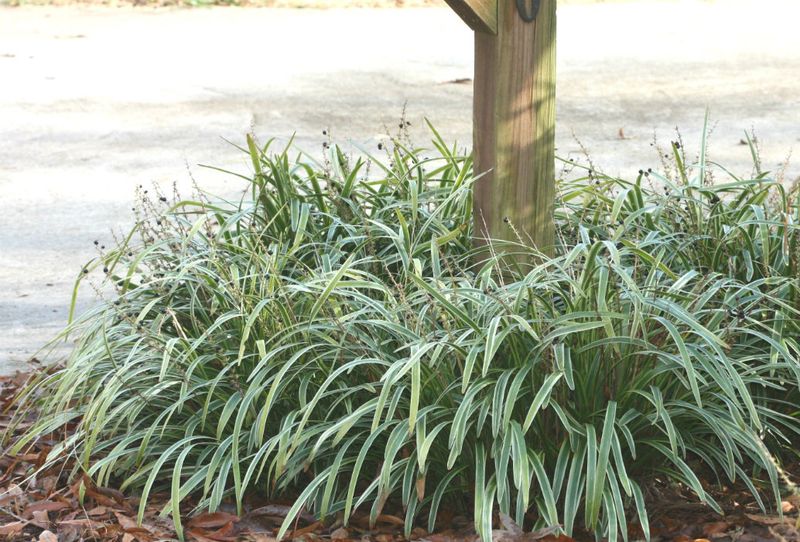
Timing is everything when planting Liriopes. Spring and fall are the optimal seasons. These periods offer moderate temperatures and ample rainfall, creating perfect conditions for young plants to establish roots. Planting during extreme weather can stress the plants, hindering growth.
Ensure the soil is workable and not waterlogged. Preparing the garden bed in advance helps. Loosen the soil and remove any weeds or debris.
A fun fact: In some cultures, fall is considered the season of renewal, making it an ideal time for planting new life. Liriopes planted during these times tend to thrive better and bloom more profusely.
3. Select Partial Shade Locations
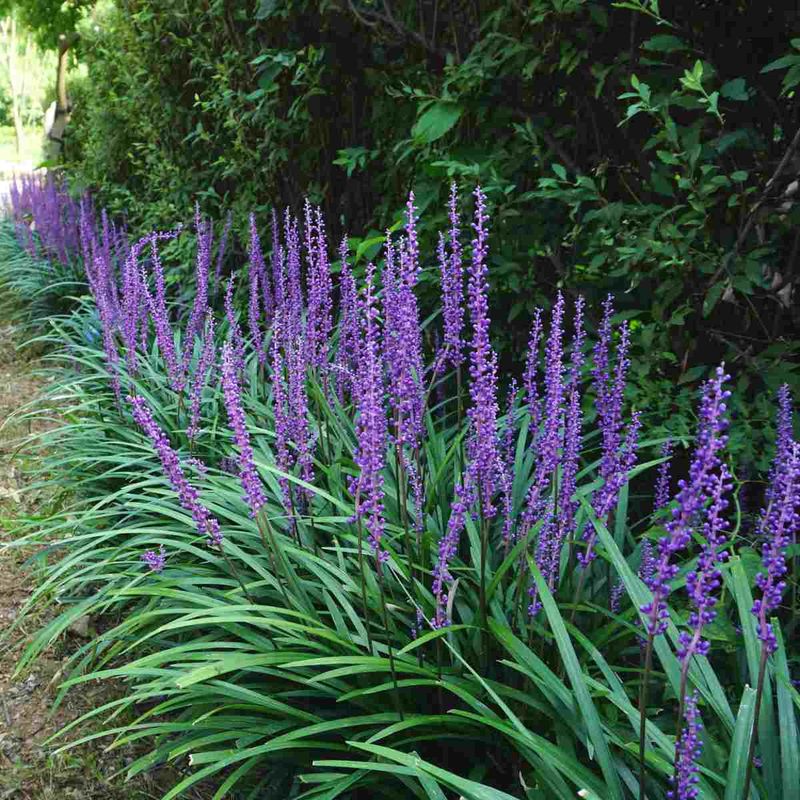
Partial shade is where Liriopes shine. They adapt well to various light conditions, but partial shade offers the best balance. In cool climates, they even tolerate full sun, while in warmer areas, deep shade might result in fewer blooms.
Choosing the right spot can make all the difference. Their adaptability allows them to be planted under trees or alongside shaded garden paths.
An intriguing insight: Partial shade gardens often support a diverse range of flora, making them vibrant and full of life. Liriopes, with their flexibility, contribute significantly to this diversity.
4. Use Well-Draining Soil
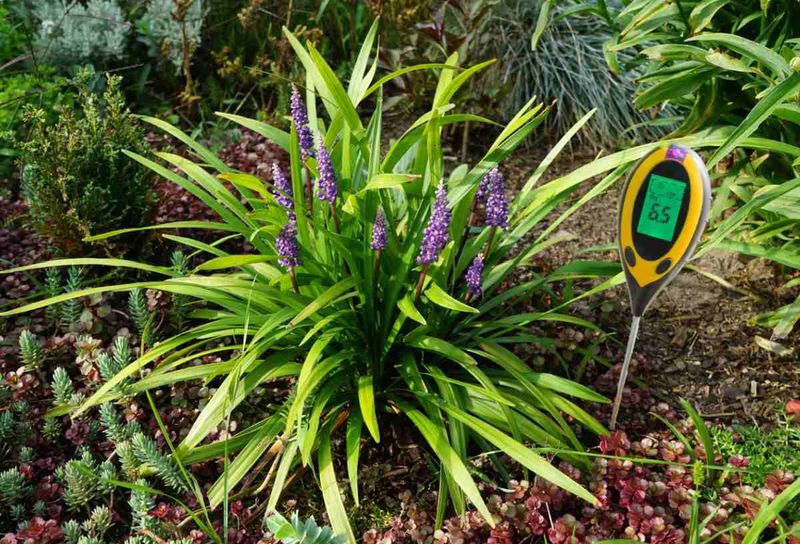
Soil quality directly impacts Liriope health. Well-draining soil prevents root rot and ensures plants receive necessary nutrients. Aim for soil with a pH between 6.0 and 7.0. Clay soils should be amended with compost to improve drainage.
Testing soil pH before planting can save future headaches. Simple home kits are available for this purpose. Adjusting the soil accordingly ensures optimal growth.
Did you know? Well-draining soils not only benefit Liriopes but also attract beneficial earthworms. These natural tillers improve soil structure, enhancing plant health.
5. Proper Spacing Matters

Spacing is crucial for Liriope growth. Liriope muscari requires 12–18 inches, while Liriope spicata needs 6–12 inches. Adequate spacing ensures air circulation and reduces disease risk, promoting healthier plants.
Crowded plants compete for resources, leading to stunted growth. Observing recommended spacing creates a thriving garden environment.
An interesting note: Properly spaced Liriopes can create stunning visual patterns, enhancing garden layout. This thoughtful arrangement also aids in maintenance and allows plants to showcase their full beauty.
6. Water Deeply at Planting
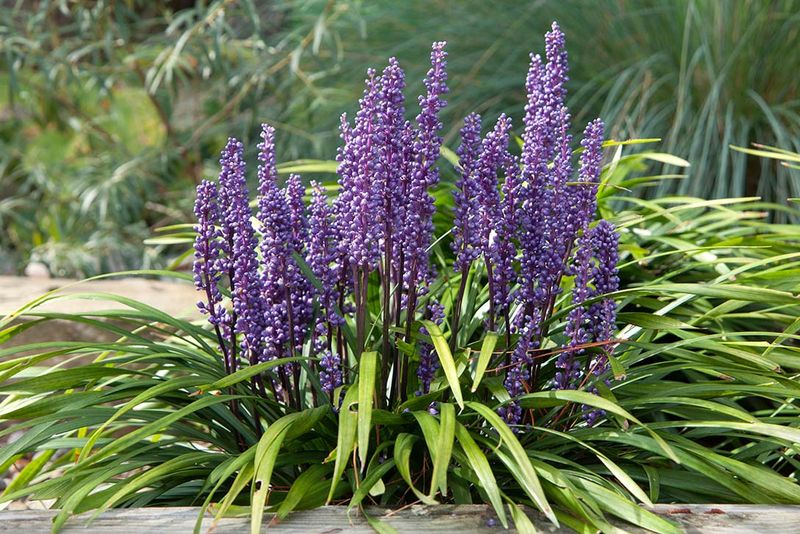
Initial watering is vital for Liriope establishment. Deep watering helps roots settle and promotes healthy growth. Keeping the soil moist during the first year ensures plants develop a robust root system.
After the first year, Liriopes become drought-tolerant, requiring less frequent watering. This adaptation makes them excellent for low-maintenance gardens.
A tip: Early morning watering reduces evaporation and fungal risks. This practice not only conserves water but also promotes plant vigor, especially during hot weather.
7. Fertilize Lightly
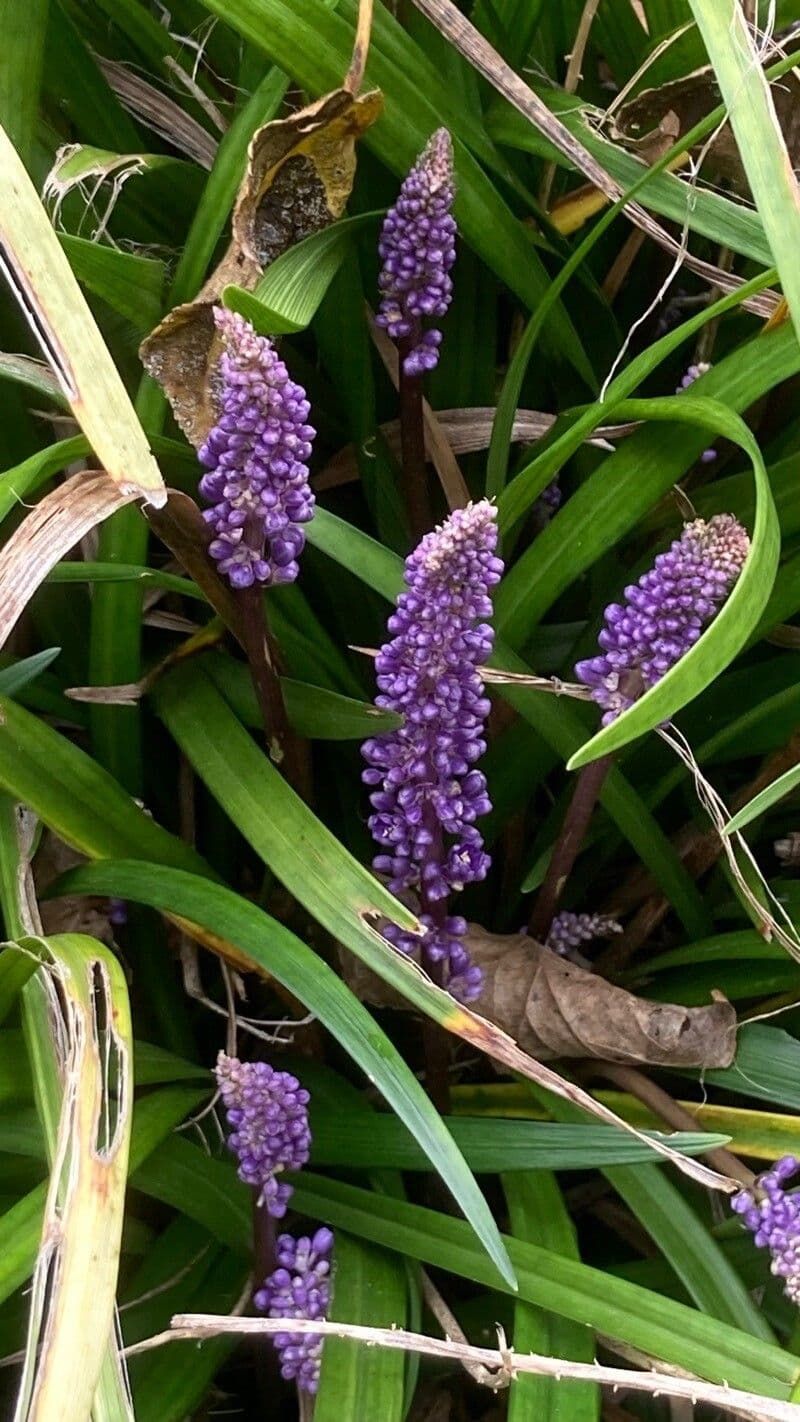
Fertilizing Liriopes requires a gentle touch. A balanced 10-10-10 fertilizer applied in early spring encourages growth without overwhelming the plants. Excessive fertilization can lead to lush foliage with fewer blooms.
Less is more when it comes to feeding Liriopes. A light application provides necessary nutrients for vibrant growth. This approach ensures plants remain vigorous and healthy.
Did you know? Fertilizers with balanced nutrients also support soil microorganisms, fostering a thriving garden ecosystem.
8. Prune in Late Winter
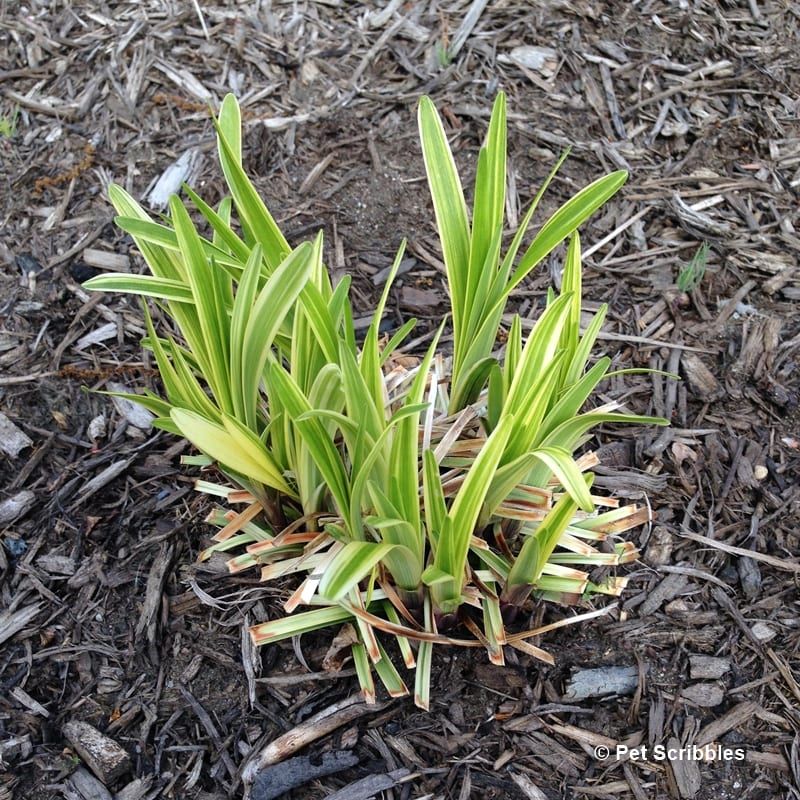
Pruning Liriopes rejuvenates them. Late winter is the ideal time, as cutting foliage to 2–3 inches encourages fresh growth. This process removes dead material, revitalizing plants for the coming season.
Pruning also helps maintain a neat appearance and allows sunlight to reach new shoots. This simple task enhances the garden’s overall look.
Fun fact: Pruning has been practiced for centuries, with ancient gardeners recognizing its benefits in promoting plant health and aesthetics.
9. Divide Every 3–4 Years
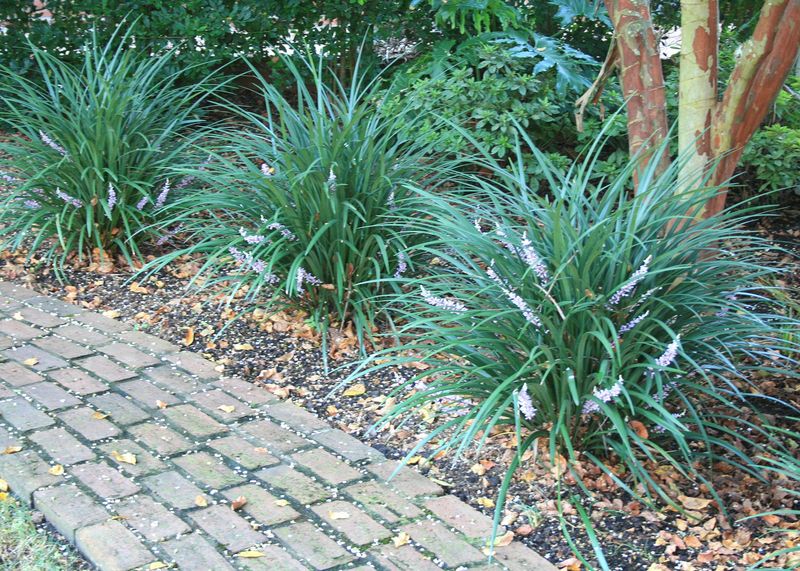
Dividing Liriopes every 3–4 years prevents overcrowding. This practice invigorates plants, encouraging robust growth. Dividing also allows gardeners to expand their plant collection or share with others.
Overcrowded plants struggle for nutrients and light, leading to reduced vigor. Regular division maintains healthy, thriving clumps.
An interesting tidbit: Dividing plants has historical roots, with gardeners using it as a propagation method for centuries. Sharing divided plants fosters gardening communities and spreads beauty.
10. Watch for Slugs and Snails
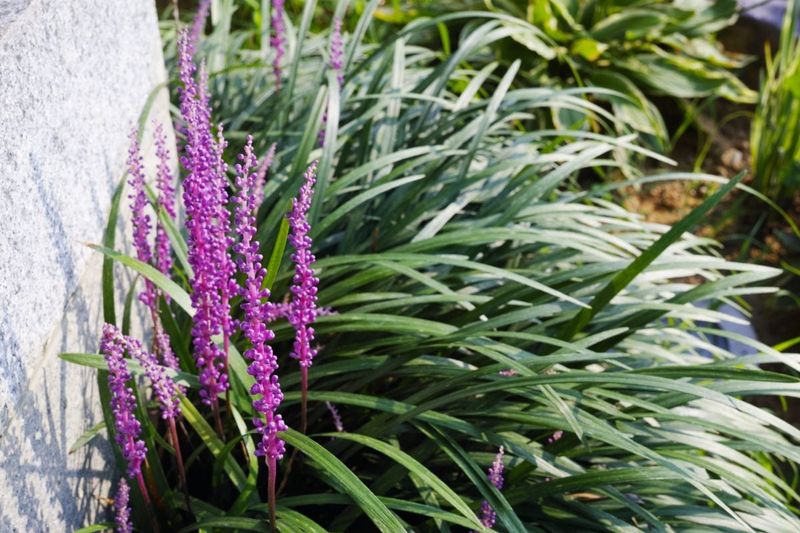
Slugs and snails love Liriopes, but gardeners can combat them with organic deterrents. Crushed eggshells or coffee grounds create barriers that these pests avoid. Regular checks keep infestations at bay.
Natural remedies are effective and environmentally friendly. They preserve the garden’s ecosystem while protecting plants.
Did you know? Slugs and snails have been garden pests for centuries, but with simple, organic methods, they can be managed without harsh chemicals.
11. Prevent Root Rot
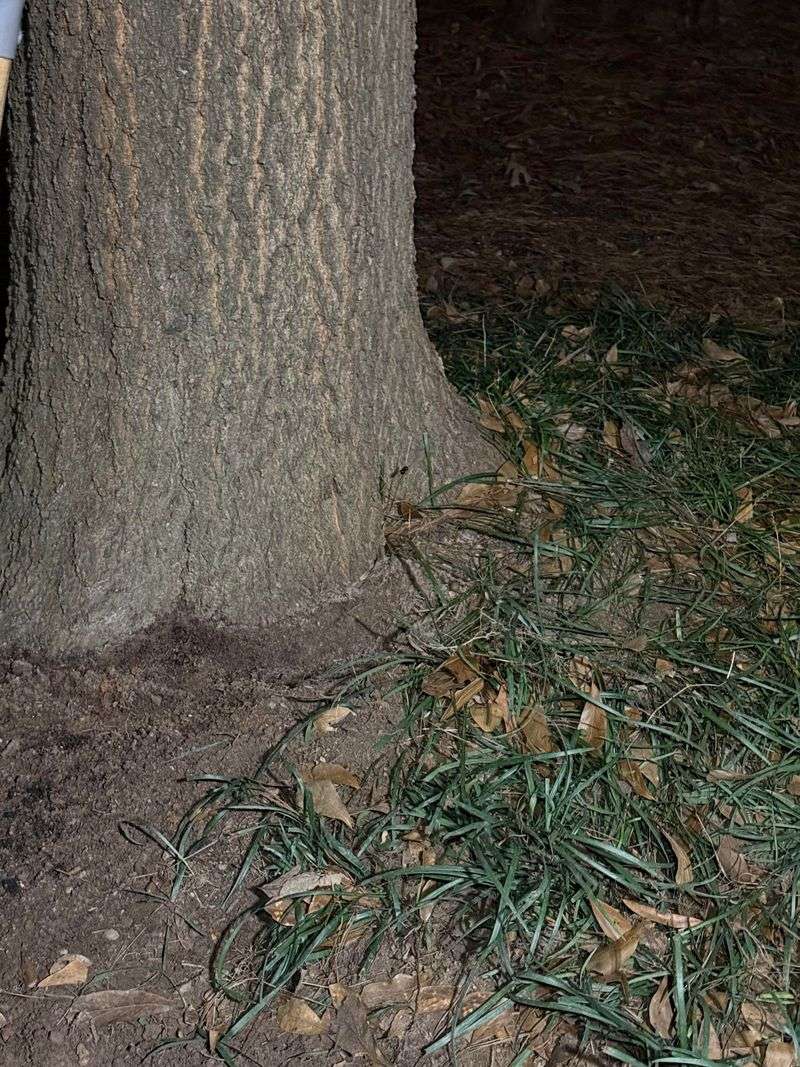
Good drainage is key to preventing root rot in Liriopes. Waterlogged soil deprives roots of oxygen, leading to decay. Ensuring proper soil drainage keeps plants healthy and vibrant.
Raised beds or amended soils improve drainage significantly. These measures create an environment where Liriopes can thrive.
An engaging fact: Root rot is a common issue in gardening, yet with simple drainage techniques, it can be effectively prevented, safeguarding plant health.
12. Treat Leaf Spot
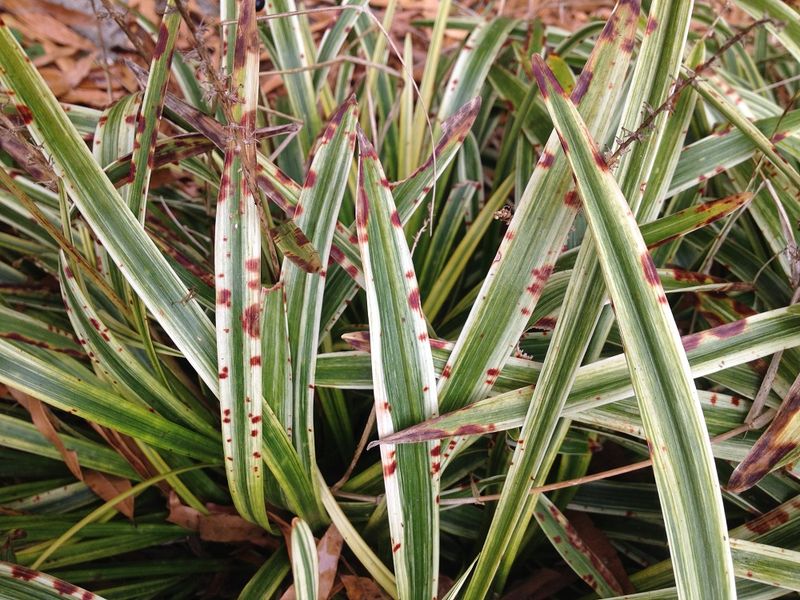
Leaf spot can mar Liriope foliage, but prompt action mitigates damage. Removing affected leaves and avoiding wetting foliage during watering reduces outbreaks.
Maintaining plant health and cleanliness protects against fungal diseases. Regularly inspecting plants ensures early detection and treatment.
An insightful point: Leaf spot diseases are a common concern in many plants, but with diligent care, their impact can be minimized, maintaining garden beauty.
13. Edge Walkways
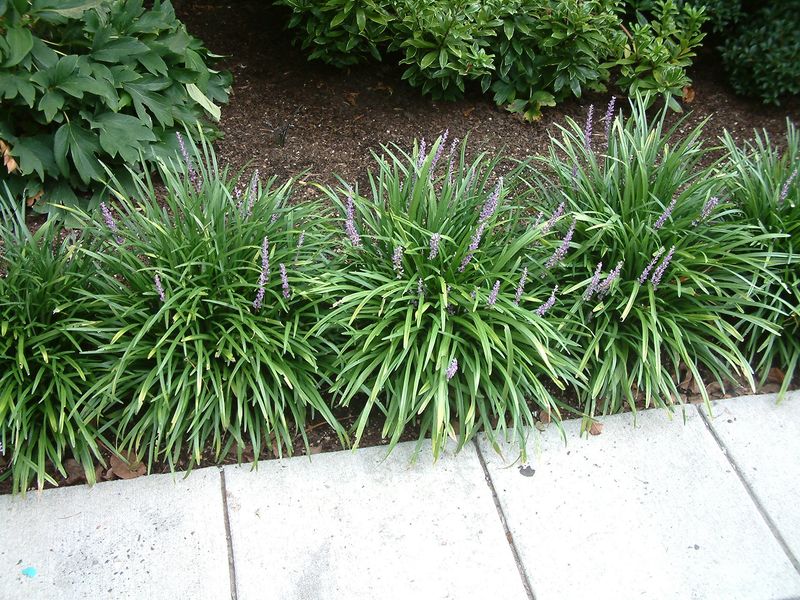
Liriope muscari is perfect for edging walkways. Its clumping habit forms neat borders that define pathways and garden beds. These tidy edges enhance the garden’s structure and appeal.
Using Liriopes as borders also facilitates maintenance. They create natural barriers, reducing grass and weed encroachment into paths.
A fun detail: Edging walkways with plants has been a landscaping practice since ancient times, reflecting the timeless pursuit of beauty and order in gardens.
14. Control Erosion
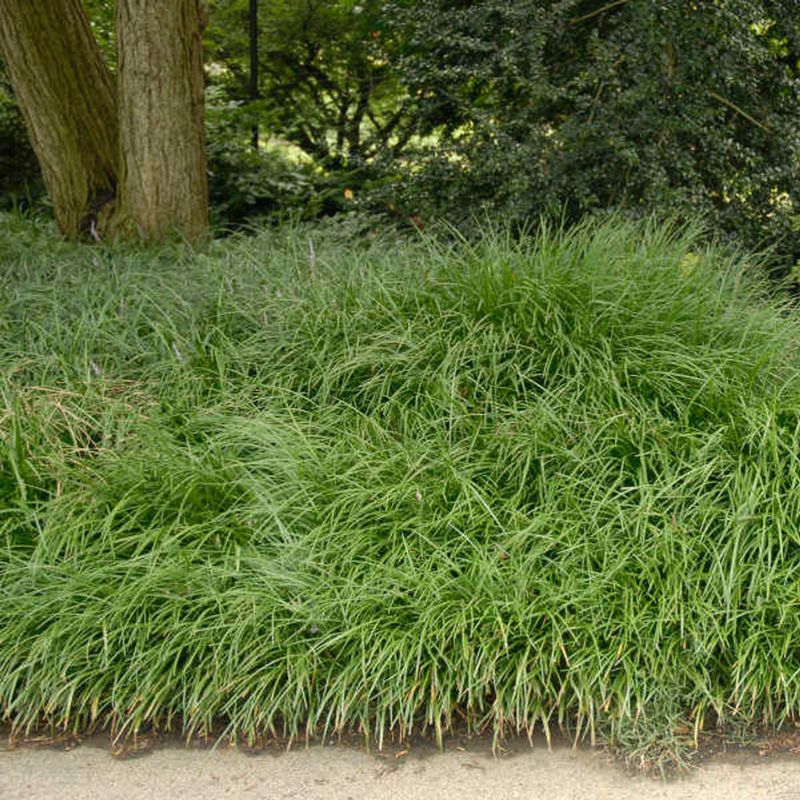
Liriope spicata excels in controlling erosion. Its spreading nature stabilizes soil, making it ideal for slopes and banks. This practical use enhances landscape resilience.
Planting L. spicata on slopes prevents soil loss and maintains garden integrity. It offers both beauty and functionality, with lush foliage covering bare earth.
Did you know? Erosion control with plants is a sustainable practice that not only beautifies landscapes but also conserves soil health for future generations.
15. Pair with Hostas or Ferns

Pairing Liriopes with hostas or ferns results in striking shade garden combinations. Their contrasting textures and colors create visual interest, transforming shaded areas into lush retreats.
These plant partnerships thrive in similar conditions, ensuring harmonious growth. The interplay of foliage adds depth and dimension to any garden space.
An intriguing fact: Shade gardens have gained popularity for their serene beauty, providing cool, inviting spaces in the heat of summer. These combinations highlight nature’s artistry.