 Complete Gardening
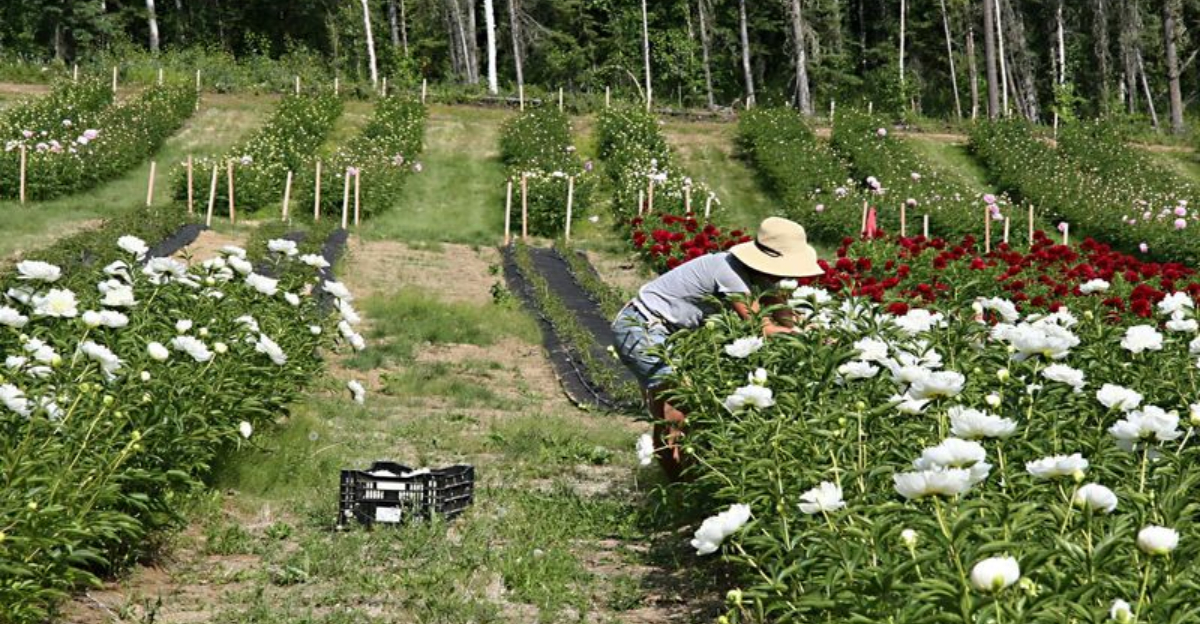
Growing peonies in Alaska’s short summer season presents unique challenges and opportunities. With the right knowledge and care, these beautiful blooms can thrive even in the northernmost climates. This guide will walk you through seven key steps to ensure your peonies flourish.
1. Choosing the Right Peony Varieties
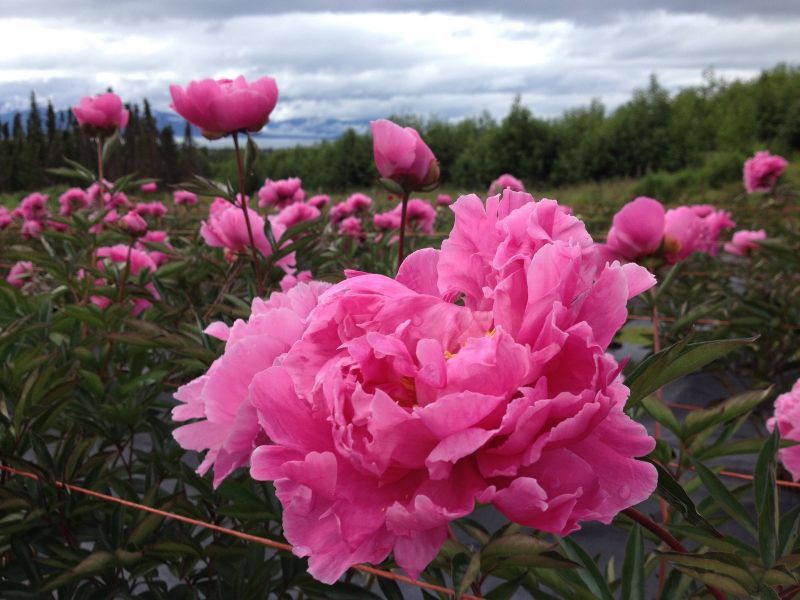
Selecting the right peony variety is crucial for success in Alaska’s brief summer. Look for hardy varieties that can withstand colder temperatures. Consider herbaceous peonies, which are known for their resilience.
These types can survive the harsh winters and bloom beautifully come summer. Tree peonies, with their woody stems, might not fare as well in this climate.
2. Optimal Planting Time
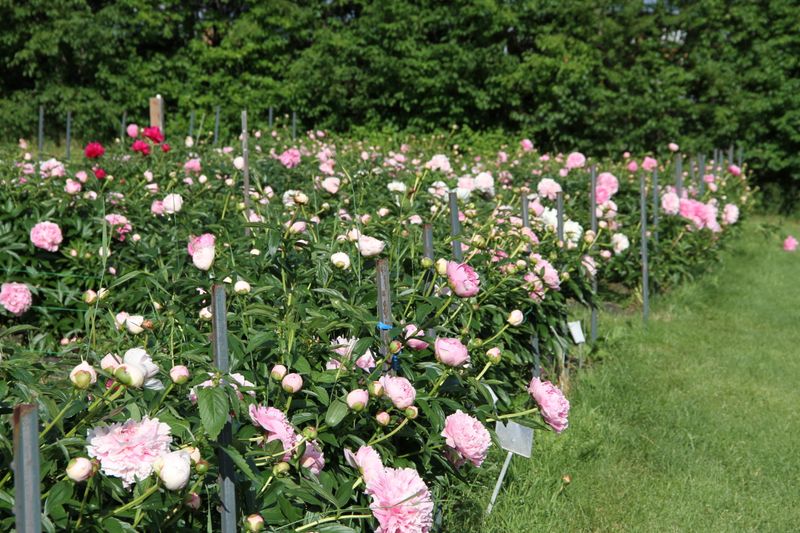
Timing is everything when planting peonies in Alaska. Early spring, just as the ground thaws, is the perfect time to plant. This allows the roots to establish before the growing season hits full stride.
Ensure the soil is workable and free from frost. Late planting can result in weaker blooms and delayed flowering, impacting the plant’s overall health.
3. Preparing the Soil
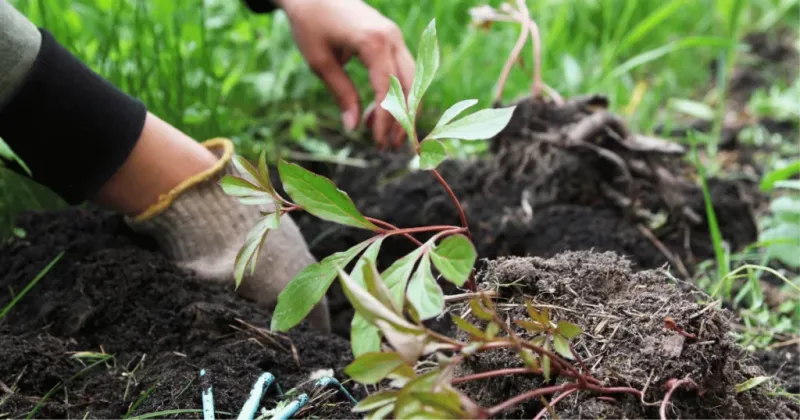
Soil preparation is key to healthy peony growth. Start by choosing a well-draining site, as peonies dislike waterlogged conditions. Incorporate organic matter, like compost, to enhance soil fertility.
A slightly acidic to neutral pH is ideal. Mulching with organic materials can help retain moisture and keep roots protected from sudden temperature changes.
4. Sunlight and Water Requirements
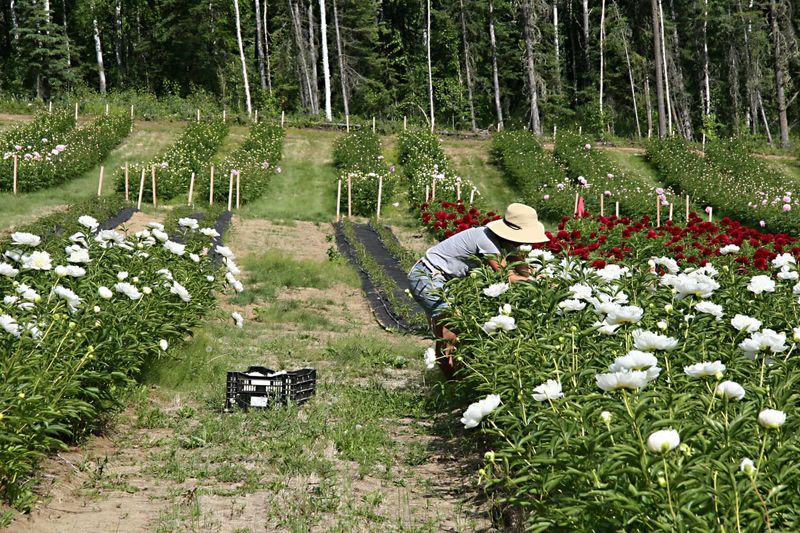
While peonies love sunlight, balance is crucial in Alaska’s intense summer daylight. Aim for 6-8 hours of morning sun to prevent overheating.
Watering should be regular but not excessive. Over-watering can lead to root rot, so ensure good drainage. Observing the plant’s natural signals will guide optimal watering practices.
5. Fertilization Techniques
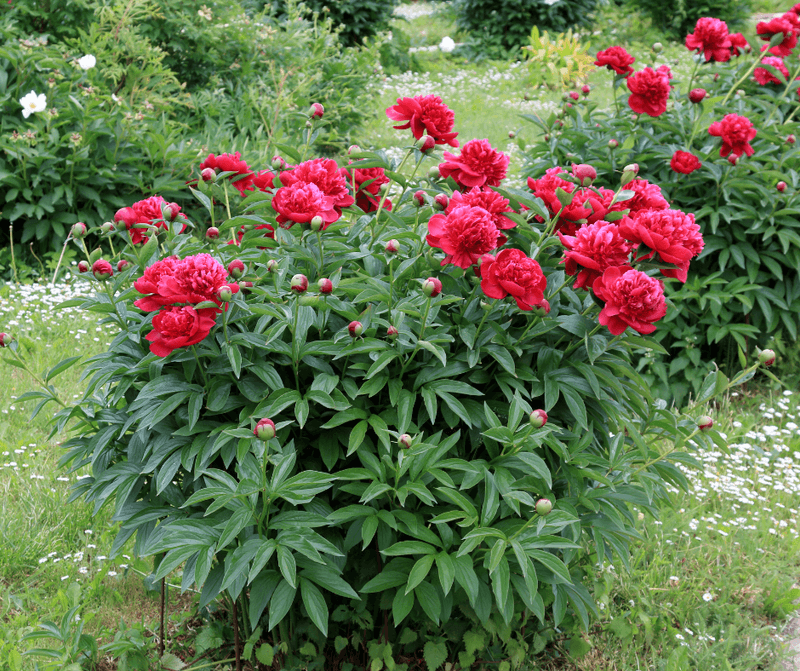
Fertilizing peonies helps in achieving lush blooms. Apply a slow-release, balanced fertilizer in early spring, before new growth begins.
Avoid high nitrogen fertilizers as they can promote leaf growth over flowers. A fall application of organic fertilizers encourages robust root development during the dormant season.
6. Pest and Disease Management
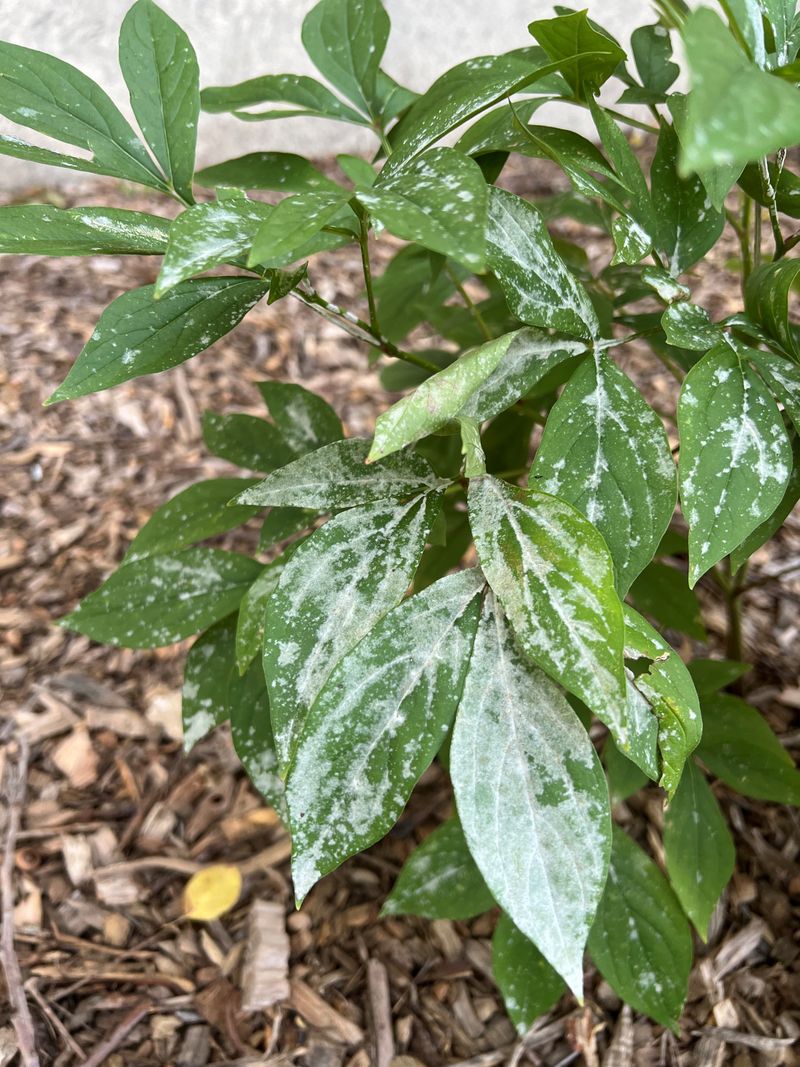
Peonies are relatively hardy, but vigilance against pests and diseases is essential. Use companion planting, such as marigolds, to naturally deter pests.
Regular inspections help catch issues early. For diseases like powdery mildew, ensure good air circulation around the plants to minimize risk.
7. Winter Protection Strategies
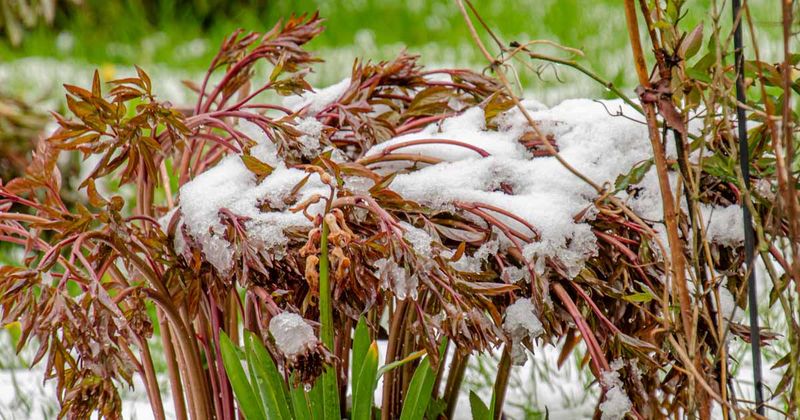
Winter protection is vital for peonies in Alaska. After the first frost, cut back stems and cover with a thick layer of mulch to insulate the roots.
Straw or evergreen boughs work well. This not only protects from freezing but also prevents soil erosion. Come spring, remove the mulch gradually as temperatures rise.