 Complete Gardening
Growing plants in Florida’s sandy soil can be a rewarding challenge. With the right techniques, you can transform this unique landscape into a thriving garden. Here are seven essential tips to help your plants flourish.
1. Choose Native Plants
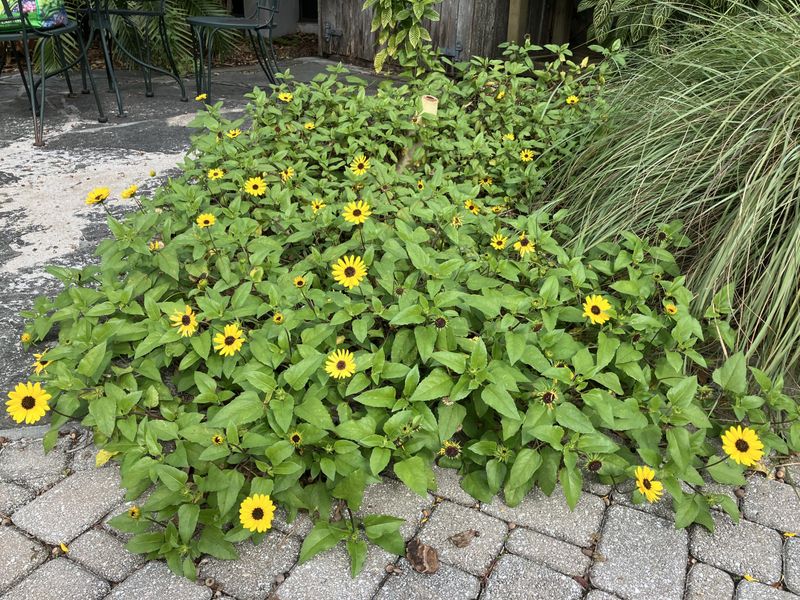
Native plants are uniquely adapted to Florida’s sandy soil and climate.
They require less water and maintenance, making them ideal for busy gardeners. By choosing native species, you also support local wildlife and ecosystems.
With species like the Beach Sunflower or Florida Anise, your garden can become a haven of natural beauty.
2. Enhance Soil with Organic Matter
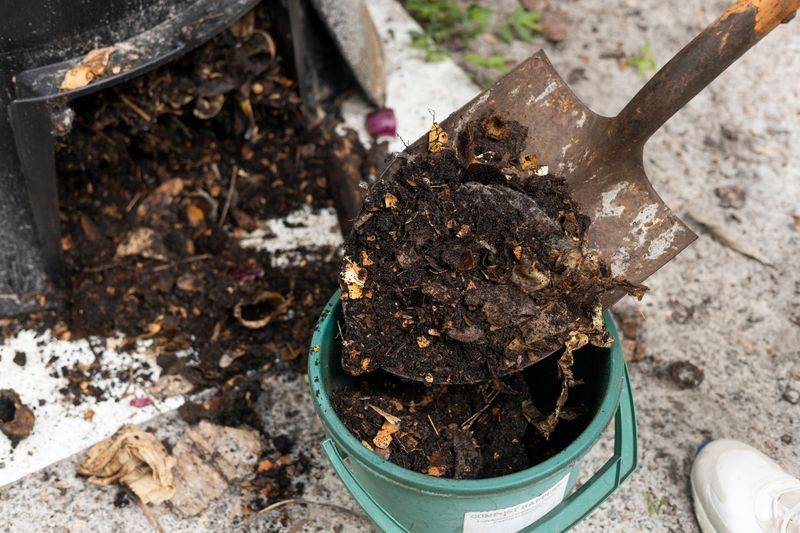
Have you ever felt the grains of Florida’s sandy soil slip through your fingers? Adding organic matter is key to improving its texture.
Compost and peat moss increase water retention, providing essential nutrients to plant roots. Regularly incorporating organic material can change your garden’s fate.
By building a richer soil profile, your plants will stay hydrated and nourished, even in Florida’s heat.
3. Utilize Mulching Techniques
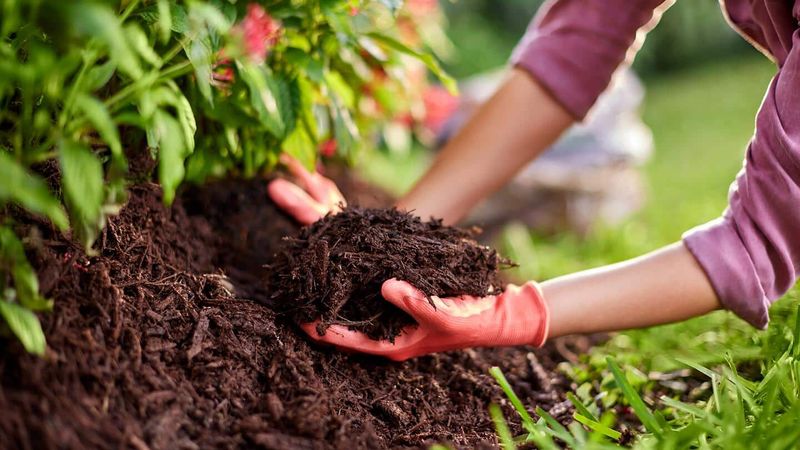
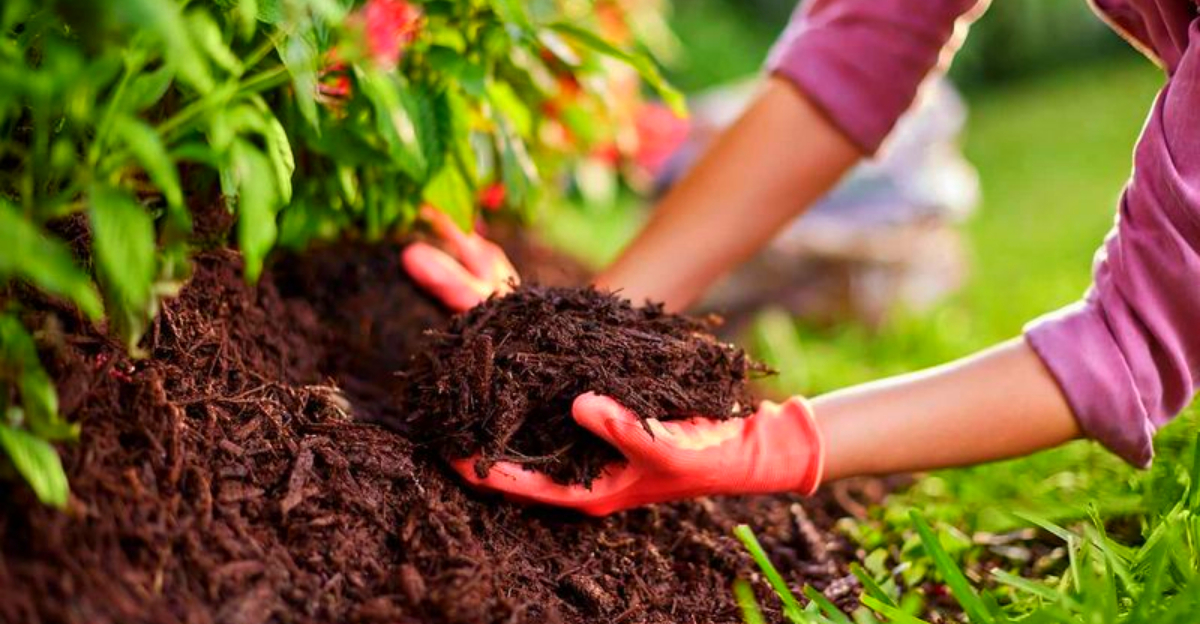
Think of mulch as your garden’s protective blanket. It conserves moisture, regulates soil temperature, and suppresses weeds.
Organic mulches like straw or wood chips break down over time, enriching the soil. This simple layer can make a significant difference in sandy environments.
By reducing evaporation, mulching helps maintain a steady growth environment for your plants.
4. Implement Drip Irrigation
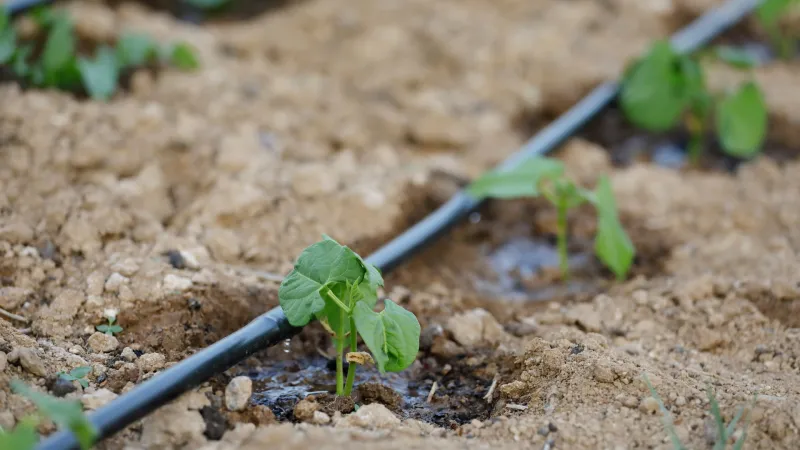
Water conservation is a priority in sandy soil regions. Drip irrigation delivers water directly to the root zone, minimizing waste.
This efficient system can be easily set up in home gardens. It reduces evaporation and ensures that plants receive consistent moisture.
With precise watering, your plants will flourish even during Florida’s dry spells, keeping your garden vibrant.
5. Select Drought-Resistant Varieties
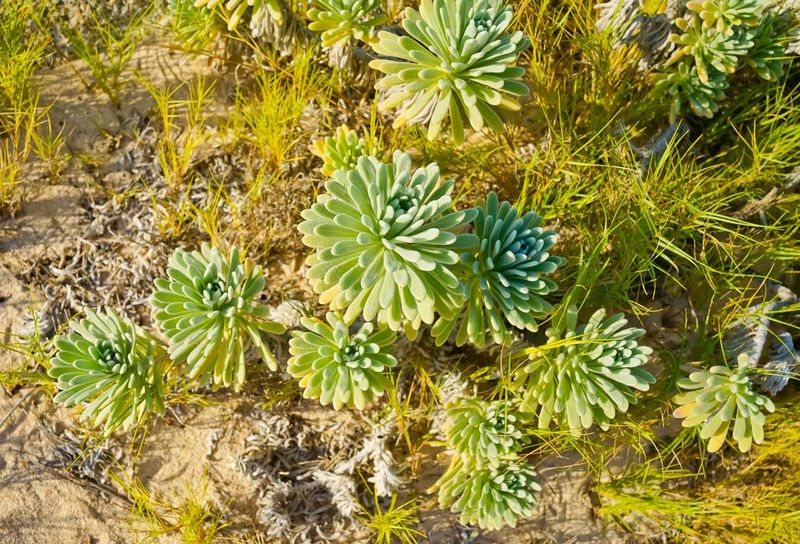
Imagine a garden that thrives with minimal water. Drought-resistant plants are perfect for sandy soils that struggle to retain moisture.
Succulents, cacti, and certain grasses have adapted to survive with limited water. These resilient plants can add unique beauty to your garden.
Their ability to withstand dry conditions makes them ideal for environmentally conscious gardeners.
6. Add Slow-Release Fertilizers
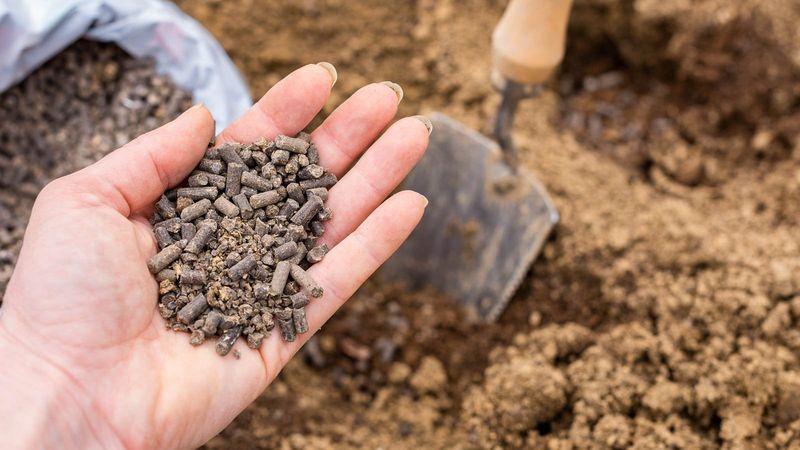
In sandy soils, nutrients can leach away quickly. Slow-release fertilizers provide a steady nutrient supply over time.
These fertilizers reduce the need for frequent applications, making them cost-effective and convenient. They support healthy plant growth throughout the season.
With balanced nutrition, your garden remains productive and lively, even in challenging conditions.
7. Embrace Raised Bed Gardening
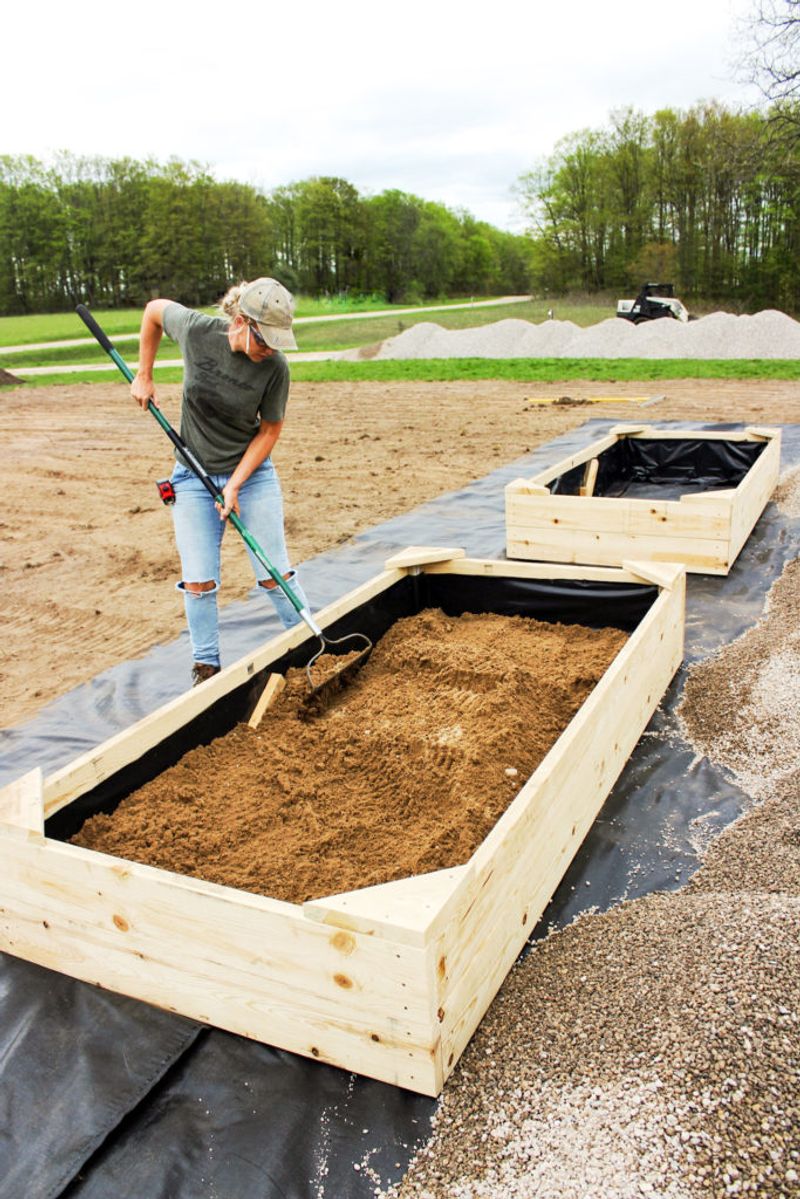
Raised beds offer control and flexibility in gardening. They allow you to customize soil composition and drainage.
Building raised beds can elevate your garden’s success, especially in sandy areas. You can blend soils for optimal growth conditions.
This method also reduces soil erosion and compaction, providing a nurturing environment for your plants.