 Complete Gardening
Ants, although tiny, can be a huge nuisance when they invade your flower beds. They not only disrupt the aesthetics but can also harm the plants by farming aphids, which feed on plant sap. Using natural methods to deter ants is not only safer for the environment but also for other beneficial insects that contribute to the garden’s health. Here, we explore seven natural ways to keep ants at bay, ensuring that your flower beds remain beautiful and thriving without the use of harsh chemicals.
Cinnamon Barrier

Imagine a sweet-smelling shield around your flower bed. Cinnamon, with its potent fragrance, acts as a natural repellent for ants. Sprinkling a thin line of cinnamon powder around the perimeter of your flower bed creates a barrier that ants are reluctant to cross. This aromatic spice disrupts their scent trails, making it difficult for them to navigate.
Ants rely heavily on these trails for communication and navigation, and without them, they become disoriented. Additionally, cinnamon is safe for plants and pets, ensuring a harmless yet effective method to keep your garden ant-free.
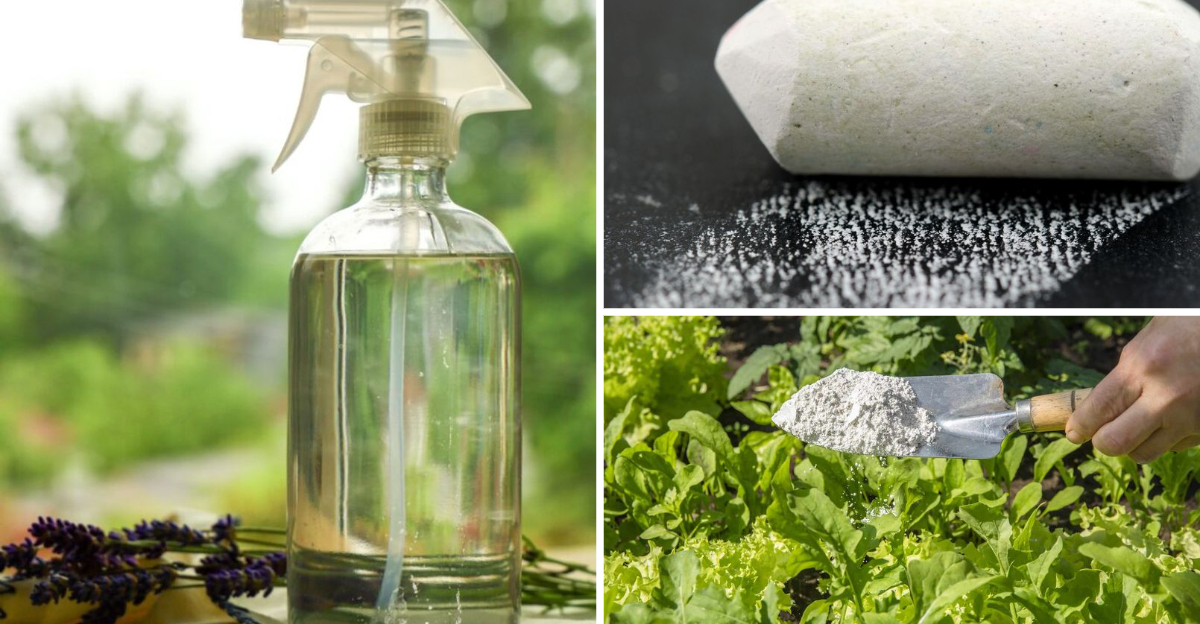
Diatomaceous Earth
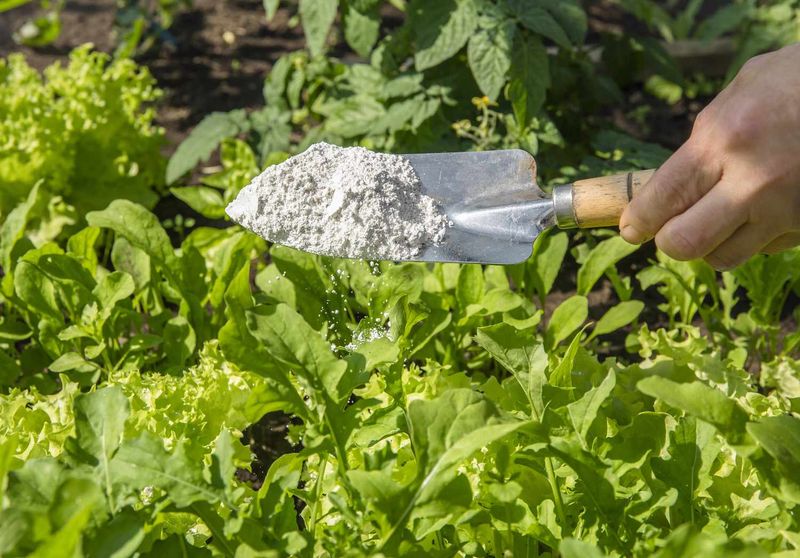
In the realm of natural insect control, diatomaceous earth reigns supreme. This fine powder, made from fossilized algae, is deadly to ants but harmless to humans and pets. When ants come into contact with it, the powder damages their exoskeletons, leading to dehydration and eventual death.
Sprinkle it lightly around your flower beds, focusing on ant entry points. Its effectiveness doesn’t wane with time, but reapplication after rain is necessary.
This method not only tackles current infestations but also prevents future ones, making it a gardener’s trusted ally.
Vinegar Solution
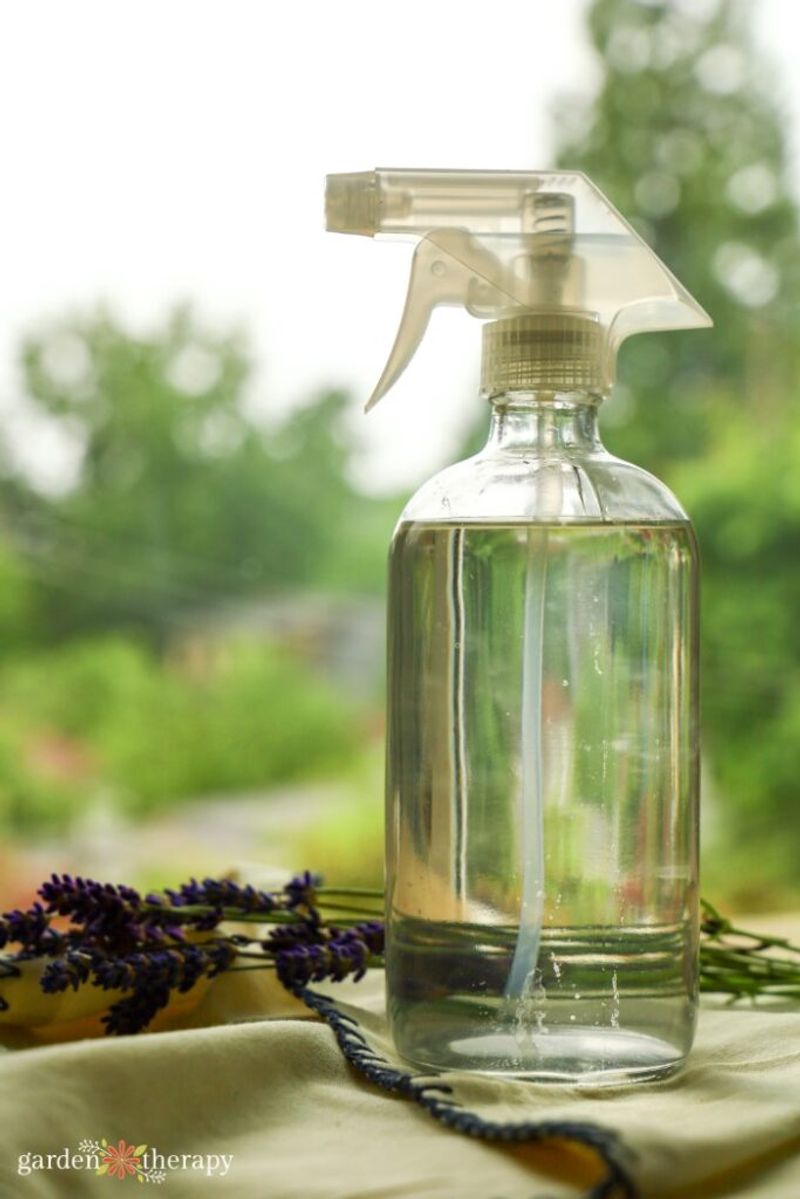
For those looking for a quick and easy solution, vinegar comes to the rescue. Mix equal parts of water and white vinegar in a spray bottle and apply it directly to ant trails and entry points. The strong scent of vinegar disrupts their pheromone trails, effectively deterring them.
This solution is not only effective but also cost-efficient and readily available. The acidic nature of vinegar can also improve soil pH when used sparingly. However, avoid direct contact with plant leaves to prevent damage.
A simple yet powerful tool in the gardener’s arsenal.
Coffee Grounds
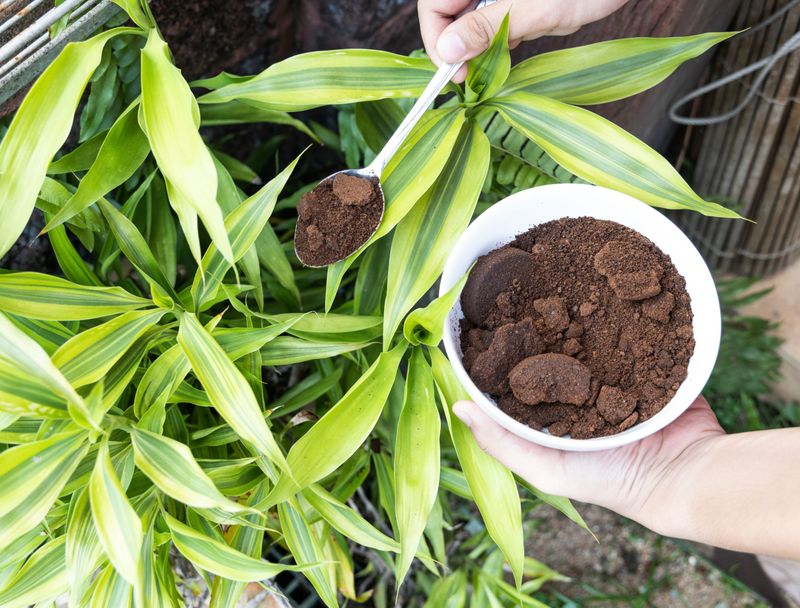
Who knew your morning brew could be a garden hero? Used coffee grounds are not only great for enriching soil but also act as a natural deterrent for ants. The strong aroma and texture of the grounds create an uninviting environment for these pests.
Sprinkle them around your flower beds, focusing on ant-prone areas. As an added benefit, coffee grounds release nitrogen into the soil, promoting plant growth.
This eco-friendly method not only repels ants but also recycles waste, adding a sustainable touch to your gardening routine.
Mint Plants
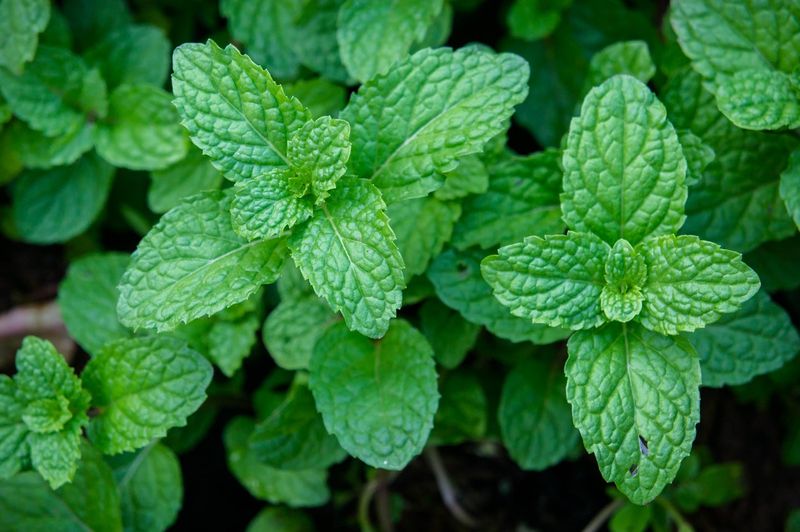
Mint, with its refreshing scent, is more than just an ingredient in your tea. Planting mint around your flower beds can naturally deter ants. The strong aroma of mint is known to confuse and repel ants, preventing them from entering your garden.
This perennial herb is easy to grow and can quickly spread, providing continuous protection. In addition to deterring ants, mint attracts beneficial insects like bees, enhancing your garden’s ecosystem.
Embrace mint as a dual-purpose plant that beautifies and protects.
Essential Oil Spray
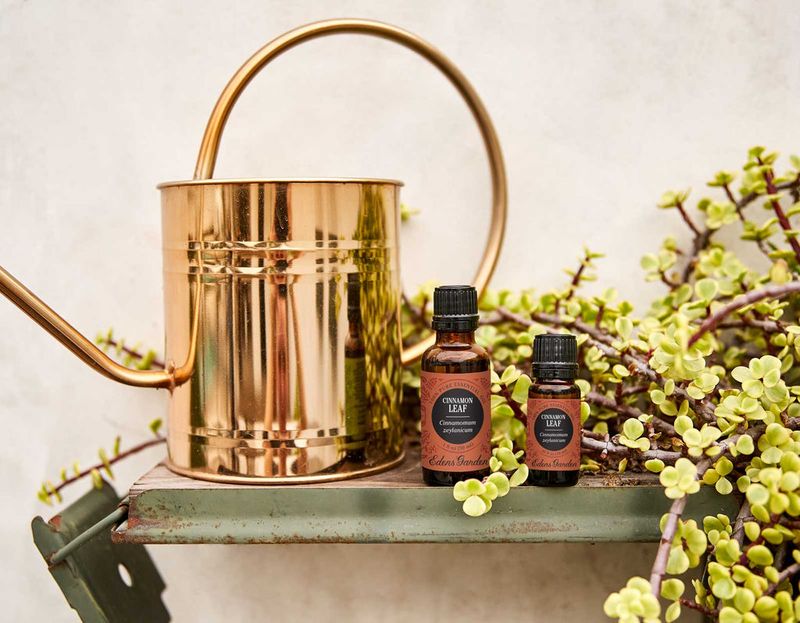
Step into the world of fragrant protection with essential oils. Oils like peppermint, tea tree, and eucalyptus are powerful ant deterrents. Mix a few drops with water in a spray bottle and apply to ant trails and potential entry points.
The potent aroma disrupts their scent paths, effectively keeping them away from your precious plants. This method is not only natural but also allows you to enjoy a pleasant fragrance in your garden. Reapply after rain for continued protection.
A delightful way to maintain a pest-free flower bed.
Boiling Water

While drastic, pouring boiling water on ant mounds is both immediate and effective. This method kills ants on contact, providing instant relief from infestations. Target visible mounds in the morning or late afternoon when ants are most active.
Exercise caution to avoid plant roots and ensure safety while handling hot water. This technique is best used as a last resort due to its potential impact on the surrounding soil.
A dramatic, yet straightforward method to reclaim your flower beds from ant invasions.
Chalk Lines
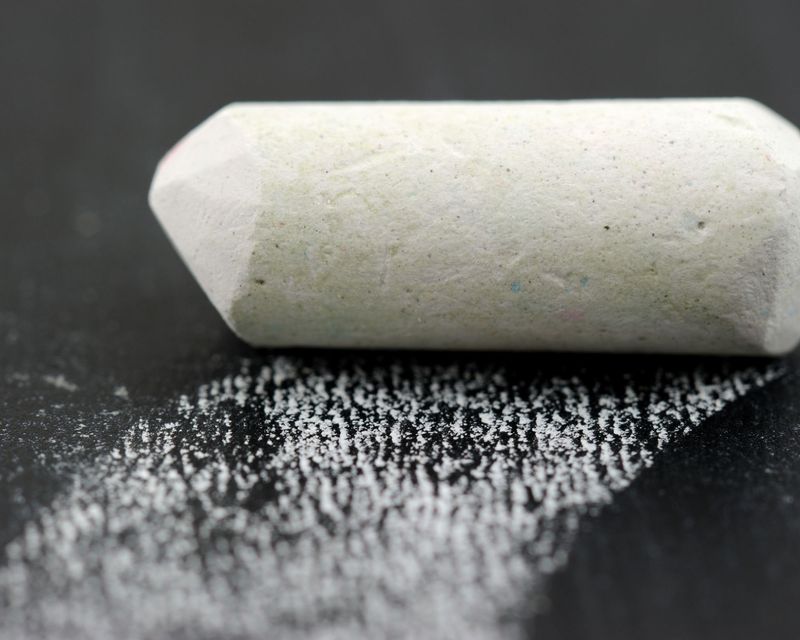
Ants dislike crossing chalk lines. Draw lines around your flower beds to keep them out. This approach is simple, yet surprisingly effective. Use white chalk for best results. The fine powder disrupts ant pheromone trails, confusing them. Renew lines after rain, as moisture can erase them. Easy to apply, chalk offers a chemical-free barrier. Perfect for gardeners seeking an eco-friendly solution. This method works best in dry conditions. Furthermore, chalk is inexpensive and readily available. It’s a straightforward technique with proven results, making it a favorite among natural gardening enthusiasts.
Cucumber Peels

Ants are not fond of cucumber peels, especially bitter varieties. Scatter peels around your flower beds to deter them. This natural method confuses ants’ scent trails. Opt for organic cucumbers, free from pesticides. Use fresh peels for maximum effectiveness. Replace them regularly to maintain their potency. This approach offers a refreshing scent to your garden. Plus, cucumber peels decompose, enriching the soil. It’s an eco-friendly solution, perfect for sustainable gardening. Cucumber peels are a delightful and functional addition to your garden care routine, keeping ants at a distance.
Citrus Oil Barrier

Citrus oil is a natural ant repellent. Ants dislike its strong scent. Mix a few drops with water in a spray bottle. Apply around your flower beds regularly. This aromatic barrier disrupts their trails. Citrus oil is non-toxic, keeping your garden safe. It’s a pleasant-smelling alternative to harsh pesticides. Plus, it’s gentle on plants. For best results, use pure, high-quality oil. Reapply after rain to maintain effectiveness. An added benefit is its potential to repel other pests. Citrus oil is both a fragrant and functional choice for ant control in gardens.
Pepper Sprinkle
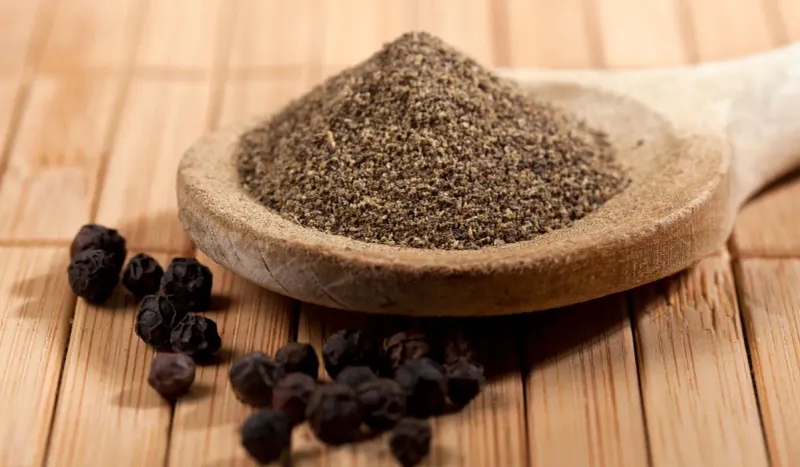
Sprinkle ground black pepper around your flower beds. Ants avoid its pungent scent. This natural deterrent disrupts their trails. It’s a cost-effective solution, easily available in most kitchens. Use fresh pepper for potency. Reapply after rain or watering. It’s a non-toxic way to protect plants. Pepper not only deters ants but can also repel other garden pests. This method ensures your flower beds remain vibrant and pest-free. Spice up your garden care with pepper’s surprising effectiveness. It’s an innovative and simple approach, blending culinary spice with pest control.
Bay Leaf Scatter

Bay leaves can deter ants with their strong aroma. Scatter them around flower beds to create a natural barrier. This method is simple yet effective. Use dried leaves for lasting scent. Replace them periodically for best results. Bay leaves are safe for your garden and pets. They offer a pleasant fragrance while keeping ants away. An affordable solution, bay leaves can be found in most kitchens. Enhance your garden’s appeal and protection with this aromatic tactic. It’s a traditional method, loved by gardeners seeking chemical-free options.
Garlic Spray
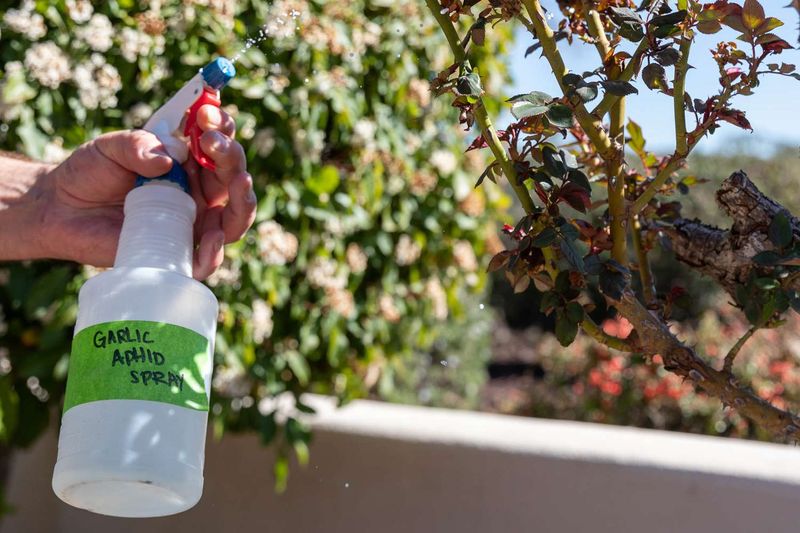
Create a garlic spray to repel ants. Blend garlic cloves with water, strain, and spray around your flower beds. Ants dislike the pungent aroma. This natural solution is easy to make at home. Garlic is non-toxic and safe for plants. Reapply after rain to maintain its potency. Additionally, garlic spray can deter other garden pests. Embrace this culinary herb’s power for pest control. It’s an economical choice, perfect for organic gardening. Garlic offers both protective benefits and a fragrant addition to your garden care routine.
Lemon Juice Mix

Ants are deterred by lemon juice. Mix it with water and spray around your flower beds. The scent disrupts their trails and confuses them. This solution is natural and safe for the environment. Use fresh lemon juice for best results. Reapply frequently, especially after rain. It’s a zesty way to protect your garden. Lemon juice also freshens the air, adding a citrusy aroma. It’s both a fragrant and functional choice for ant control. This simple remedy makes a refreshing addition to your garden tools.
Talcum Powder Line
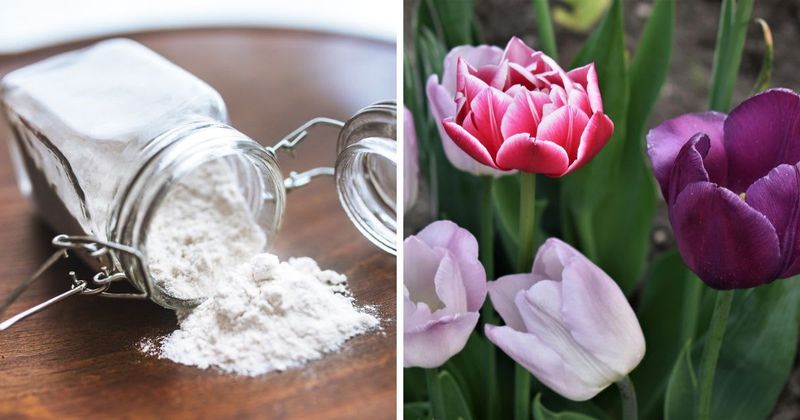
Draw a line of talcum powder around your flower beds. Ants avoid crossing it. The fine powder disrupts their pheromone trails. It’s a simple yet effective barrier. Talcum powder is non-toxic and safe for plants. Use it in dry conditions for best results. Reapply after rain to maintain its effectiveness. This method is both affordable and easy to apply. It’s a gentle solution that integrates well into natural gardening practices. Talcum powder not only protects your flowers but also adds a soft touch to your garden care.
Neem Oil Solution
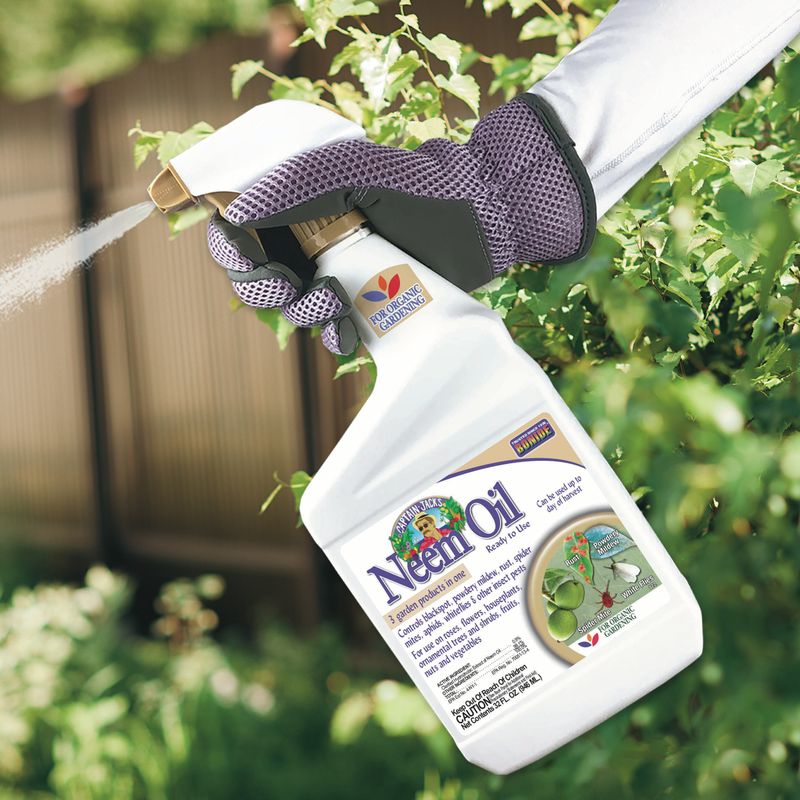
Neem oil is a versatile pest control solution. Ants dislike its bitter taste and scent. Mix with water and spray your flower beds. This organic approach is safe for plants and pets. Neem oil not only repels ants but can also disrupt their life cycle. Reapply frequently, especially after rainfall. This natural oil offers a holistic solution for pest management. It’s a sustainable option for eco-conscious gardeners. Neem oil enhances your garden’s health while deterring unwanted visitors. Protect your plants with this ancient remedy, favored for its effectiveness.