 Complete Gardening
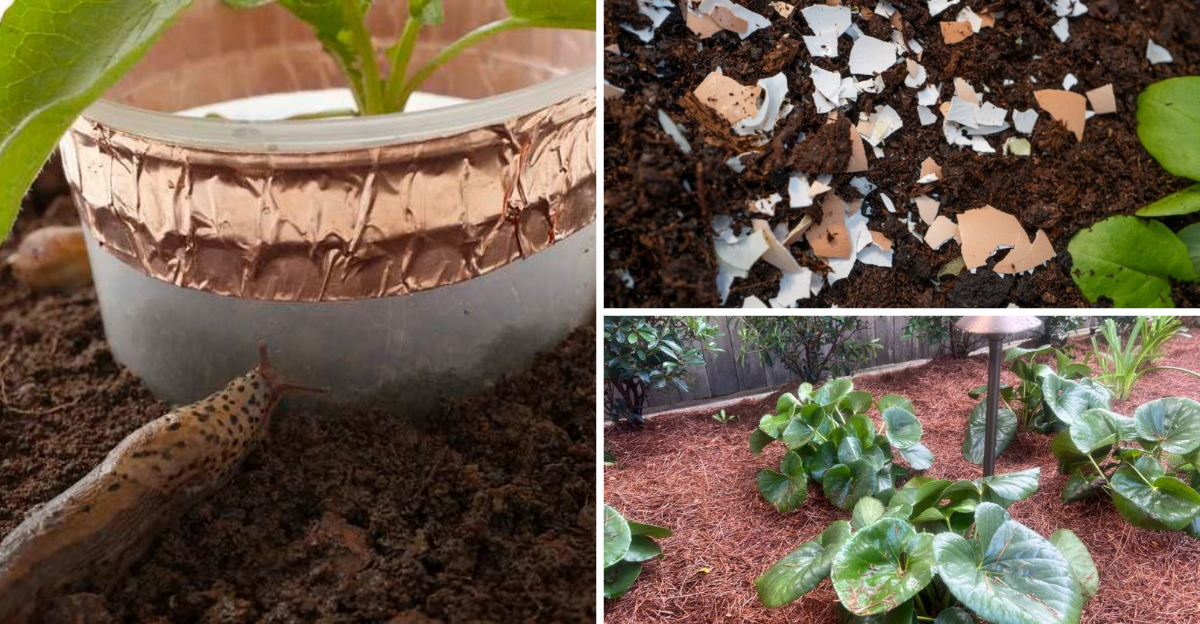
Gardening is a rewarding hobby, but it often comes with challenges, like dealing with pests such as snails and slugs. These tiny creatures can wreak havoc on your plants, leaving you frustrated. Fortunately, there are natural methods to keep them at bay without resorting to harmful chemicals.
Copper Barriers
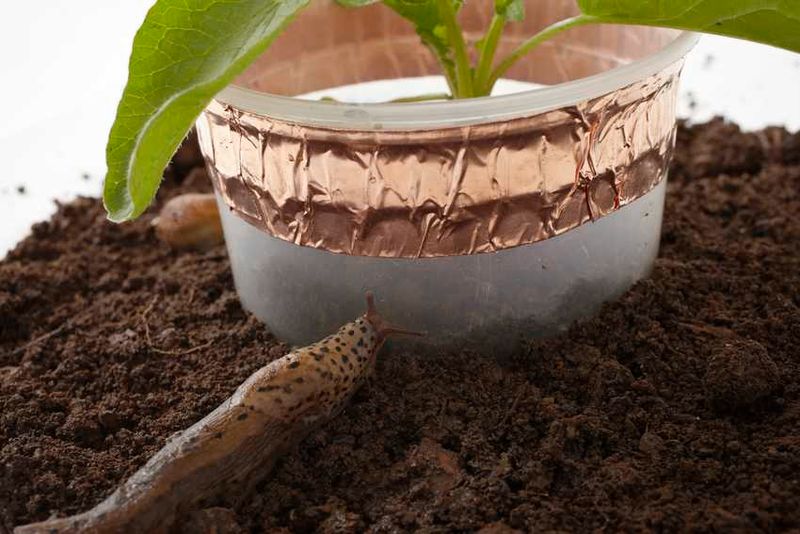
Copper barriers are a reliable way to deter snails and slugs from your garden. The metal reacts with the slime of these pests, creating a mild electric shock that they dislike. This method is non-toxic, making it environmentally friendly.
Place copper tape around the rims of pots or garden beds to create an effective barrier. As the snails and slugs attempt to cross, they are deterred. This approach not only protects your plants but also maintains the ecological balance in your garden.
With copper, you choose simplicity and effectiveness in one go.
Eggshell Mulch
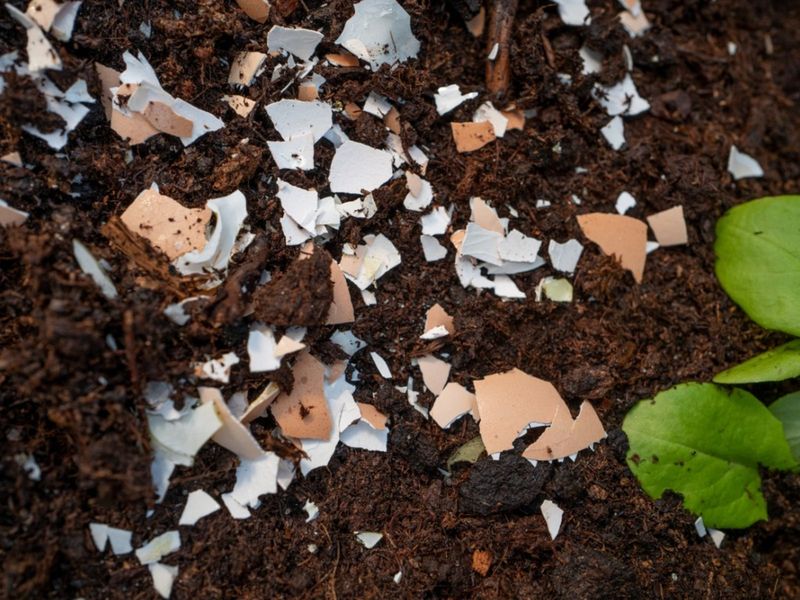
With the breakfast table’s leftovers, you can craft a defensive line against snails and slugs. Crushed eggshells, with their sharp edges, present a formidable barrier that these pests are hesitant to cross.
This method is as economical as it is sustainable, giving a second life to discarded shells. Scatter the crushed eggshells around the base of your plants.
Not only does this deter the unwanted guests, but it also enriches the soil with calcium as the shells break down. A sustainable approach for the eco-conscious gardener.
Beer Traps
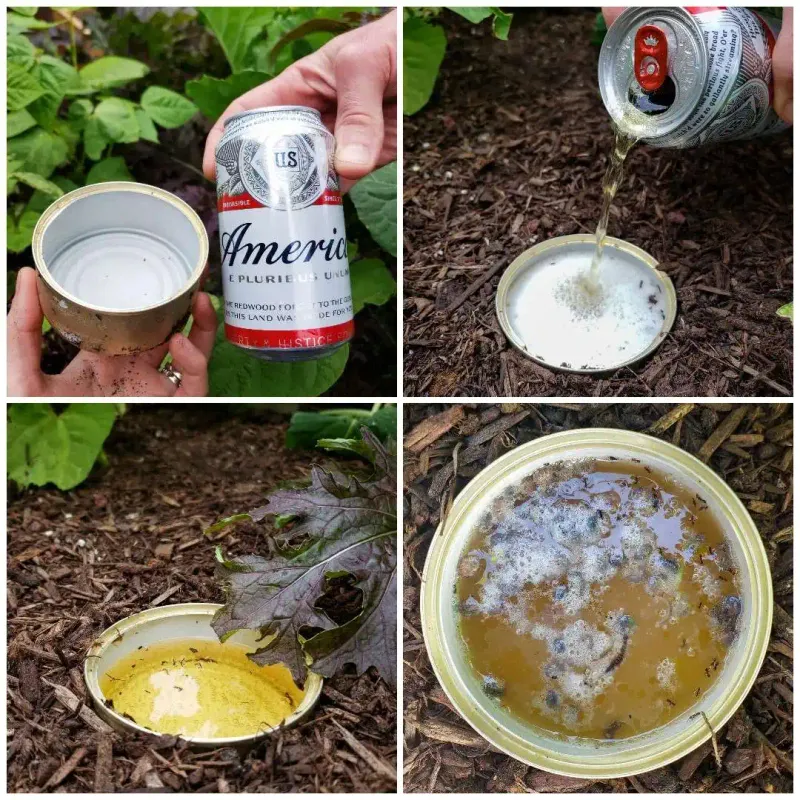
Who knew that snails and slugs have a penchant for beer? This quirky method involves filling shallow containers with beer and placing them around your garden.
Attracted by the yeast and fermentation, the pests crawl in, only to meet their end. This method is simple and effective, albeit a bit unconventional.
It’s a humorous yet practical solution for gardeners seeking to protect their plants. So, next time you open a cold one, consider sharing it with your garden foes. It’s a win-win for your flora.
Handpicking at Dawn
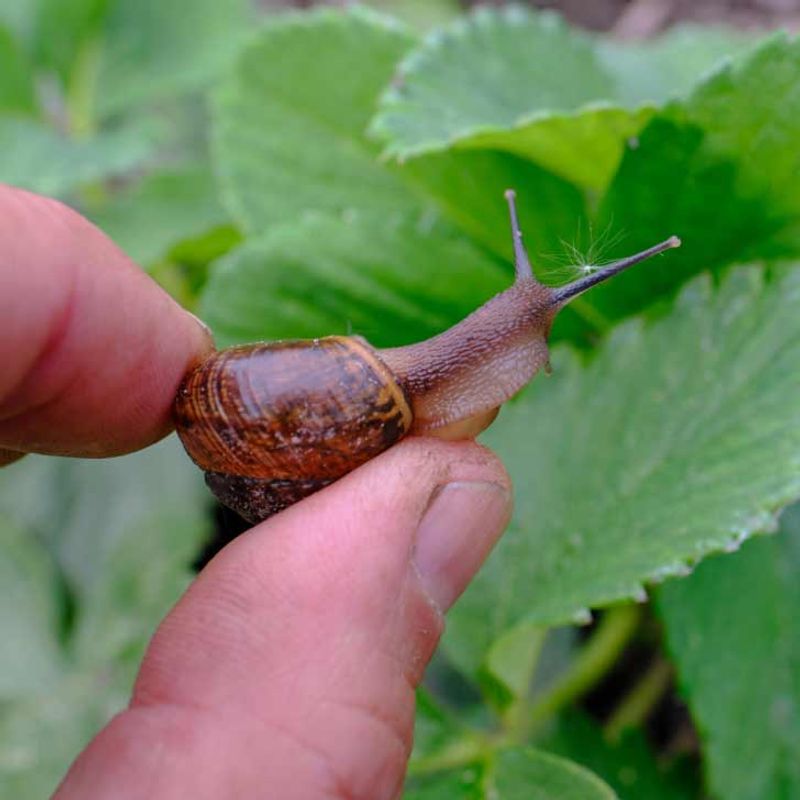
For those willing to rise with the sun, handpicking offers a direct and personal way to manage snail and slug populations. Early morning is ideal since these nocturnal creatures are often active.
Armed with a bucket and gloves, stroll through your garden. Pluck these pests off leaves and stems, reducing their numbers effectively.
While time-consuming, it’s a satisfying task that connects you more deeply with your garden. Plus, it ensures a chemical-free environment for your plants. Embrace this hands-on approach to nurturing your green oasis.
Nematodes as Natural Predators
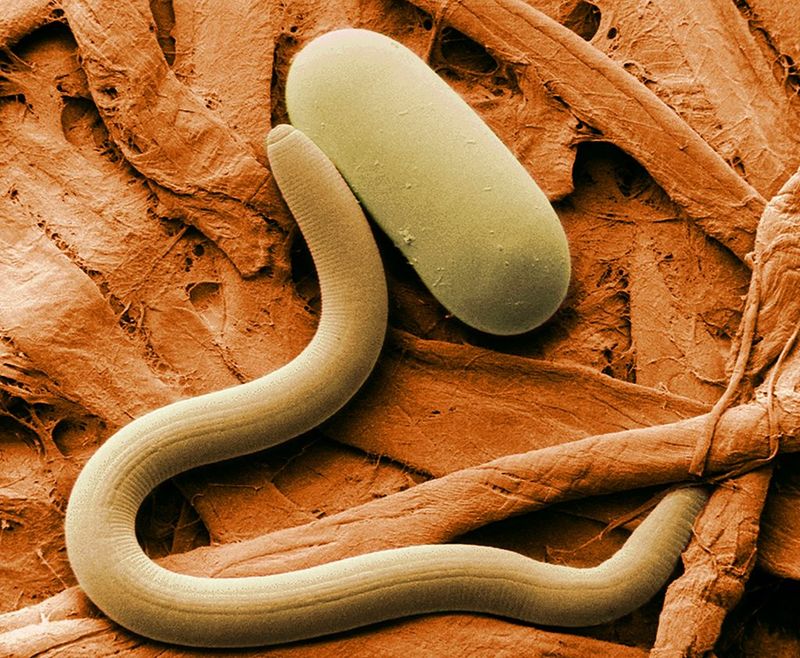
Nematodes, microscopic worms, are the unsung heroes of pest control. These natural predators target and eliminate snails and slugs efficiently.
Applied to the soil, nematodes seek out these pests, invading and ultimately destroying them. This method leverages the power of nature to maintain balance in your garden.
It’s a fascinating glimpse into the world of biological control, allowing your plants to thrive without harmful chemicals. By embracing nematodes, you invite nature’s tiny warriors to safeguard your garden’s health.
Diatomaceous Earth
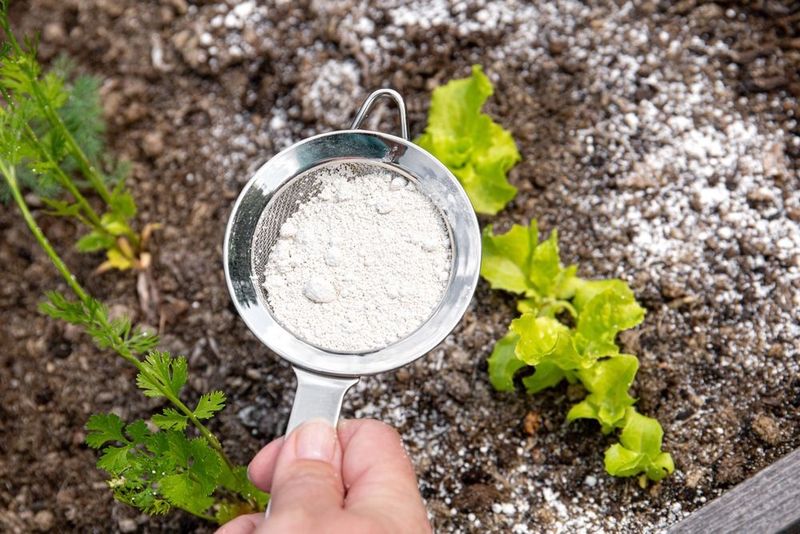
Diatomaceous earth, a powdery substance, offers a formidable defense against snails and slugs. Made from fossilized remains of diatoms, it works by dehydrating these pests.
Sprinkle it on dry soil around the base of plants. As snails and slugs crawl over it, they lose moisture, leading to their demise.
This method is safe for humans and pets while effectively controlling unwanted garden visitors. It’s a classic choice for those seeking an environmentally friendly pest solution. Let the natural power of diatomaceous earth protect your plants.
Garlic Spray
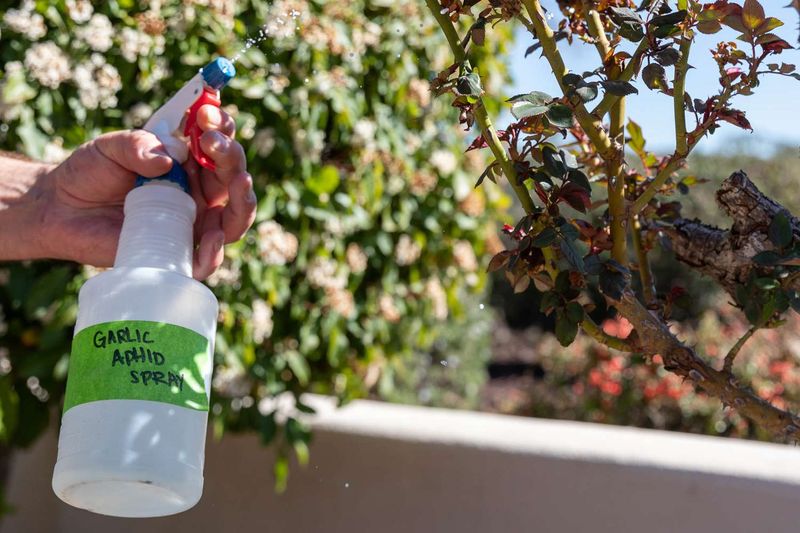
Harness the power of garlic to fend off snails and slugs. A homemade garlic spray creates an unwelcoming environment for these pests.
Blend garlic cloves with water, strain, and fill a spray bottle. Apply to plant leaves and soil to deter unwanted visitors.
Garlic spray not only repels but also offers a natural way to protect your plants, free from harmful chemicals. It’s a simple yet effective strategy for gardeners seeking a natural approach. Embrace the pungent power of garlic for a thriving garden.
Coffee Grounds Barrier
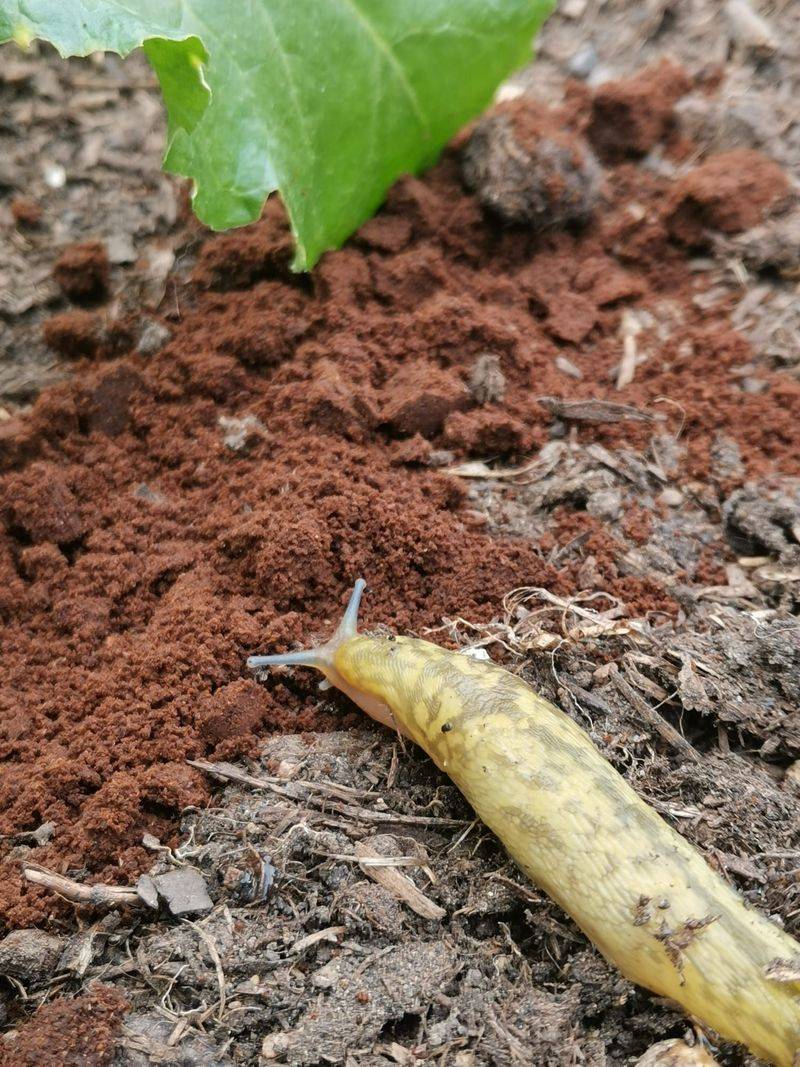
Early morning coffee isn’t just for humans. Coffee grounds can act as a deterrent for snails and slugs. Sprinkle used coffee grounds around the base of your plants. The texture is unpleasant for these creatures to crawl over, and the caffeine can be toxic to them.
Use coffee grounds from your own home or ask a local café for their leftovers. This recycling method benefits your garden and reduces waste. Plus, your garden will have a lovely aroma! A win-win for gardeners seeking an eco-friendly solution.
Pine Needle Mulch
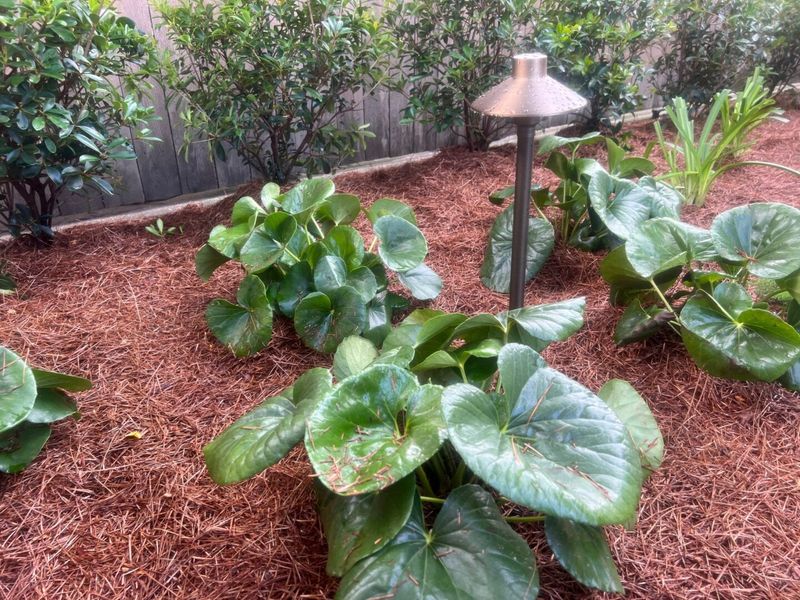
Transforming fallen pine needles into mulch provides a natural shield against snails and slugs. The needles create a prickly surface that’s challenging for these pests to navigate.
Gather pine needles from your yard or a nearby forest. Their acidic nature can also enrich the soil, benefiting certain plants.
This method offers an abundant, cost-effective way to protect your garden. Pine needle mulch combines functionality with an aesthetic touch, ensuring your plants remain healthy and less appetizing to snails and slugs.
Seaweed Mulch
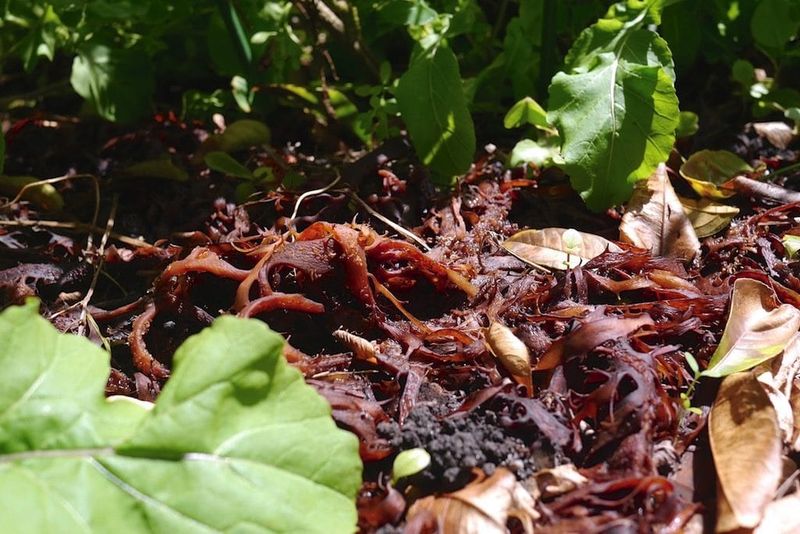
Seaweed isn’t just for sushi; it’s a potent snail and slug deterrent. Rich in salt, seaweed creates an inhospitable environment for these pests. Layer fresh or dried seaweed around your plants.
The texture and salinity discourage snails and slugs from venturing close. Additionally, seaweed enriches the soil with valuable nutrients as it breaks down.
Collect seaweed from a local beach, ensuring it’s legal to do so. This method supports your garden’s ecosystem while keeping unwanted visitors at bay.
Wool Pellets
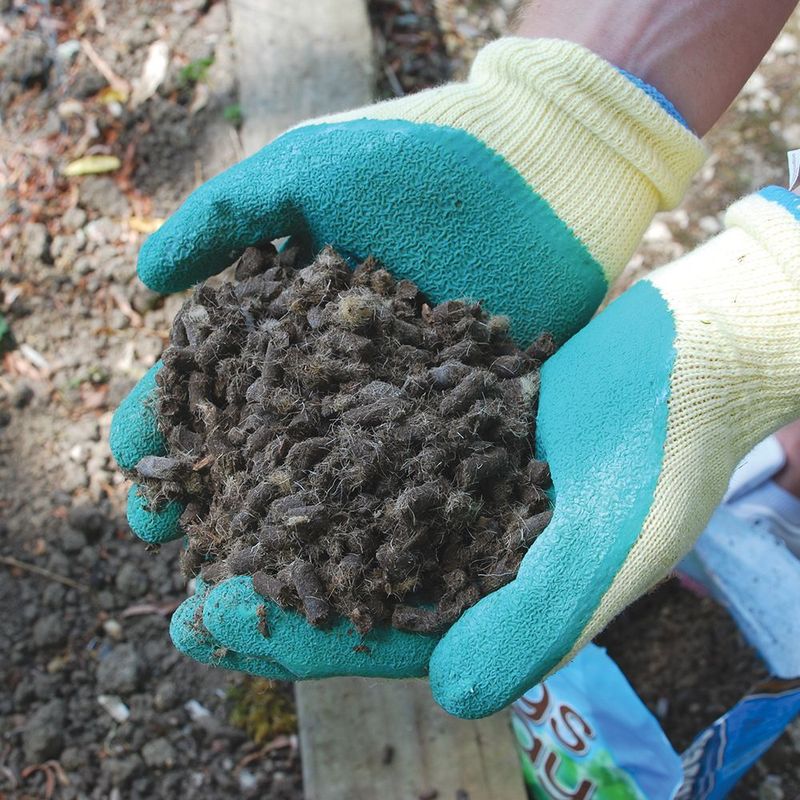
Wool pellets offer a unique solution for keeping snails and slugs away. When wet, they expand, creating a thick barrier snails and slugs struggle to cross. Plus, wool pellets naturally decompose, adding nutrients to the soil.
Spread them around the base of your most vulnerable plants. The texture and expansion create an effective deterrent, and sheep farmers often supply them, making this method sustainable and environmentally friendly.
Protect your garden while supporting local agriculture with this innovative approach.
Citrus Trap
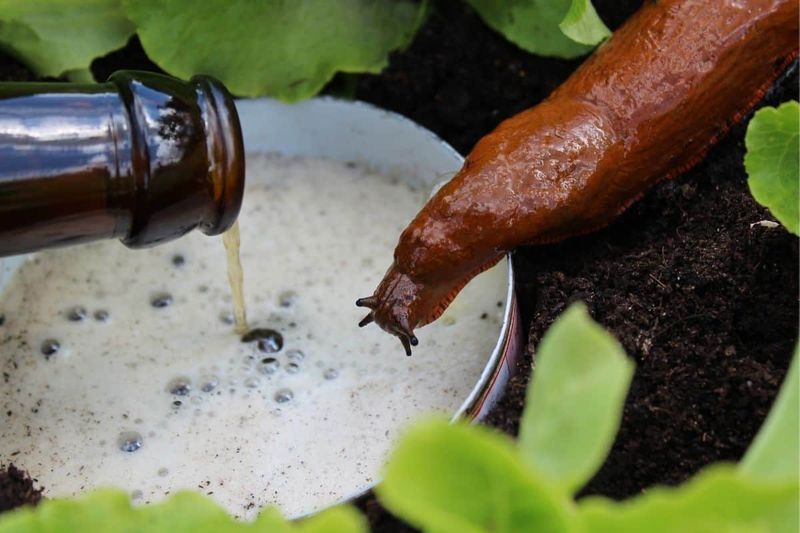
Bright, juicy citrus fruits can lure snails and slugs away from your plants. Place halved citrus fruits such as oranges or lemons around the garden. These pests are attracted to the scent and acidity.
Check the traps in the morning and remove any snails or slugs. This method is not only effective but also adds a splash of color to your garden.
Using citrus as a trap is an easy, non-toxic approach to safeguarding your plants while upcycling kitchen waste.
Wood Ash Barrier
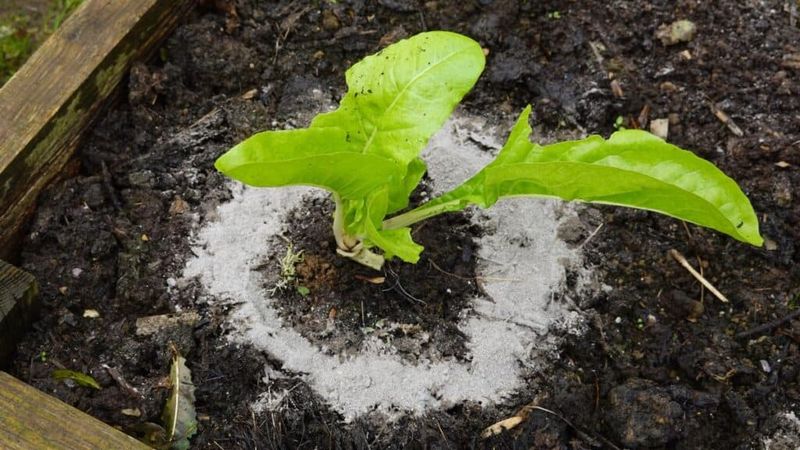
Wood ash, a byproduct of cozy fires, can deter snails and slugs effectively. Sprinkle a thin layer of wood ash around your plants. The alkaline nature and texture make it an unappealing barrier for these pests.
Not only does it keep snails and slugs at bay, but it also adds potassium to the soil, promoting plant health.
Ensure to reapply after rain, as the barrier can wash away. This method utilizes what would otherwise be waste, turning it into a garden ally.
Sandpaper Rings
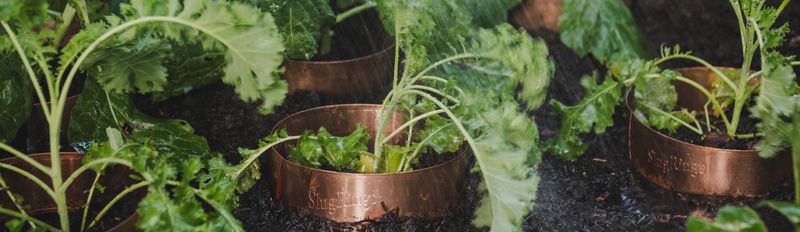
Sandpaper rings are a crafty, tactile defense against snails and slugs. Cut sandpaper into strips and circle them around the base of your plants. The rough texture discourages slugs from crossing.
Secure the ends with a staple or tape to keep them in place. This method is simple yet effective in protecting your garden.
By repurposing common household items, you utilize an inexpensive and efficient barrier, ensuring your plants remain undisturbed by snails and slugs.
Vaseline Barrier
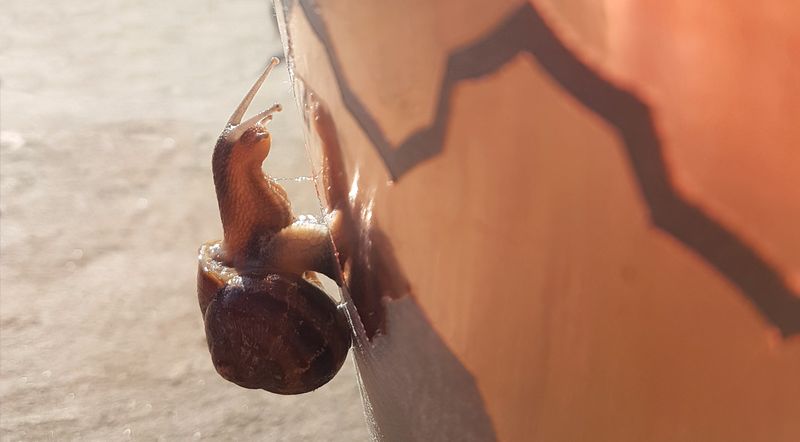
Vaseline isn’t just for skin; it can protect your plants from snails and slugs. Apply a layer of Vaseline around the rim of pots or planters. The sticky surface prevents pests from climbing over.
This method is particularly useful for potted plants and container gardens. It’s a quick fix that utilizes a common household item to keep your plants safe.
Reapply as needed, especially after rain. This barrier offers a simple and effective way to guard your garden against unwanted visitors.
Herbal Tea Spray
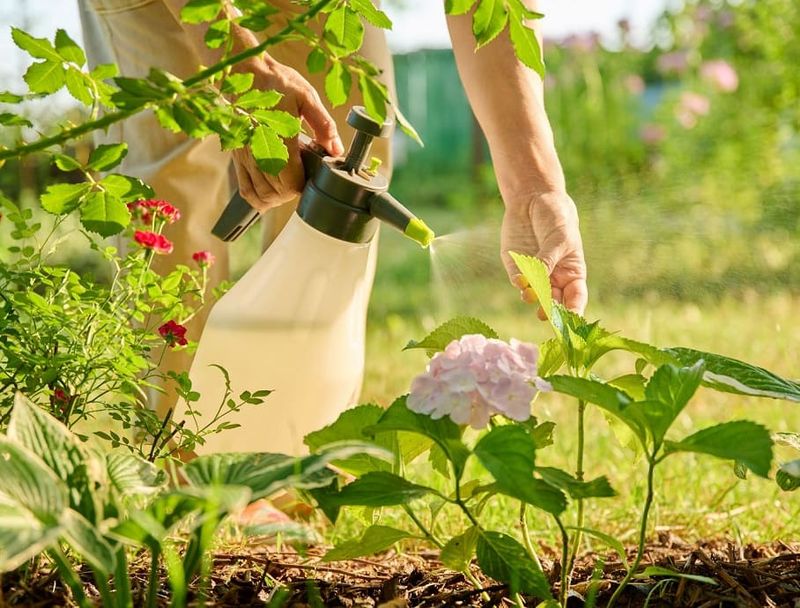
Certain herbal teas can act as a repellent for snails and slugs. Brew a strong tea using herbs like mint or rosemary. Once cooled, spray the mixture onto your plants.
The scent and compounds repel these pests, creating a natural shield without harming your garden’s ecosystem.
This method offers dual benefits: protect your plants and enjoy a fragrant garden. Plus, it’s a great way to use herbs from your own garden, making it sustainable and eco-friendly.
Chickens as Natural Predators
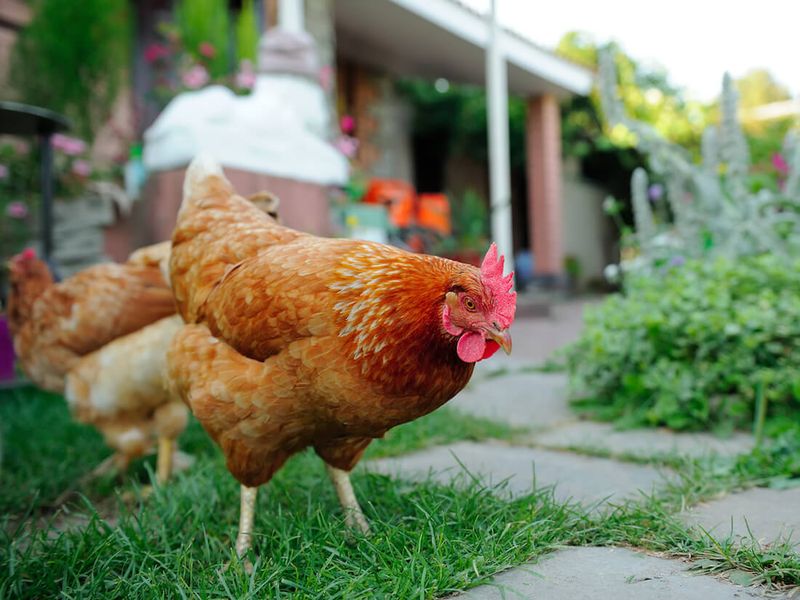
Chickens provide a natural way to control snail and slug populations. Their foraging behavior helps reduce pest numbers. Allow chickens to roam your garden, where they’ll eat snails and slugs.
While they help with pest control, ensure they don’t disturb delicate plants. This method integrates pest management with poultry care.
Moreover, chickens offer the bonus of fresh eggs and natural fertilizer, making them a valuable addition to a garden-friendly ecosystem.
Slug-Repellent Plants
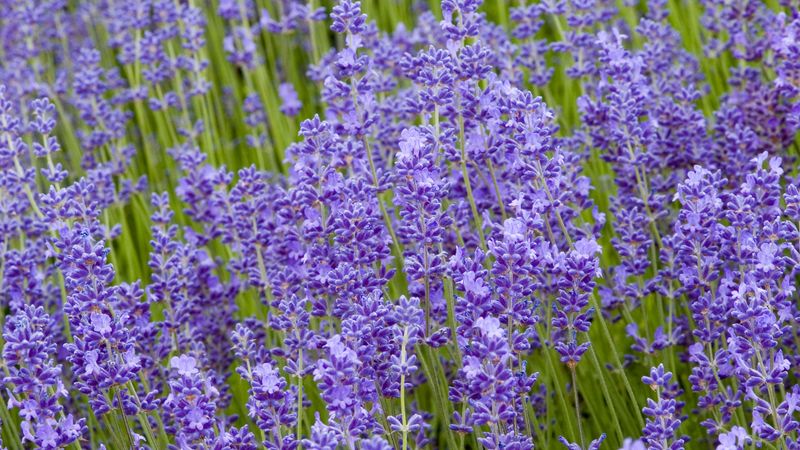
Certain plants naturally deter snails and slugs. Consider planting slug-repellent varieties such as fennel, rosemary, or lavender. Their strong scent and texture make them unappealing to these pests.
Incorporate these plants into your garden design for a dual-purpose approach. Not only do they add beauty and diversity, but they also act as a living barrier.
This strategy enhances your garden’s resilience, offering visual appeal and pest deterrence simultaneously.
Upside-Down Pot Trap
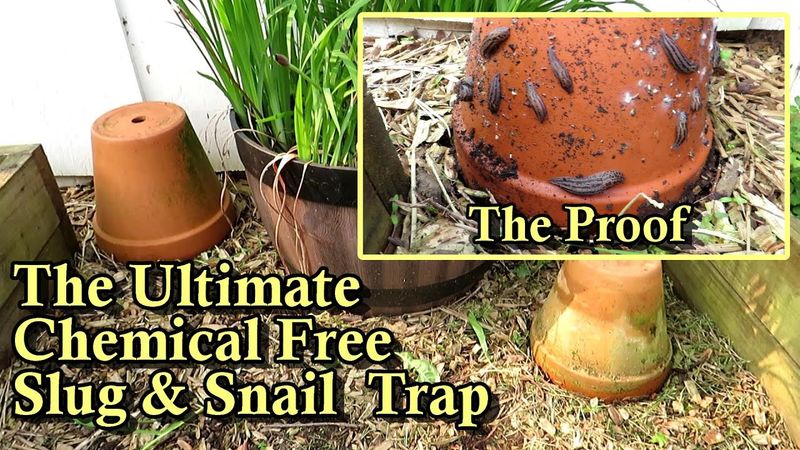
An upside-down pot can become a haven for snails and slugs, offering easy capture. Place terracotta pots upside down in your garden. These pests are drawn to the cool, damp environment beneath.
Check under the pots regularly and remove any snails or slugs. This method is straightforward and requires minimal effort.
By utilizing pots, you create an effective trap, turning a decorative garden element into a functional tool for pest control.