 Complete Gardening
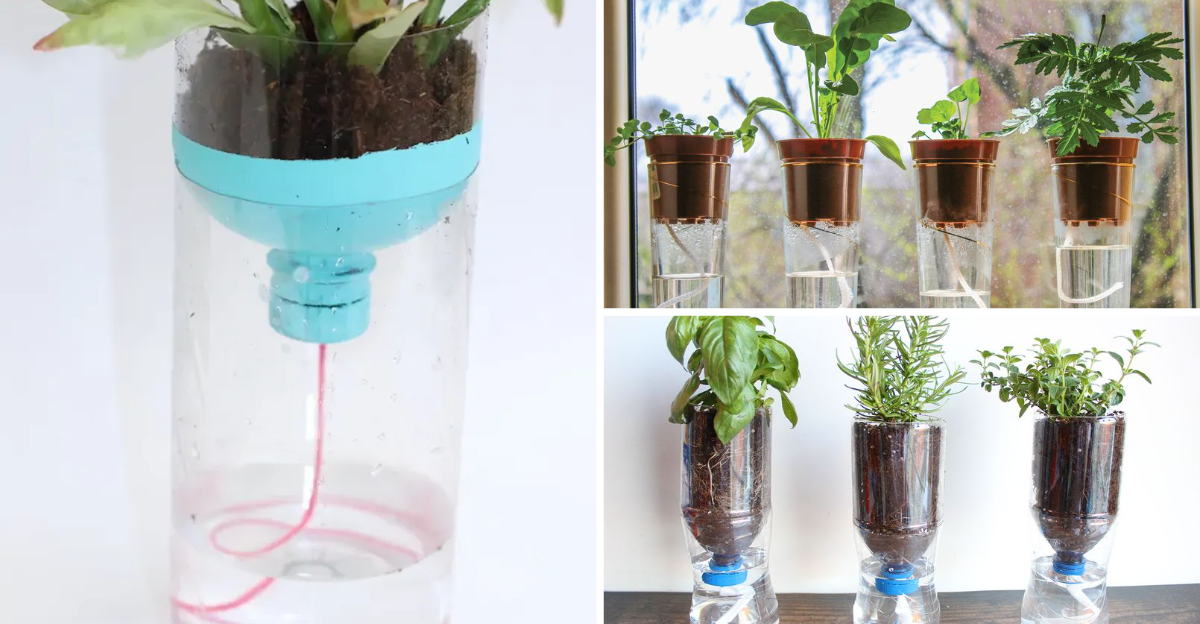
Creating a self-watering planter at home is a fun and practical project that enhances your gardening experience. By allowing plants to hydrate themselves, you reduce maintenance time and enjoy healthier, more vibrant greenery. This guide will walk you through the steps to build your own self-watering planter with everyday materials.
Choosing the Right Container
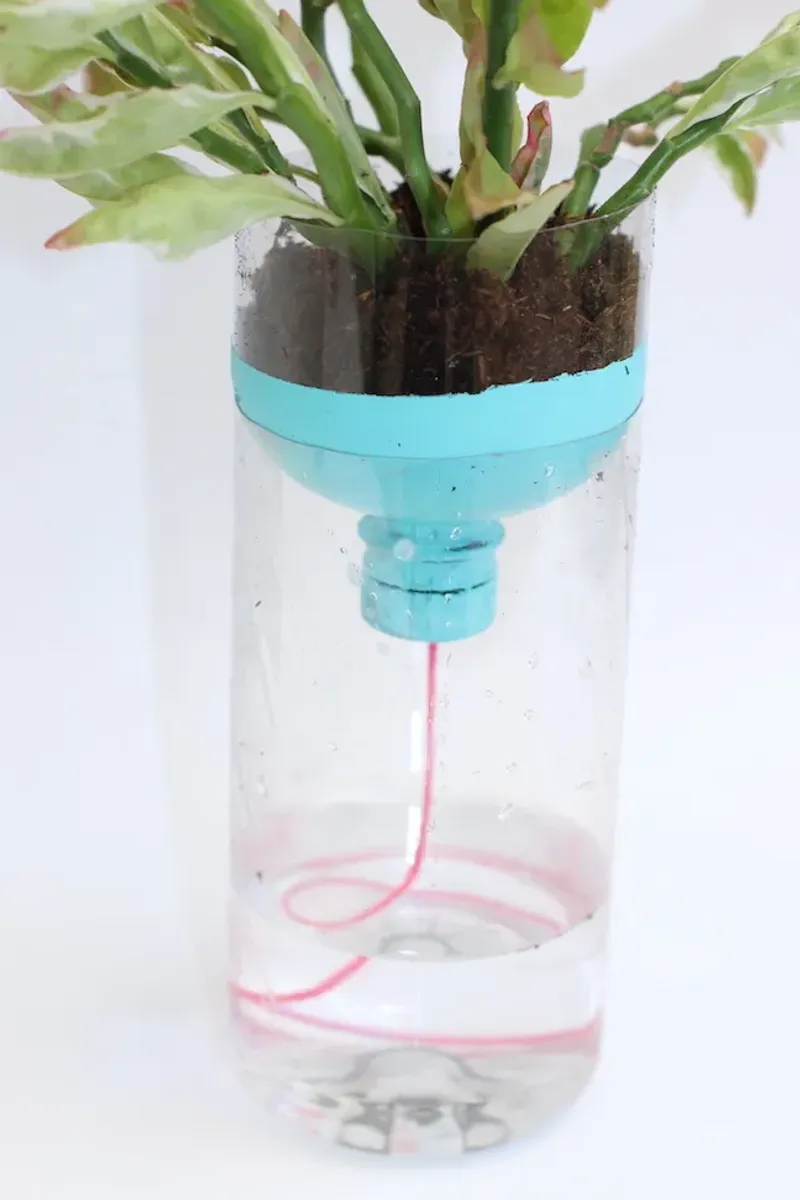
Ever wondered how to select the perfect container for your DIY self-watering planter? The key lies in understanding your plant’s needs. Start with a sturdy base, like a ceramic pot or recycled plastic bottle. Each choice offers unique benefits. For instance, plastic bottles are lightweight and easy to cut, while ceramic pots provide stability and longevity. Choosing the right container sets the foundation for a successful planter project. Not only does it influence water retention, but it also affects the planter’s aesthetic appeal in your home garden.
Creating the Water Reservoir
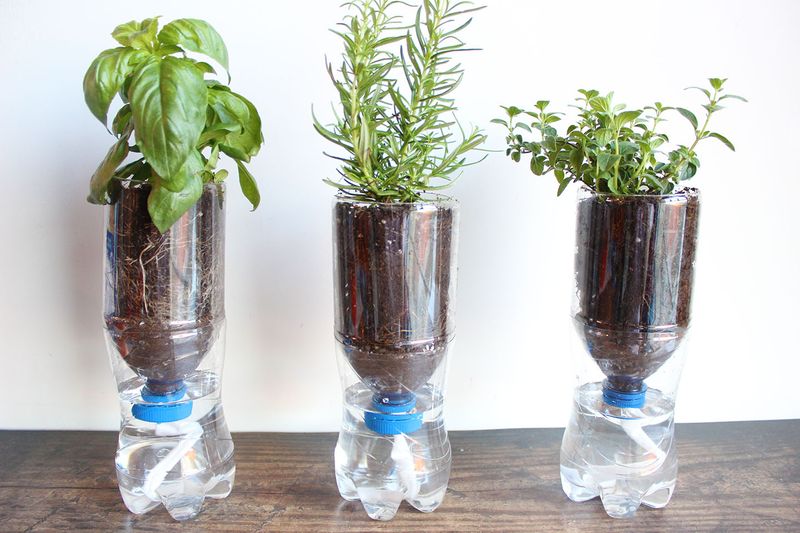
Crafting a water reservoir is a crucial step in making your self-watering planter. Begin by cutting the bottom of a plastic bottle and placing it upside down within your container. This reservoir allows water to collect and gradually seep into the soil. Ensure there are no leaks to maintain efficiency. This innovative step reduces the need for frequent watering, making plant care more manageable. The reservoir’s design, although simple, plays a pivotal role in the functionality of the planter, ensuring your plants remain hydrated for days.
Setting Up the Wicking System
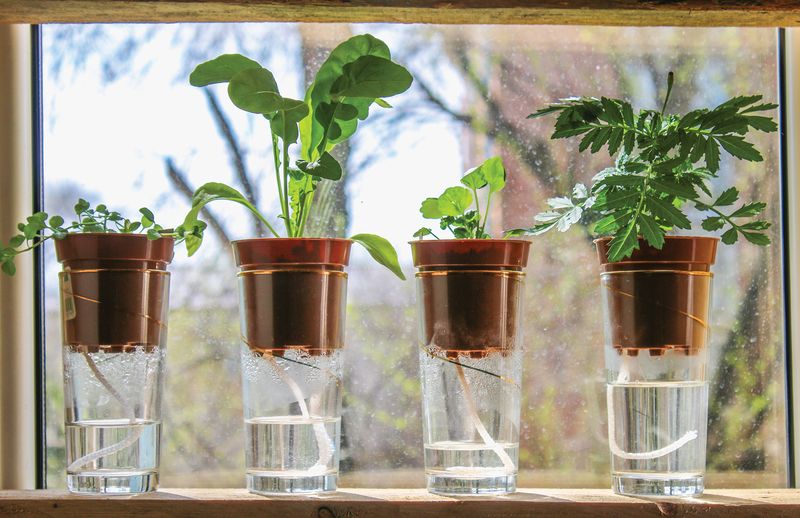
Imagine a system that effortlessly delivers water to your plant’s roots. The wicking system does just that. Use cotton rope or strips of fabric as wicks, inserting them from the reservoir to the soil. This method ensures consistent moisture distribution, crucial for plant health. Position the wicks evenly to cover the root area adequately. The beauty of this system lies in its simplicity, making self-watering planters accessible to all gardening enthusiasts. Its unobtrusive presence keeps the focus on your flourishing plants, highlighting the elegance of self-sufficiency.
Soil and Plant Selection
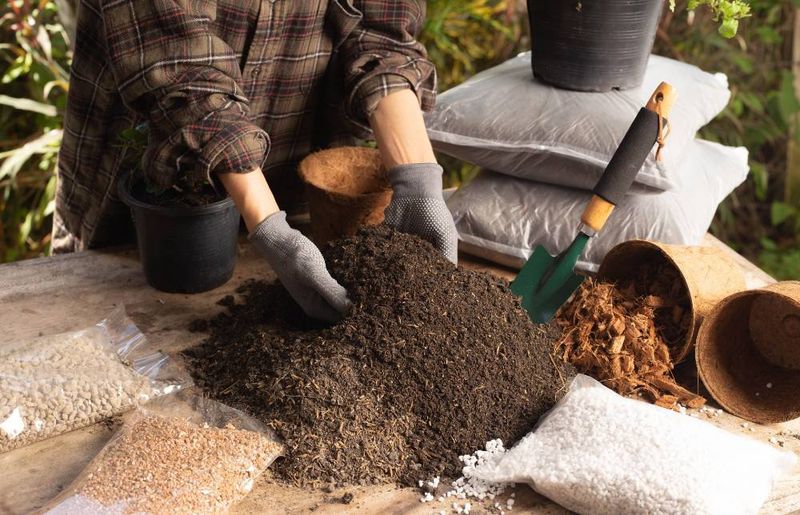
Selecting the right soil and plants is vital for your self-watering planter’s success. Opt for a well-aerated potting mix that retains moisture without becoming waterlogged. This balance is key to preventing root rot. Choose plants that thrive in moist conditions, such as herbs or leafy greens. Each choice adds personality to your planter, turning it into a vibrant focal point. This careful selection process ensures that your planter is not only functional but also a lively addition to your home environment, enhancing its aesthetic charm.
Maintenance and Tips
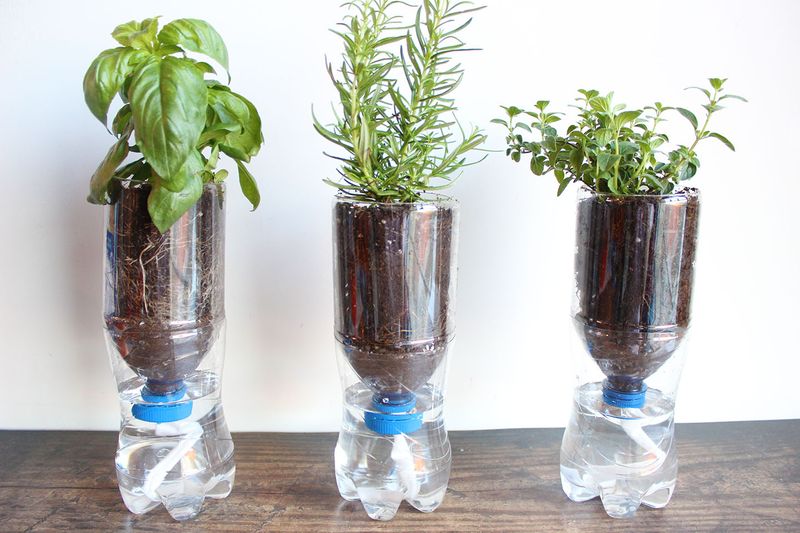
Maintaining a self-watering planter is straightforward and rewarding. Regularly check water levels to ensure the reservoir is filled. Adjust the soil as needed to support plant health. By understanding your plants’ growth patterns, you can tweak your setup for optimal results. This ongoing care transforms gardening into an enjoyable routine, allowing you to connect with nature. The simplicity of maintenance and the joy of watching your plants thrive are unmatched. With these tips, your self-watering planter becomes a testament to sustainable living.
Using Old Wine Bottles
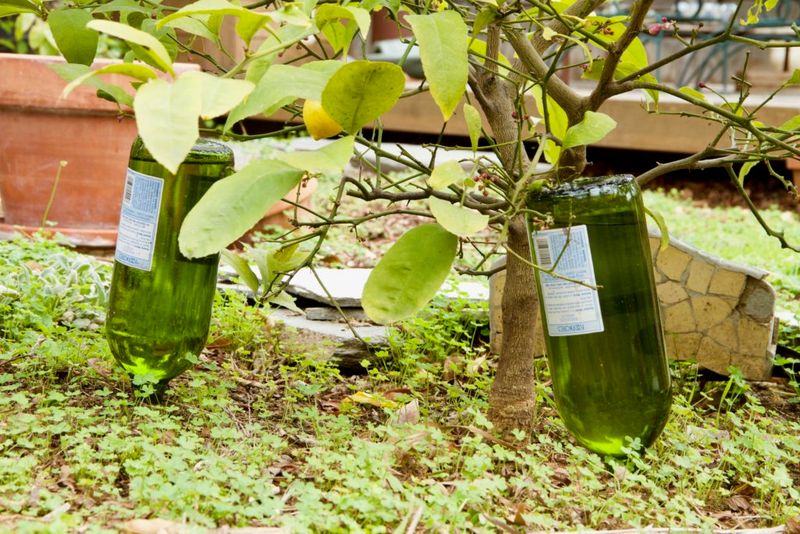
Ever thought your old wine bottles could become your plants’ best friends? By placing a wine bottle upside down in the soil, you create a slow-release watering system. Simply fill the bottle with water and stick it firmly into the soil. The water will gradually seep out, keeping the soil moist over time. This eco-friendly method not only recycles waste but also provides a constant water supply. A tip: decorate the bottles for a personalized touch. Or, try using colored bottles for an artsy flair in your garden.
Employing Capillary Action
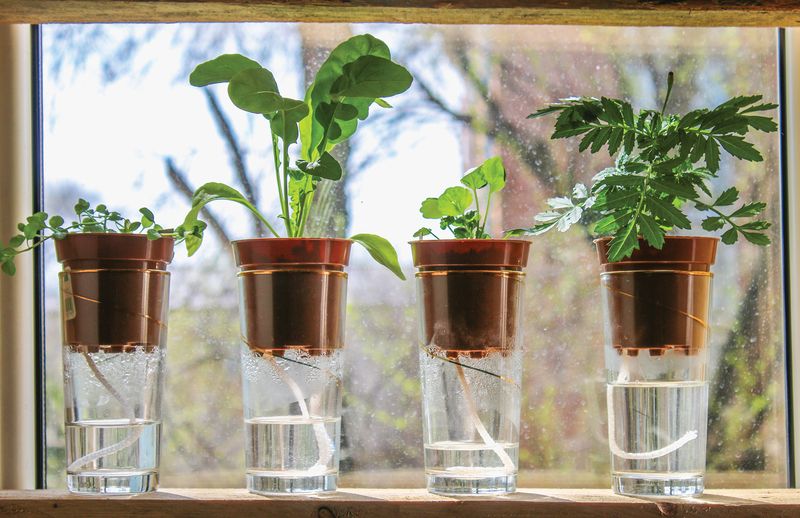
Capillary action, a fascinating natural process, can be harnessed for self-watering planters. By placing a water reservoir below the plant pot and using fabric strips, like cotton or felt, you can create a wick. One end of the fabric rests in the water while the other goes into the soil. Water travels up the fabric strip, maintaining soil moisture. This silent yet efficient system is ideal for small indoor plants. Try experimenting with different fabric materials to see which works best for your plant’s needs.
Incorporating Bamboo Sticks
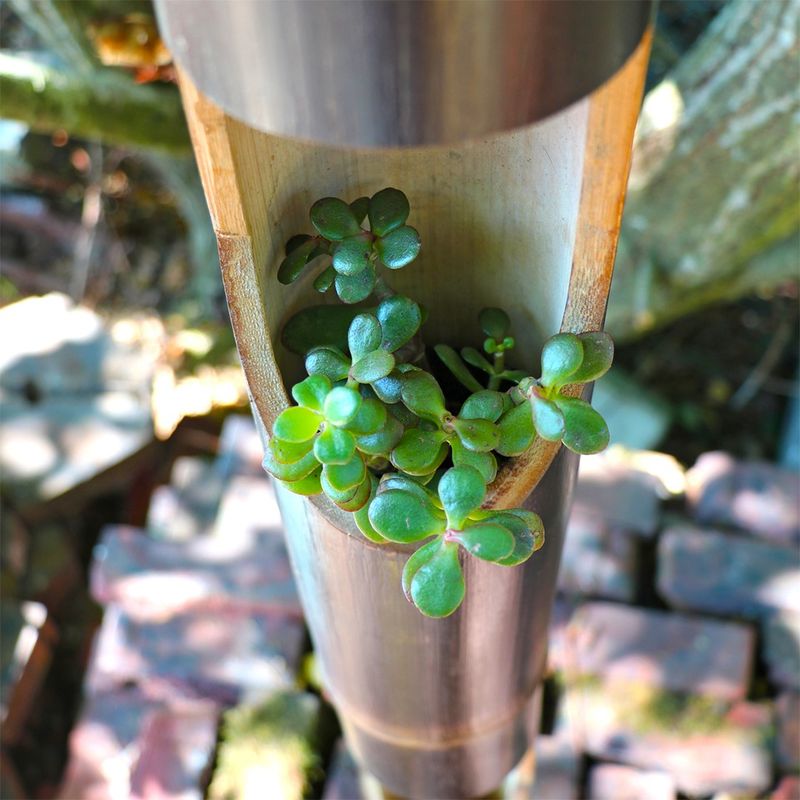
Imagine using nature to nurture nature. Bamboo sticks, known for their porous quality, can work wonders as a natural watering system. Place bamboo sticks upright in the soil, with one end submerged in a water reservoir. Water will travel through the sticks, keeping the soil hydrated. This method is not only sustainable but adds a rustic charm to your garden. As bamboo is biodegradable, it’s an environmentally friendly choice. Consider varying the length of sticks to better suit different plant sizes.
Creating a Drip System with Tubes
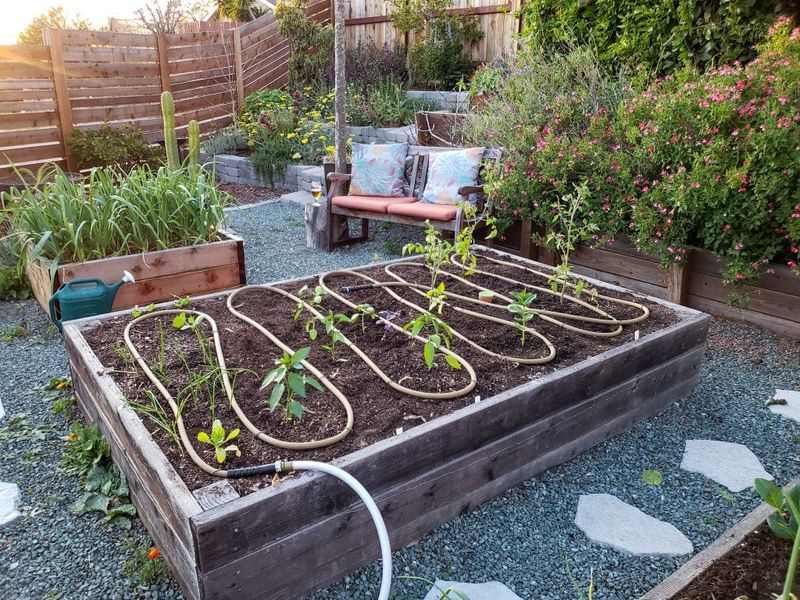
Drip systems might sound complex, but they can be simple and effective. Use small tubes to connect a water reservoir to plant soil, creating a steady drip that irrigates roots directly. This controlled release minimizes water waste and ensures the plant receives consistent moisture. Adjust the drip rate to match different plant needs. This is particularly useful for larger outdoor planters that house multiple plants. Get creative with the tube arrangement to serve both functional and aesthetic purposes.
Innovative Use of Hydrogel Beads
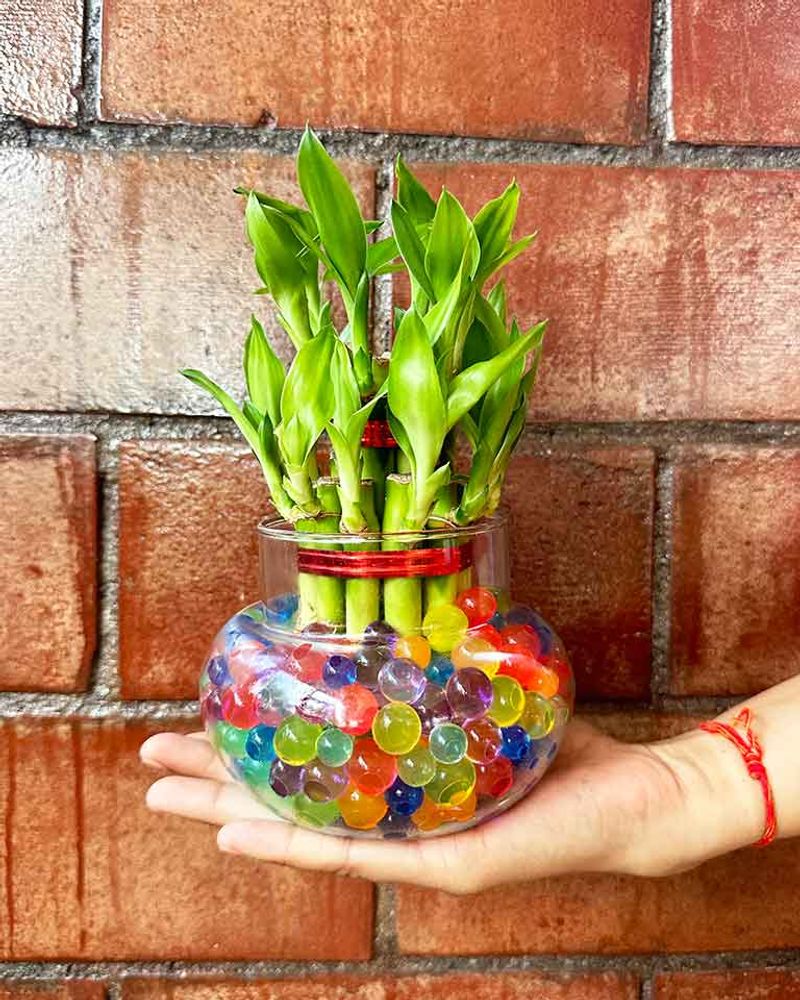
Hydrogel beads are a gardener’s hidden gem. These water-absorbing beads can be mixed with soil to create a moisture-rich environment for plants. As the soil dries, the beads release stored water, maintaining an optimal level of humidity. Perfect for forgetful gardeners or those who travel frequently. This method is especially suited for indoor pots, ensuring your houseplants thrive. The non-toxic nature of hydrogel beads makes them safe for all kinds of plants. Experiment with different soil-to-bead ratios for best results.
Integrating a Smart Water Sensor
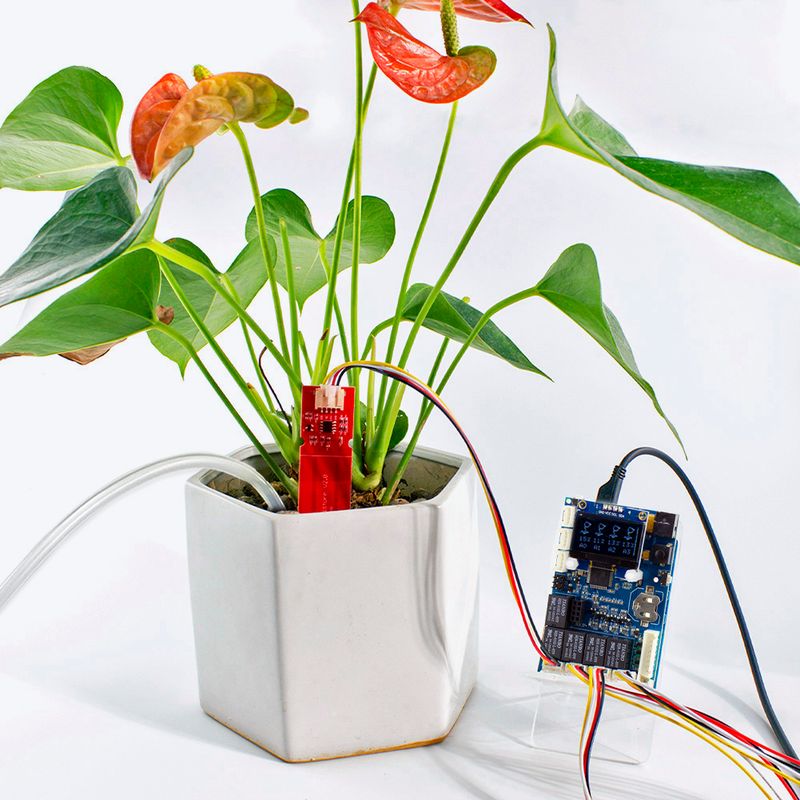
Technology and gardening can go hand in hand with smart water sensors. These devices measure soil moisture and regulate water delivery accordingly. By connecting to your smartphone, you receive updates and can control watering from anywhere. This high-tech option is perfect for tech-savvy plant enthusiasts. Not only does it ensure precise watering, but it also helps conserve water by preventing overwatering. A futuristic approach to plant care, it’s great for those who love incorporating technology into daily life.
Using PVC Pipes for Deep Root Watering
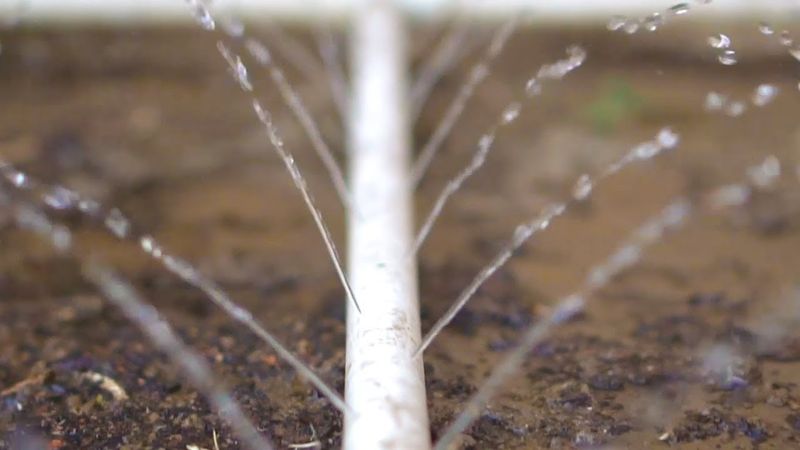
PVC pipes aren’t just for plumbing! They can be a gardener’s tool for deep root watering. Insert pipes vertically into the soil, with holes drilled along their length. When water is poured into the pipe, it goes directly to the roots, encouraging deep growth. This method is beneficial for larger plants that require substantial hydration. Not only does it water efficiently but also reduces surface evaporation. Consider adding small stones or gravel at the bottom of the pipe to filter debris.
Crafting a Wick System with Rope
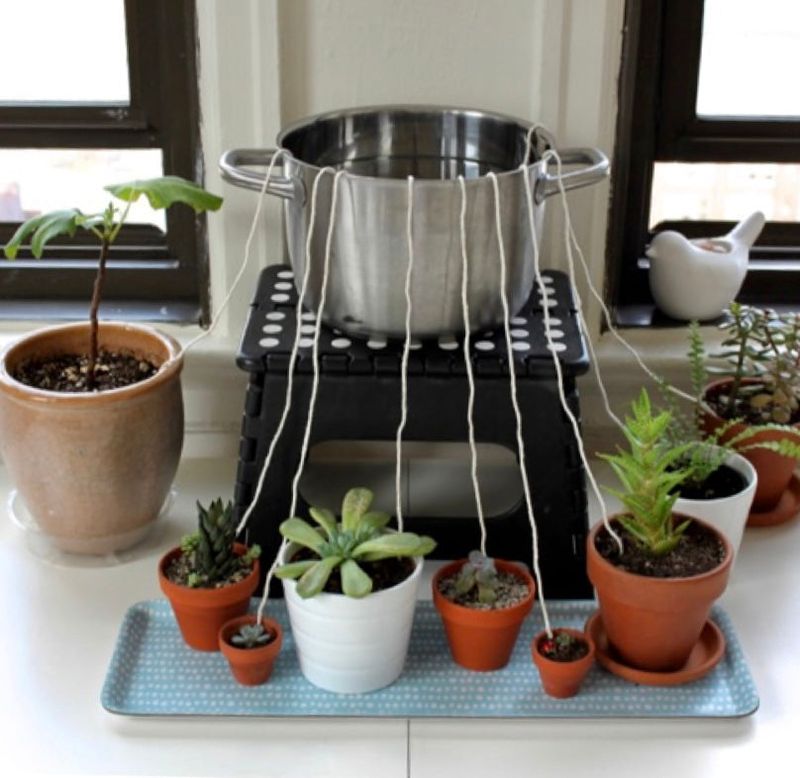
Ropes can make an excellent wick system for self-watering planters. Use natural fiber ropes, placing one end in the soil and the other in a water reservoir. The water travels up the rope, maintaining consistent soil moisture. This simple yet effective method is perfect for gardeners looking for a low-cost solution. It’s versatile and can be adapted to various planter sizes. Experiment with rope thickness to find the optimal water flow for your plants. This method is especially useful for hanging baskets.
Repurposing Plastic Bottles
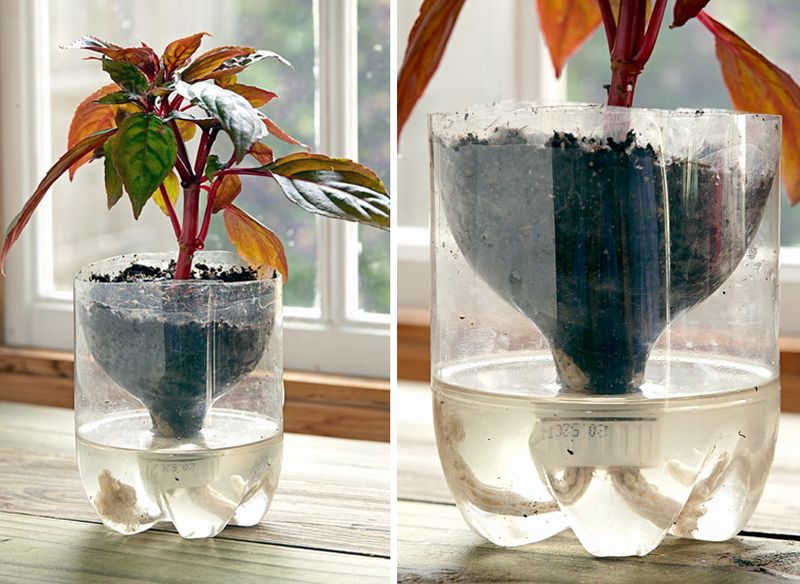
Plastic bottles find new life as self-watering tools. Cut the bottle in half, use the top as a funnel, and the bottom as a reservoir. Flip the funnel into the bottom part, fill with water, and place in the soil. This ingenious method keeps plants hydrated and recycles waste. Ideal for small plants and herbs, this thrifty solution fits well in urban gardening settings. To enhance the visual appeal, paint or decorate the bottles. It’s a fantastic way to engage kids in gardening, turning waste into wonder.
Deploying a Sub-Irrigation Planter
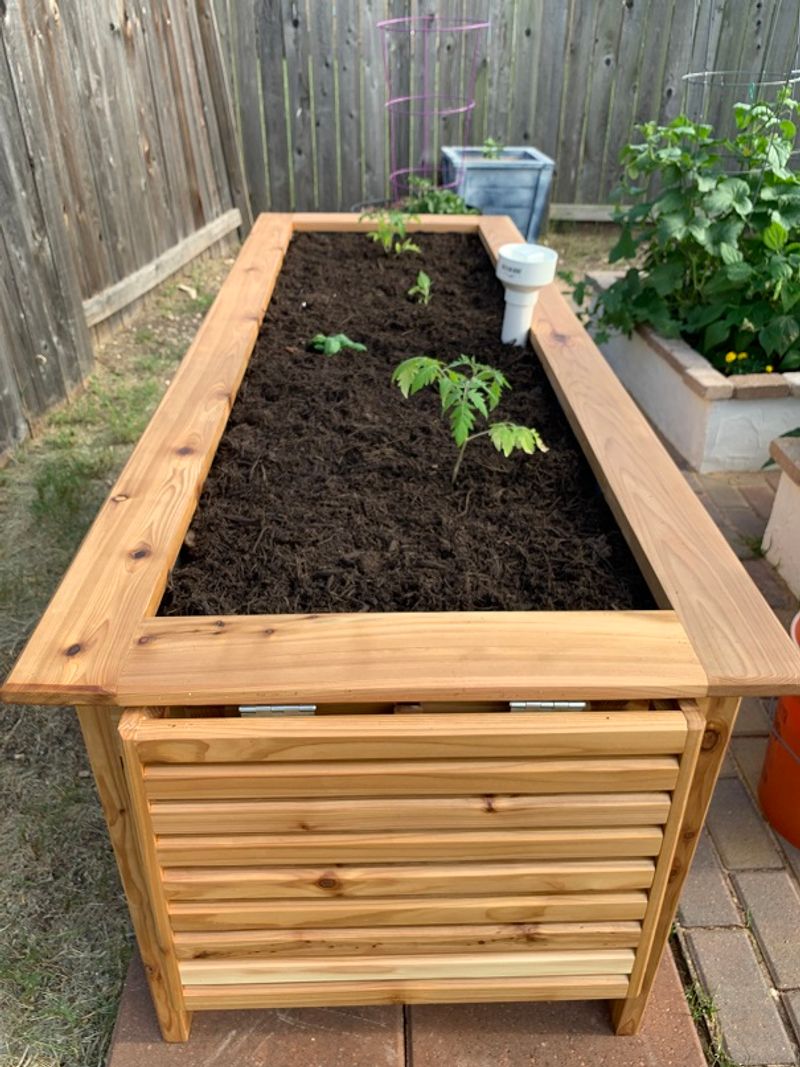
Sub-irrigation planters, an innovation in gardening, store water below the plant pot. Through capillary action, water rises into the soil, keeping it consistently moist. Perfect for busy gardeners, this system reduces the need for frequent watering. It’s especially effective in arid climates where water conservation is crucial. This method encourages healthy root growth as roots stretch downward towards the water source. Sub-irrigation not only conserves water but also prevents root rot by avoiding waterlogged conditions.
Utilizing Ceramic Watering Stakes
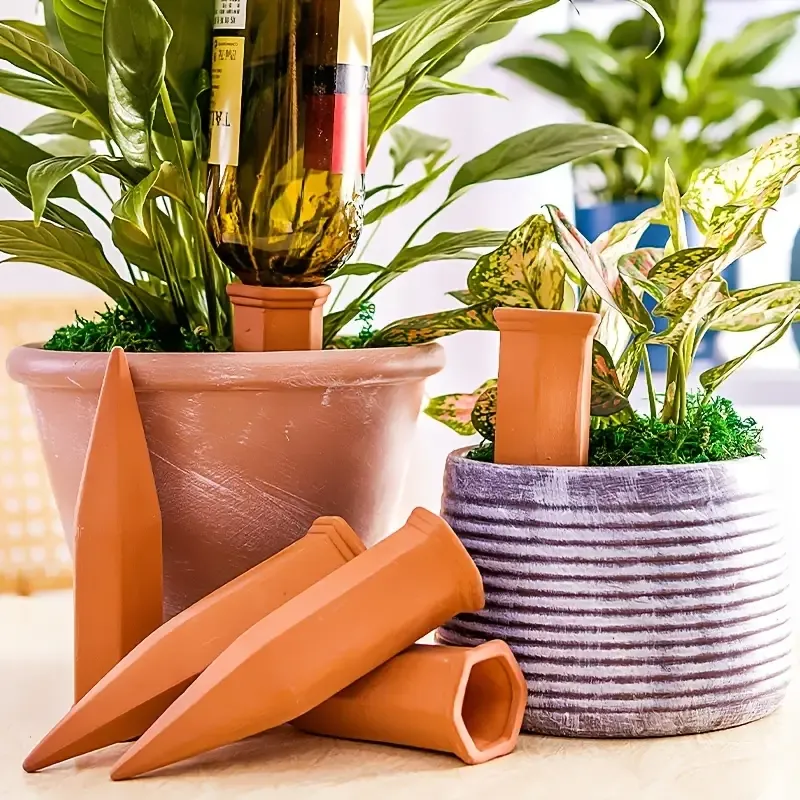
Ceramic watering stakes look simple but are very effective. Fill a bottle with water, attach it to the stake, and insert it into the soil. Water seeps through the porous ceramic, providing a steady supply. These stakes are perfect for busy households, ensuring plants stay hydrated without constant attention. They blend seamlessly into garden aesthetics, adding a touch of elegance. Ideal for medium-sized pots, they regulate water efficiently. Look for decorative stakes to add a bit of flair to your plant setup.
Fashioning a Float Valve System
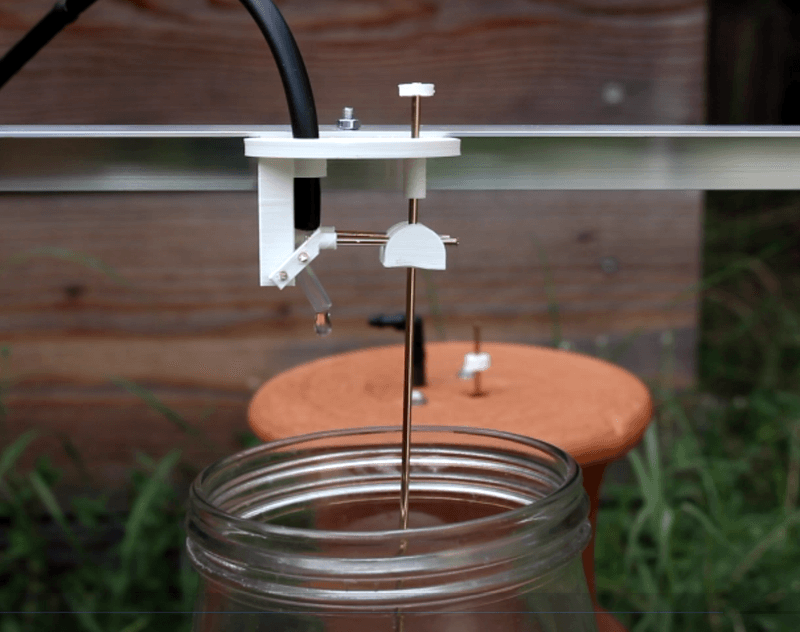
A float valve system isn’t just for toilets; it can keep your plants watered, too! By installing a float valve in a water reservoir, water is automatically added when levels drop. This ensures a constant supply without the risk of overflow. It’s perfect for large planters that need frequent watering. The system maintains itself, making it ideal for those who travel often. This method saves time and reduces manual water checks. Consider this a set-and-forget solution for plant care.
Building a Bottle Tower
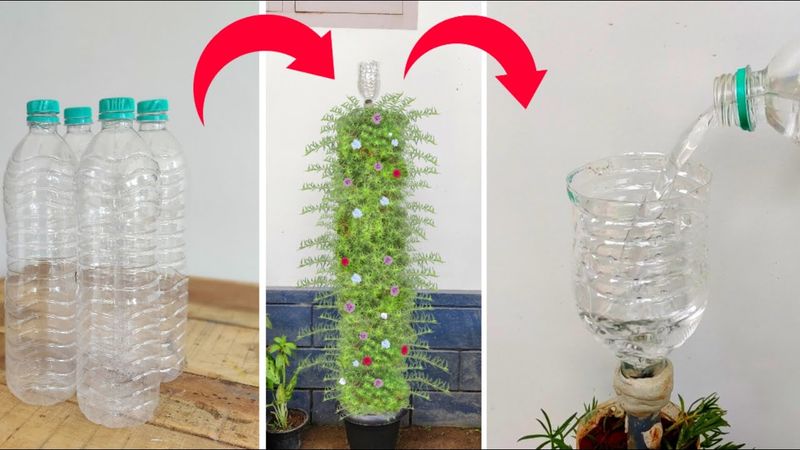
Vertical bottle towers offer a compact and efficient watering solution. Stack plastic bottles, each with a small hole at the bottom, creating a cascading water effect. Water trickles down through each bottle, reaching all plants. This is great for space-saving gardening, especially in urban areas. It maximizes vertical space and ensures even water distribution. Adding colorful bottles can make it a visually appealing garden feature. This sustainable approach recycles materials while nurturing your green space, perfect for balconies or small gardens.