 Complete Gardening
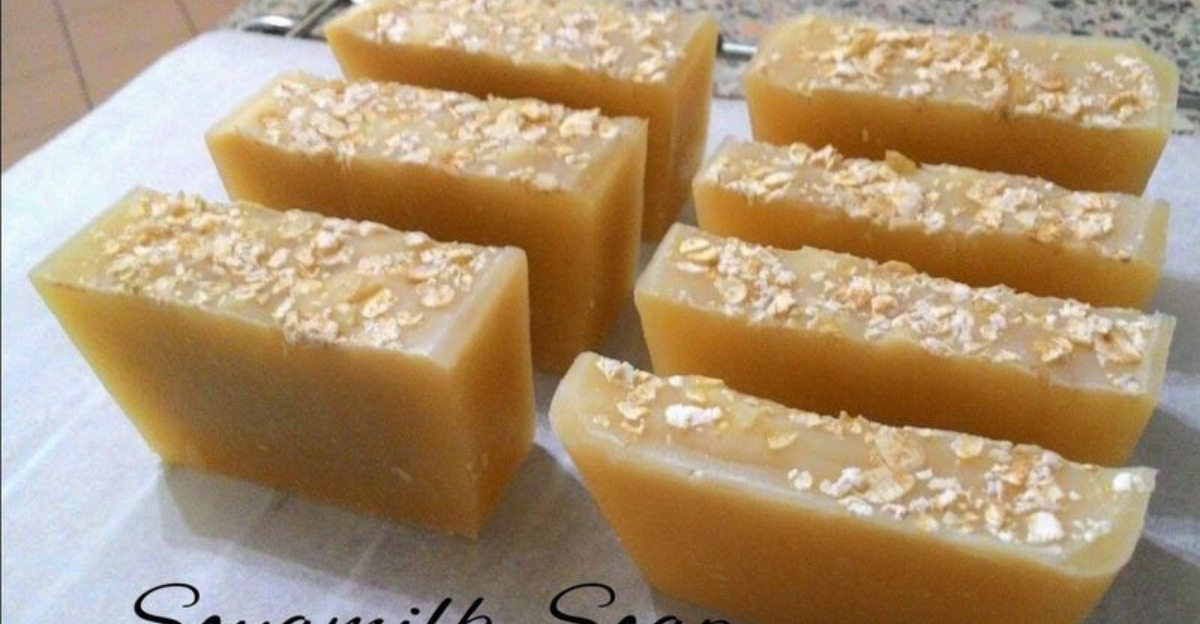
Making old-fashioned homemade soap is both a craft and a journey back in time. Using traditional methods from 1908, you can create soap that not only cleanses but also brings a touch of nostalgia to your daily routine. This guide will walk you through every step of the process, ensuring a rewarding experience.
1. Gathering Ingredients
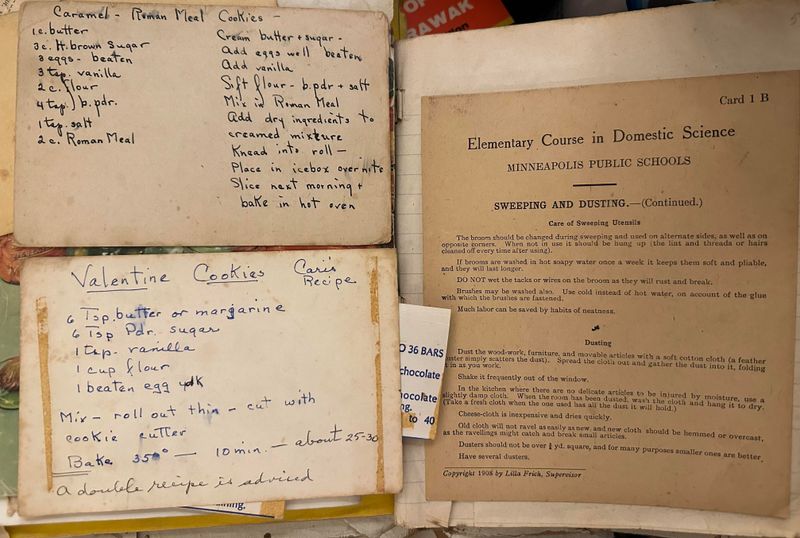
Imagine stepping into your great-grandmother’s kitchen. Shelves stocked with lye, animal fats, and essential oils. Back in 1908, these were the staple ingredients for soap-making. The choice of fat, be it beef tallow or lard, was crucial, influencing the final texture and scent. Lye, the powerful agent in this mix, transforms the fats into soap through saponification. Essential oils were added for fragrance, a personal touch from each homemaker. This traditional ingredient gathering sets the foundation for authentic, old-fashioned soap that not only cleanses but also tells a story of simpler times.
2. Preparing the Lye Solution
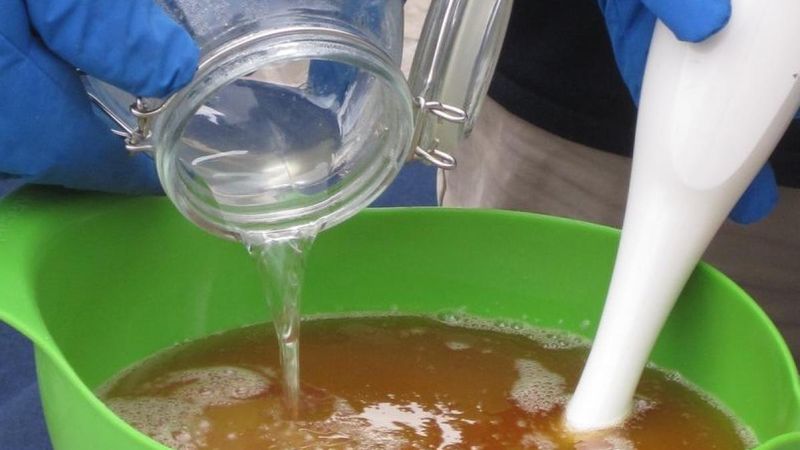
Careful hands, steady and sure. Preparing lye was delicate work, demanding respect for its caustic nature. In 1908, homemakers would dissolve lye in water, watching as it transformed with an almost magical intensity. This step is pivotal, requiring precise attention to temperature. Too hot, and the solution could become dangerous. Too cold, and saponification wouldn’t occur. The creation of this lye solution was both a chemistry lesson and a testament to the skill of the soap-maker. Today, it offers a connection to the past and a testament to patience and precision.
3. Heating and Mixing the Fats
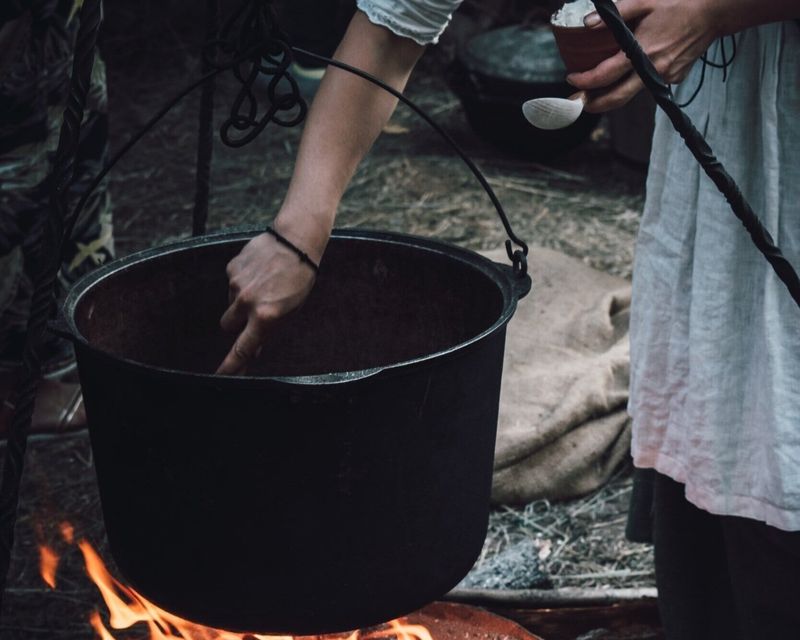
Picture the gentle simmer on a wood-fired stove, the aroma of melting fats filling the air. In 1908, homemakers would carefully heat and stir their chosen fats, ensuring a consistent texture. This process was both an art and a science, a delicate balance of time and temperature. Stirring was rhythmic, almost meditative, as the fats became ready to meet the awaiting lye solution. This step is crucial, setting the stage for the beautiful transformation into soap. It’s a reminder of the tactile joys of crafting and the mastery required to produce a quality product.
4. Mixing Lye and Fats
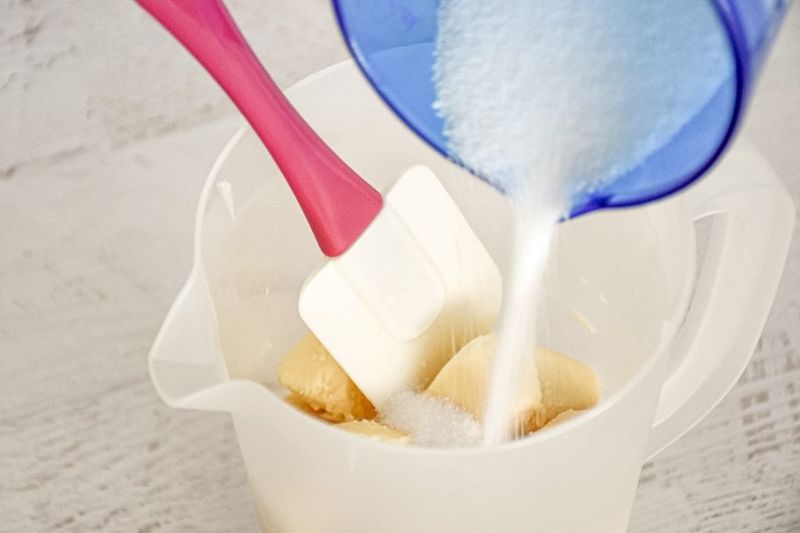
With anticipation, the lye solution meets the warmed fats. This is where the magic happens. Mixing these elements was a pivotal moment in 1908 soap-making. The transformation begins as saponification takes place, turning liquid into solid soap. This step required patience, as the mixture needed constant stirring to ensure a smooth consistency. The process was a dance of chemistry and craftsmanship, resulting in a homogenous blend ready to set. This moment captures the essence of soap-making, a perfect union of ingredients and human touch, creating something useful and beautiful.
5. Pouring and Setting the Soap
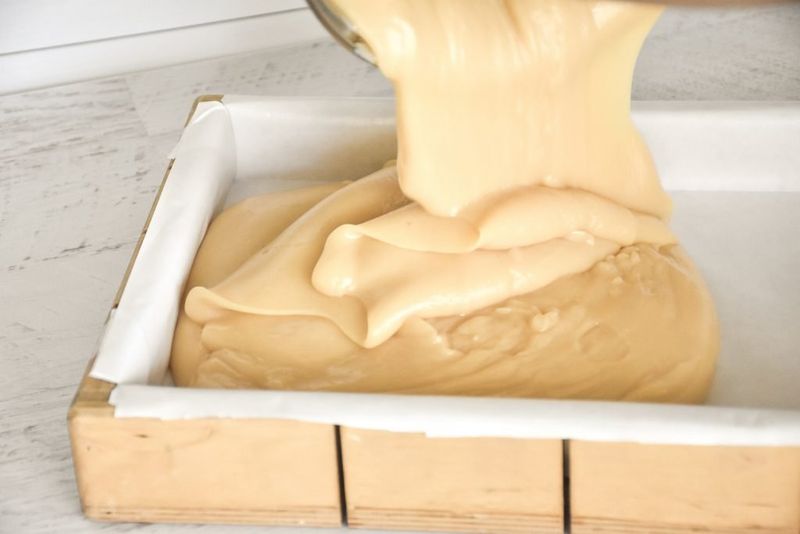
Pouring the mixture into molds was both an artful and satisfying conclusion. In 1908, wooden molds lined with cloth were common, adding a homemade feel. The soap, now a creamy mixture, was slowly poured, filling each mold. Patience was key as the soap needed time to set and harden. This step was more than just functional; it was a moment of pride and anticipation. As the soap solidified, it held the efforts of time and tradition, ready to be cut into bars. This process not only produced soap but also preserved a piece of history in each bar.
6. Curing the Soap
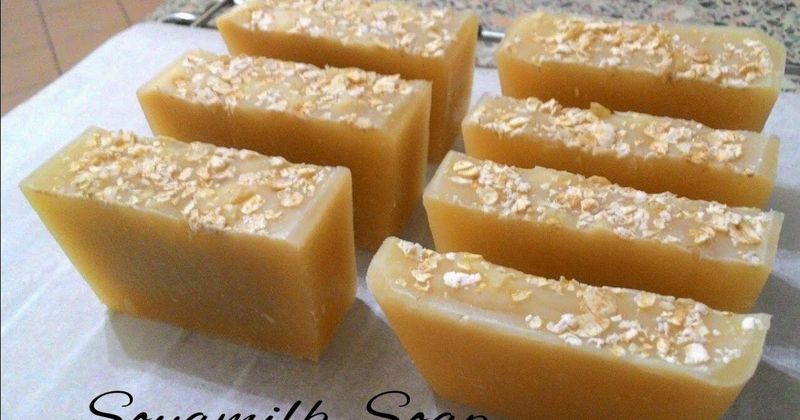
The art of waiting begins with curing. In 1908, soap was left to rest on racks, a process requiring weeks. During this time, the soap hardened and matured, acquiring its final qualities. This was a test of patience, as eager hands awaited the finished bars. Curing allowed the soap to reach optimal dryness and gentleness, ideal for everyday use. This period was a reminder of the slow craftsmanship that defined the era. The result was a durable, luxurious bar of soap, a testament to time and care, ready to be used and cherished.
7. Using and Enjoying the Soap
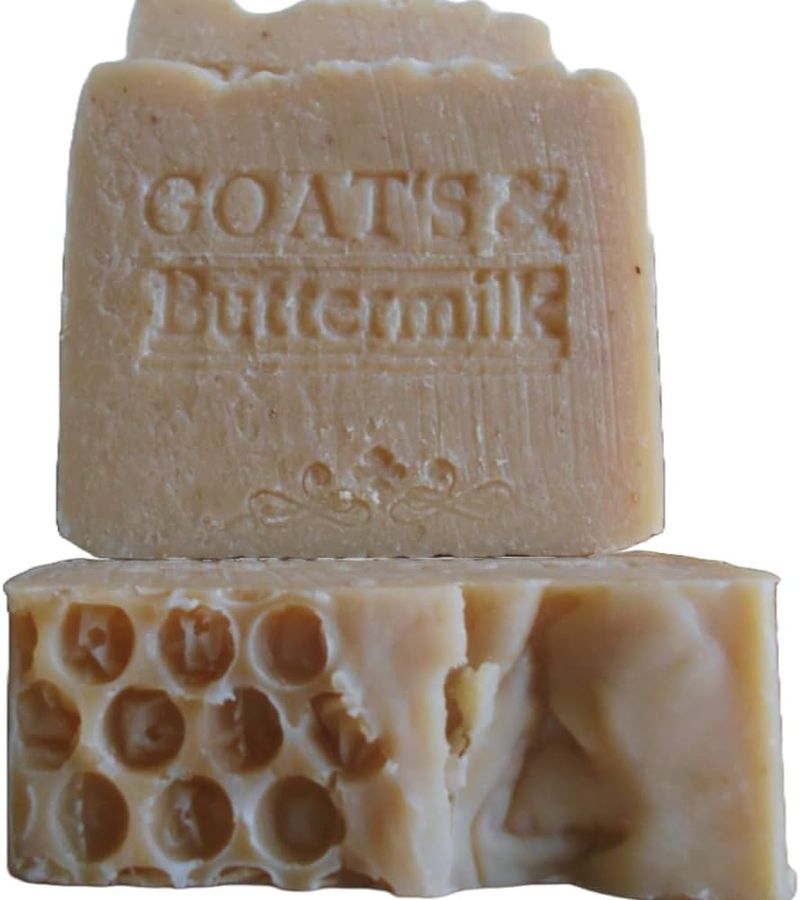
Finally, the moment of reward arrives. Using the homemade soap is like a gentle embrace from the past. Back in 1908, each bar carried the scent of hard work and personal care. The lather was rich and creamy, a testament to the natural ingredients and diligent process. As you wash, you connect with history, appreciating the simple pleasures of traditional craftsmanship. This soap offers more than cleanliness; it delivers nostalgia and a personal connection to those who crafted before us. A luxurious experience wrapped in heritage and a reminder of enduring quality.
8. Choosing the Right Tools
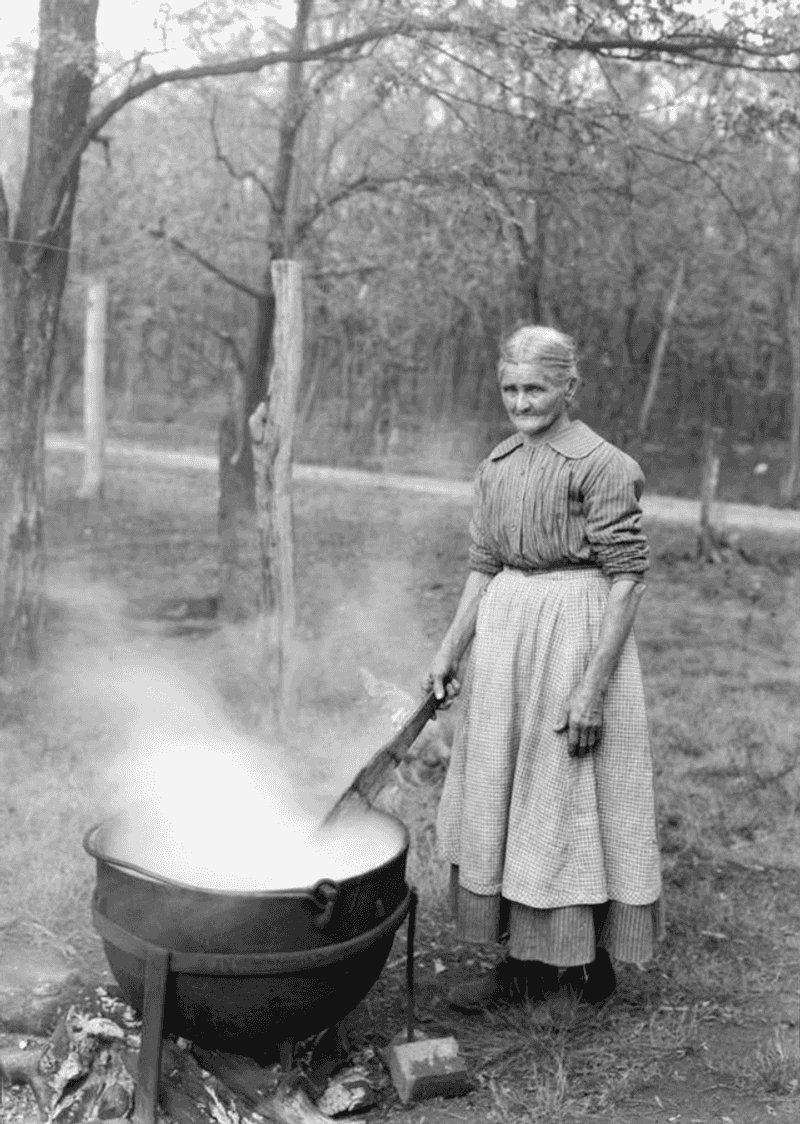
In 1908, soap making was a craft that required the right tools. Imagine a quaint kitchen with wooden molds and a metal pot simmering over an open flame. A dedicated soap maker knew that the quality of their tools directly impacted the final product.
Wooden spoons, glass measuring jugs, and sturdy pots were essential. Each tool had its own story, bearing the marks of years of use. Choosing high-quality, durable tools was a reflection of the soap maker’s commitment to their craft. Experience the charm of creating something beautiful with tools that tell tales of tradition.
9. Understanding Lye Safety
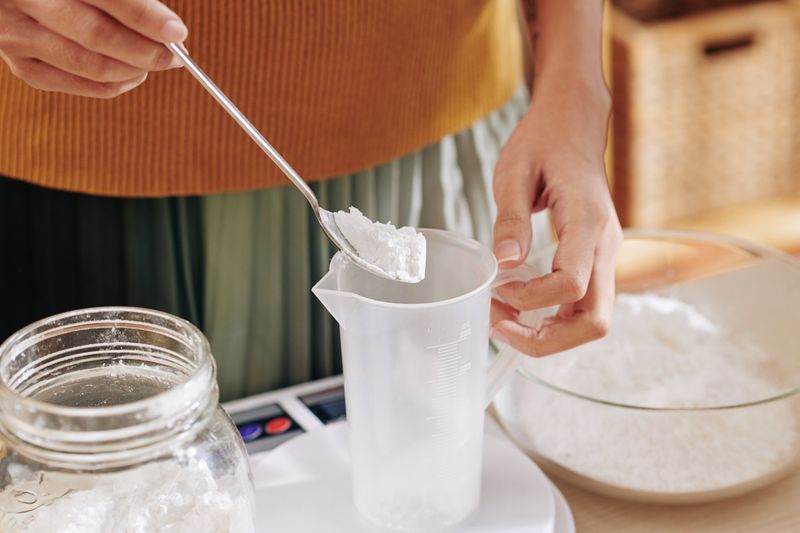
In the early 1900s, understanding lye’s potential hazards was crucial for safety. A soap maker’s wisdom lay in respecting this powerful substance. Imagine a scene where an experienced artisan carefully measures lye with a sense of reverence.
Safety gear wasn’t as advanced, so soap makers relied on time-tested techniques. They knew that proper ventilation and protective clothing were key. Old recipes often included reminders to handle lye with care. This reverence for lye’s potency is a lesson in mindfulness that modern enthusiasts continue to embrace in their soap-making journey.
10. Incorporating Natural Scents
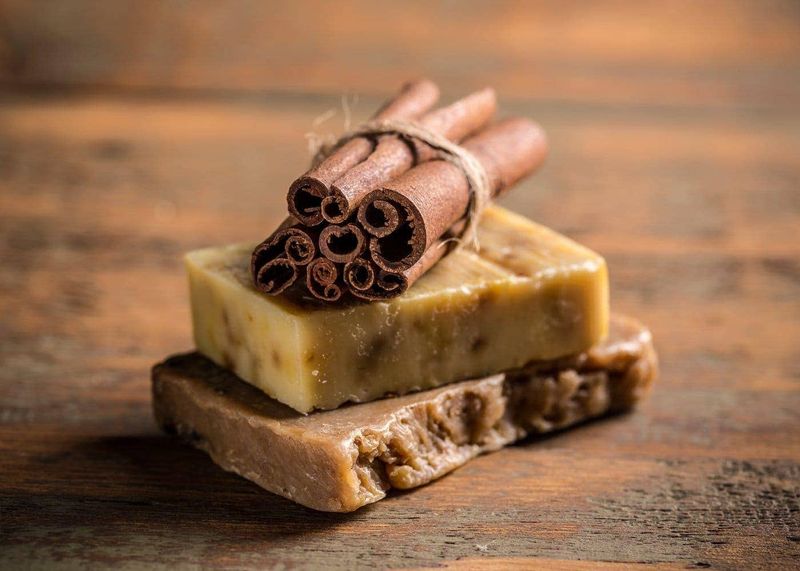
The allure of a well-scented soap was as captivating in 1908 as it is today. Soap makers turned to nature, using oils and herbs to infuse their creations with delightful fragrances. Picture a table strewn with lavender, rosemary, and rose petals, each offering its own aromatic charm.
These natural scents were more than just pleasant; they were a personal signature of the maker. Selecting the right combination was an art, one that could evoke memories or inspire dreams.
Creating soap with natural scents is an expression of individuality that echoes through time.
11. The Role of Temperature
Temperature control was a skill that separated novice soap makers from true artisans in 1908. A soap maker’s intuition was honed by experience, as they learned to gauge the perfect heat for melting fats and mixing lye.
Without modern thermometers, they relied on their senses and simple tools. The right temperature ensured a smooth blend, resulting in a soap with ideal texture and longevity.
This delicate dance with heat is a testament to the soap maker’s expertise and patience, a practice that teaches modern crafters the value of attentiveness in the art of soap making.
12. Crafting Custom Molds
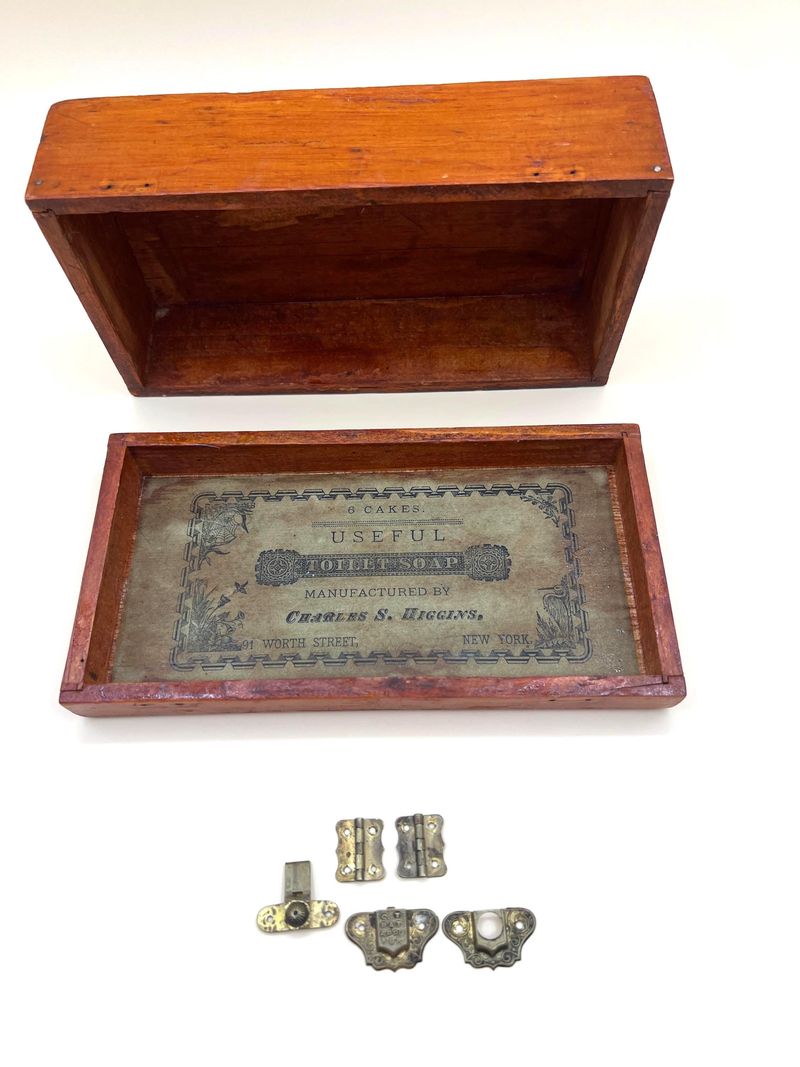
In 1908, the creativity in soap making extended to the molds themselves. Soap makers took pride in crafting custom molds that reflected their personal style. Visualize beautifully carved wooden molds with intricate designs, each piece a work of art.
These molds played a crucial role, shaping soaps that were as pleasing to the eye as they were practical. A custom mold was a soap maker’s signature, a unique touch that set their creations apart.
The tradition of crafting molds continues to inspire modern soap makers, blending art with functionality in delightful harmony.
13. Utilizing Local Ingredients
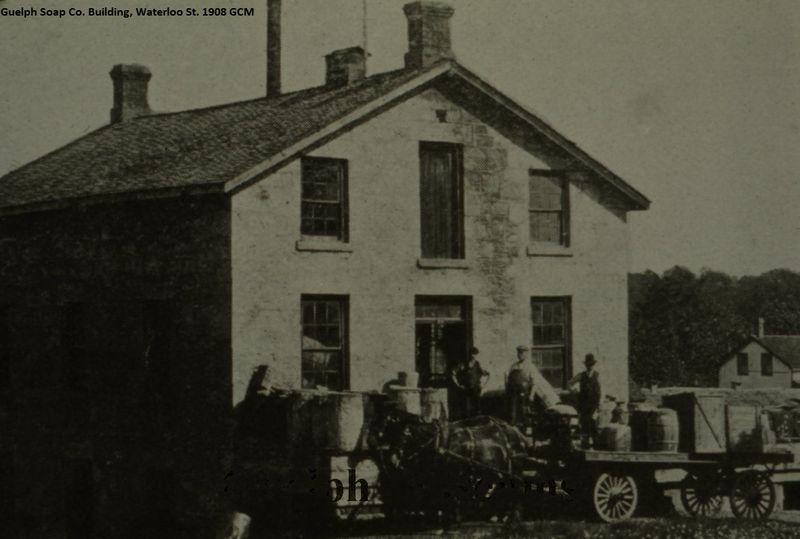
For soap makers in 1908, the choice of ingredients often depended on local availability. This focus on local sourcing meant that each soap had a distinct regional character. Imagine a rural setting where artisans gathered fats and oils from nearby farms.
Using what was locally available made each batch of soap unique, a reflection of the natural abundance. This practice not only supported local economies but also ensured freshness and quality.
Today, the emphasis on local ingredients resonates with eco-conscious crafters, linking past traditions with modern sustainable practices.
14. Experimenting with Textures
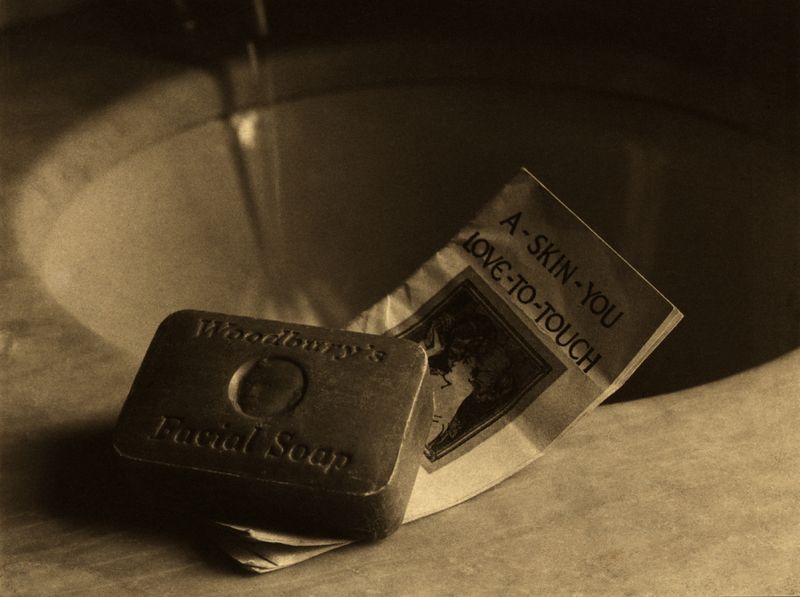
Texture was an exciting frontier for soap makers of the past. In 1908, artisans played with different techniques to create soaps with varied textures. Consider a collection of soaps with smooth, rough, and marbled surfaces, each telling a different story.
Textured soaps added an element of surprise and sensory delight. They were not just cleansers but tactile experiences, inviting users to appreciate the craftsmanship.
Experimenting with textures allowed soap makers to push the boundaries of their art, a practice that continues to enchant and innovate in today’s soap-making world.
15. Embracing Seasonal Themes
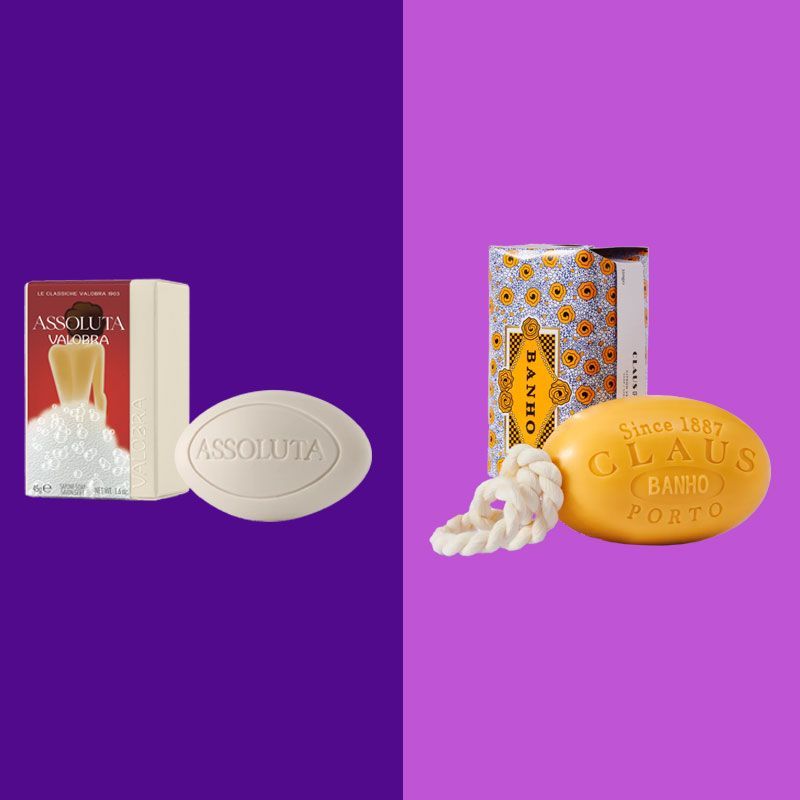
Seasonal themes added a touch of whimsy to soap making in 1908. Soap makers embraced the changing seasons, using colors and scents that reflected the time of year. Visualize soaps that capture the essence of blossoming spring or the coziness of winter.
These seasonal creations were more than mere novelty; they were celebrations of nature’s cycles. Crafting soaps with seasonal themes kept the art fresh and engaging, appealing to the senses and emotions.
Today, this tradition remains a charming way to connect with the seasons, infusing soap making with creativity and spirit.
16. Incorporating Personal Touches
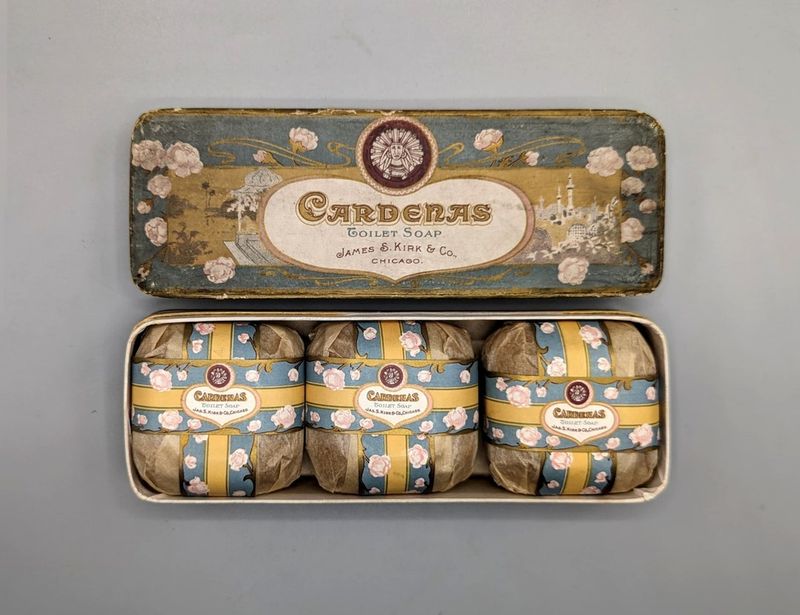
Adding personal touches made soap making a heartfelt endeavor in 1908. Soap makers often inscribed initials or messages into their creations, turning each bar into a personal gift. Picture soaps with lovingly carved letters or small symbols.
These personal touches transformed ordinary soaps into cherished keepsakes, adding emotional value. Each bar became a token of affection or a mark of friendship.
The tradition of personalizing soaps continues today, offering a meaningful way to express individuality and connect with others through a simple, handcrafted gift.
17. Mastering the Perfect Cut
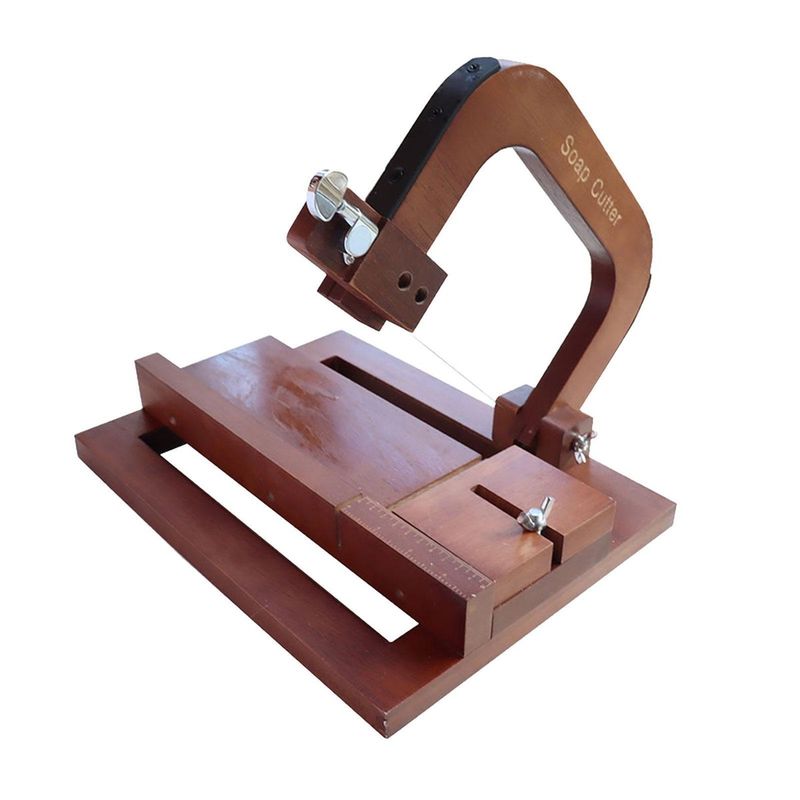
The final touch in soap making was the perfect cut, an art mastered by skilled hands in 1908. Soap makers knew that how they sliced their creations impacted both appearance and usability. Imagine a steady hand guiding a wire tool through soft soap.
A precise cut ensured uniformity, enhancing the soap’s aesthetic appeal. The satisfaction of a clean, even slice was a reward in itself, a culmination of the soap maker’s effort.
This attention to detail continues to be a mark of excellence, reflecting the timeless appeal of a well-crafted bar of soap.
18. Packaging with Care
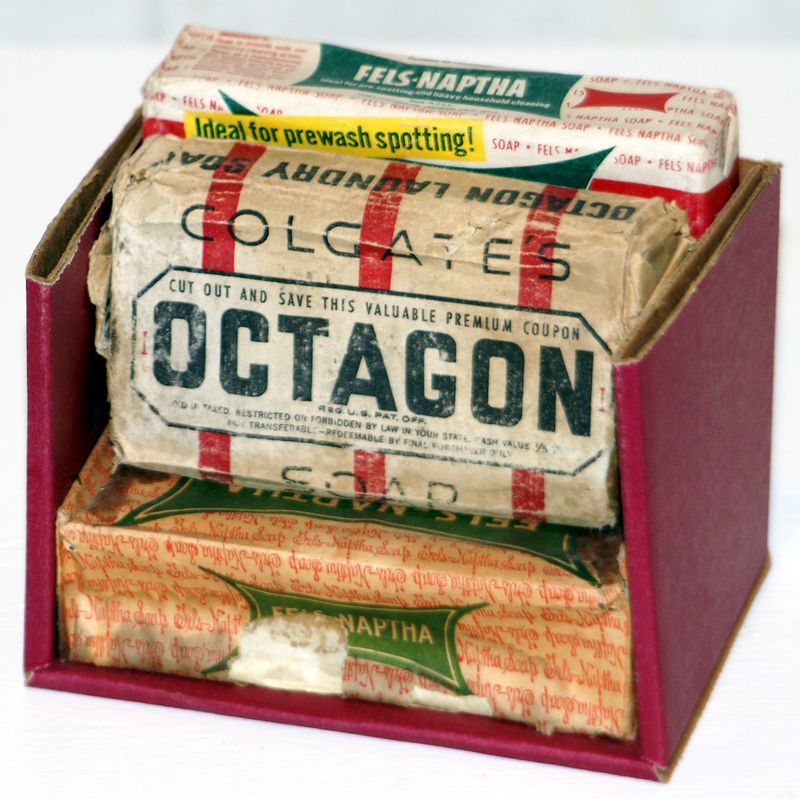
Even in 1908, the presentation of soap was an important part of the craft. Soap makers took pride in packaging their creations with care. Visualize bars of soap wrapped in delicate paper, tied with twine or ribbon.
The packaging added an extra layer of allure, making each bar feel special. It was not just protection but a thoughtful gesture that elevated the gifting experience.
This tradition of packaging with care endures, highlighting the importance of presentation in creating an appealing and memorable product.