 Complete Gardening
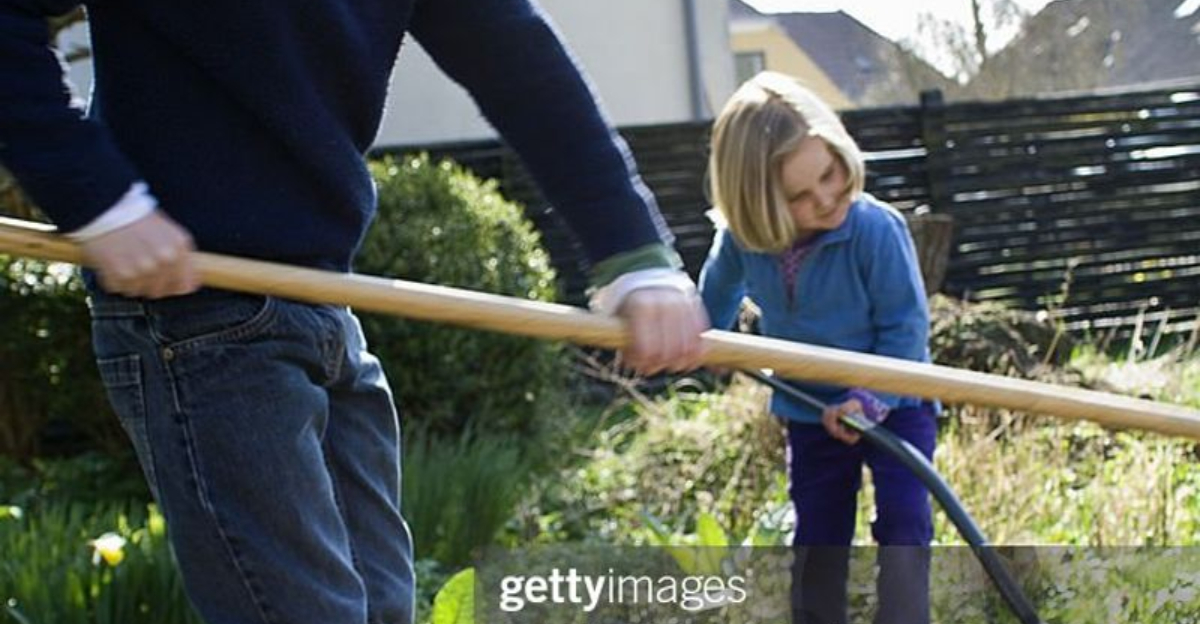
Planting a rainbow garden with kids can be a rewarding and educational experience. This project not only teaches children about colors and gardening but also helps them connect with nature. From choosing vibrant plants to understanding soil and light requirements, kids learn valuable skills while creating a beautiful, colorful space. In this blog post, we’ll explore seven exciting steps to guide you and your little ones in planting a rainbow garden. Each section provides a unique approach and creative ideas to engage your children’s imagination and curiosity.
1. Choosing the Right Plants
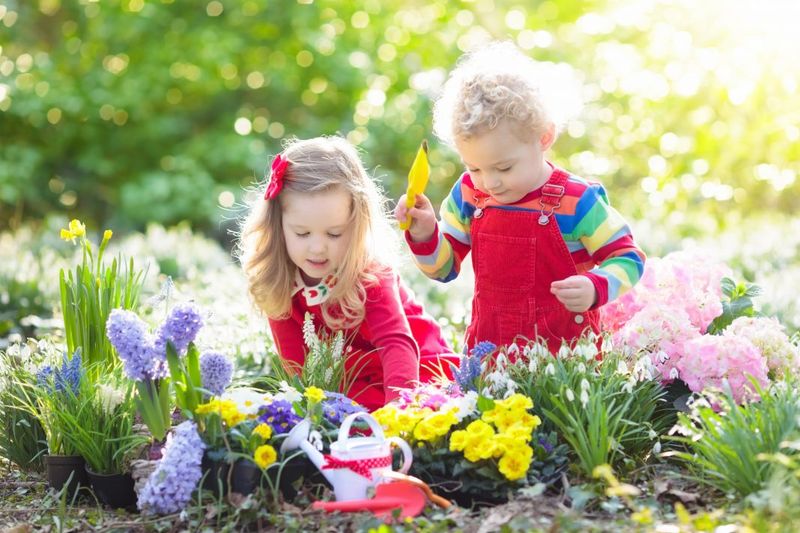
Children often have a keen sense of wonder, especially when it involves selecting vibrant plants. Engage their enthusiasm by exploring a nursery together. Look for flowers in the colors of the rainbow. Discuss with them the importance of each color for attracting different pollinators.
Explain how red flowers can invite butterflies, while blues might attract bees. This not only sparks curiosity but also instills a sense of responsibility. Allow them to choose their favorites and learn about each plant’s needs. This part of the process provides a perfect opportunity to bond over nature’s palette.
2. Preparing the Soil
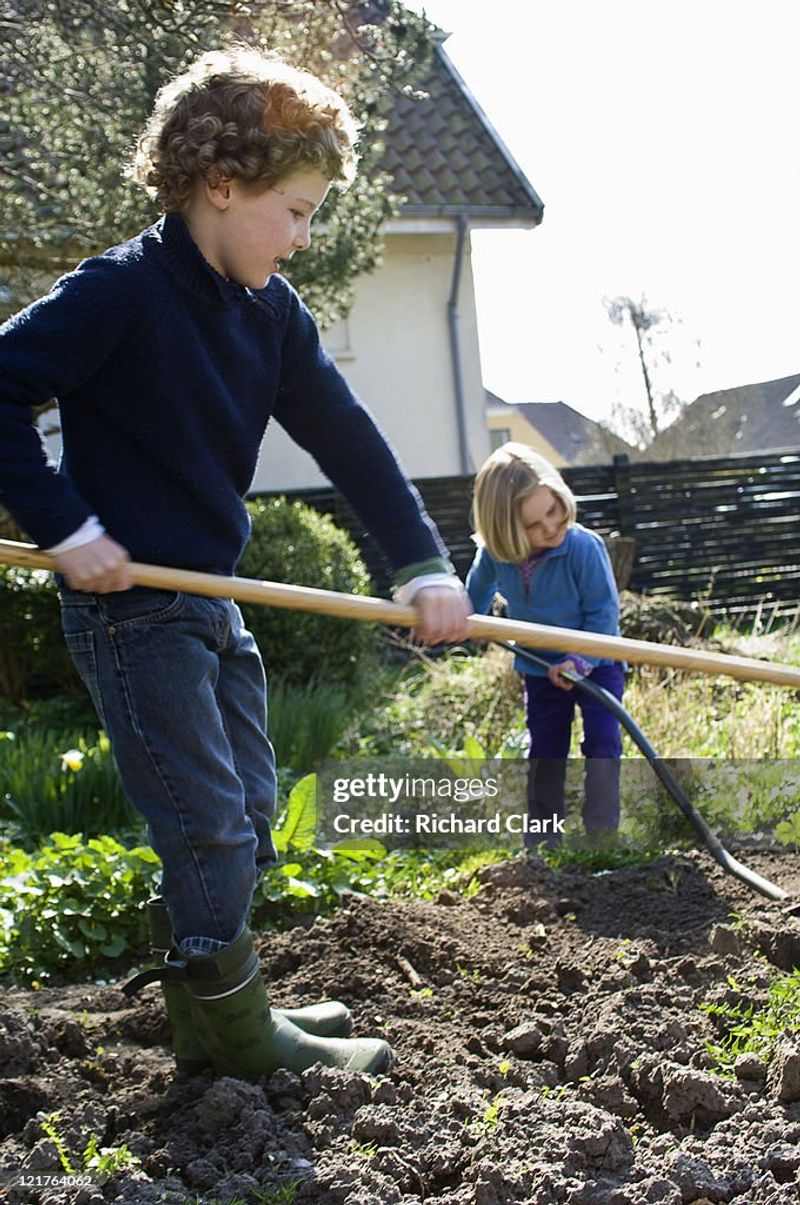
Gardening is about getting hands dirty, literally! Preparing the soil is an essential step, and kids love the tactile experience. Arm them with small rakes and trowels. Show them how to break up clumps and remove debris.
Explain the importance of healthy soil for plant growth and nutrition. They will enjoy the feeling of earth between their fingers and gain respect for the groundwork involved. By engaging in this task, children learn the foundational aspects of gardening and feel pride in creating a nurturing environment for their plants to thrive.
3. Planting the Seeds
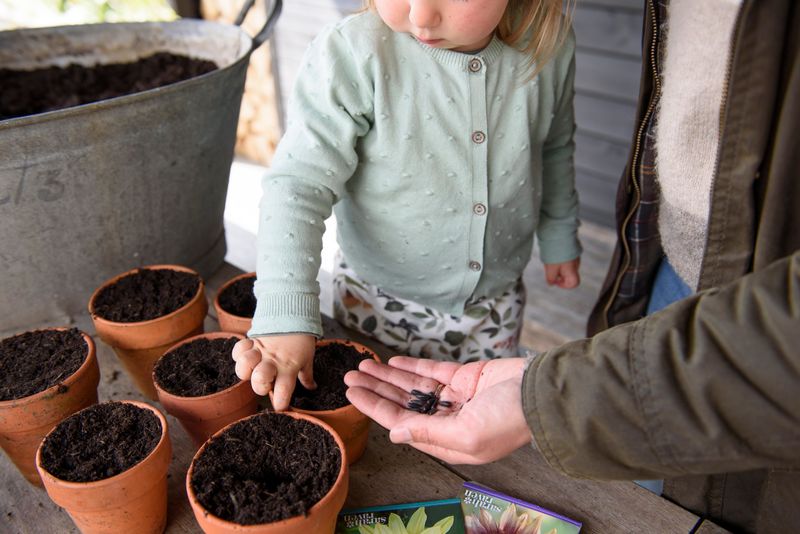
Planting seeds is like planting dreams. Let kids take charge by giving them rainbow-colored seed packets. Show them how to dig small holes and gently place the seeds inside.
Discuss the patience needed as they wait for sprouts to appear. Kids will love marking the spots with colorful sticks or flags. This act of planting seeds teaches them about the cycle of life and the rewards of nurturing something from a tiny seed into a full bloom. It’s a lesson in patience and care that transcends the garden.
4. Watering with Care
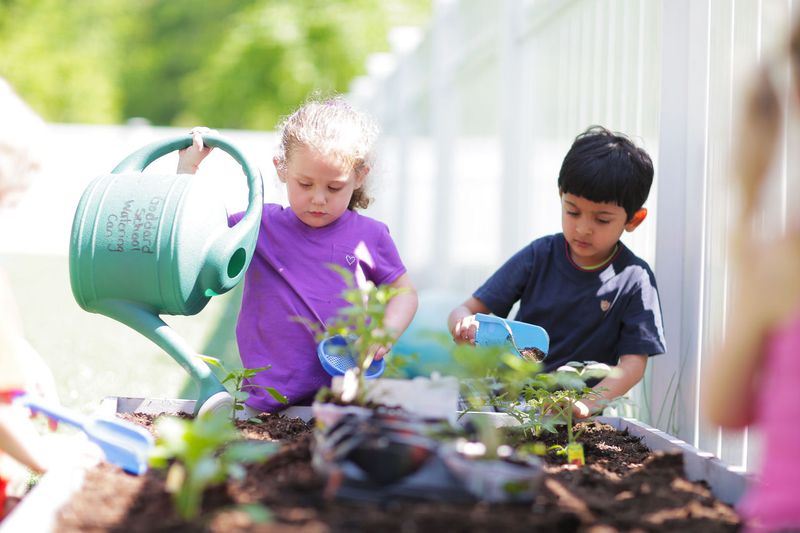
Watering plants is more than a chore; it’s a ritual. Give kids small watering cans and show them how to water gently. Explain the importance of not overwatering and how plants need just the right amount to grow.
They’ll delight in seeing droplets glisten on leaves and feel a part of the garden’s life cycle. This daily task reinforces responsibility and attentiveness. Encourage them to notice how different plants respond to water, teaching them observation and empathy. It’s a joyful interaction with nature that fosters mindfulness.
5. Creating Garden Markers
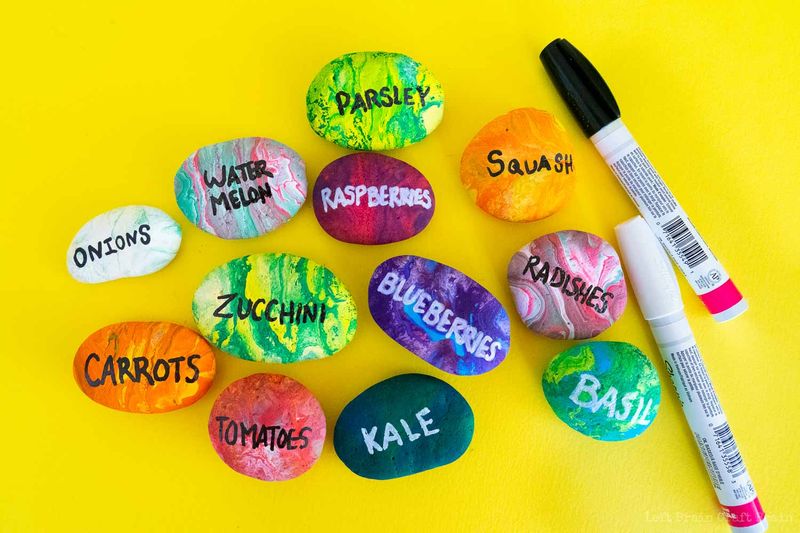
Add a splash of creativity by making garden markers. Use stones, wood pieces, or recycled materials. Allow kids to paint them with the names of their chosen plants. This activity combines art with gardening, allowing them to express individuality.
Crafting markers helps them remember what they planted and where. Let their imagination run wild with colors and designs. This engaging task creates a personal connection with the garden, as they proudly watch their plants grow beside their handmade creations. It’s a bridge between creativity and nature.
6. Understanding Sunlight and Shade

Exploring sunlight and shade in the garden can be an enlightening experience! Use a sun chart to help kids understand how sunlight affects plant growth. Teach them to observe how shadows move through the day.
Discuss which plants love the sun and which prefer the shade. This activity encourages them to think critically about plant placement. It’s a practical lesson in the environmental factors that influence gardening success, making them more aware of nature’s rhythms. This knowledge shapes them into thoughtful and informed gardeners.
7. Harvesting and Celebrating
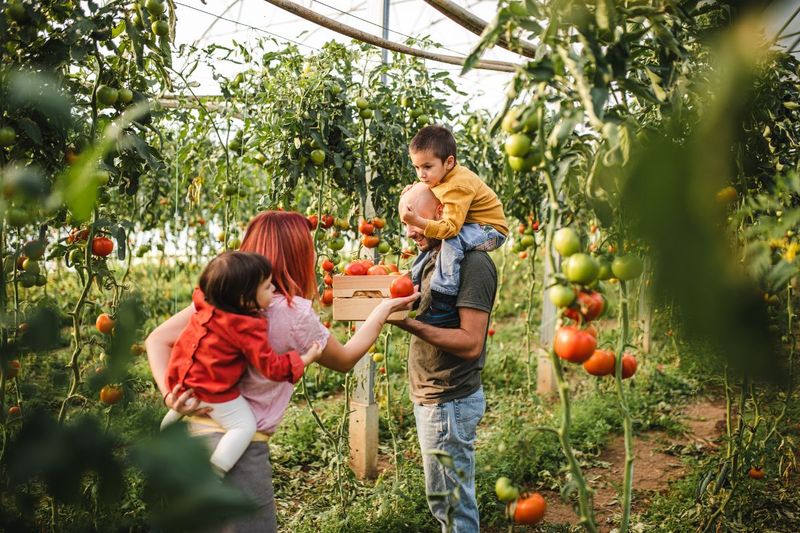
The joy of harvesting is unparalleled. Celebrate the culmination of hard work by gathering flowers or vegetables with the kids. Explain how harvesting is a reward for patience and care.
Let them fill baskets with their colorful bounty, taking pride in their achievements. It’s a festive occasion, where they can see the full cycle of their effort. Share the harvested treasures with family or friends, turning it into a communal celebration. This experience not only teaches them about garden-to-table but also the joy of sharing with loved ones.
8. Crafting Colorful Garden Labels
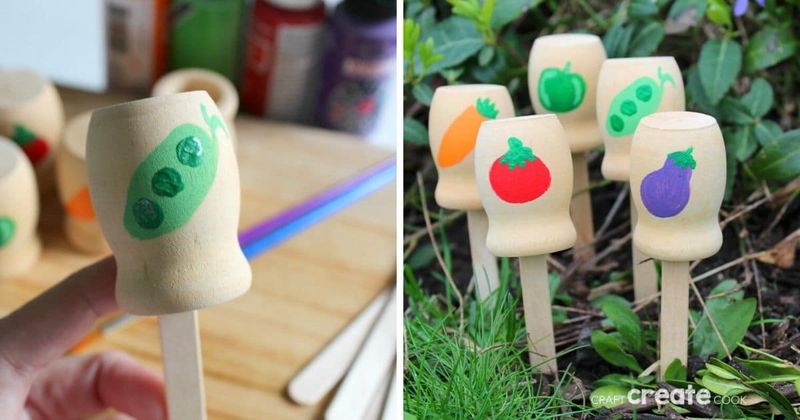
In the world of gardening, colorful labels can be a small yet vibrant detail. Let children’s imagination shine as they craft unique labels for each plant. Using a mix of recycled materials, paint, and creativity, these labels become miniature art pieces.
Each label not only marks a plant’s location but also serves as a learning tool, helping kids remember their responsibilities. As they paint, discuss the different traits of each plant, making it an educational moment. This colorful addition enhances the garden’s visual appeal, turning it into a personalized paradise.
9. Creating a Sensory Pathway
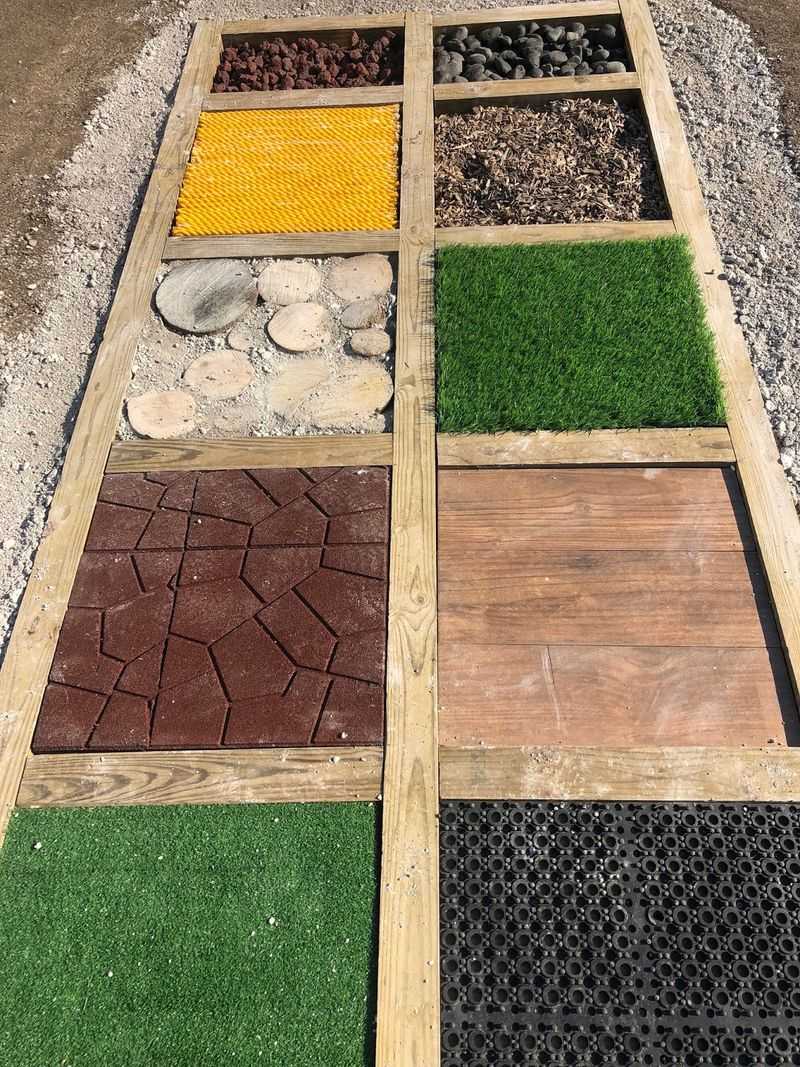
A sensory pathway is not just a path but an adventure for little feet. Encourage children to explore different textures underfoot, from smooth pebbles to soft grass. This tactile journey through the garden stimulates their senses and connects them to nature.
Building the path together fosters teamwork and creativity. Discuss with the kids what materials they’d like to use, allowing them to shape their pathway. This project adds an interactive element to the garden, making every walk through it a unique experience that they can cherish.
10. Building a Bug Hotel
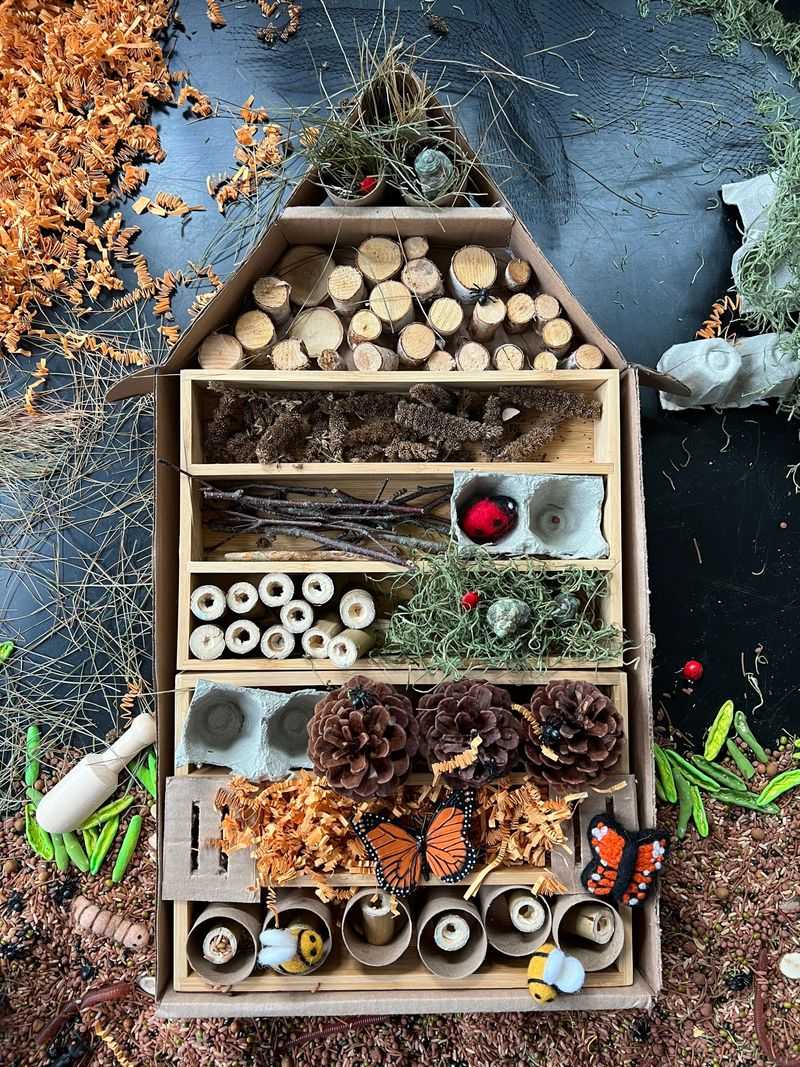
Transform your garden into a wildlife haven by building a bug hotel. Kids love the idea of creating homes for insects, learning about their roles in the ecosystem. With natural materials like logs, twigs, and leaves, they can construct a cozy retreat for bugs.
This activity not only teaches responsibility but also fosters respect for small creatures. As kids build, they learn about different bugs and their habitats. The bug hotel becomes a vibrant focal point in the garden, offering endless opportunities for discovery and observation.
11. Designing a Fairy Garden
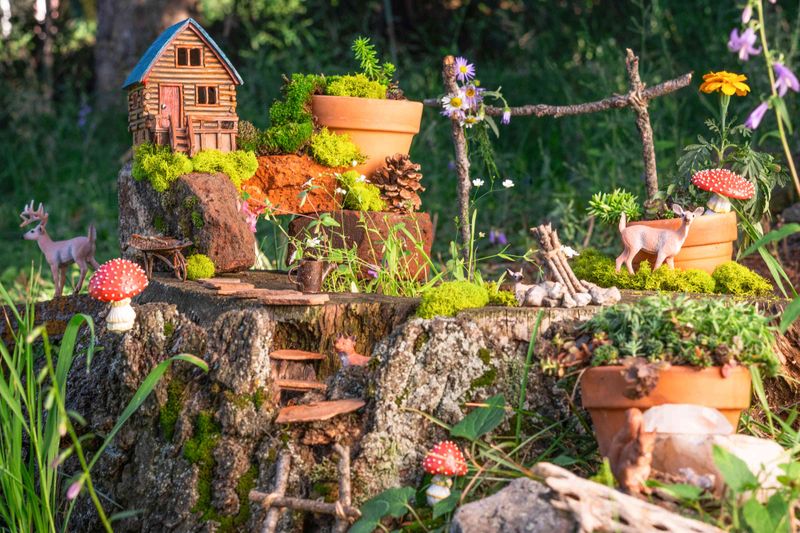
A fairy garden can be a magical corner that sparks imagination. Encourage children to create a miniature world with tiny houses, figurines, and small plants. This enchanting space invites storytelling and creative play.
Assembling the fairy garden allows kids to design their own magical realm. Discuss the tales behind each element they choose, nurturing their creativity and narrative skills. This whimsical project not only beautifies the garden but also provides a nurturing outlet for their imaginative minds.
12. Making a Butterfly Feeder
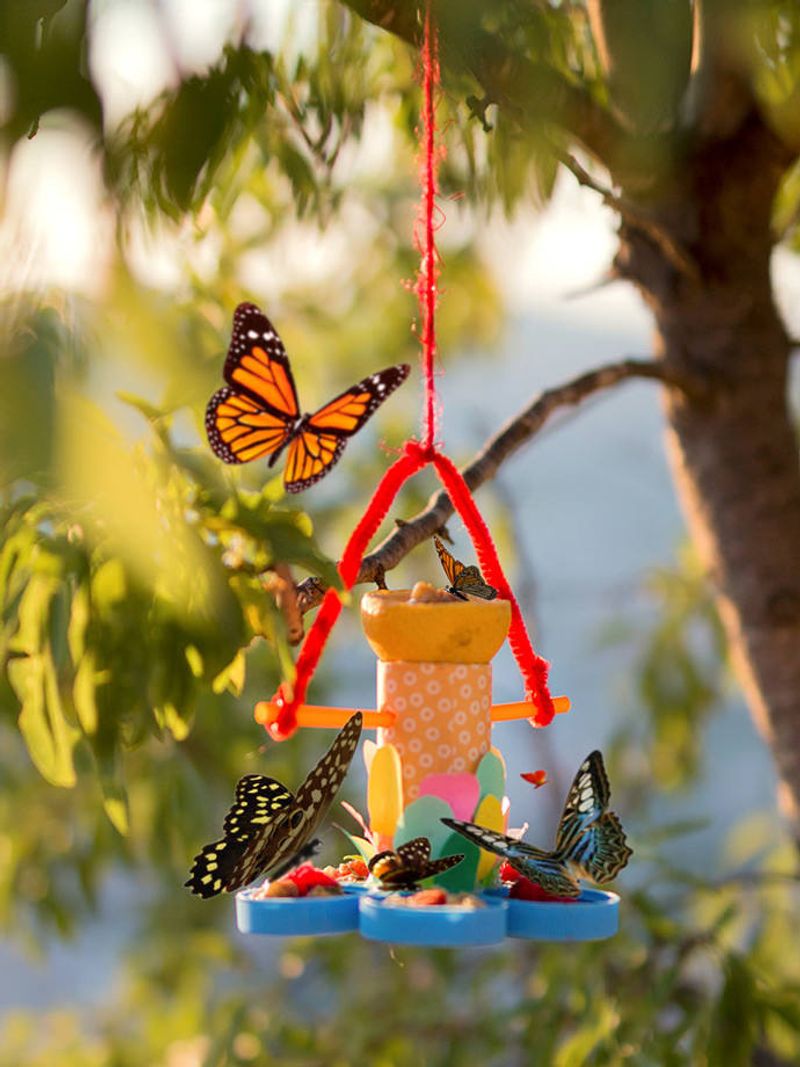
Attract the beauty of butterflies by crafting a butterfly feeder. Kids can paint and decorate feeders, turning them into bright garden features. Watching butterflies flutter to their creations is a delightful reward.
This project teaches kids about the needs of butterflies and their role in pollination. Engage them in discussions about butterfly species and their importance in the ecosystem. Painting and assembling the feeder is both fun and educational, enriching their understanding of nature’s delicate balance.
13. Painting Garden Rocks

Painting rocks transforms ordinary stones into vibrant garden accents. Children can let their creativity flow, painting happy faces, patterns, or abstract designs. These colorful rocks add a playful touch to the garden.
This simple activity encourages artistic expression and provides a sense of accomplishment. As kids place their painted rocks, they leave a personal mark in the garden. It’s a delightful way to involve young artists in gardening while adding splashes of color to the landscape.
14. Creating a Rainbow Scavenger Hunt
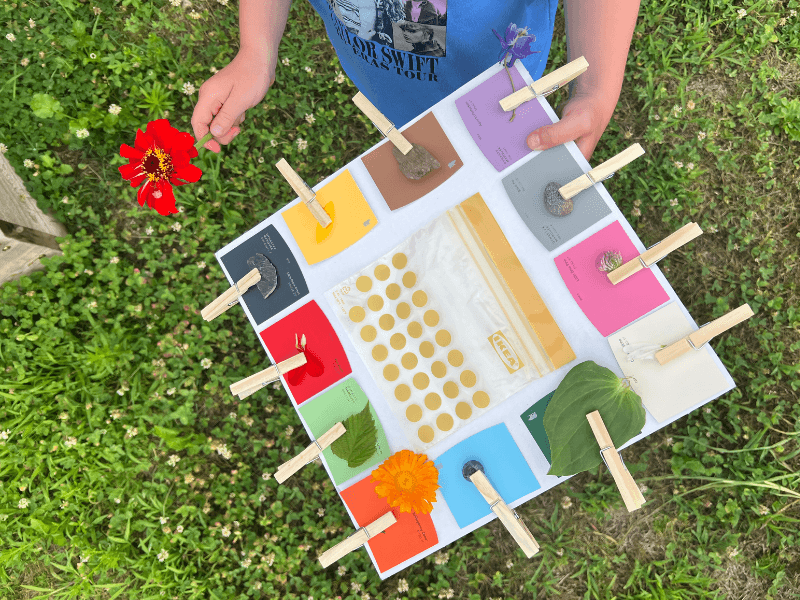
A rainbow scavenger hunt is an exciting way to explore the garden. Send kids on a mission to find items representing each color of the rainbow. This engaging activity combines adventure with learning.
As children search for colorful objects, they become more observant and connected to their surroundings. It’s a fun way to teach them about color recognition and observation skills. The hunt adds an element of excitement to the garden experience, making it a favorite for curious minds.
15. Crafting Wind Chimes
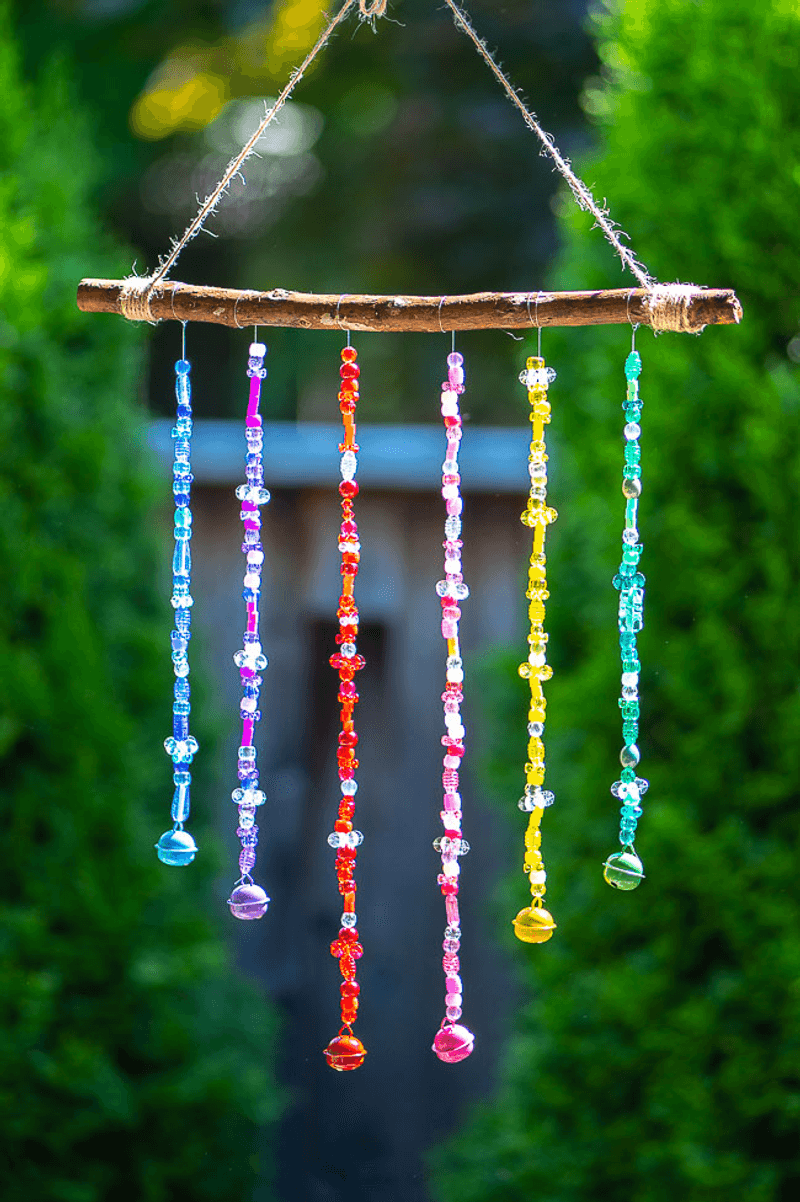
Wind chimes add a musical element to any garden. Encourage kids to craft their own using colorful beads and recycled materials. As the wind catches their creations, it fills the air with delightful sounds.
Making wind chimes is an artistic endeavor that enhances creativity and focus. Discuss the different sounds each material makes, turning it into a musical lesson. Hanging their chimes in the garden provides both visual and auditory enjoyment, making it a lively space.
16. Constructing a Miniature Pond
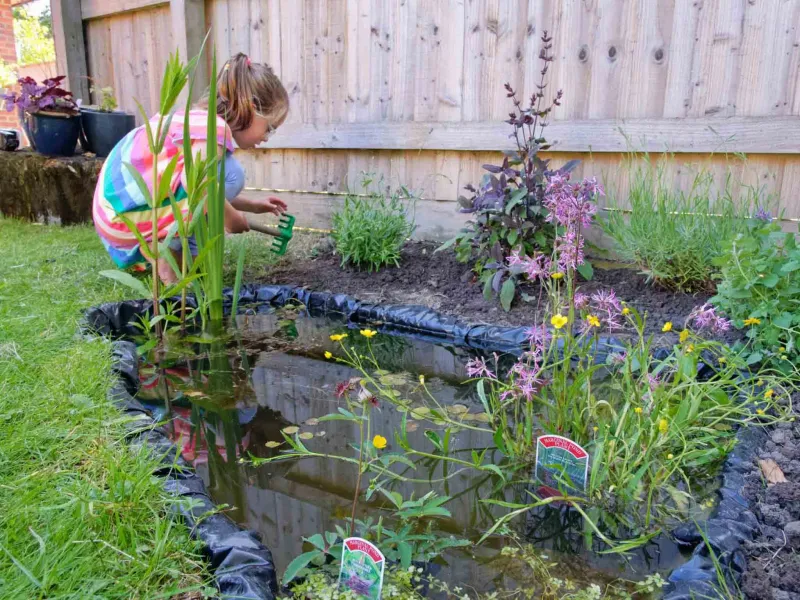
A miniature pond can become a serene centerpiece in the garden. Guide children in constructing a pond using stones, water plants, and a tiny waterfall. This creates a tranquil habitat for small creatures.
Building a pond teaches kids about ecosystems and the importance of water in nature. As they watch wildlife visit, they gain respect for the environment. The pond becomes a soothing addition to the garden, offering a peaceful retreat for kids and creatures alike.
17. Organizing a Garden Picnic

Transform the garden into a picnic paradise. Organize a family picnic surrounded by vibrant blooms, where kids can relax and enjoy nature’s beauty. This creates cherished memories and strengthens family bonds.
A garden picnic encourages appreciation for the outdoors and promotes healthy conversations. Share stories, play games, and savor seasonal treats amidst the flowers. It’s a perfect way to enjoy the fruits of your gardening efforts, making it a delightful experience for everyone.
18. Hosting a Garden Art Show
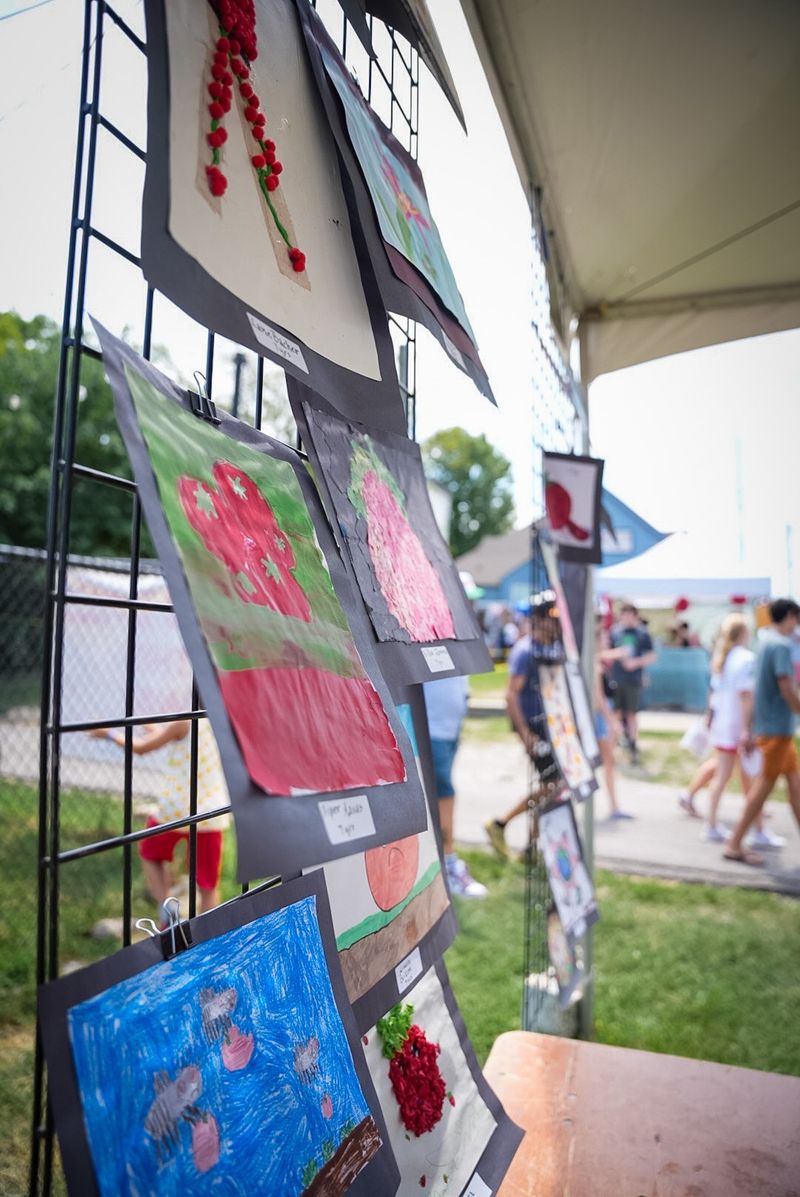
Celebrate creativity by hosting a garden art show. Children can display their garden-themed art, sharing their perspectives on nature. This fosters confidence and appreciation for art.
Organize an exhibition where family and friends can admire the artworks. Discuss the inspiration behind each piece, encouraging children to articulate their ideas. The art show adds a cultural dimension to the garden, transforming it into an outdoor gallery filled with youthful creativity.