 Complete Gardening
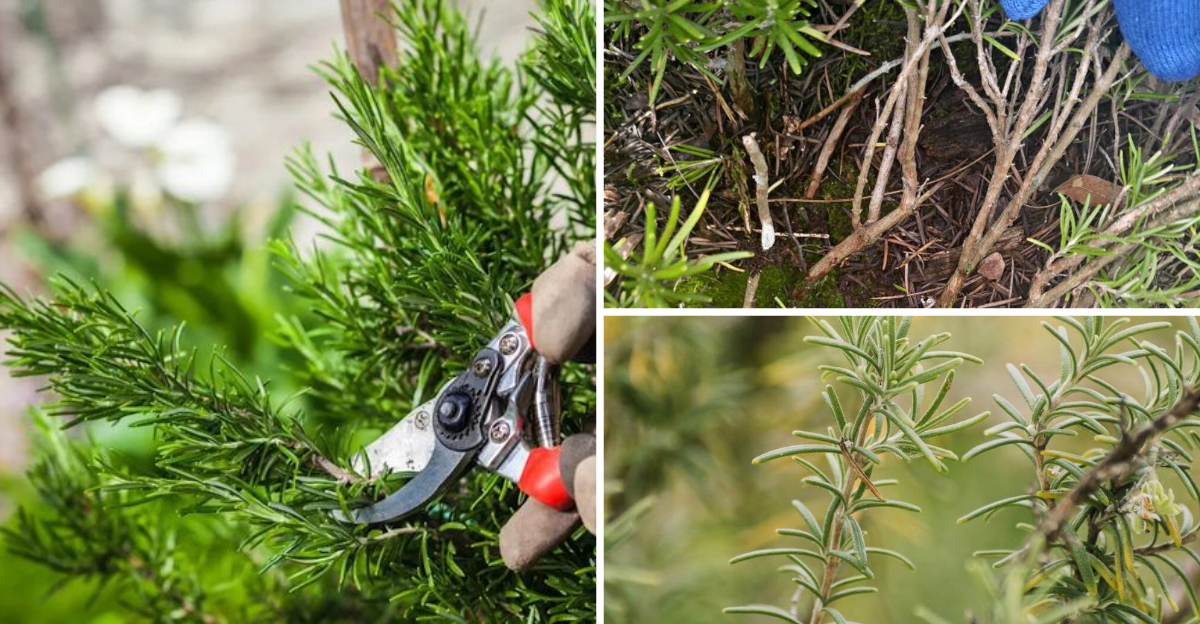
Pruning rosemary is essential for maintaining its health and encouraging a fuller, more robust growth. Whether you’re a seasoned gardener or a novice, understanding the nuances of trimming this aromatic herb can significantly enhance your gardening experience. These 24 expert tips will guide you through the process, ensuring that your rosemary plants remain vibrant and productive.
1. Understanding Rosemary’s Growth Cycle
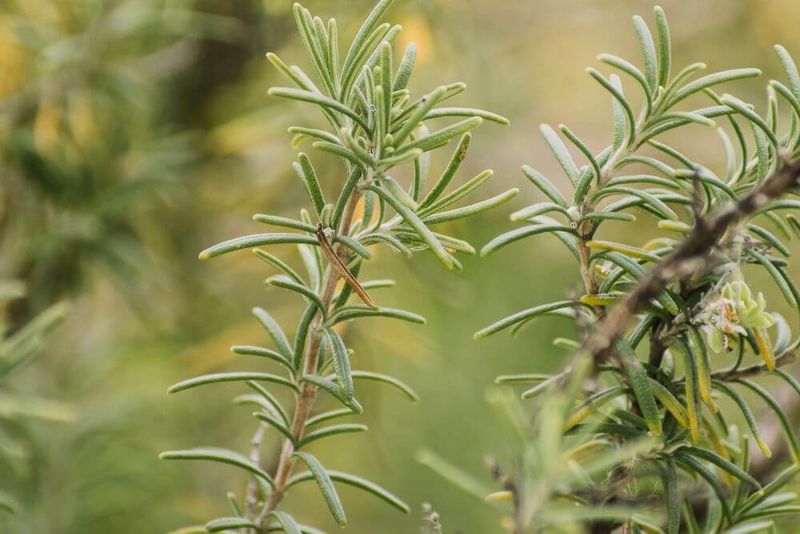
Knowing the growth cycle of rosemary is the first step in effective pruning. Rosemary begins its growth in spring, reaching its peak during the summer months. During this time, it produces new shoots that can be trimmed to encourage bushier growth. By recognizing these stages, gardeners can time their pruning to align with the plant’s natural growth patterns, promoting healthier development. Understanding this cycle is crucial for timing your cuts correctly and ensuring the plant remains vigorous and healthy. This knowledge allows for strategic pruning, contributing to a more productive and lush rosemary shrub.
2. Selecting the Right Tools
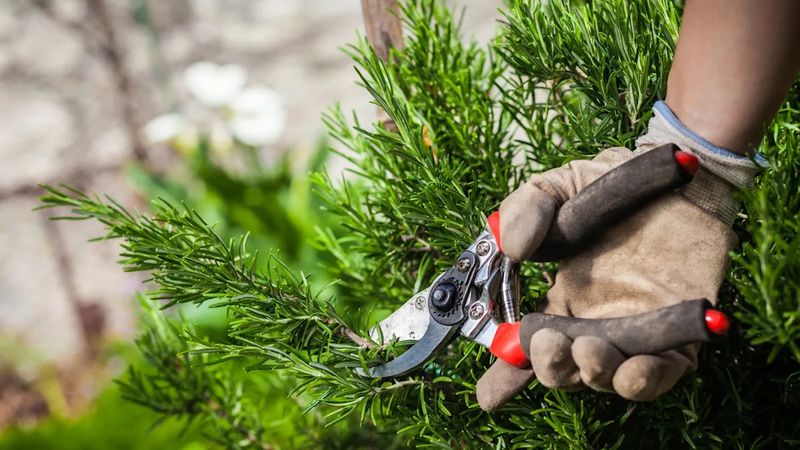
Choosing the appropriate tools is vital for successful pruning. A pair of sharp, clean pruning shears is essential for making precise cuts that won’t tear the plant’s tissue. This ensures that the rosemary can heal quickly and continue growing without hindrance. Sterilizing your tools before use can prevent the spread of diseases between plants. By equipping yourself with the right tools, you set the stage for effective pruning. This preparation is the foundation for maintaining plant health and aesthetics, allowing the rosemary to flourish with each trim.
3. Timing Your Pruning
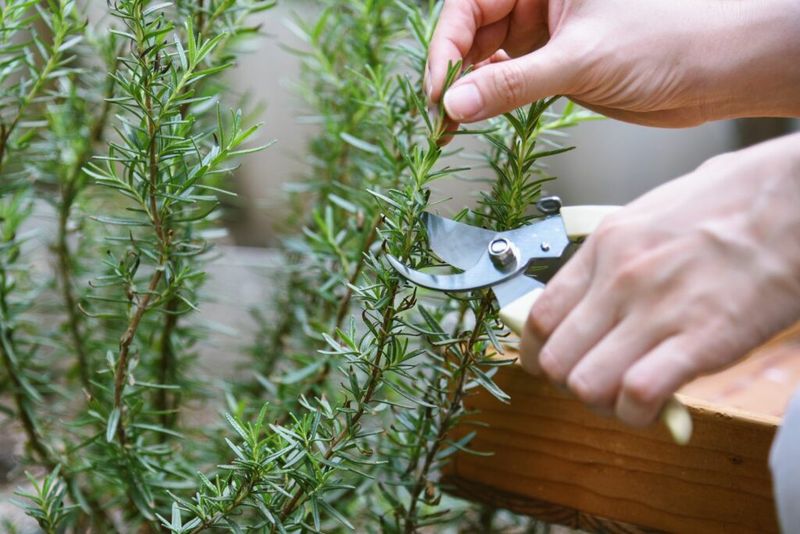
Timing plays a pivotal role in pruning success. The best time to prune rosemary is during the growing season, typically late spring or early summer. This period allows cuts to heal quickly and encourages robust growth. Avoid pruning during fall or winter when the plant is dormant, as it can stress the plant and lead to potential damage. By adhering to the proper timing, gardeners can ensure that their rosemary remains healthy and vigorous. Observing the seasonal cycles and adjusting your pruning schedule accordingly is key to nurturing a thriving plant.
4. Identifying Dead Wood

Identifying and removing dead wood is crucial for plant health. Dead branches are typically brittle and discolored, contrasting sharply against the vibrant green of healthy rosemary. Removing these dead sections helps direct the plant’s energy towards new growth. This practice prevents potential disease and allows air and light to penetrate the inner parts of the shrub, fostering a healthier environment. By regularly checking for and cutting away dead wood, gardeners can maintain the plant’s vitality, ensuring that the rosemary shrub remains lush and productive throughout its life cycle.
5. Encouraging Bushier Growth
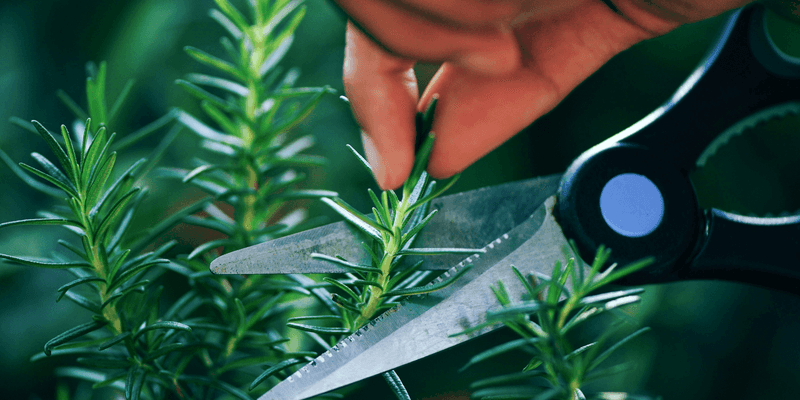
Pinching the tips of rosemary stems can stimulate bushier growth. This technique involves gently removing the top few inches of new growth, which encourages the plant to produce lateral shoots. These additional branches fill out the plant, creating a fuller appearance. Regular pinching not only enhances the plant’s aesthetic appeal but also boosts its overall vigor by promoting more robust growth. By incorporating this simple method into your routine, your rosemary plant will transform from a sparse shrub to a dense, aromatic bush, offering both visual and sensory delight.
6. Avoiding Over-Pruning
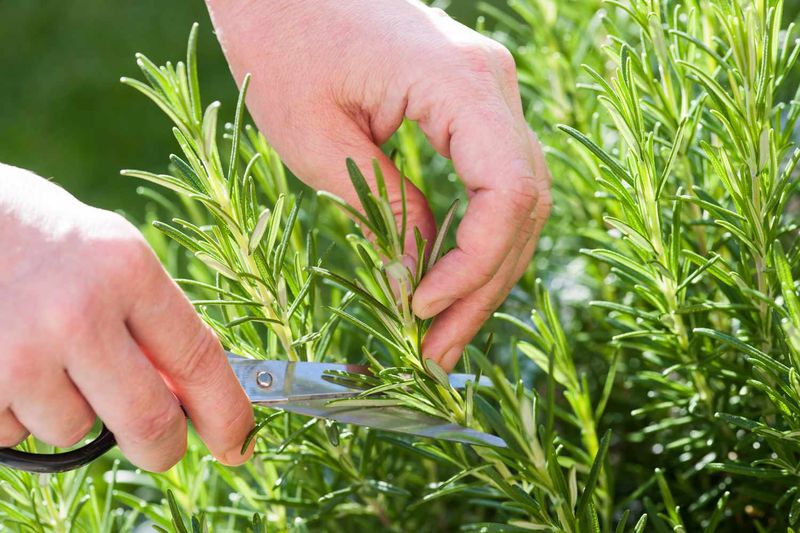
While pruning is vital, overdoing it can harm the plant. Over-pruning stresses rosemary, leading to stunted growth or vulnerability to disease. It’s essential to remove no more than one-third of the plant at any time. This conservative approach ensures rosemary has enough foliage for photosynthesis, maintaining its health and vitality. Balance is key; careful pruning supports the plant’s natural form and function. By avoiding excessive cuts, you can help your rosemary thrive, ensuring it remains a lush and aromatic feature in your garden for years to come.
7. Pruning for Shape
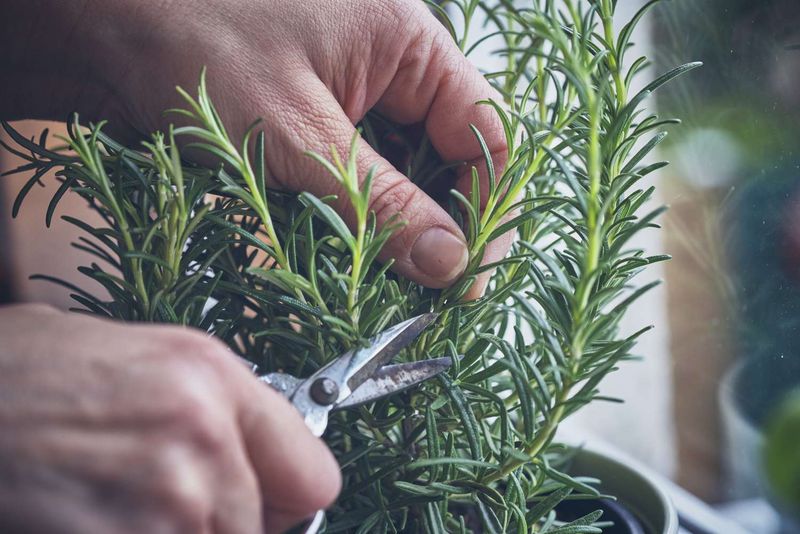
Shaping rosemary enhances its appearance and fits it into your garden design. Regular trimming maintains a tidy form, whether you’re aiming for a rounded bush or a more structured hedge. By carefully snipping branches, you can create a visually pleasing shape that complements your garden’s aesthetics. This practice not only improves looks but also encourages healthy growth by allowing light and air to reach all parts of the plant. Pruning for shape requires a discerning eye and a gentle hand, ensuring that your rosemary becomes a standout feature in any landscape.
8. Rejuvenating Old Plants
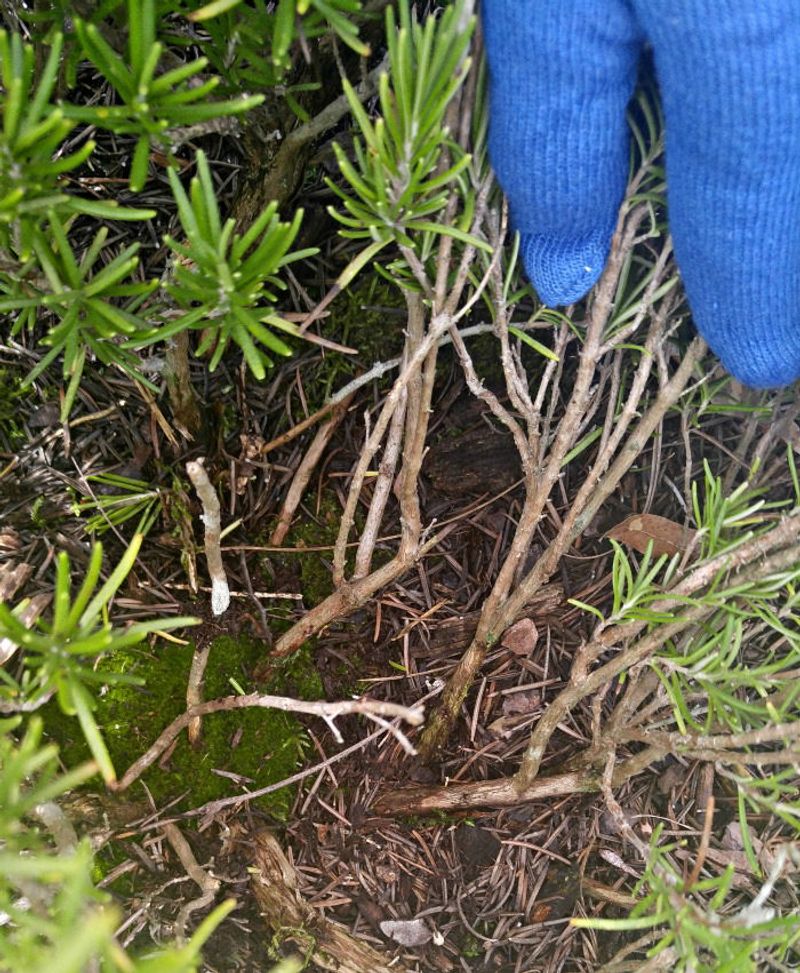
Reviving an aging rosemary plant requires special attention. Older plants can become woody and sparse, losing their former vigor. Pruning back the woody parts can stimulate new growth, breathing fresh life into the plant. Focus on removing a portion of the old wood while leaving enough green growth to sustain recovery. This strategic trimming encourages the rosemary to rejuvenate, allowing it to regain its lush, aromatic qualities. By understanding how to manage old plants, gardeners can prolong the life and productivity of their cherished rosemary shrubs.
9. Managing Pests and Diseases
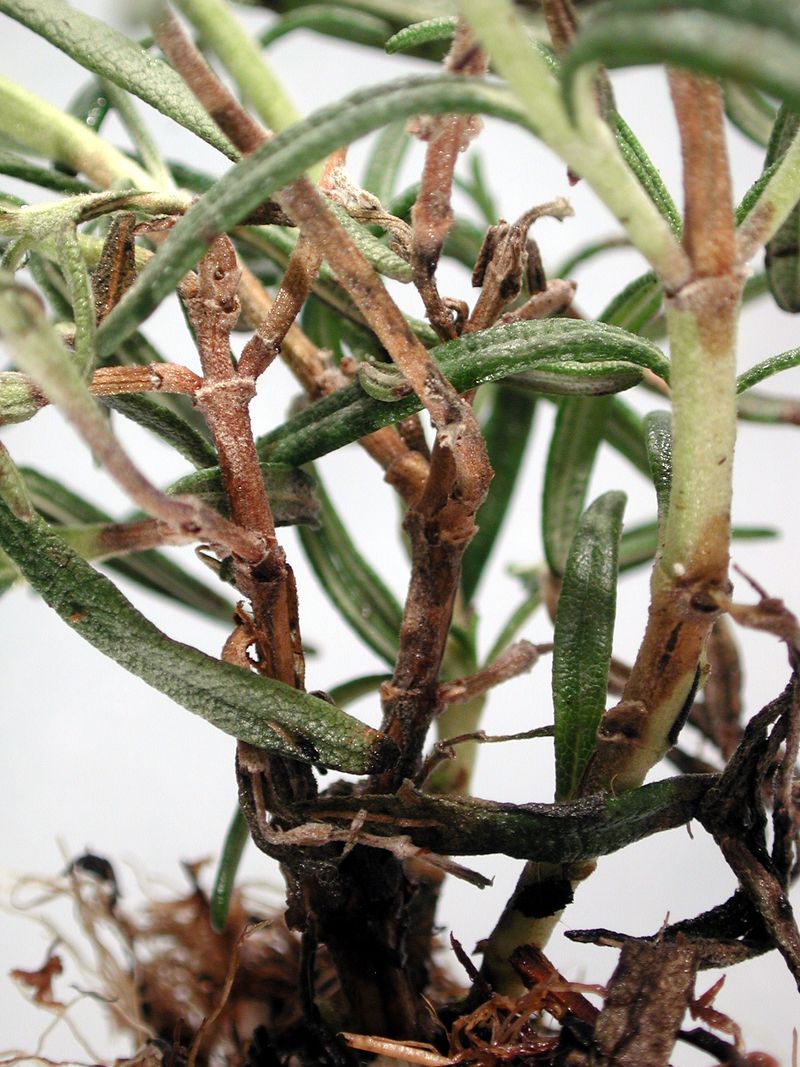
Pests and diseases can hinder rosemary’s growth, making regular inspection essential. By routinely checking for signs of trouble, such as discolored leaves or unusual growth patterns, gardeners can catch issues early. Pruning plays a role in pest management by removing affected areas and preventing spread. Maintaining plant health through proper pruning ensures rosemary remains resilient against infestations. This proactive approach keeps the plant robust, allowing it to thrive in various conditions. By staying vigilant, you can protect your rosemary from common garden threats, ensuring its continued vitality.
10. Harvesting Rosemary
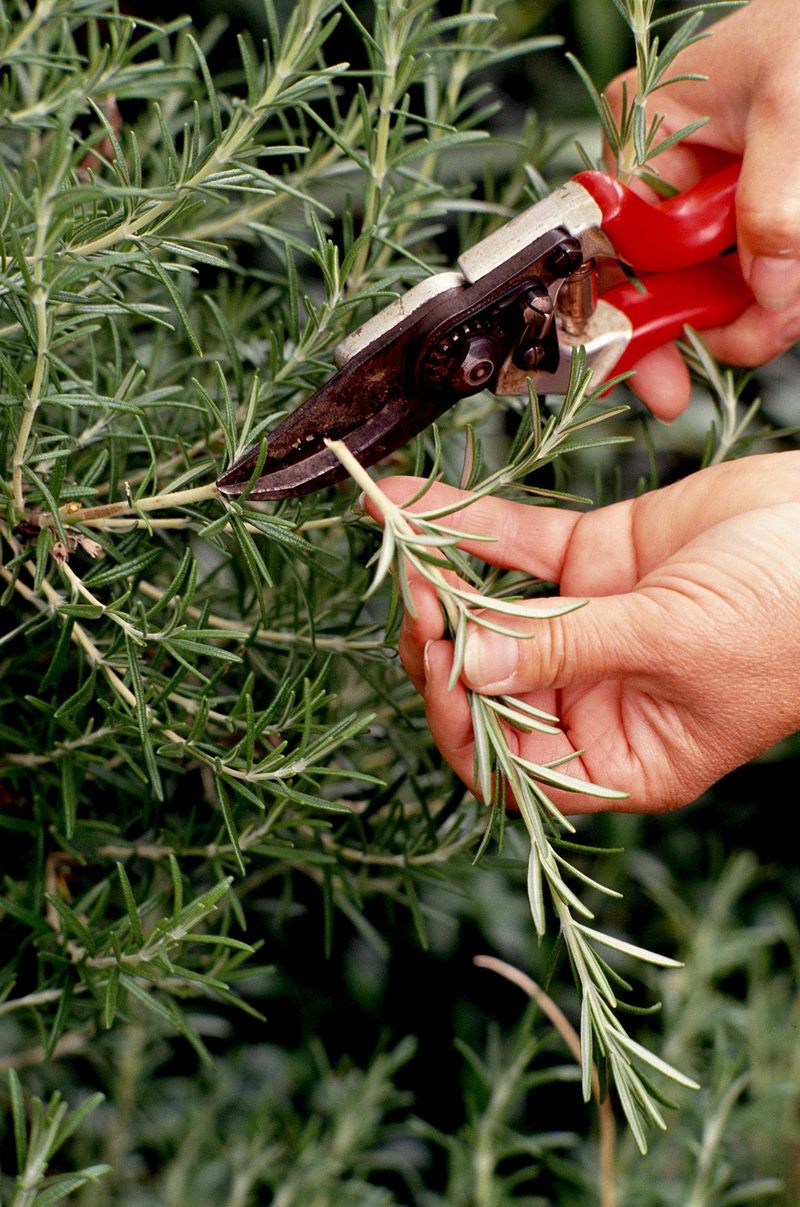
Pruning rosemary isn’t just about maintenance; it’s also an excellent opportunity for harvesting. Regularly trimming sprigs for culinary use can keep the plant neat and encourage growth. By harvesting thoughtfully, you ensure that the plant remains balanced, with enough leaves for photosynthesis. This practice benefits both the gardener and the plant, providing fresh, aromatic rosemary for cooking while promoting healthy growth. Embrace harvesting as part of your pruning routine, and enjoy the dual rewards of a well-maintained plant and a flavorful addition to your kitchen.
11. Pruning During Transplanting
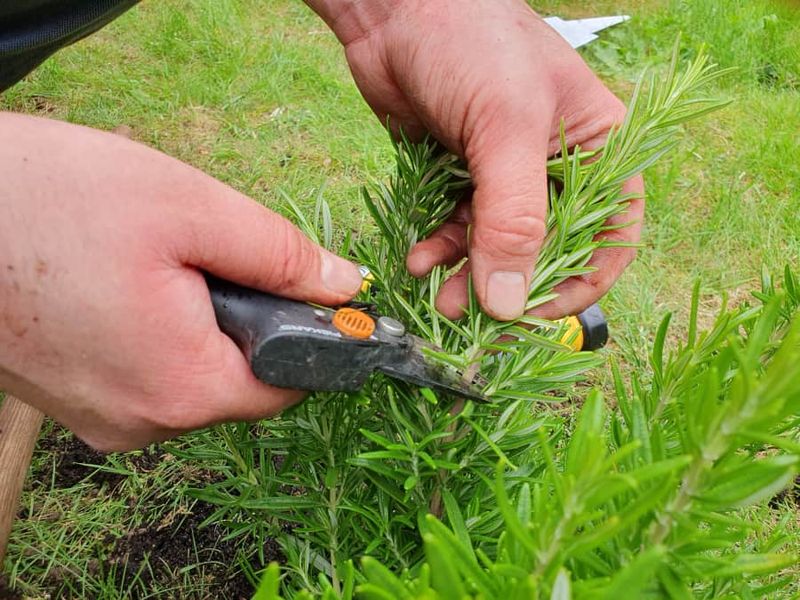
Transplanting rosemary offers a chance to prune and promote new growth. When moving a plant to a new location, trimming the top helps balance the loss of roots. This adjustment reduces stress and encourages quicker establishment in its new home. Pruning during transplanting ensures the plant has a healthy start, with a balanced structure that supports recovery. By integrating pruning into the transplant process, gardeners set the stage for a thriving, well-adjusted rosemary plant that adapts effortlessly to its new environment, continuing to grow with vigor and vitality.
12. Using Rosemary Cuttings
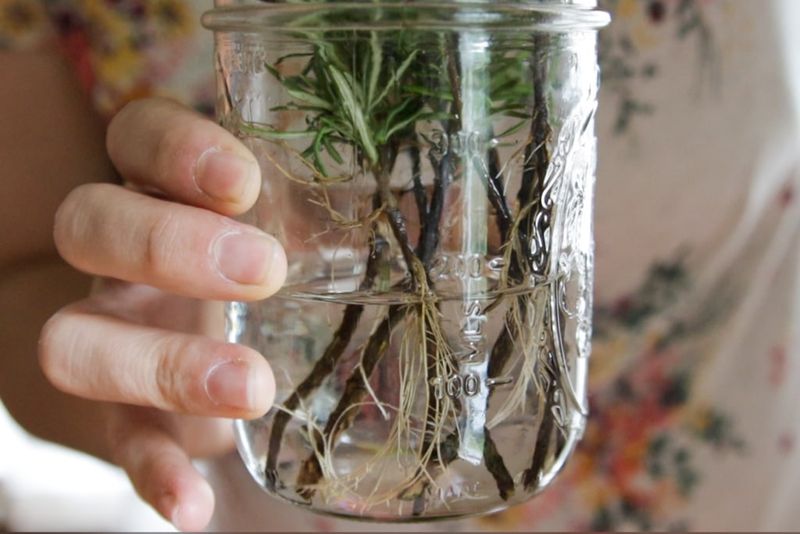
Pruning provides an opportunity to propagate rosemary through cuttings. By selecting healthy, young stems, gardeners can create new plants with ease. Place the cuttings in water or a rooting medium, and watch them develop roots over time. This method not only expands your garden but also makes use of pruned material. Propagation through cuttings offers a sustainable way to enhance your rosemary collection, ensuring fresh plants are always at hand. By incorporating this technique, gardening enthusiasts can enjoy the satisfaction of growing new life from simple trimmings.
13. Pruning for Air Circulation
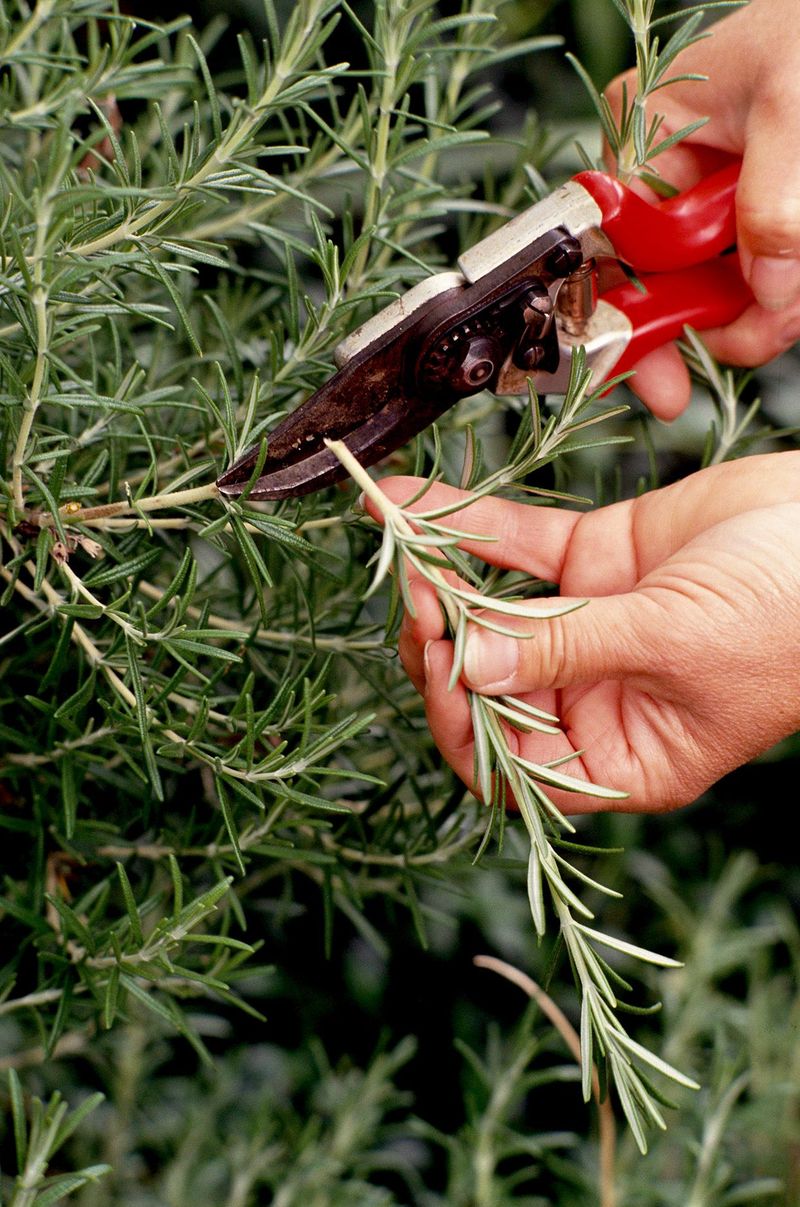
Good air circulation is vital for rosemary’s health and growth. Pruning to create space between branches allows air to flow freely, reducing the risk of mold and mildew. This practice also helps sunlight reach deeper into the plant, promoting robust growth. By focusing on air circulation, gardeners can enhance the plant’s resilience to environmental stresses. This strategic pruning method fosters a healthier environment for rosemary, preventing common problems and ensuring the plant remains lush and aromatic throughout its growth cycle.
14. Dealing with Frost Damage
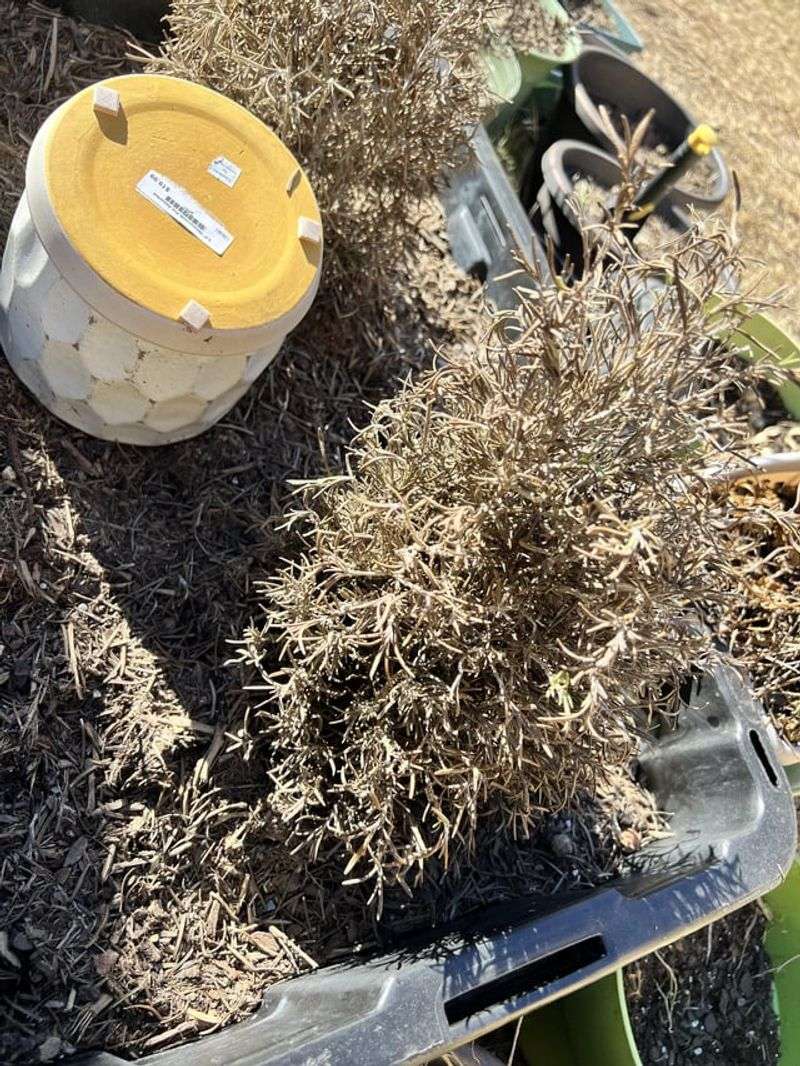
Frost can wreak havoc on rosemary, but careful pruning can mitigate damage. After frost, inspect the plant for blackened or wilted areas. Pruning these damaged parts helps prevent decay and encourages new growth. This cautious approach ensures that the plant’s energy is directed towards recovery, rather than maintaining injured sections. By understanding how to manage frost damage, gardeners can protect their rosemary from the harsh effects of winter, supporting its return to health and vitality as warmer weather approaches.
15. Maintenance Pruning
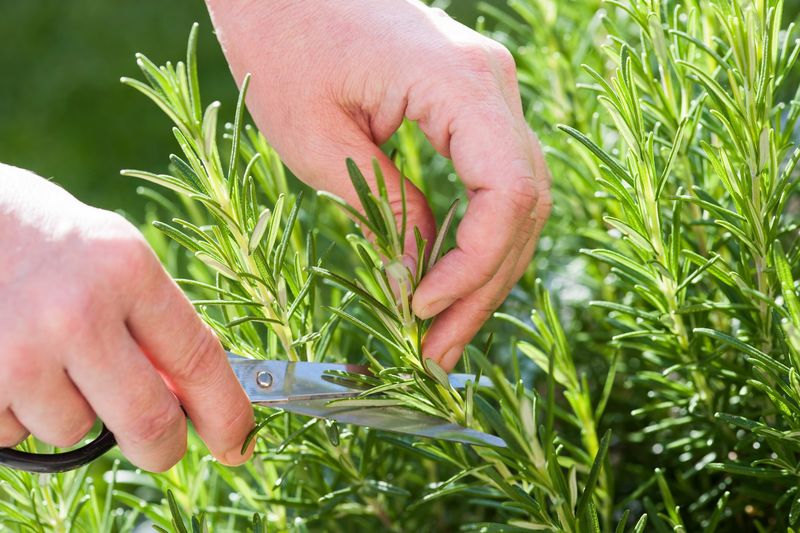
Routine maintenance pruning keeps rosemary healthy and attractive. This involves regularly trimming back overgrown sections to maintain shape and remove any dead or diseased wood. By consistently attending to these details, gardeners can prevent problems before they arise, ensuring the plant remains vibrant. Maintenance pruning supports the plant’s natural growth patterns, allowing it to thrive. This ongoing care is the key to a healthy, robust rosemary plant, adding a touch of greenery and aroma to your garden throughout the year.
16. Pruning for Size Control
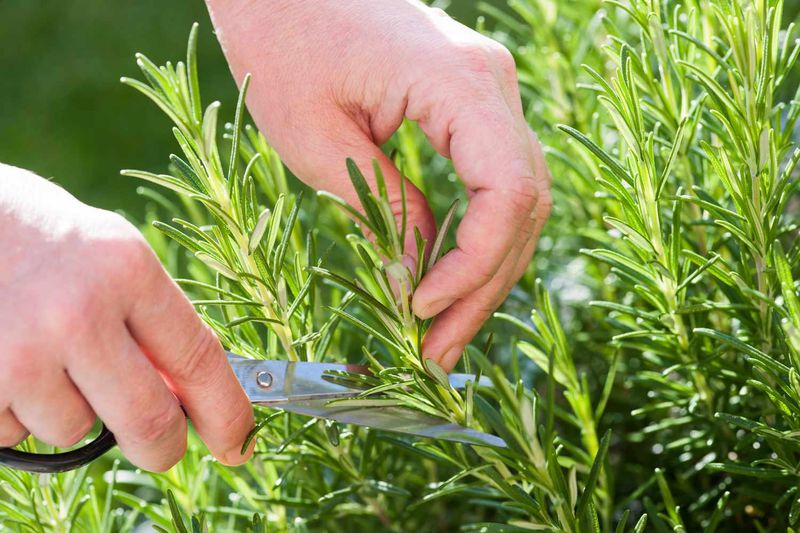
Controlling the size of your rosemary plant through pruning is essential, especially in limited garden spaces. By regularly trimming excess growth, gardeners can maintain a manageable size that suits their garden layout. Size control helps maximize available space and ensures the plant doesn’t overwhelm neighboring plants. By embracing size control, you can enjoy the benefits of rosemary without compromising your garden’s design or functionality. This practice keeps the plant healthy and ensures it remains a harmonious part of your garden landscape.
17. Seasonal Pruning Adjustments
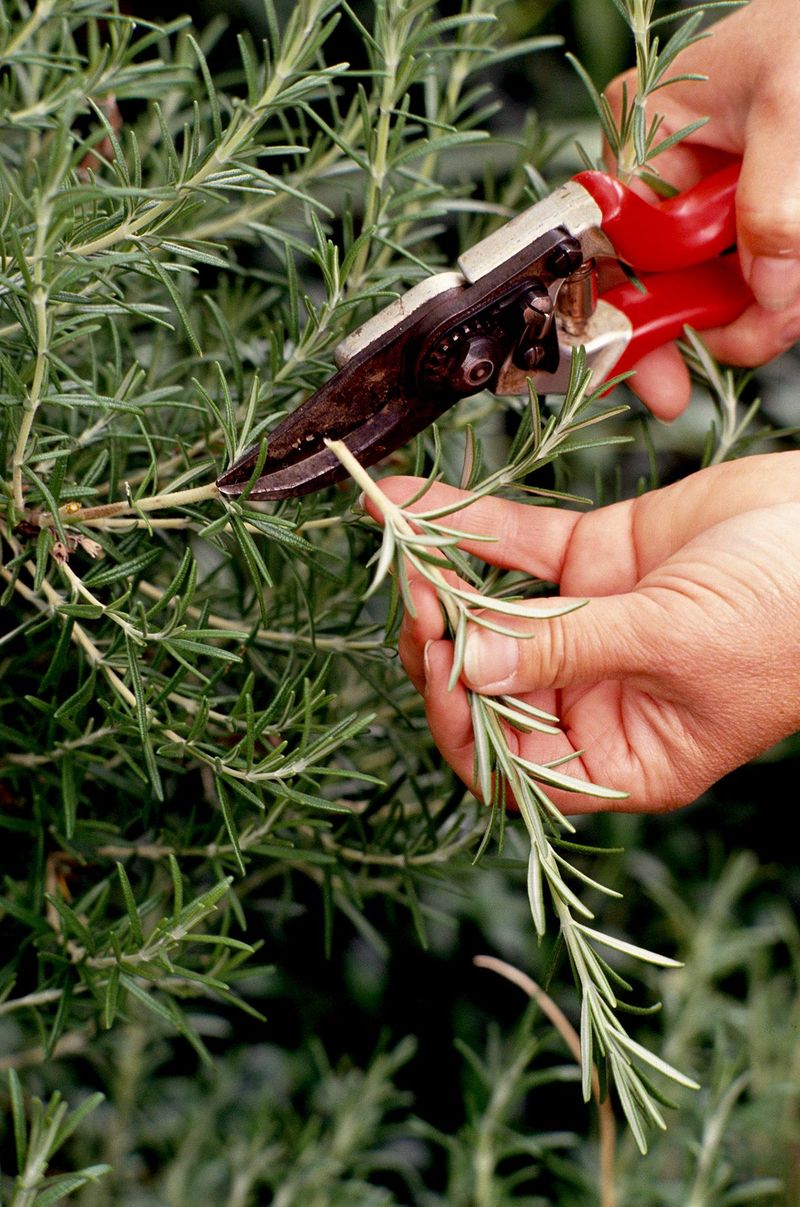
Seasonal changes require adjustments in pruning techniques for optimal rosemary health. In spring, focus on encouraging growth, while in summer, maintain shape and manage flowering. Fall demands a gentle approach to prepare the plant for winter. By aligning pruning methods with the seasons, gardeners can support the plant’s natural cycles, ensuring robust growth and resilience. This thoughtful approach fosters a dynamic, thriving rosemary plant that responds well to environmental changes, maintaining its vitality throughout the year.
18. Using Mulch After Pruning
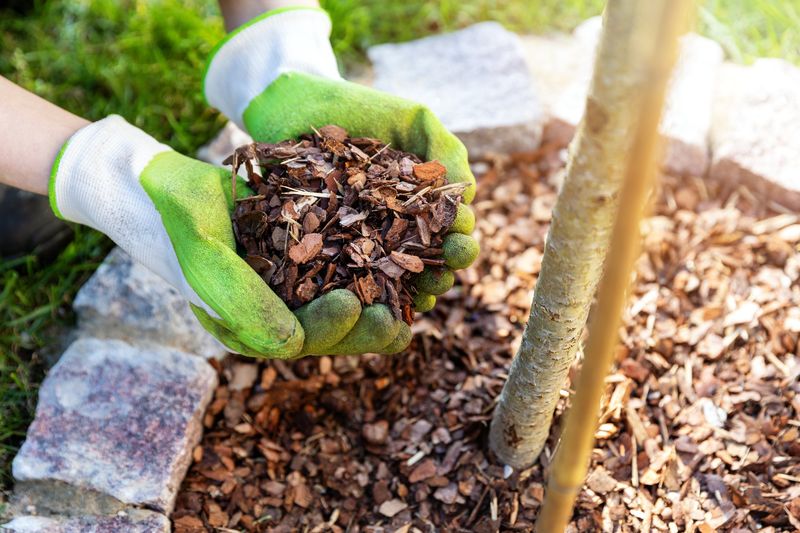
Applying mulch after pruning provides numerous benefits for rosemary. Mulch helps retain soil moisture, regulate temperature, and suppress weeds, contributing to overall plant health. After a pruning session, mulching aids in recovery by creating an optimal growing environment. This simple step supports the plant’s resilience against environmental stresses, ensuring that it continues to thrive. By incorporating mulch into your post-pruning routine, you enhance the health and appearance of your rosemary, fostering a robust and aromatic garden staple.
19. Pruning for Better Sunlight Exposure
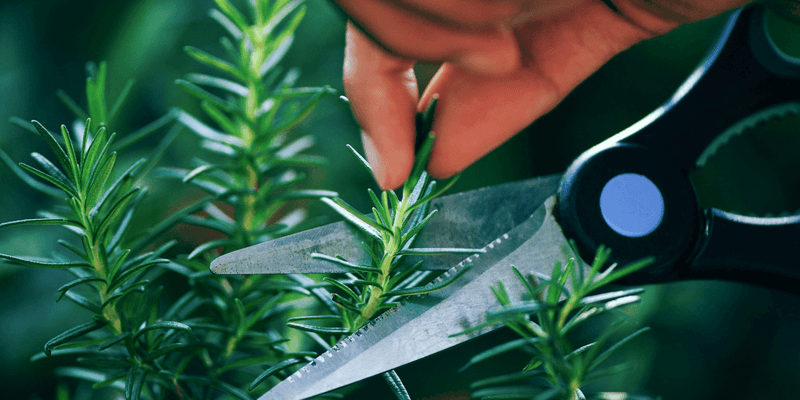
Ensuring rosemary receives adequate sunlight is vital for its health. Pruning to improve sunlight exposure involves removing crowded branches that block light. This strategic trimming helps every part of the plant access essential sunlight, promoting even growth and enhancing photosynthesis. By focusing on sunlight exposure, gardeners can cultivate a more vigorous and productive rosemary plant. This approach ensures that the rosemary remains a lush, vibrant feature in the garden, with leaves that are as aromatic as they are visually appealing.
20. Educating Gardeners on Pruning Techniques

Sharing knowledge about pruning techniques enriches the gardening community. Workshops and demonstrations provide hands-on experience, allowing gardeners to refine their skills. Educating others on rosemary pruning creates a network of informed gardeners who can share tips and support each other’s efforts. This communal knowledge fosters a thriving gardening culture, where rosemary plants can flourish in various settings. By participating in educational opportunities, gardeners not only improve their own practices but also contribute to a collective understanding of effective rosemary care.
21. Pruning to Enhance Aroma
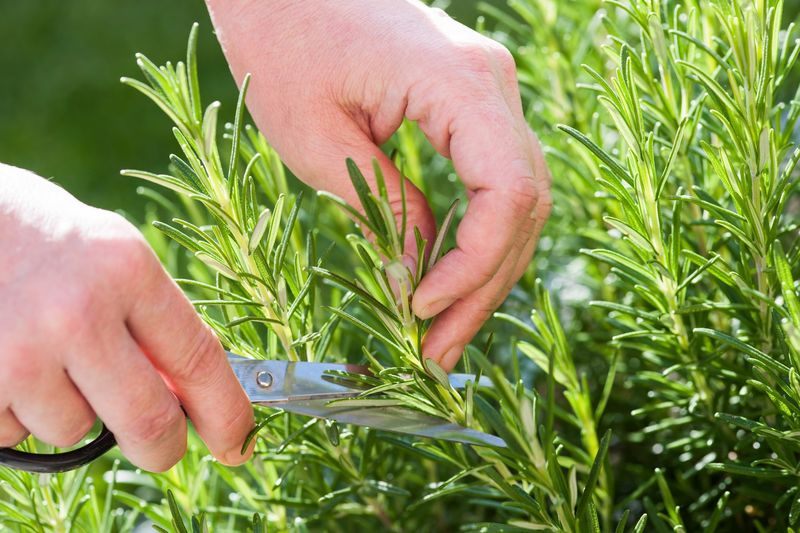
Pruning can enhance the aromatic qualities of rosemary by stimulating the production of essential oils. Regularly trimming the plant encourages new growth, which is often more fragrant. By focusing on aroma, gardeners can enjoy a sensory-rich experience, with rosemary that perfumes the garden and enhances culinary dishes. This approach not only boosts the plant’s appeal but also its utility, providing a fresh, aromatic staple for various uses. By understanding the connection between pruning and aroma, you can cultivate a rosemary plant that delights the senses.
22. Pruning with Companion Planting

Integrating companion planting with pruning can benefit rosemary’s growth. Certain plants, like thyme or lavender, pair well with rosemary, creating a supportive garden environment. Pruning rosemary strategically to accommodate these companions can enhance overall plant health and productivity. This synergy promotes a balanced ecosystem where plants thrive together, benefiting from shared resources and mutual protection against pests. By embracing companion planting, gardeners can foster a harmonious garden space, where rosemary and its friends contribute to a vibrant, thriving landscape.
23. Pruning for Longevity
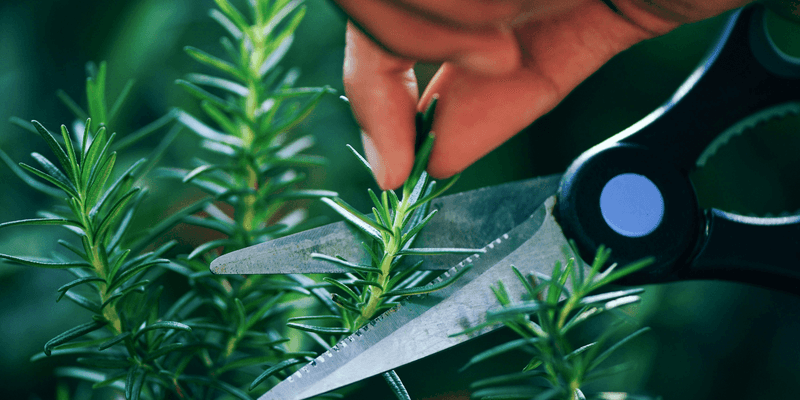
Focusing on longevity through pruning ensures that rosemary remains a lasting part of your garden. Strategic cuts extend the plant’s life by preventing overcrowding and promoting healthy growth. By understanding the long-term impact of pruning practices, gardeners can cultivate rosemary plants that thrive year after year. This commitment to longevity supports a sustainable gardening approach, where plants are nurtured to reach their full potential. By prioritizing longevity, you invest in a garden that continues to flourish, providing beauty and utility for generations to enjoy.
24. Pruning for Optimal Moisture Retention
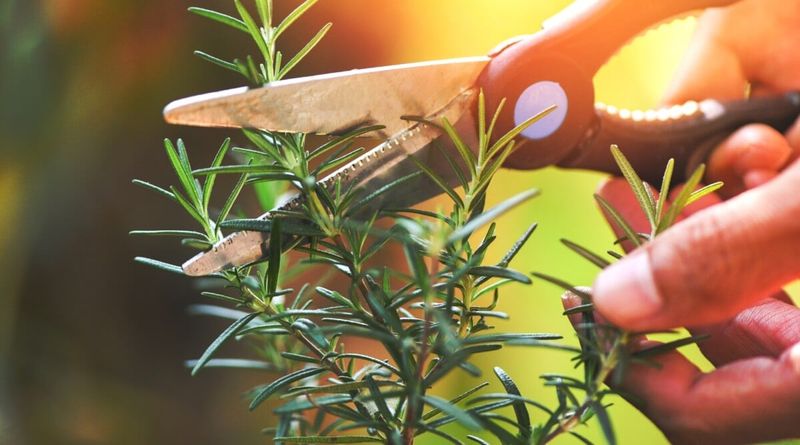
Pruning rosemary isn’t just about shaping; it’s also a strategy for optimal moisture retention. By selectively trimming the plant, you can help decrease evaporation from soil surfaces.
Start by removing the lower branches, allowing better access to the soil for mulching. This technique not only conserves water but also enhances the plant’s growth.
Interestingly, rosemary thrives in drier conditions, yet maintaining some moisture is key. It’s all about balance, ensuring the plant receives just enough to flourish without being waterlogged. This method makes your rosemary resilient and lush.