 Complete Gardening
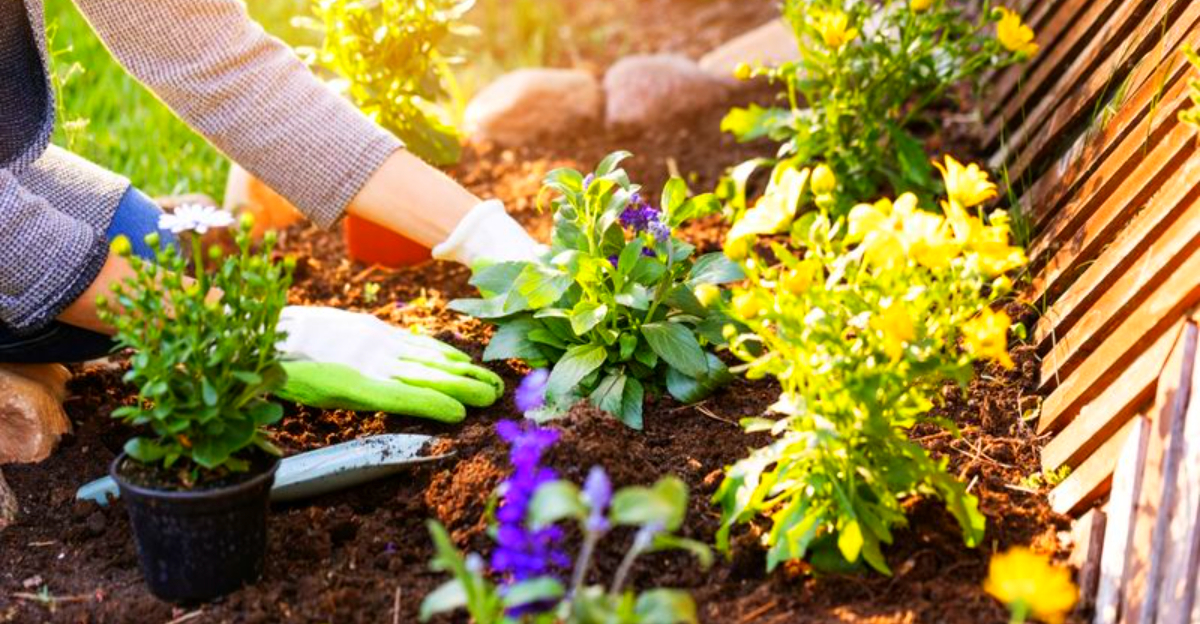
Starting a flower garden in Illinois requires understanding the state’s unique climate and soil conditions. From selecting the right flowers to preparing the soil, each step plays a crucial role in creating a vibrant and thriving garden. This guide will walk you through the essentials of starting a successful flower garden in the Prairie State.
1. Understanding Illinois Climate
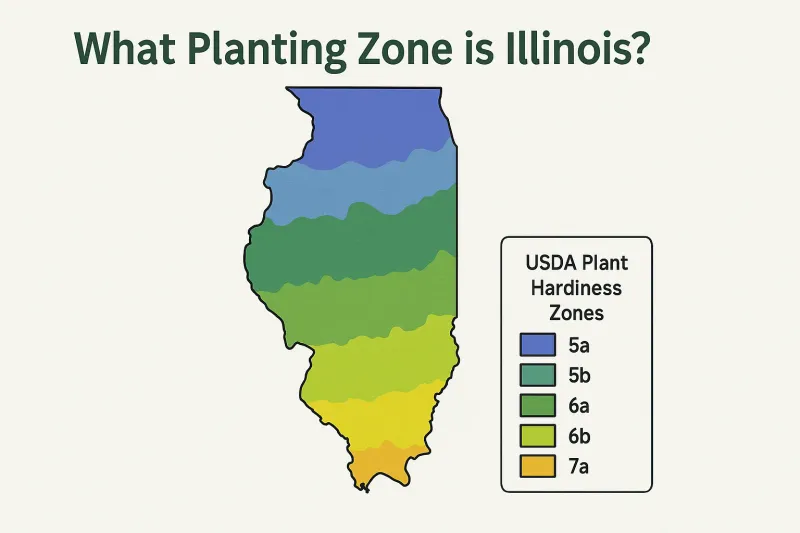
Illinois’s climate, characterized by cold winters and hot summers, presents unique challenges for gardeners. Understanding these weather patterns is essential for successful flower gardening. Choosing flowers that can withstand both extremes will ensure a thriving garden year-round.
The state is divided into different climate zones, each with its specific growing conditions. Knowing your zone helps in selecting plants that will flourish. Furthermore, paying attention to sun exposure and rainfall in your area will guide your gardening strategy.
2. Choosing the Right Flowers
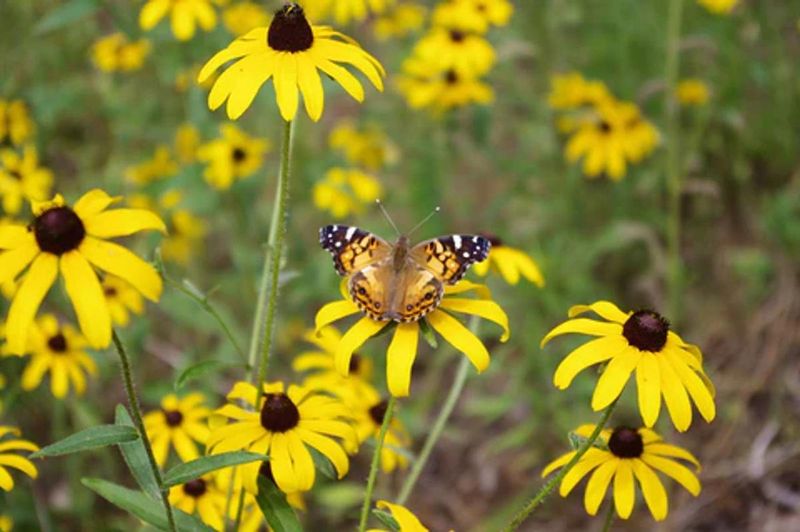
Selecting the right flowers is a cornerstone of any successful garden. In Illinois, native flowers like coneflowers and black-eyed Susans are ideal due to their adaptability to local conditions.
These flowers not only thrive in Illinois’s climate but also support local wildlife, including pollinators like bees and butterflies. Incorporating native species into your garden design adds ecological value and ensures a vibrant display of colors throughout the growing season.
3. Preparing the Soil
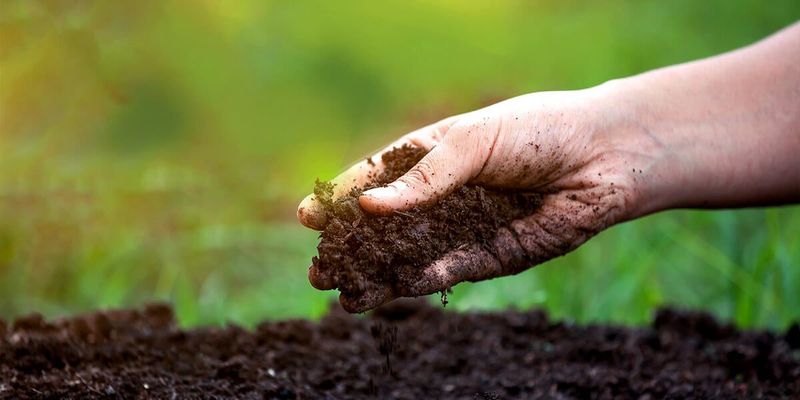
Healthy soil is the foundation of a successful flower garden. In Illinois, soil types vary, requiring gardeners to test and amend soil conditions accordingly. Adding organic matter like compost improves soil fertility and structure.
Ensuring proper drainage is also crucial, especially in regions with clay-heavy soil. Tools like tillers and garden forks can help in preparing the ground for planting, creating an environment where flowers can flourish.
4. Planning Your Garden Layout
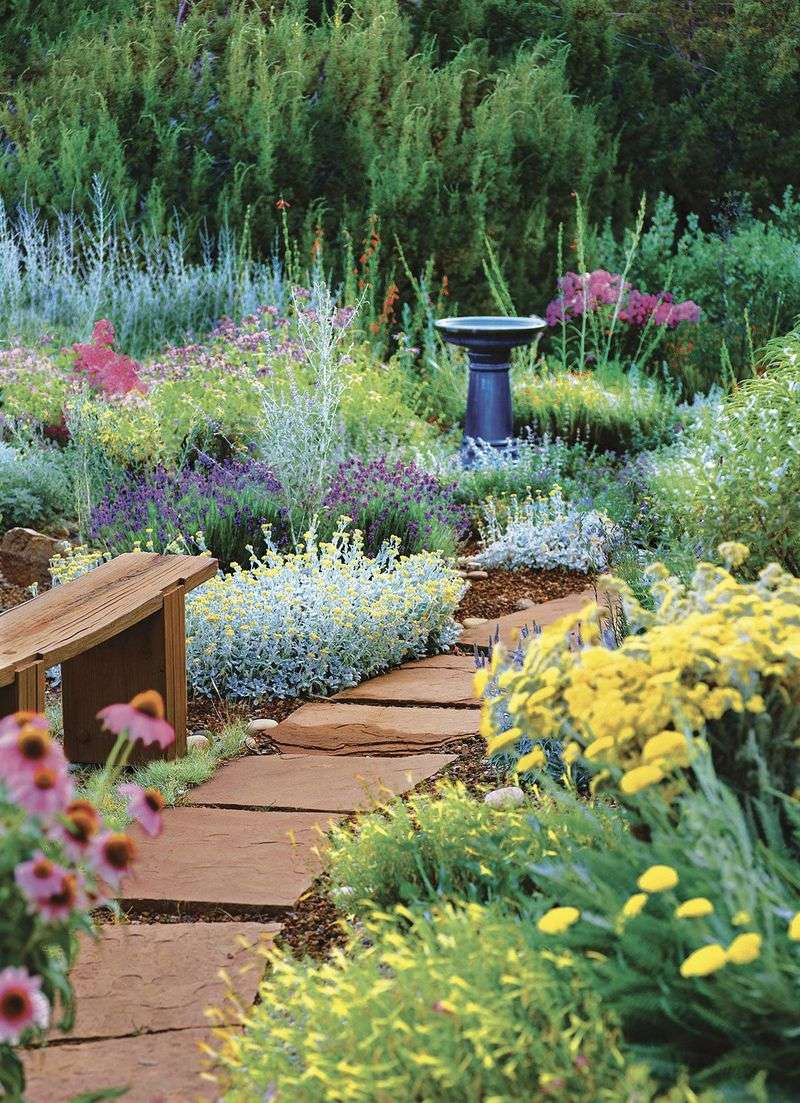
Designing your garden layout is both an art and a science. In Illinois, consider planting taller flowers like sunflowers at the back with shorter blooms in the front for a layered effect.
Paths and sitting areas can be incorporated into the design, providing accessibility and enjoyment. A thoughtful layout not only enhances the garden’s aesthetic appeal but also optimizes space and sunlight exposure, crucial for flower growth.
5. Planting Techniques
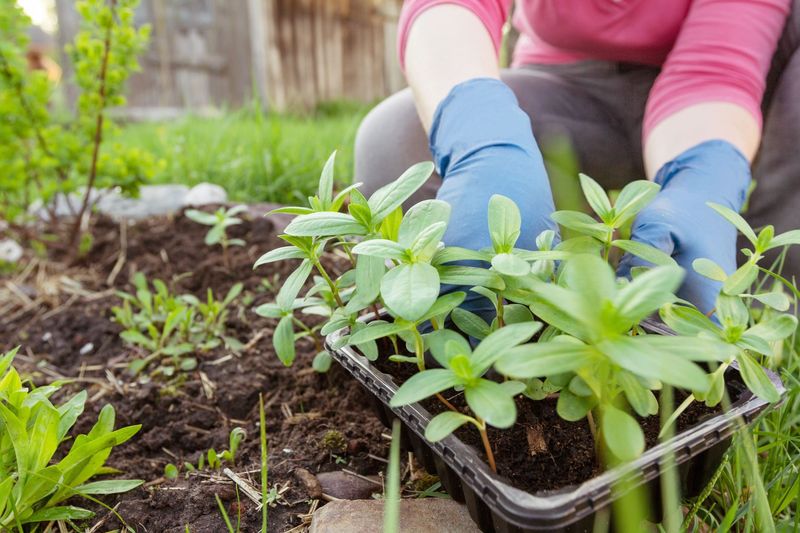
Proper planting techniques are vital for establishing a flourishing garden. Timing is everything; planting after the last frost ensures seedlings aren’t damaged by unexpected cold spells.
Spacing is equally important, allowing flowers room to grow and reducing competition for resources. Watering deeply and consistently encourages strong root development, setting the foundation for a healthy, resilient garden.
6. Maintaining Your Garden
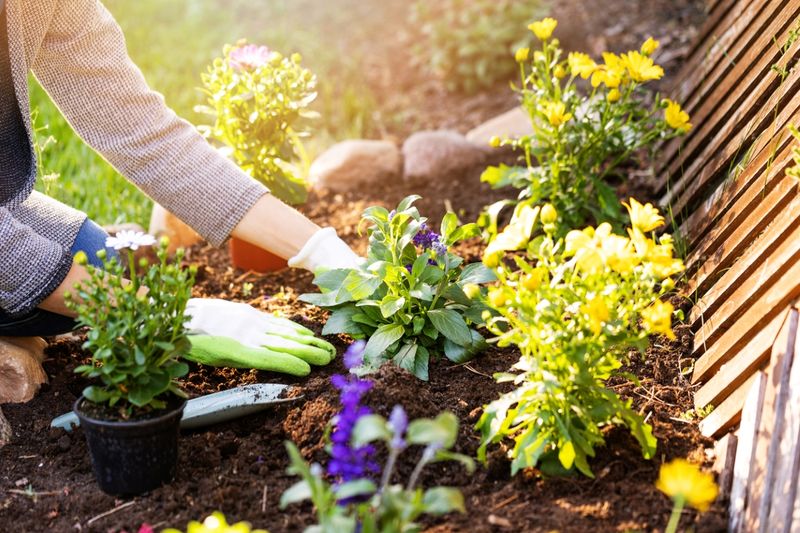
Ongoing maintenance keeps your flower garden in peak condition. Regular pruning promotes healthy growth and flowering, while vigilant pest control prevents damage to plants.
Watering systems, whether manual or automatic, ensure flowers receive adequate hydration, particularly during hot Illinois summers. Regular weeding also minimizes competition for nutrients, helping your flowers thrive.
7. Seasonal Care and Adjustments
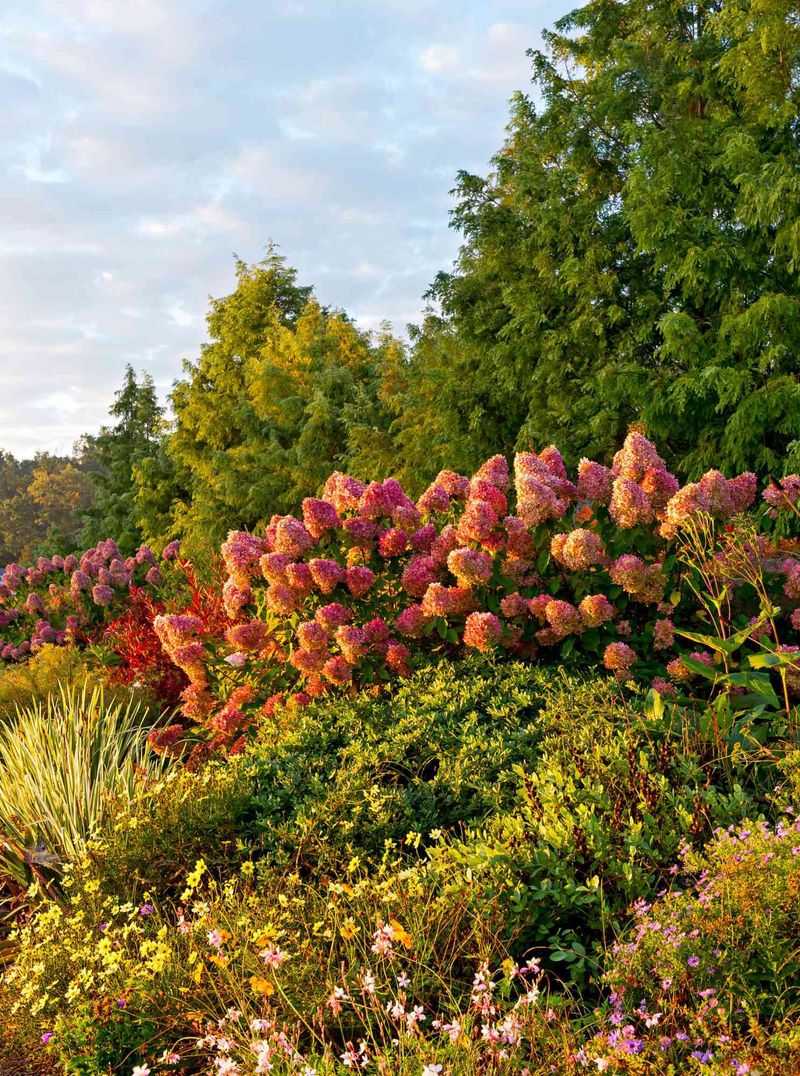
Adapting to seasonal changes is key to a thriving garden. In Illinois, this means mulching in winter to protect roots and adjusting watering schedules in response to rainfall.
Spring and fall are ideal times for planting new flowers, taking advantage of milder temperatures. Seasonal care ensures that your garden remains vibrant and healthy, adapting to the ever-changing Illinois climate.