 Complete Gardening
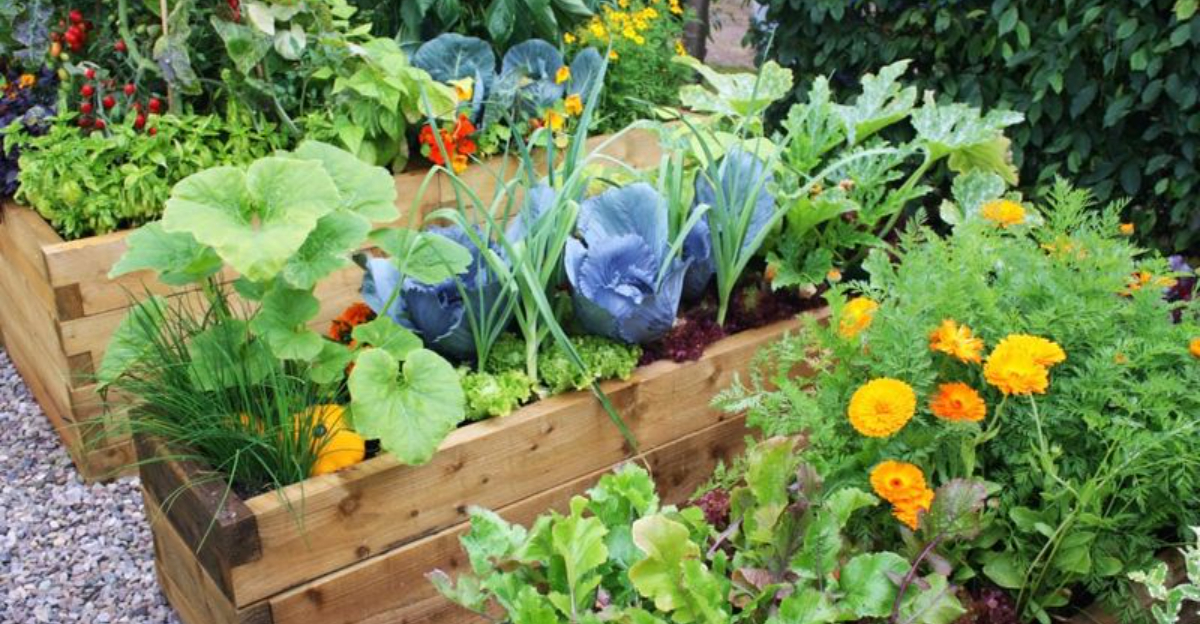
Colorado’s high altitude and unpredictable weather can make gardening feel impossible. With late spring frosts and early fall snow, many gardeners struggle to grow anything successfully. Raised bed gardens offer the perfect solution for Colorado’s challenging climate. These elevated growing spaces warm up faster, drain better, and give you more control over your growing conditions.
1. Choose the Perfect Location for Maximum Sun Exposure
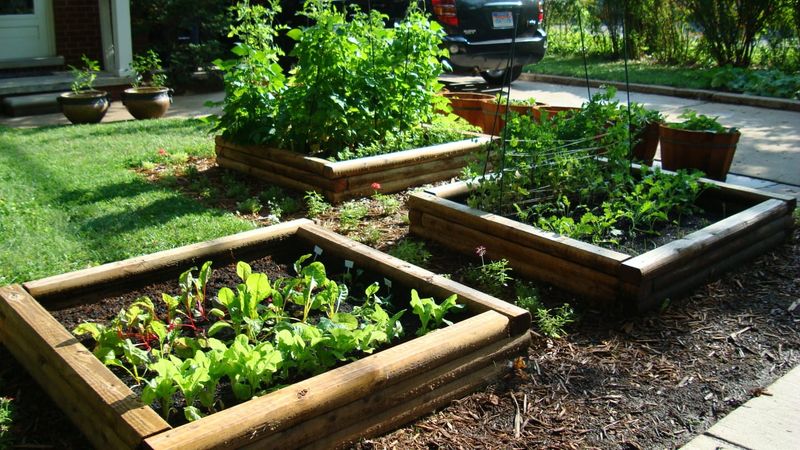
Your raised bed needs at least six to eight hours of direct sunlight daily. Colorado’s intense sun at high altitude actually works in your favor here.
Pick a spot that gets morning sun to help warm the soil quickly after cool nights. Avoid areas near large trees or buildings that create shade during peak growing hours.
South-facing slopes work wonderfully because they catch more sunlight and warm up faster in spring.
2. Build Your Raised Bed with Weather-Resistant Materials
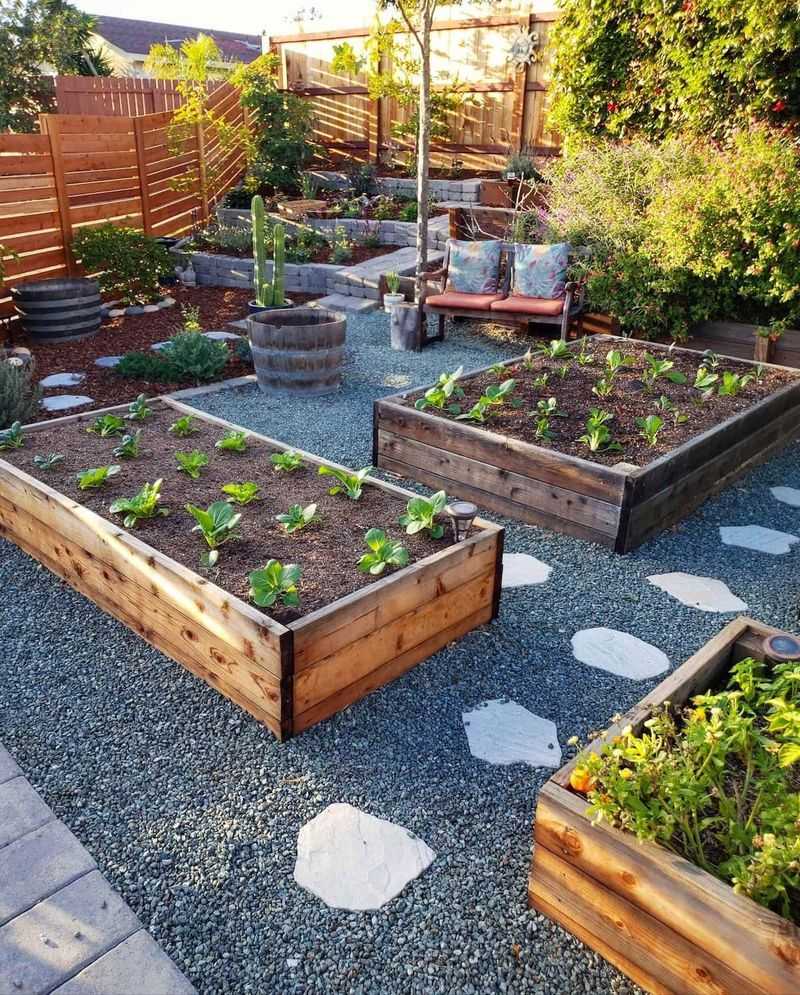
Cedar and redwood naturally resist Colorado’s harsh weather conditions without chemical treatments. These woods last longer and won’t leach harmful substances into your soil.
Make your beds at least 12 inches deep, but 18 inches works even better for root vegetables. The extra depth helps insulate plant roots from temperature swings.
Avoid treated lumber near edible plants, as chemicals can affect both soil health and food safety over time.
3. Fill with Quality Soil Mix for Fast Plant Growth
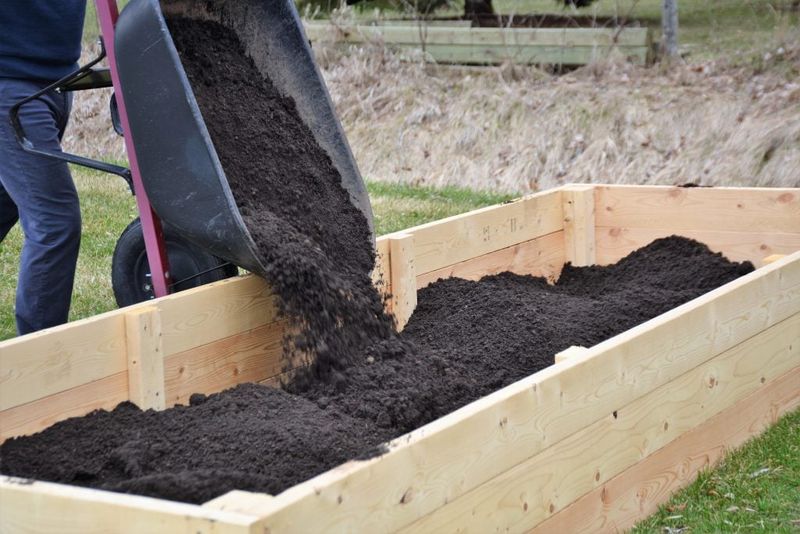
Skip Colorado’s clay-heavy native soil and create your own perfect growing medium instead. Mix equal parts compost, peat moss, and coarse vermiculite for excellent drainage.
This combination warms up weeks earlier than regular garden soil. Add a slow-release organic fertilizer to give plants steady nutrition throughout the short season.
Quality soil mix costs more upfront but pays off with healthier plants and bigger harvests.
4. Start Seeds Indoors During Late Winter Months
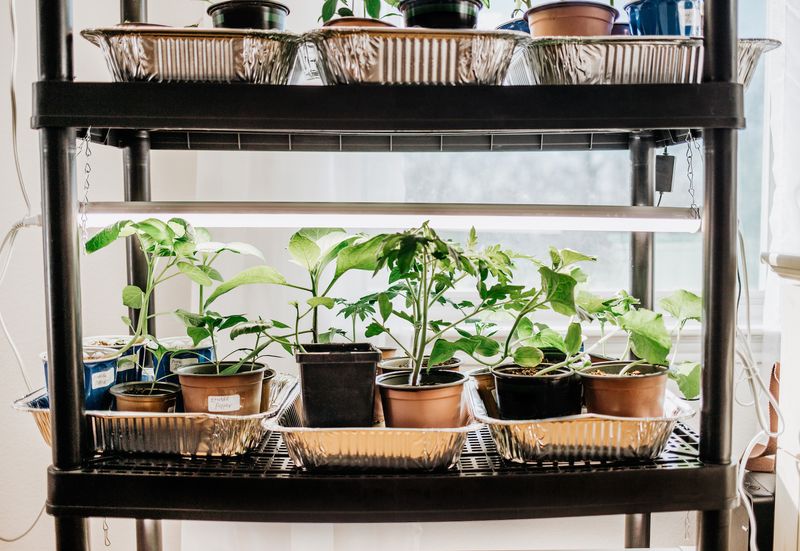
February and March are perfect for starting warm-season crops like tomatoes and peppers indoors. Use a sunny windowsill or invest in basic grow lights for best results.
Cool-season vegetables like lettuce and broccoli can start even earlier, around mid-January. This head start becomes crucial when your growing season ends in September.
Transplanting established seedlings saves precious weeks compared to direct seeding outdoors.
5. Use Row Covers and Season Extenders for Frost Protection
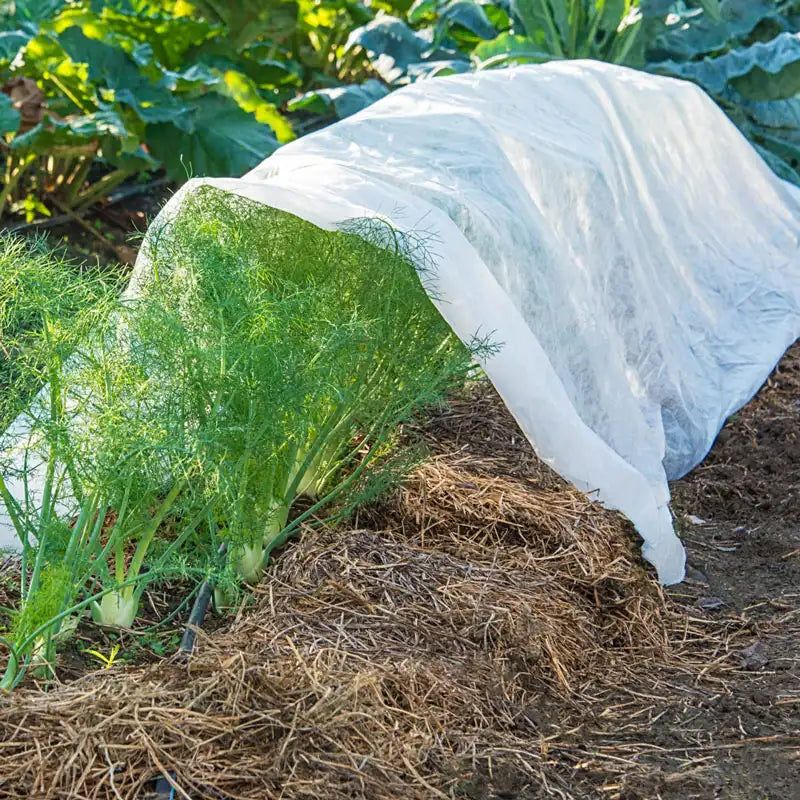
Floating row covers act like invisible greenhouses over your plants. These lightweight fabrics trap warm air while letting sunlight and water through.
Install them when frost threatens and remove during warm days for proper air circulation. Wall-of-water protectors work amazingly well for individual tomato plants in Colorado’s unpredictable spring weather.
These simple tools can extend your season by several weeks on both ends.
6. Select Fast-Maturing Varieties Perfect for Short Seasons
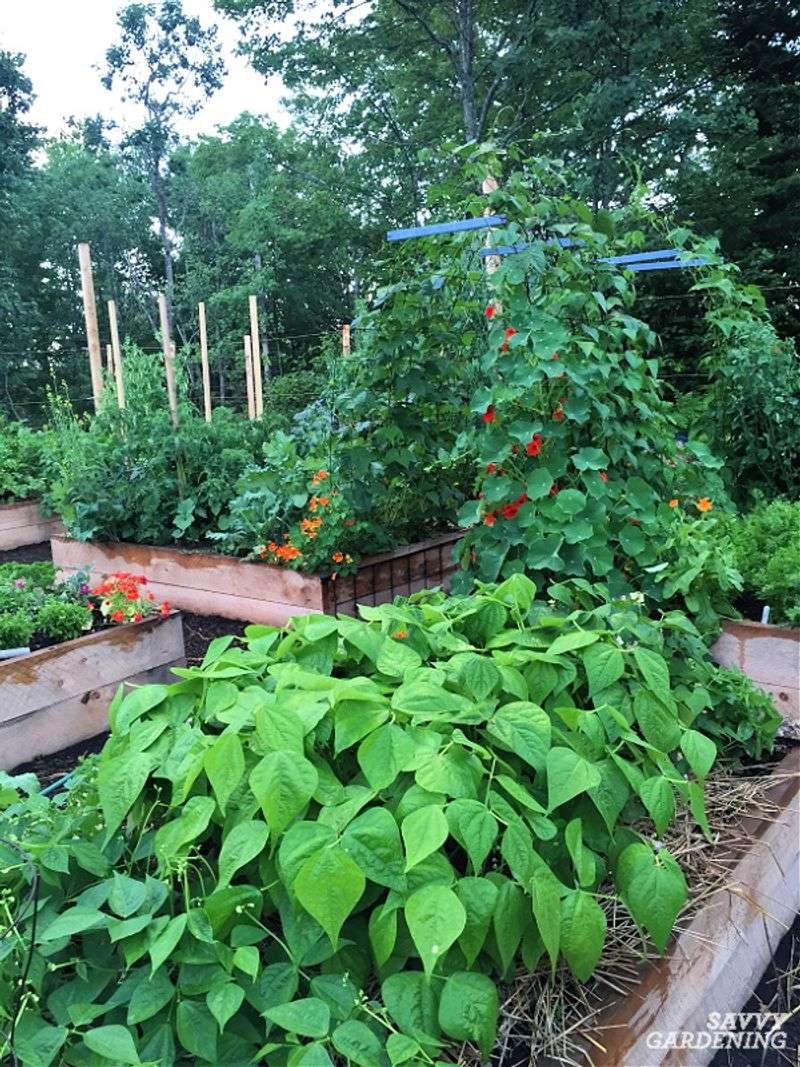
Look for vegetables marked as early or short-season varieties on seed packets. These plants mature quickly and handle cool weather better than standard types.
Cherry tomatoes ripen faster than large slicing varieties, while bush beans outperform pole beans in Colorado’s climate. Lettuce, radishes, and spinach grow incredibly well in raised beds here.
Focus on crops that actually prefer cooler temperatures for guaranteed success.
7. Install Drip Irrigation for Consistent Water Management
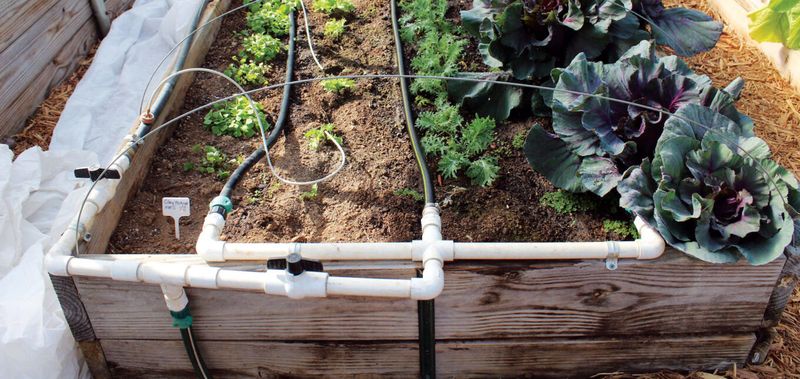
Colorado’s dry air and intense sun can quickly stress plants without consistent moisture. Drip irrigation delivers water directly to plant roots while conserving this precious resource.
Set up simple soaker hoses or drip tape systems that you can easily control with timers. This method prevents water waste and reduces disease problems caused by wet leaves.
Consistent watering becomes especially important in raised beds, which dry out faster than ground-level gardens.
8. Plan Succession Planting for Continuous Harvests
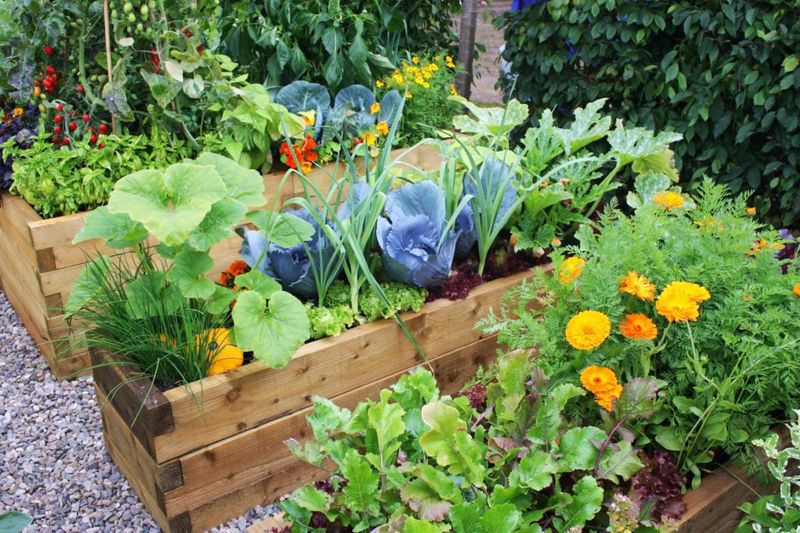
Plant new crops every two to three weeks throughout the growing season. This strategy ensures fresh vegetables from spring through fall instead of everything ripening at once.
Cool-season crops like lettuce and radishes can handle light frosts, making them perfect for late-season planting. Start your final plantings in mid-August for harvest before hard freezes arrive.
Smart timing maximizes your short but productive Colorado growing season.