 Complete Gardening
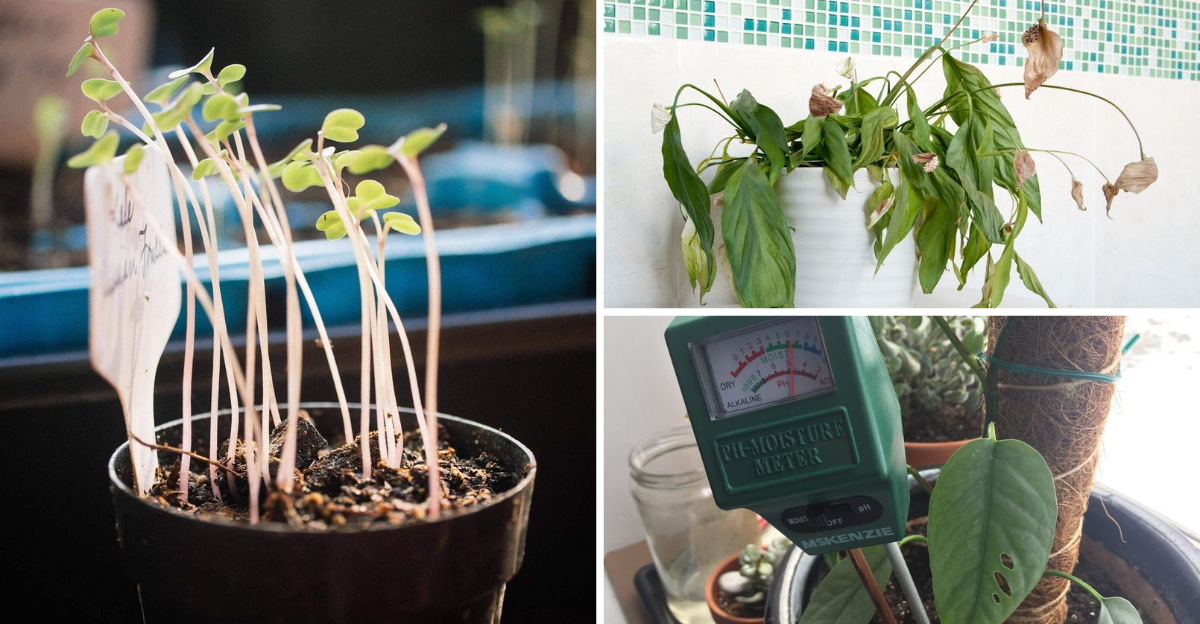
Caring for houseplants can be both rewarding and challenging. Understanding the subtle signals that plants give us about their needs is crucial to helping them thrive. This guide will help you identify whether your plants require more sunlight or water, ensuring they grow happily and healthily.
Wilting Leaves
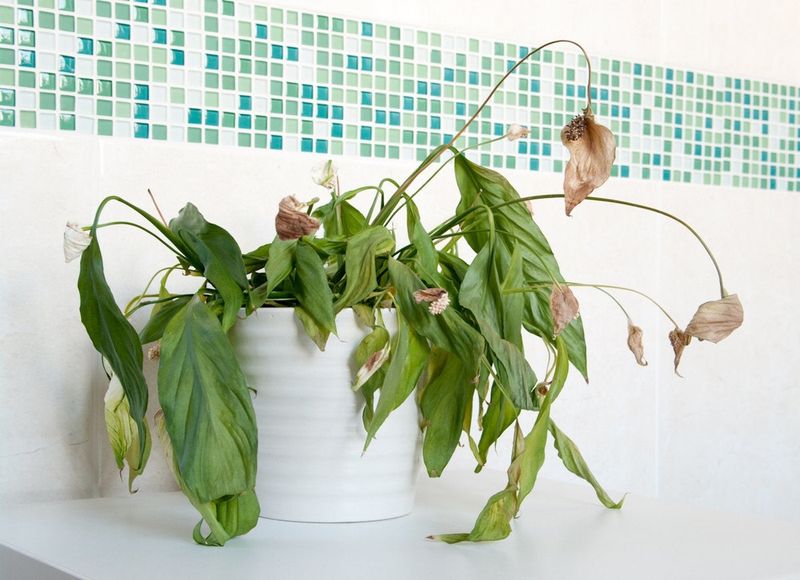
A plant’s drooping or wilting leaves might seem like they’re waving a white flag. This common signal often suggests a deficiency in water. When the soil is dry to the touch, it’s usually a call for hydration.
Conversely, wilting can also mean overwatering. It might sound counterintuitive, but too much water can suffocate the roots, leading to similar symptoms.
Check the soil’s moisture level before watering. If it’s moist, hold off on watering, and consider other potential issues. Monitoring soil conditions can save your plant from unnecessary stress, allowing it to thrive.
Yellowing Leaves
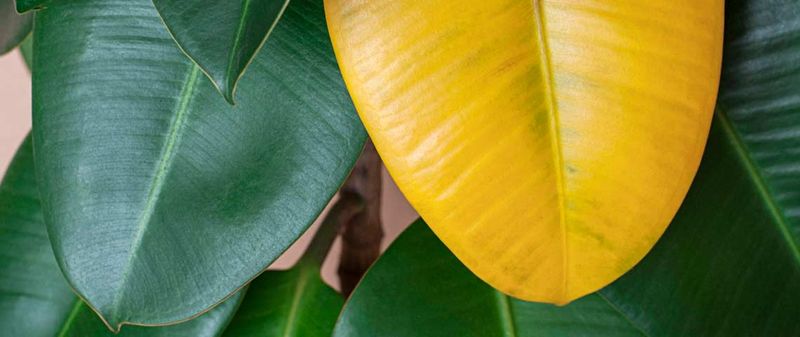
Yellowing leaves often appear as a plant’s cry for more sunlight. Without adequate light, photosynthesis can halt, turning leaves yellow. Place your plant in a location with more sunlight, but be mindful of direct exposure, which can scorch delicate leaves.
Alternatively, yellowing can result from overwatering. Plants need balance, and too much moisture can cause nutrient deficiencies.
Observe the frequency of your watering routine and adjust accordingly. Striking the right balance will keep your plant in peak condition, its leaves vibrant and healthy.
Leggy Growth
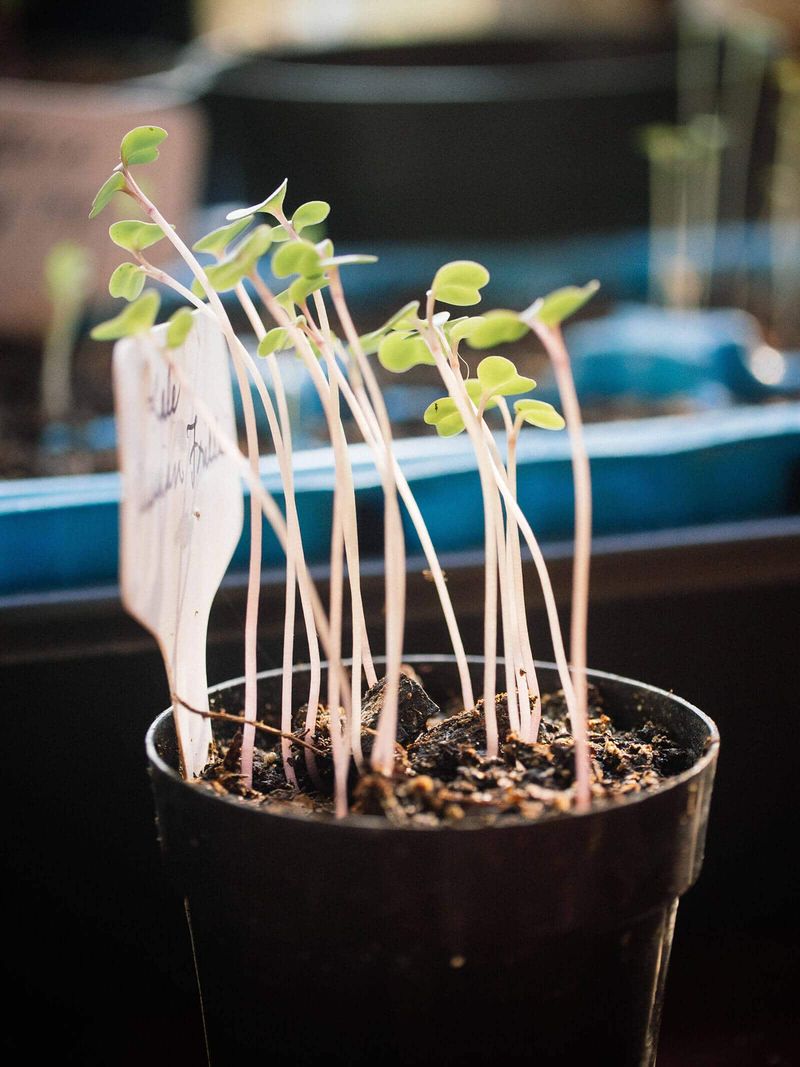
Does your plant resemble an awkward teenager outgrowing its clothes? Leggy growth indicates it’s reaching for more light. Stems stretch and become thin when a plant desperately seeks sunlight.
Reposition the plant to a brighter spot, ensuring it receives the necessary light to thrive. Alternatively, consider supplemental grow lights in particularly dark spaces.
This adjustment can help your plant develop a stronger, more compact form, transforming it from gangly to graceful.
Browning Leaf Tips
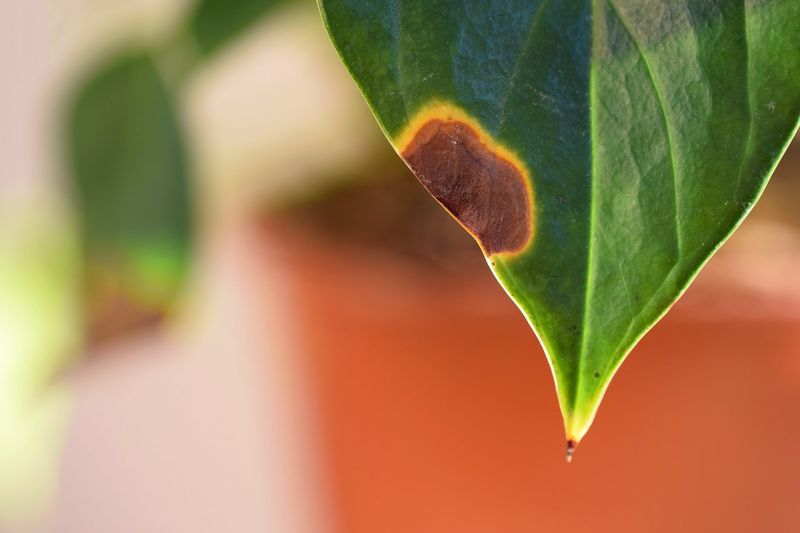
The unsightly browning of leaf tips could be your plant’s way of hinting that it’s thirsty. When roots can’t access enough water, leaf tips dry out and turn brown.
However, browning tips can also suggest over-fertilization. Salt build-up from fertilizers can cause similar damage.
To remedy this, ensure a consistent watering schedule that suits your plant’s needs and avoid excessive fertilizing. This care will help your plant maintain its vibrant appearance, free of brown blemishes.
Slow Growth
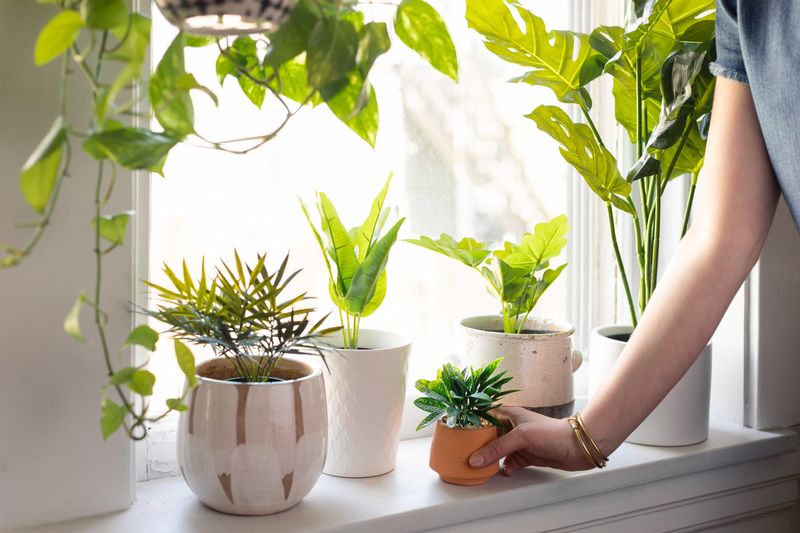
Plants sometimes sulk, showing slow growth as a sign of inadequate conditions. Lack of sunlight often stunts growth, preventing the plant from reaching its full potential.
Position your plant in a brighter area to boost its energy levels, encouraging new growth. In some cases, poor growth can be linked to insufficient watering; ensure your plant isn’t parched.
By addressing its needs, you’ll witness a transformation, as a once stagnant plant bursts forth with vitality and new life.
Soil Moisture Check
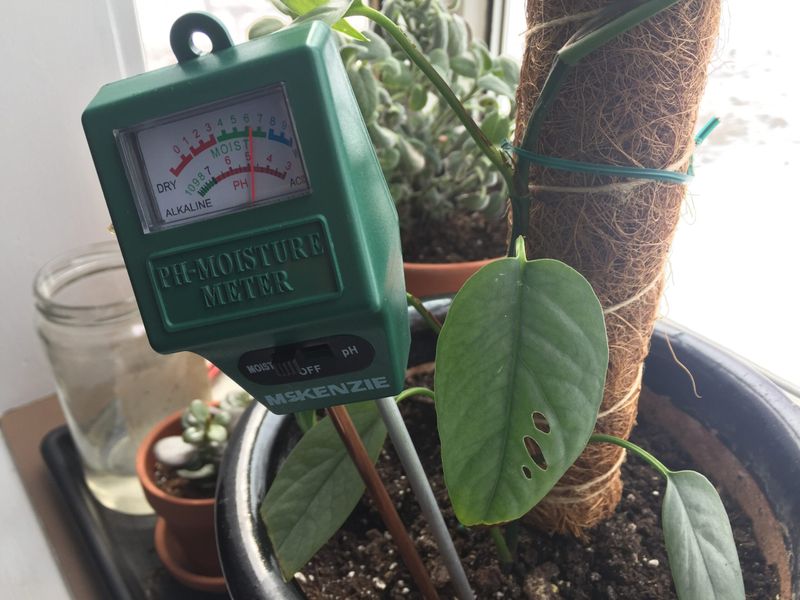
Ever wondered if your plant’s soil is too dry? Checking soil moisture can be your first clue. Use your fingers to feel the top inch of the soil. If it feels dry, your plant might be thirsty. Alternatively, you can invest in a moisture meter for precise readings. These tools are incredibly useful for beginners and seasoned plant enthusiasts alike.
Ensure the soil is neither too soggy nor too parched. Properly balanced moisture is key to plant health. Overwatering can lead to root rot, while underwatering may cause dehydration.
Regularly checking soil moisture helps maintain a healthy plant environment.
Leaf Color Changes
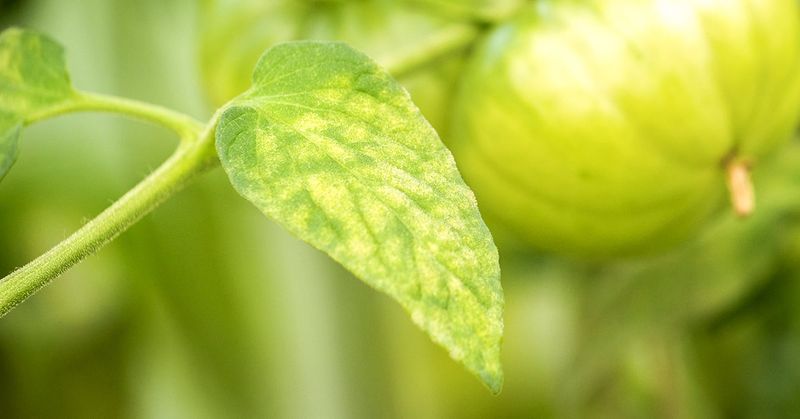
Notice a change in your plant’s leaf color? This could be a sign that your plant needs more sunlight. Leaves that lose their vibrant hue may be crying out for more light.
Try adjusting the plant’s position to receive more sunlight exposure. However, avoid direct sunlight that might scorch the leaves. Gradual exposure to increased light can help restore the natural color.
Pay attention to the specific needs of different plant types. Some thrive in bright light, while others prefer shaded environments. Matching light conditions to plant species ensures vibrant, healthy foliage.
Soil Texture Observation
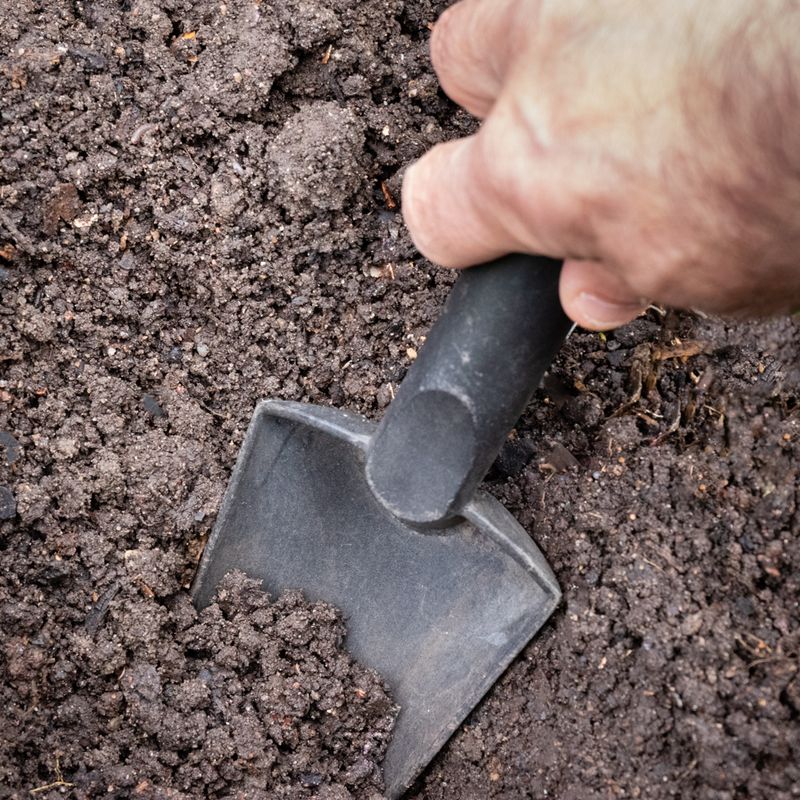
Have you ever felt the texture of your plant’s soil? It can tell you a lot about its needs. Crumbly, dry soil often indicates a lack of water. Conversely, excessively wet soil might suggest overwatering.
Watch for compacted soil that may hinder root growth. Loosening the soil allows for better air and water penetration, promoting a healthier root system.
Understanding your plant’s soil type can guide you in watering adjustments. Different plants have varying preferences, so tailor your care to meet those specific requirements.
Droopy Leaves at Different Times
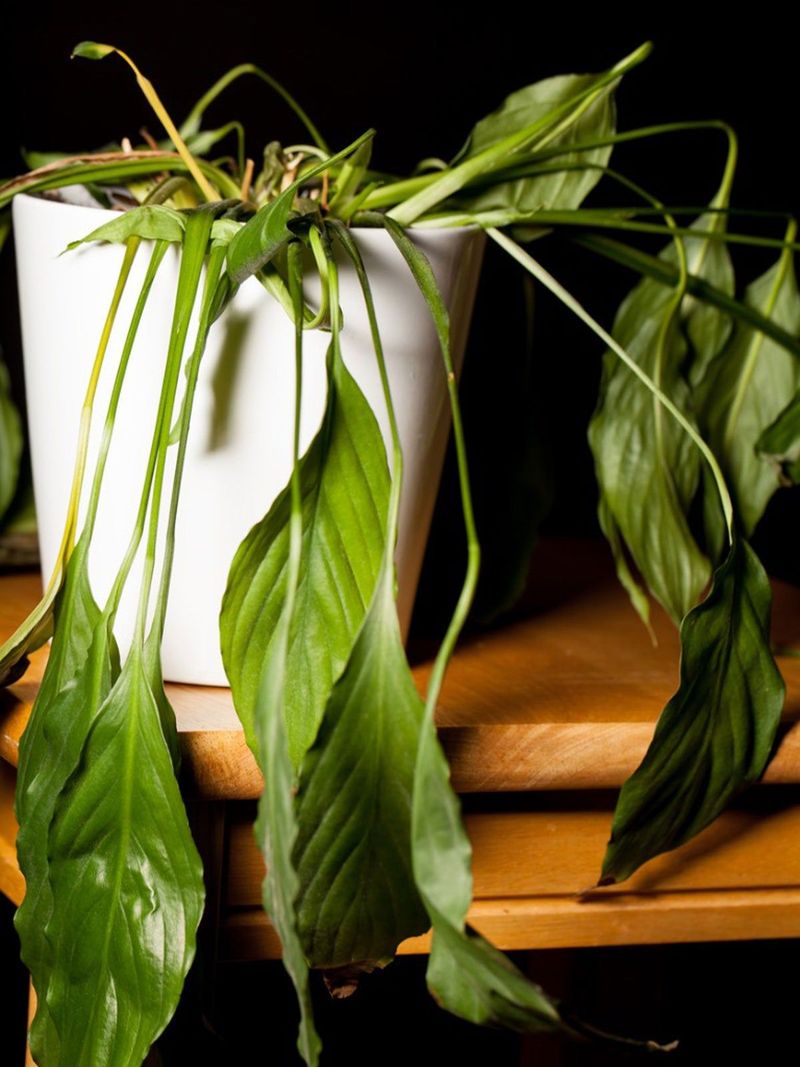
Ever notice your plant’s leaves drooping at certain times of the day? This can signal an issue with water or light. Leaves that droop in the morning and revive later may be adjusting to light conditions.
Check if light exposure changes throughout the day. If the plant perks up with more light, it may need a permanent spot with brighter exposure.
Remember, drooping leaves may also indicate water needs. Ensuring consistent watering while monitoring light can prevent stress and lead to healthier growth.
Root Health Inspection
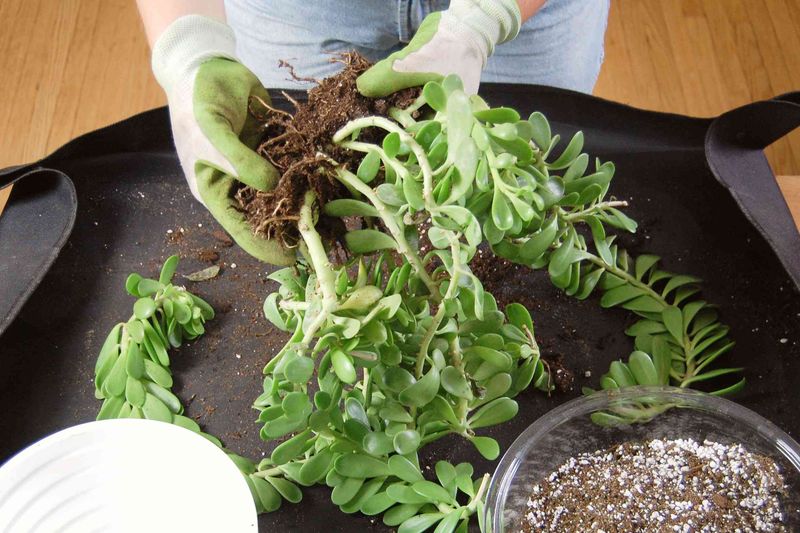
Root health is integral to understanding your plant’s needs. Gently remove the plant from its pot to inspect the roots. Healthy roots appear white and firm, while brown or mushy roots suggest overwatering.
Assessing root health provides clues about watering practices. Overwatered roots may need less frequent watering, while dry roots might require an increase.
Transplanting into fresh soil or trimming damaged roots can rejuvenate the plant. Regular inspection helps maintain root vitality and overall plant health.
Leaf Curling Patterns
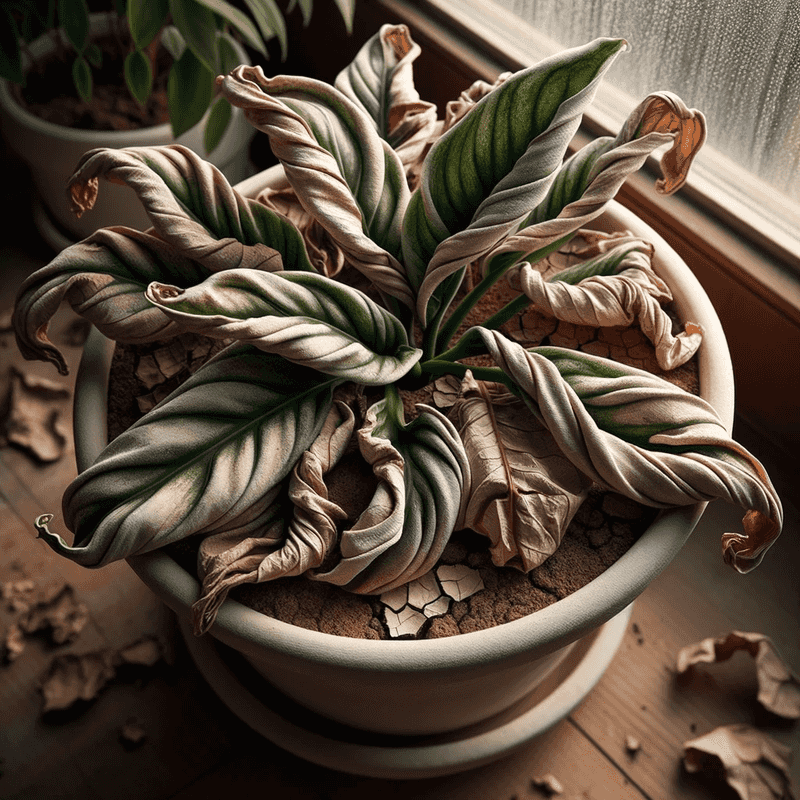
Curled leaves can provide insight into a plant’s health needs. Leaves curling upwards often indicate insufficient water, while downward curling may suggest too much.
Observe the pattern and feel the leaves. Dry, brittle leaves need hydration, while soft, limp ones may suffer from excess moisture.
Adjusting watering habits to match observed leaf curling can promote healthier foliage. Awareness of specific plant species’ leaf behavior aids in accurate care adjustments.
New Growth Observation
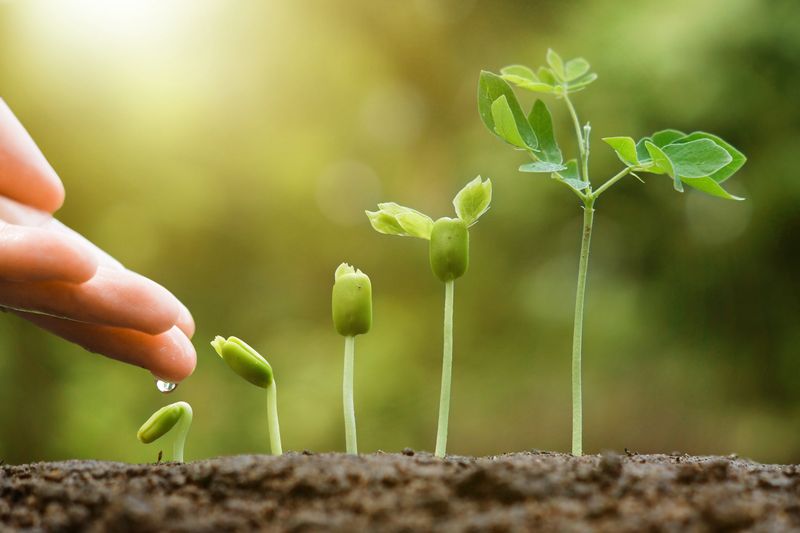
Observing new growth can reveal much about a plant’s requirements. Healthy new shoots usually indicate proper light and water conditions.
If new growth appears weak or pale, evaluate the plant’s light exposure. Insufficient light can hinder robust growth, while too much can scorch tender shoots.
Balancing water intake as the plant grows supports continued healthy development. Adjusting care based on new growth observations ensures sustained vitality and lushness.
Cracked Soil Surface
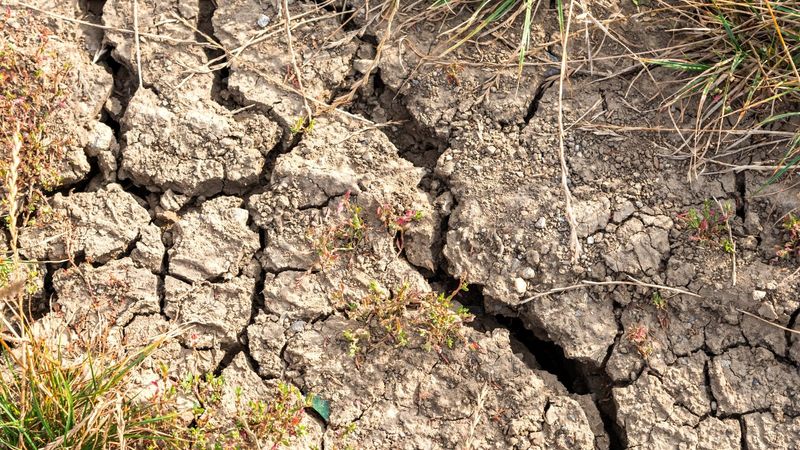
Have you noticed cracks on the soil surface? This is often a clear indication of underwatering. When soil dries out completely, it shrinks and cracks, signaling a lack of moisture.
Rehydrating the soil gradually can help restore its condition. Avoid overwhelming the plant with too much water at once.
Regular, consistent watering practices prevent soil cracking and support healthy root systems. Observing the soil surface can guide necessary adjustments in watering routines.
Uneven Plant Growth
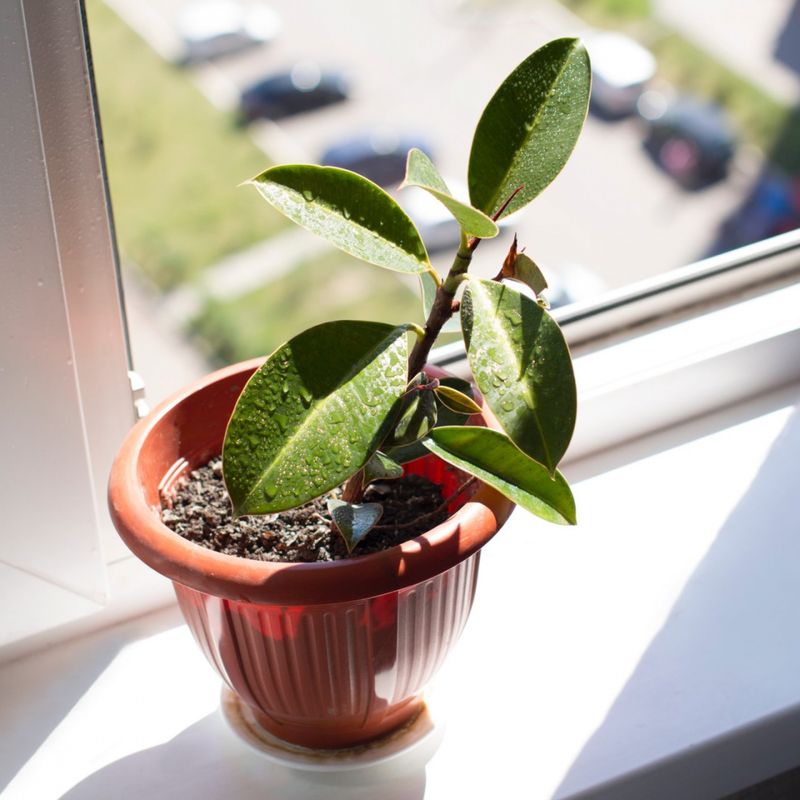
Does your plant seem to grow more on one side? This asymmetry often points to uneven light exposure. Plants naturally grow towards the light, causing one side to be more developed.
Rotating the plant regularly ensures balanced growth on all sides. This simple adjustment allows each part of the plant to receive adequate sunlight.
Consistent rotation not only promotes symmetry but also strengthens overall plant structure. Understanding growth patterns can lead to well-rounded, thriving plants.
Moldy Soil Surface
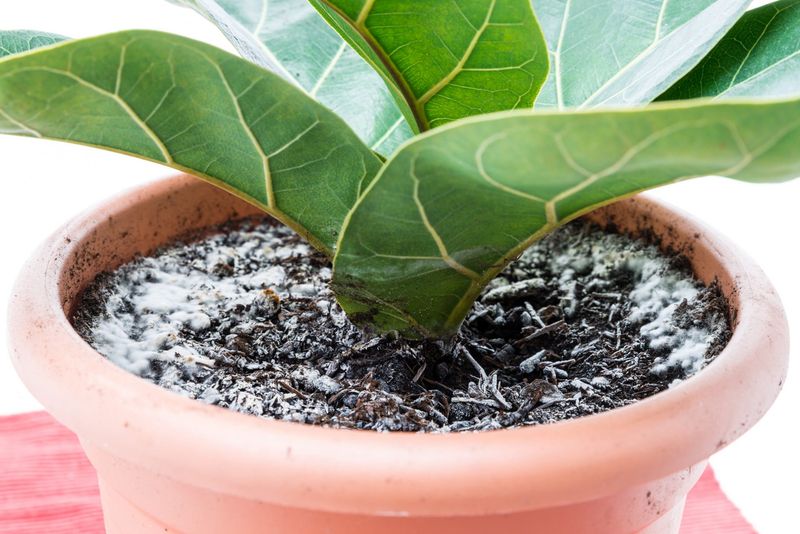
Spot mold on your plant’s soil? This is often a sign of overwatering. Excess moisture creates an environment where mold thrives, potentially harming the plant.
Reducing watering frequency and improving drainage can eliminate mold growth. Repotting in fresh soil may also be necessary for severe cases.
Monitoring soil moisture levels helps prevent mold recurrence. Regularly checking and adjusting watering habits ensures a healthy environment for your plant.
Flower Dropping Before Bloom
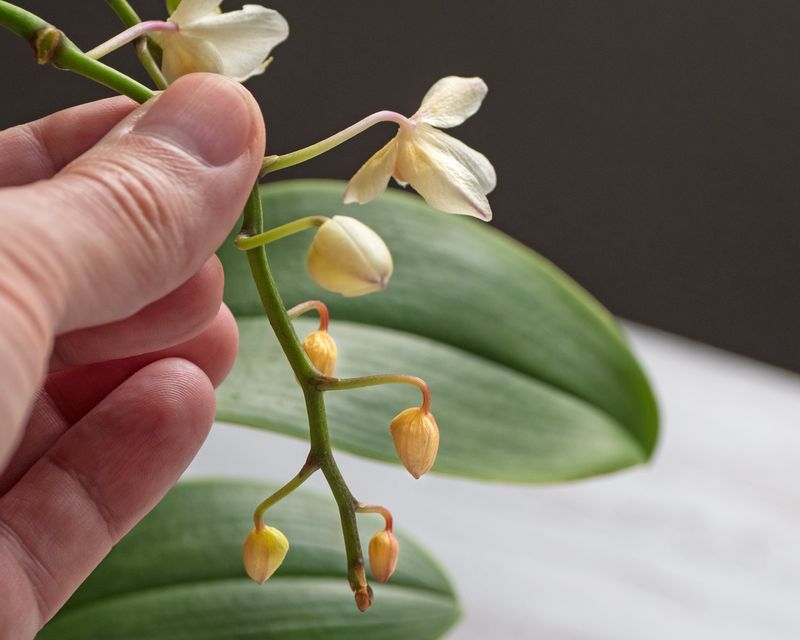
Are your plant’s buds dropping before they bloom? This may indicate water or sunlight issues. Insufficient light can lead to bud drop, as plants struggle to sustain growth.
Ensure the plant receives adequate sunlight in its blooming phase. Water stress can also contribute to premature bud drop, requiring balanced watering.
Observing bud behavior guides necessary adjustments in care routines. Supporting the plant’s needs during blooming ensures vibrant, full blossoms.
Leaf Spotting Patterns
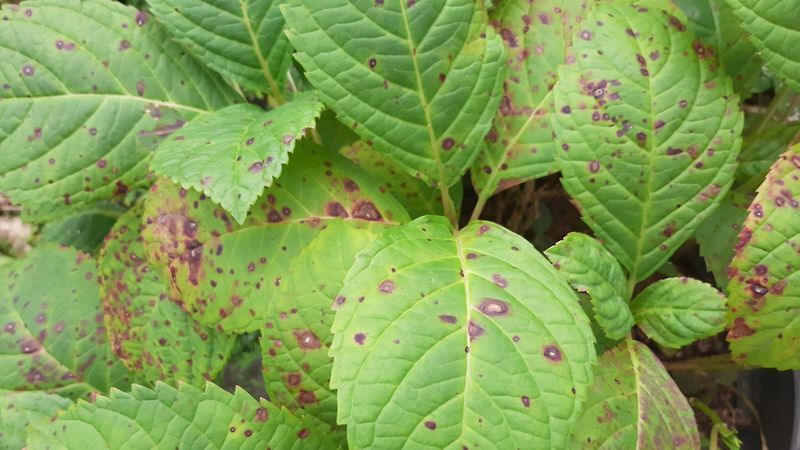
Spots appearing on plant leaves can be a sign of inadequate light or water. Yellow or brown spots might indicate water deficiency, while white spots often suggest sunburn.
Identifying the nature and color of spots aids in determining the underlying issue. Adjusting light exposure or watering methods can rectify spotting problems.
Regularly inspecting leaves and understanding different spotting patterns ensures timely intervention. This proactive care fosters healthier, more resilient plants.
Air Quality and Plant Health
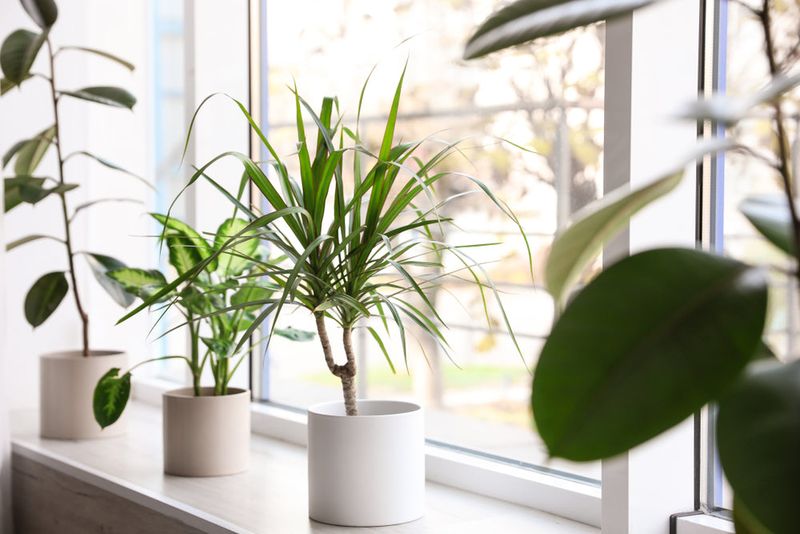
Have you considered the air quality around your plants? Poor air circulation can affect plant health, mimicking symptoms of water or light deficiencies.
Ensuring good airflow and positioning plants away from drafts or heaters supports growth. Plants also benefit from occasional outdoor exposure for fresh air.
Nurturing the environment around your plants promotes overall well-being and vitality. Awareness of air quality is a valuable aspect of comprehensive plant care.