 Complete Gardening
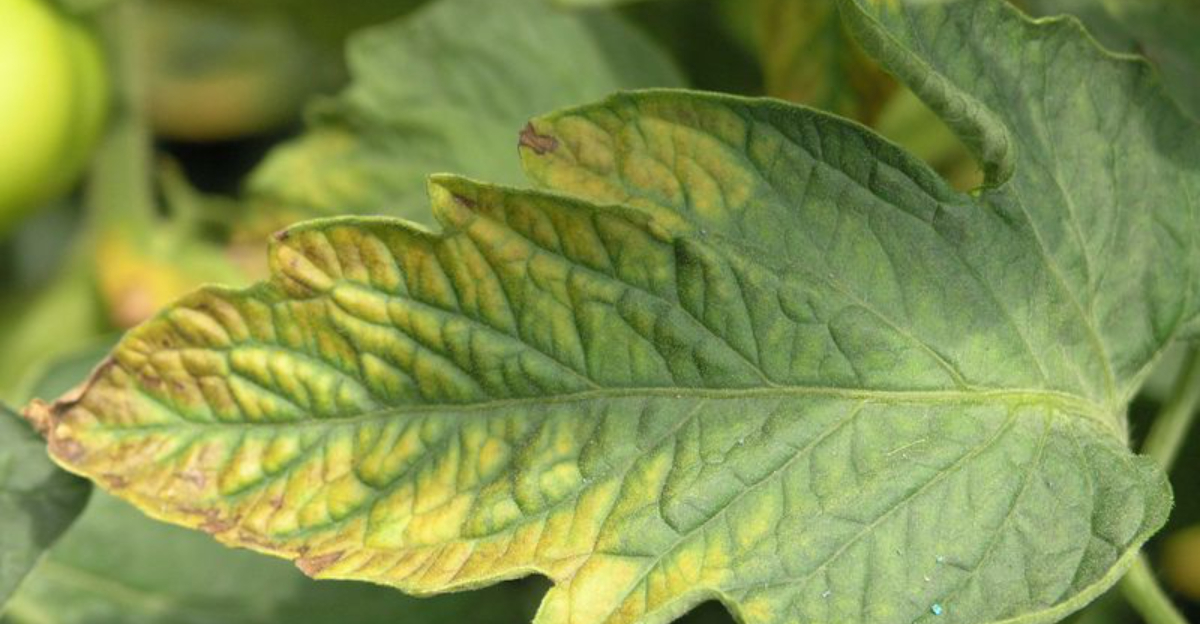
Fertilizer can help plants grow faster, greener, and stronger – but more is not always better. In fact, overfeeding is one of the most common mistakes gardeners make, especially during the active growing season.
Too much fertilizer can stress roots, damage soil balance, and even kill plants if left unchecked. The good news is that plants often show clear warning signs before serious harm occurs.
Here are nine signs you may be overfeeding your plants – and what to do to fix it.
1. Leaf Tips Turning Brown
One of the earliest signs of fertilizer overload is burned leaf tips. Excess salts from fertilizer accumulate in the soil and damage delicate root tissue, which then shows up as dry, brown edges on leaves.
2. White Crust on the Soil Surface
If you notice a white or yellowish crust forming on top of the soil or around the edges of pots, fertilizer salts may be building up.
This buildup can interfere with water absorption and harm plant roots over time.
3. Rapid But Weak Growth
Plants that are overfed often grow very quickly but develop soft, weak stems that struggle to support themselves.
This happens when nitrogen levels are too high.
4. Yellowing Leaves Despite Fertilizer
It seems counterintuitive, but too much fertilizer can actually cause nutrient imbalance, leading to yellow leaves even when the soil is rich.
Excess nutrients can block the plant from absorbing others it needs.
5. Leaf Drop
Plants under fertilizer stress sometimes shed leaves as a way to cope with damage to their root systems.
Sudden leaf drop after feeding is a warning sign.
6. Wilting Even When Soil Is Moist
When fertilizer salts accumulate, they can make it harder for roots to absorb water. The result is a plant that looks thirsty even when the soil is wet.
7. Dark, Overly Lush Foliage
Extremely dark green leaves may indicate too much nitrogen. While this may look healthy at first, it often comes at the expense of flowering or fruit production.
8. Stunted Root Growth
Too much fertilizer can damage root tips, slowing down the plant’s ability to expand its root system.
Weak roots mean weaker plants overall.
9. Fewer Flowers or Fruits
Plants overloaded with nutrients, especially nitrogen, tend to focus on foliage growth rather than flowers or fruits.
This is common with tomatoes, peppers, and many flowering plants.
How to Reset an Overfed Plant
If you suspect fertilizer buildup, don’t panic. Most plants can recover with a simple reset.
Flush the soil:
Water deeply several times to wash excess fertilizer salts out of the root zone. For container plants, let water drain freely through the pot.
Pause fertilizing:
Give plants time to recover before adding any more nutrients.
Remove visible salt buildup:
Scrape off the top layer of soil if you see crusty deposits.
Repot if necessary:
If the soil is heavily contaminated with fertilizer salts, replacing the potting mix may be the best solution.
Feed Smarter Going Forward
Plants need nutrients, but they need them in balance. Instead of frequent heavy feeding, try:
- Using diluted fertilizer
- Feeding less often
- Following plant-specific recommendations
A gentle approach keeps plants strong without overwhelming their roots.
Sometimes the healthiest plants are the ones that are fed a little less – but cared for a little more carefully.