 Complete Gardening
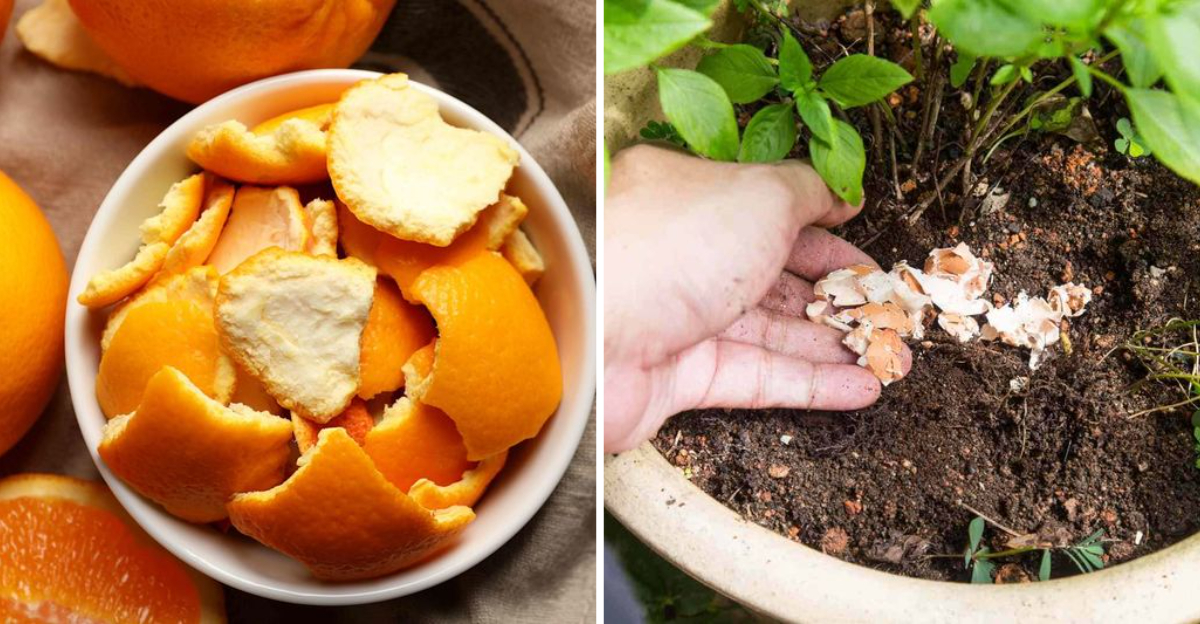
Transforming kitchen waste into plant food is an eco-friendly practice that not only reduces waste but also enriches your garden soil. This guide explores five effective methods to convert everyday kitchen scraps into valuable nutrients for plants. From creative composting techniques to innovative recycling ideas, these approaches help make the most of what you might otherwise throw away, supporting both your garden’s growth and the environment. Discover how easy and rewarding it can be to turn waste into a resource, nurturing your plants naturally and sustainably.
Composting with Eggshells
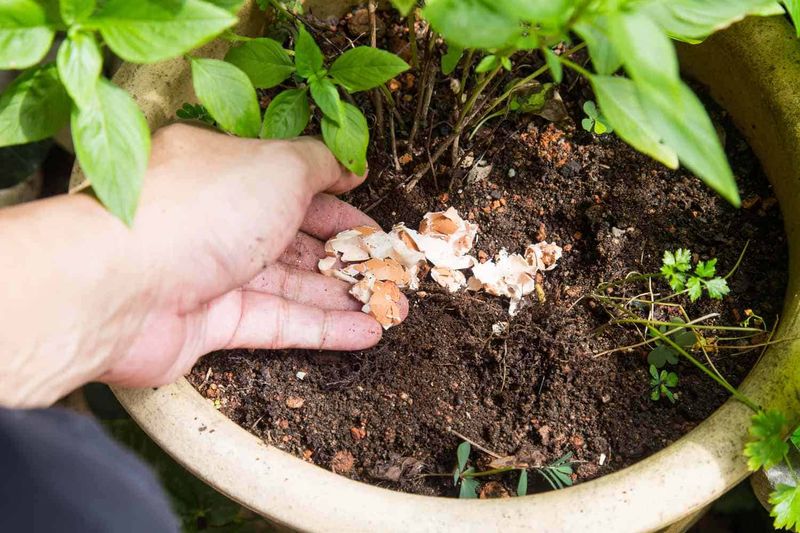
Eggshells, often discarded without a second thought, are rich in calcium, a vital nutrient for plants. Crushed eggshells can be added directly to the soil to enhance its mineral content.
They break down slowly, providing a steady supply of calcium, which helps strengthen cell walls in plants. You might wonder, “How can something so simple be so effective?”
This slow release makes eggshells perfect for tomatoes, peppers, and other calcium-loving plants. Next time you make an omelet, save those shells!
Banana Peel Fertilizer
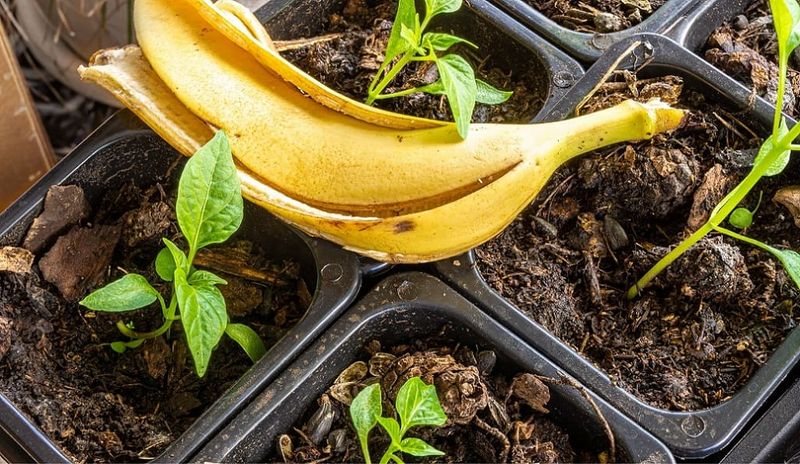
Banana peels are more than just slippery nuisances. They’re packed with potassium, essential for plant growth.
Placing peels around your plants, or burying them near roots, provides a slow-releasing source of potassium. This can enhance blooming and fruiting.
The idea might seem quirky, but gardeners have sworn by it for generations. Imagine roses with richer colors or fruits with more robust flavors, all thanks to your breakfast leftovers!
Coffee Grounds for Acid-Loving Plants
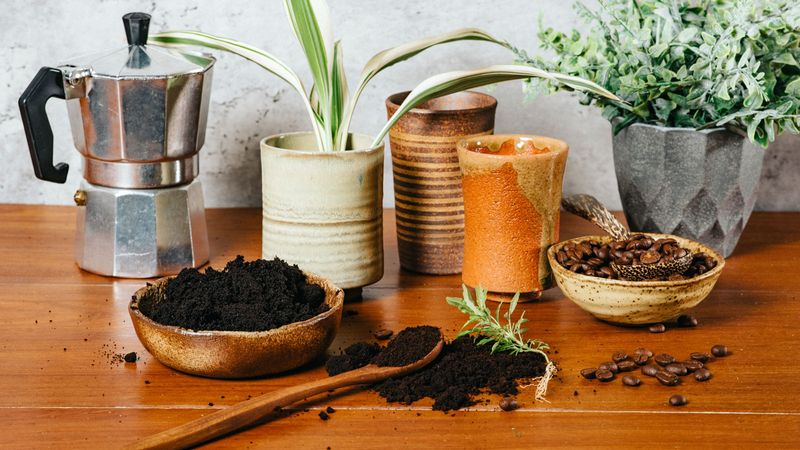
Coffee lovers rejoice! Your morning brew’s leftovers are perfect for acid-loving plants like azaleas and hydrangeas.
Sprinkling used coffee grounds on the soil increases acidity while adding nitrogen. It’s a double win, enhancing both soil texture and nutrient content.
As you enjoy your coffee, consider how these grounds can contribute to a more vibrant garden. It’s a productive use for something that might otherwise end up in the trash.
Onion Peel Compost
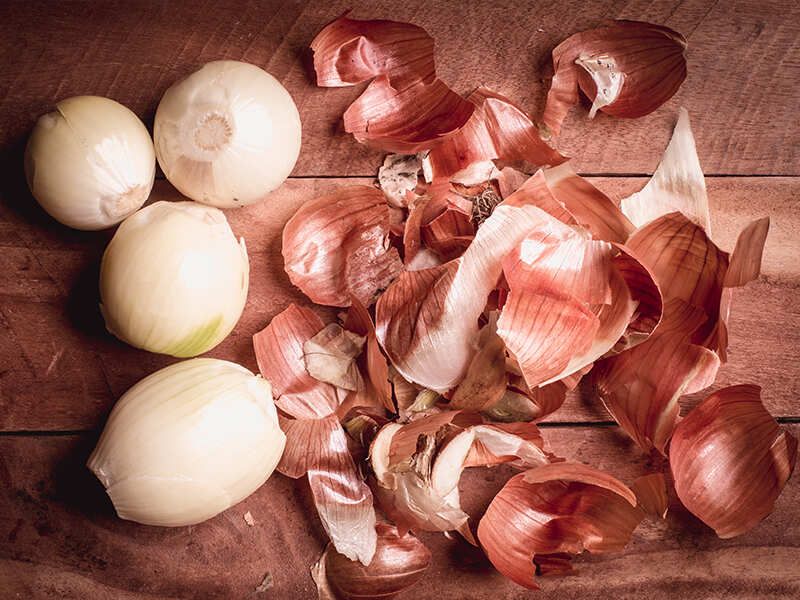
Onion peels may seem like kitchen trash, but they’re a treasure trove of nutrients. Adding them to compost enriches the mix with sulfur and other essential elements.
These nutrients can deter pests and promote healthy growth when spread in the garden. It’s fascinating how something as mundane as an onion peel can make such a difference.
Next time you chop onions, save those peels for your compost pile and see your garden flourish.
Citrus Peel Cleaner for Soil
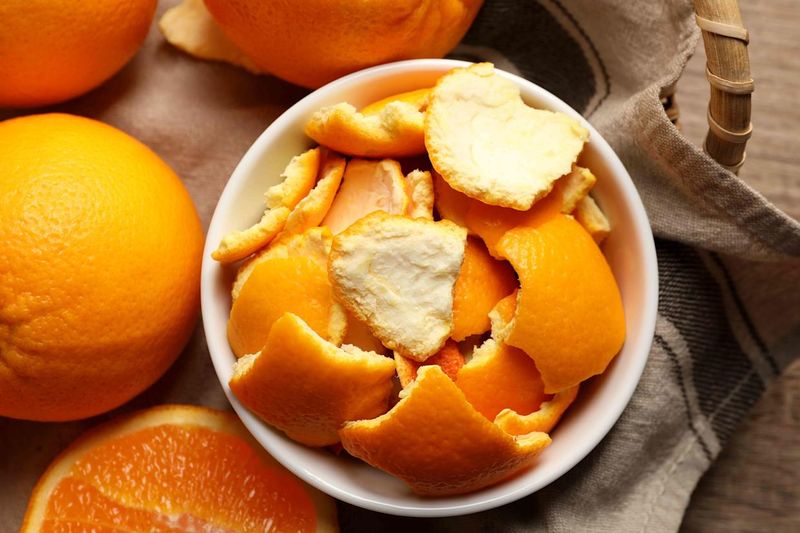
Citrus peels are nature’s way of cleaning soil. They help control pests and add a pleasant aroma to your garden.
By mixing peels into the soil, you create a natural insect repellent. It’s a refreshing method to protect your plants organically.
Consider how the zest of a lemon or orange can lend more than just flavor to your meals, but vitality to your garden. Transforming waste into resource is both simple and rewarding.
Potato Peels
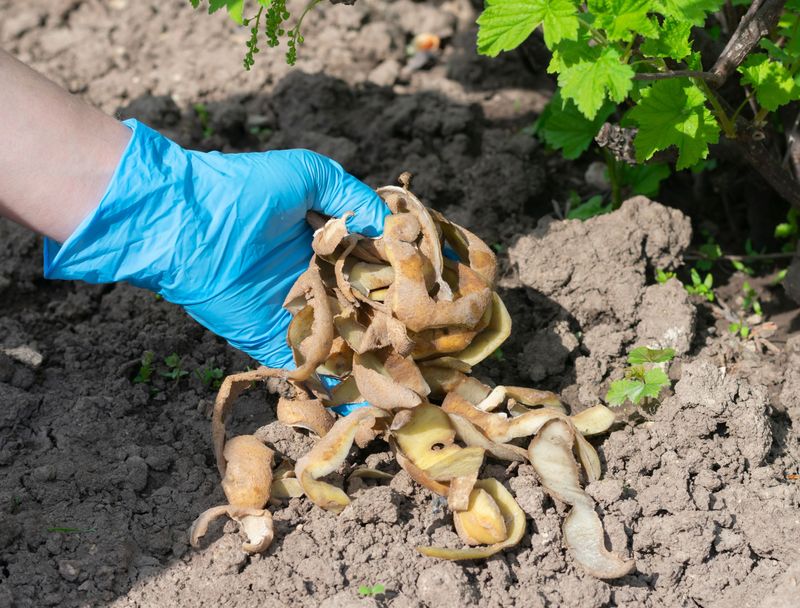
Did you know that potato peels are packed with nutrients that plants love? By burying them directly into the soil, you can enrich your garden with potassium and phosphorus. These nutrients help in root development and enhance plant health.
Simply chop the peels into smaller pieces and scatter them around the base of your plants. Over time, they’ll decompose, releasing a slow, steady stream of nourishment. This method is not only easy but also cost-effective.
To maximize benefits, avoid using peels from potatoes that show signs of disease or rot.
Carrot Tops
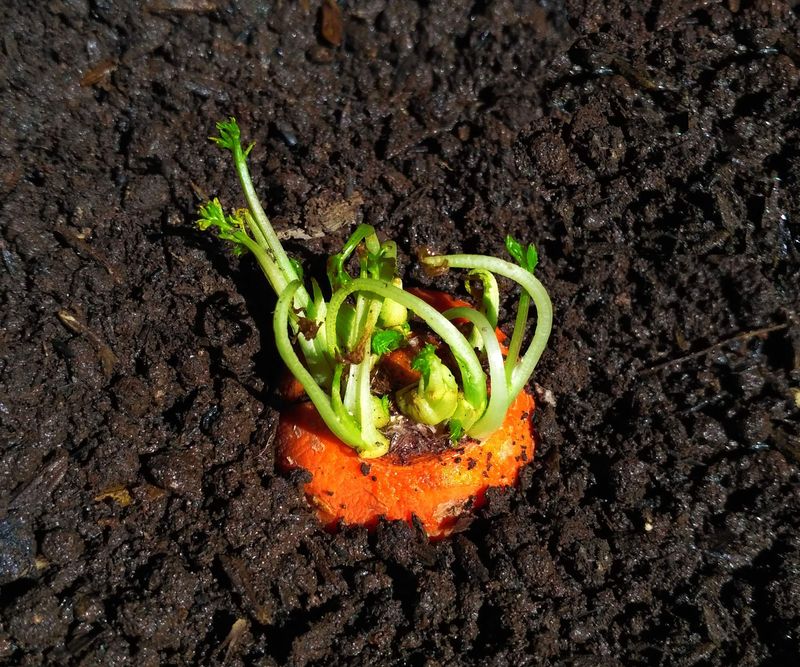
Carrot tops are not just waste; they offer a hidden benefit for your plants. Rich in nitrogen, they can be used to boost leafy growth in your garden.
You can layer them in your garden beds or add them to your compost pile for a slow-release fertilizer effect. Their high nitrogen content helps promote lush, green foliage.
A fun fact: carrot tops were once used in salads and soups, highlighting their versatility beyond composting. So next time, think twice before discarding them.
Avocado Skins
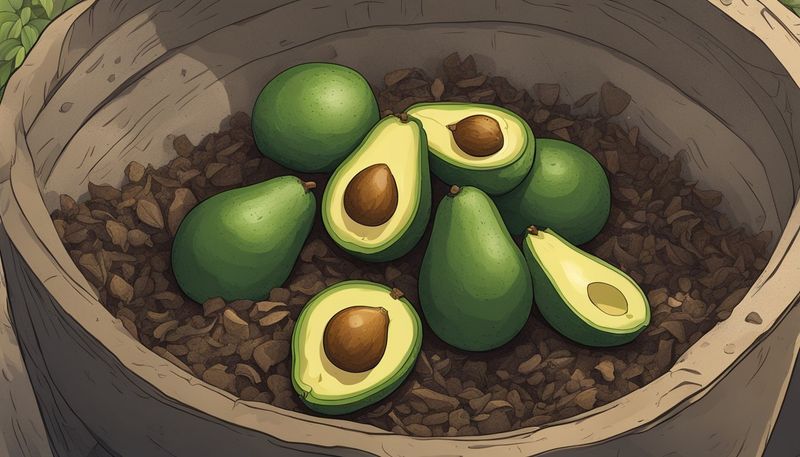
Avocado skins are more beneficial than they appear. They act as a natural slow-release fertilizer, gradually breaking down to feed your soil.
To use them, simply bury the skins around your plants. This method ensures that essential nutrients like potassium and magnesium are slowly released. These elements contribute to stronger root systems and improve plant health.
For best results, chop the skins into smaller pieces to accelerate decomposition. This eco-friendly practice is a great way to give your garden a boost.
Apple Cores
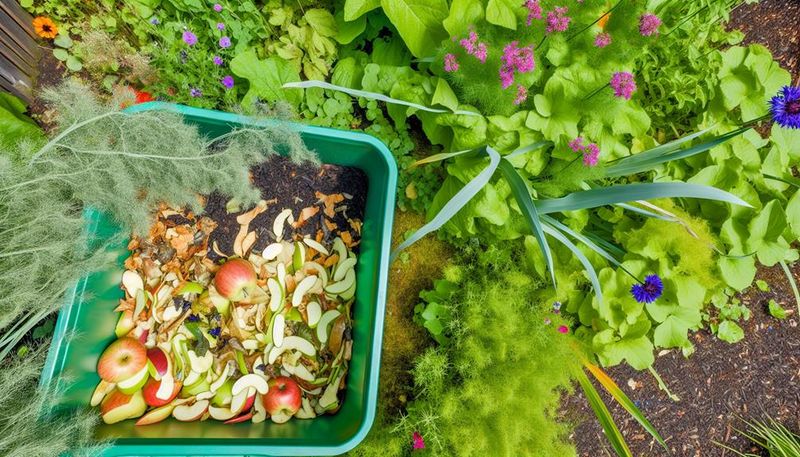
Apple cores don’t need to be thrown away. Instead, they can enhance your soil’s nutrient profile. When composted, they provide beneficial bacteria and minerals essential for plant growth.
Simply add apple cores to your compost bin. Over time, as they break down, they enrich the compost with valuable nutrients.
To ensure the best results, mix them with brown materials like dried leaves. This balance accelerates decomposition and gives your garden the nourishment it craves.
Celery Stalk Ends
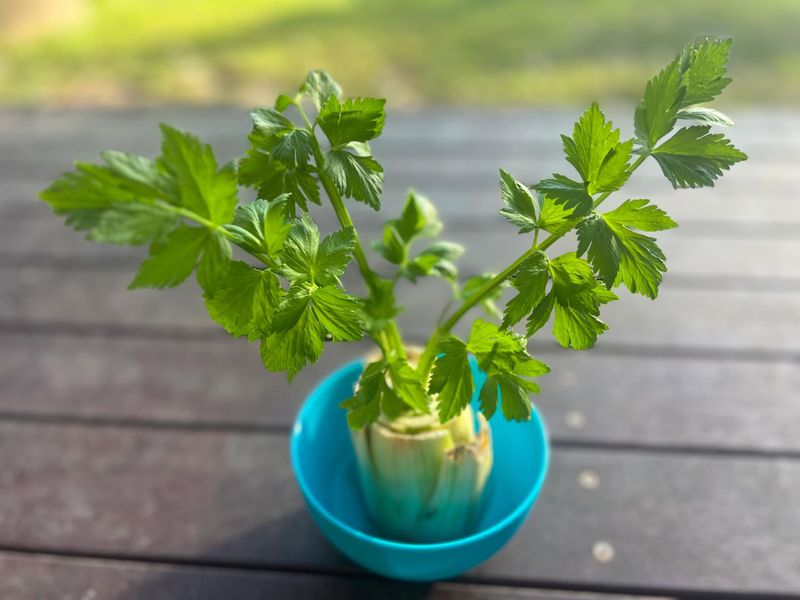
Celery stalk ends offer more than meets the eye. Instead of discarding them, consider adding them to your compost pile.
These ends are rich in calcium and magnesium. By composting them, you introduce these essential minerals into your garden, promoting healthy plant growth.
For a quirky twist, try regrowing celery from its base. With a little water and sunlight, you might just grow a whole new plant! It’s an engaging project and a wonderful way to recycle kitchen scraps.
Tea Leaves
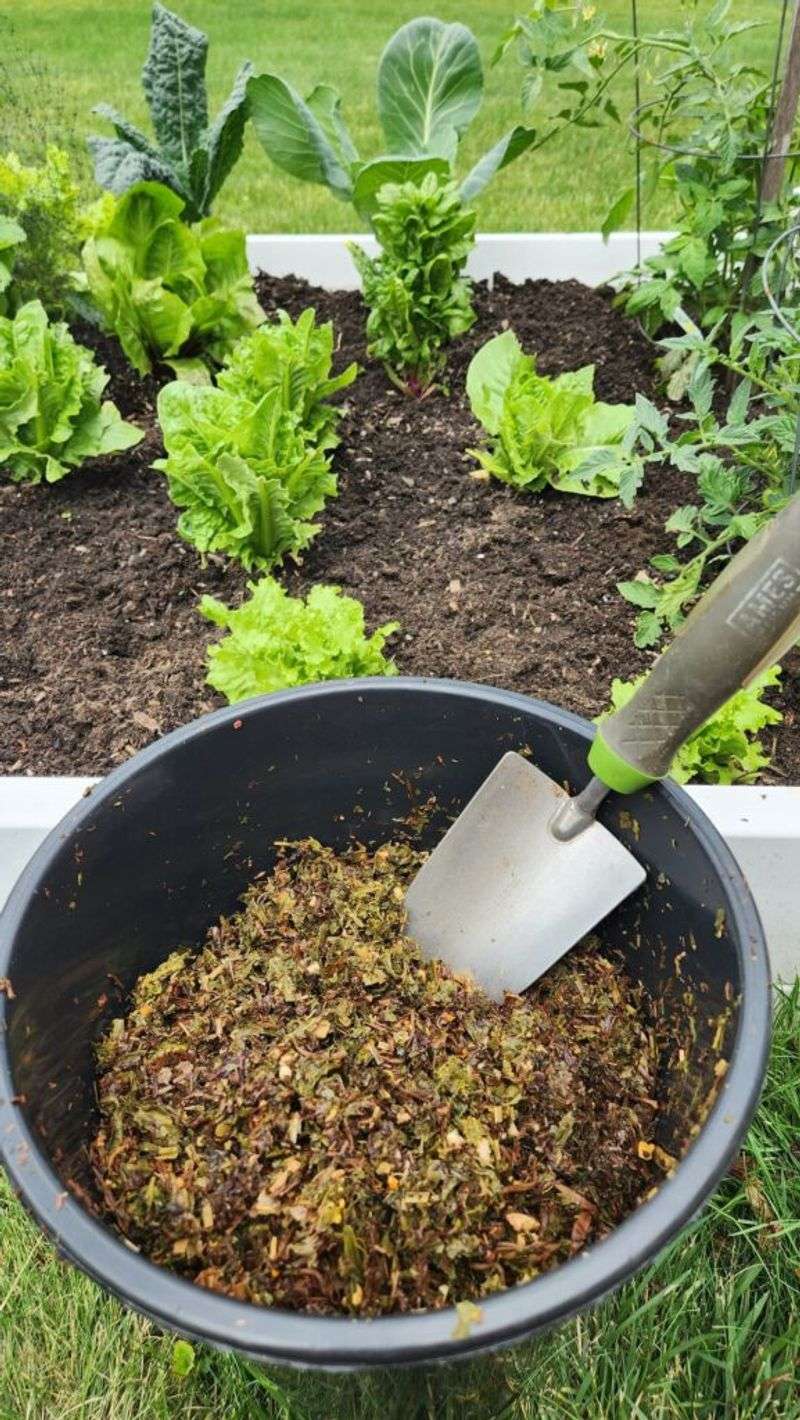
Tea leaves, often discarded after brewing, are a treasure trove of nutrients. When added to soil, they help improve its structure and acidity, benefiting acid-loving plants.
To use, simply sprinkle used tea leaves around the base of your plants or mix them into the soil. Their gradual breakdown releases nitrogen, which aids plant growth.
A charming fact: in some cultures, tea leaves are considered lucky for gardens. This practice marries tradition with sustainability, offering a unique way to enrich your soil.
Pineapple Skins
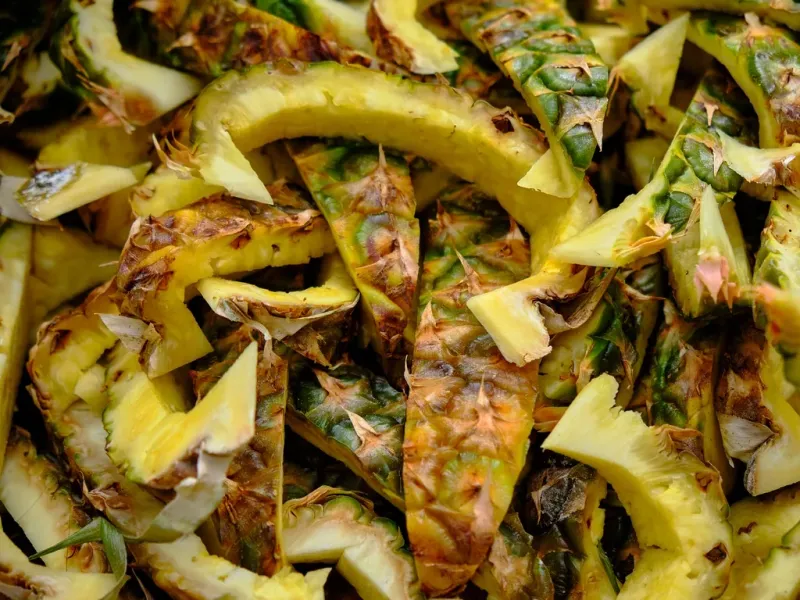
Pineapple skins are surprisingly useful in the garden. They contain bromelain, an enzyme that can speed up the decomposition of organic materials.
By adding pineapple skins to your compost, you boost the breakdown process, creating nutrient-rich compost more quickly. This method is especially beneficial in warmer climates.
For an added benefit, chop the skins into smaller pieces to enhance their effectiveness. This tropical twist on composting brings a bit of the exotic to your gardening routine.
Cucumber Peels
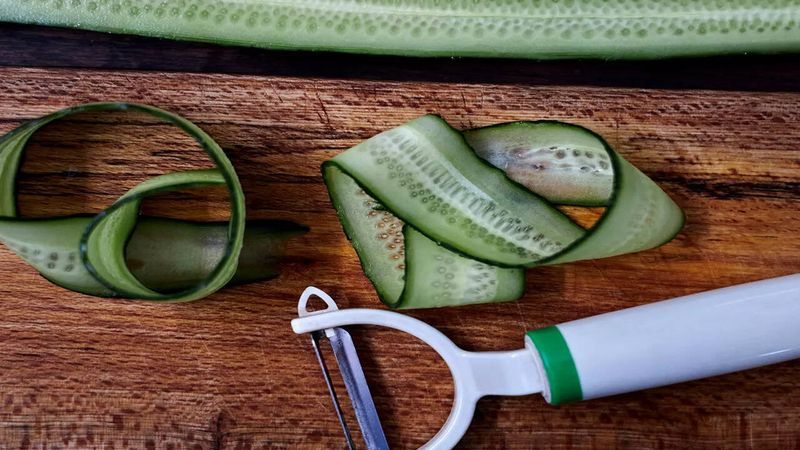
Cucumber peels can be repurposed as a natural fertilizer. When added to the soil, they decompose rapidly, providing a quick nutrient boost.
Simply scatter the peels on the soil surface or incorporate them into the soil. They offer a source of potassium and moisture, promoting healthy plant growth.
A note of interest: cucumber peels are often used in skincare, showcasing their versatility. In the garden, they bring similar rejuvenating qualities, nourishing plants with their hydrating properties.
Garlic Skins
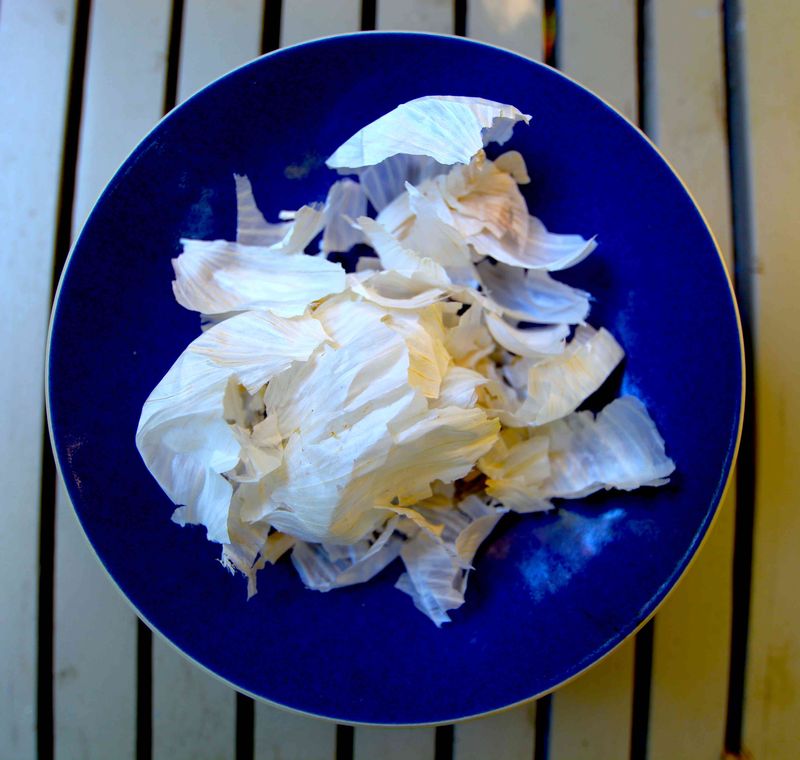
Garlic skins, often overlooked, can be a powerful addition to your compost. They are rich in nutrients like sulfur, which is beneficial for plant growth.
Add garlic skins to your compost pile to enrich it with essential minerals. This practice not only recycles waste but also creates a more fertile garden environment.
Interestingly, garlic has been revered for its medicinal properties for centuries. Using its skins in the garden is a continuation of its legacy of health and vitality.
Pomegranate Rinds
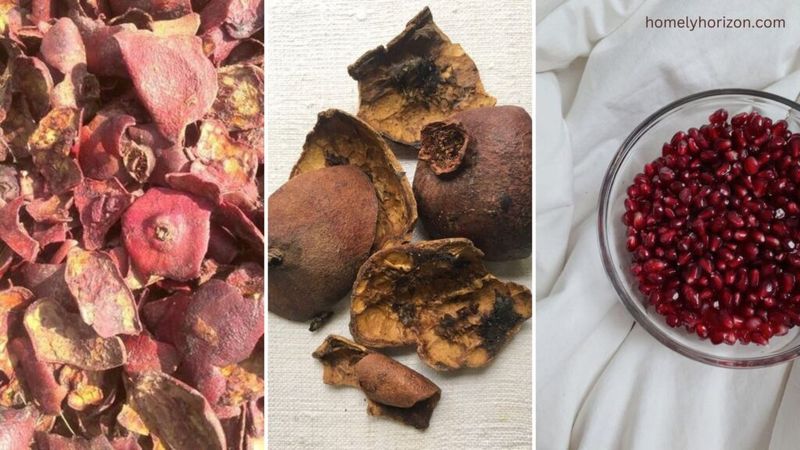
Pomegranate rinds can be utilized to enhance your garden’s vitality. They are packed with antioxidants and nutrients that benefit soil health.
By composting these rinds, you add organic matter that improves soil structure and fertility. The antioxidants help break down other organic materials within the compost.
A curious tidbit: in ancient cultures, pomegranates were symbols of prosperity. Incorporating their rinds into your garden continues this tradition of abundance.
Peach Pits
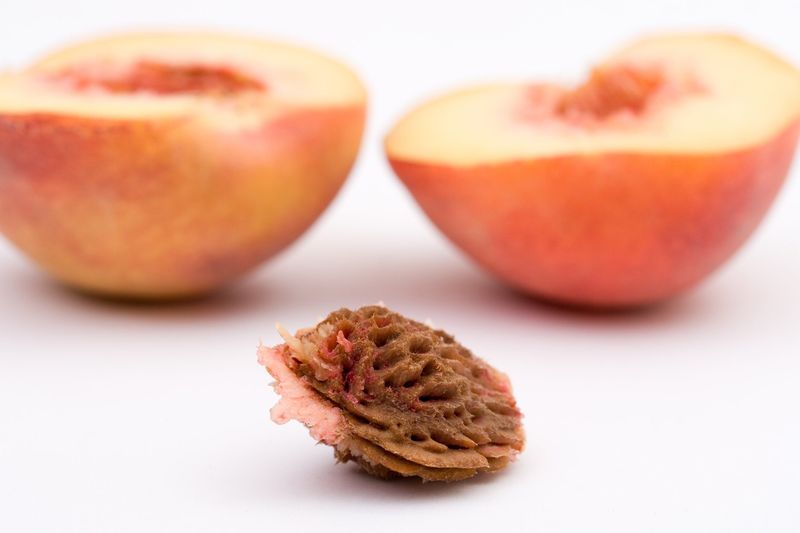
Peach pits, often discarded, can be a hidden treasure for your garden. Though slow to decompose, they add valuable organic matter to the soil.
To utilize them, bury peach pits in your compost pile. Their presence helps aerate the compost, improving its overall structure.
For a historical twist, peach pits were once used as a source of activated charcoal. In the garden, they continue to offer hidden benefits, slowly nourishing the soil over time.
Corn Husks
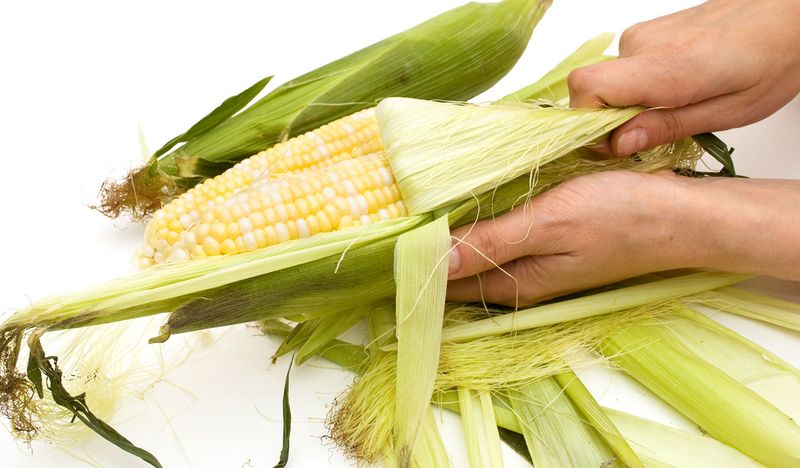
Corn husks provide an unexpected boon to gardeners. Their fibrous nature makes them perfect for composting, adding bulk and structure.
When composted, corn husks break down into a valuable soil conditioner. This process improves soil aeration and water retention, essential for healthy plant growth.
A fun note: corn husks were traditionally used to make dolls and crafts. In the garden, they continue to foster creativity, transforming into a nutrient-rich compost ingredient.
Watermelon Rinds
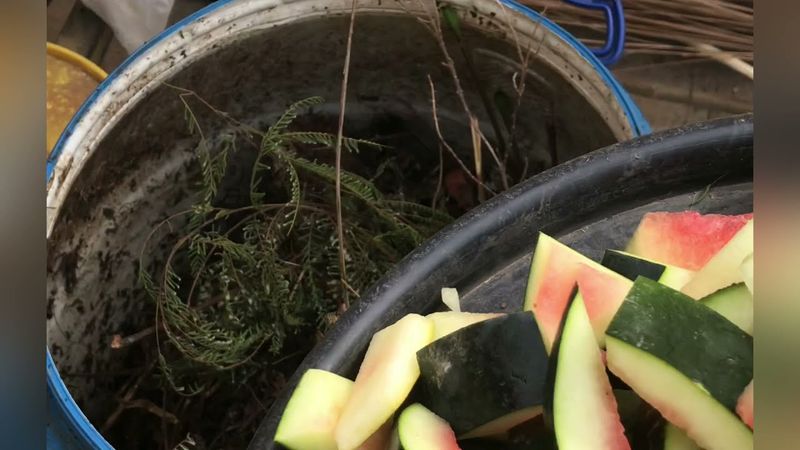
Watermelon rinds, often discarded, can be put to good use in the garden. They are an excellent source of moisture and organic matter.
Add watermelon rinds to your compost pile. Their high water content helps maintain moisture levels, essential for compost breakdown.
A delightful detail: watermelons symbolize summertime joy. In the garden, their rinds carry on this spirit, enriching the soil and supporting healthy plant growth.